
Sign 611 is an information sign designed to help you plan your route. It indicates that there are multiple ways to proceed and ultimately reach the same location, allowing you to pass either the left or right side of a central point or feature. While this sign provides helpful directional guidance, remember that it does not override any traffic signals, regulatory signs, or priority rules you encounter on the road.
This Great Britain information sign, code 611, clearly indicates you can pass on either side to reach your destination, crucial knowledge for your driving theory test revision. Grasping its meaning aids safe planning and interpretation of road layouts, essential for mastering traffic sign explanations.
Information signs make the road environment easier to interpret before a driver has to act. This sign may identify one-way traffic, a lay-by, a route feature, a facility, or a local traffic arrangement. The driver should combine the information with road markings, priority rules, signals, and any regulatory signs before changing speed or position. It is listed in the catalogue as code 611.
"Pass either side to reach the same destination" gives official road information that helps drivers understand the layout, direction of traffic, facility, or local arrangement ahead. It should be used for planning, not for sudden reactions.
Get clear, practical answers to the most common questions about the 611 - Pass either side to reach the same destination road sign. Learn how the sign works, what rules it represents, and how it affects real driving situations. This FAQ strengthens your understanding and supports accurate decision making for the British driving theory exam in Great Britain.
The primary purpose of sign 611 is to inform drivers about the road layout ahead. It tells you that you can safely pass either to the left or right of a certain point or area and still reach your intended destination. It's about route planning, not immediate action.
Sign 611 itself doesn't demand a speed change, but you should combine its information with other road conditions. You might need to adjust your speed based on the overall layout, traffic signals, road markings, or regulatory signs that accompany sign 611. Use the information to position yourself correctly and potentially adjust speed for safety and planning.
Absolutely not. Sign 611 is purely informational and does not override any legal restrictions, traffic signals, or priority rules. You must always obey signs like 'Stop', 'Give Way', speed limits, or traffic light signals, even if sign 611 suggests a particular route option.
A common trap is assuming sign 611 grants permission to ignore other traffic controls or priority rules. Learners might also misinterpret it as a directive to change lanes suddenly or disregard lane markings. Always remember that information signs supplement, but do not replace, regulatory signs and rules of the road.
You might see sign 611 in various situations, such as before a road diverges around an obstruction, a traffic island, or to indicate that a specific facility or area can be accessed from either side. It helps drivers choose their path with confidence in such layouts.
A clear reference image of the 611 - Pass either side to reach the same destination road sign used in Great Britain.

The 611 - Pass either side to reach the same destination road sign may also be known by these alternative names or terms.
The 611 - Pass either side to reach the same destination road sign is part of the Great Britain Information Signs category, which groups together signs with similar rules and functions.
Studying related road signs side-by-side sharpens your recall and helps you distinguish subtle differences, improving your theory test revision. Effective traffic sign comparison is key to mastering the vast array of official UK road signs for your driving knowledge.

Understand the One-Way Traffic sign (810-L) to navigate safely.
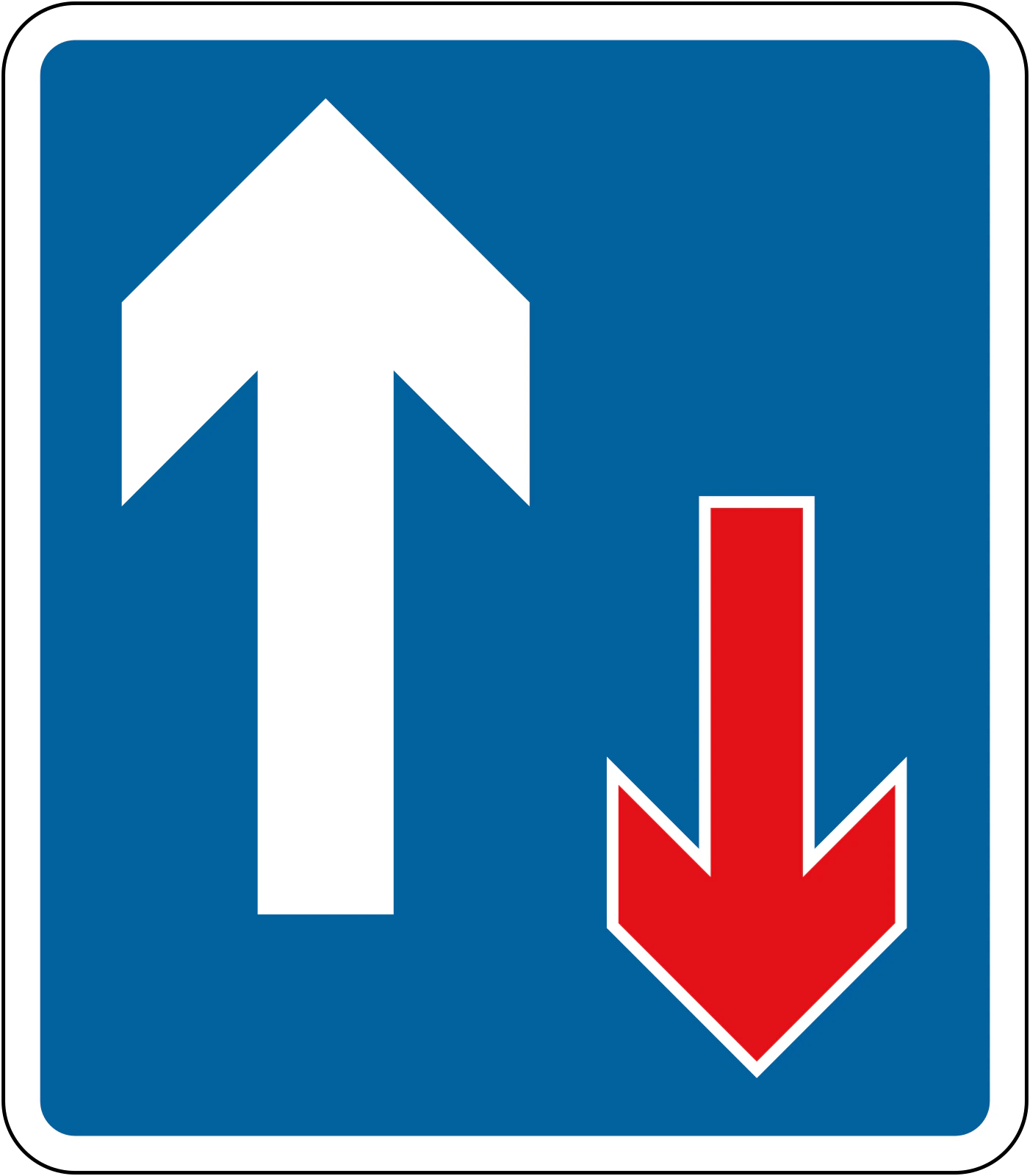
Sign 811 tells you that traffic from the opposite direction has priority.
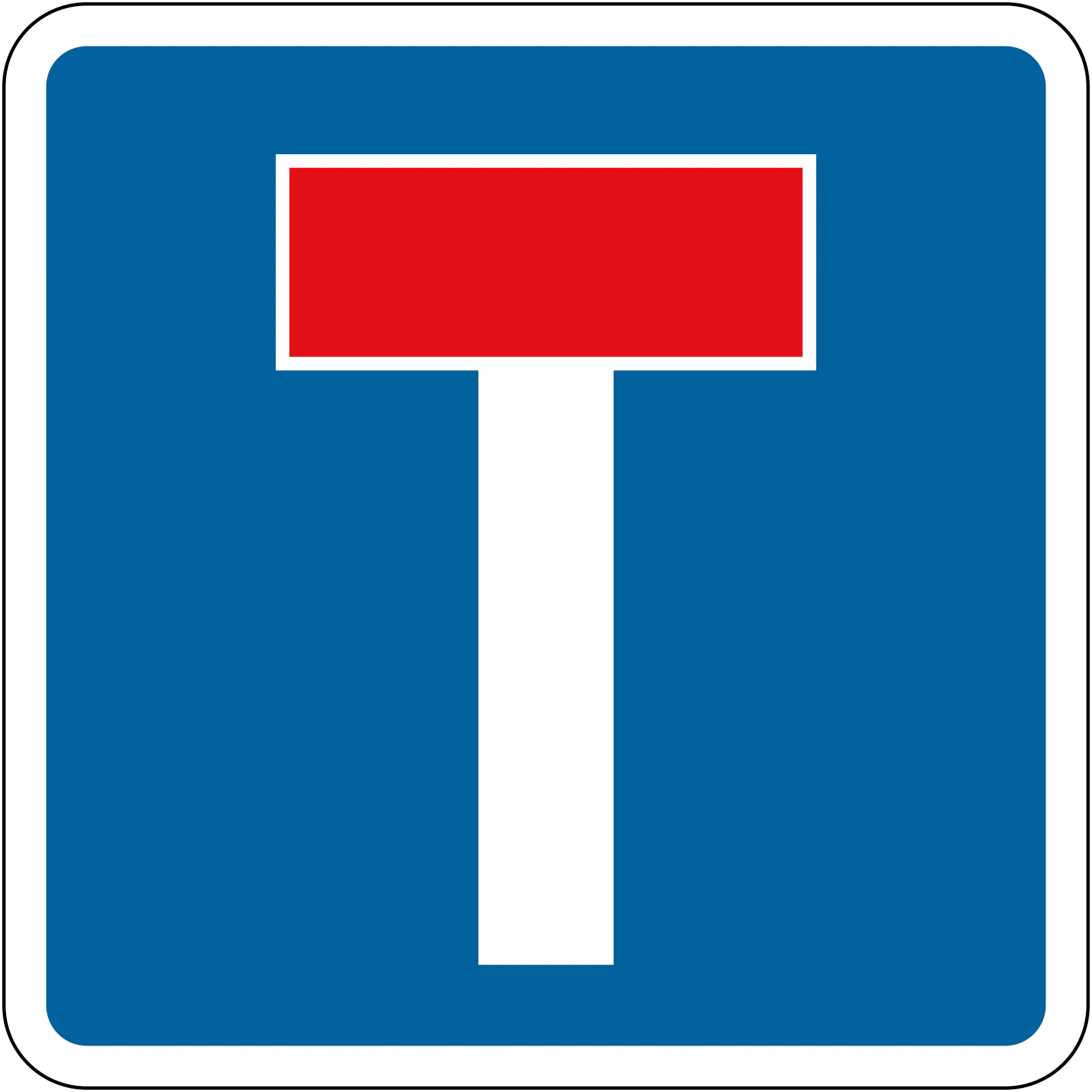
Prepare for the 'No Through Road' sign with this essential Great Britain traffic information.

Prepare for a weight restriction and find an alternative route with this information sign.

Understand the 'No Hard Shoulder for 400 yd' Road Sign

Understand the 'Unsuitable for Heavy Goods Vehicles' Information Sign
What the 'Unsuitable for Long Vehicles' road sign means for your driving journey.
Understand the 'Passing Place on a Narrow Road' Information Sign (822)
After reviewing the full list of road signs, challenge yourself with practice questions focused specifically on sign recognition. Reinforce your learning and ensure you're fully prepared to identify and understand all traffic signs on the DVSA theory test.
Browse All GB Road Signs List