
Sign 527, often found alongside other warning signs, serves as an advance cue that supplementary plates relating to steep hills are approaching. It alerts you to look further ahead and prepare for potential changes in road gradient, visibility, or priority. This sign is crucial for managing your speed early and ensuring a smooth, safe approach to a demanding section of road, helping you avoid sudden braking or acceleration.
This advance warning plate for steep hills requires early speed management and enhanced observation to safely navigate changing road conditions. Master its meaning for effective theory test revision and confident driving.
This warning sign is used before a hazard or road feature that may require an earlier response than the driver would otherwise make. Its purpose is to give enough time to reduce speed smoothly, increase observation, and avoid sudden braking or steering. The correct practical response depends on the exact location, traffic level, visibility, road surface, and whether pedestrians, cyclists, animals, or crossing traffic may be present. It is listed in the catalogue as code 527.
"Plates used with steep hill signs" gives advance warning of plates used with steep hill signs. It tells the driver to look further ahead, manage speed early, and prepare for a possible change in priority, road position, visibility, or stopping distance.
Get clear, practical answers to the most common questions about the 527 - Plates used with steep hill signs road sign. Learn how the sign works, what rules it represents, and how it affects real driving situations. This FAQ strengthens your understanding and supports accurate decision making for the British driving theory exam in Great Britain.
The primary purpose of sign 527 is to provide an advanced warning that other signs, specifically supplementary plates associated with steep hills, are in use ahead. It prompts drivers to increase their observation and prepare for conditions or instructions indicated by those subsequent plates.
When you see sign 527, you should anticipate that there will be further information about a steep hill shortly. It's an early hazard warning, so you should ease off the accelerator, check your mirrors, and prepare to adjust your speed and road position before you reach the actual steep hill or any specific instructions on supplementary plates.
A common trap is treating sign 527 as the final instruction itself, rather than an advance warning. Learners might forget to look for the supplementary plates that follow, or they might only start to react when they see the steep hill itself, instead of preparing earlier as the sign 527 indicates.
Sign 527 itself is a warning that other information is coming. While it prompts you to 'manage speed early', it doesn't necessarily mean immediate braking. You should begin to ease off and prepare to slow down, but the exact speed reduction depends on the supplementary plates and the immediate road conditions you encounter shortly after.
Supplementary plates following sign 527 can provide crucial details about the steep hill ahead. They might indicate the gradient (e.g., '1 in 5'), the length of the steep section, or specific instructions such as 'pull up here for traffic lights' or 'caution: steep hill ahead'.
A clear reference image of the 527 - Plates used with steep hill signs road sign used in Great Britain.

The 527 - Plates used with steep hill signs road sign may also be known by these alternative names or terms.
The 527 - Plates used with steep hill signs road sign is part of the Great Britain Warning Signs category, which groups together signs with similar rules and functions.
Comparing signs like these steep hill plates helps solidify your recognition and memory, reducing errors on your theory test. Practice your traffic sign comparison skills to improve sign recognition and ensure you are fully prepared for your driving theory exam.

Prepare for a STOP or GIVE WAY sign ahead with this crucial advance warning.

The 502 'Distance to STOP line' plate adds vital information to warning signs.

What does the 'Distance to GIVE WAY Line' warning plate mean?
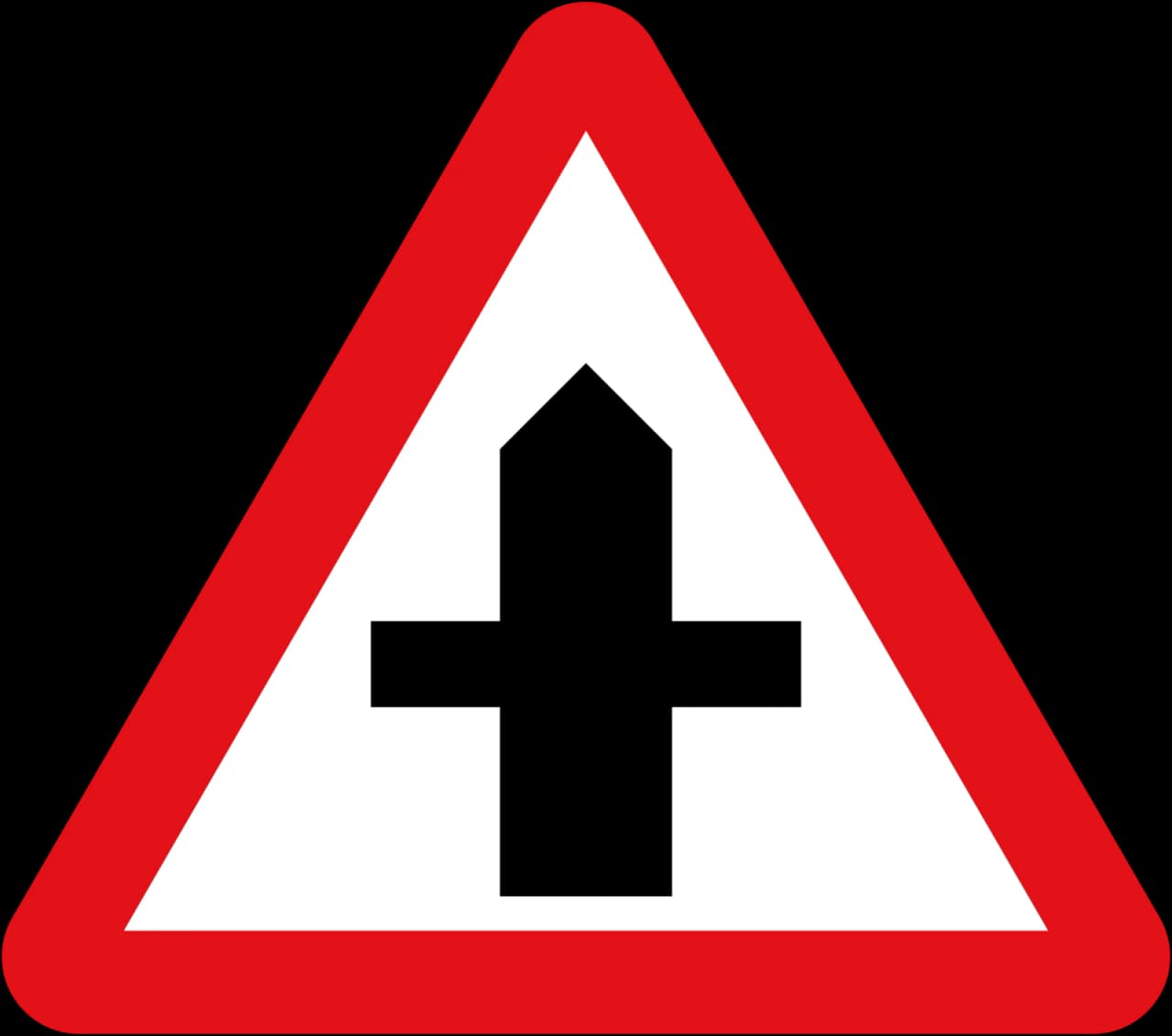
Prepare for Crossroads with the 504.1 Advance Warning Sign
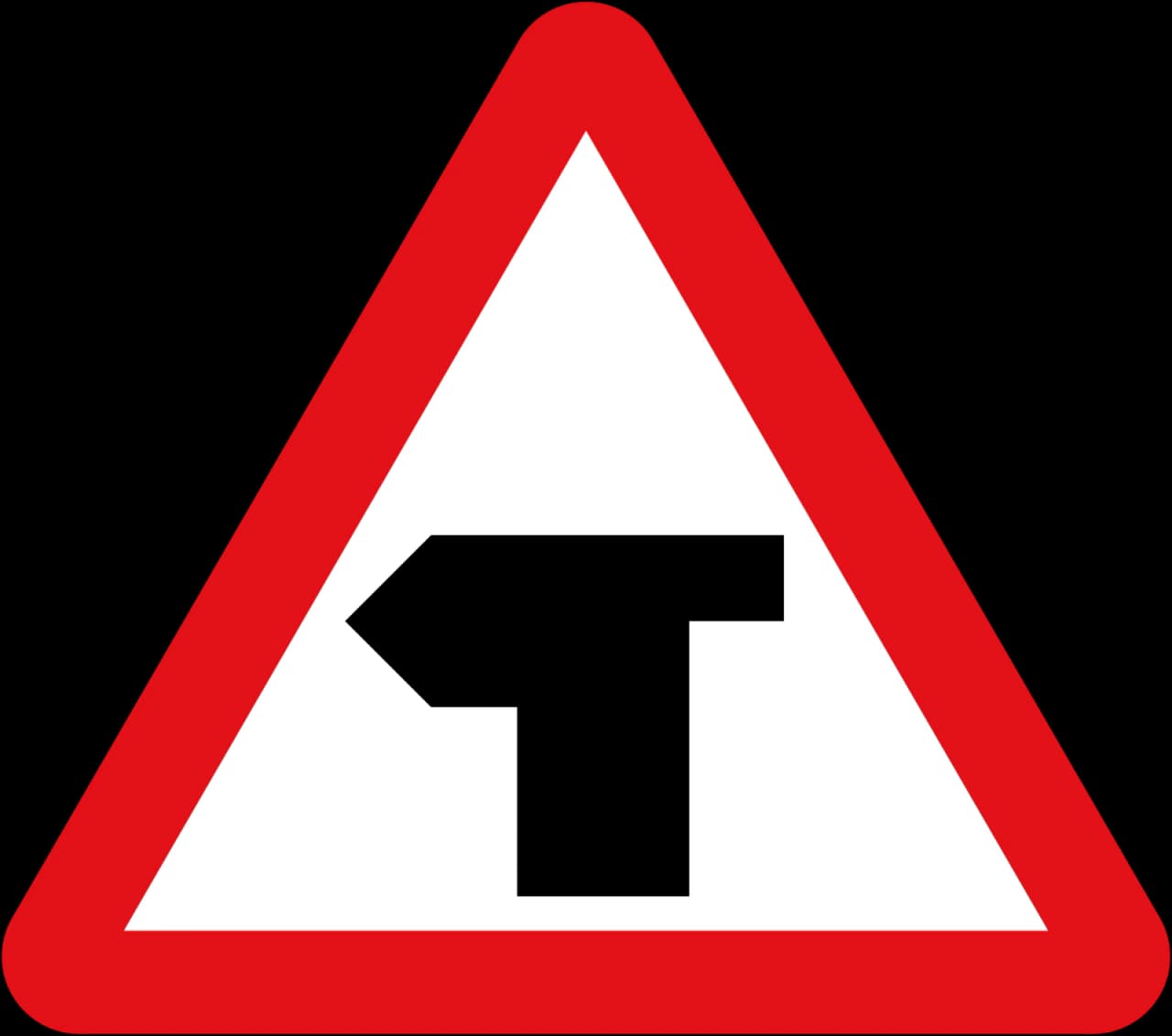
Prepare for a T-junction ahead with this advance warning road sign.
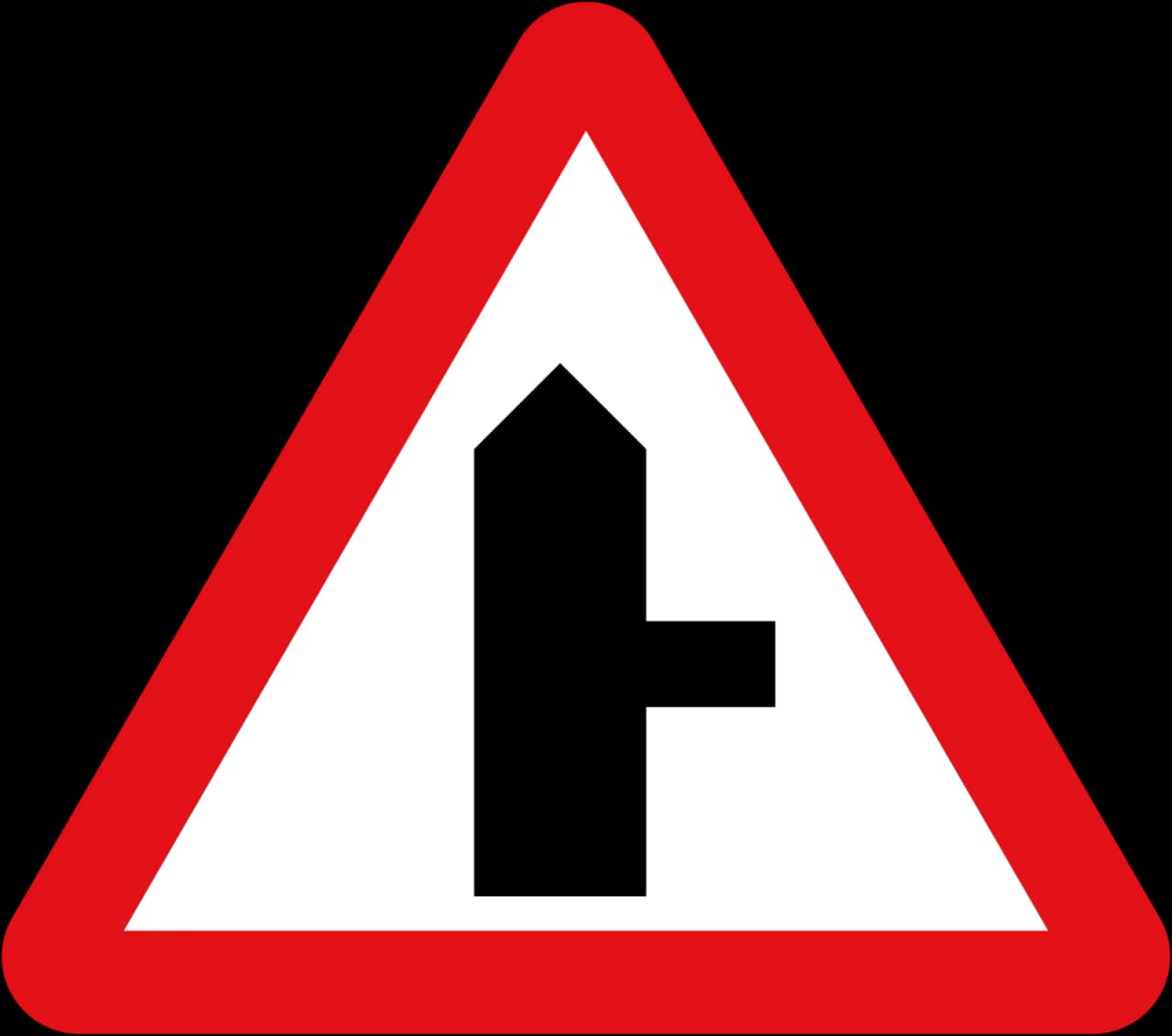
Prepare for a side road joining from the right with this advance warning sign.

Prepare for a staggered junction ahead with this advance warning sign.
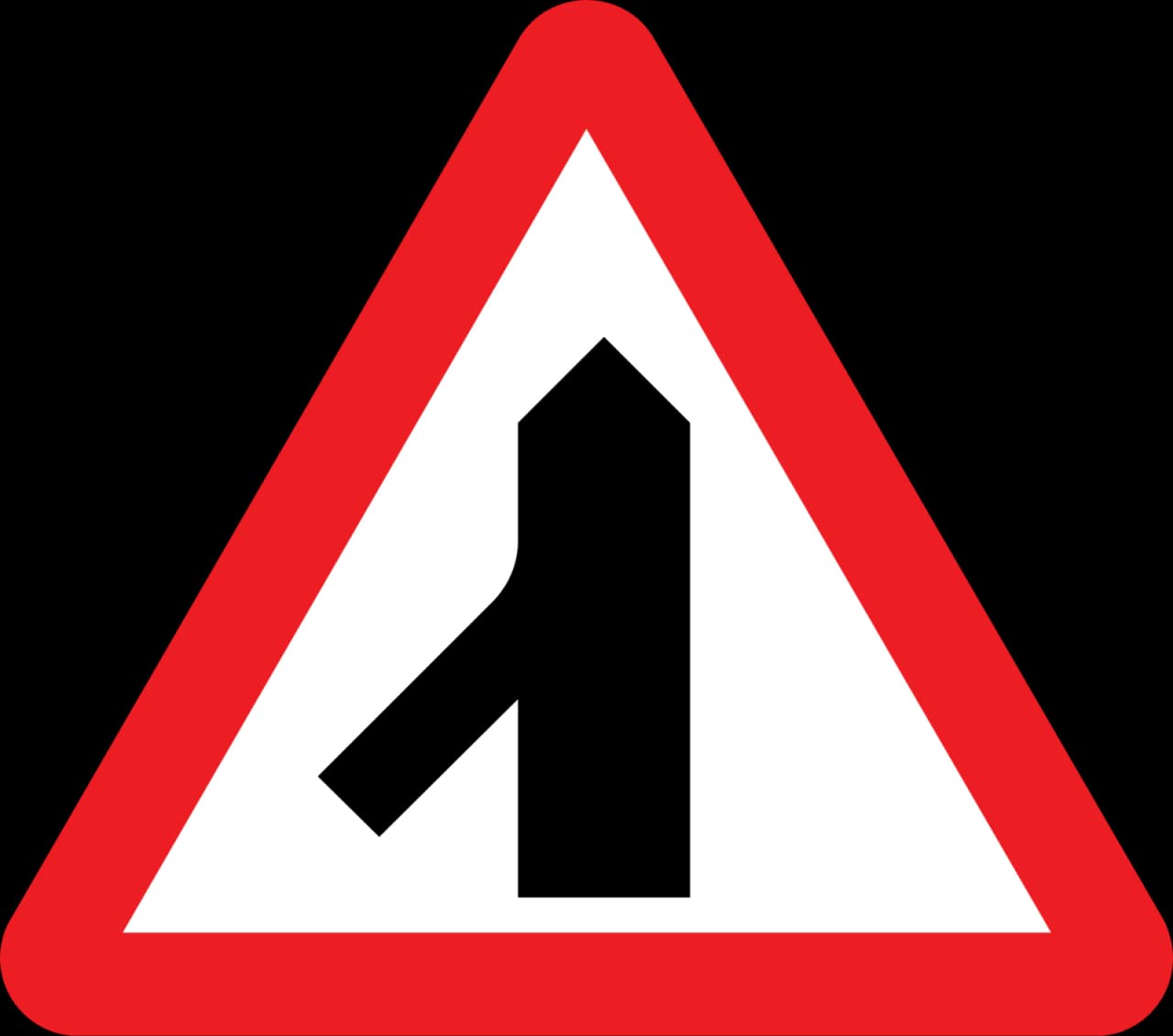
Prepare for traffic merging from the left with this advanced warning sign.
After reviewing the full list of road signs, challenge yourself with practice questions focused specifically on sign recognition. Reinforce your learning and ensure you're fully prepared to identify and understand all traffic signs on the DVSA theory test.
Browse All GB Road Signs List