
The 'Police Accident' sign (829.2) is a crucial temporary traffic management sign used in Great Britain. It warns drivers that the usual road conditions, layout, or rules may be altered due to roadworks or an incident. You must reduce your speed early, follow temporary instructions like cones and signals, and maintain extra distance until the normal road layout clearly resumes.
Learn to recognise the 'Police Accident' sign (829.2) and understand its temporary traffic management implications for your driving theory test. This sign interpretation is crucial for safe driving and understanding priority changes in roadworks.
Roadworks signs are temporary, but their instructions are essential for safety and traffic flow. This sign may warn about works, temporary lanes, loose chippings, convoy systems, workers, equipment, closures, or altered priorities. Drivers should reduce speed early, keep extra distance, and keep following temporary signs until the normal road layout clearly resumes. It is listed in the catalogue as code 829.2.
"Police accident" warns or instructs drivers in a temporary traffic-management situation. It signals that the normal layout, surface, lane use, or priority may be changed.
Get clear, practical answers to the most common questions about the 829.2 - Police accident road sign. Learn how the sign works, what rules it represents, and how it affects real driving situations. This FAQ strengthens your understanding and supports accurate decision making for the British driving theory exam in Great Britain.
The 'Police Accident' sign (829.2) is a temporary warning that there are roadworks or an incident ahead. It alerts you that the normal road layout, surface, or traffic flow may be temporarily changed. This means you need to be extra vigilant and prepared to follow temporary instructions.
When you see the 'Police Accident' sign (829.2), you must not ignore temporary signs or instructions. Do not enter coned-off areas, closed lanes, or works access points. Overtaking works vehicles or slow traffic should also be avoided if space is restricted, and you must not drive through loose surfaces or narrowed lanes at normal speed.
Upon seeing the 829.2 sign, you should slow down early and increase your following distance. Pay close attention to temporary lanes, signs, traffic signals, and any priority rules indicated. Watch out for workers, equipment, cones, uneven surfaces, and potential sudden queues. Continue following all temporary instructions until the normal road layout is clearly visible again.
A common trap is assuming the permanent road layout is still in effect and ignoring temporary signs. Learners might also fail to reduce speed early enough or fail to maintain adequate distance. Remember that temporary traffic management situations can change rapidly, so always prioritise the temporary instructions over your familiarity with the road.
The key difference is that the 829.2 'Police Accident' sign indicates a temporary situation. Permanent signs describe enduring conditions or rules. When temporary roadworks are active, the instructions from temporary signs like 829.2 override or modify what permanent signs might suggest, requiring a dynamic and cautious approach.
A clear reference image of the 829.2 - Police accident road sign used in Great Britain.
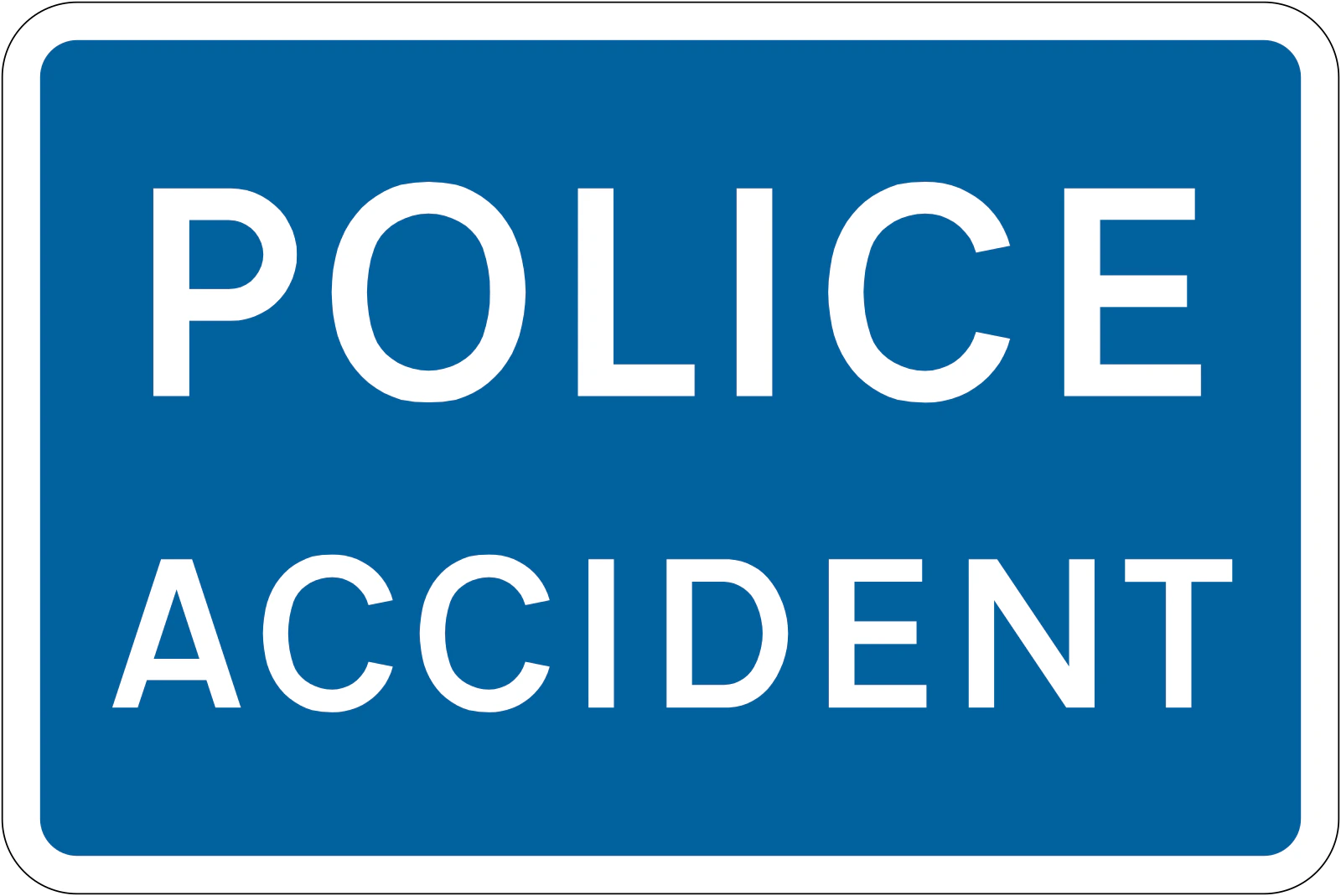
The 829.2 - Police accident road sign may also be known by these alternative names or terms.
The 829.2 - Police accident road sign is part of the Great Britain Roadworks and Temporary Signs category, which groups together signs with similar rules and functions.
Deepen your understanding by comparing the 'Police accident' sign with similar temporary roadworks signs. This targeted theory test revision helps prevent confusion and improves your recall of official road signs for the GB driving licence exam.

Follow the Diversion: Navigating Temporary Traffic Management Signs
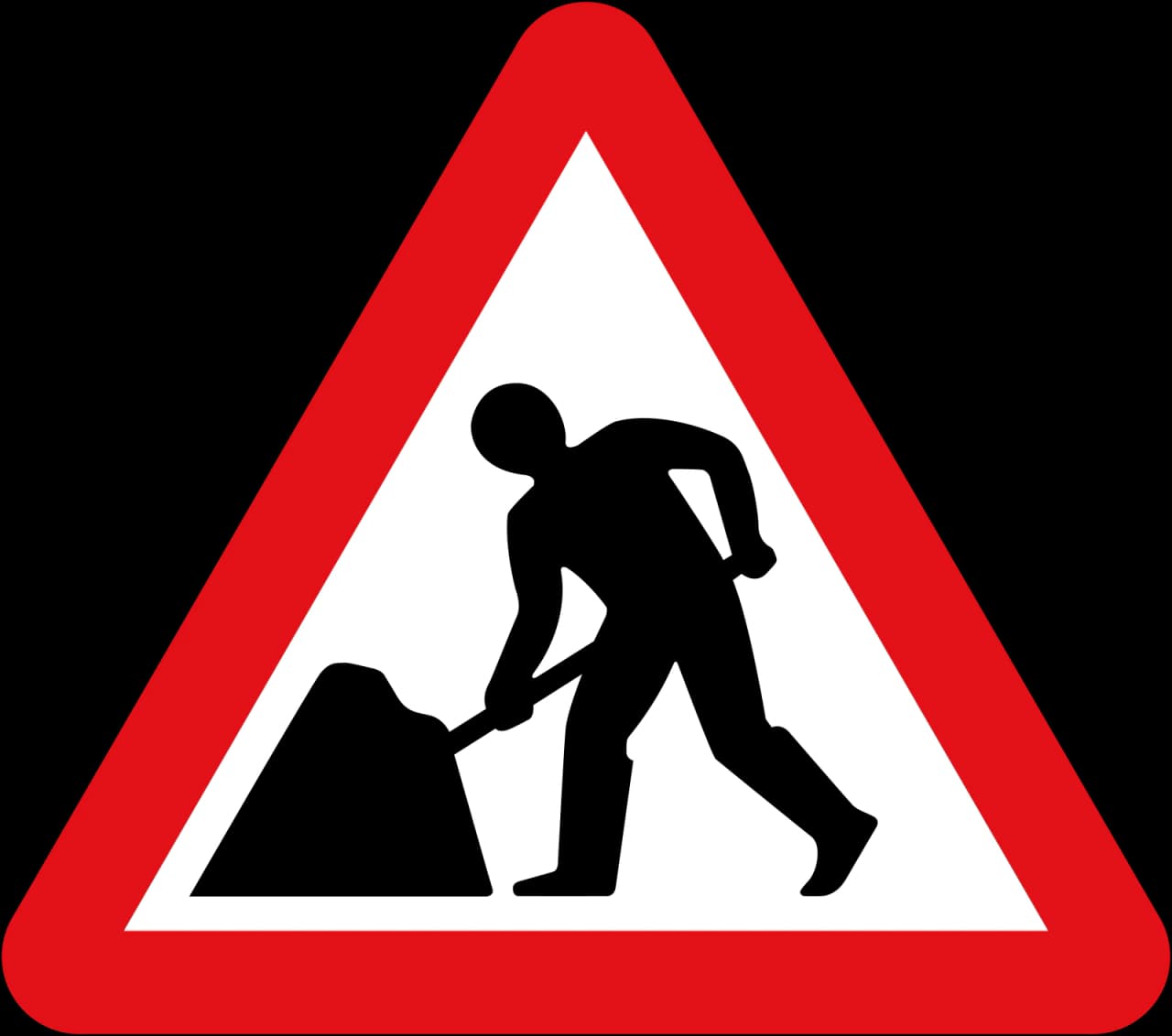
Understand and react correctly to the 'Road Works' traffic sign.
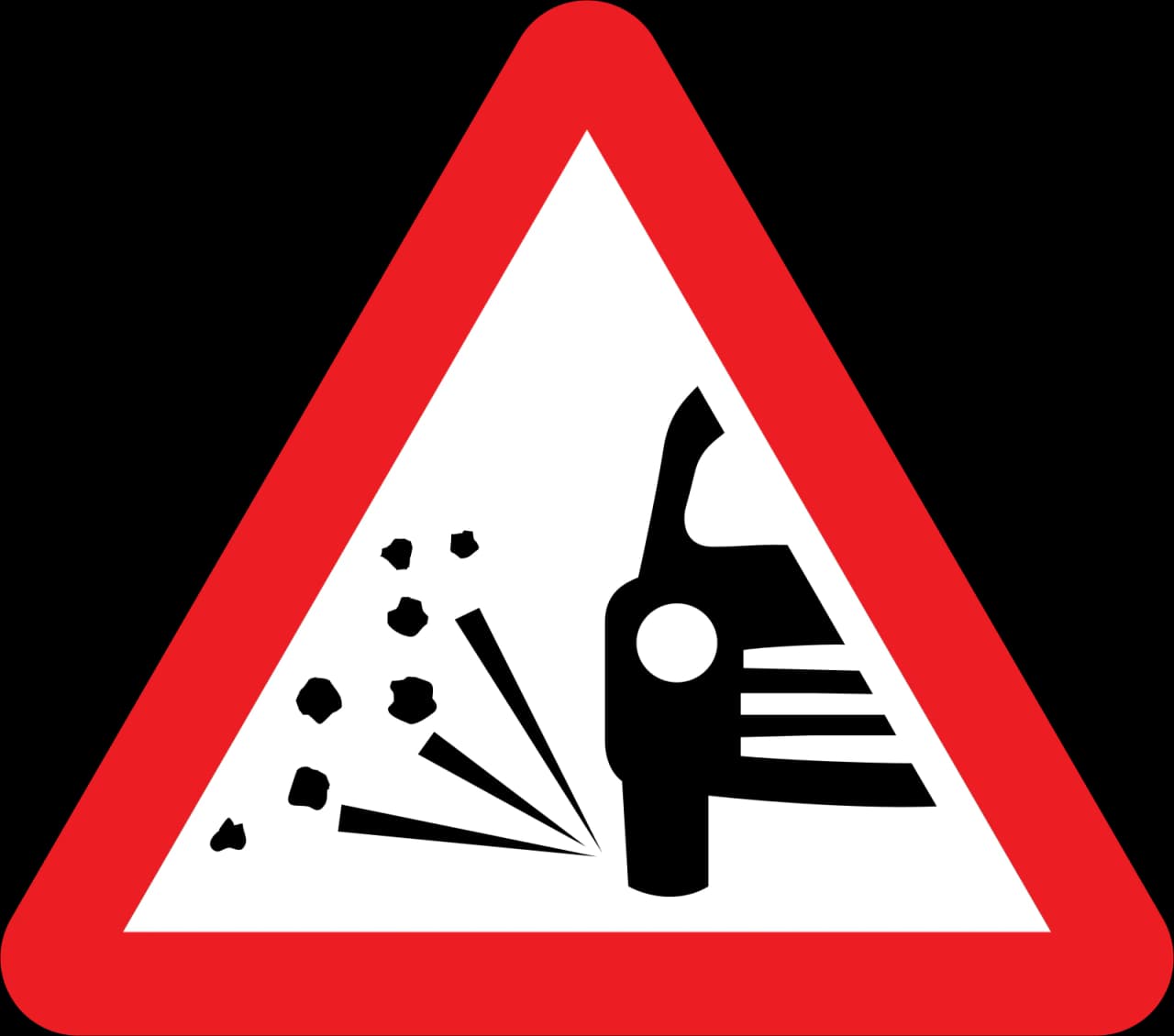
Slow down for loose chippings during roadworks.
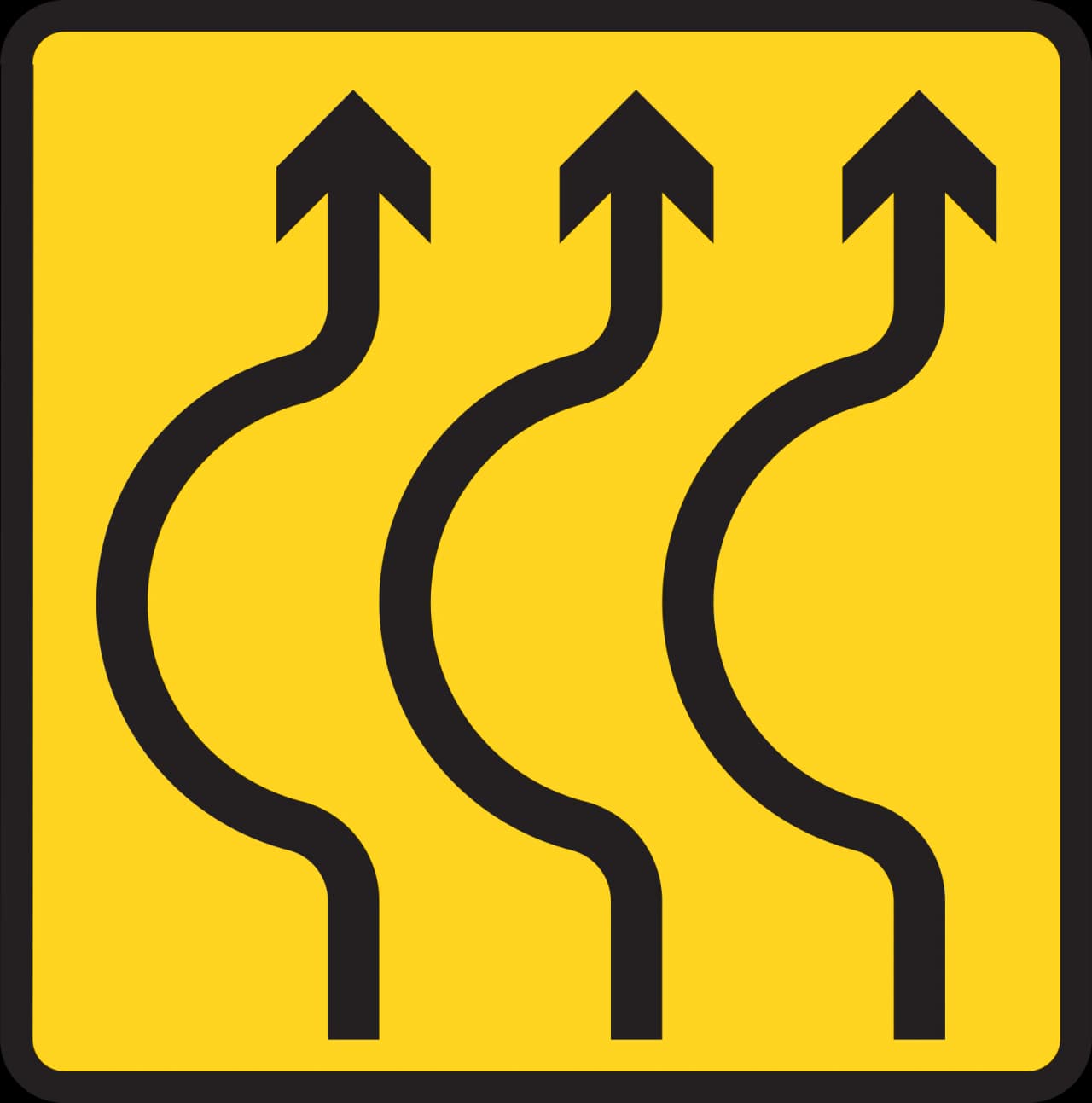
Understand the 'Lanes bend ahead' temporary roadworks sign (7221)
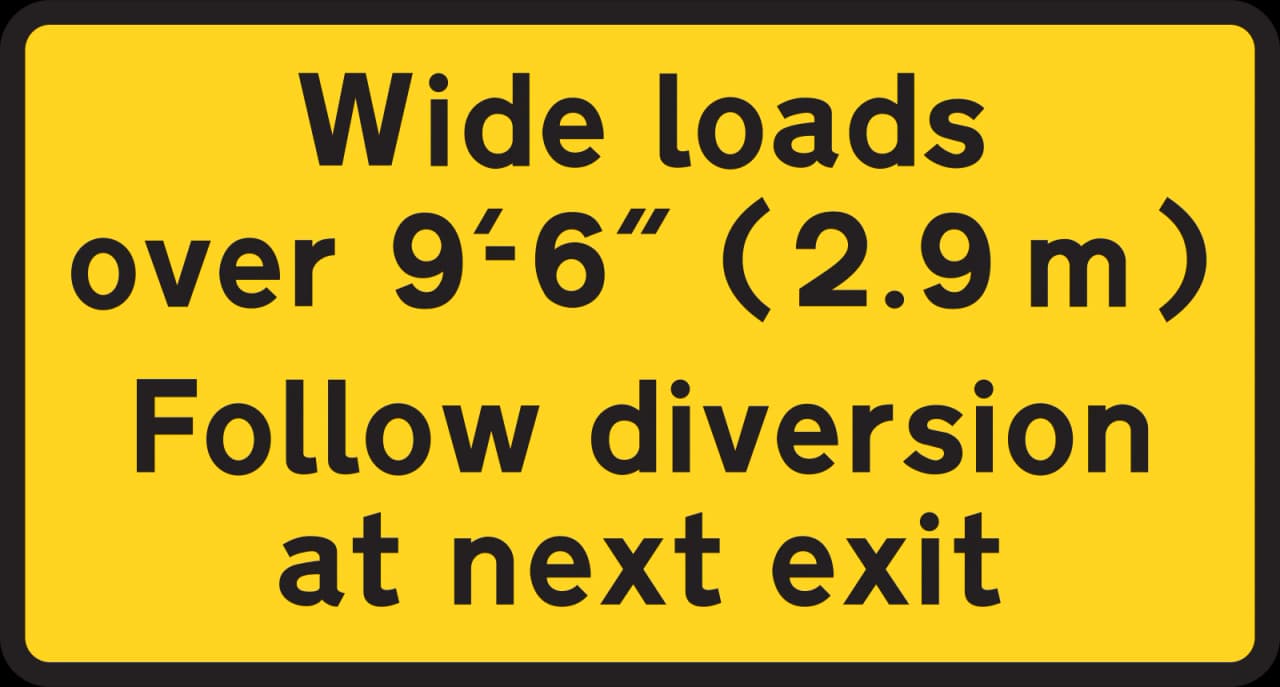
Understand the 'Restrictions Apply' Road Sign for Vehicle Width

Understand the Temporary Advisory Speed Limit road sign for roadworks.

Follow the 'Get in Lane' sign for temporary roadworks, directing HGVs left and others right.

Navigate junctions near bypassed towns with the Primary Route Junction sign.
After reviewing the full list of road signs, challenge yourself with practice questions focused specifically on sign recognition. Reinforce your learning and ensure you're fully prepared to identify and understand all traffic signs on the DVSA theory test.
Browse All GB Road Signs List