
The 'Roundabout or bend warning plate' (code 513.1) is a supplementary sign used in Great Britain to add specific detail to a main warning sign, most commonly those indicating a roundabout or a dangerous bend. It helps you understand the nature, location, or distance of the hazard, prompting you to adjust your speed and awareness accordingly. Always treat this plate as an integral part of the primary sign it accompanies to ensure safe driving.
Master the interpretation of supplementary plates like the Roundabout or Bend Warning Plate (513.1), crucial for accurate hazard perception during your theory test revision. Understanding this sign's context improves your ability to react appropriately to road conditions, aiding comprehensive theory test preparation.
This warning plate refines the meaning of the main warning sign by adding wording, distance, direction, or context. It is not a stand-alone decoration; it changes how the driver should prepare for the hazard. In a theory-test setting, the safe response is to combine the plate with the main symbol, check mirrors, manage speed early, and leave enough room for the condition described. It is listed in the catalogue as code 513.1.
"Roundabout or bend warning plate" is a supplementary warning plate that adds practical detail to the main hazard sign. It helps the driver understand roundabout or bend warning, judge where the warning applies, and prepare before reaching the affected part of the road.
Get clear, practical answers to the most common questions about the 513.1 - Roundabout or bend warning plate road sign. Learn how the sign works, what rules it represents, and how it affects real driving situations. This FAQ strengthens your understanding and supports accurate decision making for the British driving theory exam in Great Britain.
The 513.1 plate is a supplementary warning plate that adds crucial practical information to a main hazard sign, such as one warning of a roundabout or a sharp bend. It clarifies the specific nature, direction, or distance of the hazard, helping you prepare more effectively than if you only saw the main sign.
When you see the 513.1 plate accompanying a roundabout warning sign, it means you need to pay extra attention. The plate might specify the direction or distance to the roundabout. You should ease off the accelerator early, check your mirrors for traffic behind you, and adjust your speed before you reach the roundabout itself, ensuring you can navigate it safely.
Yes, the 513.1 plate modifies the bend warning by providing additional context. For instance, it might indicate the direction of the bend (left or right) or its distance. This allows you to anticipate the hazard more precisely and prepare to slow down or position your vehicle appropriately before entering the bend.
A common mistake is to treat the 513.1 plate as a standalone sign or to underestimate its importance. Learners might fail to recognise that it directly modifies the main warning sign, leading them to react too late or not adjust their speed sufficiently. Always combine the information from the plate with the main hazard sign.
You should generally avoid overtaking when you see a roundabout or bend warning plate, especially if the plate indicates proximity or increased hazard. These plates are there to highlight a situation where reduced speed, increased awareness, and maintaining a safe distance are crucial for safety. Overtaking in such circumstances could be dangerous.
While the 'Roundabout or bend warning plate' specifically refers to roundabouts and bends, supplementary plates like this are a common feature on many other warning signs. They serve the general purpose of providing extra detail about hazards, such as distance, direction, or specific risks like children or animals, to help drivers prepare better.
A clear reference image of the 513.1 - Roundabout or bend warning plate road sign used in Great Britain.
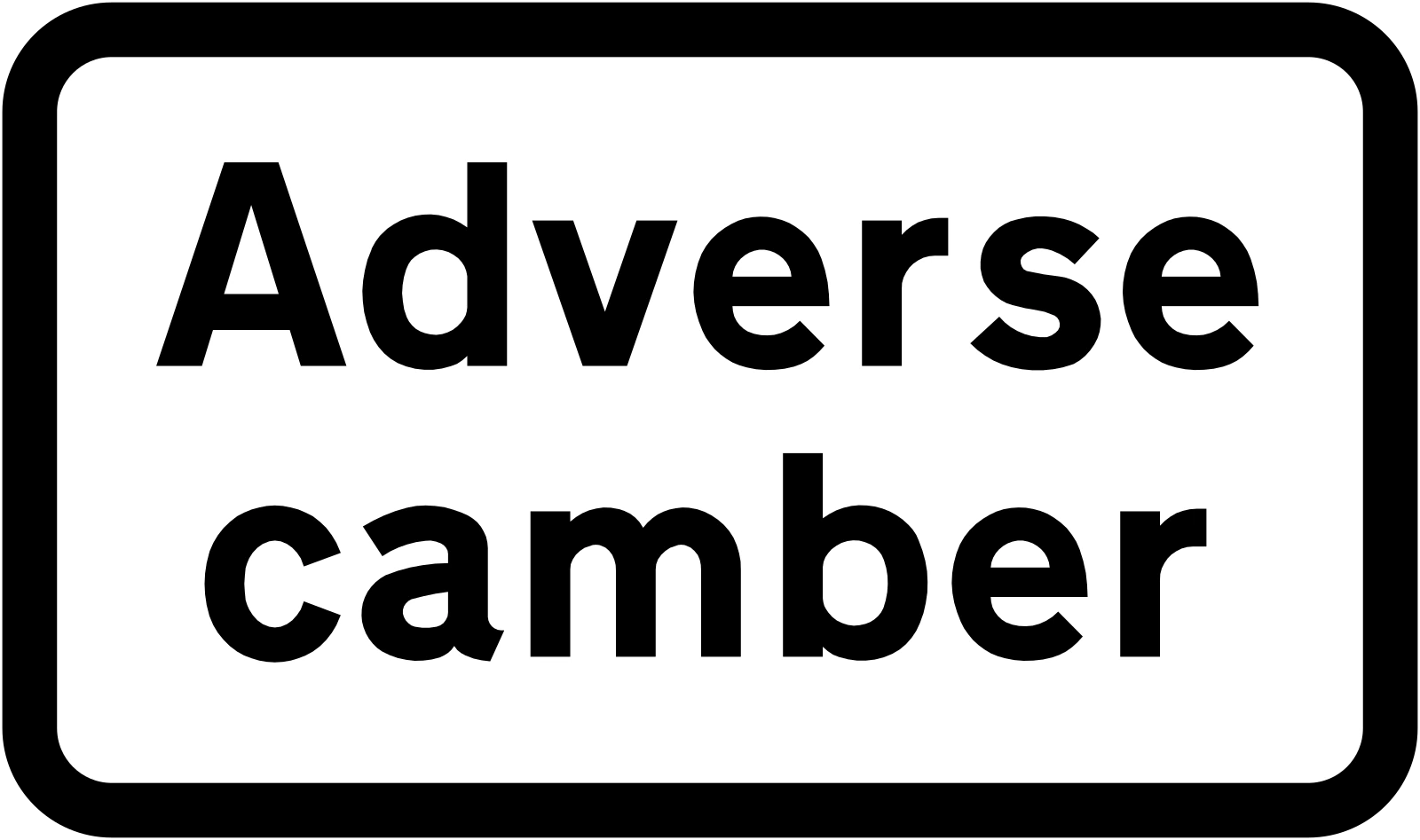
The 513.1 - Roundabout or bend warning plate road sign may also be known by these alternative names or terms.
The 513.1 - Roundabout or bend warning plate road sign is part of the Great Britain Warning Signs category, which groups together signs with similar rules and functions.
Comparing related road signs like the Roundabout or Bend Warning Plate (513.1) enhances recognition and recall for your driving theory test revision. This focused study aids in accurate sign identification and reduces errors during exam preparation and real-world driving.

Prepare for a STOP or GIVE WAY sign ahead with this crucial advance warning.

The 502 'Distance to STOP line' plate adds vital information to warning signs.

What does the 'Distance to GIVE WAY Line' warning plate mean?
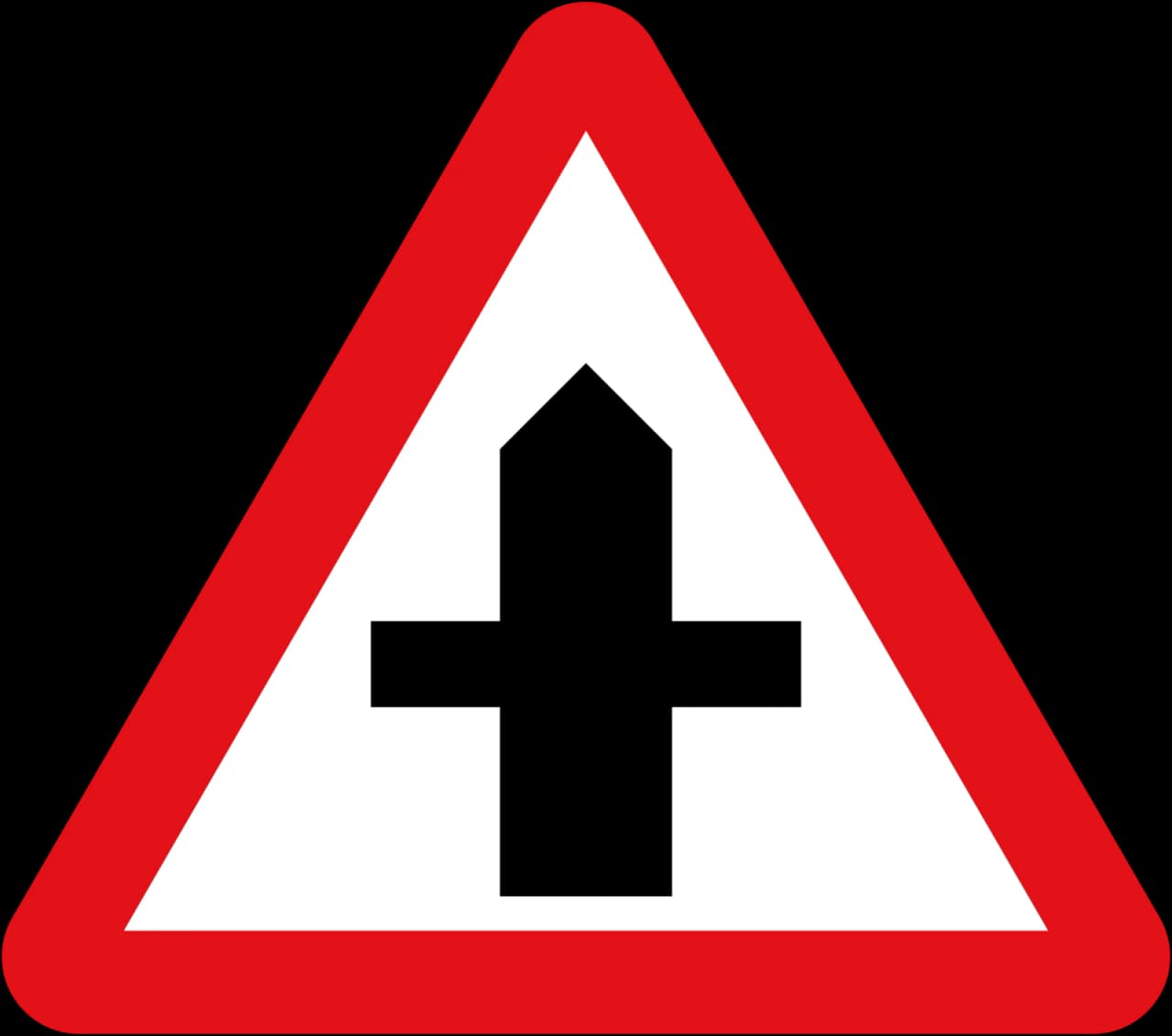
Prepare for Crossroads with the 504.1 Advance Warning Sign
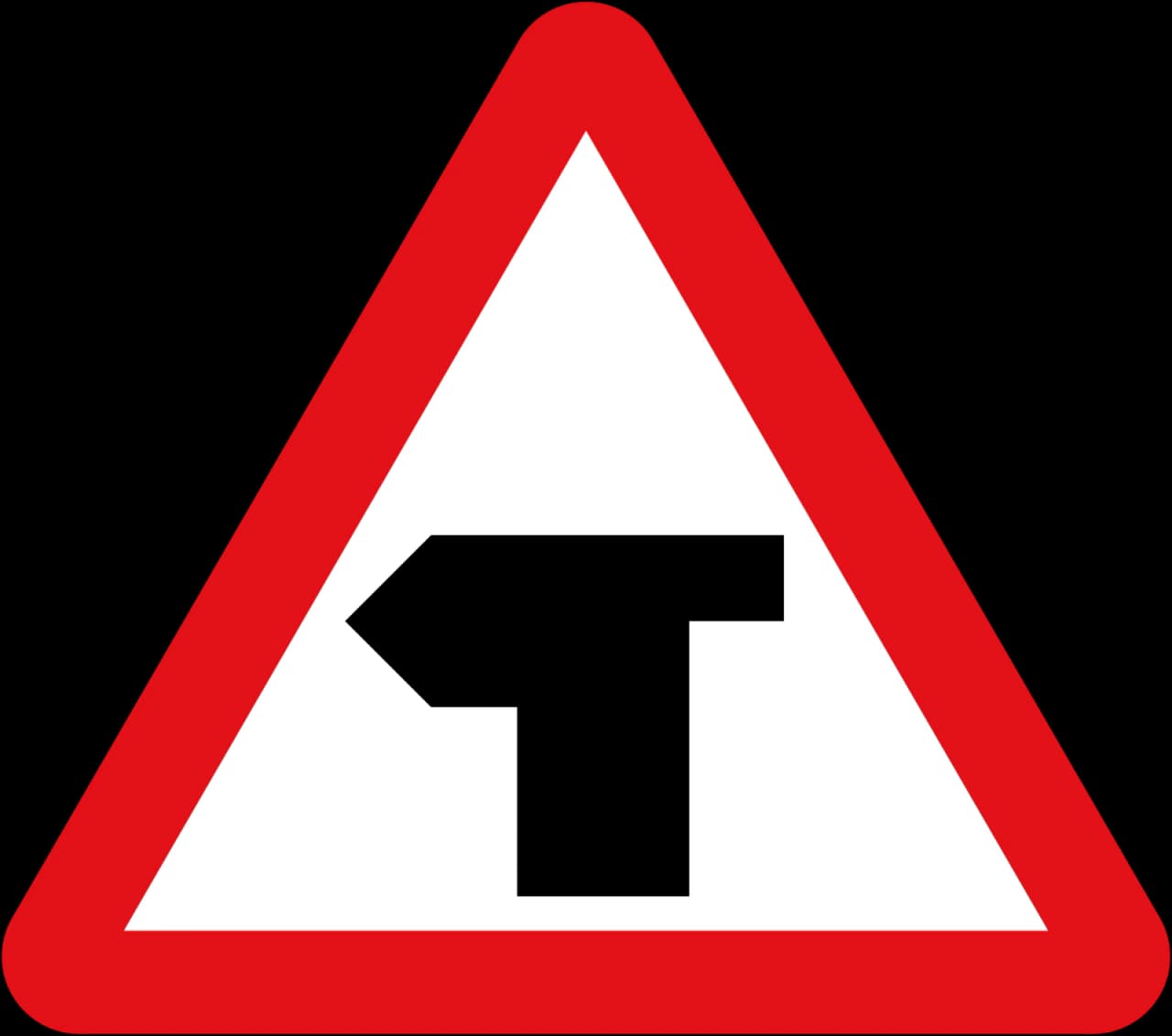
Prepare for a T-junction ahead with this advance warning road sign.
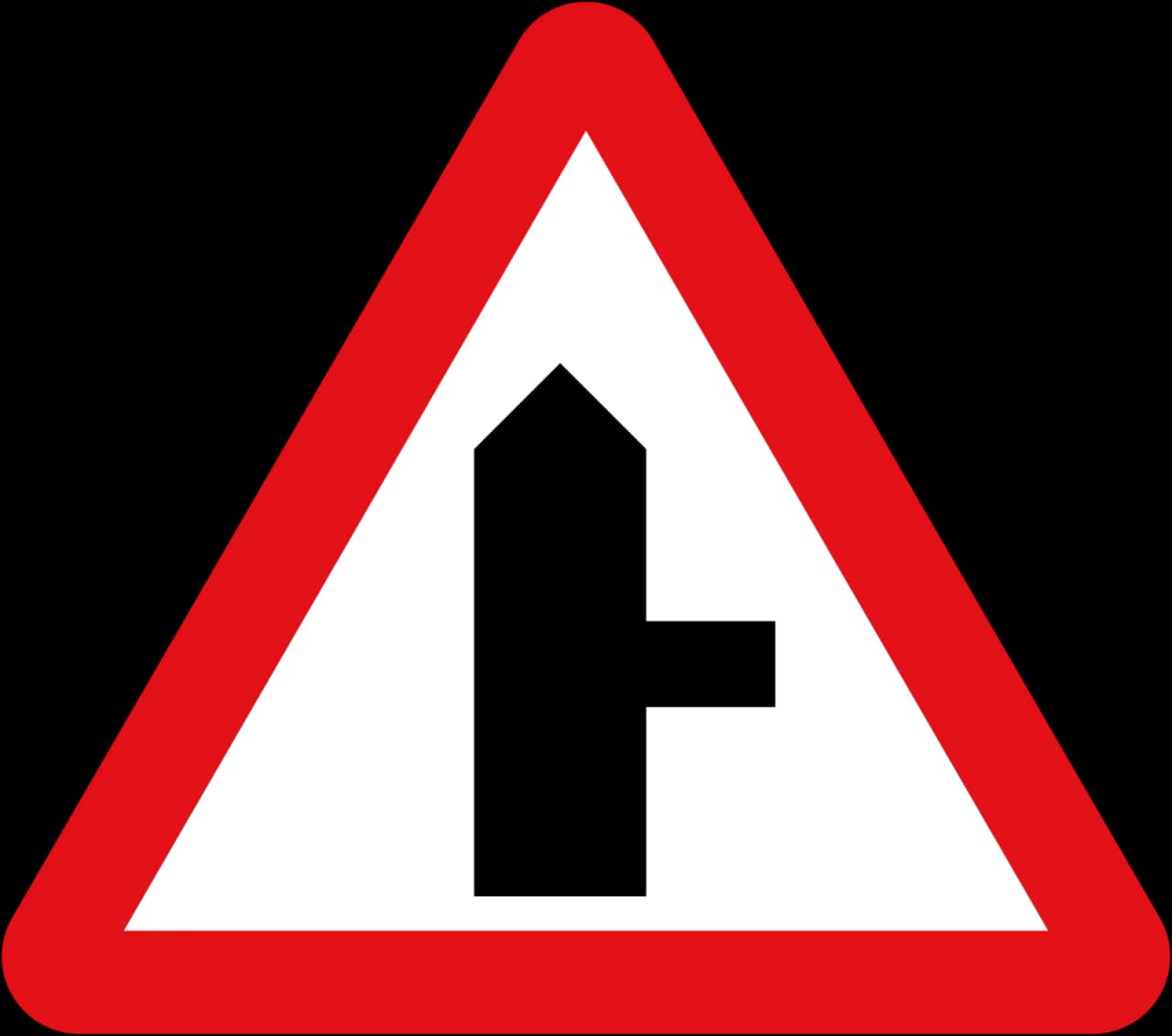
Prepare for a side road joining from the right with this advance warning sign.

Prepare for a staggered junction ahead with this advance warning sign.
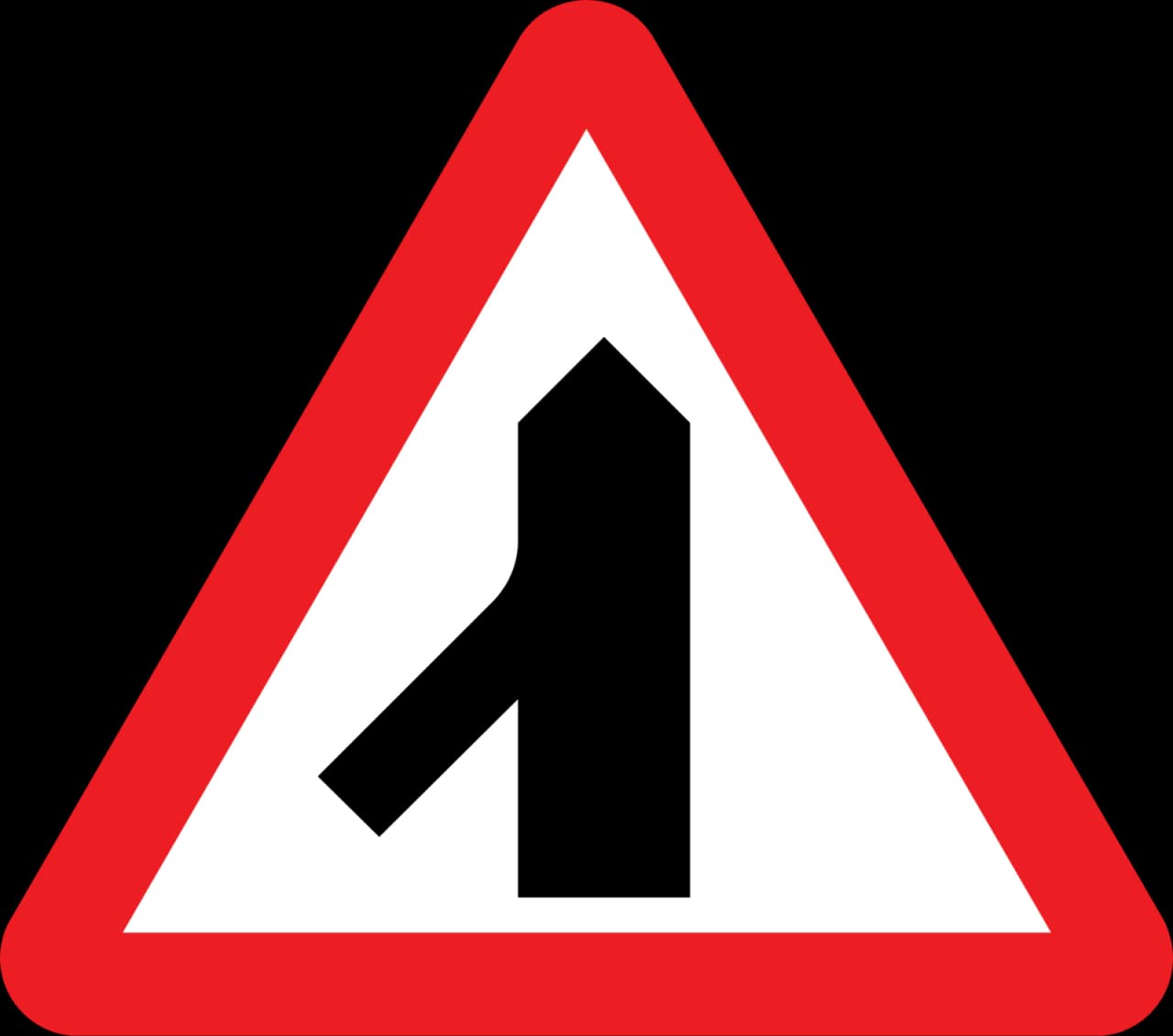
Prepare for traffic merging from the left with this advanced warning sign.
After reviewing the full list of road signs, challenge yourself with practice questions focused specifically on sign recognition. Reinforce your learning and ensure you're fully prepared to identify and understand all traffic signs on the DVSA theory test.
Browse All GB Road Signs List