
The 'Sharp Deviation of Route to the Left' warning sign (code 515) alerts you to an upcoming sharp bend or change in the road layout to your left. It's crucial to recognise this sign as an early cue to prepare for a significant alteration in your path, requiring early speed management and increased observation. This sign is part of a range of warning signs designed to give drivers ample time to adjust their driving safely and smoothly before encountering a hazard.
Master the meaning and application of the 'Sharp deviation of route to the left' warning sign (515) to ensure safe navigation through upcoming road hazards. Essential for your theory test revision, this sign demands early speed reduction and heightened awareness.
This warning sign is used before a hazard or road feature that may require an earlier response than the driver would otherwise make. Its purpose is to give enough time to reduce speed smoothly, increase observation, and avoid sudden braking or steering. The correct practical response depends on the exact location, traffic level, visibility, road surface, and whether pedestrians, cyclists, animals, or crossing traffic may be present. It is listed in the catalogue as code 515.
"Sharp deviation of route to the left" gives advance warning of sharp deviation of route to the left. It tells the driver to look further ahead, manage speed early, and prepare for a possible change in priority, road position, visibility, or stopping distance.
Get clear, practical answers to the most common questions about the 515 - Sharp deviation of route to the left road sign. Learn how the sign works, what rules it represents, and how it affects real driving situations. This FAQ strengthens your understanding and supports accurate decision making for the British driving theory exam in Great Britain.
The 515 sign, officially titled 'Sharp Deviation of Route to the Left', is a warning sign that indicates an upcoming sharp turn or significant deviation in the road ahead to your left. It's designed to give you advance notice so you can safely adjust your speed and position.
Upon seeing this sign, you should immediately start to manage your speed by easing off the accelerator. Look further ahead to assess the sharpness of the deviation, check your mirrors for traffic behind, and prepare to adjust your position if necessary. Avoid sudden braking or steering; smooth, controlled actions are key.
A common mistake is to ignore the warning until the last moment, leading to sudden, unsafe reactions like harsh braking or swerving. Learners may also focus solely on the sign itself and neglect to observe other road users, traffic conditions, or road surface changes, all of which influence the correct response.
No, the 515 sign is a warning of a deviation, not necessarily a mandatory stop. It advises you to prepare for a change in the road's direction. Your reaction – whether it's just slowing down significantly, changing lane, or being prepared to stop for other traffic – depends on the specific road conditions, visibility, and any other road users present.
Yes, supplementary plates can provide additional information such as the distance to the hazard, the length of the deviation, or specific instructions. Always check for these plates below the main sign, as they can significantly alter the timing or nature of your required response.
A clear reference image of the 515 - Sharp deviation of route to the left road sign used in Great Britain.

The 515 - Sharp deviation of route to the left road sign may also be known by these alternative names or terms.
The 515 - Sharp deviation of route to the left road sign is part of the Great Britain Warning Signs category, which groups together signs with similar rules and functions.
By reviewing related road signs alongside the sharp deviation route to the left sign, you strengthen your understanding and reduce confusion. This practice aids in effective theory test revision and improves your traffic sign recognition for safer driving.

Prepare for a STOP or GIVE WAY sign ahead with this crucial advance warning.

The 502 'Distance to STOP line' plate adds vital information to warning signs.

What does the 'Distance to GIVE WAY Line' warning plate mean?
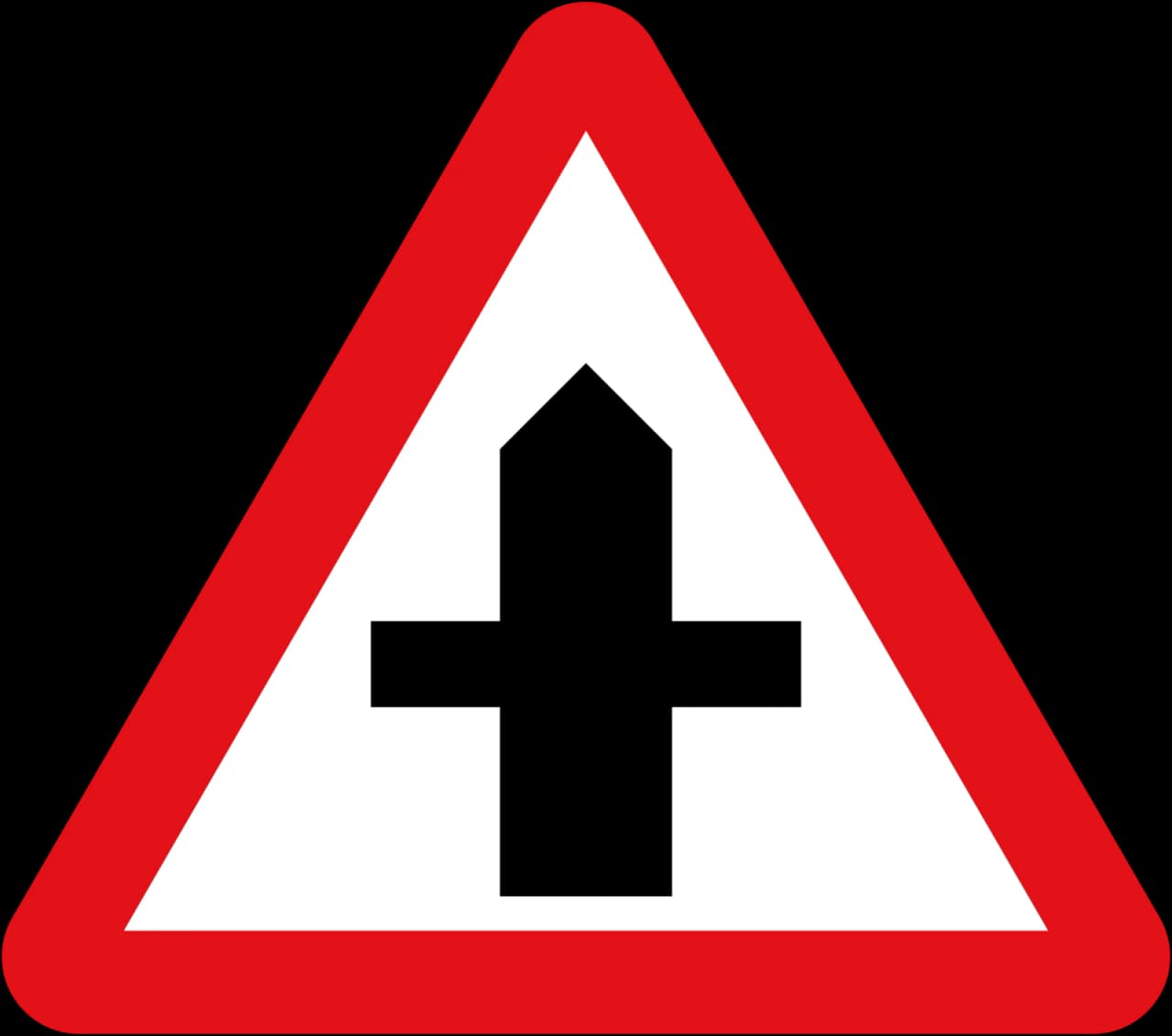
Prepare for Crossroads with the 504.1 Advance Warning Sign
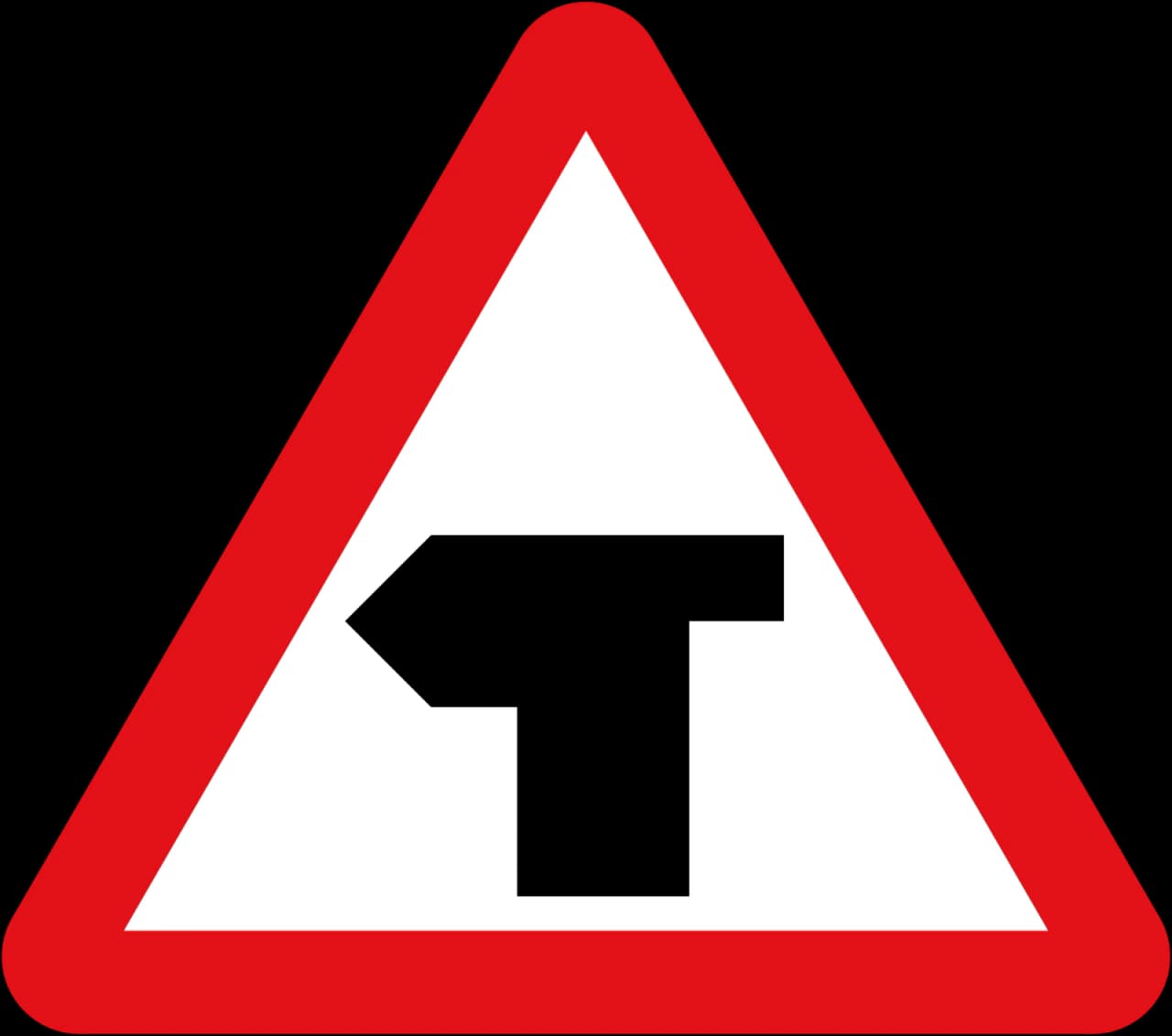
Prepare for a T-junction ahead with this advance warning road sign.
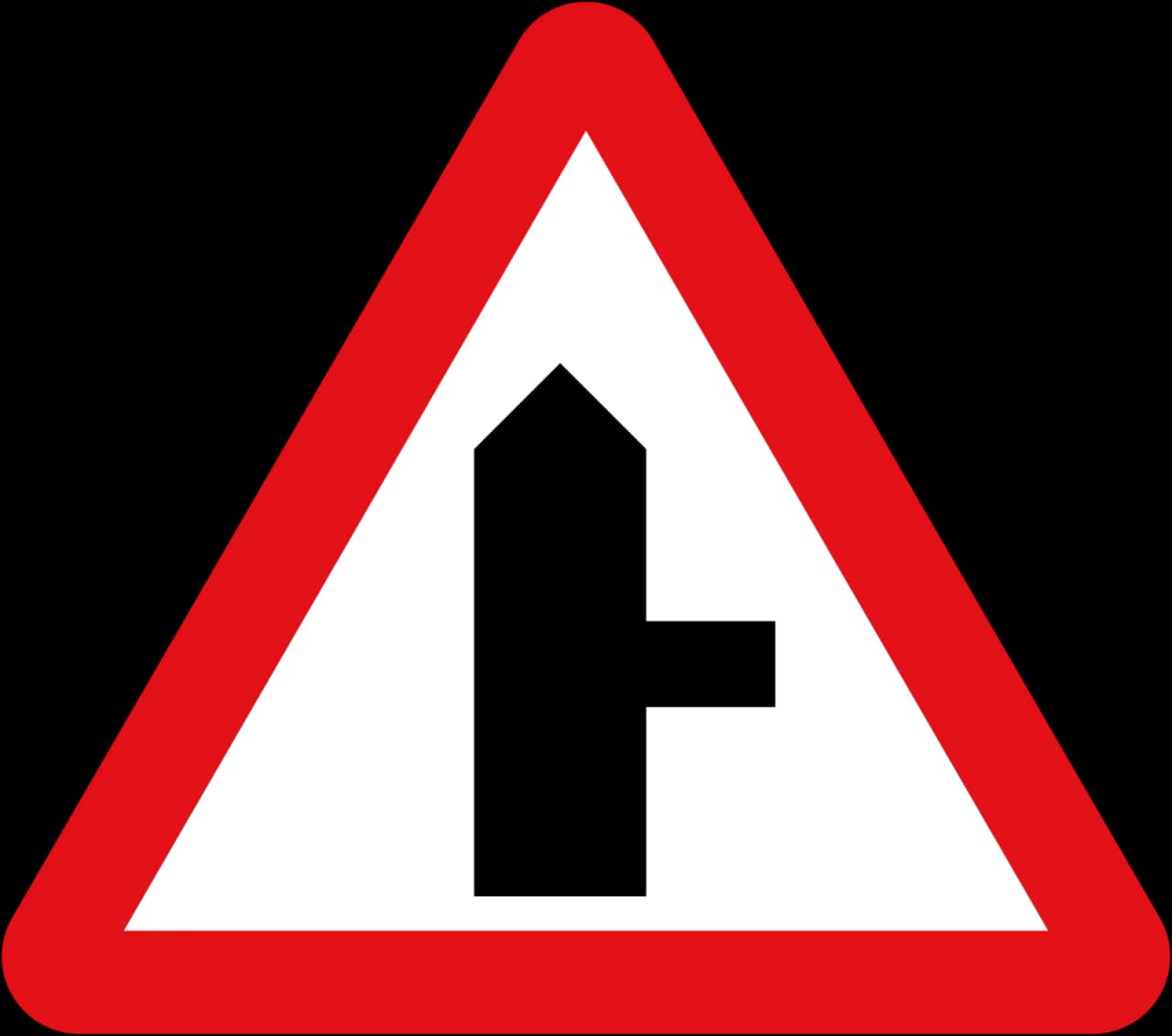
Prepare for a side road joining from the right with this advance warning sign.

Prepare for a staggered junction ahead with this advance warning sign.
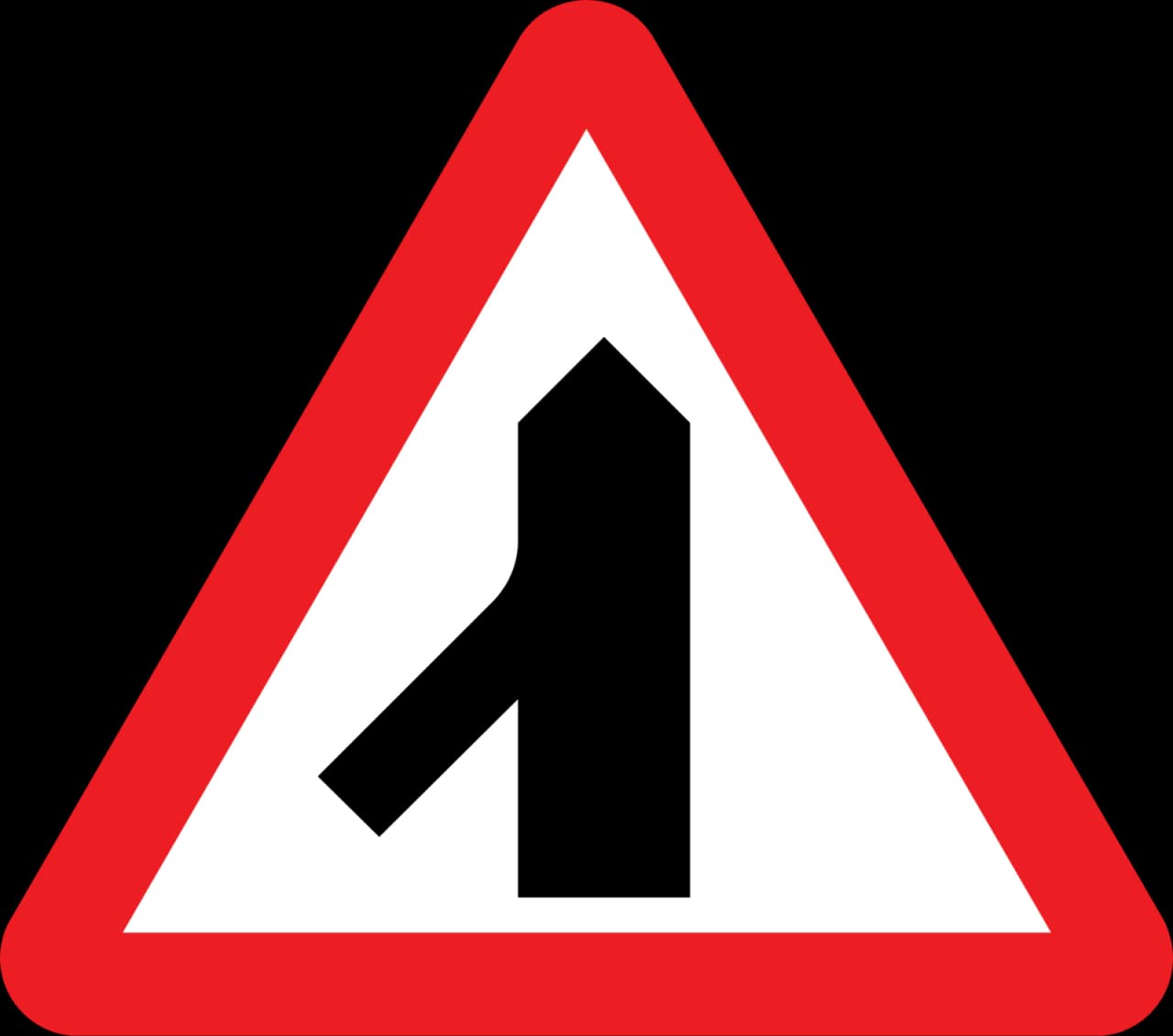
Prepare for traffic merging from the left with this advanced warning sign.
After reviewing the full list of road signs, challenge yourself with practice questions focused specifically on sign recognition. Reinforce your learning and ensure you're fully prepared to identify and understand all traffic signs on the DVSA theory test.
Browse All GB Road Signs List