
The Soft Verges Distance Plate, marked as 556.2, is a supplementary plate that works with a main warning sign. It provides crucial details about soft verges, such as the distance to the hazard or how it affects your driving. Always treat this plate as an integral part of the primary warning sign, adjusting your speed and awareness accordingly to ensure safe passage through affected areas.
This supplementary warning plate (556.2) refines hazard alerts by specifying distance or conditions, crucial for safe driving and theory test revision. Mastering its interpretation is key to anticipating road situations and applying correct traffic rules.
This warning plate refines the meaning of the main warning sign by adding wording, distance, direction, or context. It is not a stand-alone decoration; it changes how the driver should prepare for the hazard. In a theory-test setting, the safe response is to combine the plate with the main symbol, check mirrors, manage speed early, and leave enough room for the condition described. It is listed in the catalogue as code 556.2.
"Soft verges distance plate" is a supplementary warning plate that adds practical detail to the main hazard sign. It helps the driver understand soft verges distance, judge where the warning applies, and prepare before reaching the affected part of the road.
Get clear, practical answers to the most common questions about the 556.2 - Soft verges distance plate road sign. Learn how the sign works, what rules it represents, and how it affects real driving situations. This FAQ strengthens your understanding and supports accurate decision making for the British driving theory exam in Great Britain.
The 556.2 plate is not a standalone sign; its purpose is to add specific information to a main warning sign. It clarifies the nature of soft verges, often indicating distance or context, helping you to better anticipate and prepare for the hazard ahead.
You should combine the information from the main warning sign with the detail provided by the 556.2 plate. This means assessing the distance and nature of the soft verge, checking your mirrors, and reducing your speed early to maintain control and safety.
A common trap is to ignore the supplementary plate or to assume it's just extra information. Learners might also delay slowing down, waiting until they are too close to the soft verge. Remember, the plate modifies the main warning, so it requires immediate consideration.
The plate itself doesn't prohibit driving on the verge, but it warns you that the verge is soft and potentially unsafe. The main sign it accompanies will indicate the primary hazard. You should generally avoid driving on soft verges unless absolutely necessary for safety, and even then, do so with extreme caution.
The 556.2 plate specifically relates to soft verges. If it accompanies a sign for, for instance, a narrow road, it's indicating that the soft verge is a relevant additional hazard or factor in that situation. You should still be mindful of the primary hazard while also preparing for the conditions of the verge.
A clear reference image of the 556.2 - Soft verges distance plate road sign used in Great Britain.

The 556.2 - Soft verges distance plate road sign may also be known by these alternative names or terms.
The 556.2 - Soft verges distance plate road sign is part of the Great Britain Warning Signs category, which groups together signs with similar rules and functions.
Comparing related road signs like the Soft Verges Distance Plate (556.2) with similar warnings sharpens your recognition skills. This targeted theory test revision aids in understanding nuances, reducing confusion, and mastering traffic sign comparison for better road awareness.

Prepare for a STOP or GIVE WAY sign ahead with this crucial advance warning.

The 502 'Distance to STOP line' plate adds vital information to warning signs.

What does the 'Distance to GIVE WAY Line' warning plate mean?
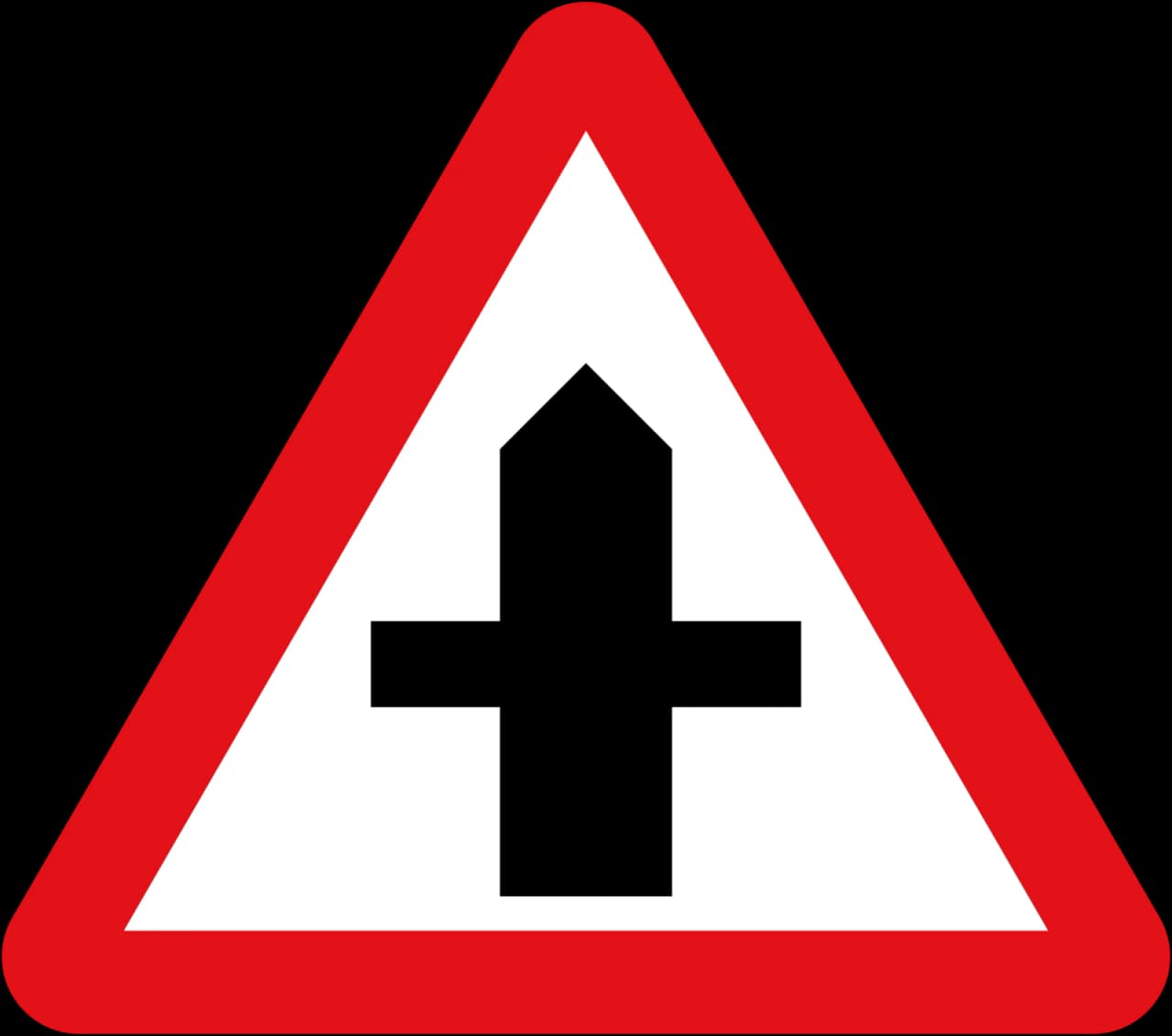
Prepare for Crossroads with the 504.1 Advance Warning Sign
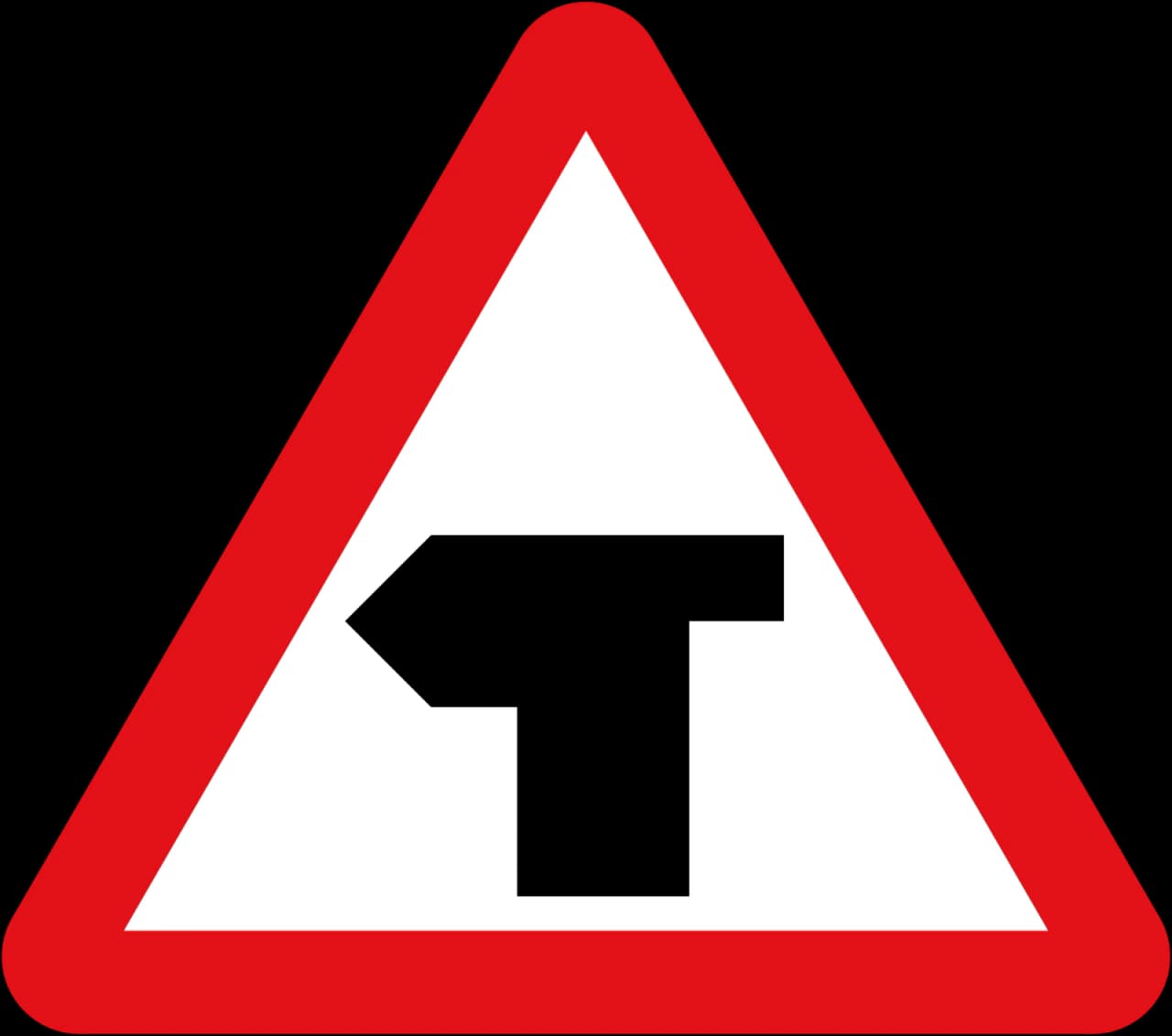
Prepare for a T-junction ahead with this advance warning road sign.
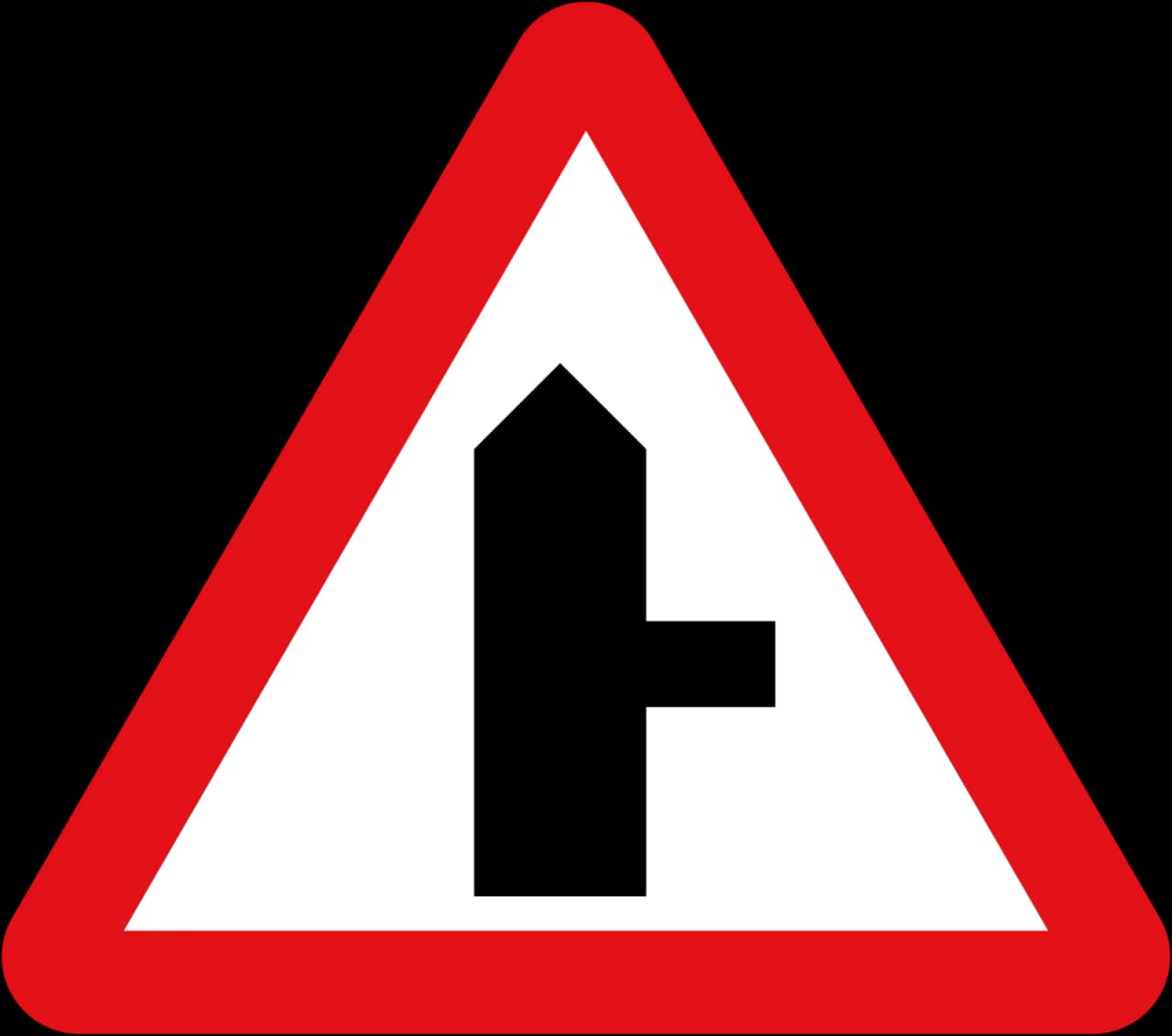
Prepare for a side road joining from the right with this advance warning sign.

Prepare for a staggered junction ahead with this advance warning sign.
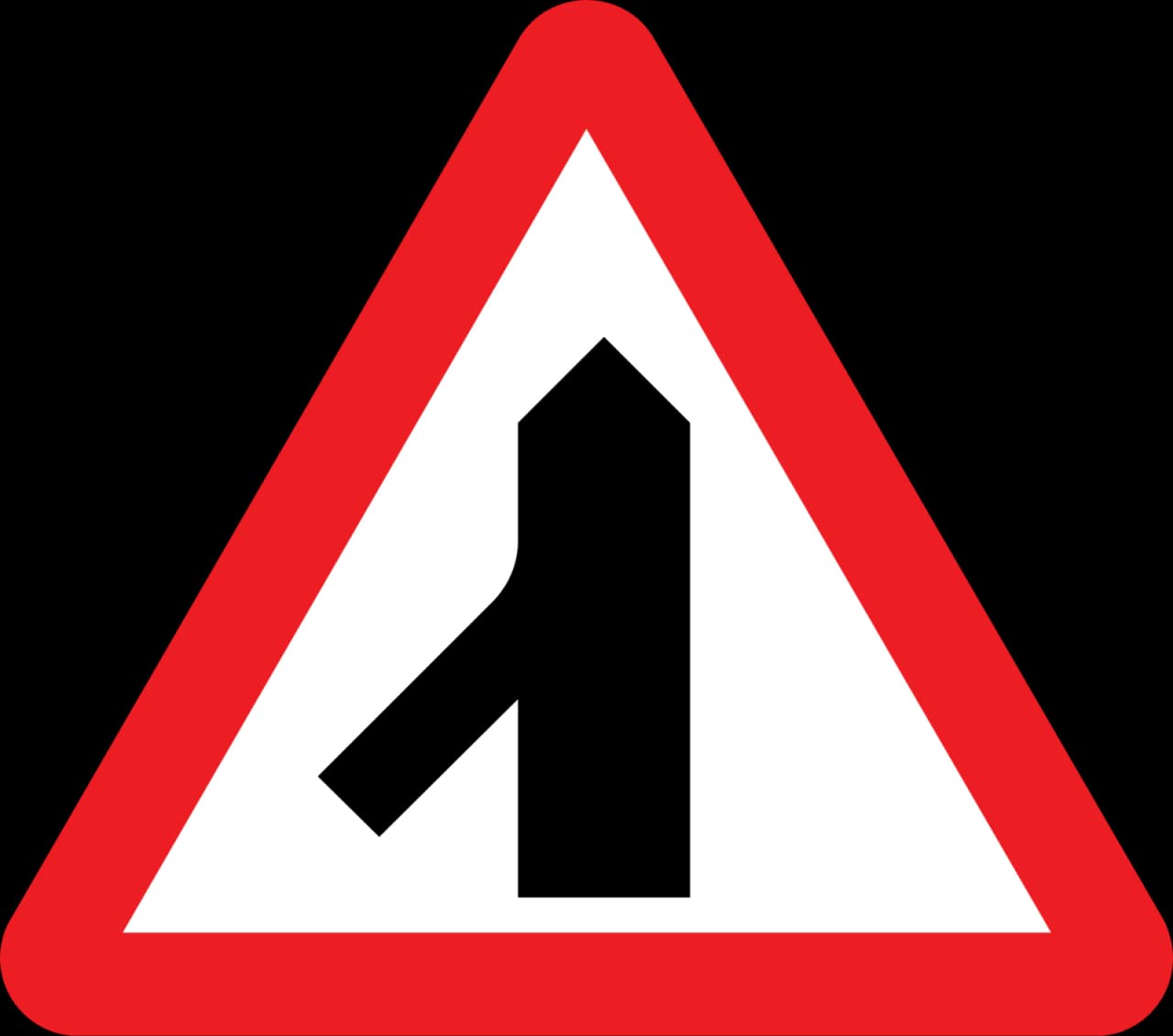
Prepare for traffic merging from the left with this advanced warning sign.
After reviewing the full list of road signs, challenge yourself with practice questions focused specifically on sign recognition. Reinforce your learning and ensure you're fully prepared to identify and understand all traffic signs on the DVSA theory test.
Browse All GB Road Signs List