This warning sign, code 524.1, alerts you to an upcoming steep uphill gradient, with a specified 20% or 1:5 incline. It's designed to give you advance notice so you can adjust your speed smoothly, increase your observation, and manage your road position effectively before reaching the hazard. Always treat this as an early cue to prepare for potential changes in traffic flow, visibility, or road conditions.
This sign (524.1) alerts drivers to an upcoming steep uphill gradient, crucial for adjusting speed and observation early. Understanding this road sign meaning is vital for safe driving and theory test revision.
This warning sign is used before a hazard or road feature that may require an earlier response than the driver would otherwise make. Its purpose is to give enough time to reduce speed smoothly, increase observation, and avoid sudden braking or steering. The correct practical response depends on the exact location, traffic level, visibility, road surface, and whether pedestrians, cyclists, animals, or crossing traffic may be present. It is listed in the catalogue as code 524.1.
"Steep hill upwards (20% is equivalent to 1:5)" gives advance warning of steep hill upwards (20% is equivalent to 1:5). It tells the driver to look further ahead, manage speed early, and prepare for a possible change in priority, road position, visibility, or stopping distance.
Get clear, practical answers to the most common questions about the 524.1 - Steep hill upwards (20% is equivalent to 1:5) road sign. Learn how the sign works, what rules it represents, and how it affects real driving situations. This FAQ strengthens your understanding and supports accurate decision making for the British driving theory exam in Great Britain.
The 524.1 sign warns you about a steep hill ahead, specifically with a gradient of 20% (or 1:5). It means you should anticipate needing to use more power from your engine, potentially reduce your speed before starting the climb, and be aware of slower-moving vehicles or the need to pull over if you have to stop. It prompts you to check your mirrors and prepare for a change in pace.
When you see the 524.1 sign, ease off the accelerator early to manage your speed before the climb begins. Increase your following distance to allow for smoother braking or steering if needed. You should also check your mirrors and road position, preparing to change gear or adjust your speed as you start the ascent. Anticipate that visibility may be reduced over the crest.
A common trap is thinking you only need to react when you actually see the steep incline. The purpose of this sign is advance warning, so learners can lose marks by indicating they would only adjust speed at the last moment. Another potential trap is forgetting that other vehicles, cyclists, or pedestrians might be on or near the hill, so your observation must be continuous.
No, the 524.1 sign is a warning sign, not a prohibition. It does not strictly mean you must stop. Instead, it advises you to prepare for the steep incline by adjusting your speed and being observant. You might need to stop if traffic conditions require it, but the sign itself is a preparatory alert for the climb.
This part of the sign specifies the severity of the gradient. A 20% gradient means that for every 5 metres travelled horizontally, the road rises or falls by 1 metre. This helps drivers understand the steepness they are about to encounter, allowing them to better judge the necessary adjustments in speed and gear selection.
A clear reference image of the 524.1 - Steep hill upwards (20% is equivalent to 1:5) road sign used in Great Britain.

The 524.1 - Steep hill upwards (20% is equivalent to 1:5) road sign may also be known by these alternative names or terms.
The 524.1 - Steep hill upwards (20% is equivalent to 1:5) road sign is part of the Great Britain Warning Signs category, which groups together signs with similar rules and functions.
Mastering traffic signs is key for your theory test revision. By comparing similar road signs, you enhance your recognition skills and reduce confusion, ensuring you understand the precise meaning and required action for each sign, leading to better exam preparation.

Prepare for a STOP or GIVE WAY sign ahead with this crucial advance warning.

The 502 'Distance to STOP line' plate adds vital information to warning signs.

What does the 'Distance to GIVE WAY Line' warning plate mean?
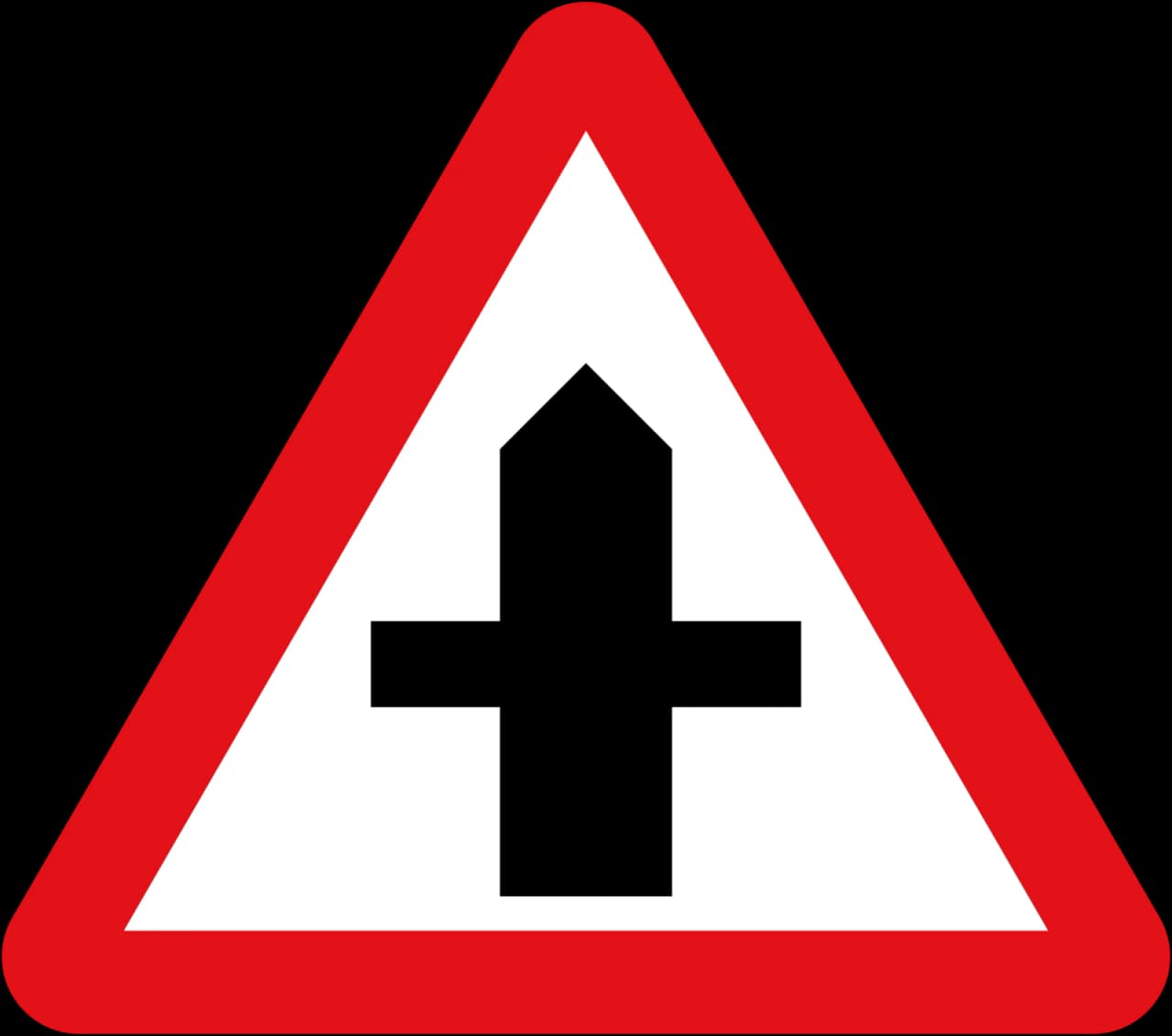
Prepare for Crossroads with the 504.1 Advance Warning Sign
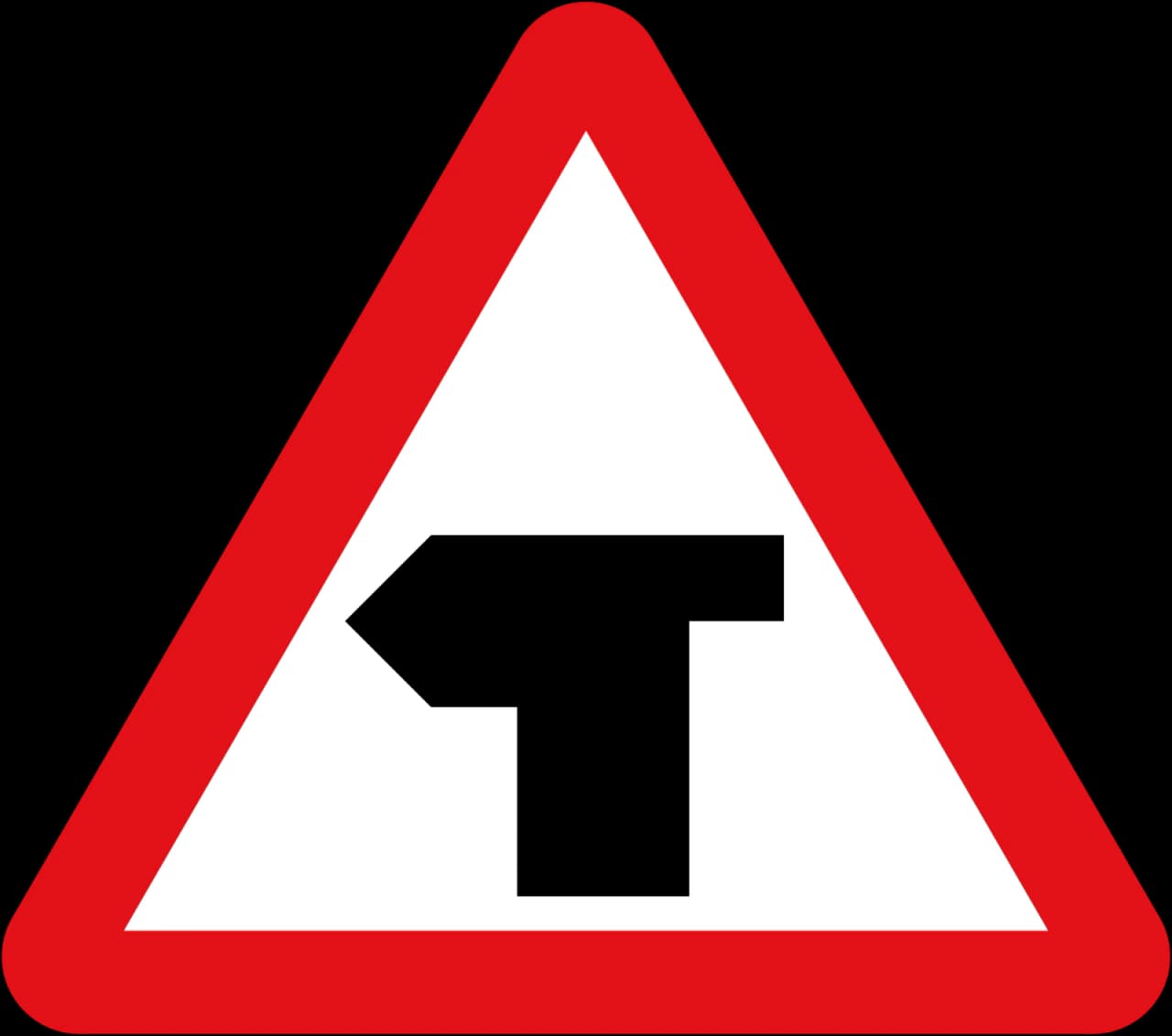
Prepare for a T-junction ahead with this advance warning road sign.
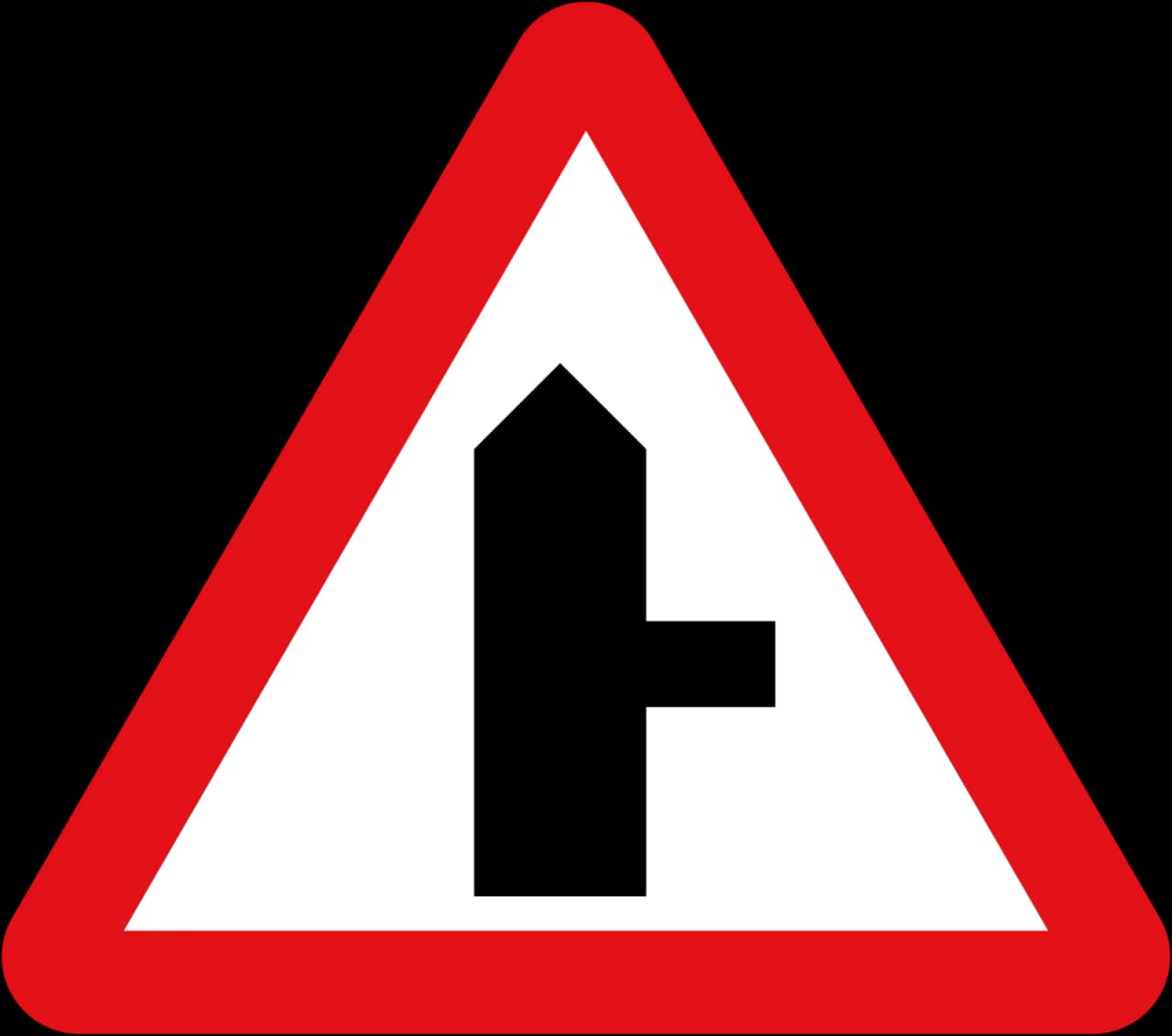
Prepare for a side road joining from the right with this advance warning sign.

Prepare for a staggered junction ahead with this advance warning sign.
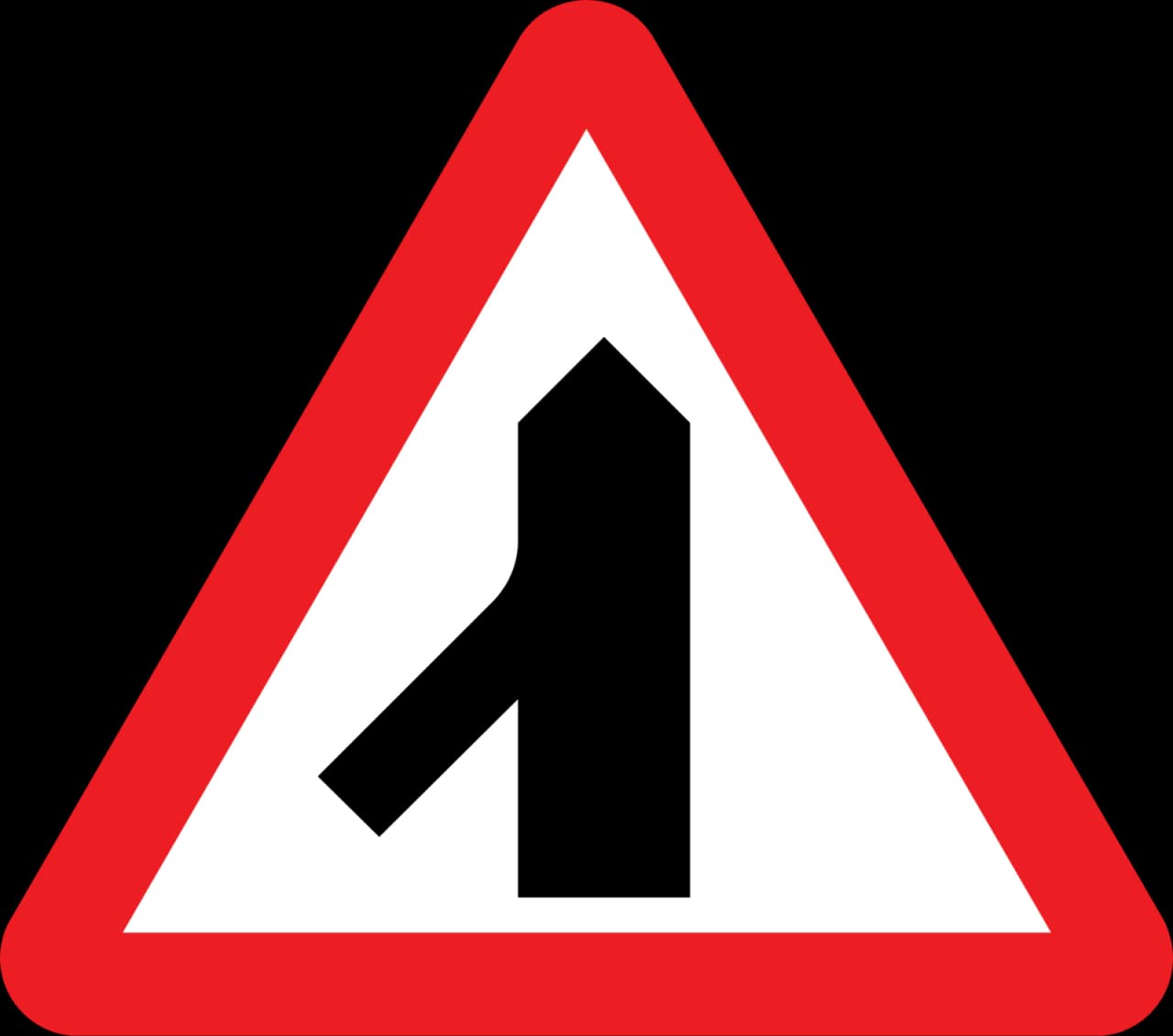
Prepare for traffic merging from the left with this advanced warning sign.
After reviewing the full list of road signs, challenge yourself with practice questions focused specifically on sign recognition. Reinforce your learning and ensure you're fully prepared to identify and understand all traffic signs on the DVSA theory test.
Browse All GB Road Signs List