
The 'Unsuitable for heavy goods vehicles' sign (code 820V2) is an information sign used across Great Britain to alert drivers about local traffic arrangements ahead. It helps you plan your route or speed, indicating things like one-way streets, specific facility access, or layout changes that might affect larger vehicles. While it doesn't impose a direct prohibition, you must always combine its information with other road signs, signals, and markings to ensure safe driving and adherence to all traffic laws.
Mastering the 'Unsuitable for heavy goods vehicles' sign (820V2) is crucial for your theory test revision. This information sign helps you plan routes and understand local traffic arrangements, essential for correct theory test preparation.
Information signs make the road environment easier to interpret before a driver has to act. This sign may identify one-way traffic, a lay-by, a route feature, a facility, or a local traffic arrangement. The driver should combine the information with road markings, priority rules, signals, and any regulatory signs before changing speed or position. It is listed in the catalogue as code 820V2.
"Unsuitable for heavy goods vehicles" gives official road information that helps drivers understand the layout, direction of traffic, facility, or local arrangement ahead. It should be used for planning, not for sudden reactions.
Get clear, practical answers to the most common questions about the 820V2 - Unsuitable for heavy goods vehicles road sign. Learn how the sign works, what rules it represents, and how it affects real driving situations. This FAQ strengthens your understanding and supports accurate decision making for the British driving theory exam in Great Britain.
For car drivers, the 820V2 sign primarily serves as advanced information. It indicates that the route or facility ahead might be unsuitable for heavy goods vehicles (HGVs), which could imply narrower roads, sharp bends, weight restrictions, or other challenges that are more significant for larger vehicles. As a car driver, you should still adhere to all other traffic signs and road markings.
You should not make sudden changes. This sign is for planning. It suggests you might need to adjust your speed or route choice earlier, especially if you were considering a route that might be difficult for HGVs. Always check other signs, signals, and road markings to confirm the correct action and ensure you are not contravening any regulations.
No, the 820V2 sign is an information sign, not a prohibition sign. It specifically highlights unsuitability for heavy goods vehicles. While it might indirectly affect your route choice, it doesn't prohibit you from using the road unless other signs or road conditions make it unsafe or illegal for your specific vehicle. Always obey other regulatory signs.
A common trap in the theory test is mistaking this information sign for a prohibition sign that applies to all vehicles. Learners might also assume it means they must immediately turn off or stop, when in fact it's for advance planning. Remember, information signs guide your decision-making in conjunction with other rules, not in isolation.
If you see the 'Unsuitable for HGVs' sign late, do not make sudden or unsafe manoeuvres. Continue safely on your current course and be prepared to react to subsequent signs or road conditions. It's always best to scan the road ahead for information signs well in advance to allow for proper planning.
A clear reference image of the 820V2 - Unsuitable for heavy goods vehicles road sign used in Great Britain.

The 820V2 - Unsuitable for heavy goods vehicles road sign may also be known by these alternative names or terms.
The 820V2 - Unsuitable for heavy goods vehicles road sign is part of the Great Britain Information Signs category, which groups together signs with similar rules and functions.
Mastering traffic sign comparison is key for your theory test revision. Reviewing signs like 'Unsuitable for heavy goods vehicles' alongside similar ones enhances sign recognition and reduces exam mistakes.

This information sign means you can pass either side to reach the same destination.

Understand the One-Way Traffic sign (810-L) to navigate safely.
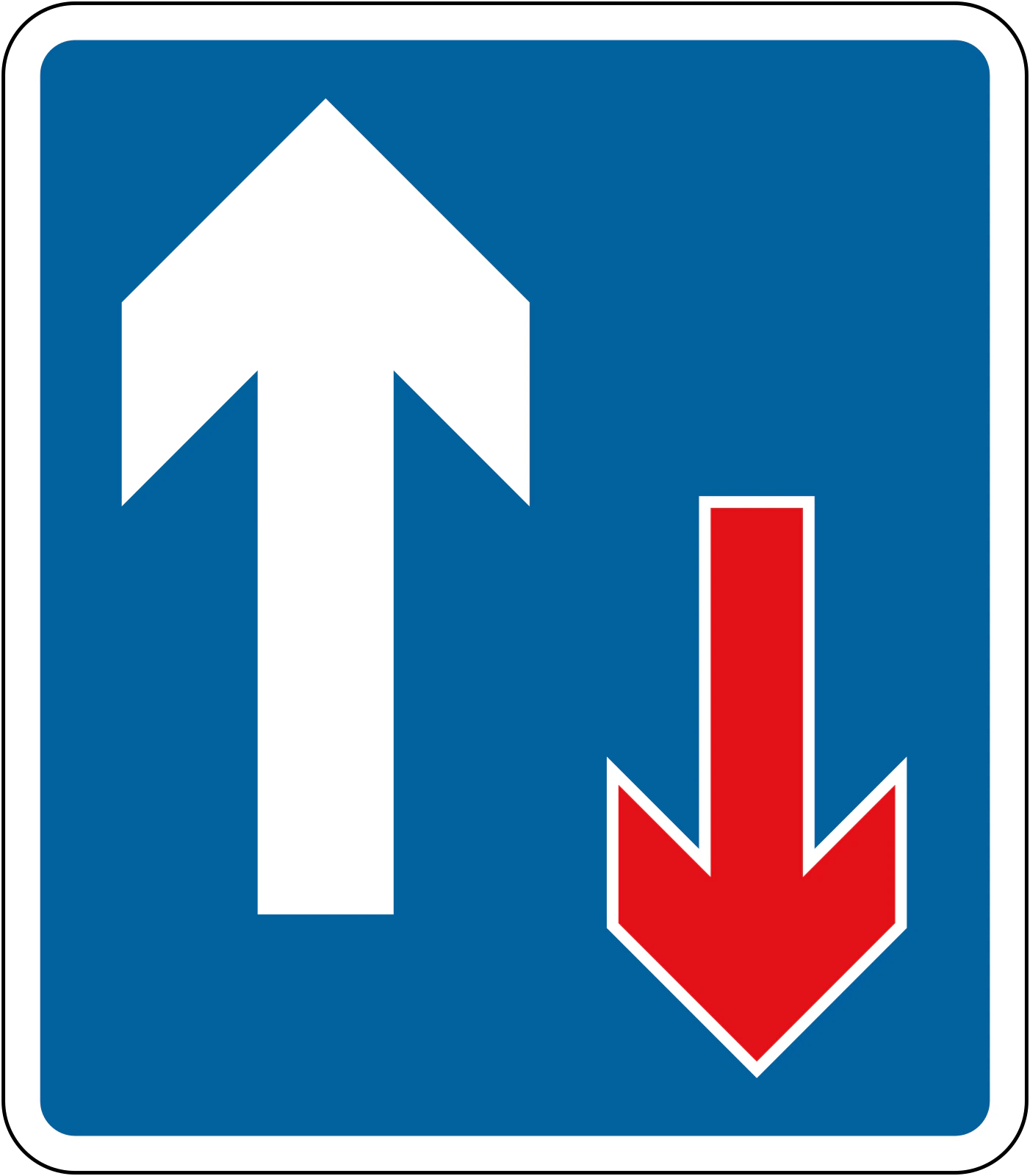
Sign 811 tells you that traffic from the opposite direction has priority.
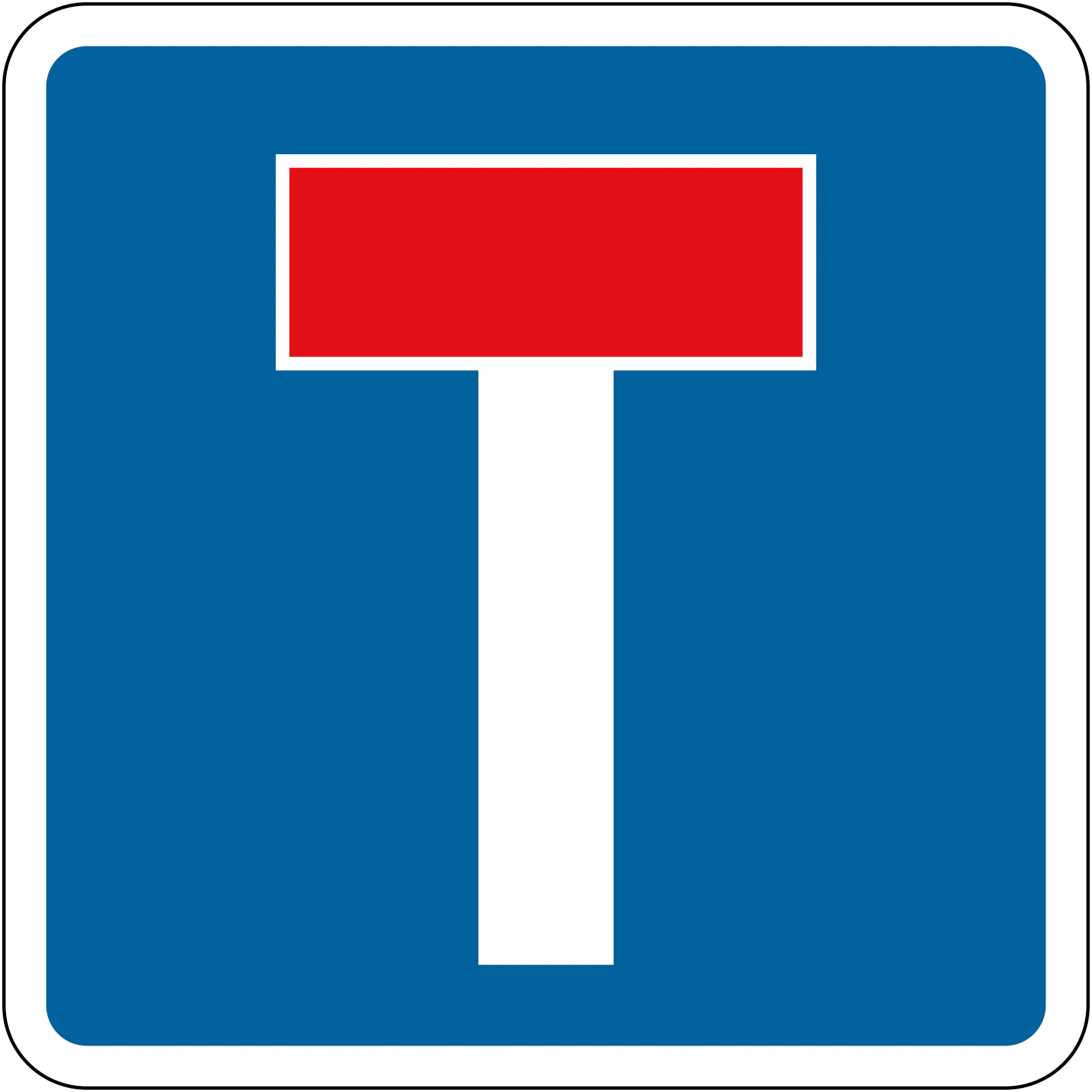
Prepare for the 'No Through Road' sign with this essential Great Britain traffic information.

Prepare for a weight restriction and find an alternative route with this information sign.

Understand the 'No Hard Shoulder for 400 yd' Road Sign
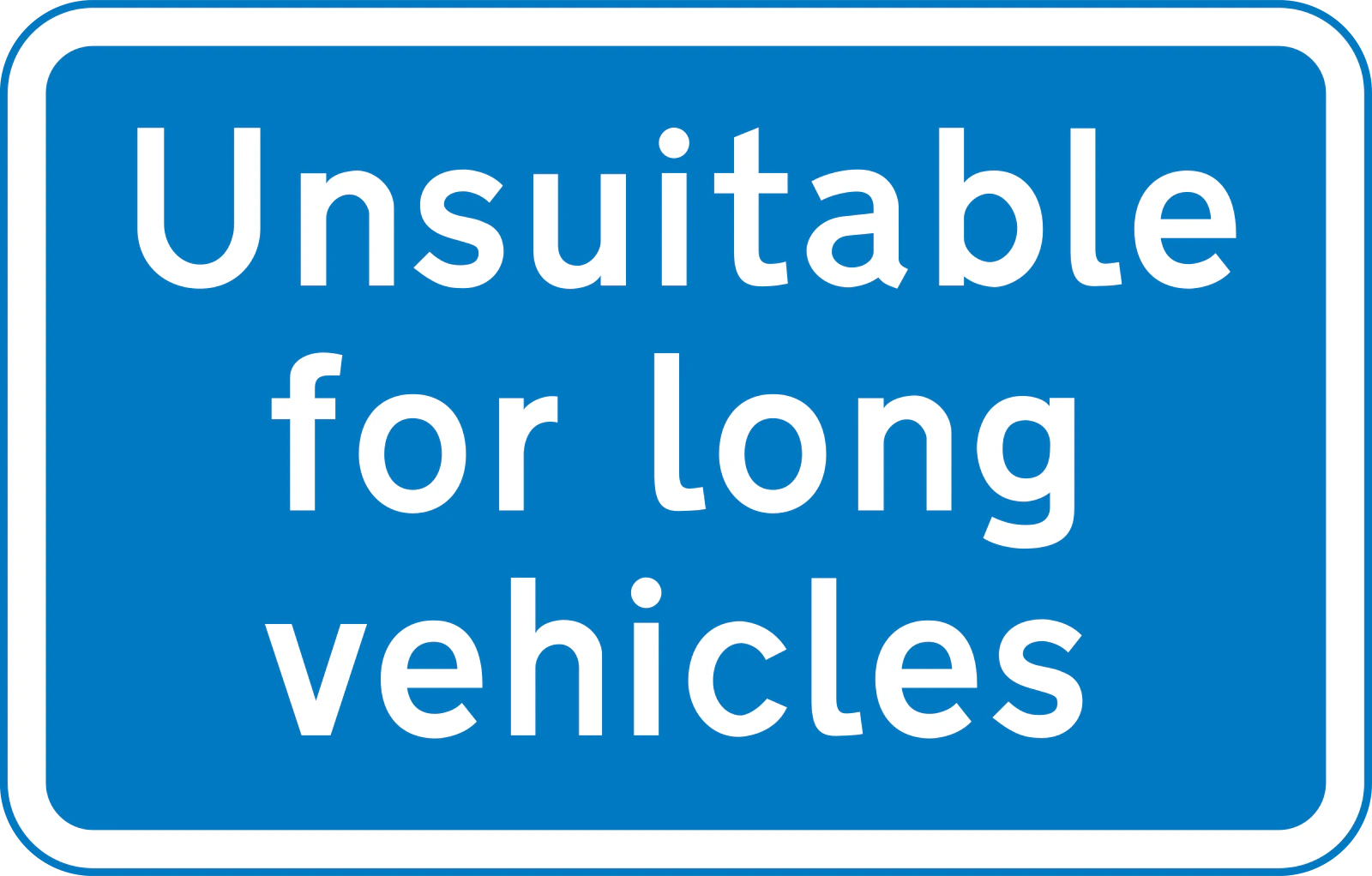
What the 'Unsuitable for Long Vehicles' road sign means for your driving journey.
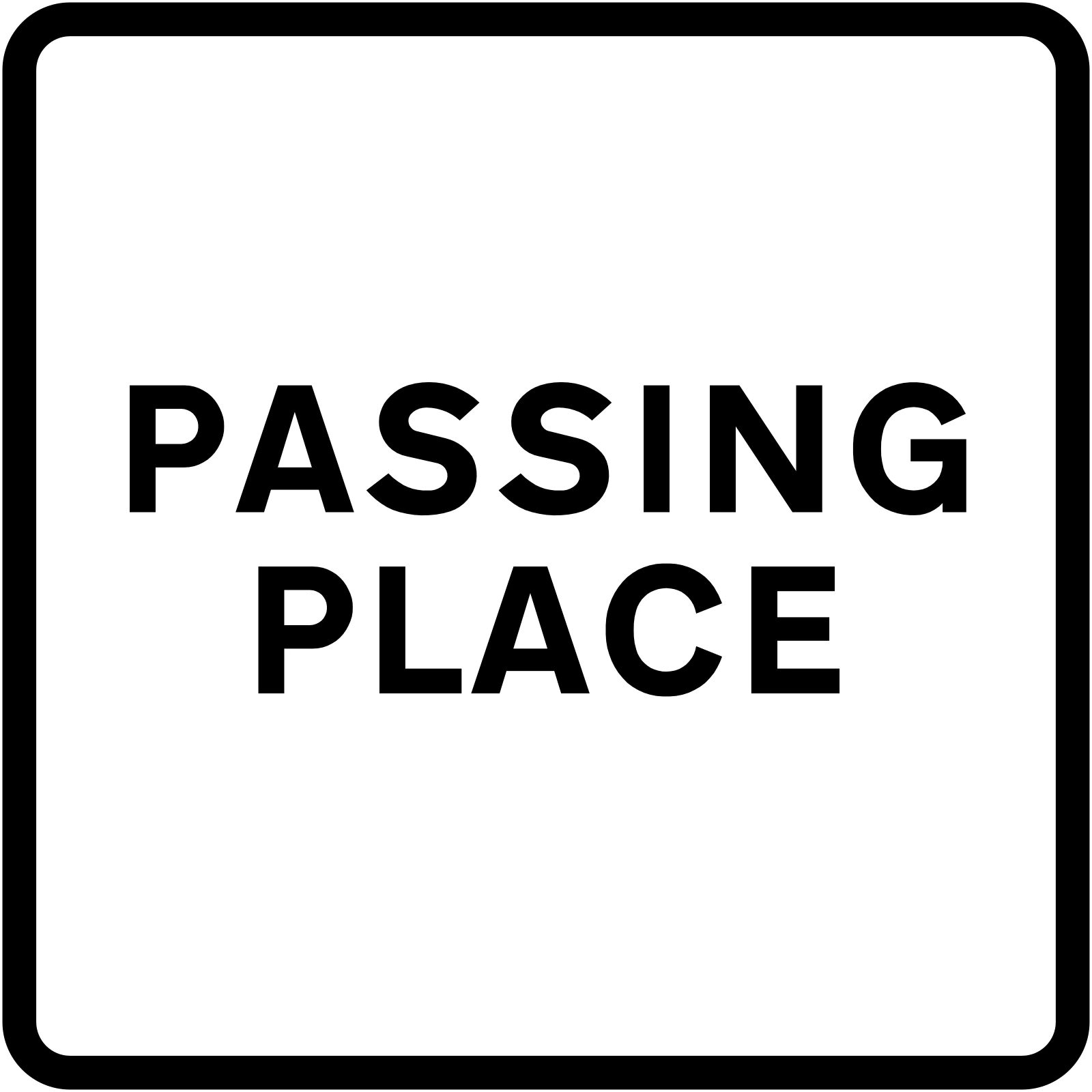
Understand the 'Passing Place on a Narrow Road' Information Sign (822)
After reviewing the full list of road signs, challenge yourself with practice questions focused specifically on sign recognition. Reinforce your learning and ensure you're fully prepared to identify and understand all traffic signs on the DVSA theory test.
Browse All GB Road Signs List