
This 'Ice warning plate', code 554.3, is a supplementary warning plate used alongside other hazard signs. It provides essential context about the nature of the hazard, specifically warning of ice. Drivers must always treat this plate as part of the primary warning sign. It prompts drivers to reduce speed early, increase following distances, and remain alert to potential slippery conditions, ensuring safer driving, especially during colder weather.
This supplementary plate clarifies the immediate relevance of the main warning sign, detailing ice hazards. Mastering this road sign meaning is crucial for safe driving and theory test success.
This warning plate refines the meaning of the main warning sign by adding wording, distance, direction, or context. It is not a stand-alone decoration; it changes how the driver should prepare for the hazard. In a theory-test setting, the safe response is to combine the plate with the main symbol, check mirrors, manage speed early, and leave enough room for the condition described. It is listed in the catalogue as code 554.3.
"Ice warning plate" is a supplementary warning plate that adds practical detail to the main hazard sign. It helps the driver understand ice warning, judge where the warning applies, and prepare before reaching the affected part of the road.
Get clear, practical answers to the most common questions about the 554.3 - Ice warning plate road sign. Learn how the sign works, what rules it represents, and how it affects real driving situations. This FAQ strengthens your understanding and supports accurate decision making for the British driving theory exam in Great Britain.
The 554.3 Ice Warning Plate serves to refine the meaning of a primary warning sign by specifically indicating the risk of ice on the road. It helps drivers understand the exact hazard they might face and prepares them to adjust their driving behaviour accordingly, such as reducing speed and increasing following distances.
You should treat the 554.3 Ice Warning Plate as an integral part of the main warning sign it accompanies. Combine its information with the primary sign’s message, check your mirrors, and prepare to reduce your speed well before you reach the affected area of the road. Your exact reaction will depend on the main hazard and the specific conditions, but always assume ice will significantly reduce grip.
Yes, you must avoid dismissing the warning as unimportant. Don't wait until you are directly facing the hazard to slow down; manage your speed early. Also, avoid overtaking, accelerating sharply, or changing lanes abruptly in areas where ice could reduce safety margins. Always maintain situational awareness by scanning the road, mirrors, and surroundings.
A common mistake is to focus only on the main hazard sign and overlook the supplementary plate, or to underestimate the severity of an 'ice' warning. Learners might also delay their speed reduction, assuming conditions will improve, which is dangerous on ice. In theory tests, understanding that these plates modify the primary warning is key.
Not necessarily the entire road, but it indicates a specific section or location where ice is a significant risk. The exact extent of the icy patch might be implied by the main sign or the road layout. Always be prepared for the possibility of ice and drive cautiously, especially in colder weather conditions or areas prone to frost.
A clear reference image of the 554.3 - Ice warning plate road sign used in Great Britain.
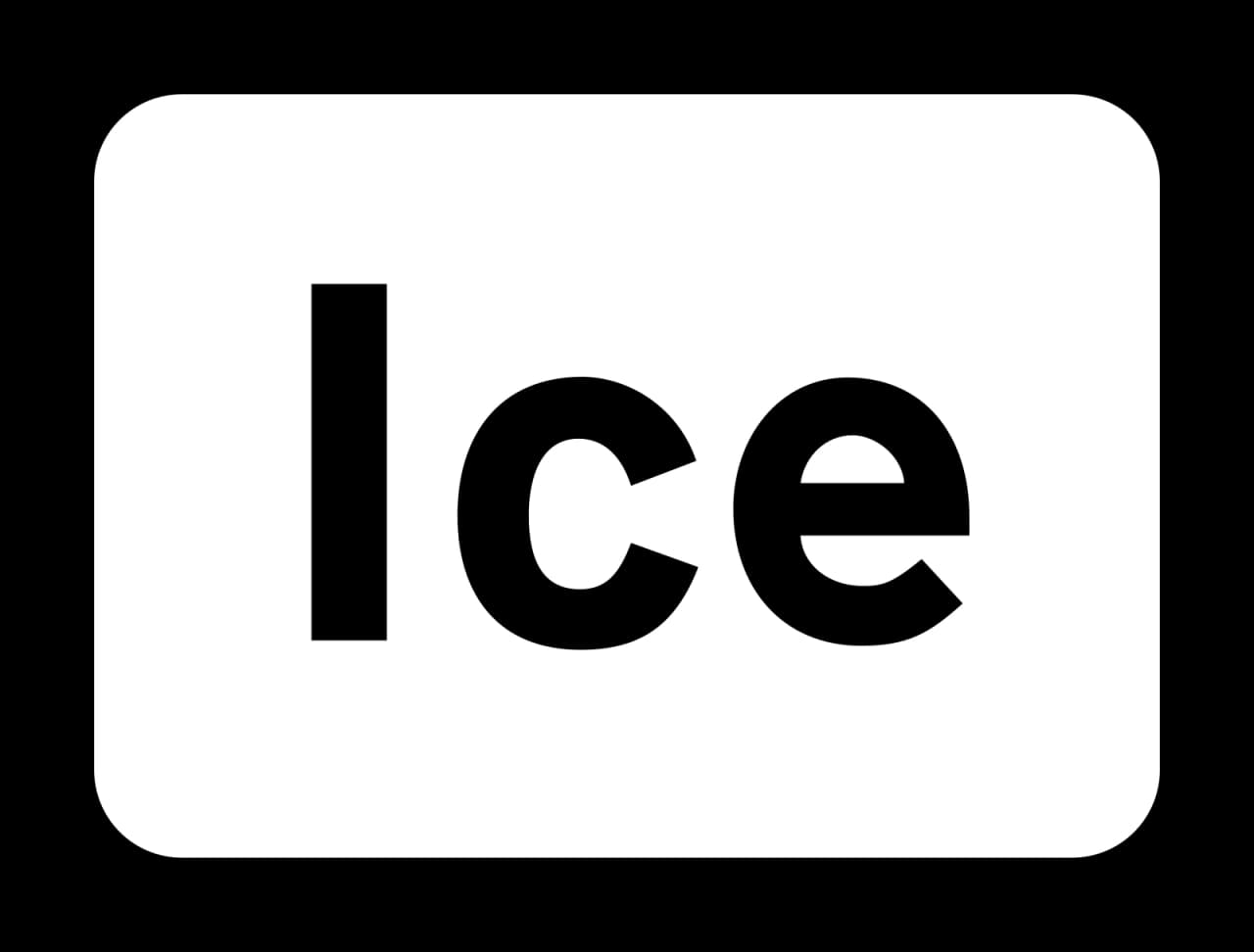
The 554.3 - Ice warning plate road sign may also be known by these alternative names or terms.
The 554.3 - Ice warning plate road sign is part of the Great Britain Warning Signs category, which groups together signs with similar rules and functions.
Master similar road signs by comparing them side-by-side to enhance your recognition and memory, aiding your theory test revision. This focused traffic sign comparison helps prevent common errors and builds confidence in understanding crucial road markings.

Prepare for a STOP or GIVE WAY sign ahead with this crucial advance warning.

The 502 'Distance to STOP line' plate adds vital information to warning signs.

What does the 'Distance to GIVE WAY Line' warning plate mean?
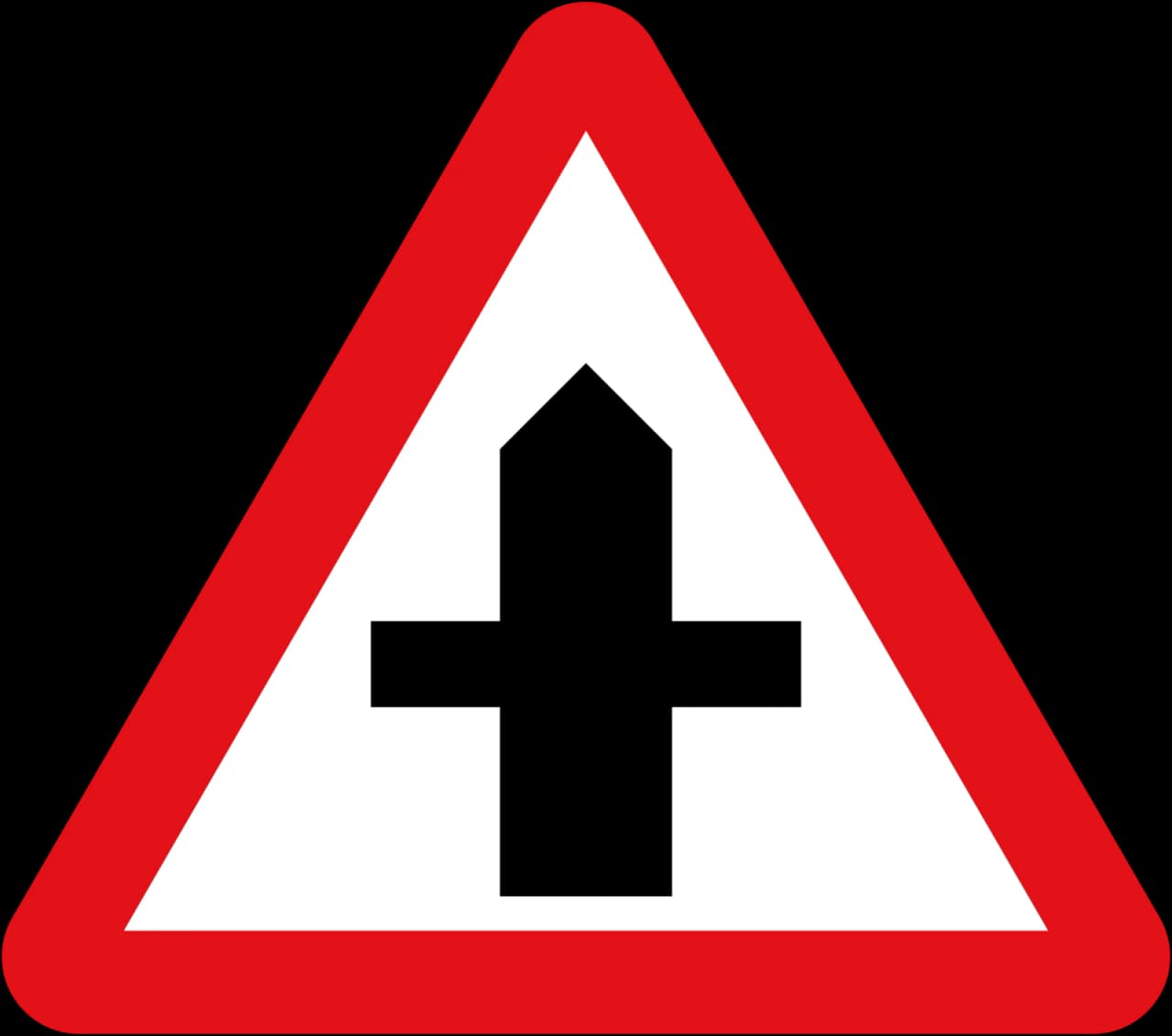
Prepare for Crossroads with the 504.1 Advance Warning Sign
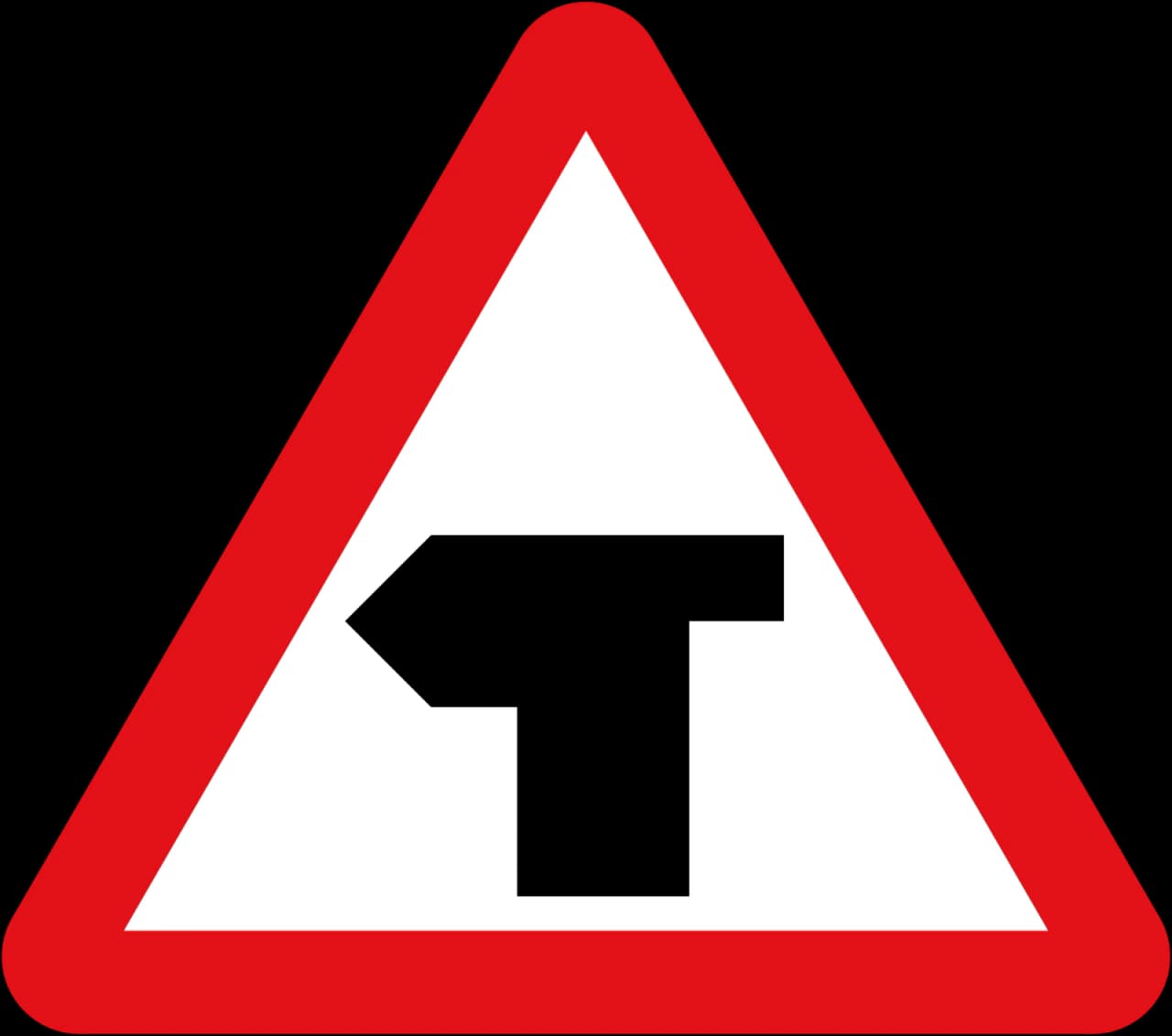
Prepare for a T-junction ahead with this advance warning road sign.
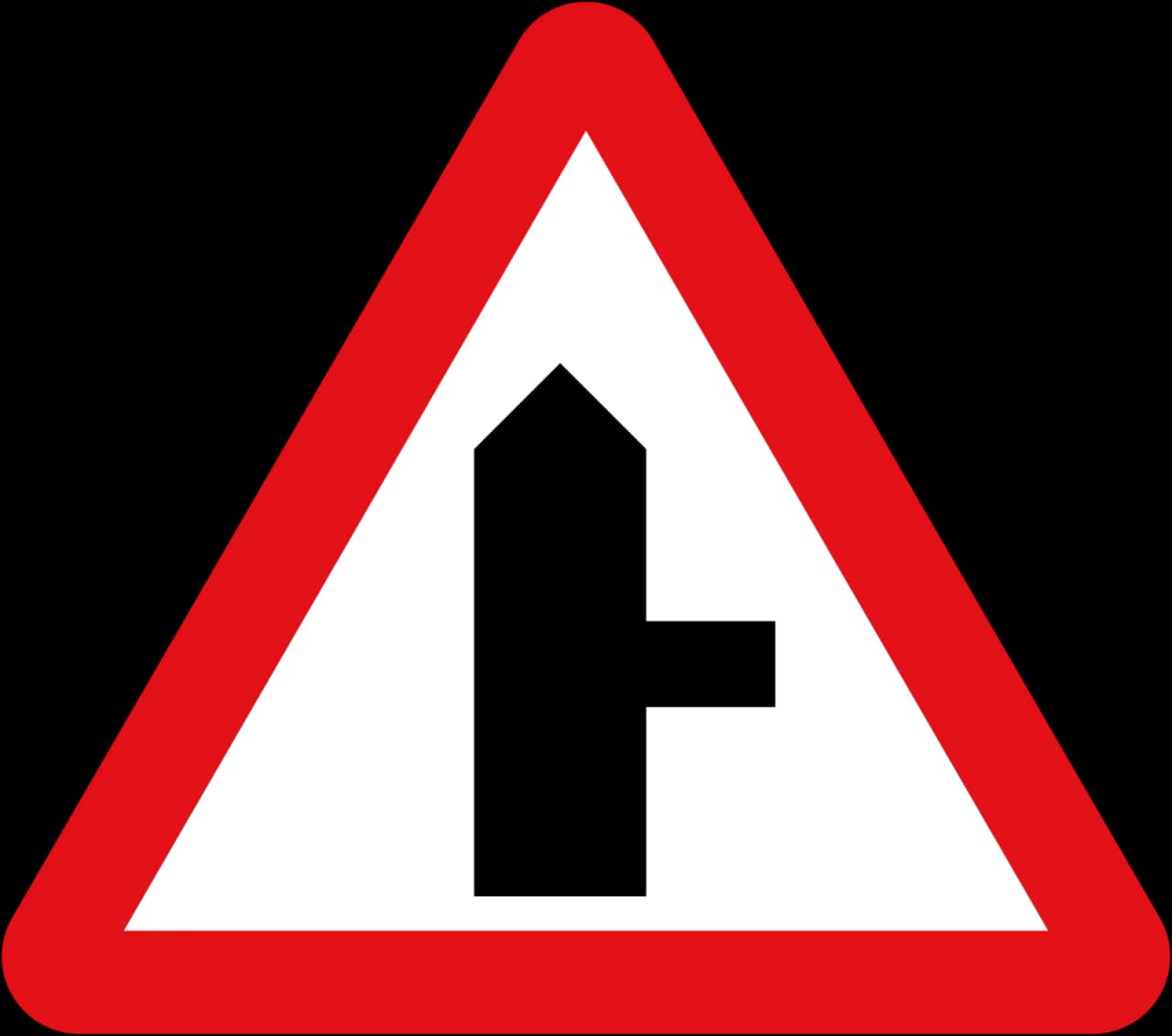
Prepare for a side road joining from the right with this advance warning sign.

Prepare for a staggered junction ahead with this advance warning sign.
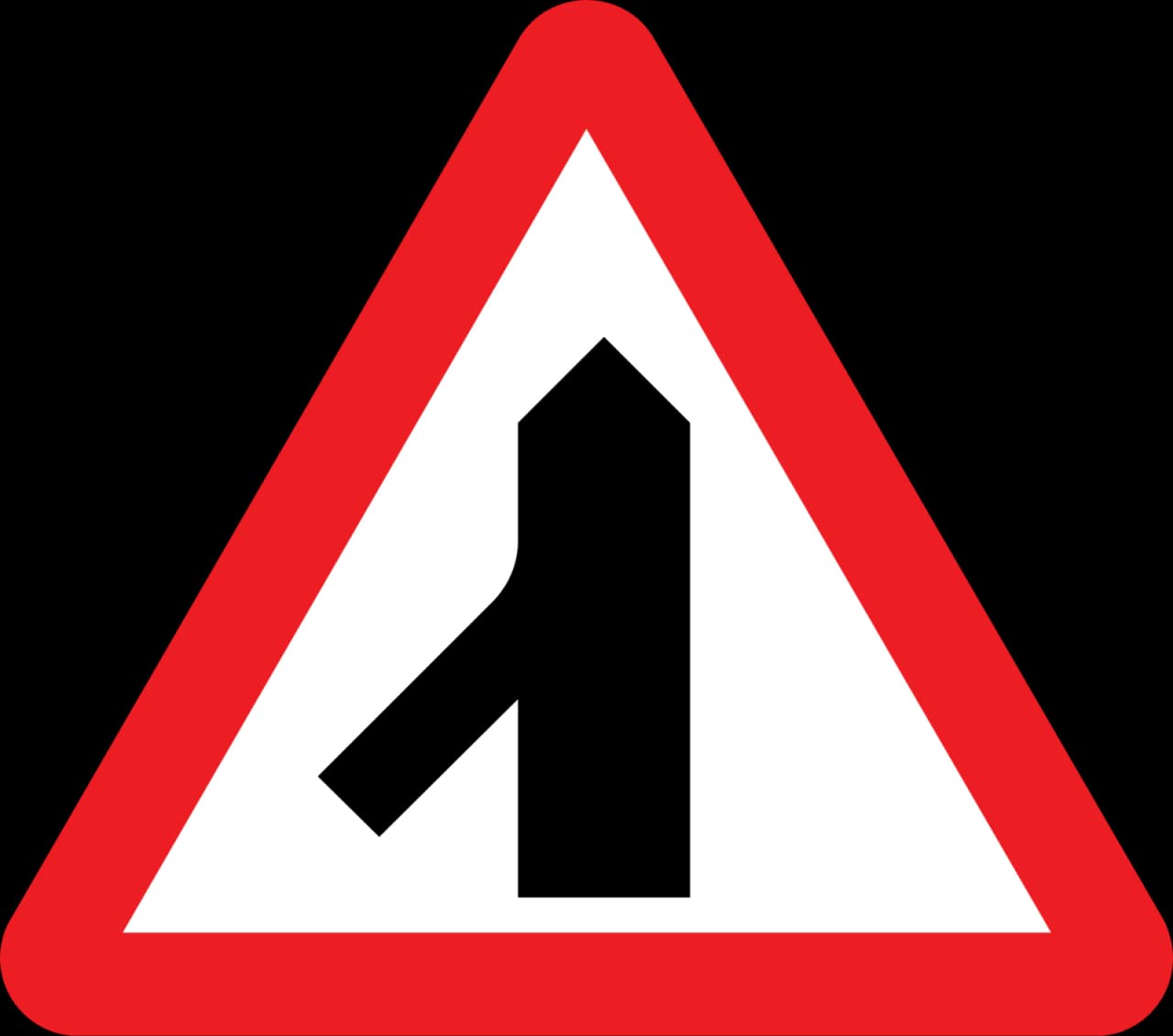
Prepare for traffic merging from the left with this advanced warning sign.
After reviewing the full list of road signs, challenge yourself with practice questions focused specifically on sign recognition. Reinforce your learning and ensure you're fully prepared to identify and understand all traffic signs on the DVSA theory test.
Browse All GB Road Signs List