
Riding your moped safely in Austria means being prepared for all conditions. This unit covers how to handle rain, fog, darkness, and winter hazards, along with vital pre-ride checks for your vehicle. Mastering these elements is key for both your AM theory exam and safe daily riding.
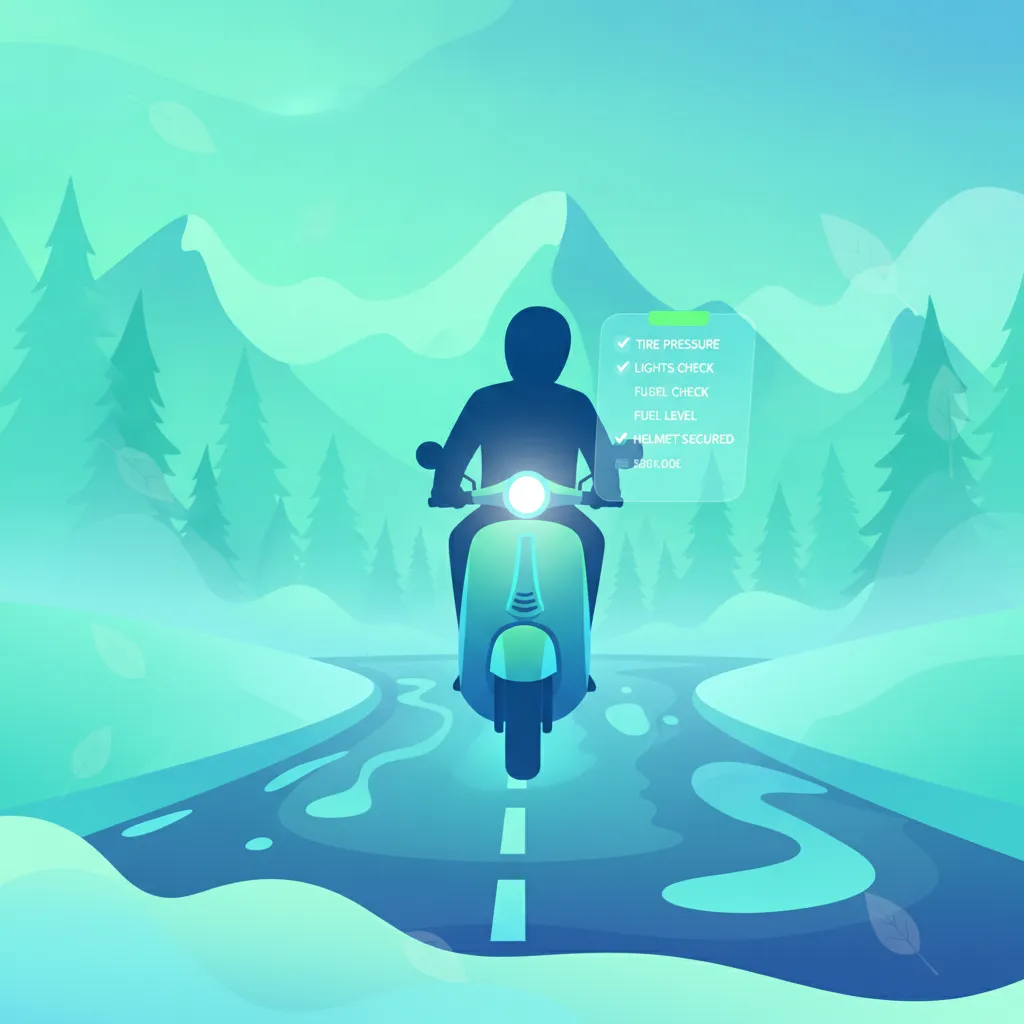
Browse all lessons that make up Weather, Darkness, Winter Conditions and Vehicle Readiness. Each lesson focuses on specific topics, learning objectives, and core concepts, helping you build essential knowledge and follow a clear, structured progression toward your study goals in Austria.
This lesson focuses on strategies for riding safely in conditions of poor visibility, such as rain, fog, and low sun glare. It explains how to use lights effectively, increase following distances, and moderate speed to maintain control. The content also addresses braking techniques on wet surfaces to prevent skidding and hydroplaning.
This lesson covers the significant risks associated with riding in winter conditions, particularly snow and ice. It teaches riders how to identify areas where black ice is likely to form and the techniques for gentle acceleration, braking, and steering to maintain traction. The importance of appropriate tires and other winter equipment is also highlighted.
This lesson provides practical information on the use of winter equipment for AM vehicles. It explains the legal requirements for winter tires and snow chains in Austria under specific conditions. The content includes guidance on how to correctly install and remove snow chains to ensure they are effective and safe.
This lesson emphasizes the importance of conducting a thorough pre-ride inspection to ensure vehicle safety. It provides a simple checklist covering critical components such as tires, brakes, lights, and controls. Performing these checks regularly helps identify potential issues before they become dangerous on the road.
Explore high-intent keywords and long-tail search topics learners use when researching Weather, Darkness, Winter Conditions and Vehicle Readiness. These terms reflect how people search for reliable study materials, structured explanations, and unit-level theory preparation support in Austria.
Find clear answers to the most common questions learners ask about Weather, Darkness, Winter Conditions and Vehicle Readiness. Understand how the unit is organized, what learning goals it supports, and how it contributes to your study progression with structured explanations and practical guidance tailored for learners in Austria.
For winter riding in Austria, essential checks include ensuring your tires have sufficient tread depth and are appropriate for the season (winter tires are often mandatory below certain temperatures). You must also check that your lights and indicators are clean and functioning, that your brakes are responsive, and that there is no ice or snow obstructing key components. Also, confirm you have any required anti-slip measures like tire chains if conditions demand it.
Fog significantly reduces visibility for both you and other road users. When riding in fog, reduce your speed, increase your following distance, and ensure your low-beam headlight is on to be more visible. Wear bright or reflective clothing. Listen for traffic and be extra cautious at junctions, as others may not see you until it's too late. Avoid unnecessary overtaking.
While the Austrian StVO sets general speed limits, it also mandates that you always adapt your speed to the prevailing conditions. In rain, fog, snow, or icy conditions, you must reduce your speed significantly to maintain a safe stopping distance and ensure you have adequate grip and control. This means driving slower than the posted limit if necessary.
In Austria, the law generally requires winter tires (M+S, or with the snowflake symbol) for mopeds and motorcycles when 'winter conditions' prevail, typically from November 1st to April 15th. This includes snow, slush, and ice. Failing to comply can result in fines and complications in case of an accident.
To improve visibility at night or in low light conditions, ensure all your moped's lights are clean and functioning correctly, including the headlight (use low beam), taillight, brake light, and indicators. Wear bright, fluorescent, and reflective clothing. Position yourself strategically on the road where you are most visible to other drivers and avoid riding in blind spots.
Black ice is a thin, transparent layer of ice that forms on the road surface, often when temperatures are just above freezing. It's incredibly dangerous because it looks like a wet road, making it hard to spot. It drastically reduces tire grip, making braking, acceleration, and cornering extremely hazardous and leading to sudden loss of control and skidding.
All included lessons
Lessons in Weather, Darkness, Winter Conditions and Vehicle Readiness
See who benefits most from studying Weather, Darkness, Winter Conditions and Vehicle Readiness. This overview explains how the unit supports different learning needs, what level of knowledge is helpful before starting, and how it fits into the overall study path in Austria.
This unit is crucial for all aspiring AM license holders in Austria preparing for their theory exam, especially those who may ride in varied weather or during different times of day. It's particularly beneficial for learners who need to understand how to ensure their moped is roadworthy throughout the year, including during winter months.

Ready to systematically master Austrian driving theory? Explore our diverse range of structured courses and find the perfect learning path for your license category. Start building your knowledge foundation and preparing confidently for your official driving theory exam in Austria.
Browse Theory CurriculumExplore all units and lessons included in this driving theory course.
Ready to systematically master Austrian driving theory? Explore our diverse range of structured courses and find the perfect learning path for your license category. Start building your knowledge foundation and preparing confidently for your official driving theory exam in Austria.
Browse Theory Curriculum