
This lesson guides you through the legal requirements and safety practices for operating mopeds and light quadricycles during Austrian winter conditions. Understanding when to use winter tires and how to safely install snow chains is essential for passing your theory exam and staying safe on the road.
Lesson content overview
Riding a moped, small scooter, or light quadricycle (AM-class vehicle) in Austria during winter demands specific preparation and equipment. Snow, ice, and freezing temperatures drastically alter road conditions, requiring enhanced traction to ensure safety and compliance with Austrian road traffic regulations (StVO). This lesson provides a comprehensive guide to understanding and utilizing winter tires and snow chains, which are crucial for safe riding and avoiding legal penalties in challenging weather.
Winter conditions pose significant challenges for all road users, but especially for AM-class vehicles due to their lighter weight, two-wheel configuration (for mopeds and scooters), and smaller tire contact patches. Reduced grip on icy or snowy surfaces dramatically increases braking distances, compromises steering, and makes balancing much harder. Proper winter equipment is not merely a recommendation; it is a legal requirement under specific circumstances in Austria, designed to protect riders and other road users.
Traction, the friction between your tires and the road surface, is fundamental to vehicle control. In winter, this friction is severely reduced:
Equipping your AM vehicle with appropriate winter tires or snow chains helps to counteract these effects, providing the necessary grip for safe acceleration, braking, and cornering.
In Austria, the use of winter equipment is legally mandated under specific conditions for AM-class vehicles. Compliance with these regulations is essential for your safety and to avoid fines or potential liability in the event of an accident.
Generally, a mandatory winter tire period applies to all vehicles in Austria. During this period, or whenever roads are covered with snow, slush, or ice, AM vehicles must be fitted with suitable winter tires. This requirement applies even if there is no specific road sign, simply based on the prevailing road conditions.
Failing to use appropriate winter equipment when required can lead to significant consequences:
Winter tires are specifically engineered to perform in cold temperatures and on snowy or icy surfaces, offering a significant advantage over summer or all-season tires.
A tire designed with a unique rubber compound that remains flexible in low temperatures and features deeper, more numerous tread patterns (sipes) to grip snow and ice effectively.
The softer rubber compound of winter tires maintains flexibility even below 7°C, ensuring better contact with the road. Their specialized tread patterns are designed to channel away snow and slush, providing enhanced traction.
When selecting winter tires for your moped, scooter, or light quadricycle, you'll encounter two primary markings:
Tires marked with "M+S" (or "M.S." or "M&S") are generally recognized as suitable for winter conditions. They have a tread pattern and structure designed to provide better performance in mud and fresh or melting snow than regular tires.
While M+S tires offer improved performance over summer tires, they are considered a basic level of winter suitability. They are typically sufficient for moderate winter conditions, such as light snow or cold, wet roads.
Marked with a prominent snowflake symbol inside a three-peak mountain, these tires are certified "true" winter tires. They have undergone rigorous testing to ensure superior performance in severe snow conditions.
3-PMSF tires offer significantly better grip on snow and ice compared to M+S tires. They are recommended for harsher Austrian winter conditions, especially in mountainous regions or during heavy snowfall. When a road sign specifically mandates "snow tires" (Schneereifen), it typically refers to tires bearing the 3-PMSF symbol.
Always check the sidewall of your tires for these markings to ensure they meet legal requirements and provide adequate safety for the expected winter conditions.
However, even the best winter tires have their limits, particularly on thick ice or deep snow. This is where snow chains become indispensable.
For extreme winter conditions, especially on steep inclines or heavily snow-covered roads, snow chains provide mechanical grip that even the best winter tires cannot match.
Metal or composite mesh devices fitted over the tires of a vehicle to significantly increase traction on snow and ice by digging into the surface.
Snow chains create a powerful "biting" effect into snow and ice, providing a level of grip necessary to navigate otherwise impassable roads. They are a temporary solution for severe conditions and must be used judiciously.
Snow chains become mandatory in two primary situations:
Using snow chains comes with strict rules:
Always adhere to the specific speed limits when driving with snow chains. Exceeding these limits can lead to chain breakage, loss of control, and severe accidents.
Generally, on paved roads, the maximum speed with snow chains is often restricted to 30 km/h. On snow-covered or unpaved roads where chains are mandatory or highly beneficial, the speed limit might be somewhat higher but still much lower than normal road speeds.
Being able to identify and react to road signs related to winter equipment is crucial for safe and legal riding in Austria.
This circular blue sign with a white tire and chain symbol is the most definitive indicator that snow chains must be fitted. It typically appears at the beginning of mountain passes or other sections of road prone to severe winter conditions. Once you pass this sign, you are legally obligated to have chains on your driving wheels until you see the corresponding "End of Snow Chains Required" sign (a similar sign with a diagonal red bar).
While there isn't a universally recognized separate sign solely for "Winter Tires Required" for all vehicles in Austria (the general legal period applies), be aware of signs that indicate "winter conditions" or "danger of ice/snow" which reinforce the need for winter-ready vehicles. Always prioritize safety and legal compliance based on actual road and weather conditions.
Installing snow chains correctly is a skill every AM rider venturing into winter conditions should master. Practice in a safe environment before you encounter an emergency situation.
Position the Chain: Drape the chain over the top of the driving wheel (for scooters/mopeds, this is typically the rear wheel; for light quadricycles, refer to your vehicle manual for driving axle). Ensure the chain is symmetrical and evenly distributed across the tire tread.
Connect Inner Hooks (if applicable): Reach behind the tire and connect any inner loops or hooks according to your chain's design. This forms the initial circle of the chain around the tire.
Connect Outer Hooks and Tension: Pull the chain down around the tire and connect the main outer hooks or tensioning system. This usually involves a colored hook or lever that draws the chain taut. Follow the manufacturer's specific instructions for the correct tensioning method.
Verify Fit: The chain should be snug against the tire, without excessive slack. It should not be so tight that it's difficult to connect, nor so loose that it sags or clangs.
Roll Forward Slightly: Move your AM vehicle forward a short distance (about 1-2 meters). This allows the chains to settle onto the tire.
Re-tension and Re-check: After rolling, stop and re-check the tension of the chains. They will often loosen slightly after initial movement. Re-tighten them if necessary. This step is critical to prevent damage to the vehicle or the chains themselves.
Test Drive: Drive slowly (below 10-15 km/h) for a short distance (a few hundred meters) to confirm proper installation and tension. Listen for unusual noises or vibrations. If everything feels stable, you can proceed at the legal speed limit for chains.
Removal is generally the reverse of installation. Once you are on a clear road and have passed the "End of Snow Chains Required" sign, find a safe spot, engage the parking brake, and disconnect the tensioning system. Unhook the chains, roll them off the tire, and store them.
Proper care extends the life of your winter equipment and ensures it's ready when needed.
Store snow chains in a dry place to prevent rust. Winter tires, when not in use, should be stored in a cool, dry, dark place, ideally on a tire rack or stacked correctly.
Riding an AM vehicle in winter conditions, especially with specialized equipment, requires attention to detail. Avoid these common errors:
Familiarize yourself with your winter equipment before the winter season. Practice installing chains in daylight, in your garage, so you are prepared for a roadside emergency.
Navigating Austrian roads on your AM vehicle during winter requires foresight, the right equipment, and adherence to specific regulations. By understanding the differences between M+S and 3-PMSF winter tires, knowing when and how to properly install snow chains, and respecting the associated speed limits, you ensure not only your safety but also compliance with the law. Always prioritize your preparedness and ride responsibly, adapting your equipment and driving style to the prevailing road and weather conditions.
This lesson covers the essential legal requirements and practical skills for operating AM vehicles safely during Austrian winters. It explains that winter tires are mandatory during the designated winter period or when road conditions require them, distinguishing between basic M+S tires and the superior 3-PMSF certified winter tires. Snow chains are mandatory when the C13 sign is displayed or when conditions are extreme, and must be fitted only to driving wheels at reduced speeds of typically 30 km/h. Proper installation involves positioning the chain, connecting tensioning mechanisms, rolling forward to settle, and re-tensioning—a process that requires practice to perform safely in roadside emergencies. Learners should also recognize the consequences of non-compliance including fines and potential insurance invalidation.
A short set of high-value points that capture the most important learning from this lesson.
Winter tires are legally mandatory for AM vehicles in Austria during the designated winter period or whenever roads are covered with snow, slush, or ice
3-PMSF tires (with the three-peak mountain snowflake symbol) offer superior winter performance compared to basic M+S marked tires
Snow chains become mandatory when the C13 road sign is displayed or when extreme conditions make travel unsafe without them
Chains must always be fitted to the driving wheels only—for mopeds and scooters, this is typically the rear wheel
Speed limits when driving with snow chains are significantly reduced, commonly to 30 km/h on paved roads
Explore all units and lessons included in this driving theory course.
AM vehicles include mopeds, scooters, and light quadricycles with max speed 45 km/h and engine capacity ≤ 50 cc
The M+S marking indicates basic winter suitability; the 3-PMSF snowflake symbol certifies rigorous winter performance testing
The C13 circular blue sign means snow chains are legally required—fit them before proceeding on that road section
Re-tension chains after rolling forward 1-2 meters, then re-check periodically during use to prevent loosening
Remove chains immediately when reaching clear pavement to avoid damaging chains, tires, and the road surface
Ignoring the 'Snow Chains Required' sign (C13), which is both illegal and extremely dangerous in mountain conditions
Installing snow chains on non-driving wheels, which provides no traction benefit and wastes time
Driving with chains on dry pavement, which rapidly wears down both chains and tires while creating hazardous vibrations
Failing to re-check chain tension after the initial drive, allowing loose chains to damage mudguards or brake lines
Exceeding the reduced speed limits when chains are fitted, significantly increasing the risk of chain breakage and loss of control
Lesson content overview
A short set of high-value points that capture the most important learning from this lesson.
Winter tires are legally mandatory for AM vehicles in Austria during the designated winter period or whenever roads are covered with snow, slush, or ice
3-PMSF tires (with the three-peak mountain snowflake symbol) offer superior winter performance compared to basic M+S marked tires
Snow chains become mandatory when the C13 road sign is displayed or when extreme conditions make travel unsafe without them
Chains must always be fitted to the driving wheels only—for mopeds and scooters, this is typically the rear wheel
Speed limits when driving with snow chains are significantly reduced, commonly to 30 km/h on paved roads
Explore all units and lessons included in this driving theory course.
AM vehicles include mopeds, scooters, and light quadricycles with max speed 45 km/h and engine capacity ≤ 50 cc
The M+S marking indicates basic winter suitability; the 3-PMSF snowflake symbol certifies rigorous winter performance testing
The C13 circular blue sign means snow chains are legally required—fit them before proceeding on that road section
Re-tension chains after rolling forward 1-2 meters, then re-check periodically during use to prevent loosening
Remove chains immediately when reaching clear pavement to avoid damaging chains, tires, and the road surface
Ignoring the 'Snow Chains Required' sign (C13), which is both illegal and extremely dangerous in mountain conditions
Installing snow chains on non-driving wheels, which provides no traction benefit and wastes time
Driving with chains on dry pavement, which rapidly wears down both chains and tires while creating hazardous vibrations
Failing to re-check chain tension after the initial drive, allowing loose chains to damage mudguards or brake lines
Exceeding the reduced speed limits when chains are fitted, significantly increasing the risk of chain breakage and loss of control
Explore search topics learners often look for when studying Winter Equipment: Tire Chains, Anti‑Slip Measures. These topics reflect common questions about road rules, driving situations, safety guidance, and lesson level theory preparation for learners in Austria.
Browse additional driving theory lessons that cover connected traffic rules, road signs, and common driving situations related to this topic. Improve your understanding of how different rules interact across everyday traffic scenarios.
Understand Austrian laws on winter tires, snow chains, and anti-slip measures for Category AM vehicles. Learn when equipment is mandatory and how it ensures safety during winter conditions on Austrian roads.

This lesson focuses on adapting driving techniques for hazardous weather conditions. It details the legal requirements for winter tires and the proper use of snow chains in Austria. Additionally, it covers safe driving practices in low visibility conditions like fog, such as reducing speed and using appropriate lights.
This lesson covers the significant risks associated with riding in winter conditions, particularly snow and ice. It teaches riders how to identify areas where black ice is likely to form and the techniques for gentle acceleration, braking, and steering to maintain traction. The importance of appropriate tires and other winter equipment is also highlighted.
This lesson details the essential legal and administrative requirements for operating an AM vehicle in Austria. It covers the processes for vehicle registration, the obligation for licence plates, and the necessity of third-party liability insurance. Furthermore, it explains the importance of regular technical inspections to ensure the vehicle remains roadworthy and compliant with national standards.
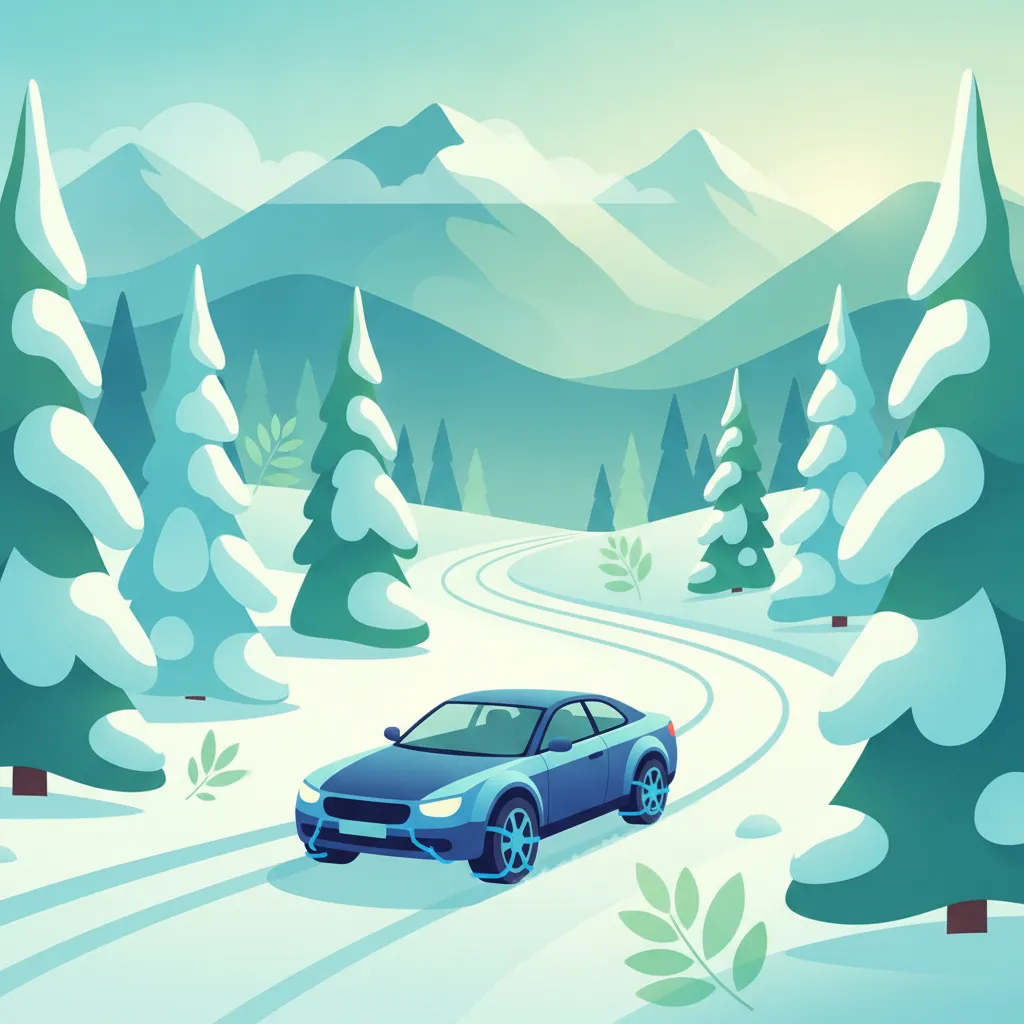
Winter driving in Austria presents a serious challenge that requires specific equipment and skills. This lesson covers how to drive on snow and ice, emphasizing smooth, gentle control inputs to maintain traction. It provides a practical overview of when and how to correctly fit snow chains ('Schneeketten') to the drive wheels, a legal requirement on many alpine roads.
This lesson outlines the legal speed limits for Category AM vehicles in Austria, covering urban, residential, and rural areas. It explains how to identify different speed zones through signage and the importance of adjusting speed based on traffic, weather, and road conditions. Adherence to these limits is a fundamental aspect of both legal compliance and safety.
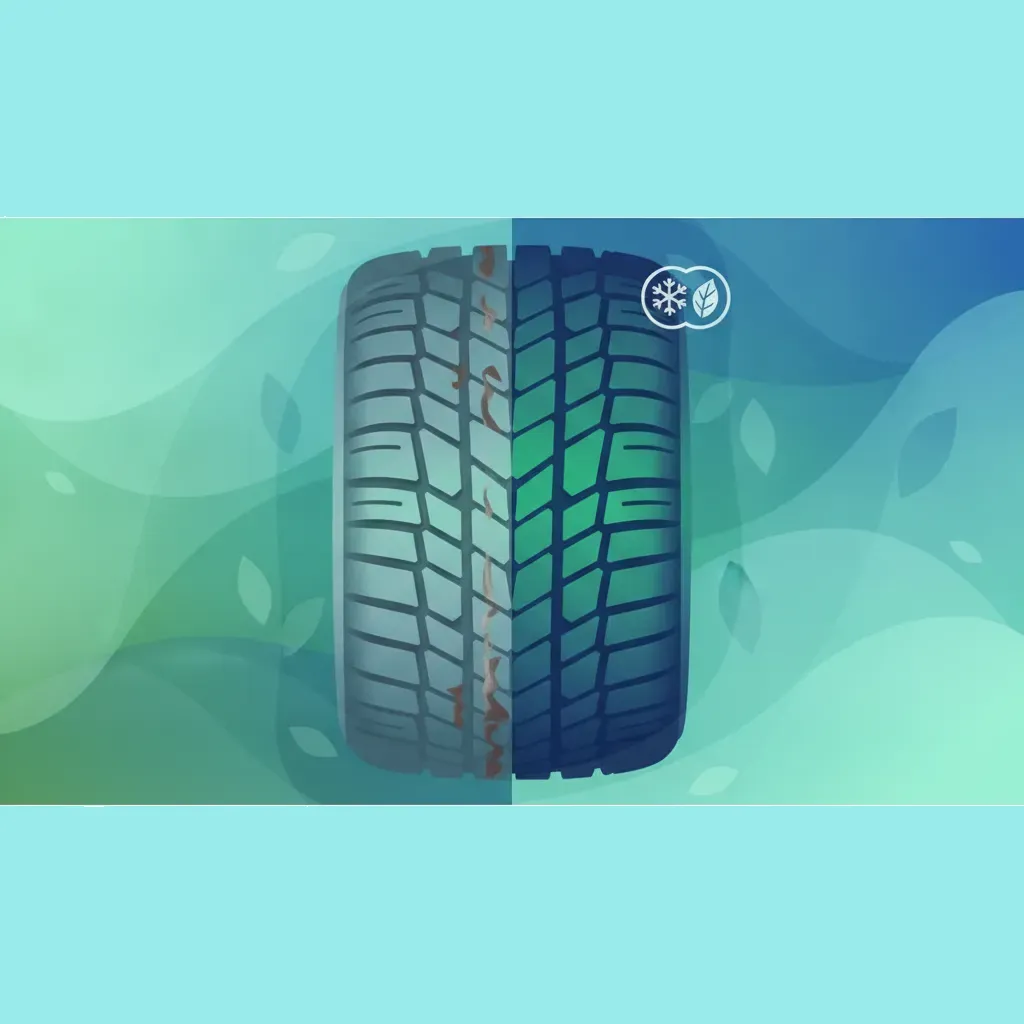
This lesson details the critical role tyres play in vehicle safety, focusing on Austrian regulations for seasonal use. Learners will understand the mandatory period for winter tyres, the legal minimum for tread depth, and the importance of maintaining correct tyre pressure for optimal grip and fuel efficiency. The content explains how tyre condition directly affects braking distance and the risk of aquaplaning, making it a key safety component.
This lesson emphasizes the importance of conducting a thorough pre-ride inspection to ensure vehicle safety. It provides a simple checklist covering critical components such as tires, brakes, lights, and controls. Performing these checks regularly helps identify potential issues before they become dangerous on the road.
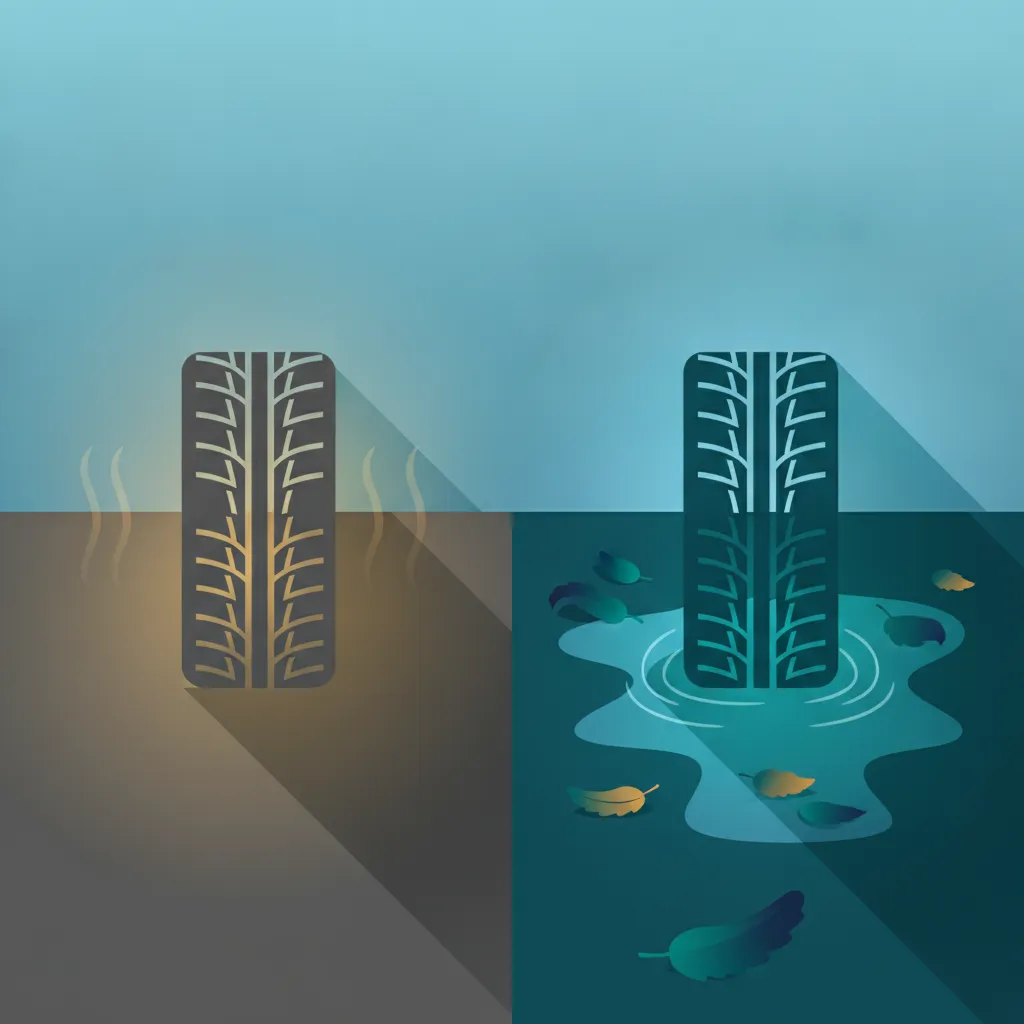
This lesson explores the critical relationship between tire grip and different road surfaces. It provides strategies for identifying and navigating hazards such as wet leaves, gravel, and potential black ice. The importance of maintaining correct tire pressure and monitoring tread wear for optimal traction is also emphasized.
This lesson provides guidance on tailoring riding practices to the season. For colder months, it emphasizes the importance of layered clothing and awareness of icy patches, especially in shaded areas. For spring, it highlights hazards like leftover road salt and gravel from winter maintenance, as well as slippery wet leaves, requiring heightened caution.

This lesson provides a detailed definition of the vehicles covered by the Category AM license in Austria, including mopeds, small scooters, and light quadricycles. It clarifies the legal limitations on engine capacity, maximum design speed, and vehicle weight. The content also outlines the basic equipment requirements and eligibility criteria for young riders.
Learn essential tips for safe AM vehicle operation in winter. This includes understanding traction limits, the benefits of M+S vs. 3-PMSF tires, and practical advice on installing and using snow chains.
This lesson covers the significant risks associated with riding in winter conditions, particularly snow and ice. It teaches riders how to identify areas where black ice is likely to form and the techniques for gentle acceleration, braking, and steering to maintain traction. The importance of appropriate tires and other winter equipment is also highlighted.
This lesson focuses on adapting driving techniques for hazardous weather conditions. It details the legal requirements for winter tires and the proper use of snow chains in Austria. Additionally, it covers safe driving practices in low visibility conditions like fog, such as reducing speed and using appropriate lights.
Winter driving in Austria presents a serious challenge that requires specific equipment and skills. This lesson covers how to drive on snow and ice, emphasizing smooth, gentle control inputs to maintain traction. It provides a practical overview of when and how to correctly fit snow chains ('Schneeketten') to the drive wheels, a legal requirement on many alpine roads.
This lesson provides guidance on tailoring riding practices to the season. For colder months, it emphasizes the importance of layered clothing and awareness of icy patches, especially in shaded areas. For spring, it highlights hazards like leftover road salt and gravel from winter maintenance, as well as slippery wet leaves, requiring heightened caution.
This lesson explores the critical relationship between tire grip and different road surfaces. It provides strategies for identifying and navigating hazards such as wet leaves, gravel, and potential black ice. The importance of maintaining correct tire pressure and monitoring tread wear for optimal traction is also emphasized.
This lesson details the critical role tyres play in vehicle safety, focusing on Austrian regulations for seasonal use. Learners will understand the mandatory period for winter tyres, the legal minimum for tread depth, and the importance of maintaining correct tyre pressure for optimal grip and fuel efficiency. The content explains how tyre condition directly affects braking distance and the risk of aquaplaning, making it a key safety component.
This lesson equips drivers with the knowledge to handle a range of adverse weather conditions safely. It explains the risks of hydroplaning in heavy rain, reduced visibility in fog, and loss of traction on snow and ice, including the hidden danger of black ice. The content provides practical strategies for speed adaptation, correct use of lighting, and maintaining vehicle control, as well as specific considerations for night driving.

This lesson focuses on strategies for riding safely in conditions of poor visibility, such as rain, fog, and low sun glare. It explains how to use lights effectively, increase following distances, and moderate speed to maintain control. The content also addresses braking techniques on wet surfaces to prevent skidding and hydroplaning.
Find clear answers to common questions learners have about Winter Equipment: Tire Chains, Anti‑Slip Measures. Learn how the lesson is structured, which driving theory objectives it supports, and how it fits into the overall learning path of units and curriculum progression in Austria. These explanations help you understand key concepts, lesson flow, and exam focused study goals.
In Austria, winter equipment requirements apply depending on weather conditions rather than just dates. If the road is covered in snow, slush, or ice, you must have suitable winter tires or appropriate anti-slip devices fitted to your vehicle.
You must carry snow chains if you are driving on roads where traffic signs mandate their use. Even if not explicitly required by a sign, having them during severe winter conditions in mountainous areas is a vital safety measure.
Legal winter tires for AM vehicles must have a tread depth of at least 1.6mm, though 4mm is highly recommended for safety. They must be specifically marked with M+S or the Alpine symbol (snowflake) to be considered winter-ready.
Yes, the theory exam often includes scenarios where you must identify whether a driver is correctly prepared for winter conditions. You may be asked to interpret traffic signs related to winter equipment or identify illegal vehicle setups.
Refine your study plan by searching for specific Austrian driving theory practice sets. Pinpoint questions related to particular road rules, signs, or challenge levels, and begin practicing immediately to reinforce your knowledge and excel in your official exam with confidence. Get started with focused revision today.