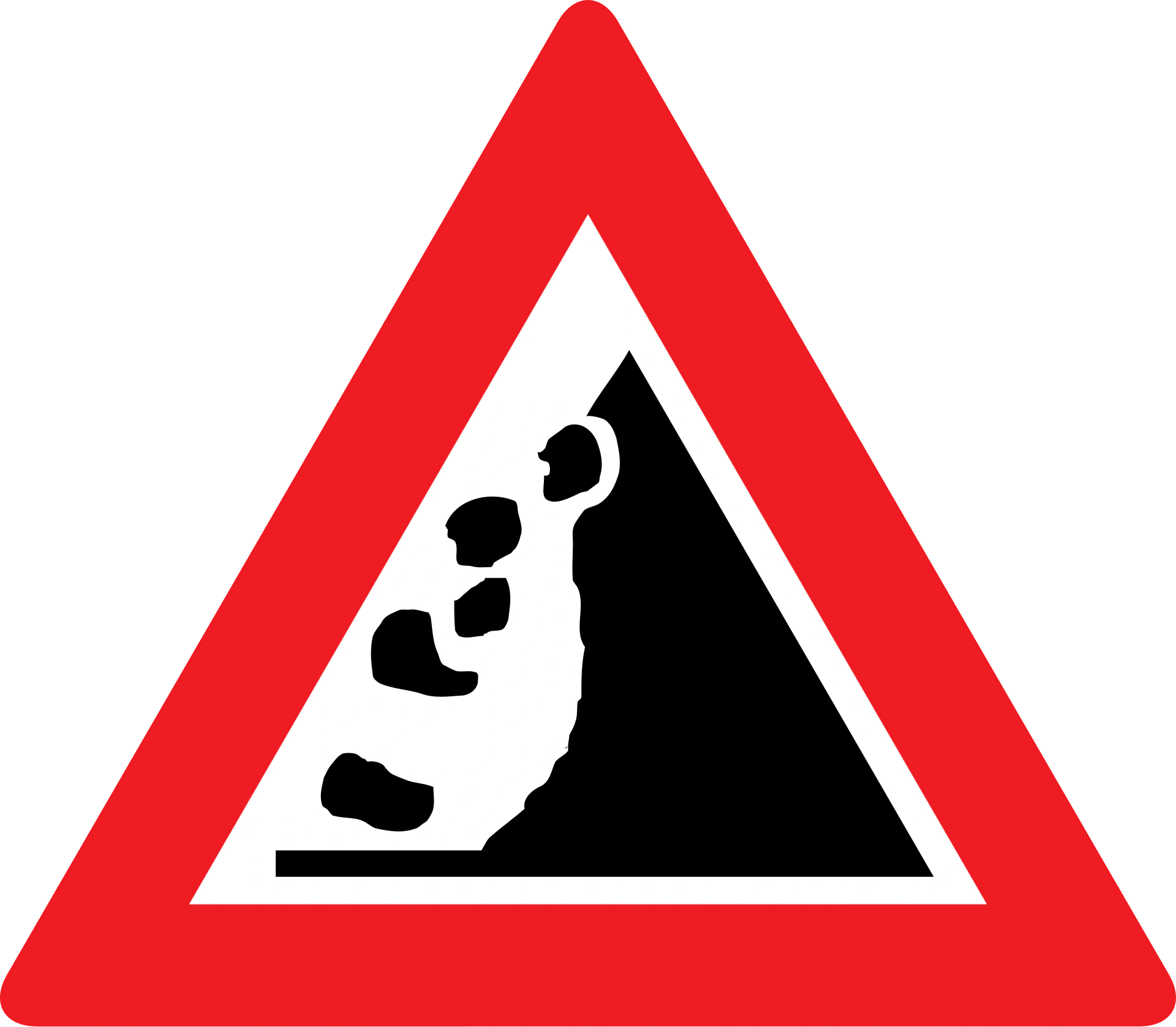
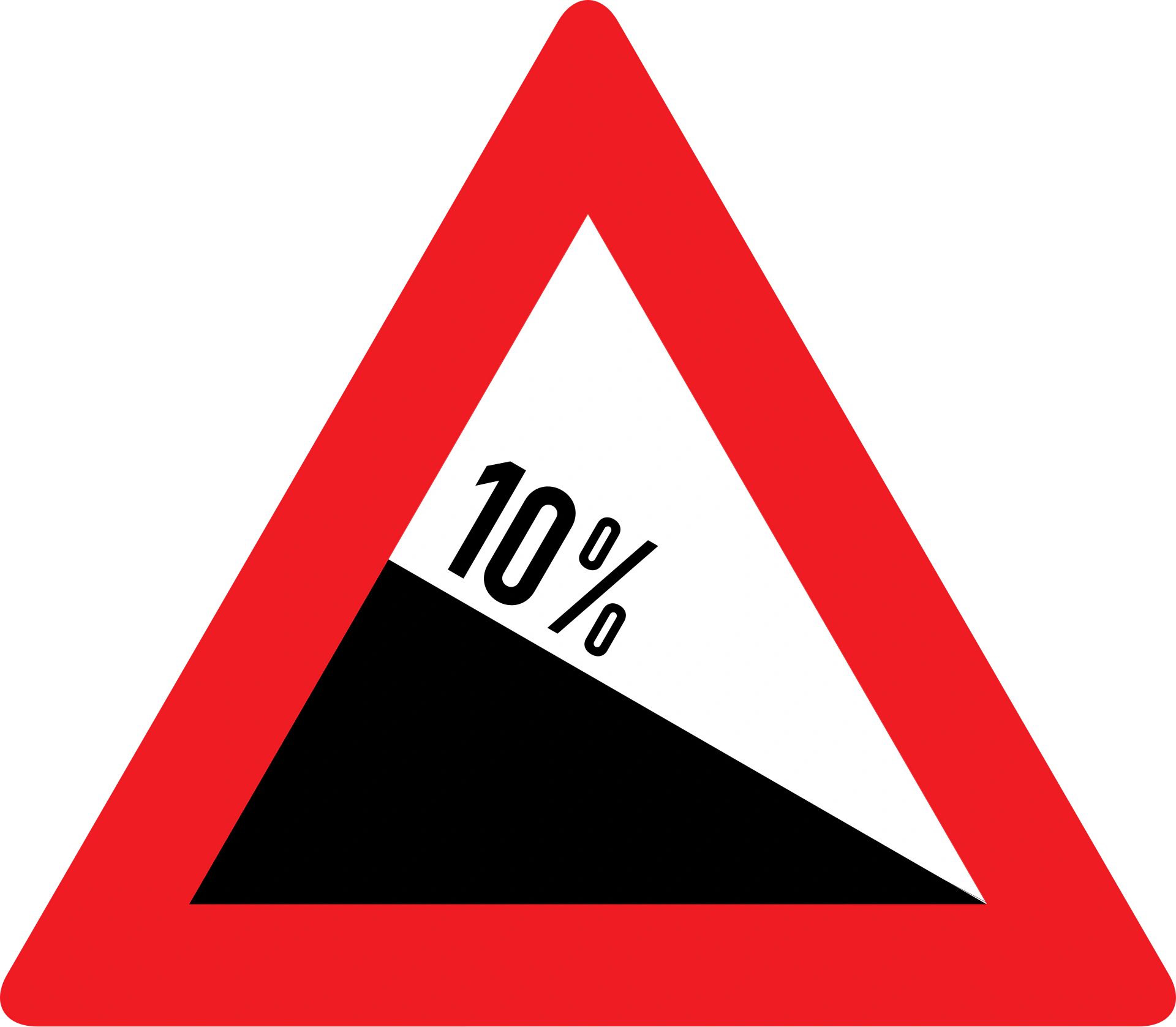
Sign 7 is an Austrian danger warning sign alerting you to an upcoming steep downhill slope. This sign is crucial for planning your descent safely, allowing you to adjust your speed, following distance, and lane position before the hazard becomes immediate. Always anticipate the need for increased braking or engine control on steep descents to maintain a safe margin and control.
This Austrian danger sign warns of a steep descent, requiring you to proactively adjust your speed and observation before the hazard. Mastering its meaning is key for your driving theory test revision, ensuring safe navigation through challenging gradients.
This Austrian danger sign is an early planning cue. It appears before the hazard so drivers can adapt speed, following distance, lane position, and observation before the situation becomes demanding. A good theory answer should connect the sign to a concrete response: anticipate the risk, keep control, avoid unnecessary overtaking, and leave extra margin where visibility, grip, crossings, or road width may change. Official catalogue code: 7.
The "Steep hill downwards" sign gives advance warning of steep hill downwards. Approach with enough speed margin to observe, brake, steer, or yield before the hazard becomes immediate. Catalogue code 7.
Get clear, practical answers to the most common questions about the 7 - Steep hill downwards road sign. Learn how the sign works, what rules it represents, and how it affects real driving situations. This FAQ strengthens your understanding and supports accurate decision making for the Austrian driving theory exam in Austria.
Sign 7 is a warning sign indicating that you are approaching a steep downhill section of road. It gives you advance notice so you can prepare by reducing your speed and ensuring your vehicle is in a suitable gear for controlled descent.
Upon seeing Sign 7, you should anticipate the steep hill. This means reducing your speed early, increasing your following distance, and ensuring you have good control of your vehicle. Avoid overtaking or making sudden lane changes as the gradient can affect braking and visibility.
Yes, steep hills can lead to a loss of control if not managed correctly. Risks include brake fade from overuse, difficulty steering, reduced traction, and potential hazards like blind corners or junctions at the bottom. Sign 7 helps you prepare for these by prompting early action.
A common mistake is treating this sign as purely informational and not taking early action. Learners might wait until they are already on the steep section to brake or change gear, which can be too late to react safely. The purpose of this warning sign is to allow for proactive rather than reactive measures.
While Sign 7 doesn't explicitly mandate engine braking, it strongly advises adapting your driving to the steep descent. Using a lower gear (engine braking) is the recommended way to control speed on steep hills, reducing wear on your service brakes and preventing them from overheating, which is a critical safety measure.
A clear reference image of the 7 - Steep hill downwards road sign used in Austria.
The 7 - Steep hill downwards road sign may also be known by these alternative names or terms.
The 7 - Steep hill downwards road sign is part of the Austrian Danger Signs category, which groups together signs with similar rules and functions.
Comparing "Steep hill downwards" with other danger signs helps solidify your understanding and improves recall accuracy for your theory test revision. Practicing traffic sign comparison is key to mastering sign recognition and avoiding mistakes on exam day.

Understand the 'Uneven Road' warning sign (Sign 1) in Austria

Beware of the Slippery Road ahead with this Austrian warning sign!
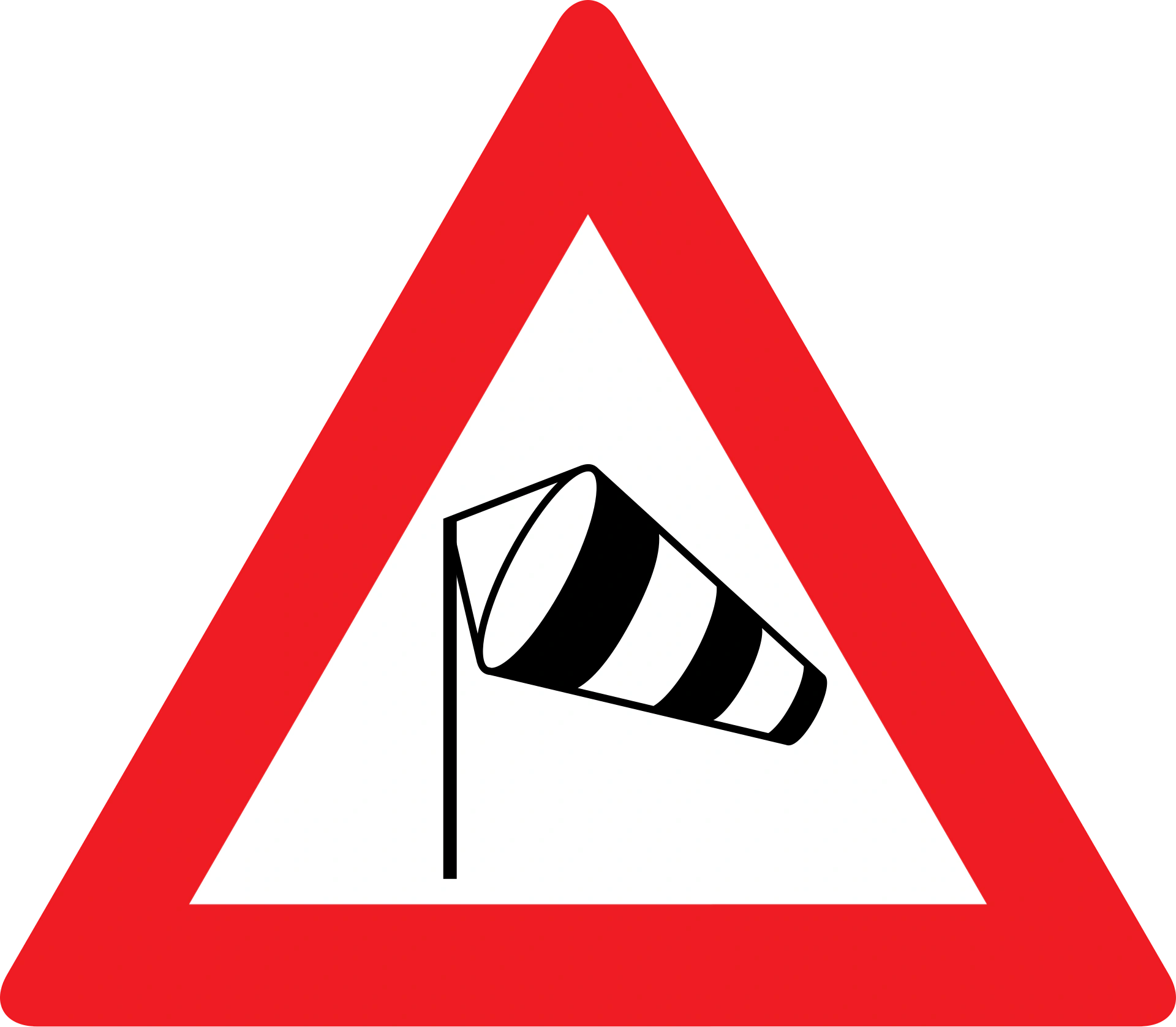
Prepare for strong crosswinds with the 10a warning sign.
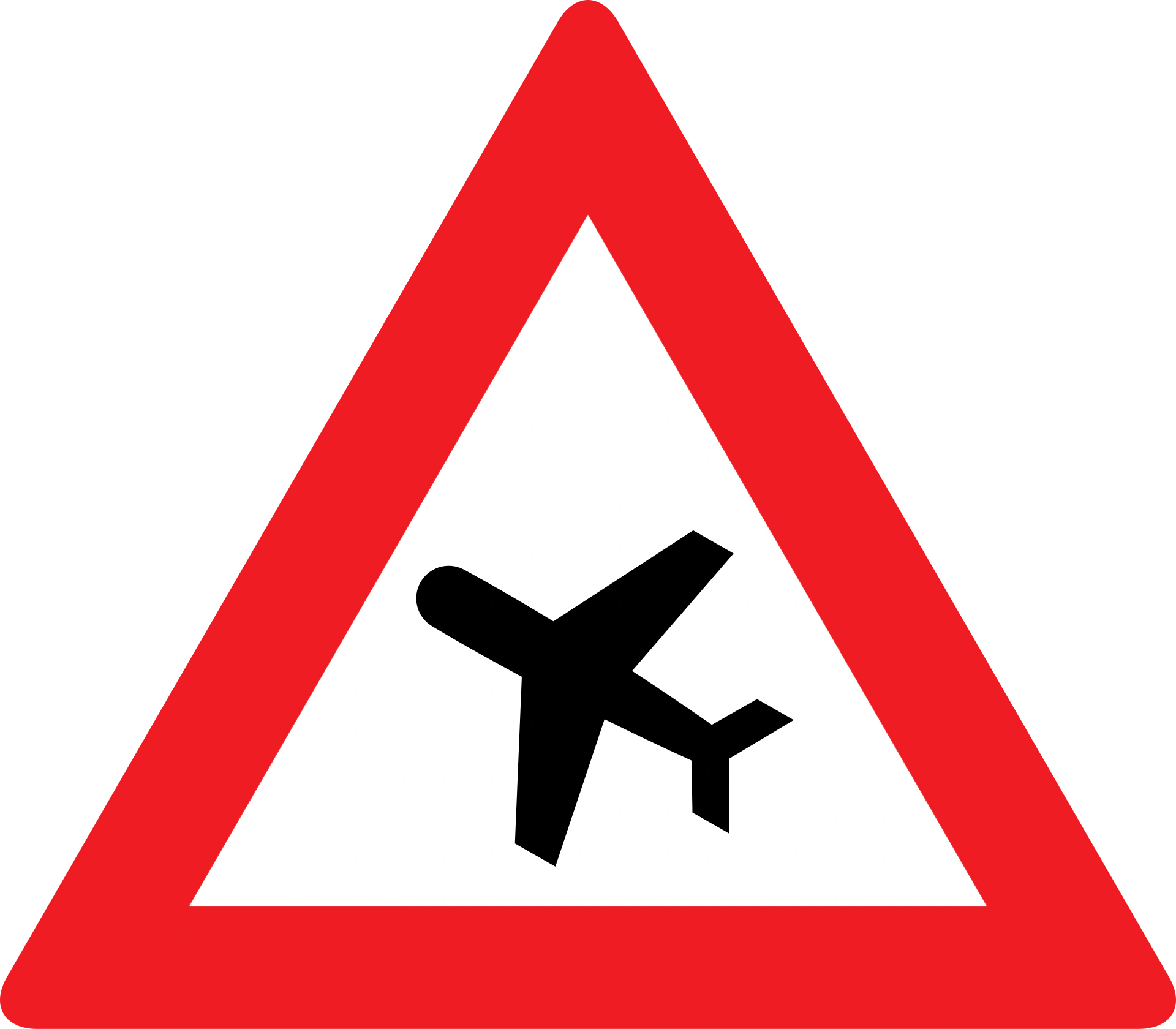
Warning: Be prepared for low-flying aircraft with the 10c danger sign.
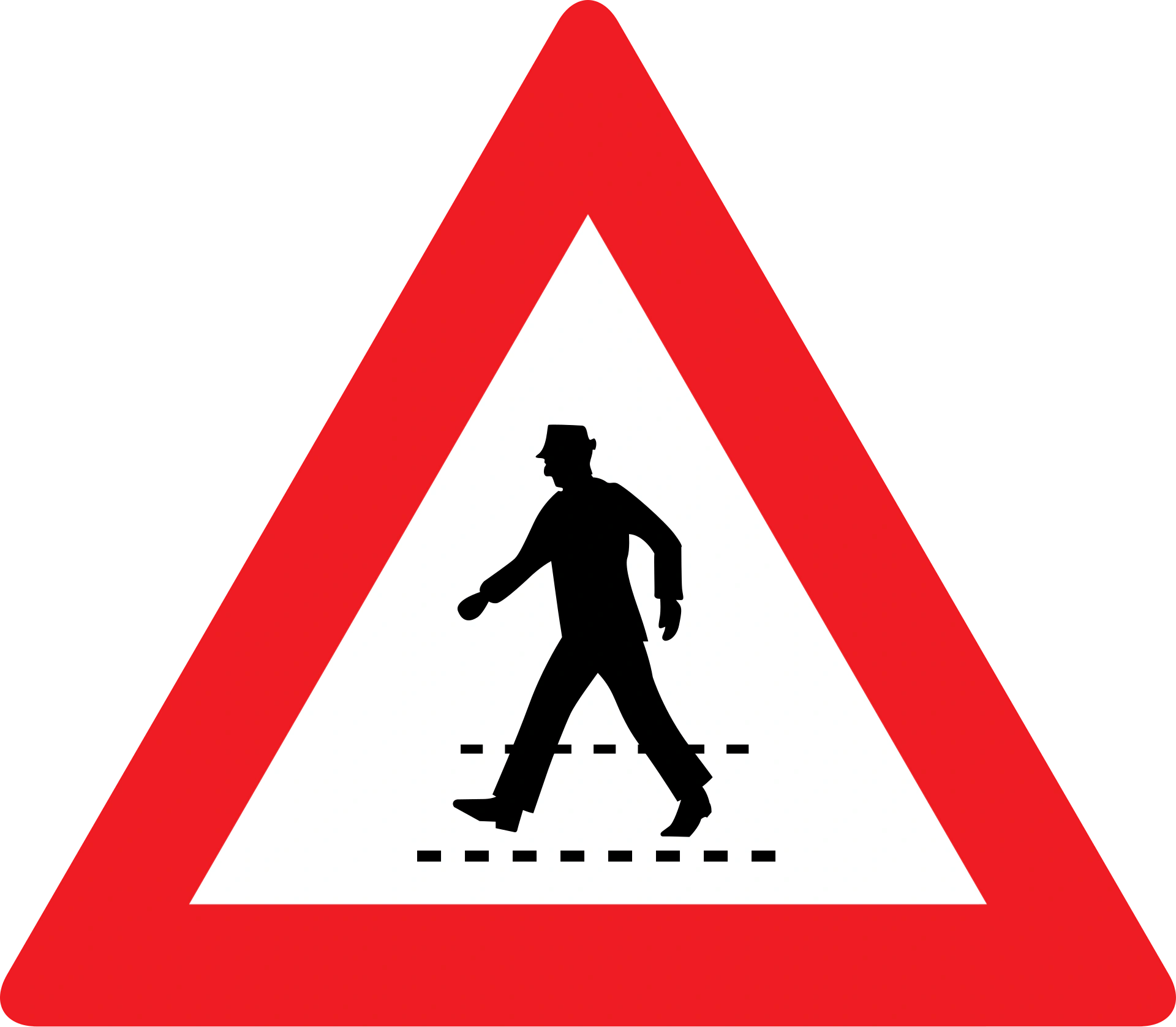
Prepare for Pedestrian Crossings with Warning Sign 11
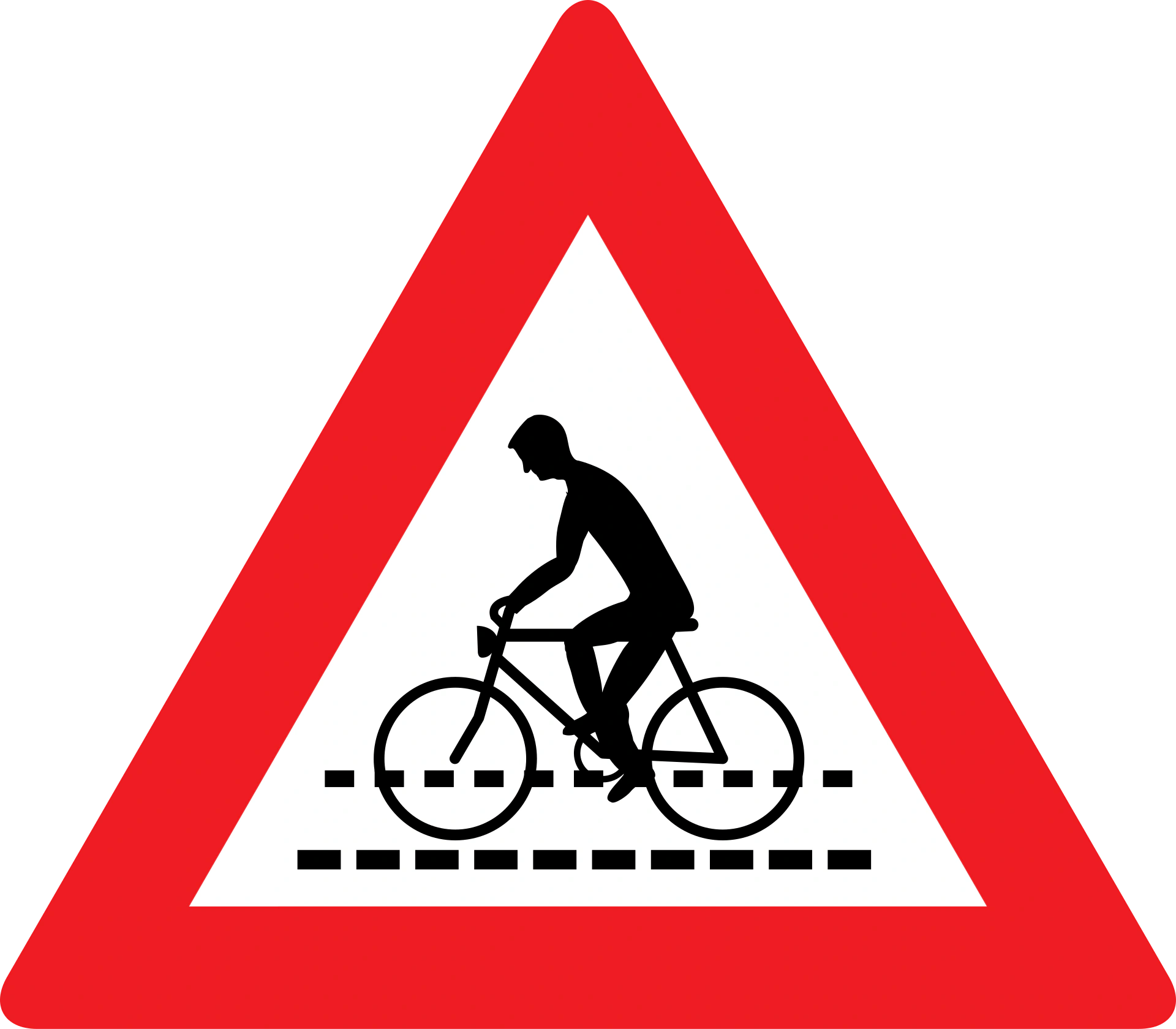
Watch out for cyclists crossing the road with the 11a warning sign!
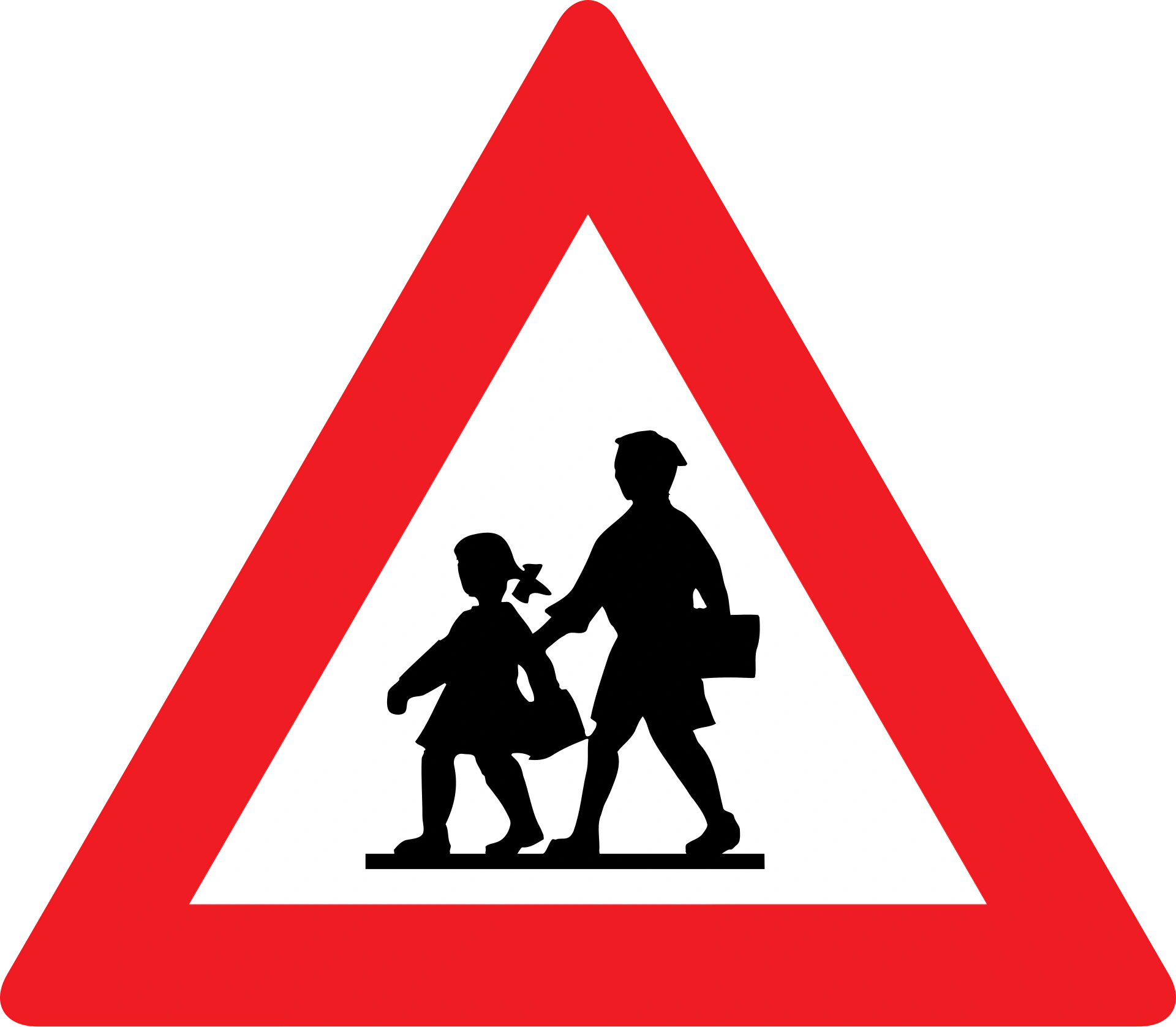
Watch out for Children with Austrian Warning Sign 12!
Deepen your knowledge by connecting visual sign recognition with official Austrian traffic rules and local road procedures. Review these related practice sets and legal definitions to ensure you are fully prepared for your theory test.
Understanding how to correctly load your vehicle and respect dimension limits is a fundamental part of the Austrian theory exam and practical driving safety. This guide covers the specific legal thresholds for load projection, the necessary safety markings for oversized items, and the vehicle dimension limits defined in the KFG that every driver must know to avoid fines and dangerous situations on the road.
Navigate Complex Austrian Lane Scenarios Like a Pro and Ace Your Exam!
Master the Austrian Laws for Safe Child Transportation and Avoid Penalties
Driving a caravan in Austria involves strict adherence to unique traffic legislation, including specific speed limits that differ significantly from standard passenger car rules. This guide breaks down the essential requirements for trailer weights, registration, and the mandatory use of extended mirrors to ensure you meet all legal standards and avoid potential fines or test errors. You will learn the necessary distinctions for towing combinations that are vital for both your practical safety and your success in the Austrian driving theory exam.
This Austrian danger sign is an early planning cue. It appears before the hazard so drivers can adapt speed, following distance, lane position, and observation before the situation becomes demanding. A good theory answer should connect the sign to a concrete response: anticipate the risk, keep control, avoid unnecessary overtaking, and leave extra margin where visibility, grip, crossings, or road width may change. Official catalogue code: 6d.
This Austrian danger sign is an early planning cue. It appears before the hazard so drivers can adapt speed, following distance, lane position, and observation before the situation becomes demanding. A good theory answer should connect the sign to a concrete response: anticipate the risk, keep control, avoid unnecessary overtaking, and leave extra margin where visibility, grip, crossings, or road width may change. Official catalogue code: 6d-andreaskreuz-indicates-multitrack-level-crossing.
After reviewing the full list of Austrian road signs, test your recognition skills with targeted practice questions. Explore signs by category to reinforce specific areas of knowledge, ensuring you're fully prepared for the driving theory exam and confident in recognizing any sign on the road.
All Austrian Road Signs List