The 'Andreaskreuz (sideward)' sign (6d-andreaskreuz-sideward) is a crucial Austrian danger warning sign. It alerts you in advance to an upcoming Andreas Cross, indicating a railway level crossing. Seeing this sign means you should immediately start planning your reaction, adapting your speed, following distance, and observation well before you reach the actual crossing. It's vital for safe driving and passing your theory test to anticipate the hazard and maintain control.
This Austrian danger sign provides crucial advance warning, enabling you to safely adjust your driving before reaching a level crossing. Mastering its meaning is key for theory test revision and interpreting traffic signs effectively.
This Austrian danger sign is an early planning cue. It appears before the hazard so drivers can adapt speed, following distance, lane position, and observation before the situation becomes demanding. A good theory answer should connect the sign to a concrete response: anticipate the risk, keep control, avoid unnecessary overtaking, and leave extra margin where visibility, grip, crossings, or road width may change. Official catalogue code: 6d-andreaskreuz-sideward.
The "Andreaskreuz (sideward)" sign gives advance warning of andreaskreuz. Approach with enough speed margin to observe, brake, steer, or yield before the hazard becomes immediate. Catalogue code 6d-andreaskreuz-sideward.
Get clear, practical answers to the most common questions about the 6d-andreaskreuz-sideward - Andreaskreuz (sideward) road sign. Learn how the sign works, what rules it represents, and how it affects real driving situations. This FAQ strengthens your understanding and supports accurate decision making for the Austrian driving theory exam in Austria.
This Austrian warning sign (6d-andreaskreuz-sideward) gives you advance notice of an Andreas Cross, which marks a railway level crossing. It's placed before the crossing to give you time to prepare and react safely by adjusting your speed and awareness.
Upon seeing this sign, you should reduce your speed and increase your following distance. Focus your observation on the road ahead and be ready to brake, steer, or yield if a train approaches. Do not treat this warning as decorative; prepare for the hazard as soon as you see it.
Yes, you should avoid overtaking or making sudden lane changes when you see the 'Andreaskreuz (sideward)' sign. This is because the upcoming level crossing often reduces the safety margin, and such manoeuvres could be dangerous.
A common trap is not reacting early enough. Learners sometimes forget that 'advance warning' signs like the 6d-Andreaskreuz-sideward require you to begin adapting your driving behaviour immediately, rather than waiting until you see the actual Andreas Cross or hear a train.
The sign's placement is key. It's intended to give you ample time to plan. Depending on road conditions, visibility, and traffic, you might need to brake earlier or more significantly. Always consider any additional panels or road markings that might provide further context.
Increasing your following distance when you see the 'Andreaskreuz (sideward)' sign ensures you have enough space and time to brake smoothly and safely, or to take evasive action if necessary, without being too close to the vehicle in front, especially as you approach the level crossing.
A clear reference image of the 6d-andreaskreuz-sideward - Andreaskreuz (sideward) road sign used in Austria.
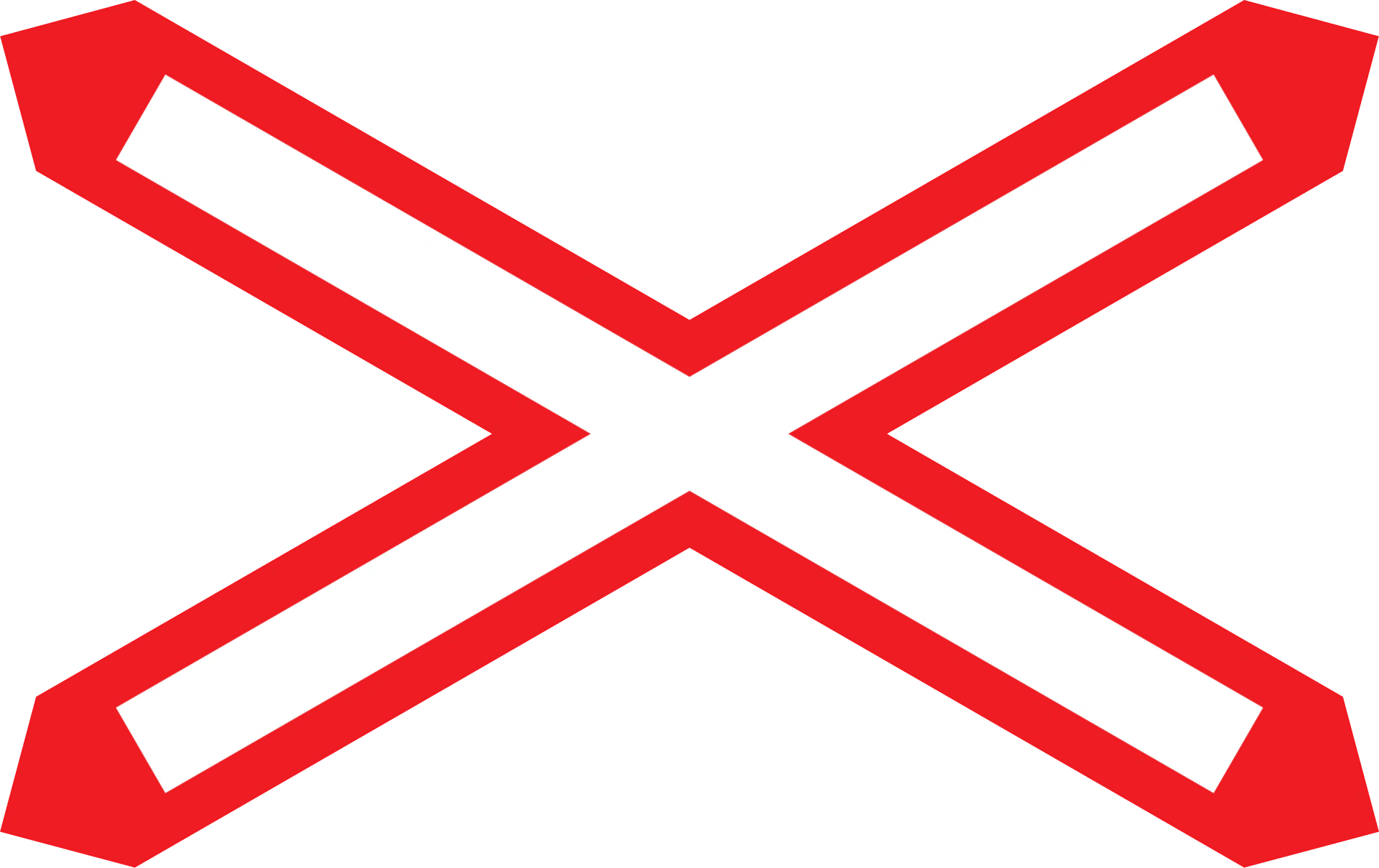
The 6d-andreaskreuz-sideward - Andreaskreuz (sideward) road sign may also be known by these alternative names or terms.
The 6d-andreaskreuz-sideward - Andreaskreuz (sideward) road sign is part of the Austrian Danger Signs category, which groups together signs with similar rules and functions.
Understanding the subtle differences between similar road signs is crucial for accurate recognition during your theory test. By actively comparing signs like the 'Andreaskreuz (sideward)' with related danger warnings, you reinforce your knowledge of traffic rules and improve overall sign recognition.

Understand the 'Uneven Road' warning sign (Sign 1) in Austria

Beware of the Slippery Road ahead with this Austrian warning sign!
Prepare for strong crosswinds with the 10a warning sign.
Warning: Be prepared for low-flying aircraft with the 10c danger sign.
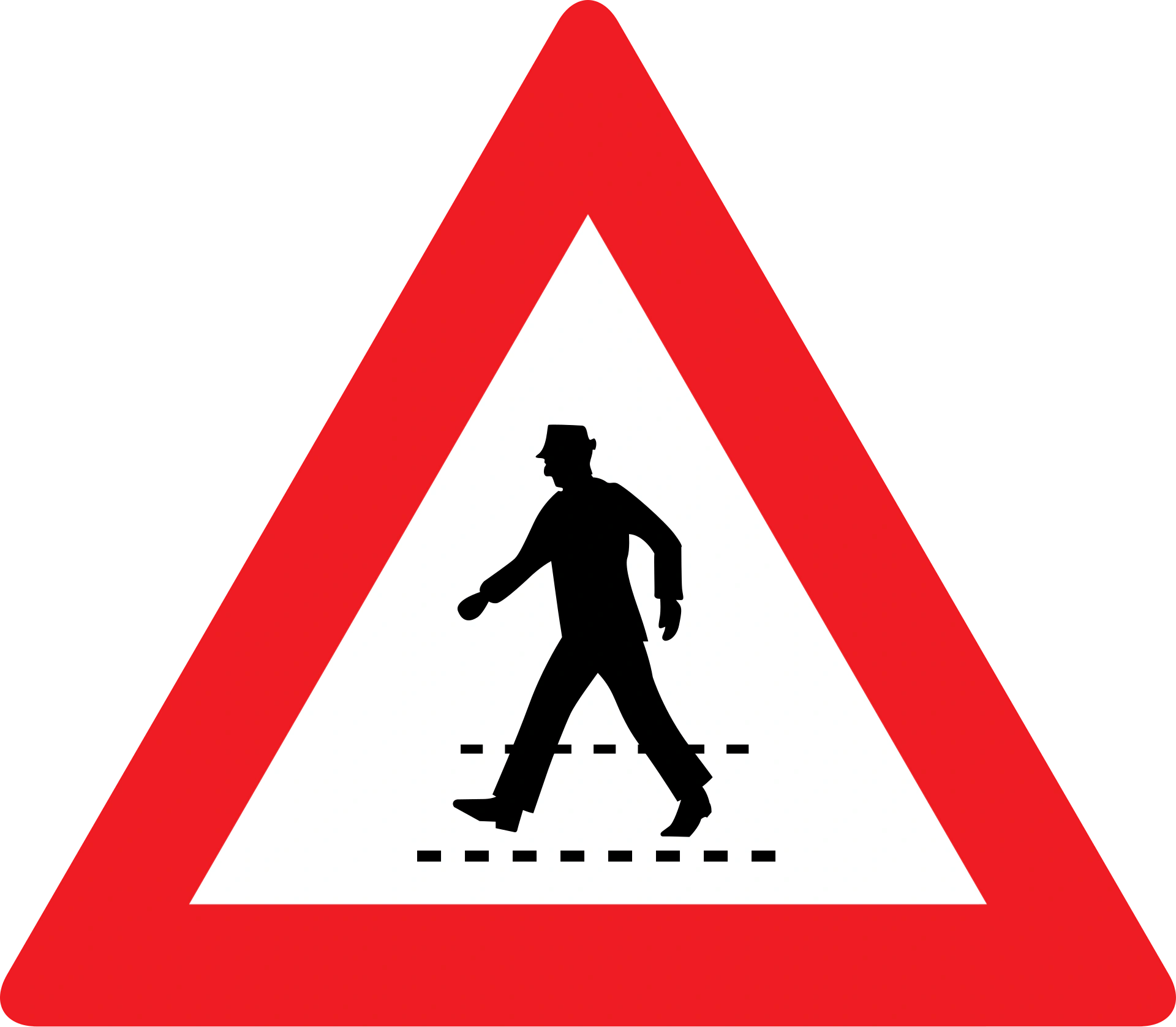
Prepare for Pedestrian Crossings with Warning Sign 11
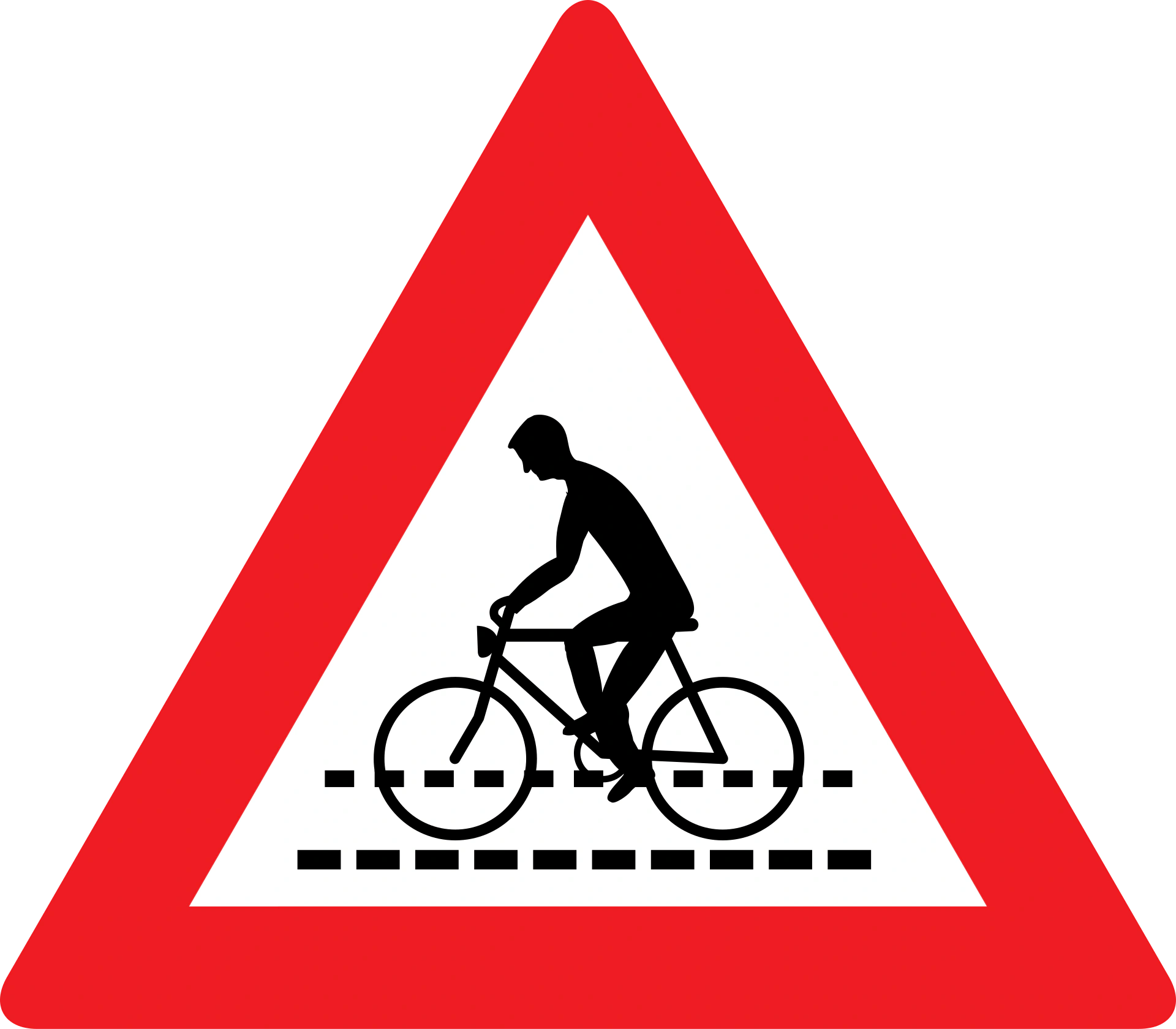
Watch out for cyclists crossing the road with the 11a warning sign!
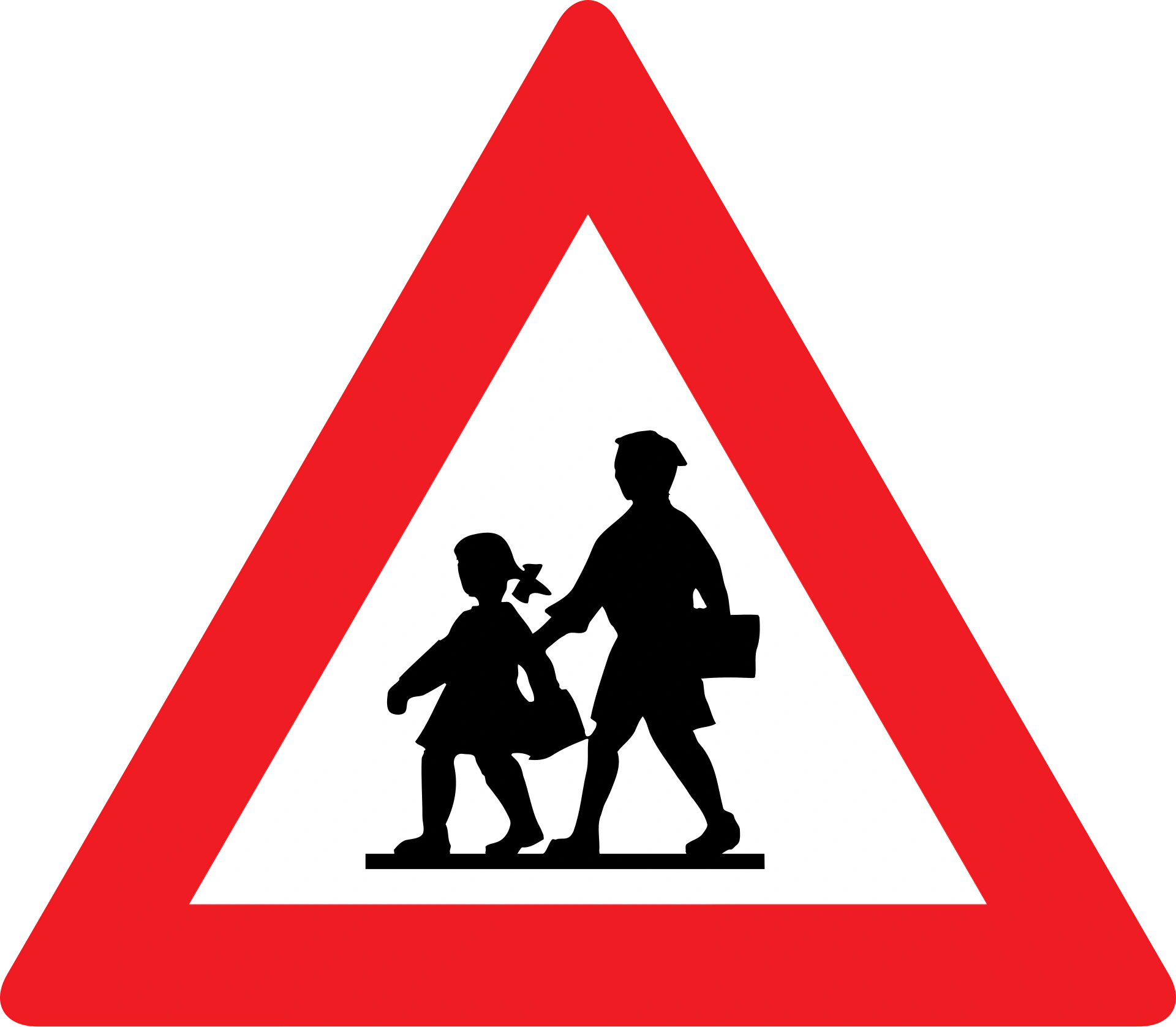
Watch out for Children with Austrian Warning Sign 12!
Deepen your knowledge by connecting visual sign recognition with official Austrian traffic rules and local road procedures. Review these related practice sets and legal definitions to ensure you are fully prepared for your theory test.
Drivers in Austria holding a Category B licence often face confusion regarding trailer towing. This guide breaks down the legal requirements, including weight restrictions and the specific speed limits that apply when a trailer is attached to your vehicle on motorways, expressways, and rural roads. We also cover essential administrative aspects like registration and the critical need for a separate vignette for your trailer on toll roads.
For international visitors planning to drive a rental car in Austria, understanding local regulations is key to a smooth journey and avoiding penalties. This guide clarifies the minimum age for renters, the necessity of an International Driving Permit (IDP) for non-EU license holders, and the mandatory vignette for motorway use. You will also learn about Austrian insurance options and how traffic violations are handled to ensure you're fully prepared for your trip.
Know Your Responsibilities: Crucial Steps After an Austrian Road Accident
Master the responsibilities of passenger transport for a safer journey and a successful exam.
This Austrian danger sign is an early planning cue. It appears before the hazard so drivers can adapt speed, following distance, lane position, and observation before the situation becomes demanding. A good theory answer should connect the sign to a concrete response: anticipate the risk, keep control, avoid unnecessary overtaking, and leave extra margin where visibility, grip, crossings, or road width may change. Official catalogue code: 6d-andreaskreuz-sideward-2.
This Austrian danger sign is an early planning cue. It appears before the hazard so drivers can adapt speed, following distance, lane position, and observation before the situation becomes demanding. A good theory answer should connect the sign to a concrete response: anticipate the risk, keep control, avoid unnecessary overtaking, and leave extra margin where visibility, grip, crossings, or road width may change. Official catalogue code: 6d-andreaskreuz-indicates-multitrack-level-crossing.
After reviewing the full list of Austrian road signs, test your recognition skills with targeted practice questions. Explore signs by category to reinforce specific areas of knowledge, ensuring you're fully prepared for the driving theory exam and confident in recognizing any sign on the road.
All Austrian Road Signs List