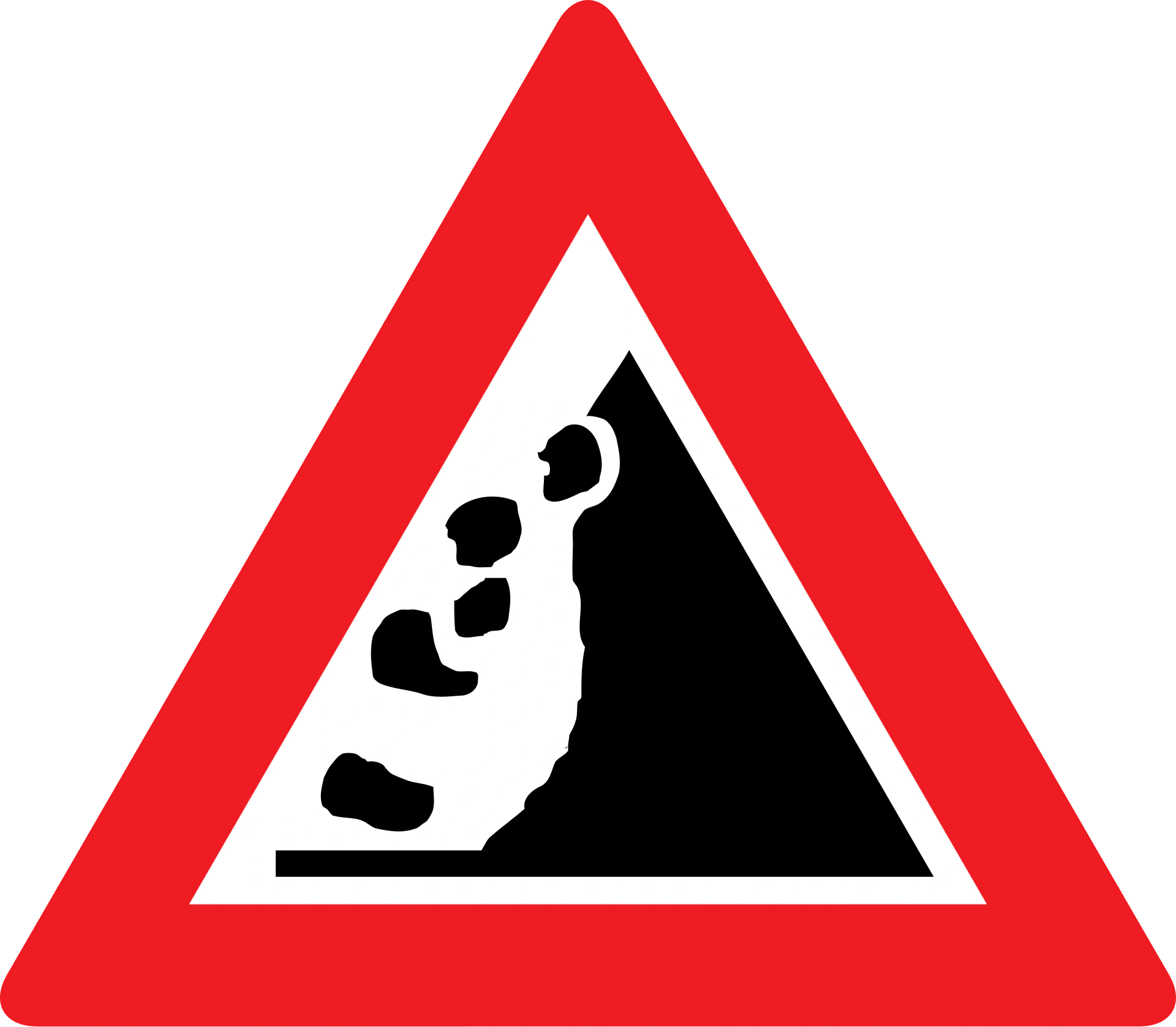
The 10a "Crosswind" sign is an important Austrian danger sign used to alert drivers to potential strong side winds. It typically appears well in advance of the affected area, allowing you to prepare by adjusting your speed, increasing your following distance, and being ready to make smooth steering corrections. This sign is crucial for maintaining control, especially when driving larger vehicles or in exposed locations.
This Austrian danger sign (10a) requires anticipating and reacting to potential crosswinds. Careful interpretation is vital for theory test revision, helping you maintain control and adjust your driving strategy before encountering the hazard.
This Austrian danger sign is an early planning cue. It appears before the hazard so drivers can adapt speed, following distance, lane position, and observation before the situation becomes demanding. A good theory answer should connect the sign to a concrete response: anticipate the risk, keep control, avoid unnecessary overtaking, and leave extra margin where visibility, grip, crossings, or road width may change. Official catalogue code: 10a.
The "Crosswind" sign gives advance warning of crosswind. Approach with enough speed margin to observe, brake, steer, or yield before the hazard becomes immediate. Catalogue code 10a.
Get clear, practical answers to the most common questions about the 10a - Crosswind road sign. Learn how the sign works, what rules it represents, and how it affects real driving situations. This FAQ strengthens your understanding and supports accurate decision making for the Austrian driving theory exam in Austria.
The 10a sign warns drivers of upcoming crosswinds that could affect vehicle stability. It’s an advance warning, so you have time to prepare before reaching the area where the wind is strongest.
Upon seeing the 10a Crosswind sign, you should reduce your speed early and increase your following distance. Be prepared for sudden gusts and make gentle steering adjustments to stay in your lane. Avoid overtaking or abrupt lane changes in these conditions.
Yes, crosswinds are often stronger on exposed sections of roads, such as bridges, viaducts, open fields, or coastal areas. The sign will be placed to give you ample warning before entering these zones.
A common mistake is not reacting early enough or only slowing down when the wind is already affecting the vehicle. Theory test questions often focus on proactive measures like early speed reduction and maintaining a larger safety margin, rather than reactive corrections.
No, the 10a sign is a warning that requires you to be prepared and adjust your driving, not to stop. You need to be vigilant and ready to control your vehicle against potential side wind gusts, but you can continue driving if it's safe to do so with appropriate precautions.
A clear reference image of the 10a - Crosswind road sign used in Austria.
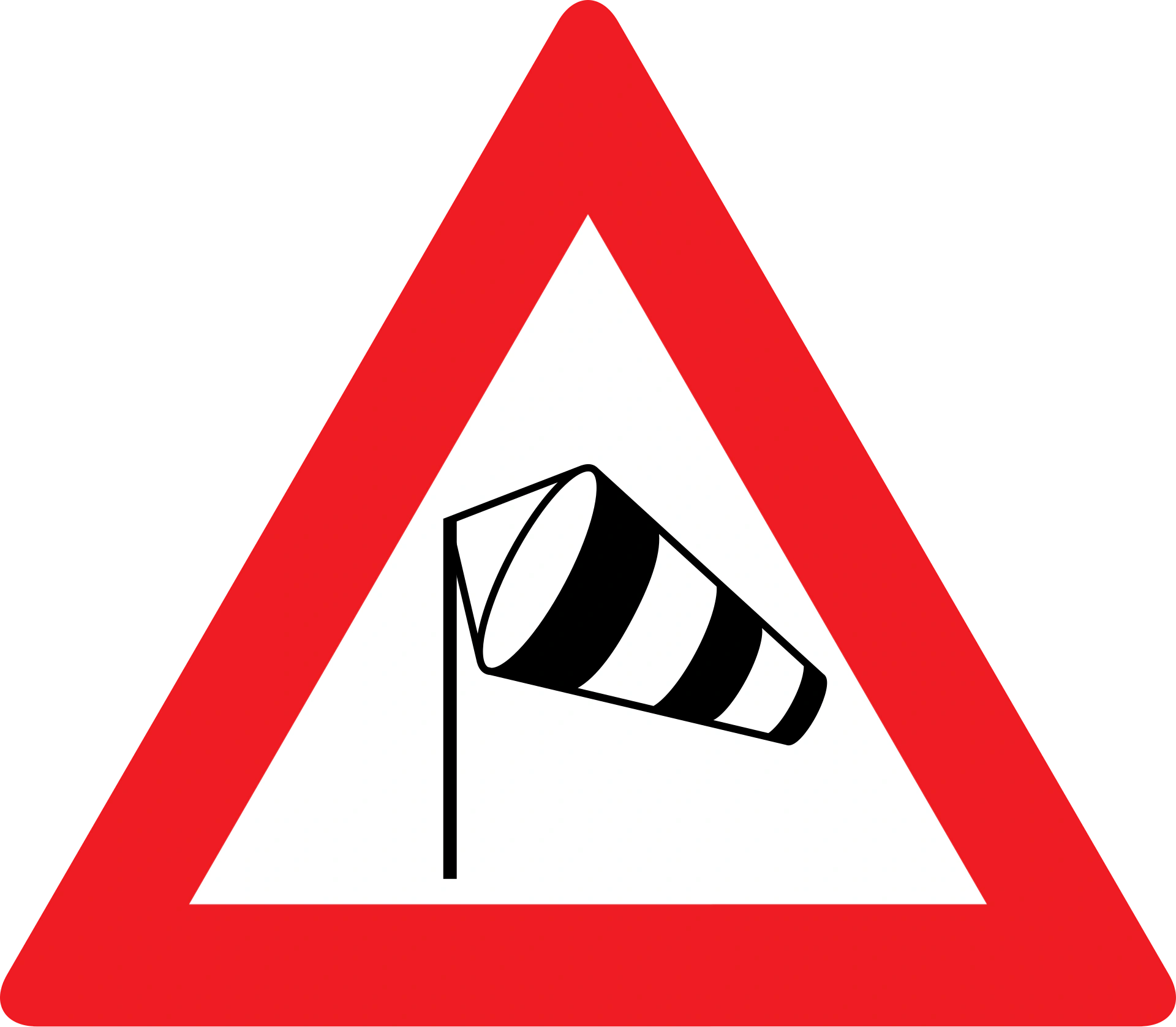
The 10a - Crosswind road sign may also be known by these alternative names or terms.
The 10a - Crosswind road sign is part of the Austrian Danger Signs category, which groups together signs with similar rules and functions.
Reviewing similar danger signs like the 'Crosswind' (10a) helps solidify your understanding and improve theory test revision. Comparing distinct traffic signs aids sign recognition and prevents common mistakes during your driving licence exam preparation.

Understand the 'Uneven Road' warning sign (Sign 1) in Austria

Beware of the Slippery Road ahead with this Austrian warning sign!
Warning: Be prepared for low-flying aircraft with the 10c danger sign.
Prepare for Pedestrian Crossings with Warning Sign 11
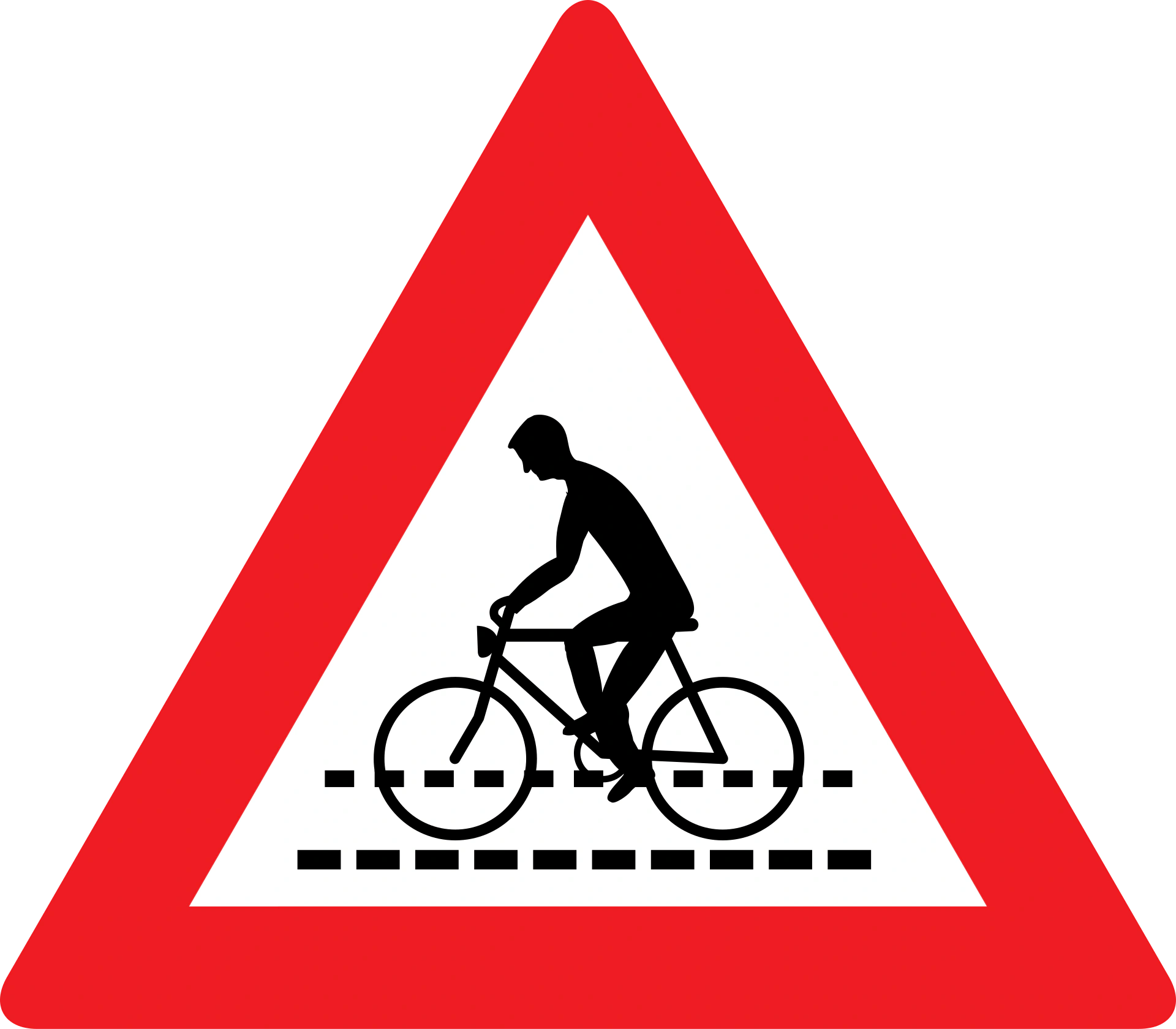
Watch out for cyclists crossing the road with the 11a warning sign!
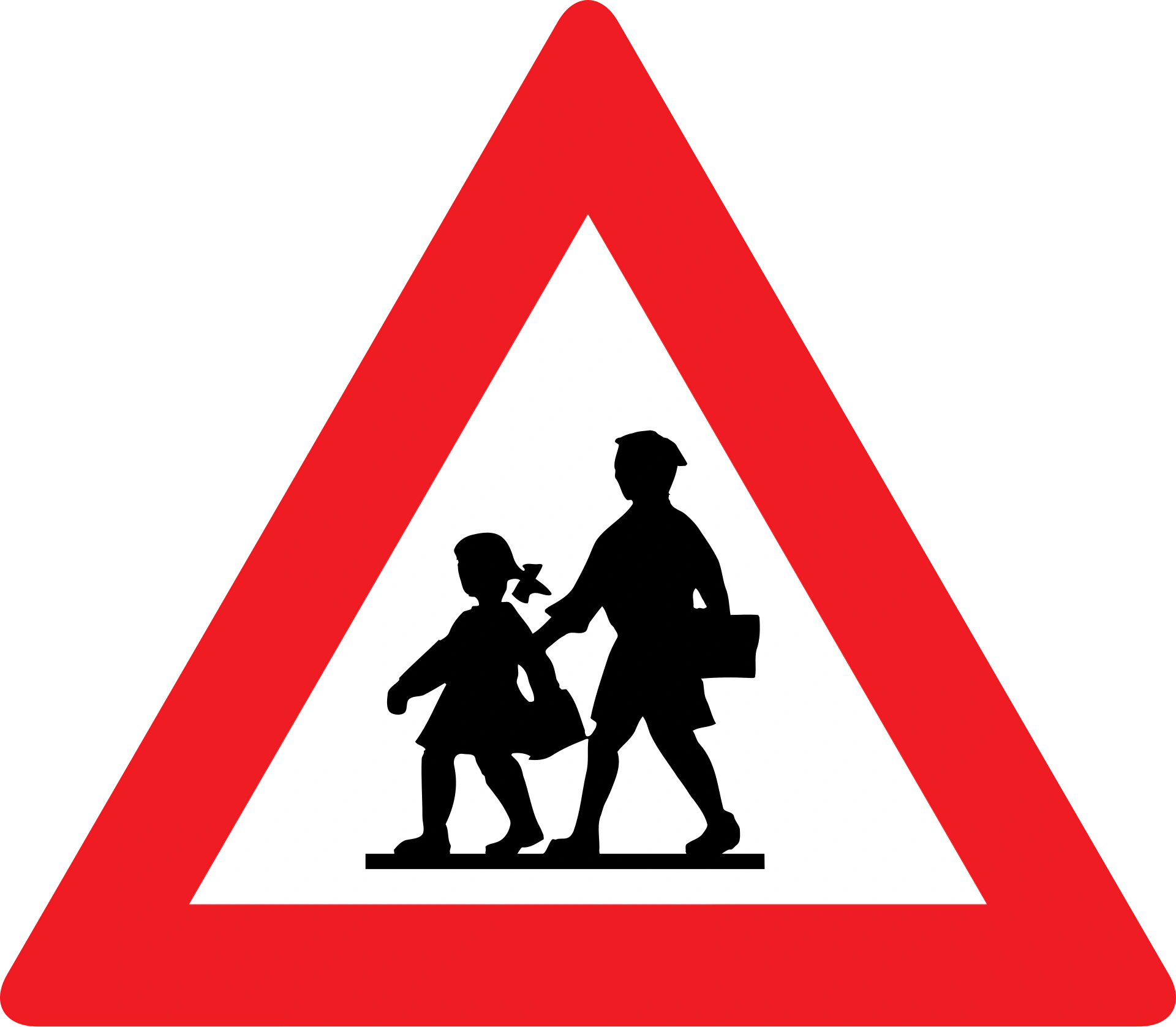
Watch out for Children with Austrian Warning Sign 12!
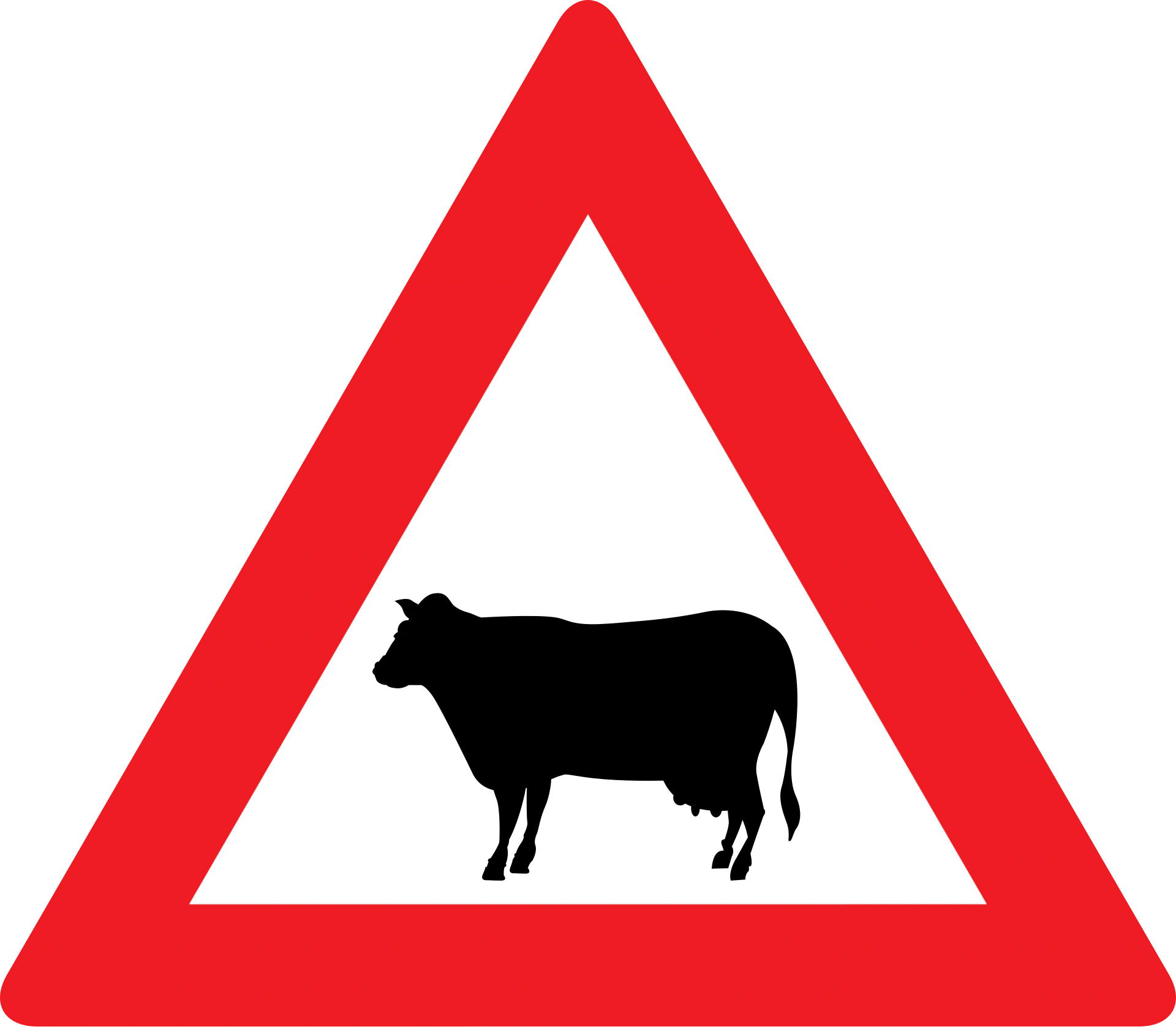
Watch out for Animals (cow) with Austrian Sign 13a!
Deepen your knowledge by connecting visual sign recognition with official Austrian traffic rules and local road procedures. Review these related practice sets and legal definitions to ensure you are fully prepared for your theory test.
Understanding how to correctly load your vehicle and respect dimension limits is a fundamental part of the Austrian theory exam and practical driving safety. This guide covers the specific legal thresholds for load projection, the necessary safety markings for oversized items, and the vehicle dimension limits defined in the KFG that every driver must know to avoid fines and dangerous situations on the road.
Navigate Complex Austrian Lane Scenarios Like a Pro and Ace Your Exam!
Master the Austrian Laws for Safe Child Transportation and Avoid Penalties
Driving a caravan in Austria involves strict adherence to unique traffic legislation, including specific speed limits that differ significantly from standard passenger car rules. This guide breaks down the essential requirements for trailer weights, registration, and the mandatory use of extended mirrors to ensure you meet all legal standards and avoid potential fines or test errors. You will learn the necessary distinctions for towing combinations that are vital for both your practical safety and your success in the Austrian driving theory exam.
This Austrian danger sign is an early planning cue. It appears before the hazard so drivers can adapt speed, following distance, lane position, and observation before the situation becomes demanding. A good theory answer should connect the sign to a concrete response: anticipate the risk, keep control, avoid unnecessary overtaking, and leave extra margin where visibility, grip, crossings, or road width may change. Official catalogue code: 6d.
This Austrian danger sign is an early planning cue. It appears before the hazard so drivers can adapt speed, following distance, lane position, and observation before the situation becomes demanding. A good theory answer should connect the sign to a concrete response: anticipate the risk, keep control, avoid unnecessary overtaking, and leave extra margin where visibility, grip, crossings, or road width may change. Official catalogue code: 6d-andreaskreuz-indicates-multitrack-level-crossing.
After reviewing the full list of Austrian road signs, test your recognition skills with targeted practice questions. Explore signs by category to reinforce specific areas of knowledge, ensuring you're fully prepared for the driving theory exam and confident in recognizing any sign on the road.
All Austrian Road Signs List