
This lesson explores how road surfaces and environmental conditions directly impact your tyre grip and overall vehicle stability. Understanding these physical dynamics is essential for safe riding and ensures you can correctly answer critical hazard anticipation questions on your Category AM theory test.

Lesson content overview
The ability to control your moped or light quadricycle relies fundamentally on the interaction between its tyres and the road surface. This interaction generates what is known as grip, or traction – the frictional force that allows you to accelerate, brake, and steer safely. Misunderstanding or misjudging this crucial force is a primary cause of loss of control and accidents. This lesson will explore the physics of tyre grip, how various road surfaces and conditions influence it, and the essential techniques for maintaining control on all types of roads in Great Britain.
Grip is the cornerstone of vehicle control. Without sufficient grip, your vehicle simply cannot perform its intended functions – it cannot move forward, slow down, or change direction effectively. For riders of mopeds and light quadricycles, understanding and managing grip is even more critical due to the lightweight nature of these vehicles and their often simpler braking systems compared to cars.
Grip, often used interchangeably with traction, is essentially the limit of the friction your tyres can create with the road. When you apply the throttle, the engine's power is translated into a rotational force at the wheels. If the wheels rotate too quickly for the available grip, they will spin. Similarly, when you brake, the braking force relies on the tyres being able to "grip" the road to slow down. If the braking force exceeds the available grip, the wheels will lock and skid. In a turn, leaning your moped relies on lateral grip to counteract centrifugal forces; if you lean too much or too quickly for the speed and surface, the tyres will slide.
At the heart of grip lies the principle of friction. Specifically, the amount of grip available is determined by two main factors: the coefficient of friction (μ) and the normal force.
The coefficient of friction (μ) is a measure of how "sticky" or slippery two surfaces are against each other. For example, dry asphalt typically has a high coefficient of friction (μ ≈ 0.7-0.9), meaning it provides good grip. Wet asphalt, however, has a significantly lower coefficient (μ ≈ 0.4-0.5), and surfaces like ice can have extremely low values (μ ≈ 0.1-0.2). This coefficient is dictated by the road surface material, its texture, the tyre compound, and the presence of any contaminants.
The normal force is the perpendicular force pressing the tyre onto the road surface. This is primarily influenced by the vehicle's weight and any additional load (e.g., a passenger or cargo). A higher normal force generally means more potential grip, assuming the tyre can handle the load. However, the distribution of this normal force can change significantly during riding.
It's important to distinguish between static grip and dynamic grip.
When your tyre is rolling smoothly without slipping, it is operating within its static grip limits. This is where you have the most control for acceleration, braking, and steering. Once a tyre begins to slip – whether spinning during acceleration, locking during braking, or sliding sideways in a corner – it transitions to dynamic grip. At this point, the available friction drops sharply, making it much harder to regain control. This is why techniques like progressive braking are so vital; they aim to keep the tyre operating within its higher static grip range.
The normal force on each tyre is not constant; it shifts dynamically during vehicle manoeuvres. This phenomenon is known as weight transfer.
Understanding weight transfer is crucial for managing grip. A tyre that loses load also loses potential grip. Aggressive inputs can cause significant weight transfer, potentially overloading one tyre while under-loading another, leading to a loss of traction. Smooth inputs help to manage this transfer, distributing forces more evenly and maintaining better overall grip.
The condition and type of road surface are the primary determinants of the available coefficient of friction and, therefore, your grip. As an AM licence holder, you will encounter a wide variety of surfaces on British roads, and each demands a different approach to maintain safety and control.
Dry asphalt or concrete typically offers the best grip conditions. The tyre tread can fully engage with the road's texture, providing a high coefficient of friction. Under these conditions, your moped or light quadricycle will respond most predictably to acceleration, braking, and steering inputs. However, even on dry pavement, localised hazards can dramatically reduce grip.
When roads are wet, water acts as a lubricant, significantly reducing the coefficient of friction. This means less grip is available for all manoeuvres. Water also poses the risk of aquaplaning (or hydroplaning).
Aquaplaning occurs when the tyre's tread cannot displace water fast enough, causing the tyre to lift off the road surface and ride on a film of water. When this happens, you lose all steering, braking, and acceleration control. The risk increases with speed, tyre wear (reduced tread depth), and the depth of standing water. Always reduce your speed significantly in wet conditions to allow your tyres to maintain contact with the road.
Many substances can accumulate on the road surface, dramatically lowering grip, often without warning. These surface contaminants are particularly dangerous because they can create sudden, localised patches of extremely low traction.
When encountering any of these contaminants, reduce speed, avoid sudden braking or acceleration, and maintain a straight line if possible.
Certain specific road features and conditions are inherently low-friction and demand extra vigilance from riders:
Your tyres are the only points of contact your vehicle has with the road. Their condition directly impacts your grip, safety, and vehicle performance. Regular maintenance of your tyres is not just good practice; it's a legal requirement.
The tread pattern on your tyres is designed to channel water away from the contact patch between the tyre and the road. This is crucial for maintaining grip on wet surfaces and preventing aquaplaning.
Correct tyre pressure is vital for optimal grip, handling, and tyre longevity.
Beyond tread depth, inspect your tyres regularly for signs of damage or uneven wear:
The key to safe riding on all surfaces is to constantly assess the available grip and adjust your riding style accordingly. This involves dynamic management of your speed, lean angle, and control inputs.
When cornering, your moped or light quadricycle relies on lateral grip to counteract the forces trying to push it outwards. This is achieved by leaning the vehicle into the turn.
Slow Down Early: Reduce your speed well before the corner.
Look Ahead: Scan the road surface through the bend for hazards.
Gentle Entry: Initiate the turn with smooth, minimal steering and lean.
Maintain Steady Throttle: Avoid sudden acceleration or deceleration mid-corner.
Exit Smoothly: Gradually increase throttle as you exit the bend and straighten up.
Braking effectively is crucial, particularly on low-grip surfaces. AM vehicles often have less sophisticated braking systems, making proper technique paramount to avoid wheel lock.
Abrupt changes in speed can also lead to loss of grip.
Defensive riding involves constantly scanning the road ahead and anticipating potential hazards that could reduce grip. Your ability to spot these dangers early gives you crucial time to react safely.
Develop a keen eye for visual cues that indicate reduced grip:
Weather conditions can change rapidly in Great Britain, requiring constant adaptation:
The environment you're riding in also dictates the type of grip hazards you might face:
The Highway Code and vehicle regulations in Great Britain place clear responsibilities on riders to manage their vehicle safely, which inherently includes managing grip.
This rule is paramount. It means that while a road might have a 30 mph limit, if it's wet, icy, or covered in leaves, your safe speed might be significantly lower. It's your responsibility to assess the conditions – including road surface, visibility, and traffic – and adjust your speed accordingly to ensure you can stop and manoeuvre safely.
Other relevant Highway Code rules include:
It is a legal requirement in the UK to ensure your vehicle is roadworthy, and this includes your tyres.
These regulations exist because tyre condition is a direct safety factor. Well-maintained tyres are crucial for maintaining grip and control.
Understanding grip is a core component of effective hazard perception. When you identify a potential hazard, your brain should automatically calculate its potential impact on grip and your required response. For instance, seeing a patch of leaves should immediately trigger a mental check: "wet leaves = slippery = reduce speed, no braking on top of them, minimal lean." This proactive approach is what makes a safe and competent rider.
Developing an intuitive understanding of grip and how it changes is one of the most important skills you will acquire as a rider. It allows you to anticipate dangers, adjust your riding style, and maintain control in diverse conditions.
By internalising these principles, you will develop the confidence and skill to ride safely and competently on all roads and in various conditions across Great Britain.
This lesson explains how tyre grip (the friction between your tyres and road surface) is the foundation of moped control and how it varies with surface conditions and vehicle dynamics. You learn that grip depends on the coefficient of friction and normal force, and that weight transfer during braking, acceleration, and cornering redistributes available traction between wheels. The lesson identifies common grip-reducing hazards including wet leaves, oil spills, manhole covers, loose gravel, and ice, each requiring specific strategies such as speed reduction, smooth inputs, and minimal lean angle. Tyre maintenance is covered with the legal 1.6mm tread depth requirement and correct pressure guidance. Highway Code Rule 174 is highlighted, reminding riders that speed must always be adjusted to match actual conditions, not just posted limits. By recognising visual cues for slippery surfaces and applying progressive braking and smooth cornering techniques, AM learners can develop the hazard perception skills needed for safe riding on British roads.
A short set of high-value points that capture the most important learning from this lesson.
Grip is the frictional force between your tyres and road that enables all vehicle control, from acceleration to steering to braking
Weight transfer during braking, acceleration, and cornering changes how much grip is available on each tyre
Low-grip hazards like wet leaves, oil spills, manhole covers, and ice can appear suddenly and require early speed reduction
Tyre condition directly affects grip: maintain at least 1.6mm tread depth and correct tyre pressure for optimal contact
On low-grip surfaces you must reduce speed and lean angle to stay within the available traction limits
Explore all units and lessons included in this driving theory course.
Coefficient of friction (μ) values: dry asphalt ~0.7-0.9, wet asphalt ~0.4-0.5, ice ~0.1-0.2
Legal minimum tread depth in the UK is 1.6mm across the central three-quarters of the tyre
Static grip (no slip) is higher than dynamic grip (sliding) – once a tyre locks, control is severely reduced
Highway Code Rule 174: you must adjust speed to conditions even when below the speed limit
Visual cues for reduced grip include dark patches (oil/water), shiny surfaces, painted road markings, and tyre tracks from other vehicles
Assuming the speed limit is safe regardless of road conditions; wet, leafy, or contaminated surfaces require significantly lower speeds
Braking or steering aggressively on low-grip surfaces, which causes wheels to lock or slide
Riding over manhole covers at normal speed – these metal surfaces offer very little traction especially when wet
Allowing tyres to wear below 1.6mm before replacing them; grip on wet roads deteriorates well above the legal minimum
Taking corners at the same speed on wet or gravel surfaces as on dry asphalt, exceeding available lateral grip
Lesson content overview
A short set of high-value points that capture the most important learning from this lesson.
Grip is the frictional force between your tyres and road that enables all vehicle control, from acceleration to steering to braking
Weight transfer during braking, acceleration, and cornering changes how much grip is available on each tyre
Low-grip hazards like wet leaves, oil spills, manhole covers, and ice can appear suddenly and require early speed reduction
Tyre condition directly affects grip: maintain at least 1.6mm tread depth and correct tyre pressure for optimal contact
On low-grip surfaces you must reduce speed and lean angle to stay within the available traction limits
Explore all units and lessons included in this driving theory course.
Coefficient of friction (μ) values: dry asphalt ~0.7-0.9, wet asphalt ~0.4-0.5, ice ~0.1-0.2
Legal minimum tread depth in the UK is 1.6mm across the central three-quarters of the tyre
Static grip (no slip) is higher than dynamic grip (sliding) – once a tyre locks, control is severely reduced
Highway Code Rule 174: you must adjust speed to conditions even when below the speed limit
Visual cues for reduced grip include dark patches (oil/water), shiny surfaces, painted road markings, and tyre tracks from other vehicles
Assuming the speed limit is safe regardless of road conditions; wet, leafy, or contaminated surfaces require significantly lower speeds
Braking or steering aggressively on low-grip surfaces, which causes wheels to lock or slide
Riding over manhole covers at normal speed – these metal surfaces offer very little traction especially when wet
Allowing tyres to wear below 1.6mm before replacing them; grip on wet roads deteriorates well above the legal minimum
Taking corners at the same speed on wet or gravel surfaces as on dry asphalt, exceeding available lateral grip
Explore search topics learners often look for when studying Grip, Traction, and Road Surface Interaction. These topics reflect common questions about road rules, driving situations, safety guidance, and lesson level theory preparation for learners in Great Britain.
Browse additional driving theory lessons that cover connected traffic rules, road signs, and common driving situations related to this topic. Improve your understanding of how different rules interact across everyday traffic scenarios.
Understand how common road surface contaminants like oil, wet leaves, gravel, and manhole covers drastically reduce tyre grip. Learn to identify and react to these hazards to maintain control and safety on Great Britain roads.

Your safety depends on the small contact patch where your tyres meet the road. This lesson explains how grip (or traction) is affected by the type and condition of the road surface, as well as your tyre's condition and pressure. You will learn to recognise high-risk surfaces and adjust your riding to avoid losing traction.
This lesson provides essential advice for riding safely in adverse weather conditions that reduce tyre grip. You will learn how rain, ice, and wet leaves dramatically increase braking distances and affect handling. Key strategies covered include reducing speed, increasing following distances, making smooth control inputs, and anticipating slippery areas to maintain control and avoid skidding on compromised road surfaces.
A motorcyclist is particularly vulnerable to imperfections in the road surface. This lesson teaches you how to actively scan the road ahead to spot hazards like potholes, patches of gravel, or slippery diesel spills. You will learn safe techniques for either avoiding these hazards or crossing them with minimal risk if avoidance is not possible.
Riding in the rain requires significant adjustments to your technique. This lesson covers how to ride smoothly to maintain traction, the importance of increasing your following distance, and how to deal with reduced visibility from spray and fogged visors. You will also learn what aquaplaning is and how to avoid or manage it.

This lesson focuses on the challenges of riding when you can't see or be seen clearly. It covers the correct use of lights in fog, rain, and at night to maximize both your vision and your visibility to others. You will learn why reducing speed is critical, how to use reflective clothing effectively, and strategies for dealing with the glare from other vehicles' headlights to ensure you can navigate safely in all lighting conditions.

This lesson teaches effective and safe braking techniques tailored for mopeds and light quadricycles. It explains how to balance the use of the front and rear brakes for optimal stopping power and stability. You will learn the concept of progressive braking for smooth, controlled stops and the correct procedure for performing an emergency stop while maintaining control and minimizing skid risk, a critical skill for every rider.
This lesson details the legal requirements and best practices for using lights and reflectors on your moped or light quadricycle. It covers the correct operation of headlamps, daytime running lights, brake lights, and indicators to communicate your intentions clearly to other road users. You will also learn how to enhance your visibility further with strategically placed reflectors and reflective tape, ensuring you remain conspicuous in low-light conditions and compliant with British lighting regulations.
This lesson explains the range of protective clothing recommended for AM riders to minimize injury in the event of a fall. It covers the benefits of abrasion-resistant materials, armour inserts for jackets, and the importance of sturdy gloves and boots. You will learn how to select gear that offers a balance of protection, comfort, and weather resistance, as well as best practices for maintaining your equipment to ensure its long-term effectiveness and adherence to safety standards.
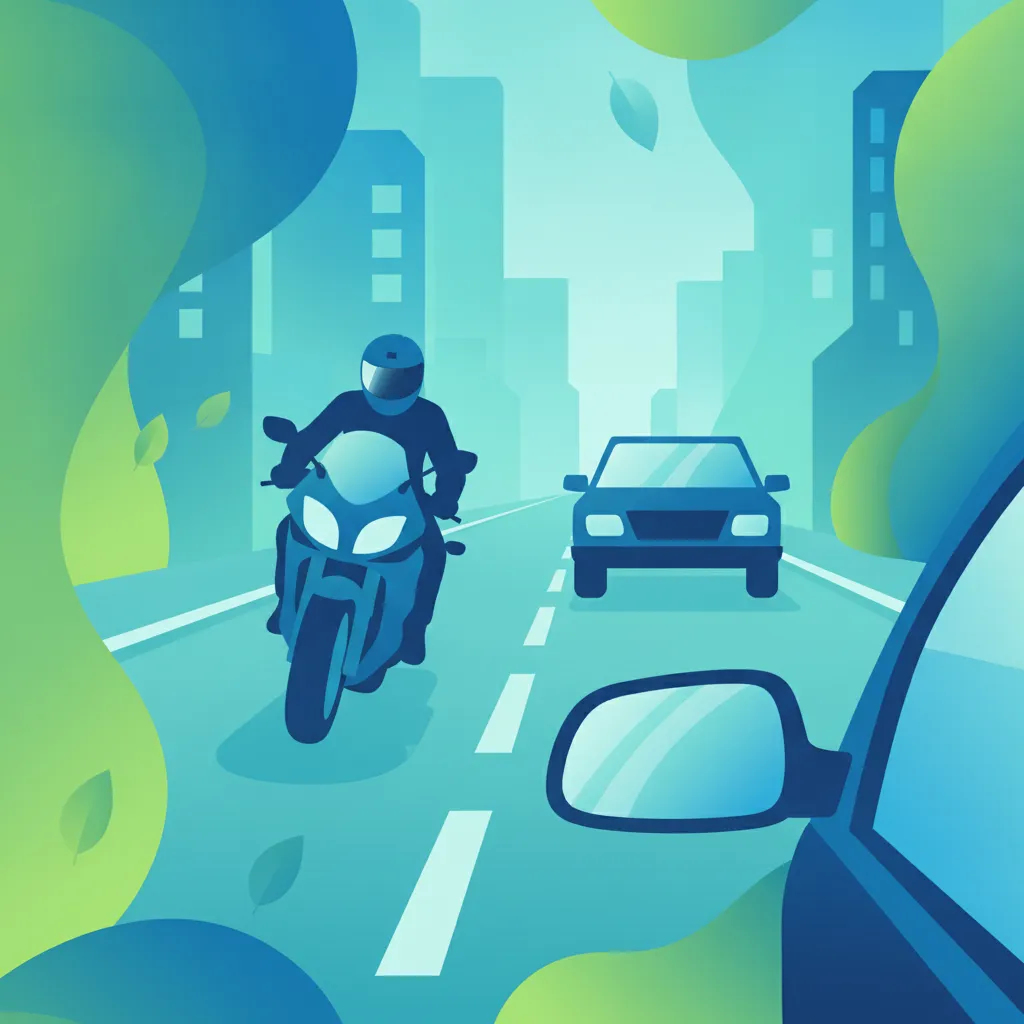
This lesson teaches strategic road positioning techniques to maximize your visibility and safety in traffic. You will learn how to choose the correct lane position to avoid the blind spots of larger vehicles and how to communicate your intentions through predictable riding. Key skills covered include effective use of shoulder checks, making eye contact with drivers, and maintaining a safe following distance, all of which are crucial for defensive riding on British roads.
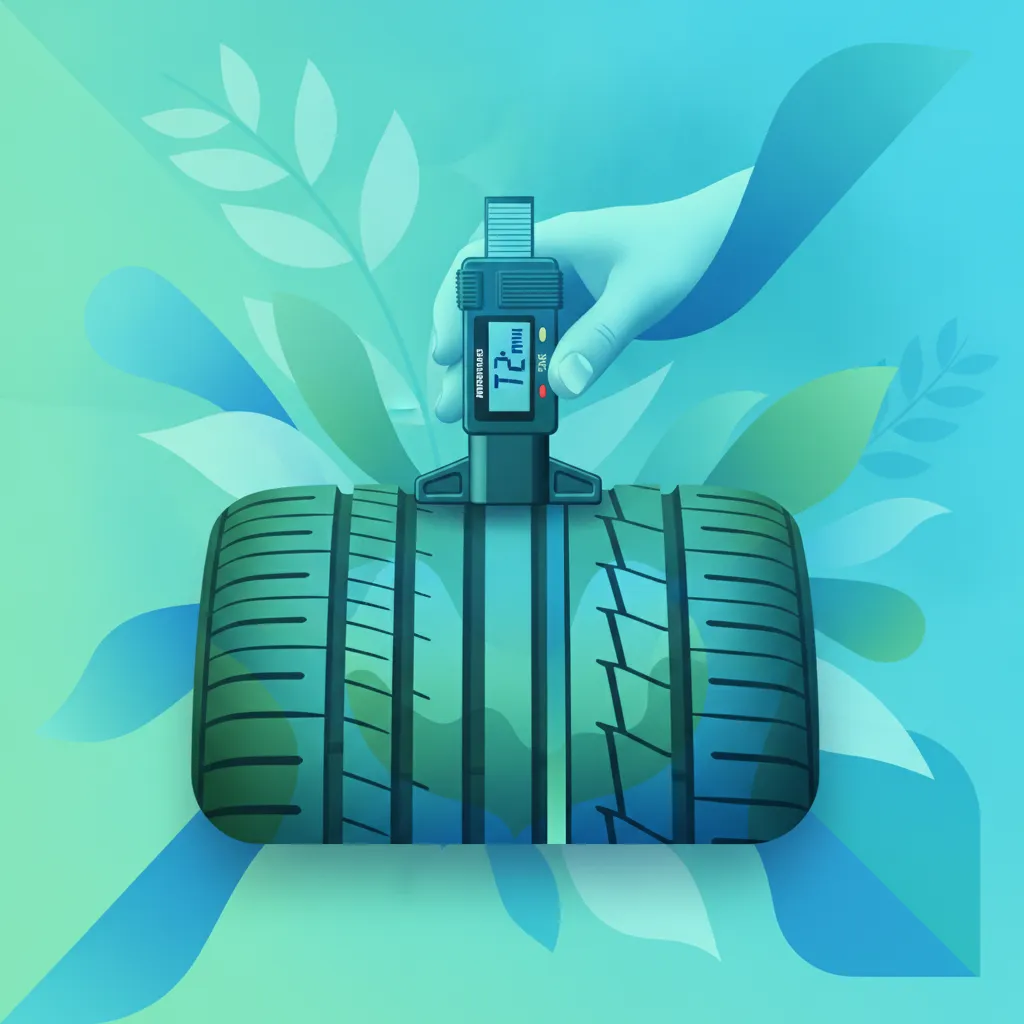
This lesson highlights the critical safety role of your vehicle's tyres. You will learn how to check for correct inflation pressure, which affects handling and fuel efficiency. It also explains the legal requirement for a minimum of 1.6mm of tread depth across the central three-quarters of the tyre and the importance of checking for any damage.
Master essential riding techniques for low-grip situations such as wet roads or loose surfaces. Learn how to safely adjust speed, braking, and lean angle to maintain control and prevent skids, crucial for AM licence holders in Great Britain.
This lesson provides essential advice for riding safely in adverse weather conditions that reduce tyre grip. You will learn how rain, ice, and wet leaves dramatically increase braking distances and affect handling. Key strategies covered include reducing speed, increasing following distances, making smooth control inputs, and anticipating slippery areas to maintain control and avoid skidding on compromised road surfaces.
This lesson teaches effective and safe braking techniques tailored for mopeds and light quadricycles. It explains how to balance the use of the front and rear brakes for optimal stopping power and stability. You will learn the concept of progressive braking for smooth, controlled stops and the correct procedure for performing an emergency stop while maintaining control and minimizing skid risk, a critical skill for every rider.

This lesson provides foundational knowledge on managing the speed of a low-powered vehicle through smooth and deliberate control inputs. You will learn proper throttle control for gradual acceleration, how to decelerate using both brakes and engine braking, and the principles of timely gear selection. Achieving smoothness in these actions is key to maintaining balance, traction, and overall stability, particularly in challenging conditions.
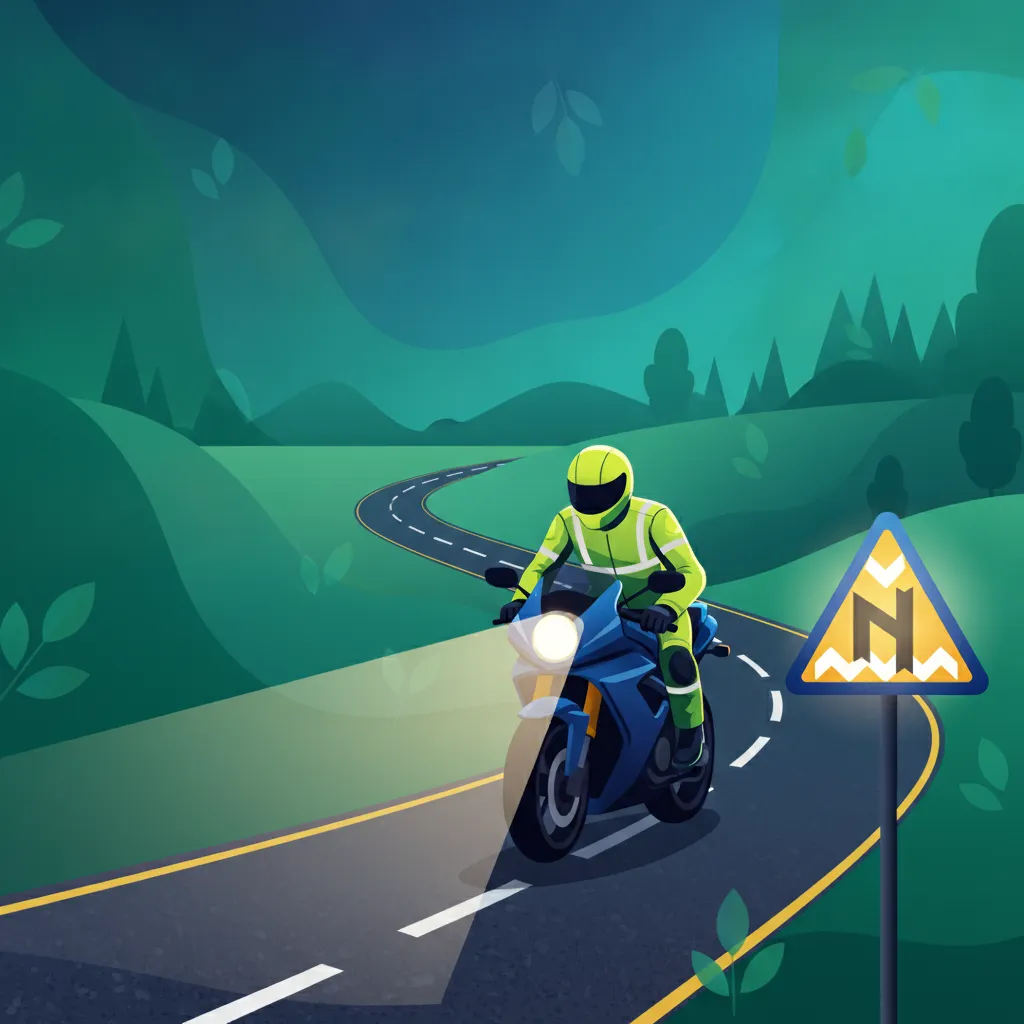
This lesson provides essential techniques for safe riding during nighttime and in poor visibility conditions like dawn or dusk. It covers the correct use of your headlamp's main and dipped beams, strategies for reducing glare from oncoming traffic, and the critical role of reflective clothing. You will also learn how to identify common nighttime hazards and manage fatigue, ensuring you can navigate British roads safely after dark while complying with all relevant road rules.
This lesson teaches strategic road positioning techniques to maximize your visibility and safety in traffic. You will learn how to choose the correct lane position to avoid the blind spots of larger vehicles and how to communicate your intentions through predictable riding. Key skills covered include effective use of shoulder checks, making eye contact with drivers, and maintaining a safe following distance, all of which are crucial for defensive riding on British roads.
This lesson details the legal requirements and best practices for using lights and reflectors on your moped or light quadricycle. It covers the correct operation of headlamps, daytime running lights, brake lights, and indicators to communicate your intentions clearly to other road users. You will also learn how to enhance your visibility further with strategically placed reflectors and reflective tape, ensuring you remain conspicuous in low-light conditions and compliant with British lighting regulations.
This lesson focuses on the challenges of riding when you can't see or be seen clearly. It covers the correct use of lights in fog, rain, and at night to maximize both your vision and your visibility to others. You will learn why reducing speed is critical, how to use reflective clothing effectively, and strategies for dealing with the glare from other vehicles' headlights to ensure you can navigate safely in all lighting conditions.
This lesson provides essential advice for driving when weather conditions are poor. It explains how rain can cause aquaplaning and why you must double your following distance. You will also learn techniques for driving in icy conditions, including gentle use of controls to avoid skidding, and the correct use of lights in fog.
Riding in the rain requires significant adjustments to your technique. This lesson covers how to ride smoothly to maintain traction, the importance of increasing your following distance, and how to deal with reduced visibility from spray and fogged visors. You will also learn what aquaplaning is and how to avoid or manage it.
Your safety depends on the small contact patch where your tyres meet the road. This lesson explains how grip (or traction) is affected by the type and condition of the road surface, as well as your tyre's condition and pressure. You will learn to recognise high-risk surfaces and adjust your riding to avoid losing traction.
Find clear answers to common questions learners have about Grip, Traction, and Road Surface Interaction. Learn how the lesson is structured, which driving theory objectives it supports, and how it fits into the overall learning path of units and curriculum progression in Great Britain. These explanations help you understand key concepts, lesson flow, and exam focused study goals.
Manhole covers are made of metal, which becomes extremely slippery when wet or covered in road debris. For a moped, hitting one at an angle can cause your wheels to lose traction instantly, potentially leading to a loss of control.
On dry tarmac, your tyres have maximum grip. However, on loose gravel, wet leaves, or icy surfaces, the friction between your tyre and the road is significantly reduced. This requires you to brake much earlier and more gently to avoid locking your wheels.
Yes, the DVSA theory test often includes questions about hazard anticipation, including how to react to surface hazards like mud, oil patches, or uneven road markings. Knowing these helps you pass both the multiple-choice and hazard perception parts.
While quadricycles have four wheels for greater balance, they are still susceptible to aquaplaning and reduced grip on oily or icy surfaces. Always drive according to road conditions, regardless of your vehicle type.
Dive into our comprehensive question bank to find exactly what you need for your Great Britain theory test. Use our advanced filters to pinpoint specific subjects or test your knowledge on challenging areas, ensuring you're fully prepared for success.