
This 'Pedestrian Zone with Loading Exception' sign (618.3) from Great Britain indicates that while a street is primarily for pedestrians, there are specific times or conditions under which vehicles may enter to load or unload. You must carefully check the details on the sign, such as times and permitted vehicle types, before entering. If your journey or purpose isn't explicitly allowed, it's safest to find an alternative route to avoid obstructing pedestrians or breaking traffic rules.
This sign, code 618.3, indicates a pedestrian zone with specific exceptions for loading, requiring careful attention to time restrictions and permitted vehicles for legal entry. Master this road sign meaning to pass your theory test revision and avoid penalties in Great Britain's traffic environments.
Pedestrian-zone signs protect streets where people on foot are expected to have greater priority and where vehicle movements are controlled. This sign tells drivers whether they may enter, wait, load, or use the street during specific periods. A safe and legal response is to read the full sign before the entry line, avoid blocking the zone, and use another route unless the journey is clearly permitted. It is listed in the catalogue as code 618.3.
"Pedestrian zone with loading exception" defines a pedestrian-zone rule for entry, waiting, loading, or access. The exact effect depends on the times, exemptions, and vehicle categories shown.
Get clear, practical answers to the most common questions about the 618.3 - Pedestrian zone with loading exception road sign. Learn how the sign works, what rules it represents, and how it affects real driving situations. This FAQ strengthens your understanding and supports accurate decision making for the British driving theory exam in Great Britain.
The 618.3 sign means the area is a pedestrian zone, but with specific exceptions allowing vehicles to enter for loading or unloading at certain times or under certain conditions. Always check the full details on the sign, such as times, days, and vehicle restrictions, to know if your journey is permitted.
You are only allowed to enter if your vehicle and purpose clearly match the exceptions shown on the sign. This often means specific loading windows during the day. If the sign doesn't explicitly permit your entry, wait or find another route to avoid causing disruption or a fine.
A common trap is assuming you can enter because other vehicles are present, or not reading the full details about times and permitted uses. Another mistake is entering without knowing if your specific purpose, like dropping off a passenger, is allowed. Always check the fine print before entering the zone.
You can only stop or wait if the sign explicitly permits it, usually for the purpose of loading or unloading during the specified times. Stopping to wait for a passenger or for any other reason outside of the permitted exceptions is generally not allowed and could obstruct pedestrians or lead to a penalty.
If the sign does not clearly permit your entry, for example, if you are just passing through and not loading, you must choose an alternative route. Do not enter the pedestrian zone to try and figure out the rules or wait for an opportunity; decide before you cross the entry line.
A clear reference image of the 618.3 - Pedestrian zone with loading exception road sign used in Great Britain.
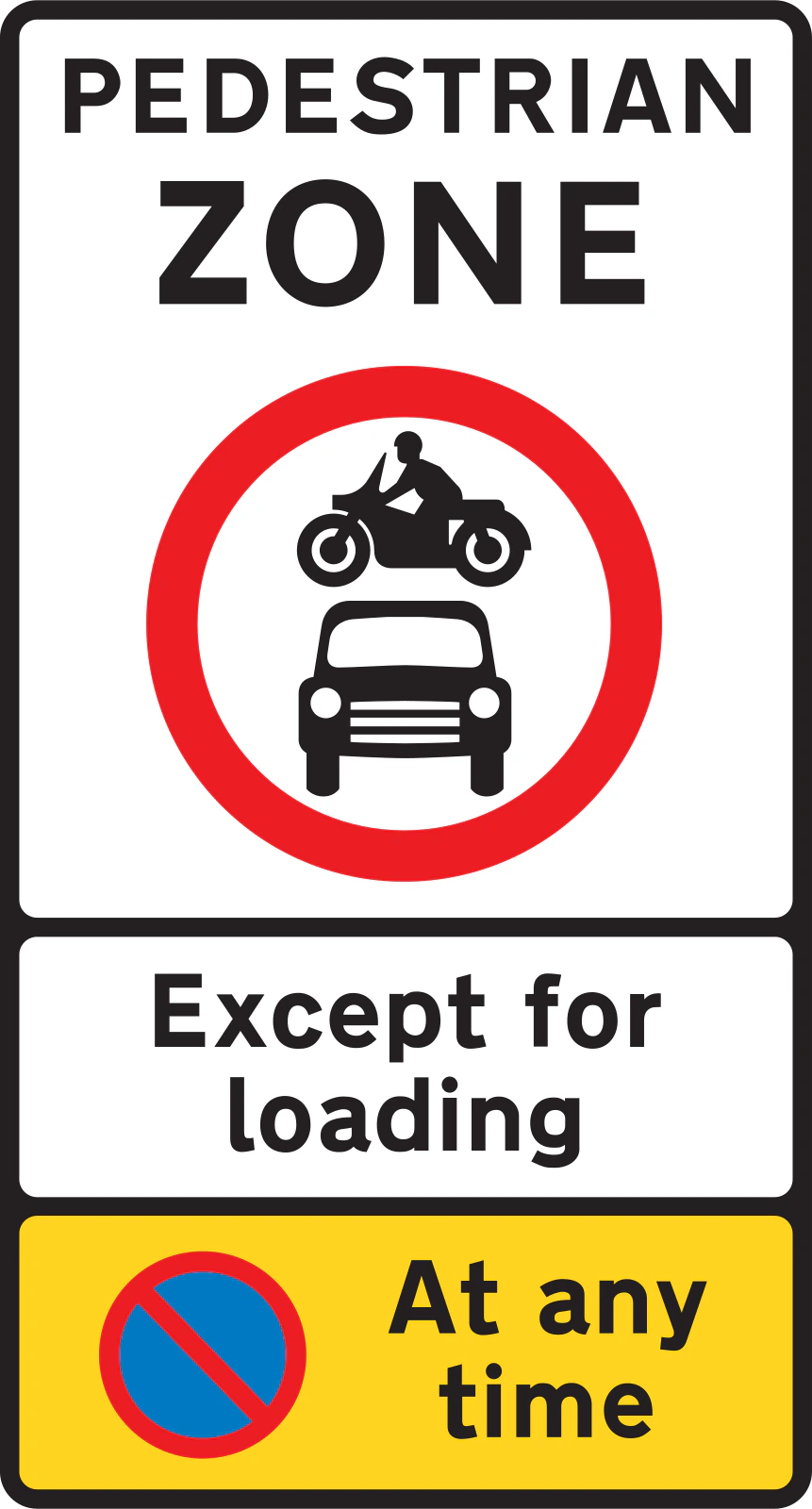
The 618.3 - Pedestrian zone with loading exception road sign may also be known by these alternative names or terms.
The 618.3 - Pedestrian zone with loading exception road sign is part of the Great Britain Pedestrian Zone Signs category, which groups together signs with similar rules and functions.
Reviewing these related traffic signs helps cement your understanding and improve recall for your theory test revision. Comparing similar road signs aids in sign recognition and accurate interpretation, crucial for safe driving.
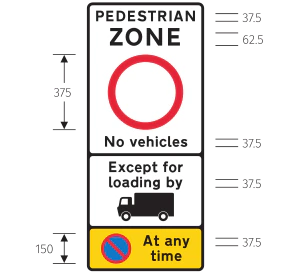
Know the Rules for Lorries Loading in Pedestrian Zones with Sign 618
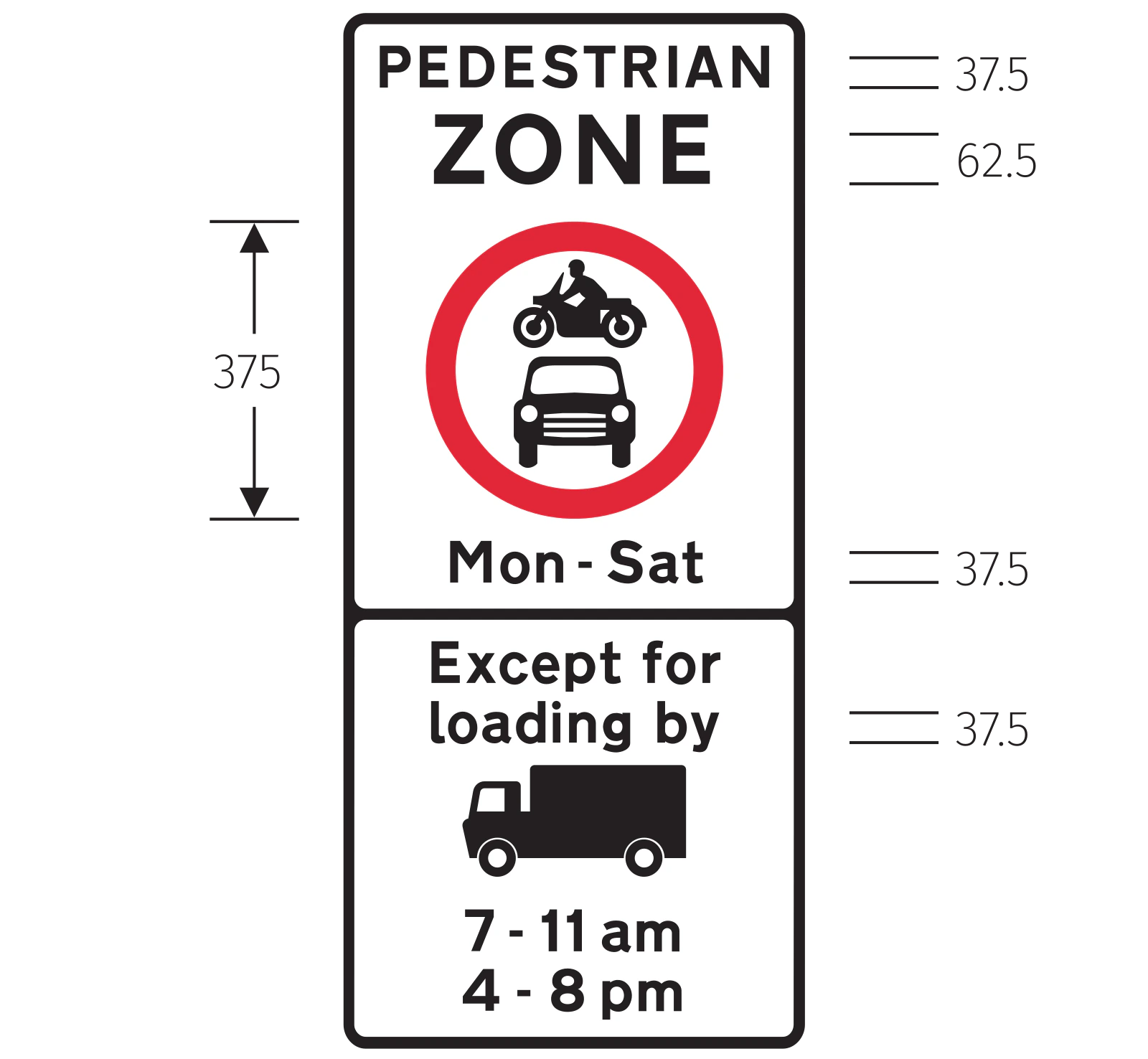
Pedestrian Zone Motor Vehicle Restriction: Know the Rules Before You Enter
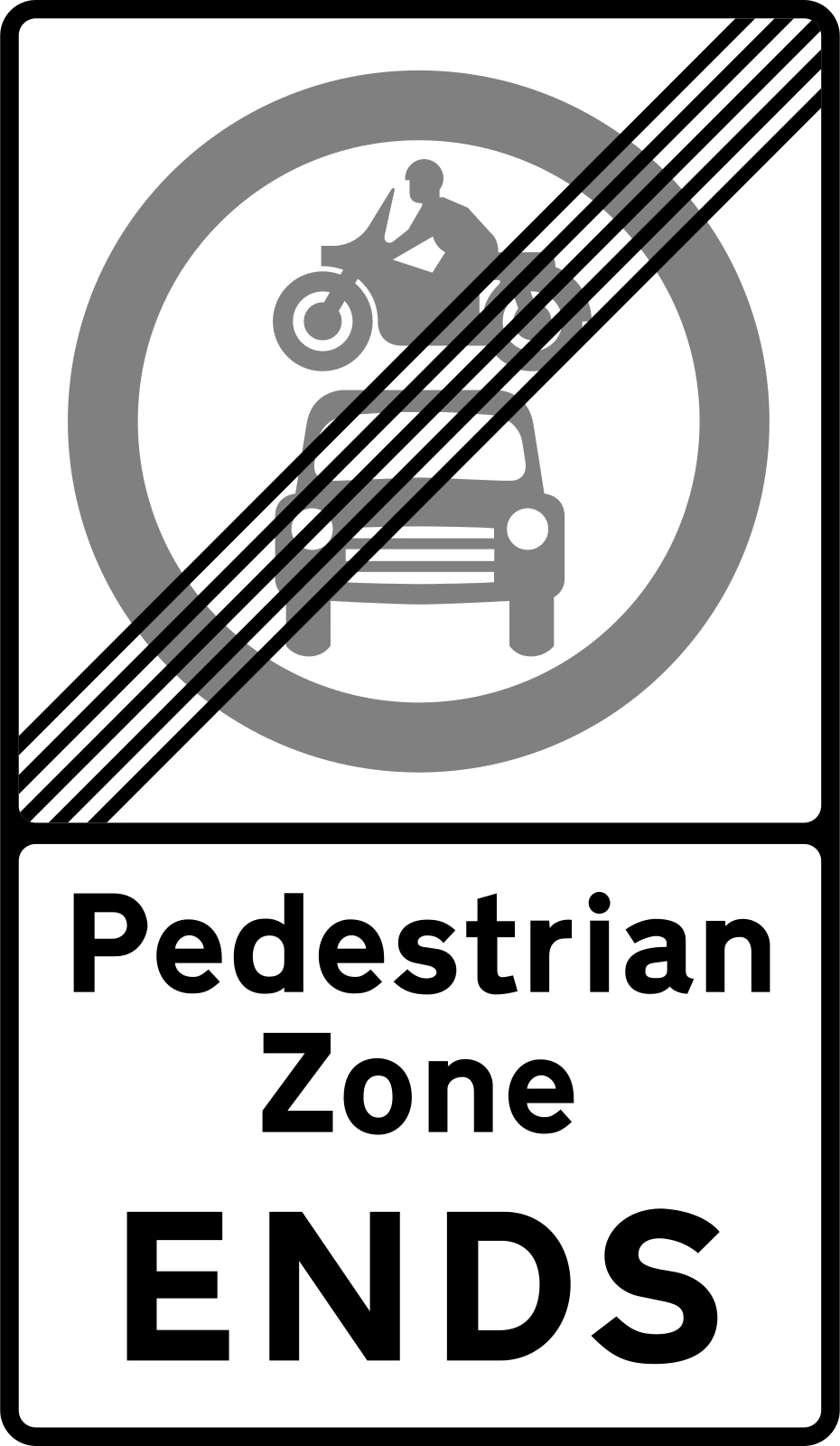
End of Pedestrian Zone Restrictions Sign (618.4) Explained
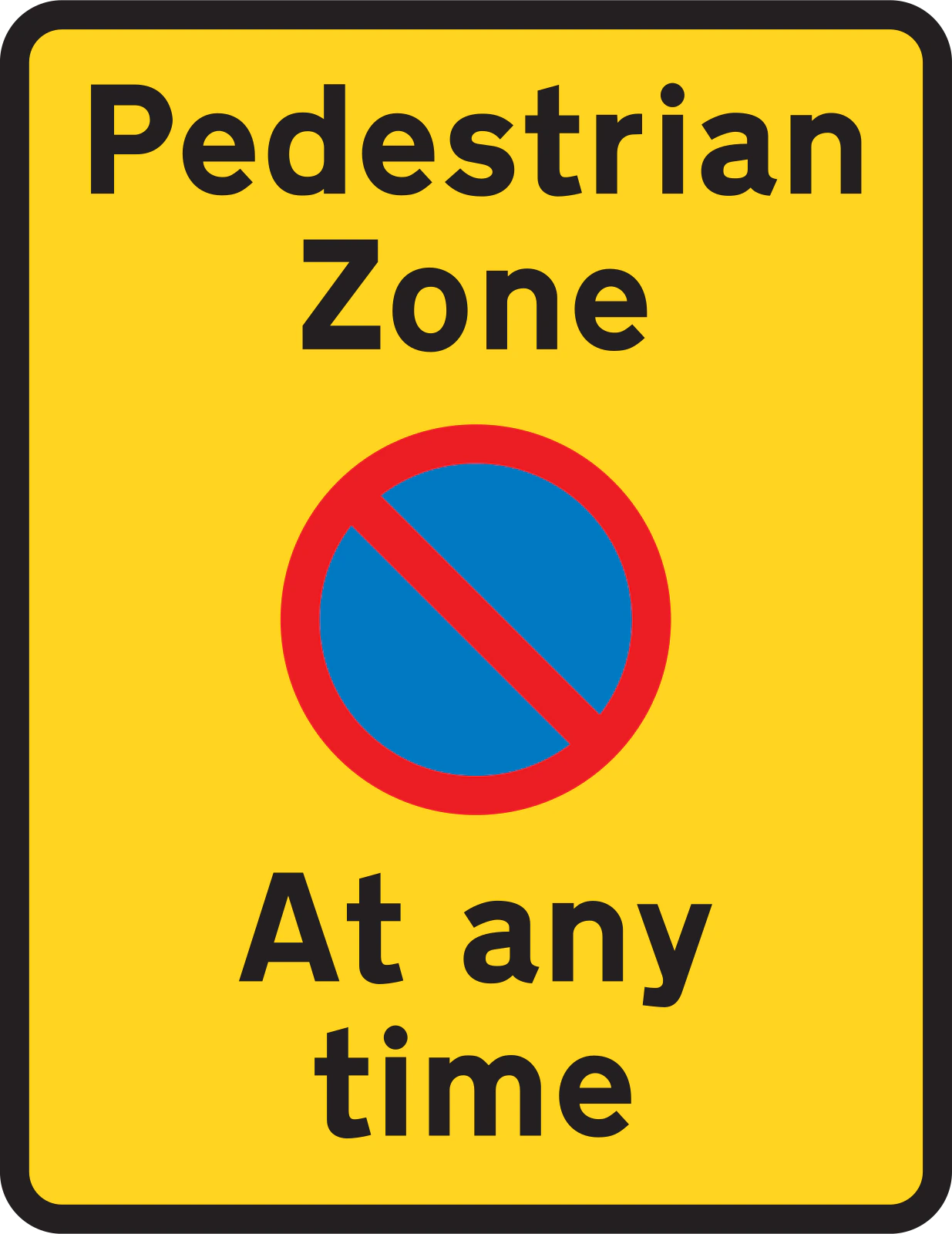
Pedestrian Zone Waiting Restriction Repeater Sign (637.2V)
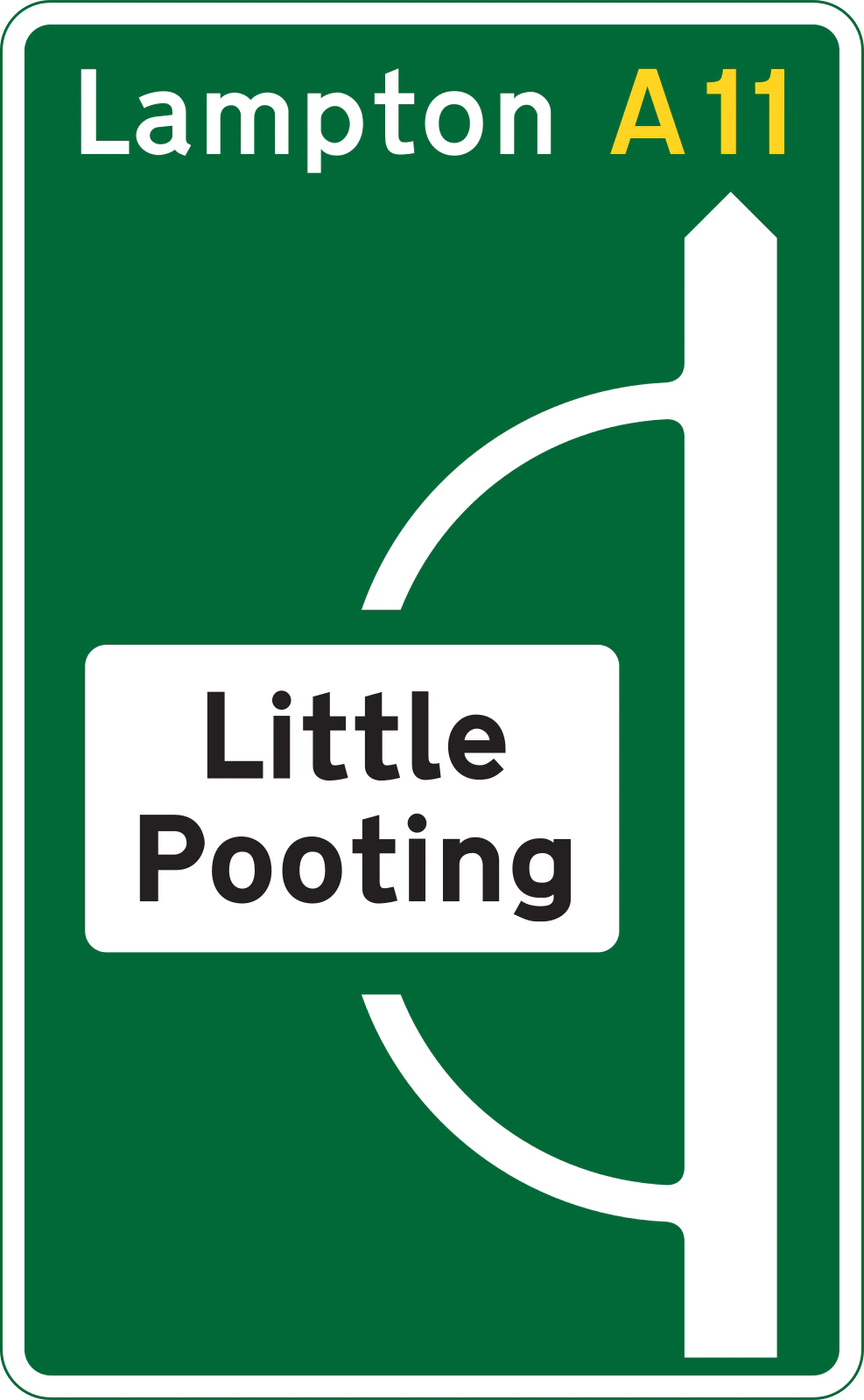
Navigate junctions near bypassed towns with the Primary Route Junction sign.
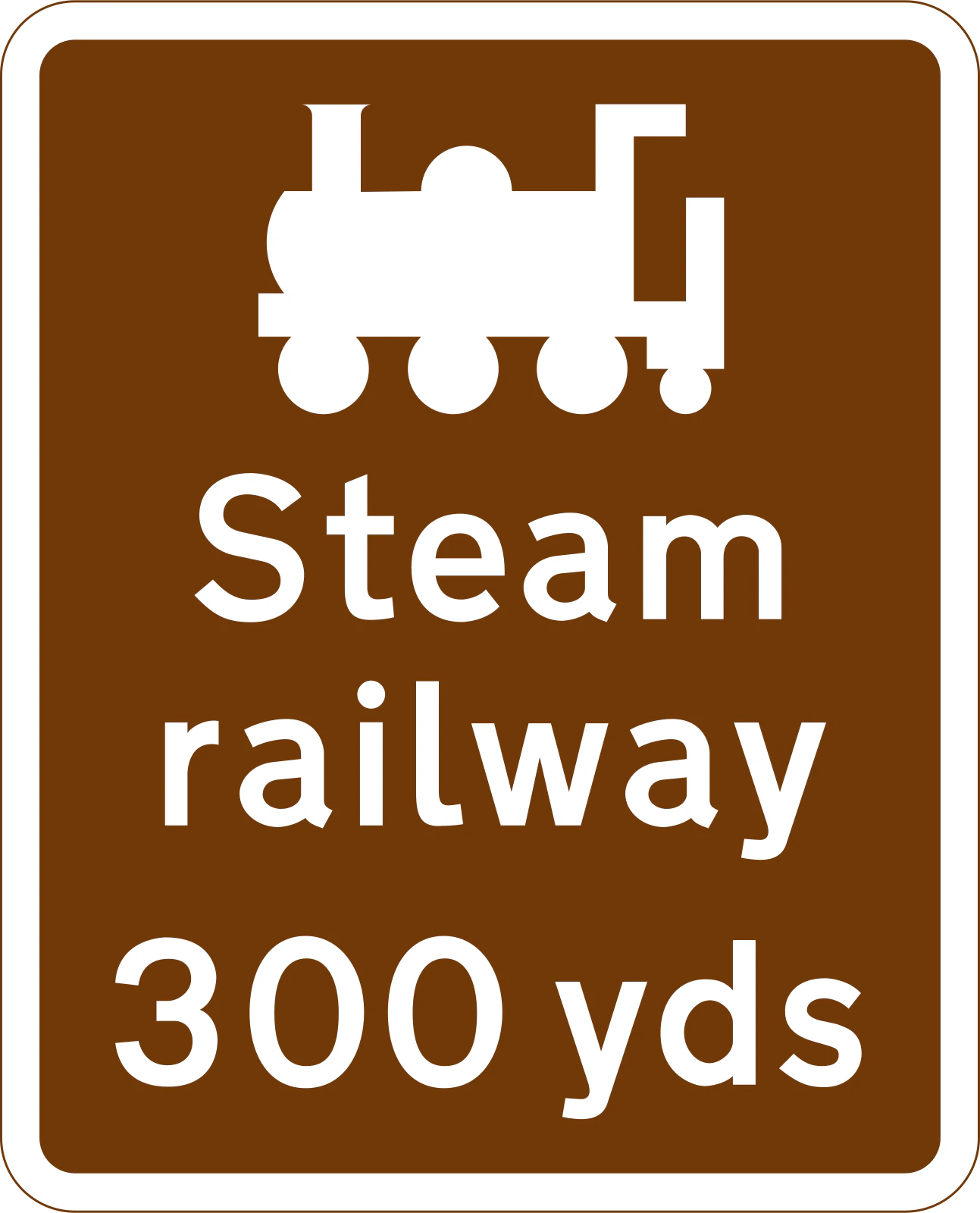
Know the 'Steam Railway Tourist Attraction 300 yd Ahead' Sign

This sign indicates a junction leading to a tourist attraction ahead.
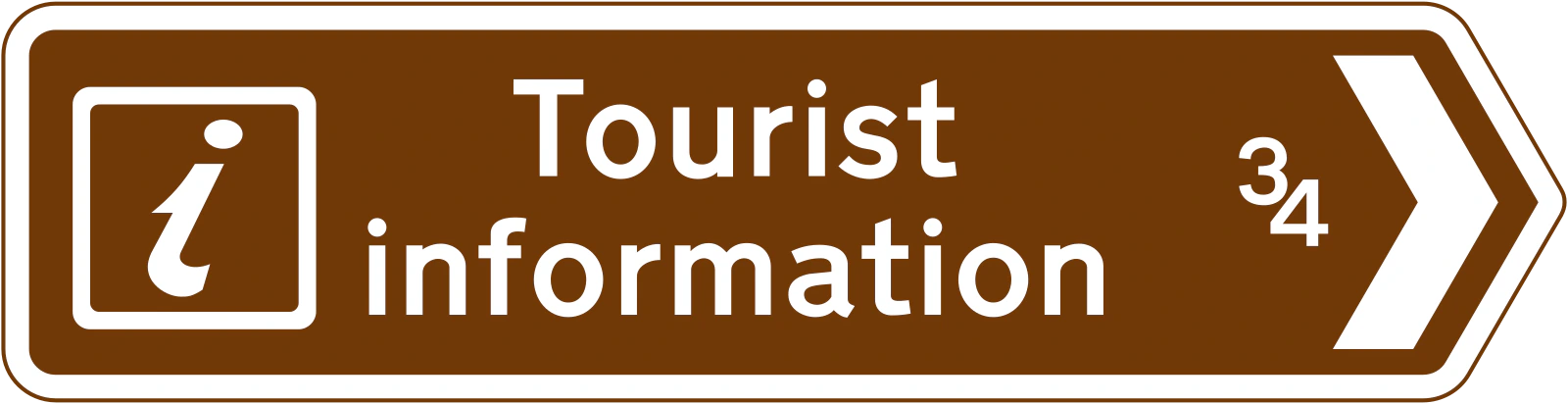
This brown sign indicates the direction and distance to tourist information points.
Explore curated explanations and practical examples to strengthen your visual recognition of essential Great Britain road signs. These supplementary materials provide the context needed to navigate junctions safely and pass your official DVSA theory test.
When you get behind the wheel of another person's car, the law holds you strictly accountable for ensuring the vehicle is safe, taxed, and properly insured. This guide explains the checks you must perform to remain compliant with UK traffic laws and avoid common pitfalls often tested in the DVSA theory exam. Mastery of these rules ensures you are prepared to act as a responsible and legal road user.
Master Critical Emergency Procedures and Avoid Test Traps on GB Roads.
Learn the critical parking rules mandated by the Highway Code to prevent obstructions and ensure safety for all road users. This guide covers essential restrictions, including prohibitions near schools, emergency access points, junctions, and specific pavement parking rules in London and Scotland. Understanding these regulations is key to passing your Great Britain driving theory test and driving responsibly.
Master safe decision-making and avoid serious risks on Great Britain roads.
Pedestrian-zone signs protect streets where people on foot are expected to have greater priority and where vehicle movements are controlled. This sign tells drivers whether they may enter, wait, load, or use the street during specific periods. A safe and legal response is to read the full sign before the entry line, avoid blocking the zone, and use another route unless the journey is clearly permitted. It is listed in the catalogue as code 618.
Pedestrian-zone signs protect streets where people on foot are expected to have greater priority and where vehicle movements are controlled. This sign tells drivers whether they may enter, wait, load, or use the street during specific periods. A safe and legal response is to read the full sign before the entry line, avoid blocking the zone, and use another route unless the journey is clearly permitted. It is listed in the catalogue as code 618-PZ-NMV.
After reviewing the full list of road signs, challenge yourself with practice questions focused specifically on sign recognition. Reinforce your learning and ensure you're fully prepared to identify and understand all traffic signs on the DVSA theory test.
Browse All GB Road Signs List