
Parking plates are crucial additions to standard parking signs, providing specific conditions and restrictions that drivers must understand. This group covers signs that modify parking rules by indicating requirements for disabled access, electric vehicles, car sharing, or imposing time limits and towing consequences. Mastering these supplementary signs is vital for avoiding fines, ensuring fair access for all road users, and passing your driving theory exam.
An explanation of how France Parking Plates road signs apply in real traffic situations in France. Learn where these signs are typically placed, what drivers are expected to do when they appear, and how correct reactions help you stay safe, avoid fines, and succeed in your French driving theory exam.
Parking plates are typically found mounted below the main parking or stopping signs, adding crucial details about who can park, when, and under what conditions. You will encounter them in urban and suburban areas, on streets, in parking lots, and near public facilities. For instance, a 'disabled only' plate (M6h) is essential for ensuring access for those who need it, while electric vehicle (M6i) or carsharing (M6j) plates manage resource usage and promote specific transport modes. Time restriction plates like 'disc parking' (M6c-2) require drivers to set a visible time on their dashboard, and 'vehicles will be towed away' (M6a) signs highlight high-priority zones or areas where illegal parking causes significant disruption. Understanding these plates is key to avoiding tickets, towing, and ensuring smooth traffic flow.
An overview of the key learning outcomes when studying the France Parking Plates road sign category. Understand the main concepts, sign meanings, and traffic situations covered here so you can recognise patterns, answer theory questions more confidently, and build a solid foundation for safe driving in France.
Master France's parking plates to grasp essential conditions for parking and stopping, including towing, disabled access, and time restrictions. Understanding these supplementary signs is crucial for correct parking and avoiding fines during your theory test revision.
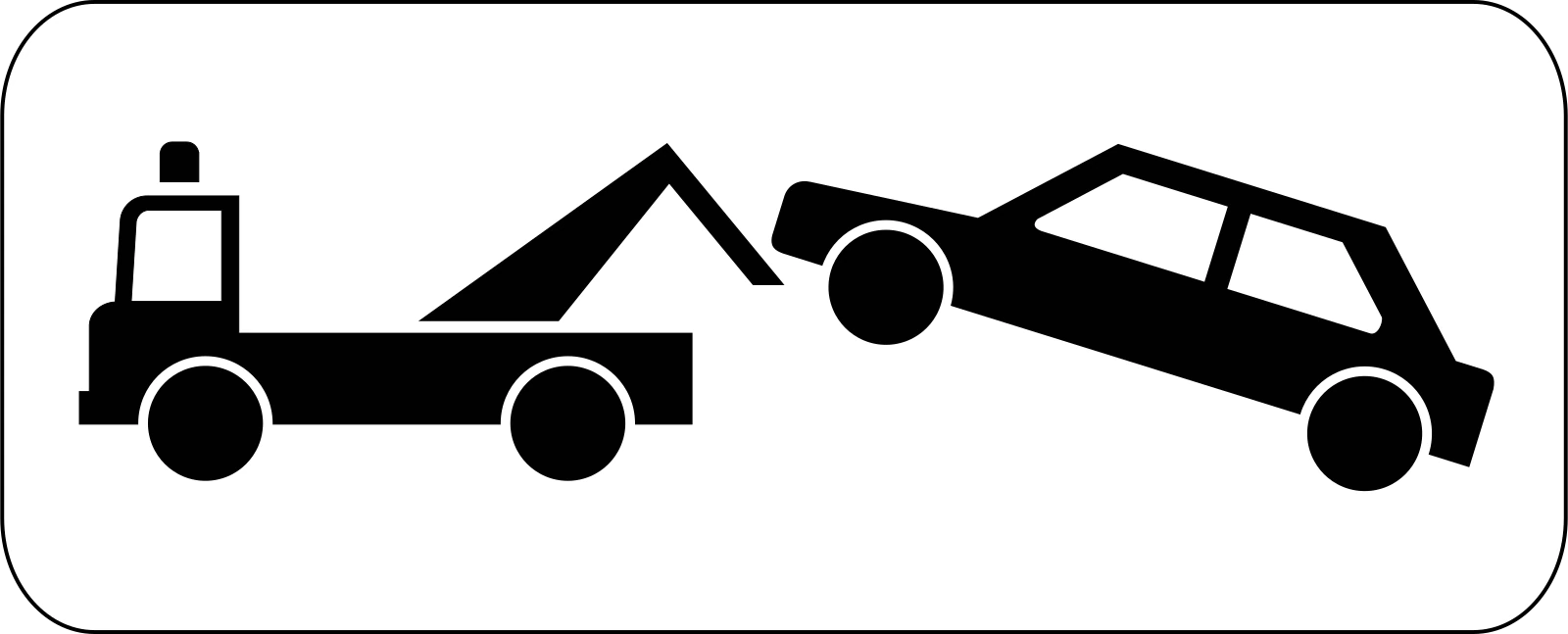
Beware: Parking Here Means Your Vehicle Could Be Towed Away (M6a Sign)
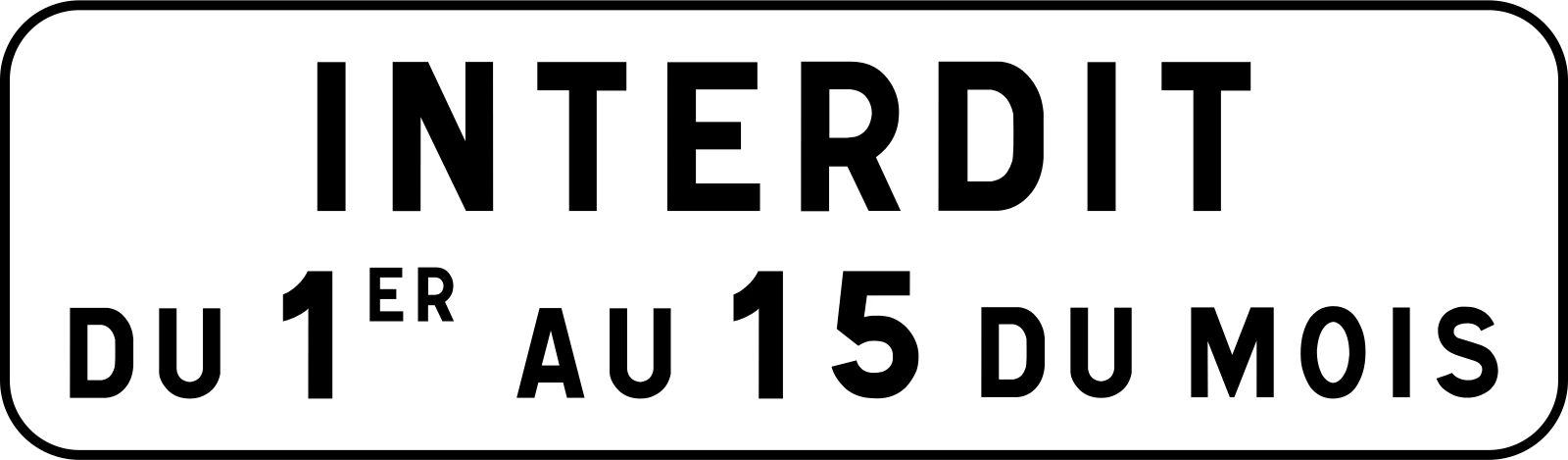
The M6b sign clarifies specific parking rules or restrictions.
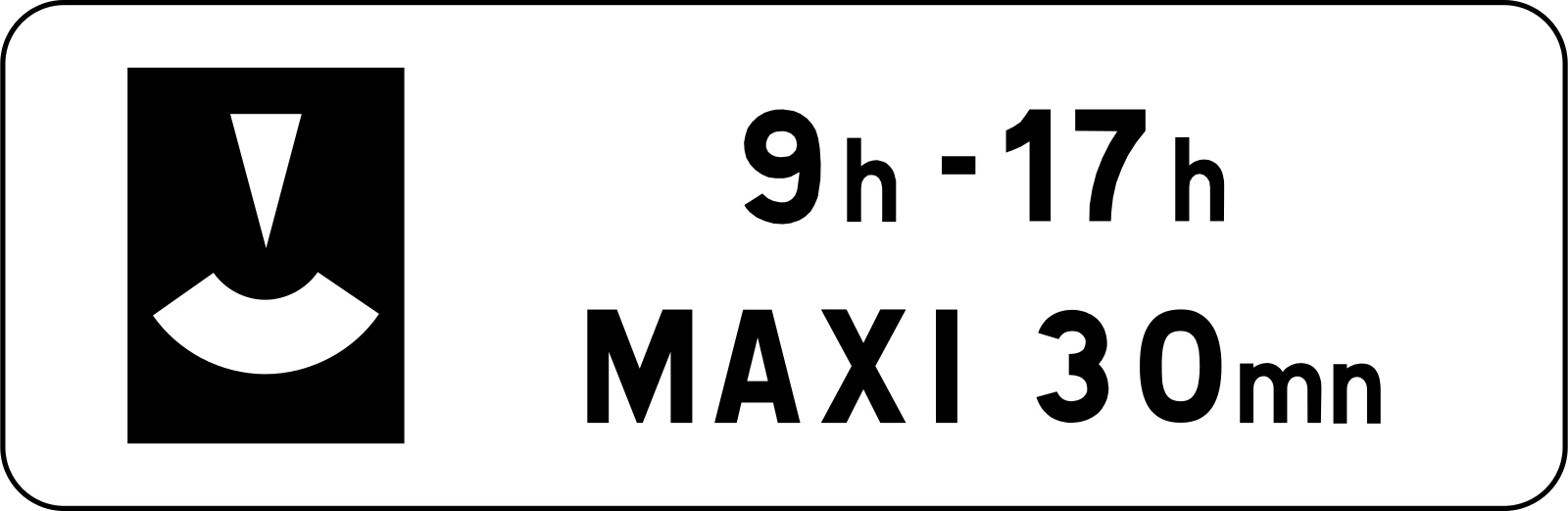
M6c-2: Disc Parking Restrictions – Know the Rules Before You Park

M6h Sign: Reserved Parking for Disabled Drivers Only
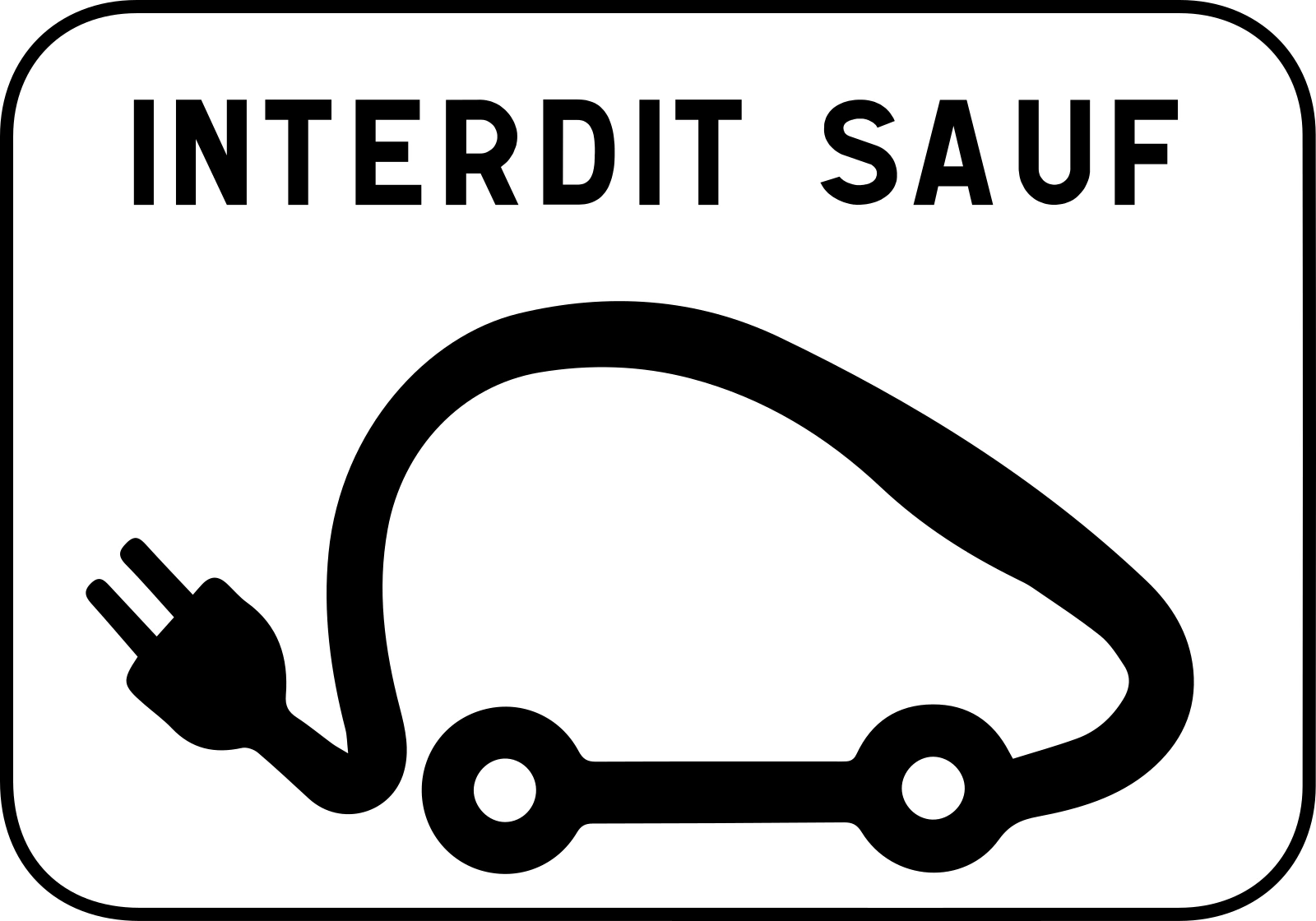
Understand the M6i Sign: Parking Reserved for Electric Vehicles Only
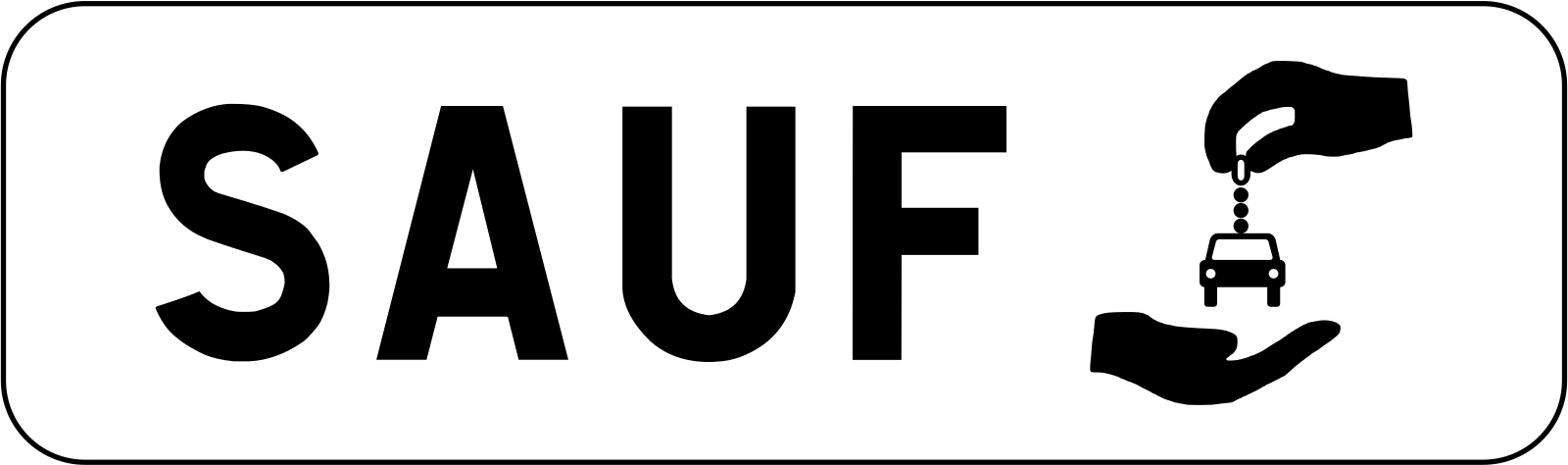
The M6j Sign: Reserved Parking Exclusively for Carsharing Vehicles
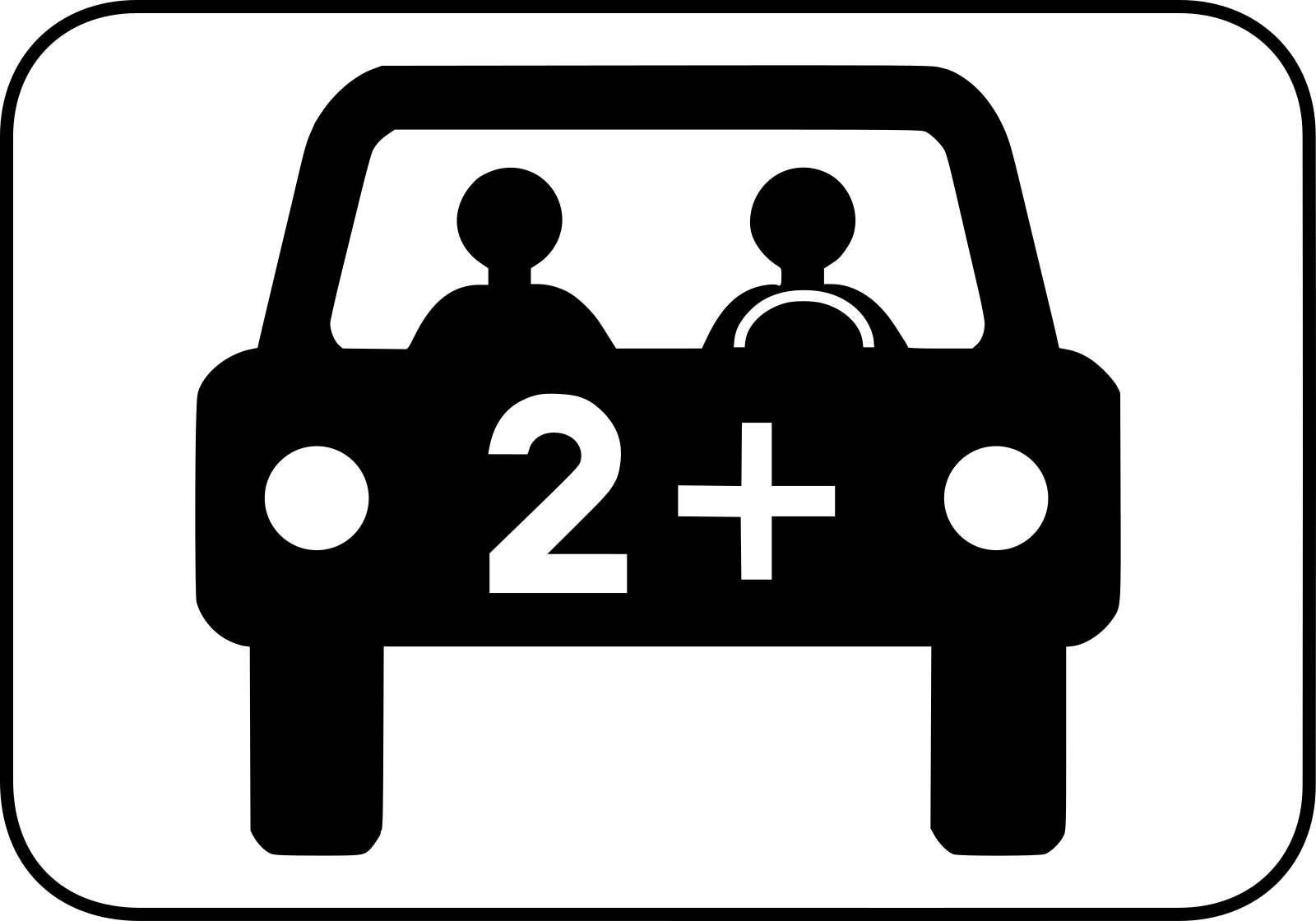
Carpooling Parking Plates (M6k) Specify Who Can Park and When
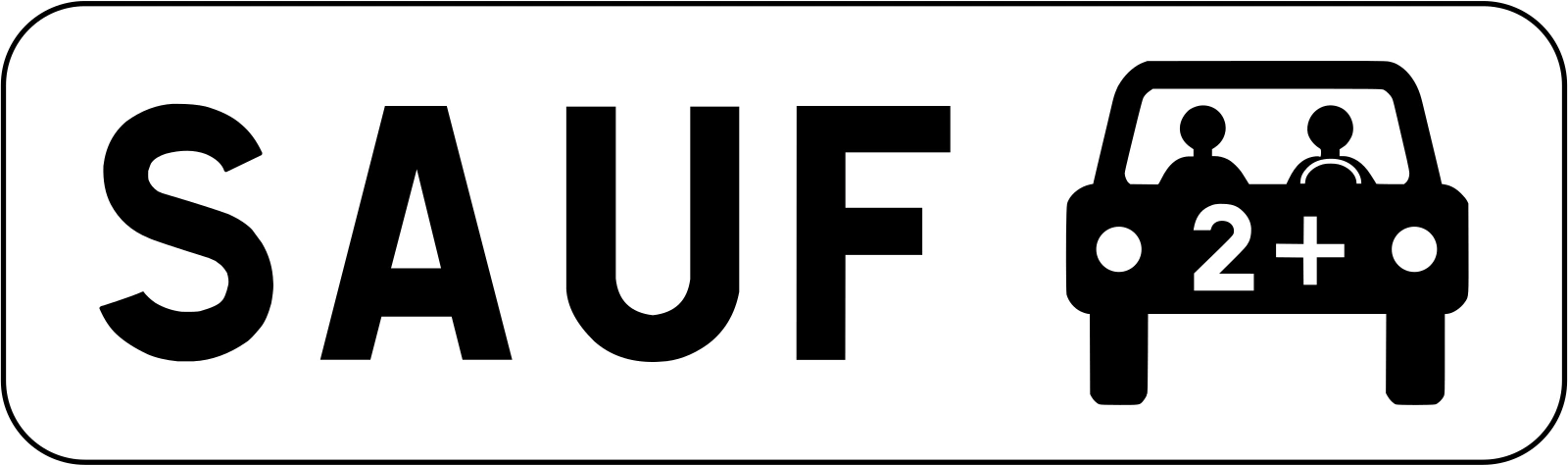
Understand the 'Parking for Carpooling Only' M6k Road Sign
Clear answers to common questions about the France Parking Plates road sign category. Use this FAQ to review tricky rules, understand how these signs appear in exam scenarios, and remove confusion that often leads to mistakes in the French driving theory exam in France.
A standard parking sign (like a blue 'P' or a red cross) indicates general parking rules such as whether parking is allowed or prohibited. A parking plate, often a supplementary sign below the main sign, provides additional specific conditions. For example, a blue 'P' might mean parking is allowed, but a plate underneath could specify 'disabled only' or 'time limit 2 hours'.
Disc parking, sometimes indicated by a plate like M6c-2, means you must use a parking disc. This is a small clock that you set to the time you parked your vehicle and place it visibly on your dashboard. There is usually a maximum time limit, such as one or two hours, which you must adhere to.
A sign indicating 'parked vehicles will be towed away' (M6a) means that if you park illegally in that specific location, your vehicle will be removed at your expense. This is often indicated in areas where parking is strictly prohibited or where illegally parked vehicles obstruct traffic, emergency services, or essential access.
While the general concept of supplementary parking signs is common across many countries, the specific designs, codes (like M6a, M6h), and exact regulations can vary. It's important to understand the rules specific to the region you are driving in. This section focuses on common types of parking plates you might encounter and their general meanings.
Generally, no. Parking plates designated for disabled persons ('disabled only', M6h) are reserved for vehicles displaying a valid blue badge or permit issued to a disabled person. Parking in these bays without the proper authorization, even for a brief stop, is illegal and disrespectful to those who genuinely need the space.
Ready to deepen your understanding of French road signs? Dive into our comprehensive overview of official sign categories and groups. This structured approach will help you learn Code de la route classifications more effectively, preparing you thoroughly for your Permis de Conduire theory exam.
Explore Sign Categories