These advance warning signs are crucial for navigating junctions safely, especially those requiring a full stop. Understanding the 'Stop Ahead' plate means you'll be ready to reduce speed progressively and prepare to halt before a stop line or a controlled junction. Mastering these signs will boost your confidence on the road and help you pass your theory exam with flying colours.
An explanation of how France Stop Ahead Plates road signs apply in real traffic situations in France. Learn where these signs are typically placed, what drivers are expected to do when they appear, and how correct reactions help you stay safe, avoid fines, and succeed in your French driving theory exam.
The 'Stop Ahead' plate is a vital warning sign typically placed on roads leading to junctions where a stop is required. You'll most commonly encounter it in urban areas, on approach to intersections controlled by 'Stop' signs or traffic lights that include a stop line. It might also appear before a pedestrian crossing that has a stop line, or in areas where temporary traffic management requires drivers to stop. Its purpose is to give you ample warning to ease off the accelerator, check your mirrors for traffic behind you, and get your vehicle ready for a complete stop before reaching the actual stop line or junction, even if the way ahead appears clear. This proactive approach prevents sudden braking and ensures you comply with the traffic control.
An overview of the key learning outcomes when studying the France Stop Ahead Plates road sign category. Understand the main concepts, sign meanings, and traffic situations covered here so you can recognise patterns, answer theory questions more confidently, and build a solid foundation for safe driving in France.
Master the meaning of France 'Stop Ahead' plates, crucial advance warnings before stop-controlled junctions or lines. Studying these signs together helps you anticipate reductions in speed and prepare for a complete halt, essential for your driving theory revision and passing the French driving licence exam.
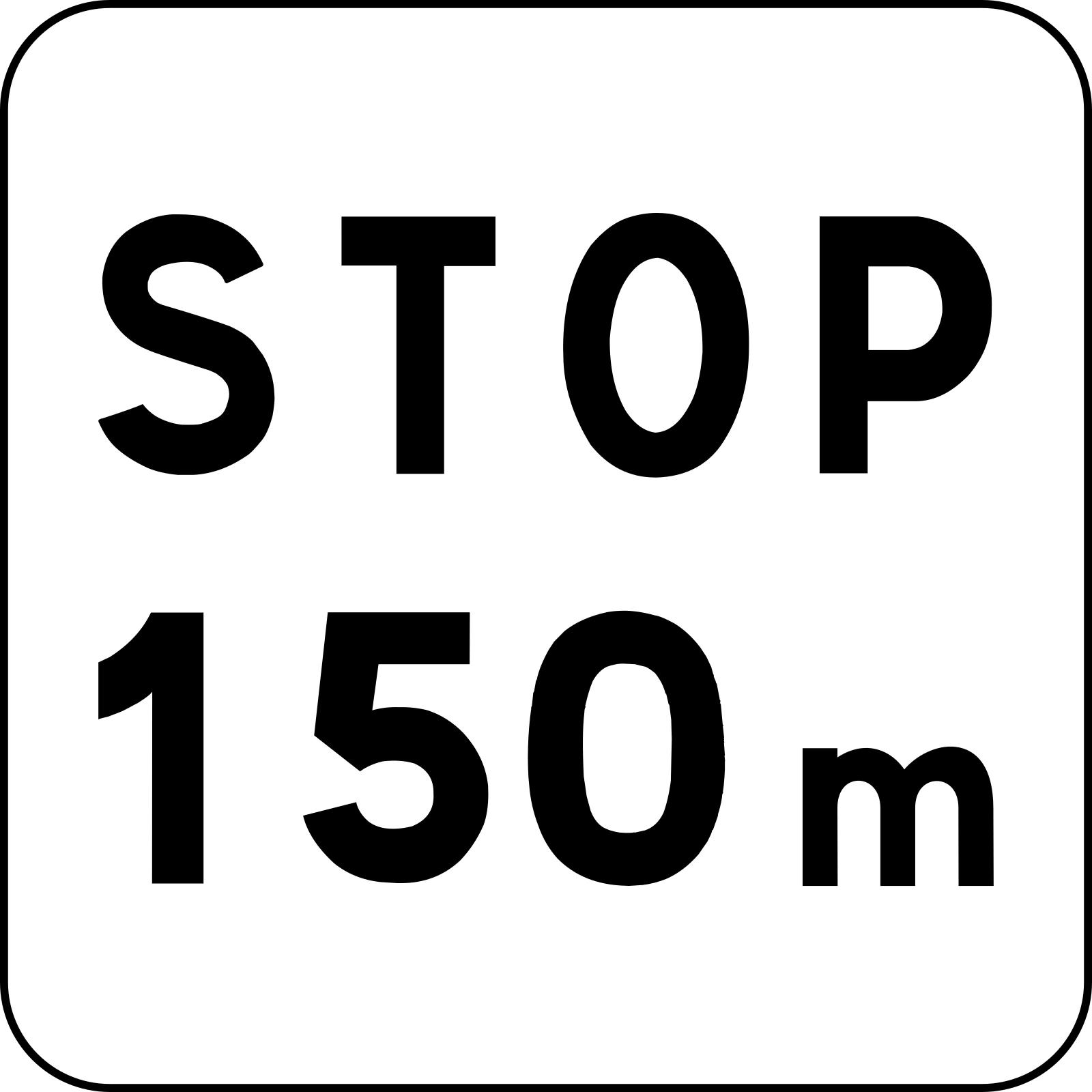
Prepare for a Stop Sign Ahead with the M5 Warning Plate
Clear answers to common questions about the France Stop Ahead Plates road sign category. Use this FAQ to review tricky rules, understand how these signs appear in exam scenarios, and remove confusion that often leads to mistakes in the French driving theory exam in France.
The 'Stop Ahead' plate is an advance warning sign. Its primary purpose is to alert you that a junction controlled by a stop sign or a stop line (often found at traffic lights) is approaching. This gives you time to start slowing down smoothly and prepare to stop before the actual stopping point.
The exact distance can vary depending on local regulations and road conditions. However, these signs are designed to provide sufficient advance warning. Generally, they are placed far enough back to allow drivers to react appropriately, check their mirrors, and begin to reduce speed progressively, rather than having to brake sharply at the last moment.
Upon seeing the 'Stop Ahead' sign, you should immediately start to anticipate a stop. This means lifting your foot off the accelerator, checking your mirrors to be aware of traffic behind you, and preparing to brake. You need to be ready to come to a complete halt at the indicated stop line or before entering the junction.
Yes, absolutely. The 'Stop Ahead' sign is a warning that a mandatory stop is coming. You must be prepared to stop at the designated stop line, regardless of whether the road appears clear. There could be hidden traffic, pedestrians, or cyclists, or the traffic control might operate on a cycle that requires a stop even when not immediately obvious.
No, they are different. The 'Stop Ahead' sign is a warning placed *before* the actual stop control. The 'Stop' sign is the mandatory traffic sign that requires you to come to a complete halt. The 'Stop Ahead' sign simply gives you advance notice of the upcoming 'Stop' sign or stop line.
Ready to deepen your understanding of French road signs? Dive into our comprehensive overview of official sign categories and groups. This structured approach will help you learn Code de la route classifications more effectively, preparing you thoroughly for your Permis de Conduire theory exam.
Explore Sign Categories