
Learn to drive safely in Germany's varied climate, from icy winter mornings to rainy autumn days. This section details crucial rules like the situational winter tire requirement and provides practical tips for all seasons to help you pass your German theory test.
These guides cover official traffic regulations regarding seasonal vehicle maintenance, winter tire obligations, and safe driving techniques during heavy rain, fog, or snow. Mastering these complex weather-related scenarios is critical for passing the German theory test and ensuring safety on the Autobahn and local streets.
Understanding how extreme heat impacts your vehicle is a vital component of driver safety and successful theory exam preparation. This article explains the technical relationship between ambient temperature and tire pressure, the risks of road surface deterioration like Spurrillen, and how to plan your journeys to minimize exposure to peak holiday traffic. Learn the necessary technical and behavioral standards to maintain control and safety when driving across Germany during the summer months.
Adapting to current conditions is a fundamental requirement under §1 StVO, and official digital alerts provide the critical information needed to fulfill this duty. This guide clarifies how to integrate warnings from the Deutscher Wetterdienst and NINA into your driving preparation without falling into the trap of distracted driving. Learn how to balance modern navigation aids with the strict requirement for constant attentiveness to the road environment.
Understanding Glatteis, or black ice, is critical for safe driving in Germany, especially during winter theory exams. This text-only guide explains how to spot treacherous icy patches on bridges and shaded areas, highlights key warning signs, and outlines preventative measures like using winter tires. You will learn crucial techniques for reacting correctly if you encounter black ice to maintain control and ensure your safety on German roads.
Navigate Germany's diverse weather with confidence by exploring essential driving theory articles. Understand key regulations like the winter tire requirement and gain practical advice for all seasons to prepare effectively for your German driving licence exam.
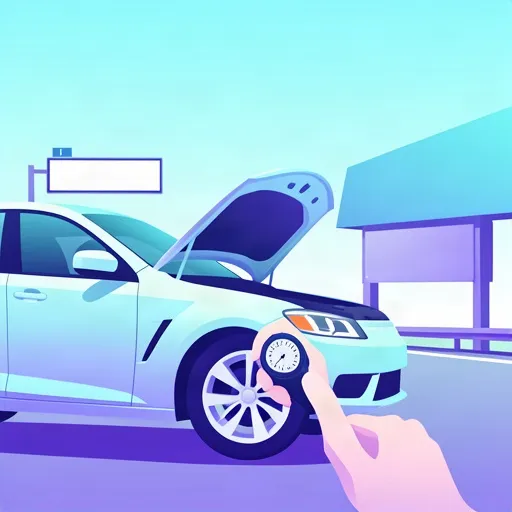
Understanding how extreme heat impacts your vehicle is a vital component of driver safety and successful theory exam preparation. This article explains the technical relationship between ambient temperature and tire pressure, the risks of road surface deterioration like Spurrillen, and how to plan your journeys to minimize exposure to peak holiday traffic. Learn the necessary technical and behavioral standards to maintain control and safety when driving across Germany during the summer months.
Updated on Sep 29, 2026
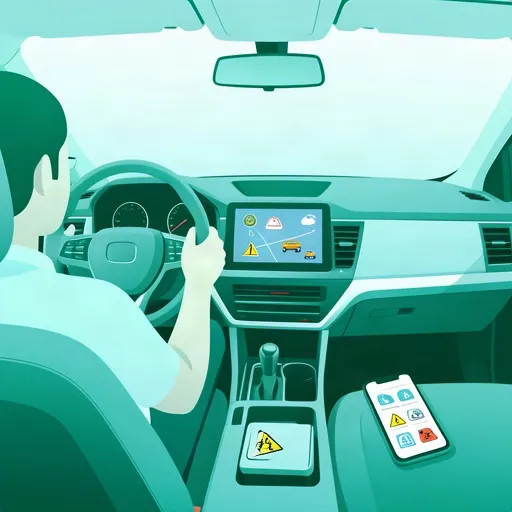
Adapting to current conditions is a fundamental requirement under §1 StVO, and official digital alerts provide the critical information needed to fulfill this duty. This guide clarifies how to integrate warnings from the Deutscher Wetterdienst and NINA into your driving preparation without falling into the trap of distracted driving. Learn how to balance modern navigation aids with the strict requirement for constant attentiveness to the road environment.
Updated on Sep 23, 2026

Understanding Glatteis, or black ice, is critical for safe driving in Germany, especially during winter theory exams. This text-only guide explains how to spot treacherous icy patches on bridges and shaded areas, highlights key warning signs, and outlines preventative measures like using winter tires. You will learn crucial techniques for reacting correctly if you encounter black ice to maintain control and ensure your safety on German roads.
Updated on Jul 15, 2026

Navigating Germany's winter roads requires awareness of specific regulations, especially regarding snow chains. This article details the 'Schneekettenpflicht' (mandatory snow chains) enforced by the 'Zeichen 268' road sign, common in Alpine and other snowy regions. Learn when you are legally obligated to fit snow chains, how to correctly install them, and the associated speed limits to ensure compliance and safety during your theory test studies.
Updated on Jul 15, 2026
Discover other categories connected to Weather & Seasonal Driving Germany. These sections help you explore additional topics, expand your understanding of driving theory in German, and build a more complete picture of the rules and situations tested during the exam.
Find answers to common questions learners ask about Weather & Seasonal Driving Germany. This section helps clarify difficult concepts, highlight critical exam information, and support your preparation for the German driving theory exam in Germany.
The situative winter tire requirement (§2 Abs. 3a StVO) in Germany mandates that drivers must use winter or all-season tires (marked M+S or 3PMSF) when road conditions are characterized by 'glatteis' (black ice), 'Schneeglätte' (snowy surface), 'Schneematsch' (slush), or 'Reifglätte' (glazed frost).
The front fog lights (Nebelscheinwerfer) can be used in dense fog, heavy rain, or heavy snowfall. The rear fog light (Nebelschlussleuchte) must be used only when visibility is less than 50 meters, and switched off immediately when visibility improves to avoid dazzling other drivers.
Snow chains (Schneeketten) are permitted in Germany but only on snow-covered roads and when indicated by a specific traffic sign (a blue sign with a snow chain symbol). They are typically required for driving in mountainous regions during heavy snowfall.
Seasonal driving requires preparing your vehicle. This includes changing to appropriate tires (winter or summer), checking antifreeze levels, ensuring the battery is in good condition, using the correct windshield washer fluid for the season, and verifying wiper blade functionality for optimal visibility.
Driving in rain in Germany, especially at higher speeds, carries the risk of aquaplaning, where tires lose contact with the road surface due to a layer of water. Reduced visibility and longer braking distances are also significant hazards.
Explore our extensive library of driving theory article categories to find specific topics, review road rules, and deepen your understanding of German traffic laws. Start your structured preparation today for a successful driving licence exam and safer driving in Germany, covering all aspects of the StVO and practical application.
Browse Driving Theory Categories