
This section covers essential German regulatory signs that dictate mandatory actions, prohibitions, and priority rules on the road. These signs are not suggestions; they are legal orders you must follow. Understanding them is crucial for both passing your theory test and ensuring safety for yourself and others.
An explanation of how German Regulatory Signs road signs apply in real traffic situations in Germany. Learn where these signs are typically placed, what drivers are expected to do when they appear, and how correct reactions help you stay safe, avoid fines, and succeed in your German driving theory exam.
Regulatory signs appear in diverse traffic environments across Germany, from busy city centres to rural roads and motorways. You'll encounter them at junctions dictating mandatory directions (e.g., signs 209, 211, 214), at intersections where you must yield (sign 205) or stop (sign 206), and at railway crossings (sign 201 series) requiring utmost caution. Signs like 'no entry' (267), 'no stopping' (283), and 'no parking' (286) are vital for managing traffic flow and safety in specific areas. Speed limits (sign 274 series) and their end points (sign 278 series) are ubiquitous. Furthermore, signs designating pedestrian zones (242.1), bicycle streets (244.1), or bus lanes (245) inform you about specific road user priorities and restrictions. Understanding these signs helps you navigate complex traffic situations safely and avoid penalties.
An overview of the key learning outcomes when studying the German Regulatory Signs road sign category. Understand the main concepts, sign meanings, and traffic situations covered here so you can recognise patterns, answer theory questions more confidently, and build a solid foundation for safe driving in Germany.
Focus on German regulatory signs, which dictate mandatory actions like prohibitions and priority rules. Studying these together aids recognition, crucial for passing your German driving theory test and understanding traffic law.
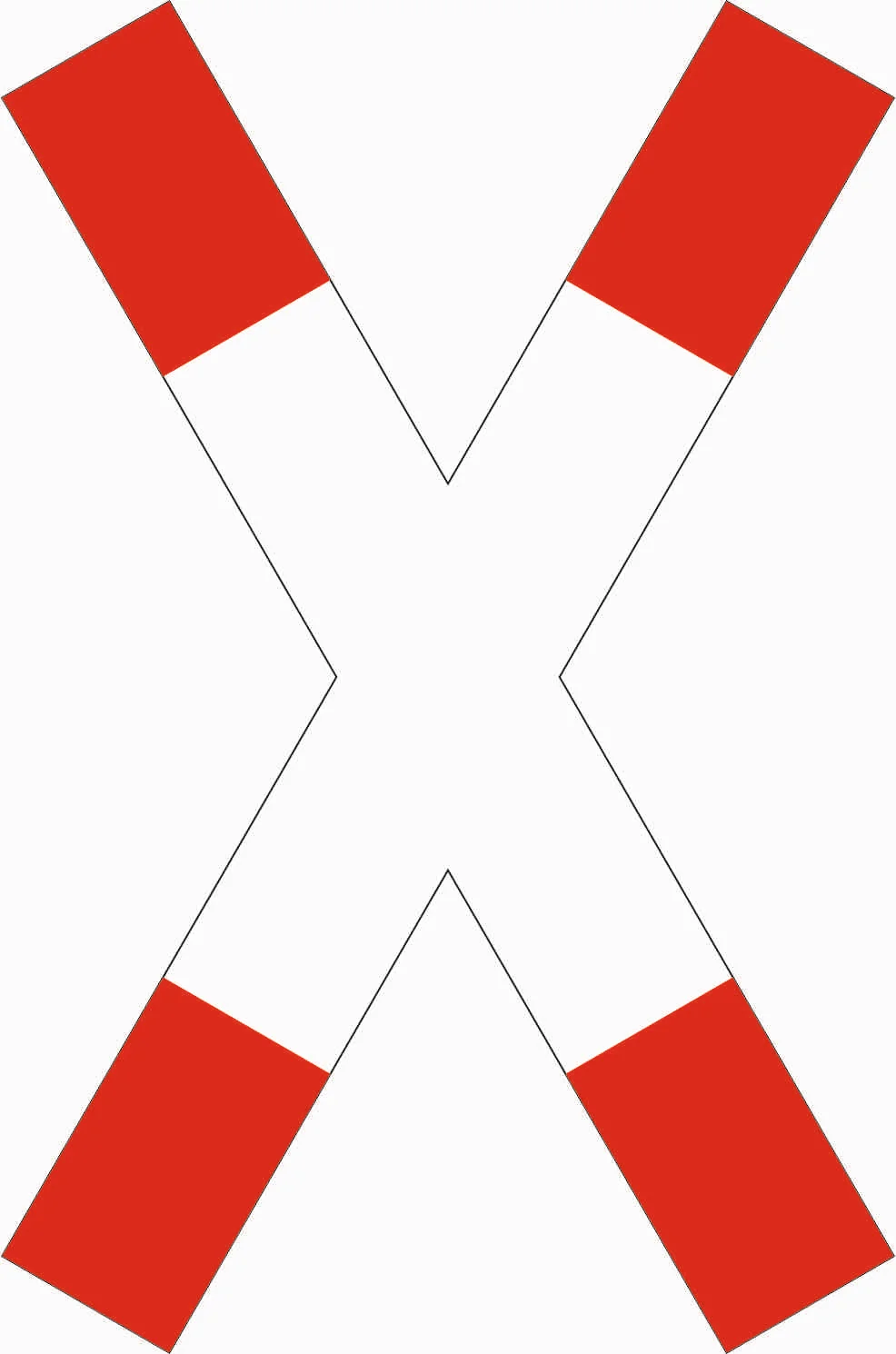
Master the Standing Railway Crossbuck (Andreaskreuz - stehend) Sign
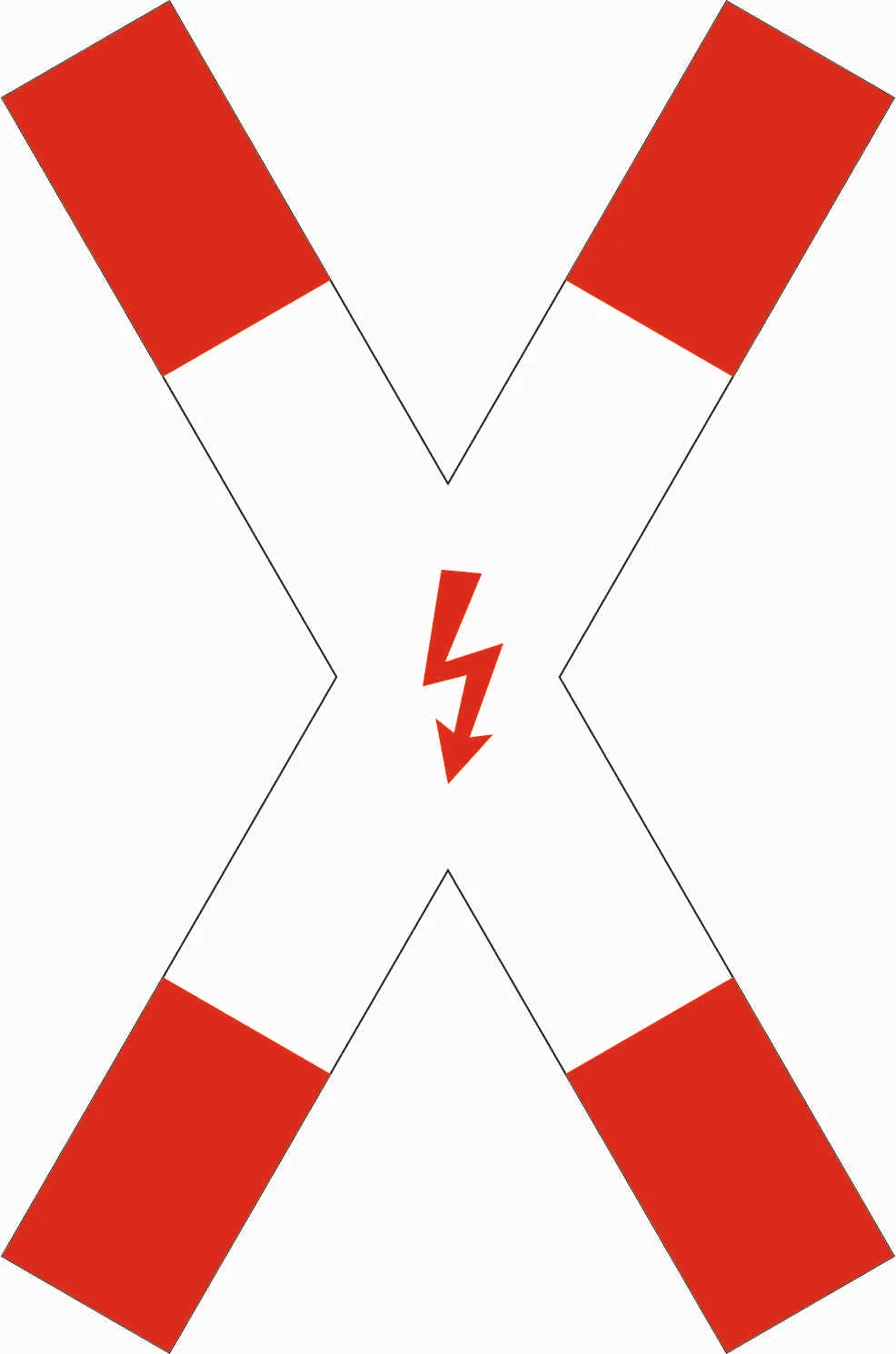
Understand the Railway Crossbuck with Blitzpfeil (Sign 201-51) in Germany
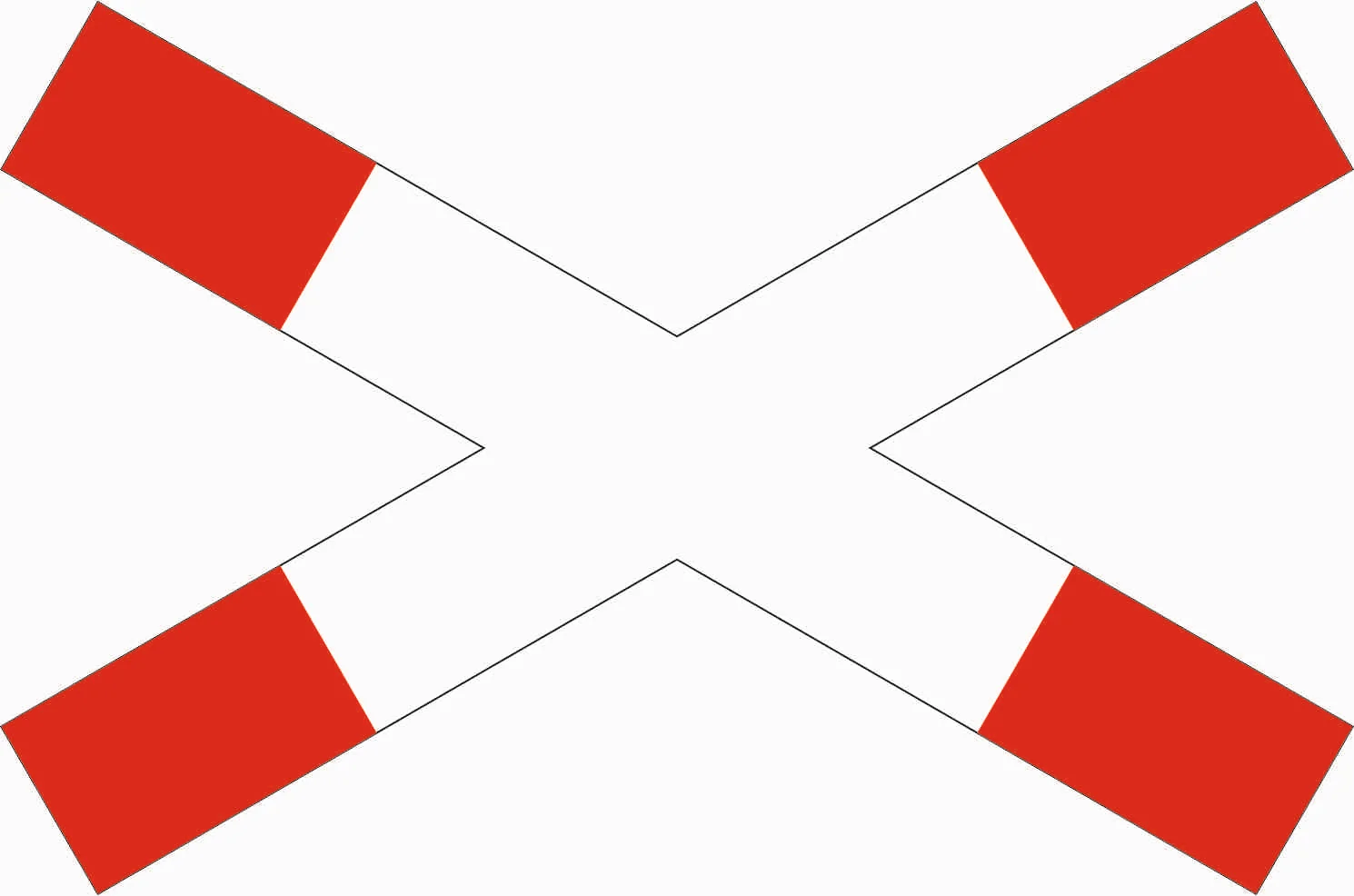
German road sign 201-52: The Railway Crossbuck 'Andreaskreuz - liegend'
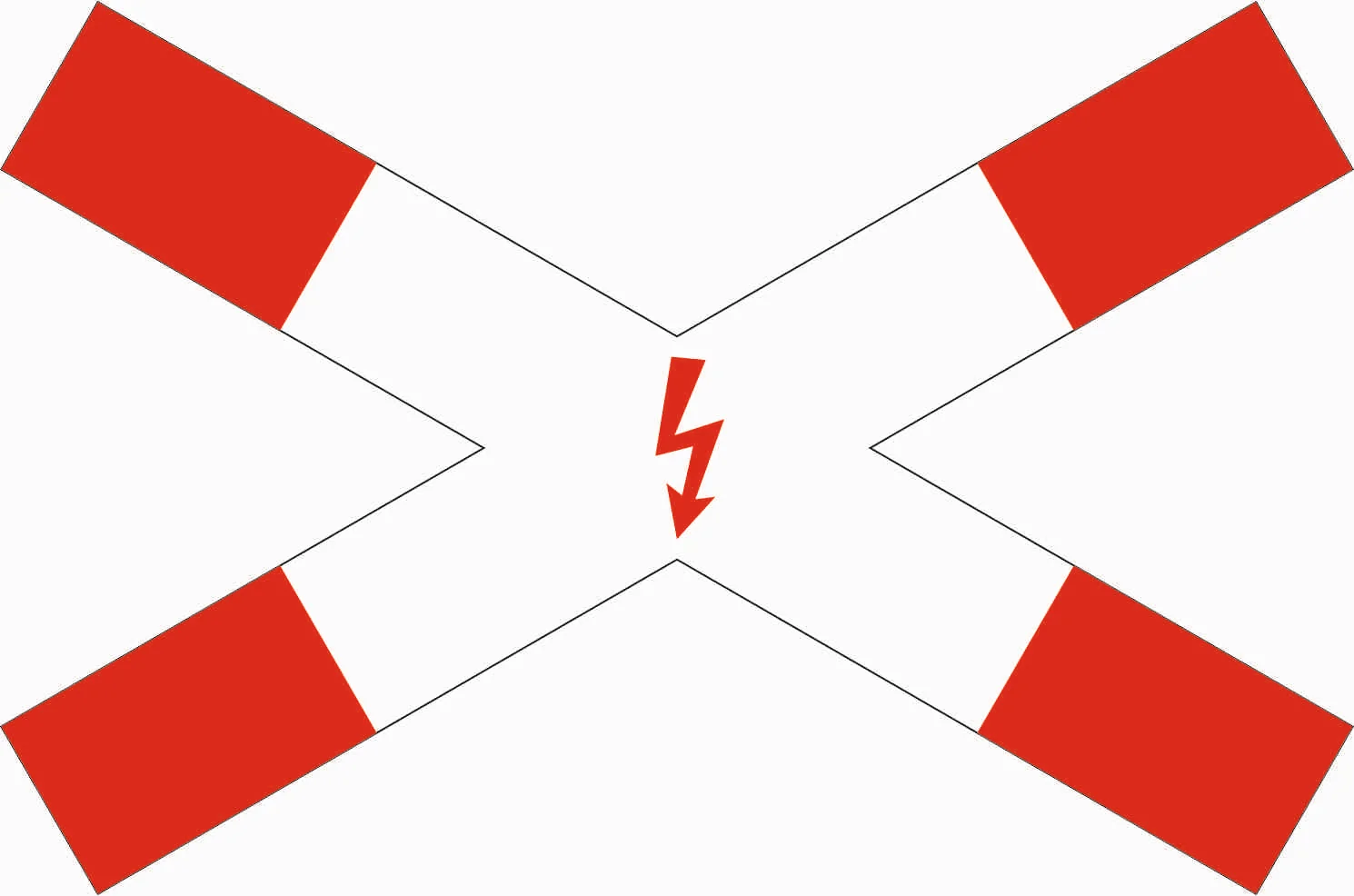
Germany's Railway Crossbuck Sign 201-53 with Blitzpfeil: What You Need to Know
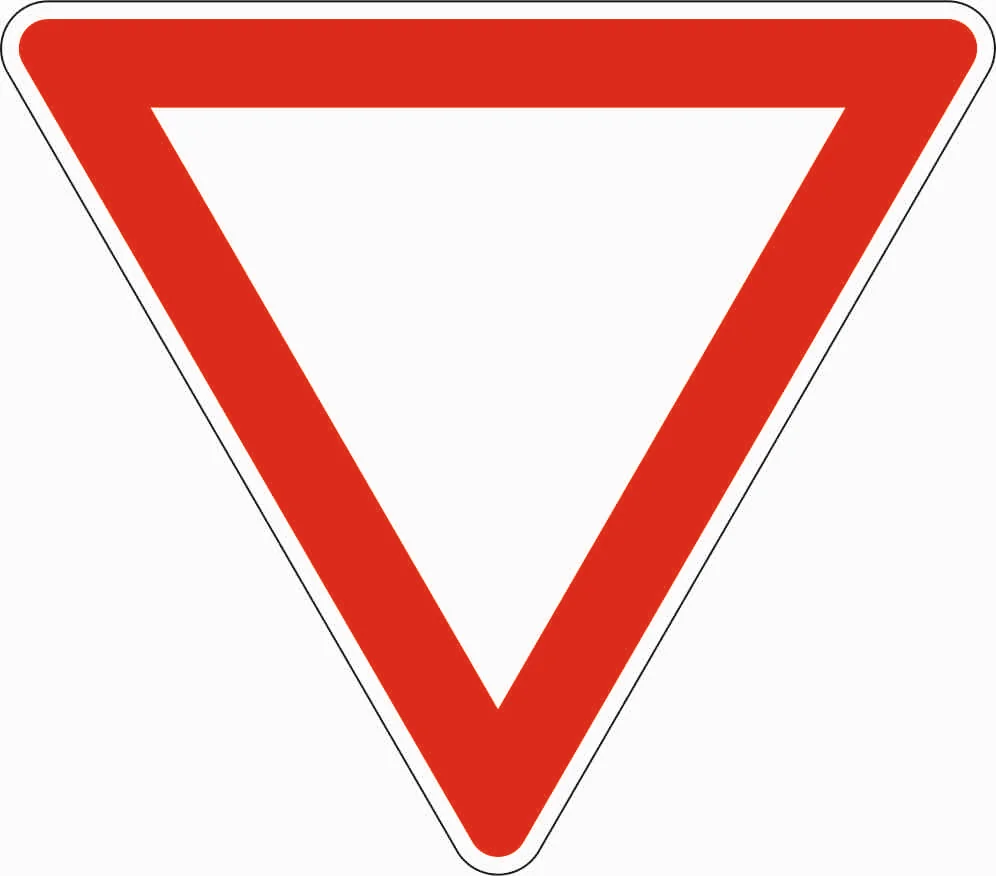
Understand the German "Yield" Sign (Sign 205 - Vorfahrt gewähren)
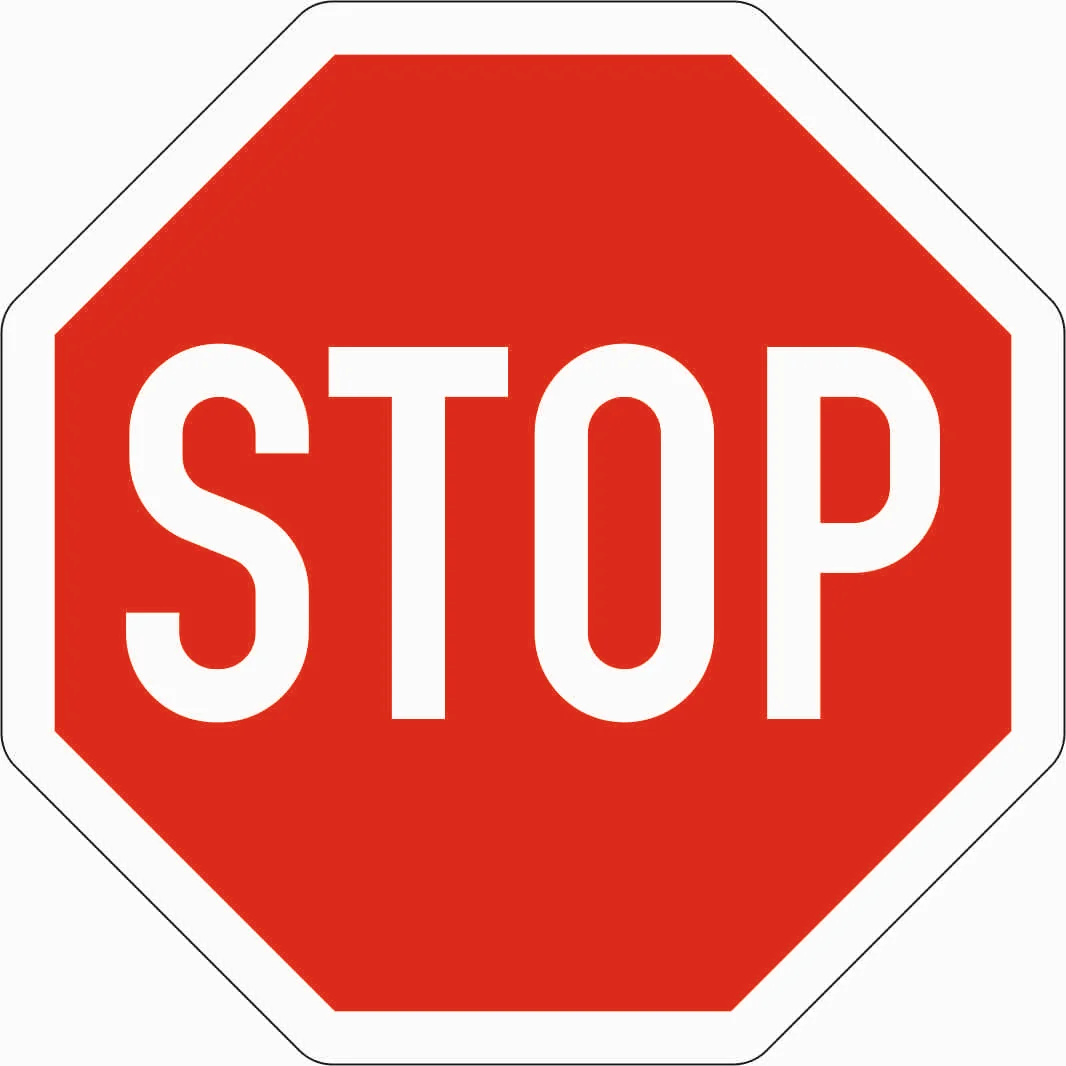
Sign 206: Stop and Yield – You must stop and give way
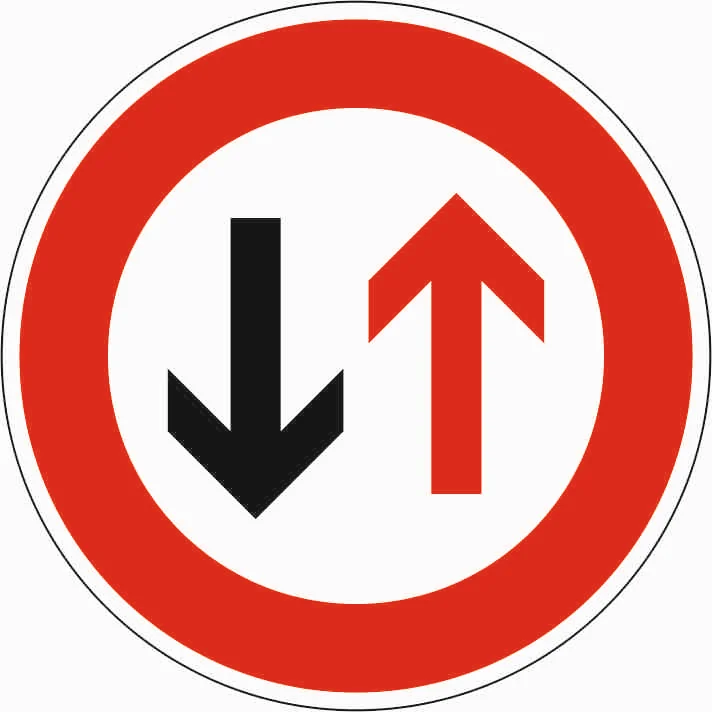
Sign 208: You Must Yield to Oncoming Traffic on This Road
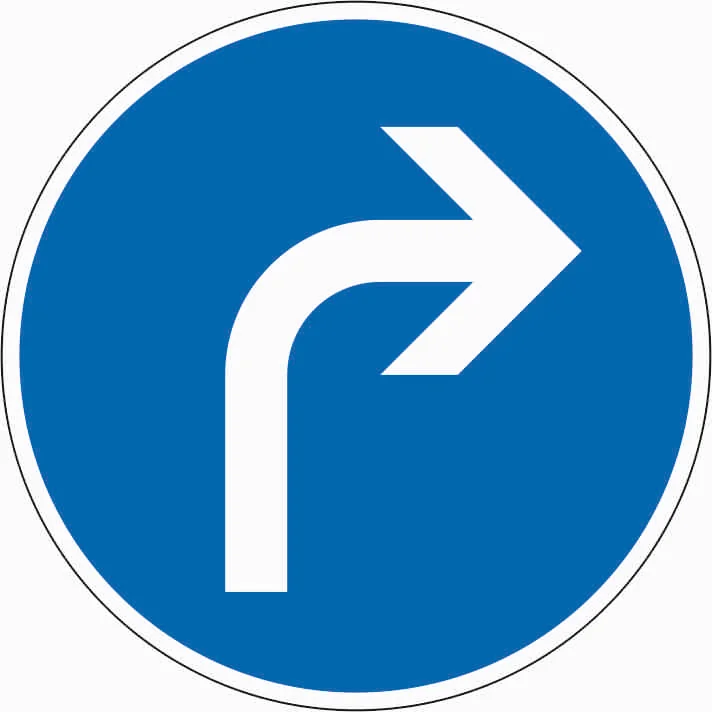
Mandatory Direction - Right: Sign 209 Explained
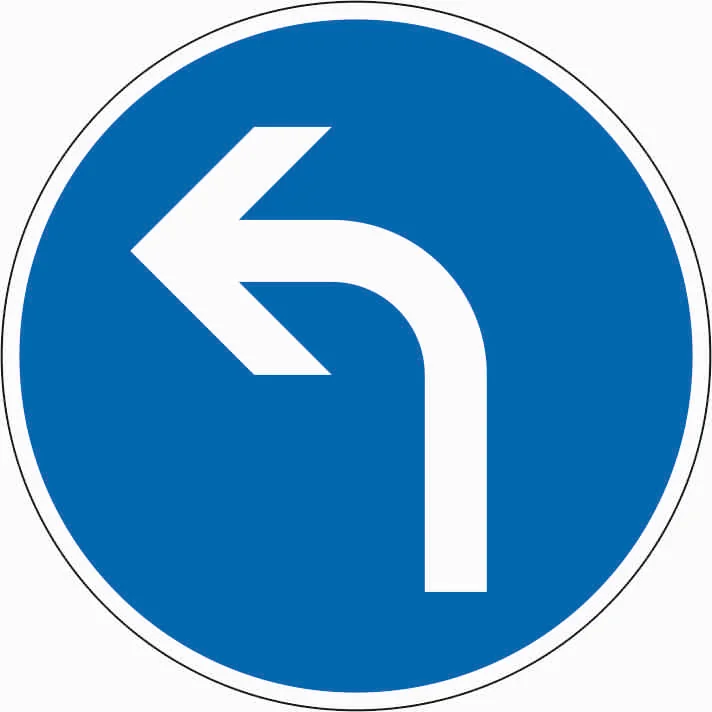
Follow the Arrow: Sign 209-10 Mandates a Left Turn or Direction.
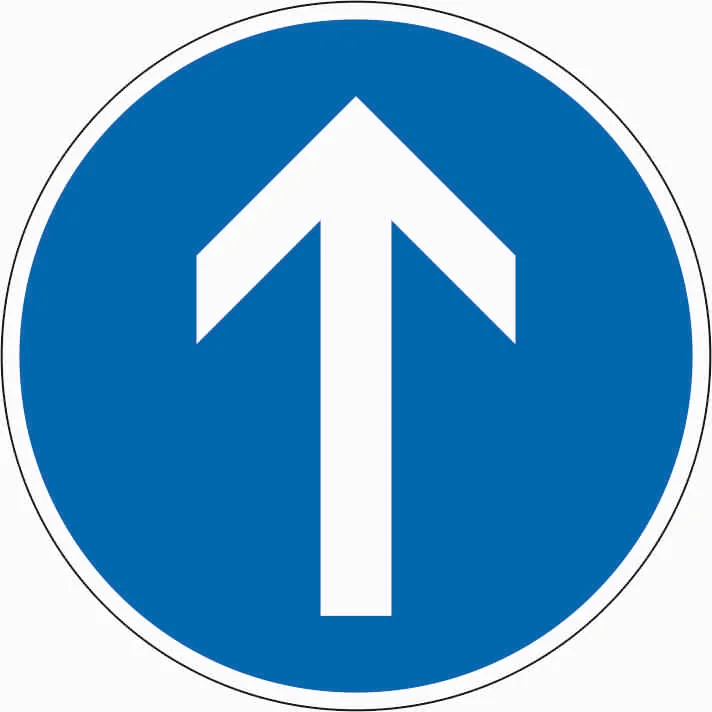
Know this Sign: 209-30 Mandatory Direction Straight Ahead
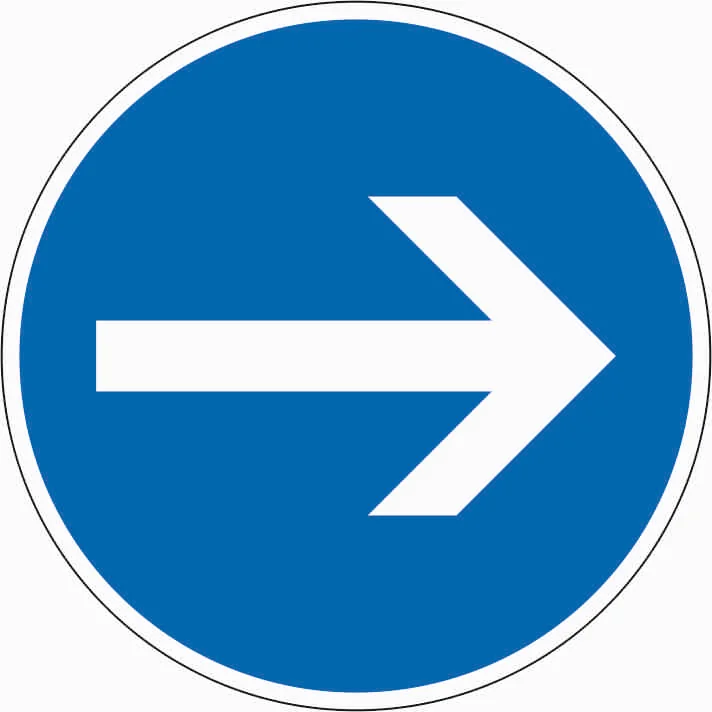
You Must Go Right: Understanding German Sign 211 (Mandatory Direction)
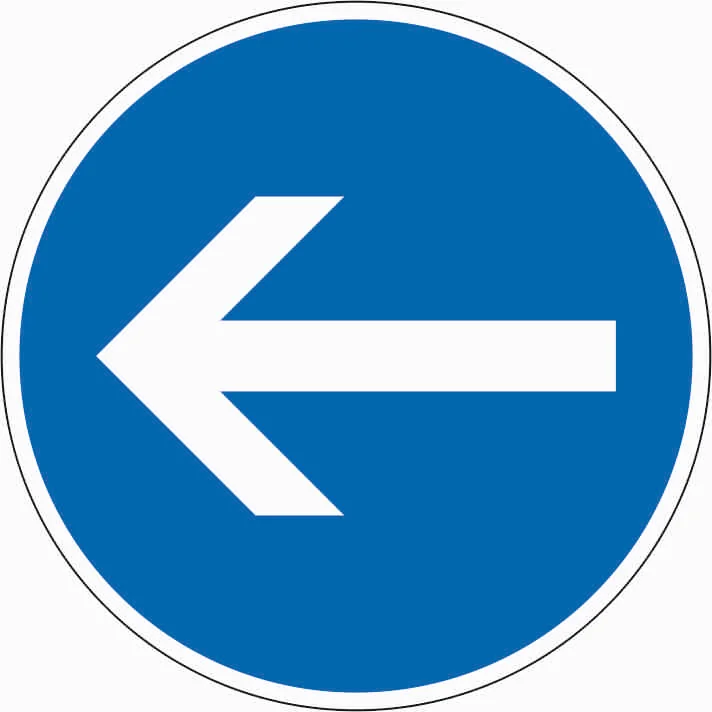
Follow This Mandatory Direction: Left Only!
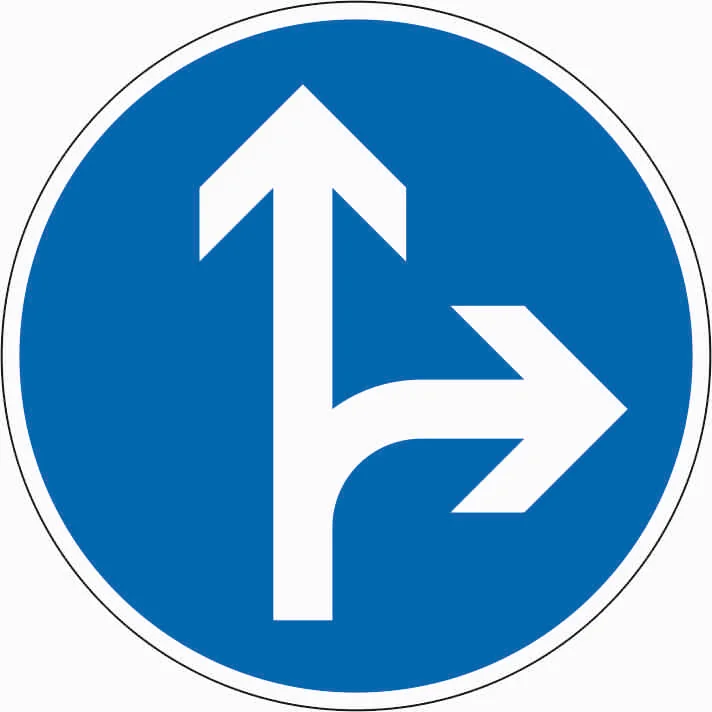
Sign 214: You Must Go Straight Ahead or Turn Right
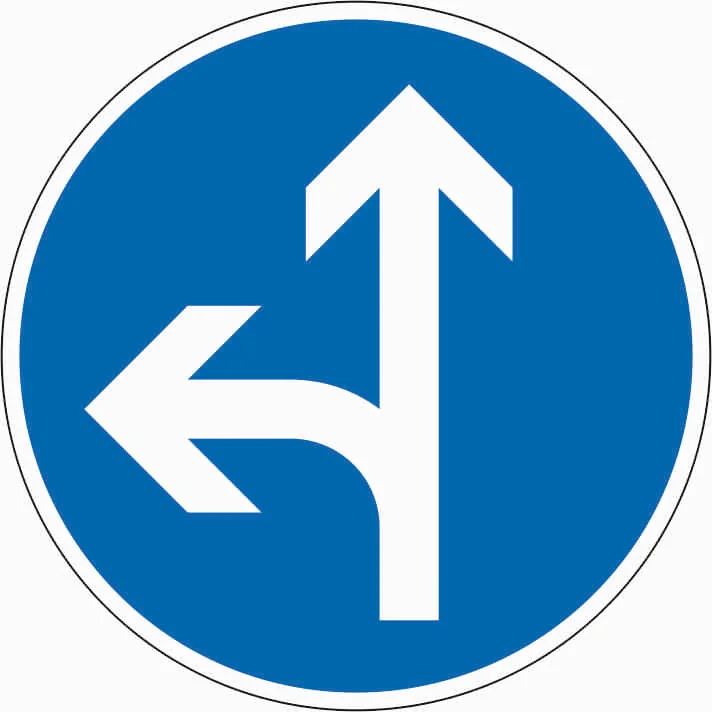
Mandatory Direction: You Must Go Straight Ahead or Left
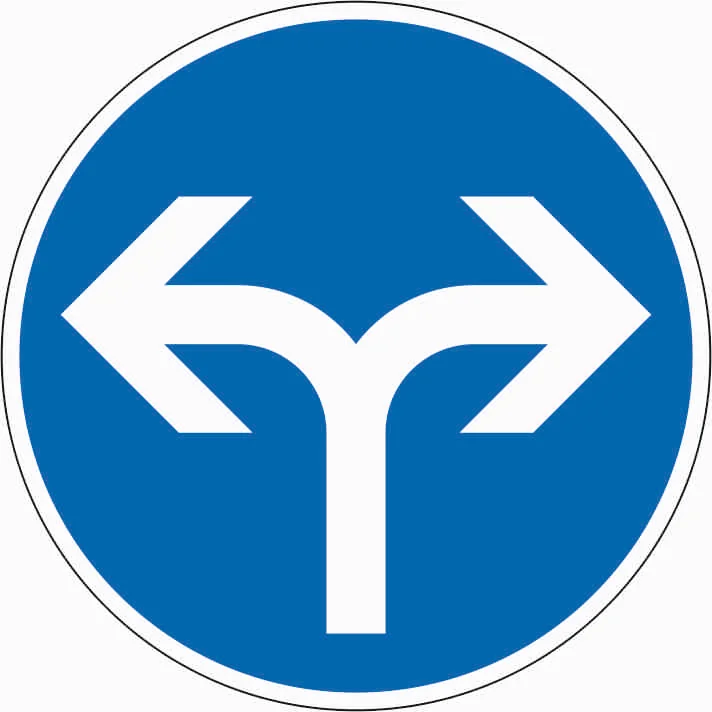
Sign 214-30: You must go right or left – mandatory directions ahead.
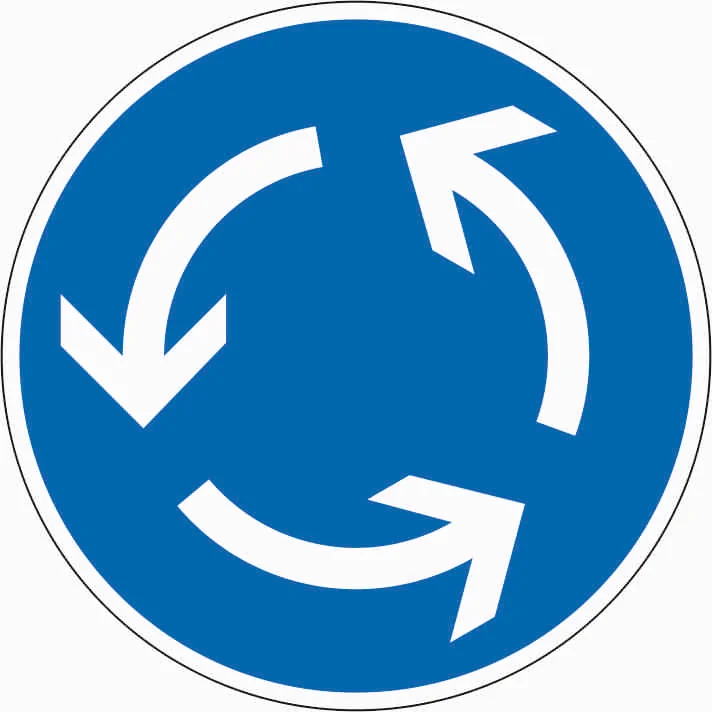
What does the German Roundabout (Kreisverkehr) sign mean?
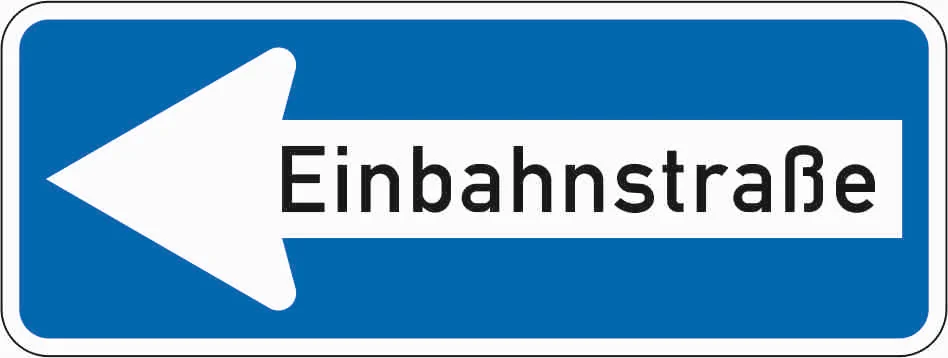
Master the 'One-way street - pointing left' sign (220-10) for German driving exams.
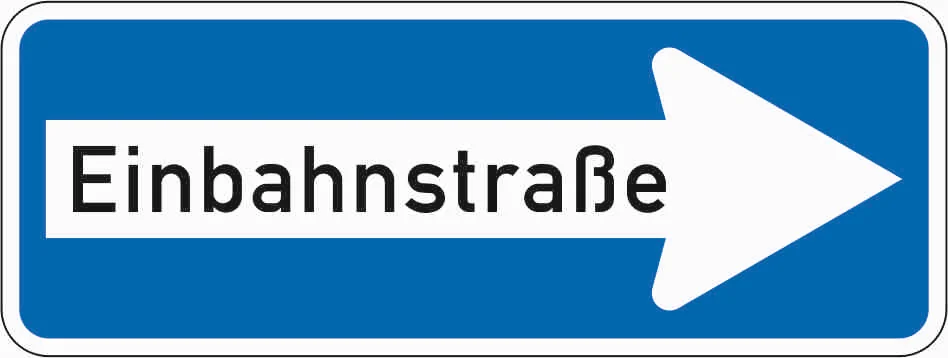
Sign 220-20: Navigate One-Way Streets Safely with This Rightward Arrow!
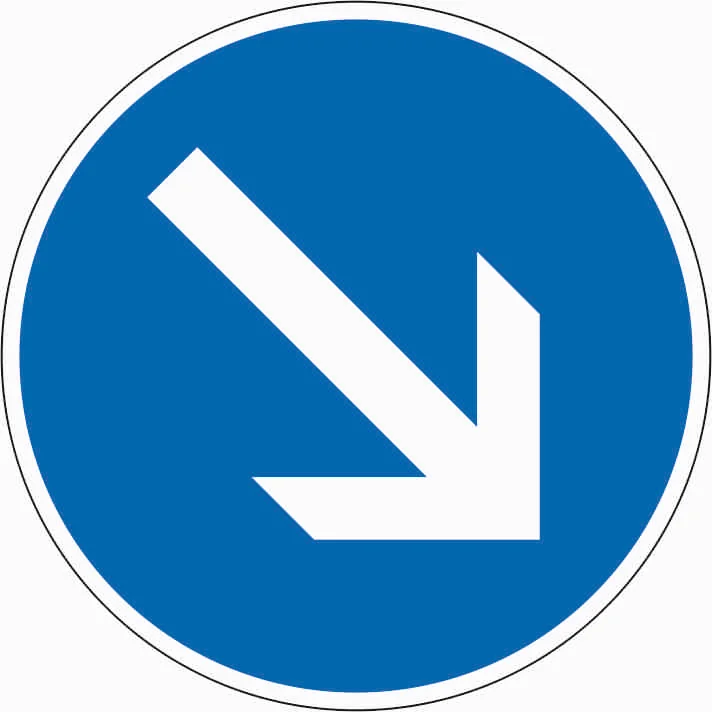
Mandatory Pass-By on the Right: Sign 222 Requires You to Go Right
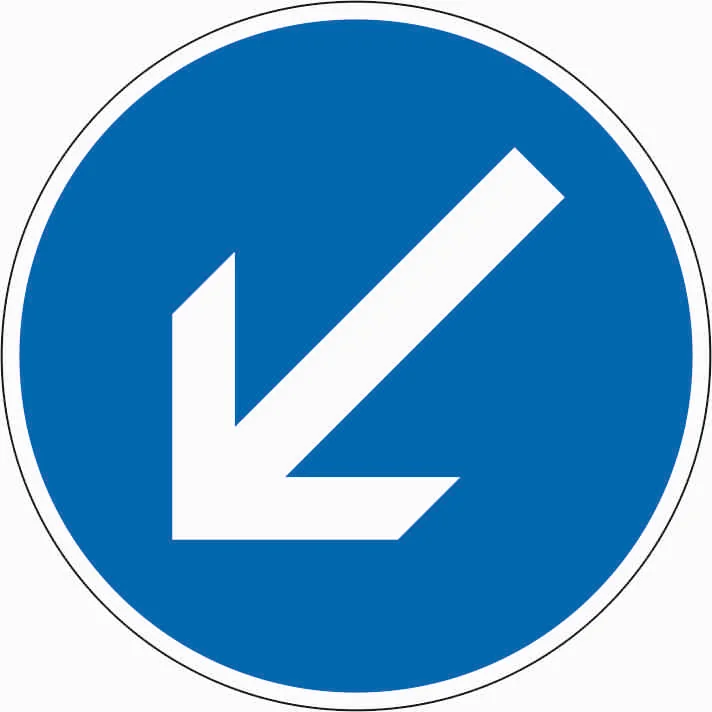
Mandatory Left Pass-By: Follow the Required Direction with Sign 222-10
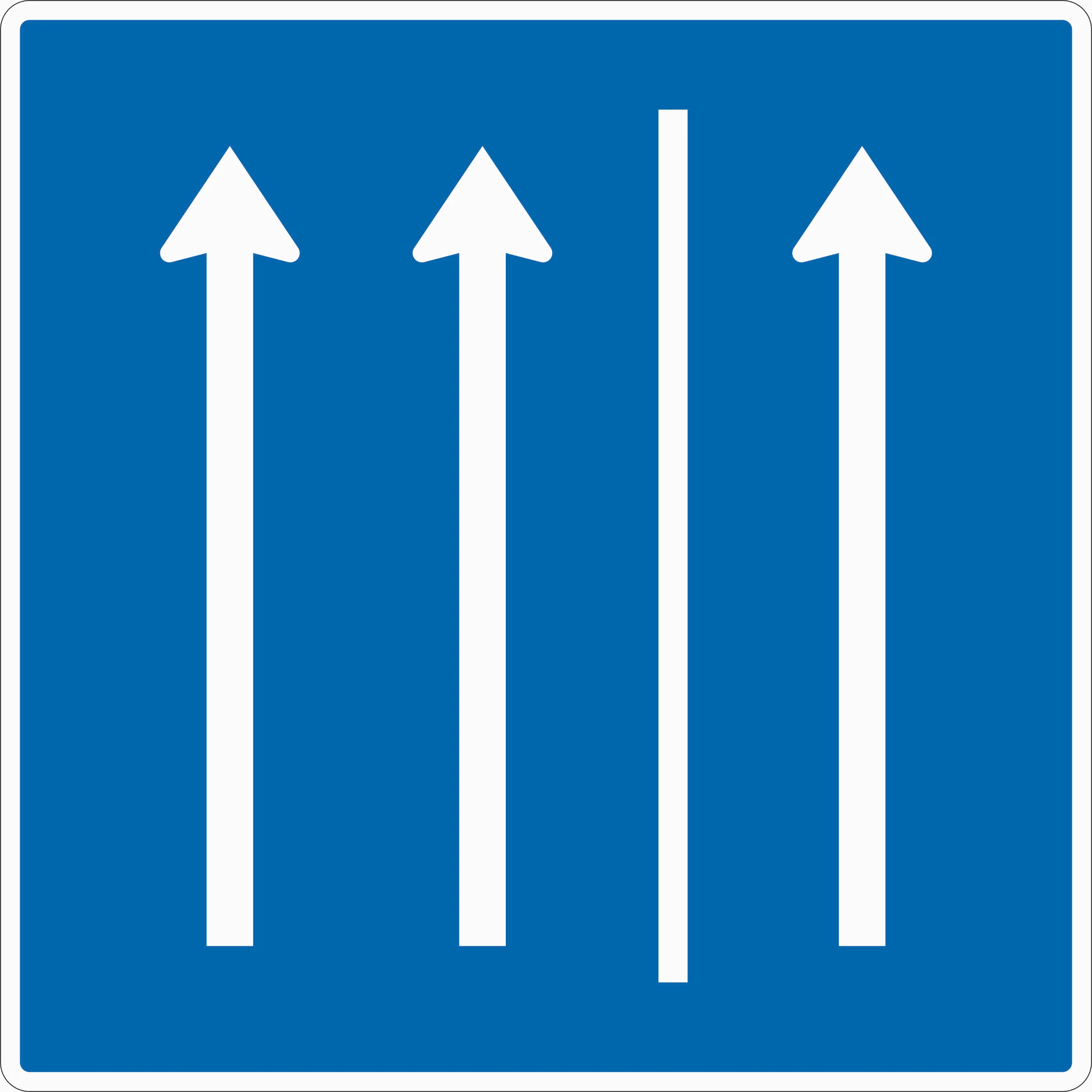
Use the Hard Shoulder as an Extra Lane: Sign 223.1-50 Explained
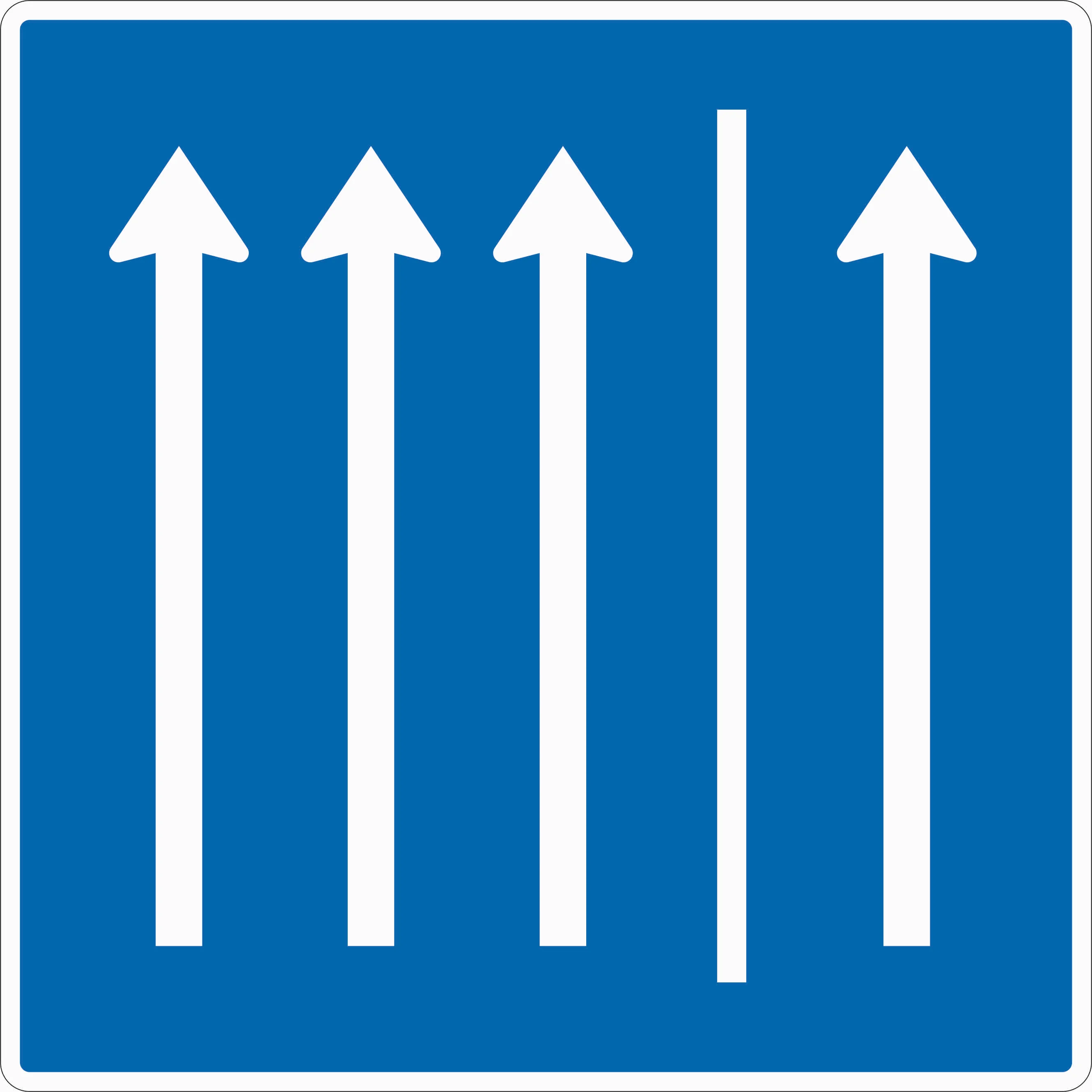
German Sign 223.1-51: Use the hard shoulder as a traffic lane
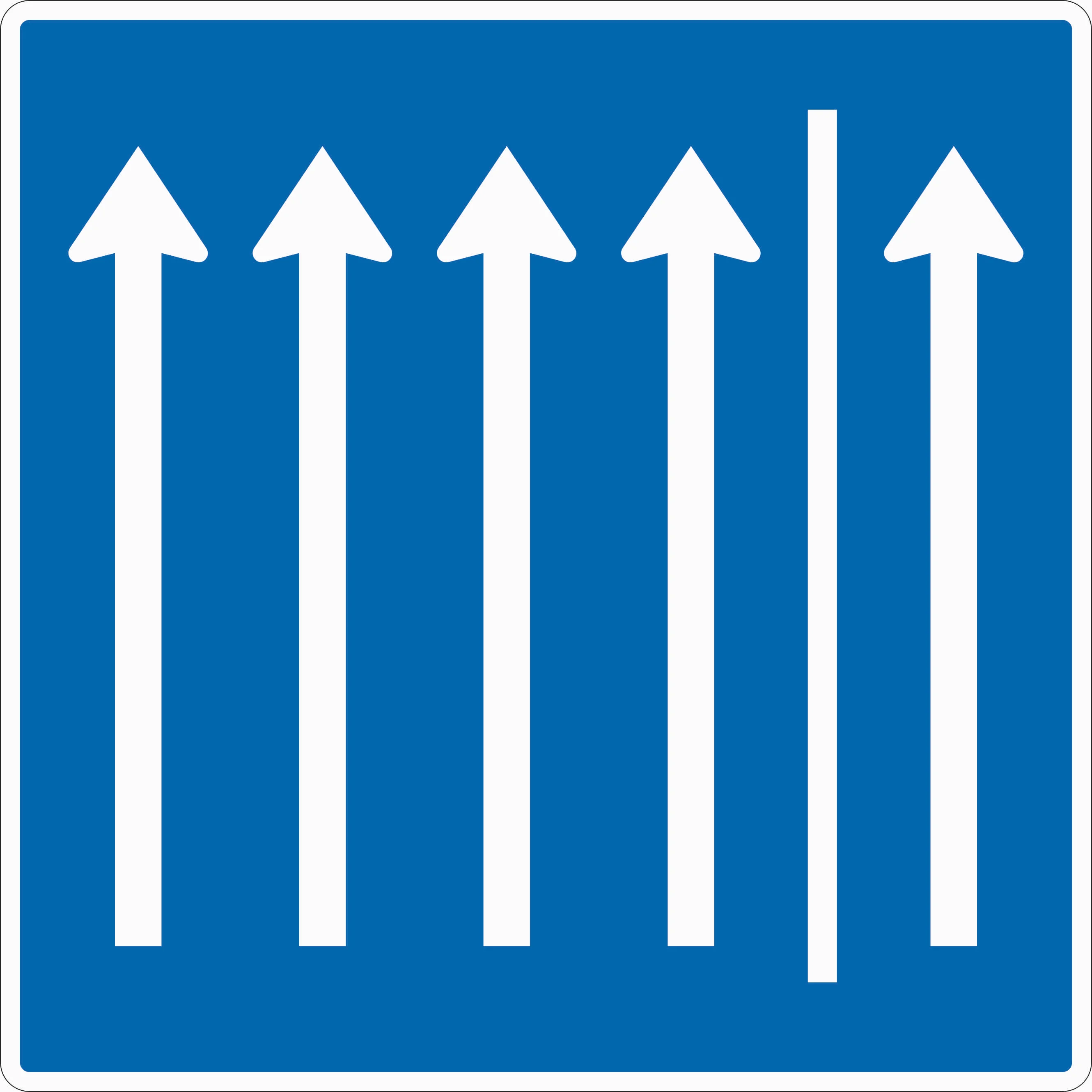
Sign 223.1-52: Use the Hard Shoulder as an Extra Lane
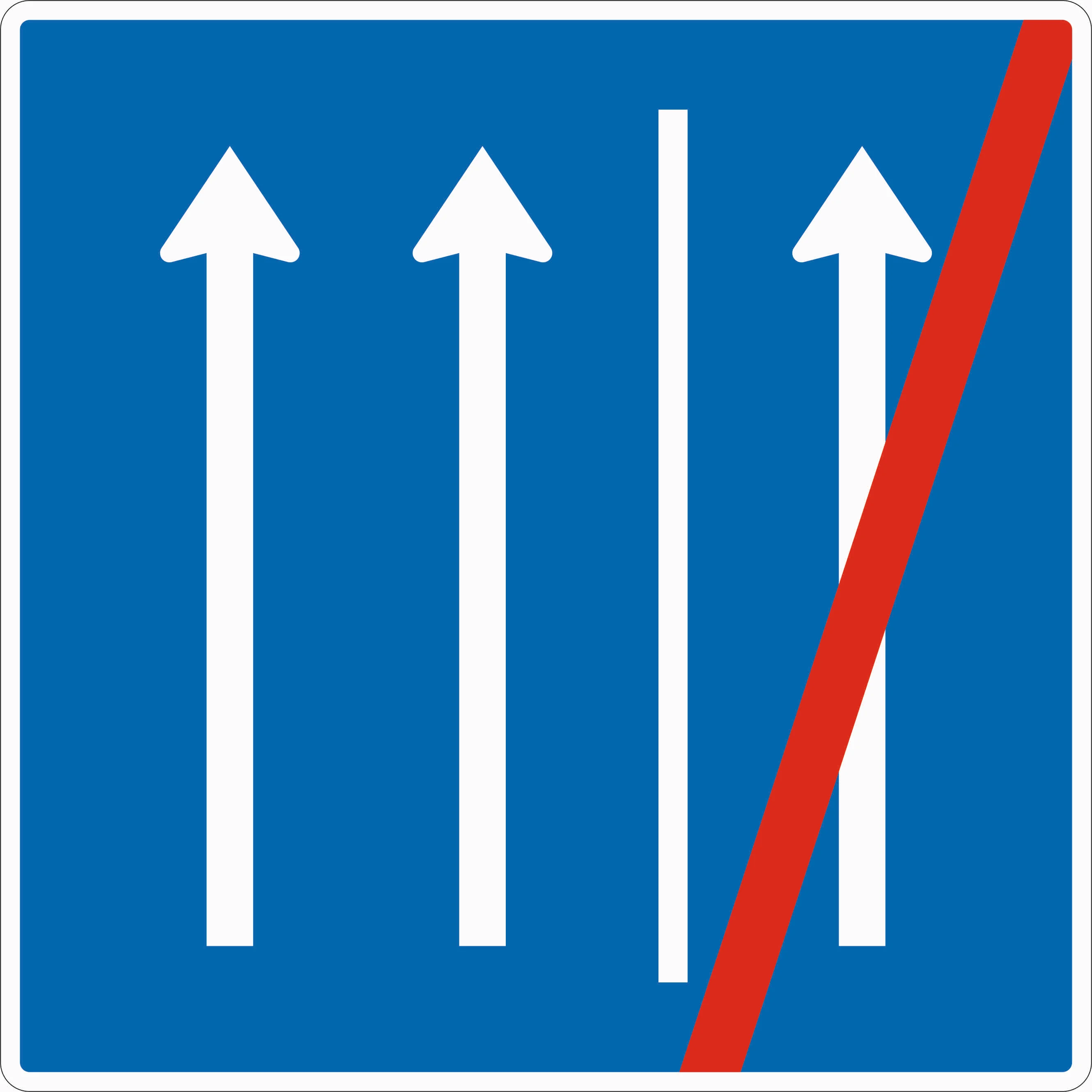
Sign 223.2-50: The Hard Shoulder is No Longer a Traffic Lane Here
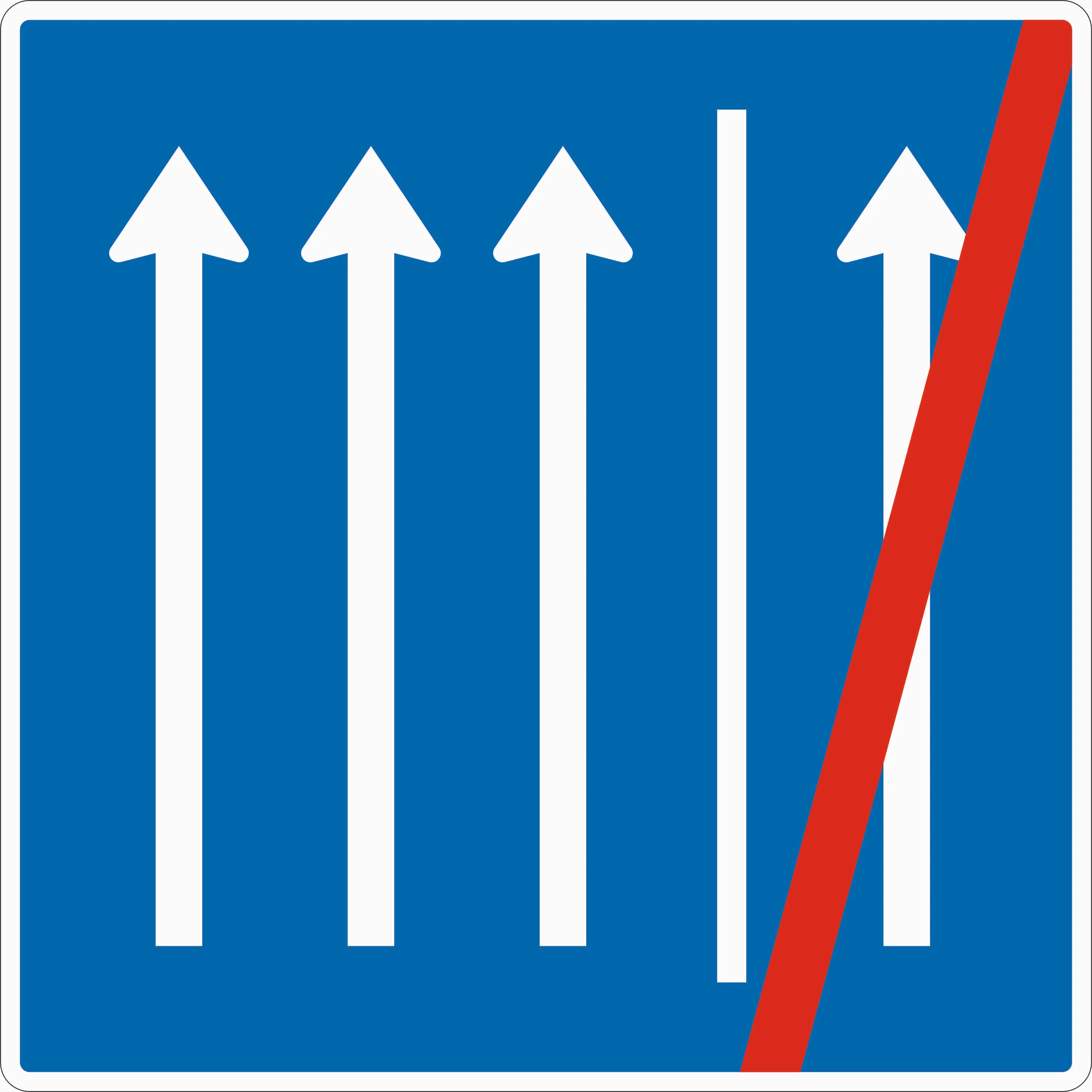
Sign 223.2-51: The Hard Shoulder is No Longer a Lane Ahead
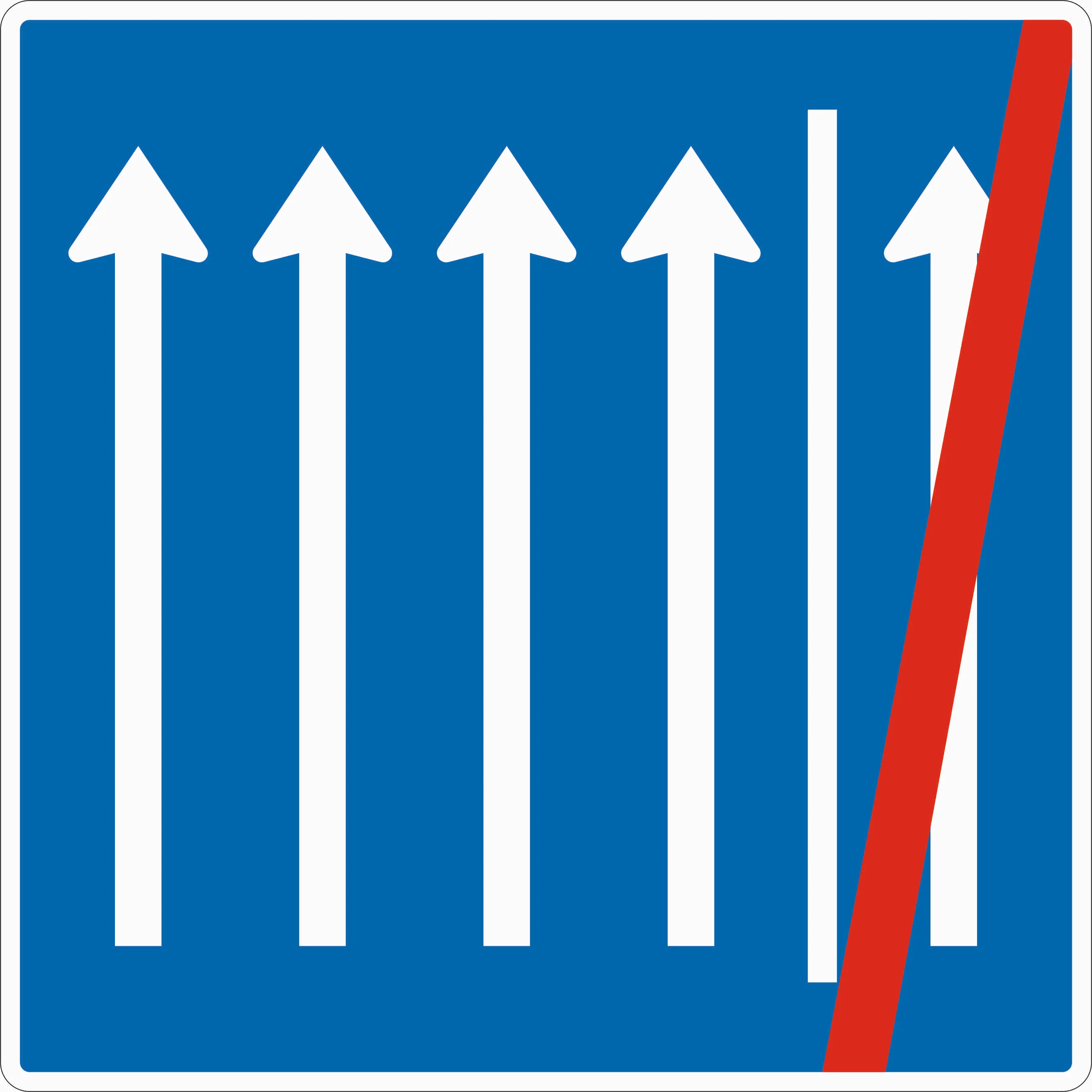
Sign 223.2-52: The Hard Shoulder Is No Longer a Lane
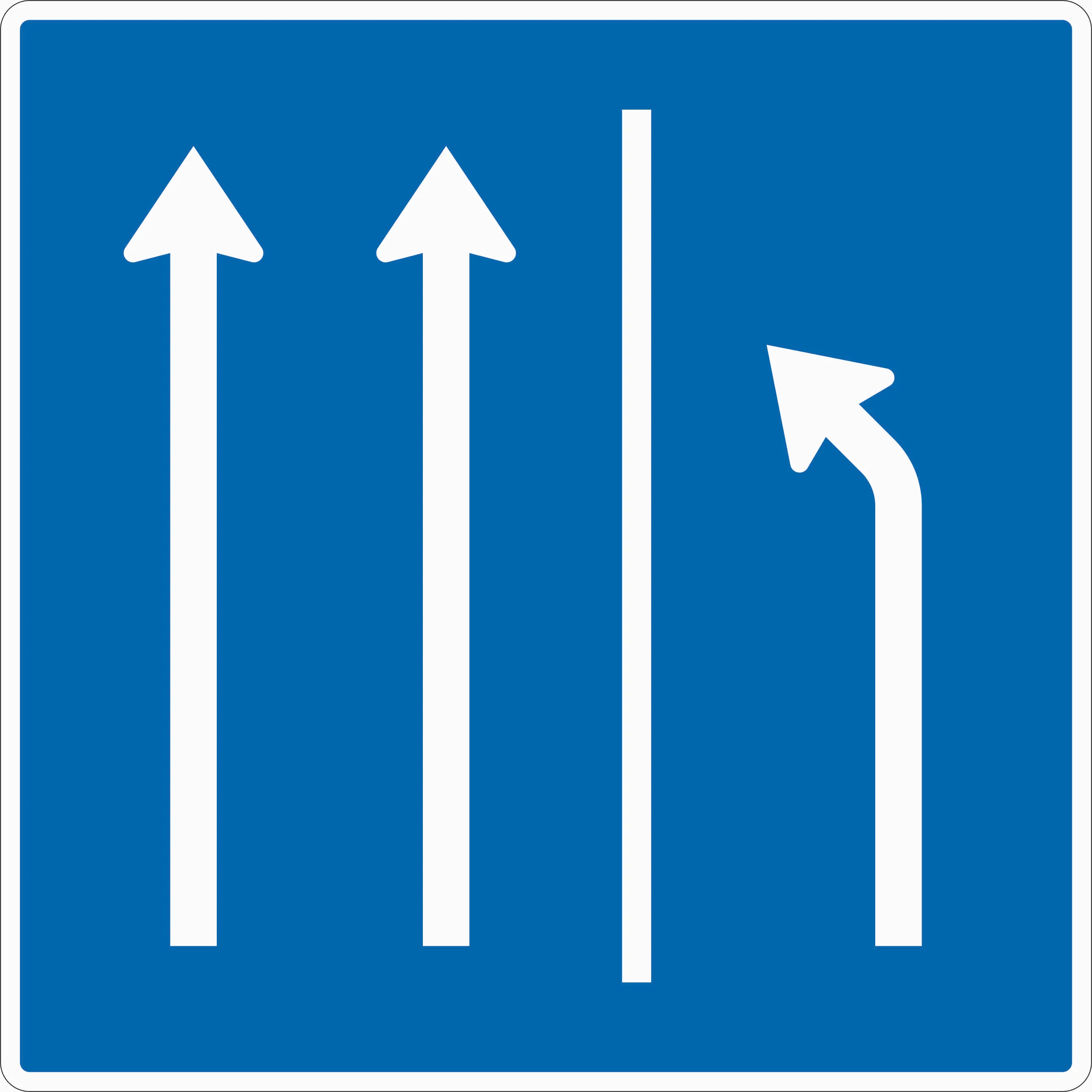
Understand German Sign 223.3-50: Vacate the Hard Shoulder Lane
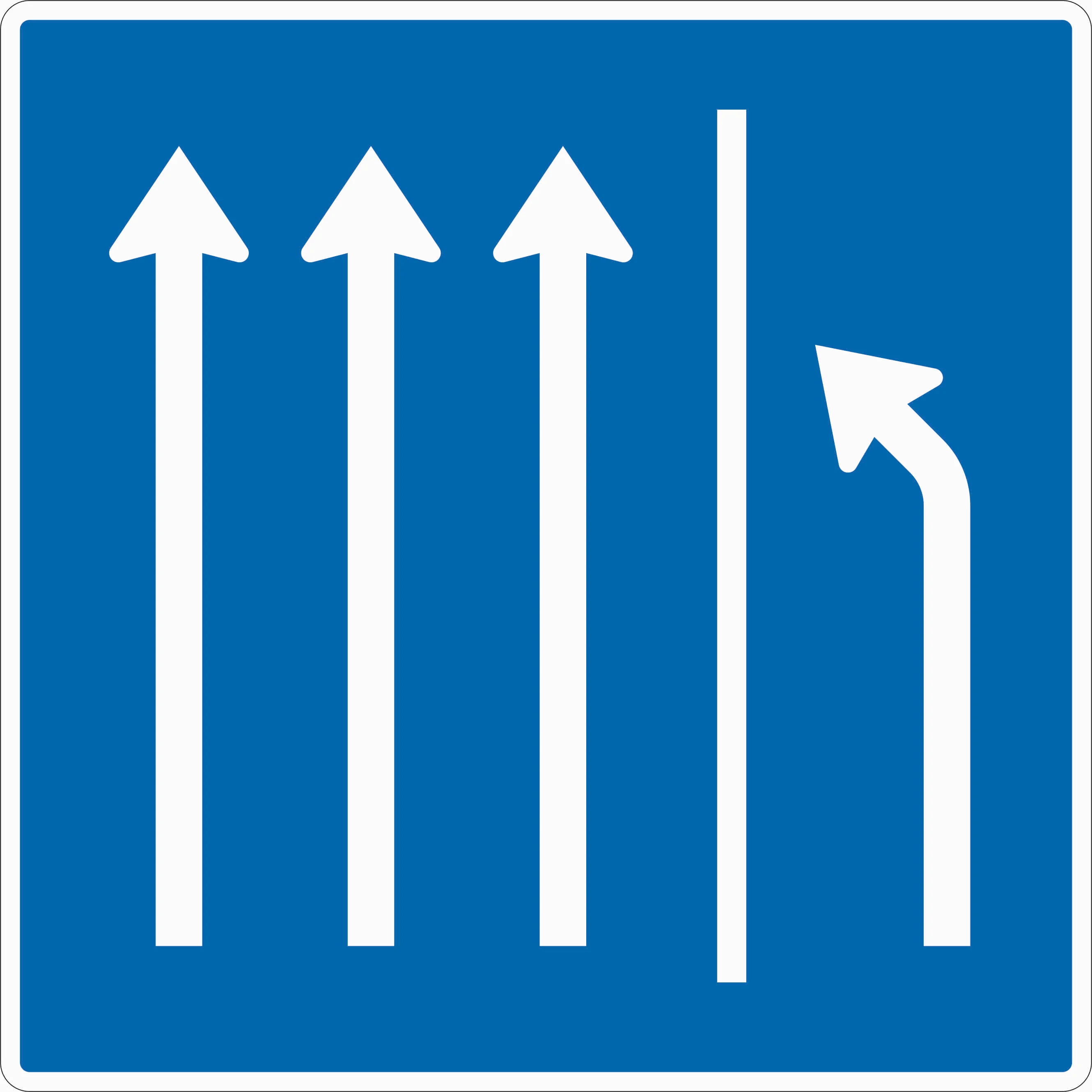
This traffic sign tells you to vacate the hard shoulder lane.
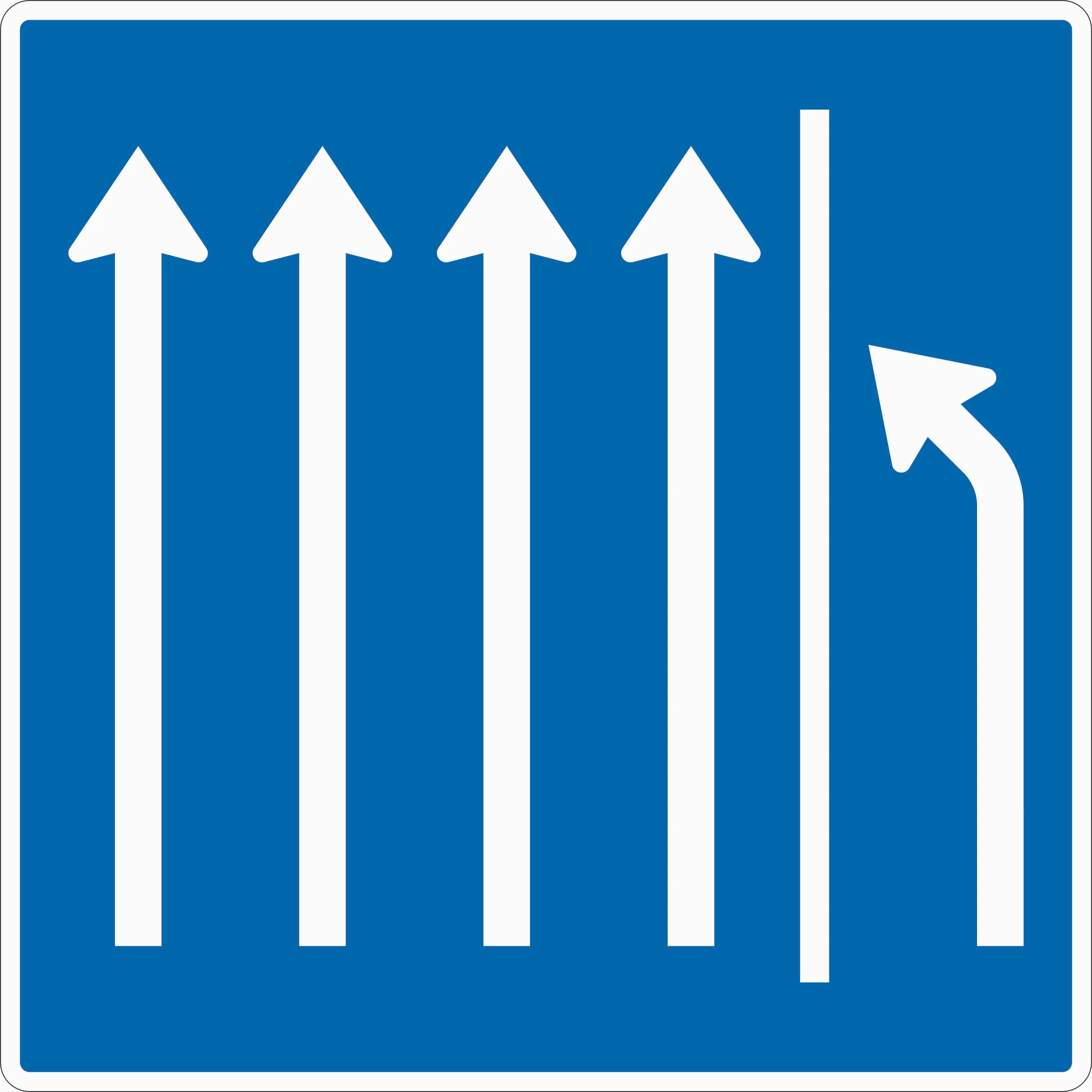
German Road Sign 223.3-52: Prepare to Vacate the Hard Shoulder Lane
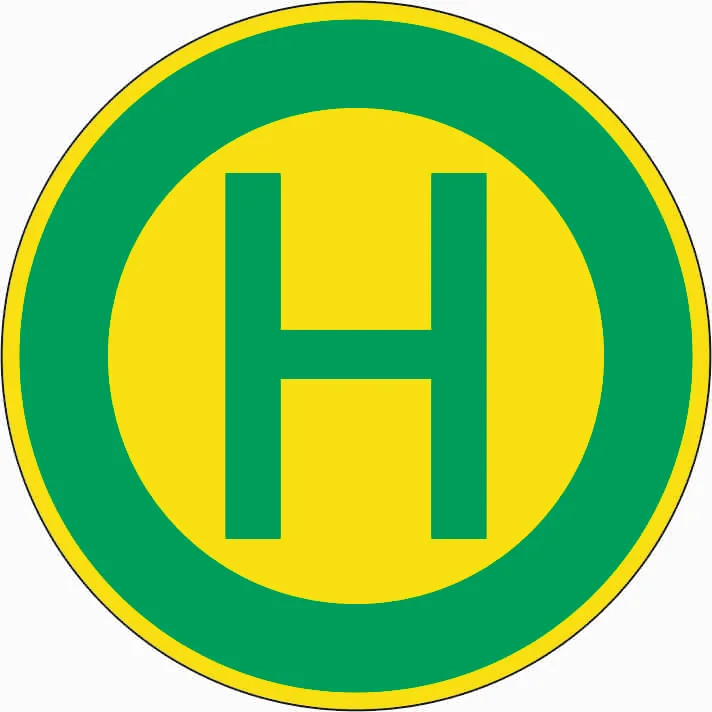
What does the 'Bus or tram stop' sign (224) mean for your driving?
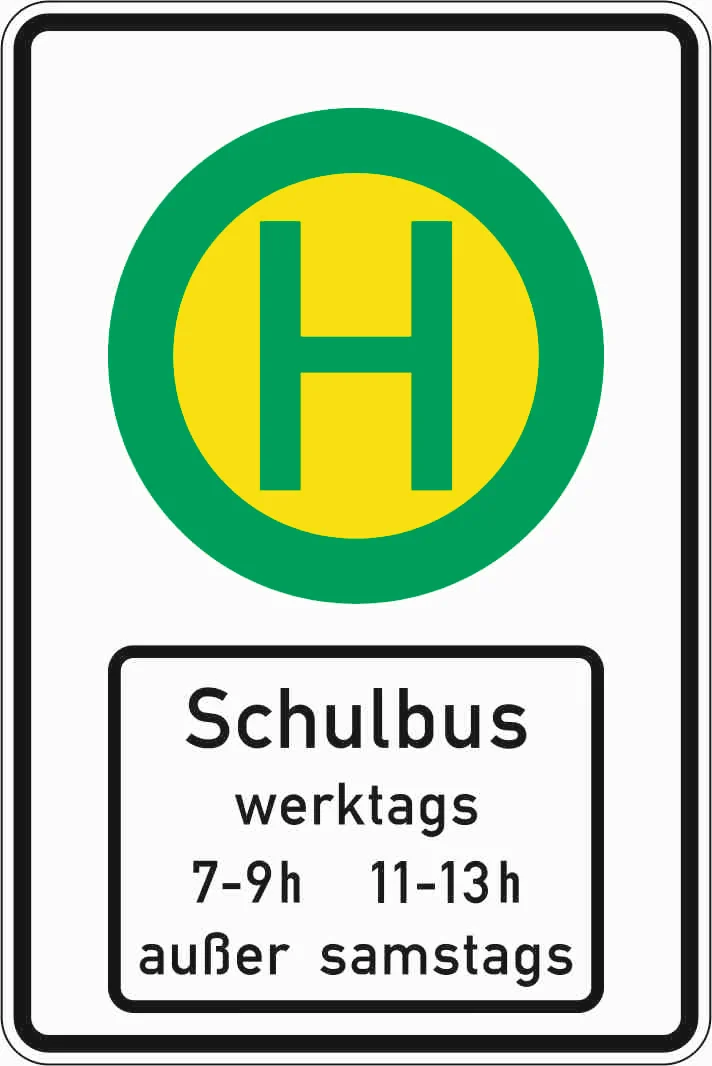
Understand the School Bus Stop sign (224-51) in Germany
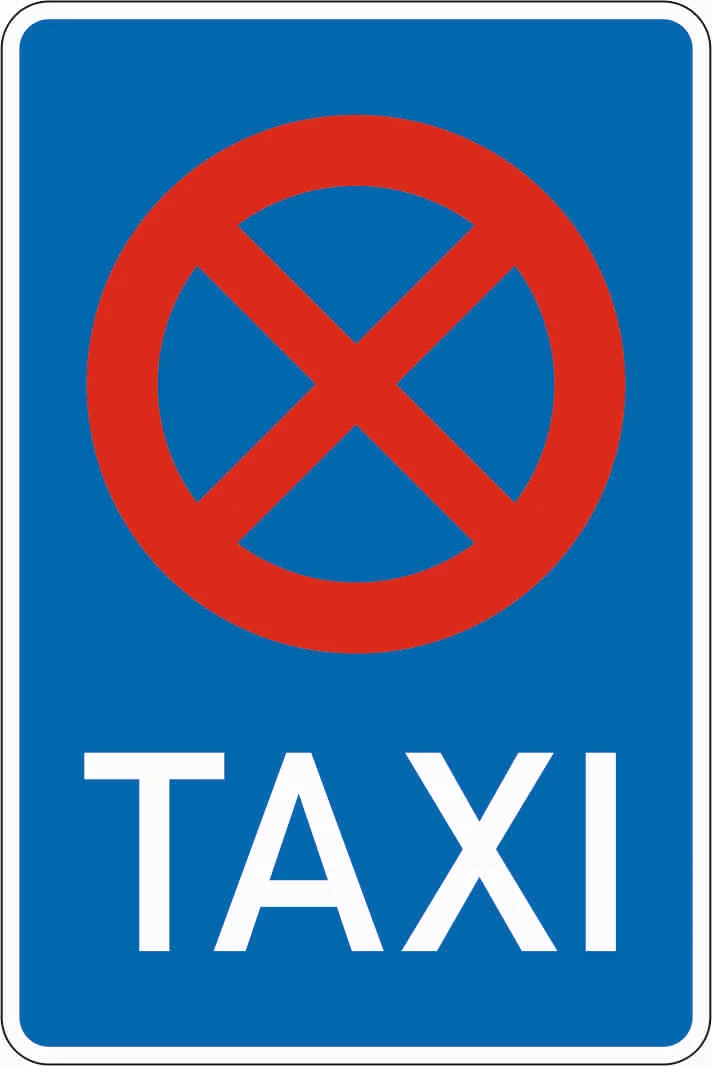
Sign 229: Recognising a Taxi Stand (Taxenstand) in Germany
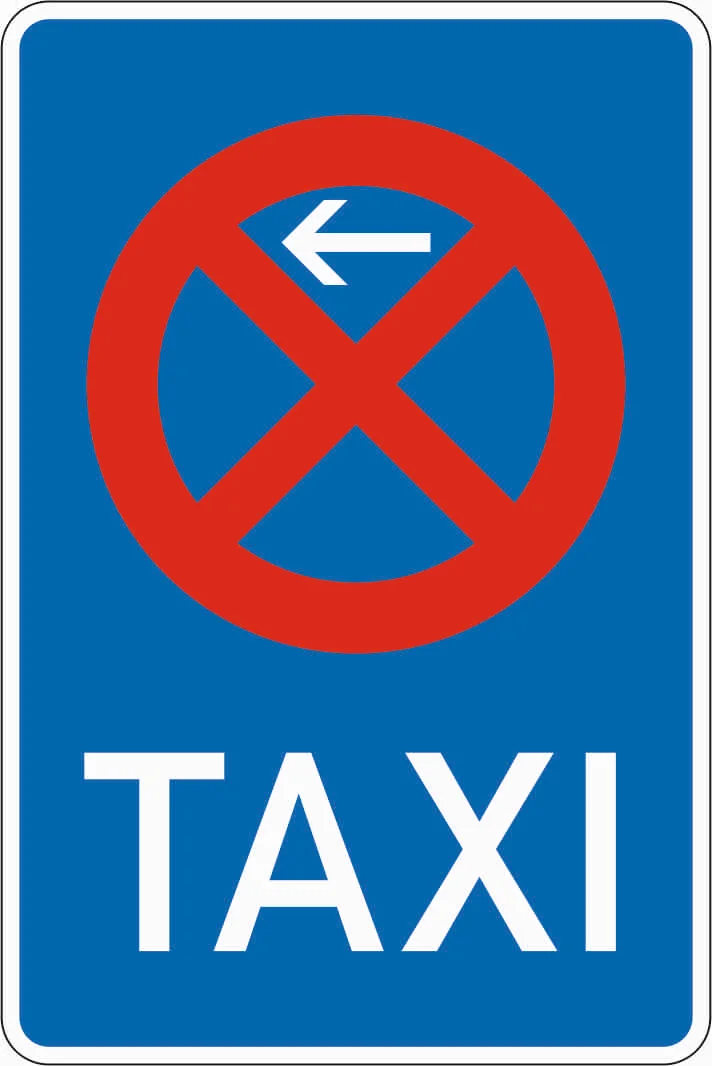
Taxi Stand Start: Understand Sign 229-10 for Driving in Germany
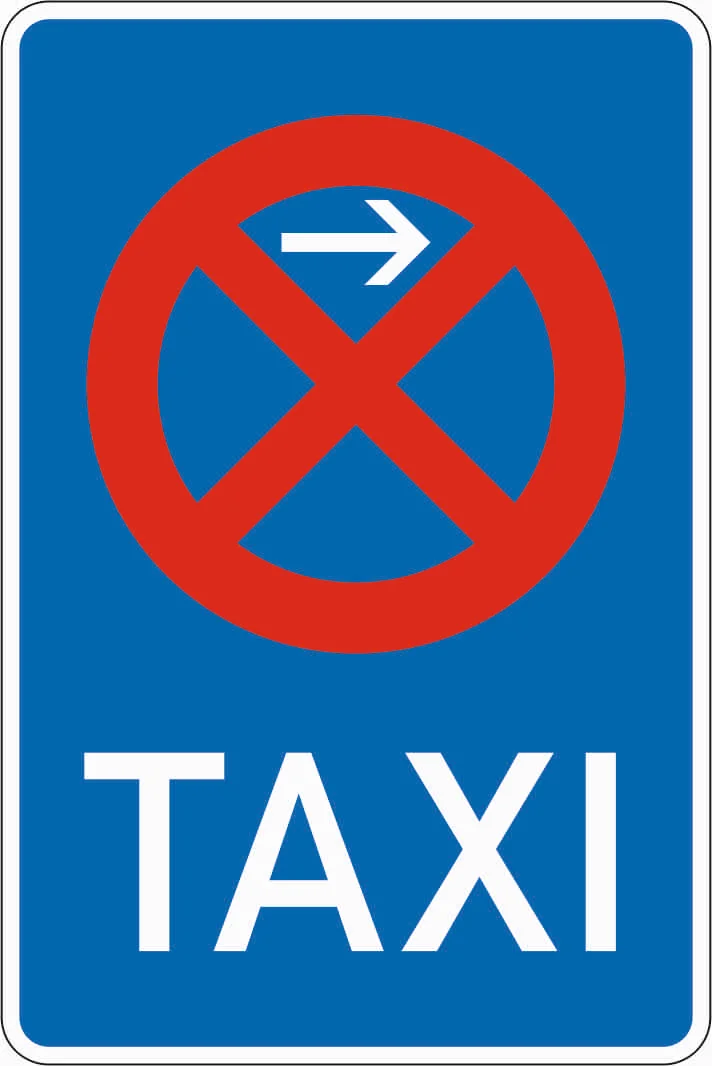
Sign 229-11: End of Taxi Stand (Left Installation) – Know When to Proceed Normally
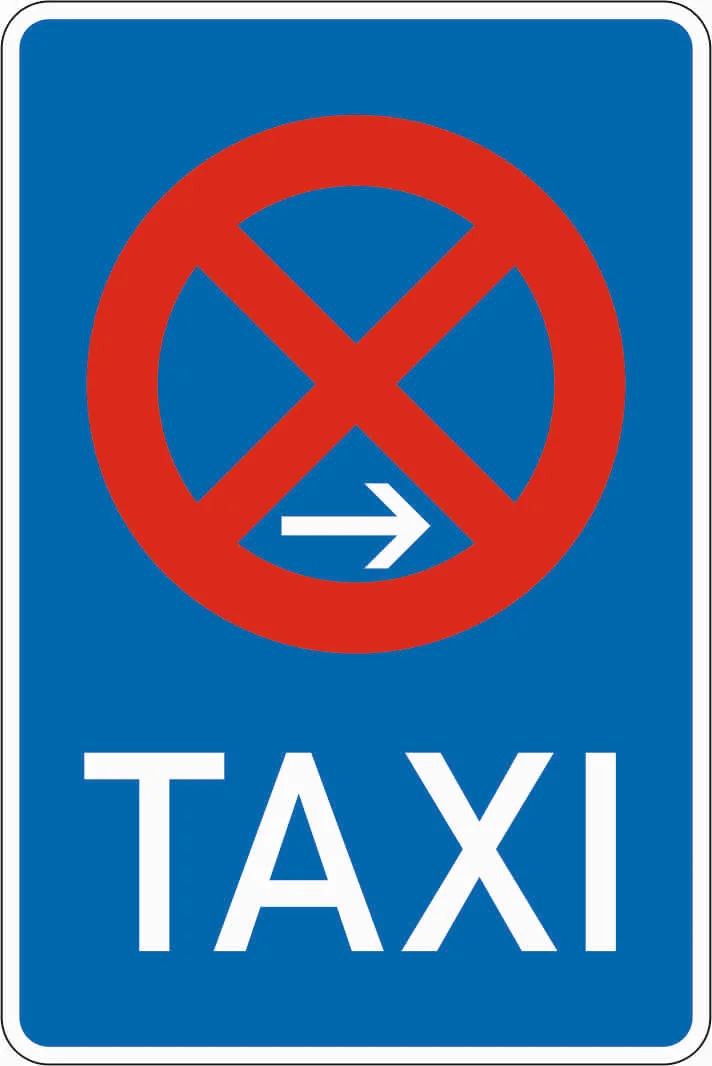
End of the Taxi Stand Zone: Sign 229-20 Guides You Out
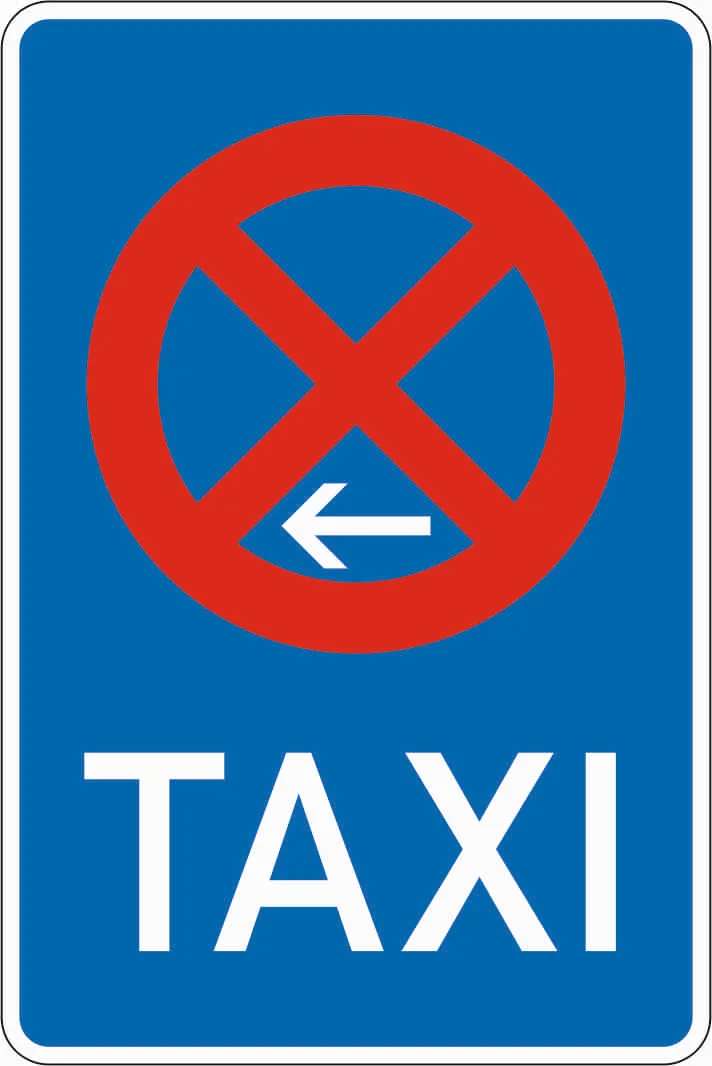
Taxi Stand - Start - Installed on the Left Sign (229-21)
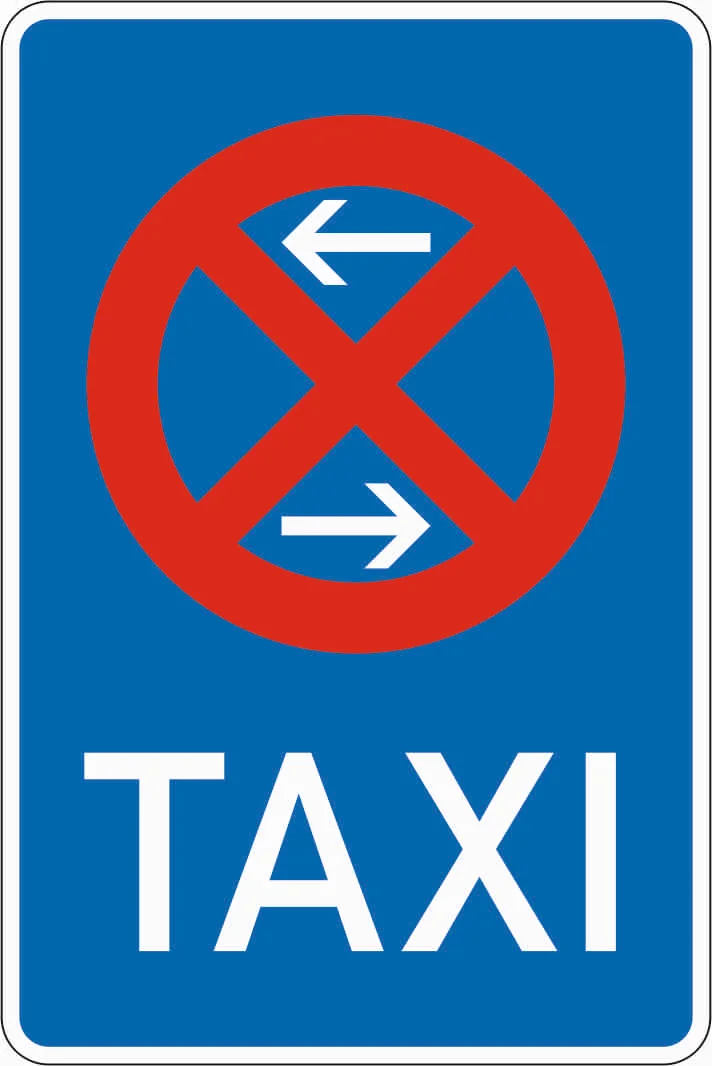
Taxi Stand Sign (229-30): Understand This Regulatory Sign's Instructions
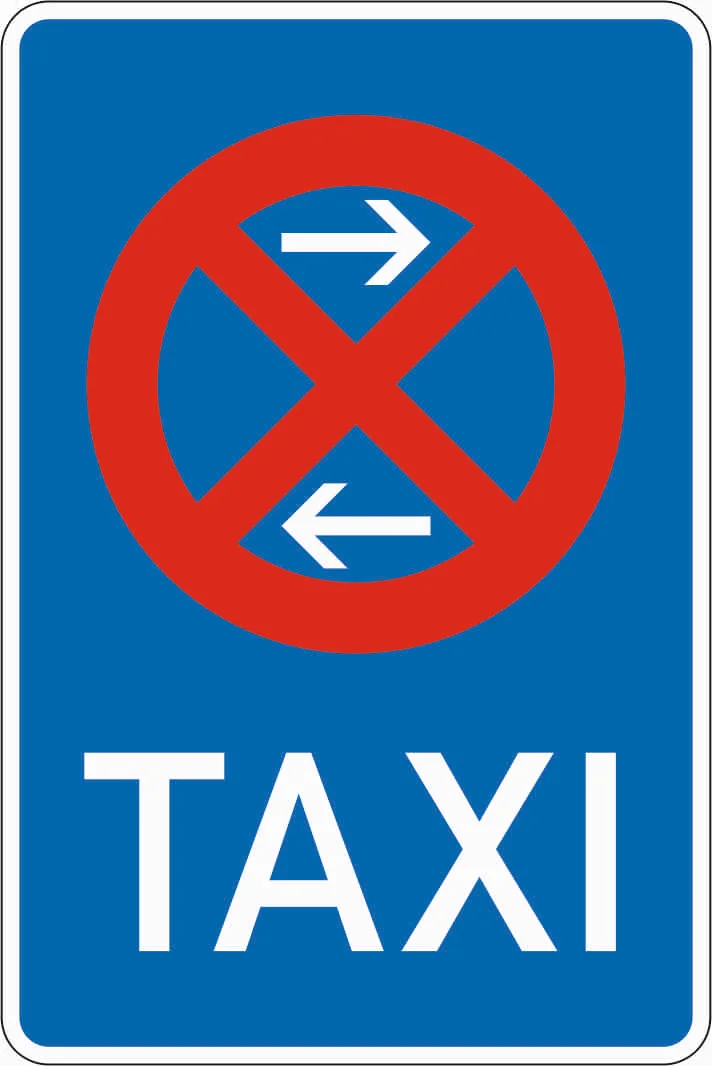
Understand the Taxi Stand sign (229-31) and how it affects your driving.
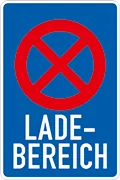
Understand German Road Sign 230 for Loading Areas and Special Markings
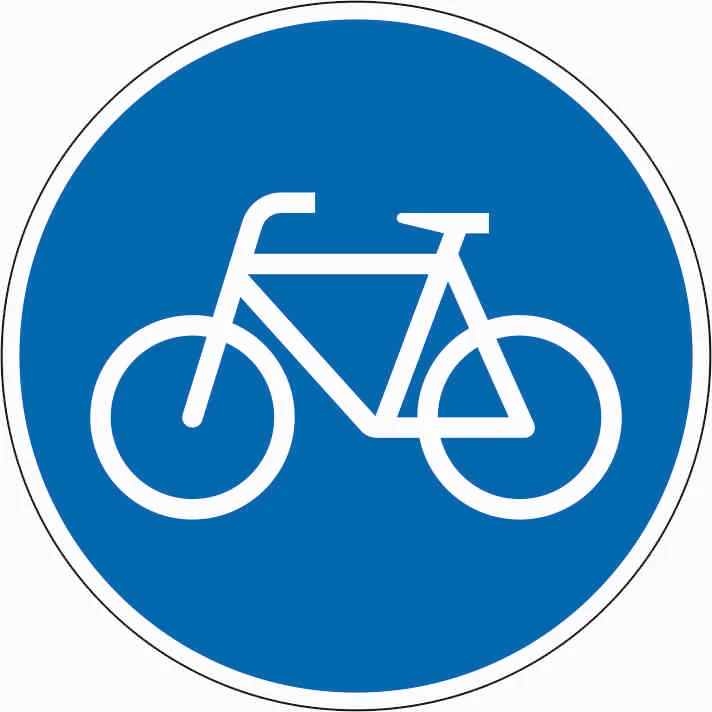
Understand the 'Bicycle path' (Radweg) sign 237
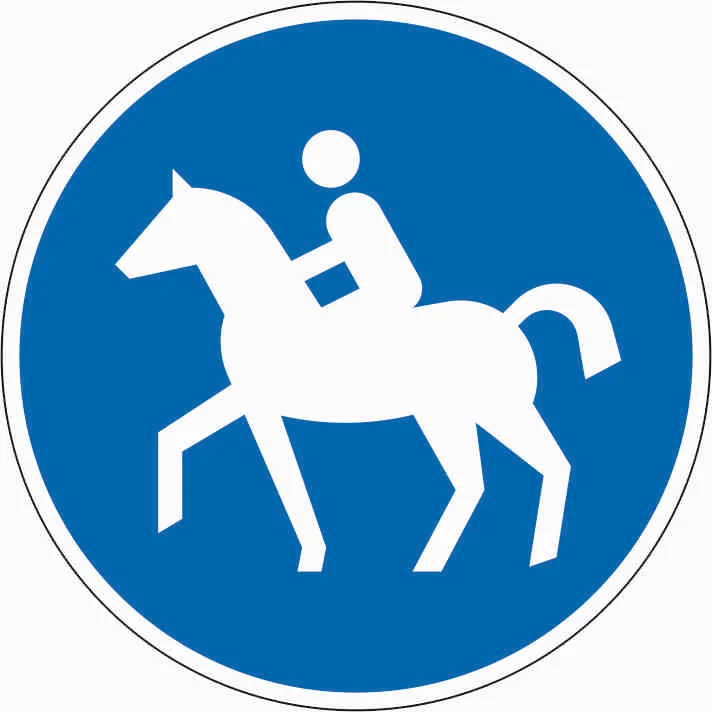
Know the 'Equestrian Path' Sign (238) and React Appropriately
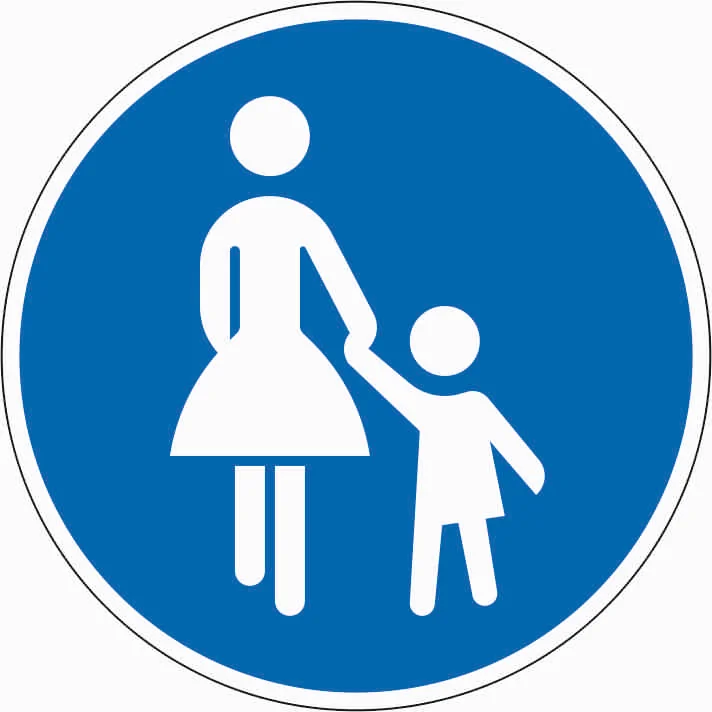
Sign 239: Recognize the Sidewalk (Gehweg) and Adjust Your Driving Accordingly
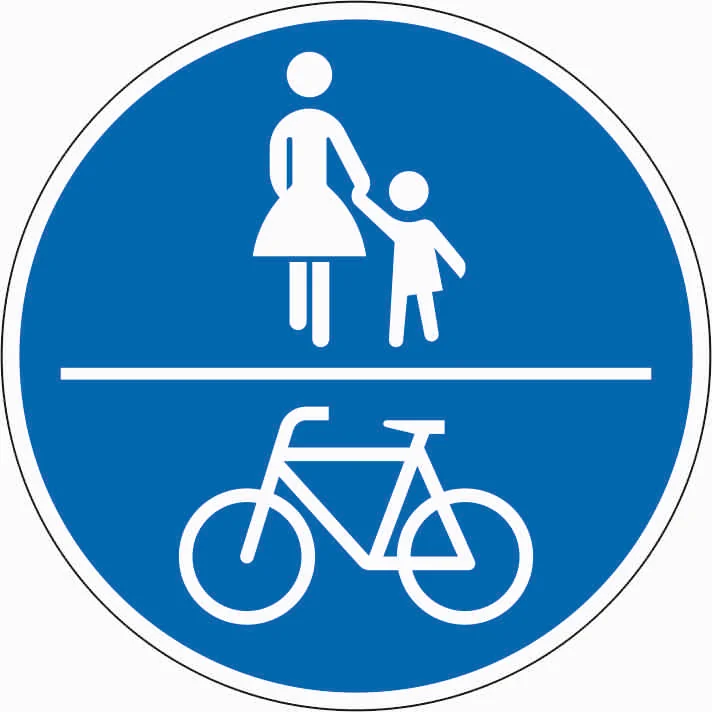
Understand the Shared Pedestrian and Bicycle Path sign (Sign 240)
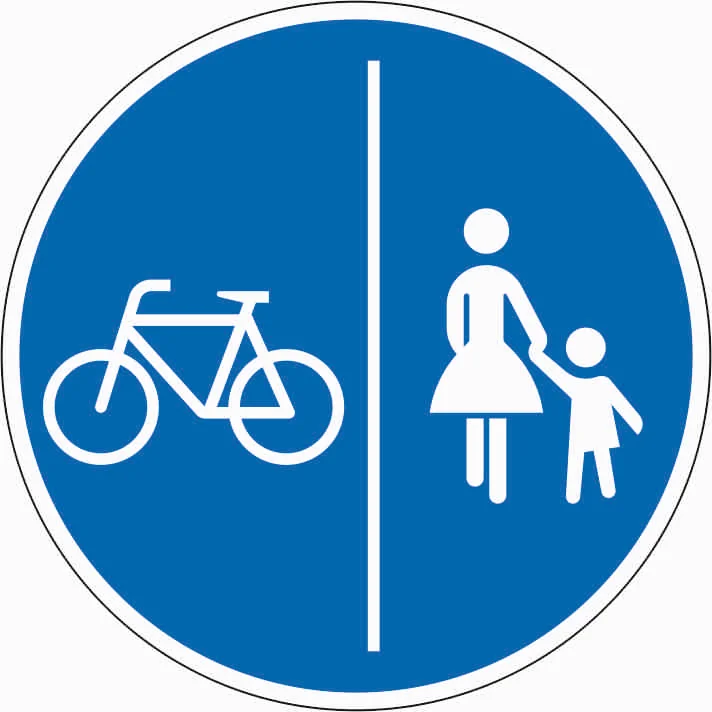
Sign 241-30: Bicycle Path is on Your Left in a Separated Zone
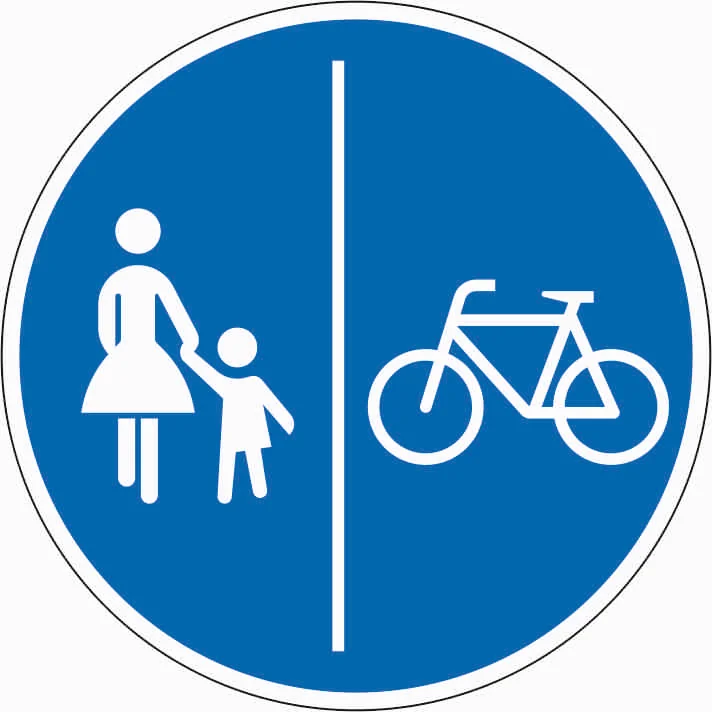
Understand the 'Separated Pedestrian and Bicycle Path – Bicycle Path Right' Sign (241-31)
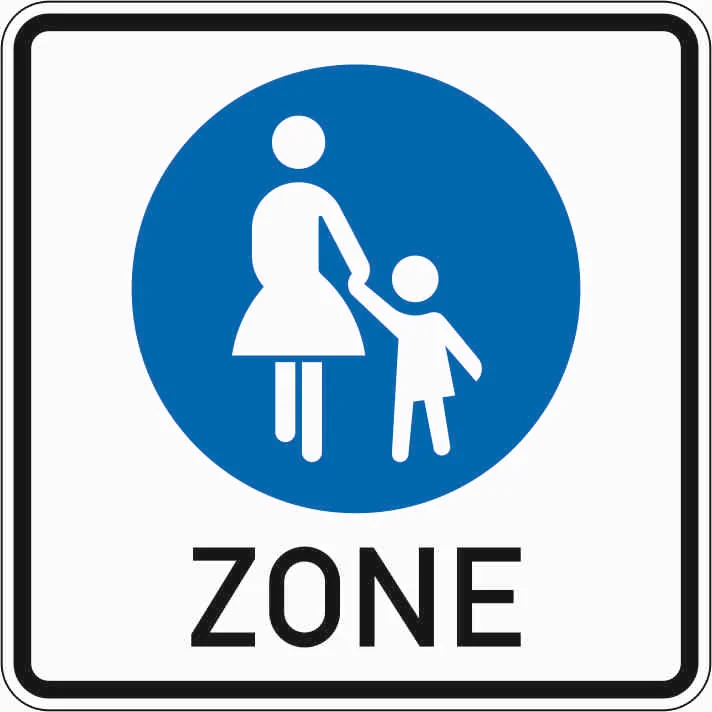
Pedestrian Zone Ahead: Understand Sign 242.1 for Safe Driving
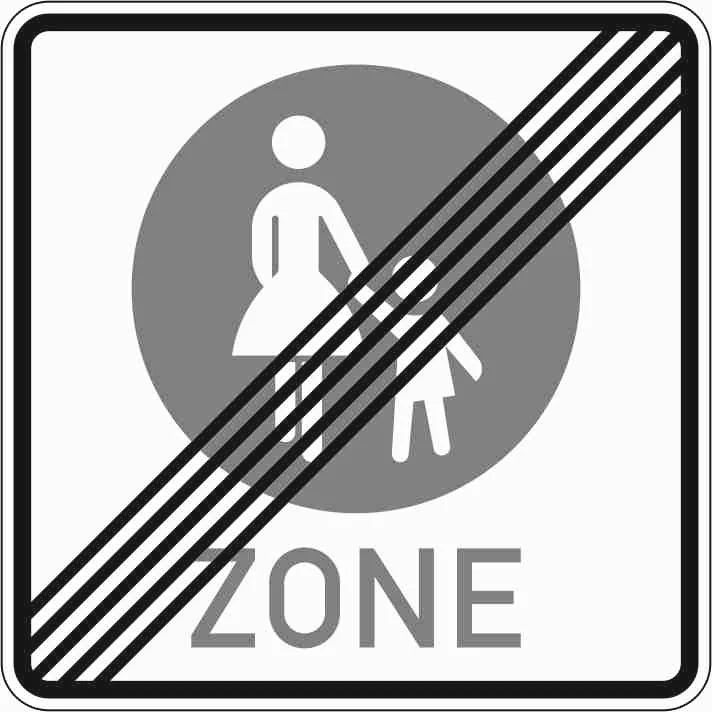
Sign 242.2: You are now leaving the pedestrian zone.
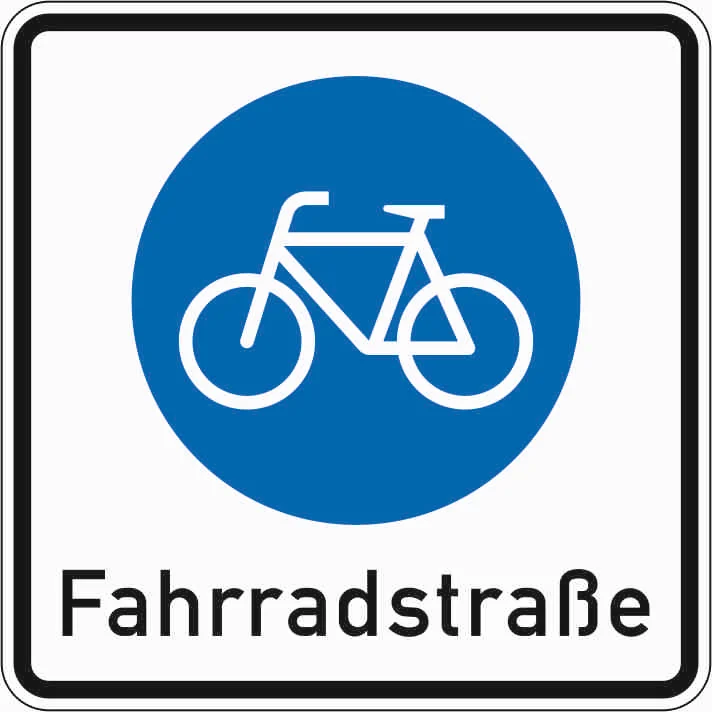
You've reached the start of a Bicycle Street (Sign 244.1)
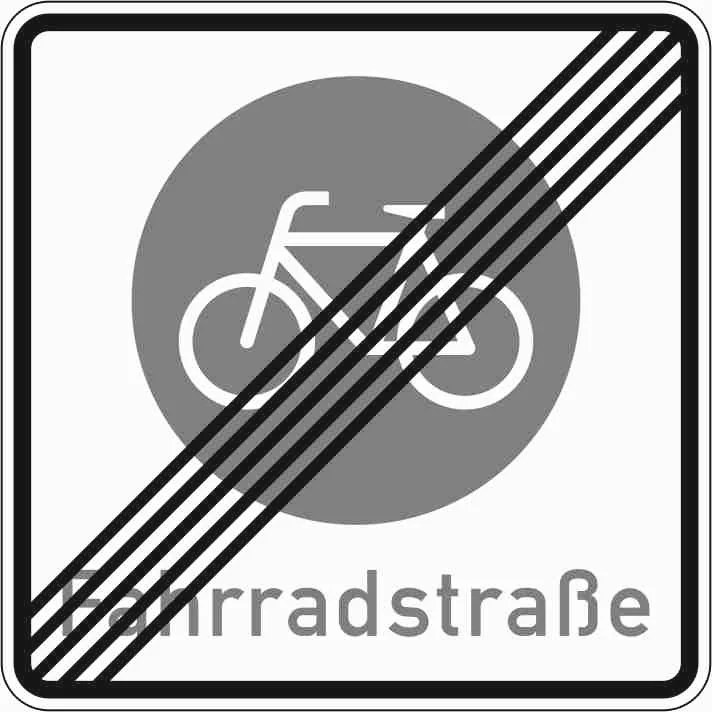
Sign 244.2: You are leaving the designated Bicycle Street.
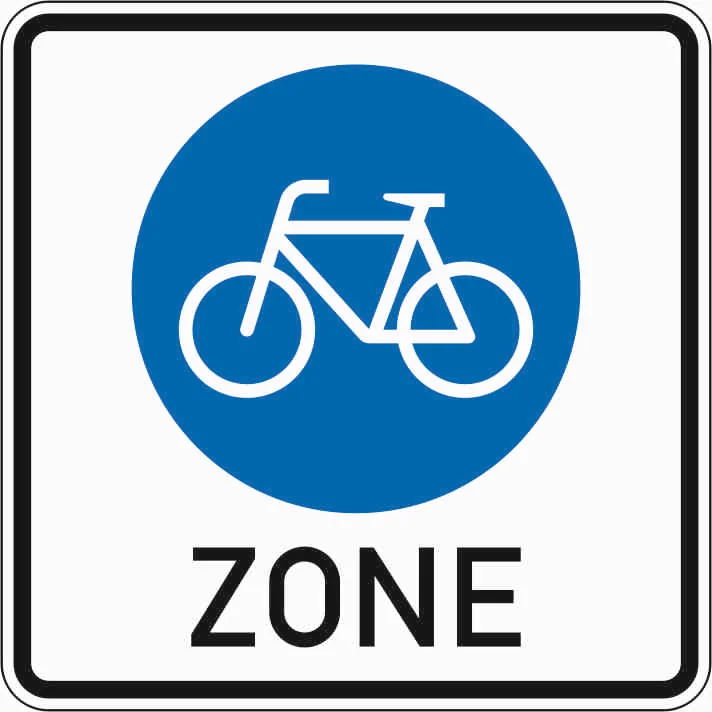
Sign 244.3: Welcome to the Bicycle Zone – What Drivers Need to Know
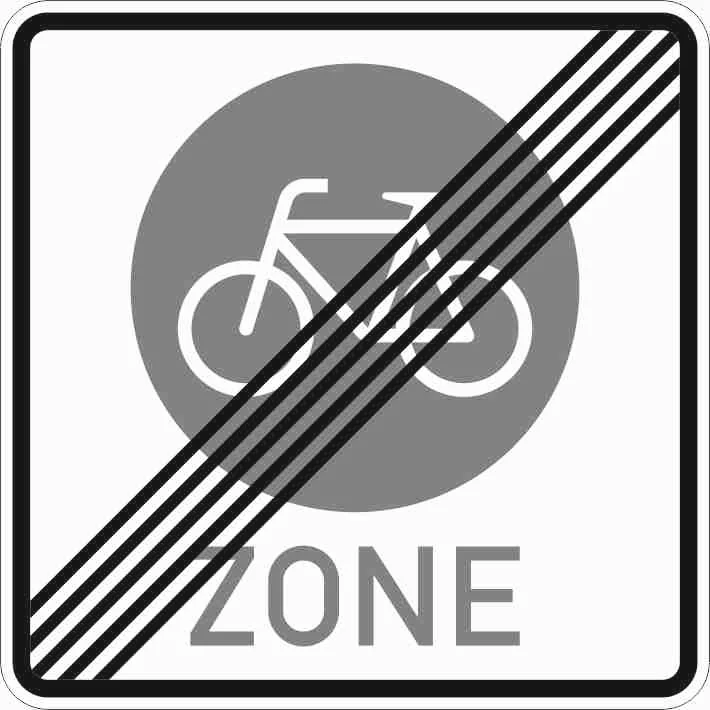
Sign 244.4: You Are Now Leaving the Designated Bicycle Zone
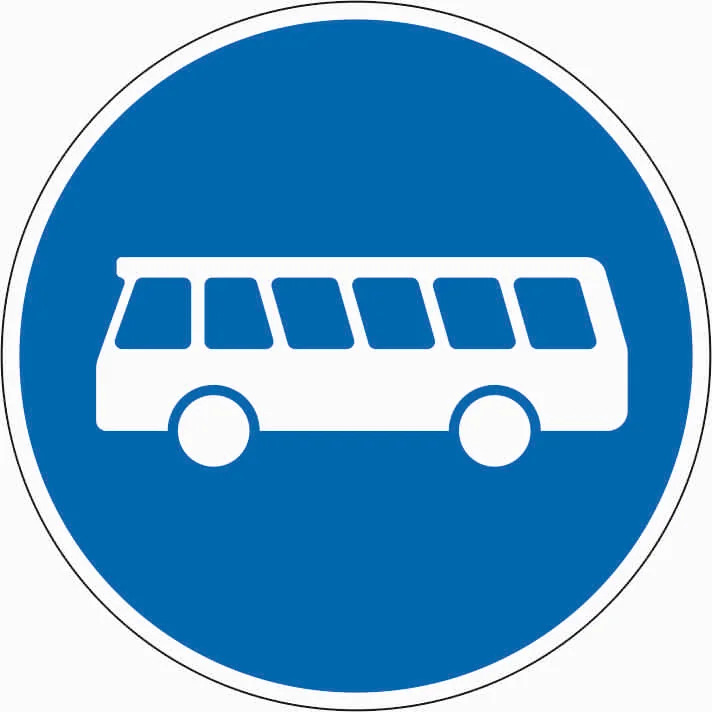
Sign 245: What the 'Bus Lane' Traffic Sign Means and How to Obey It
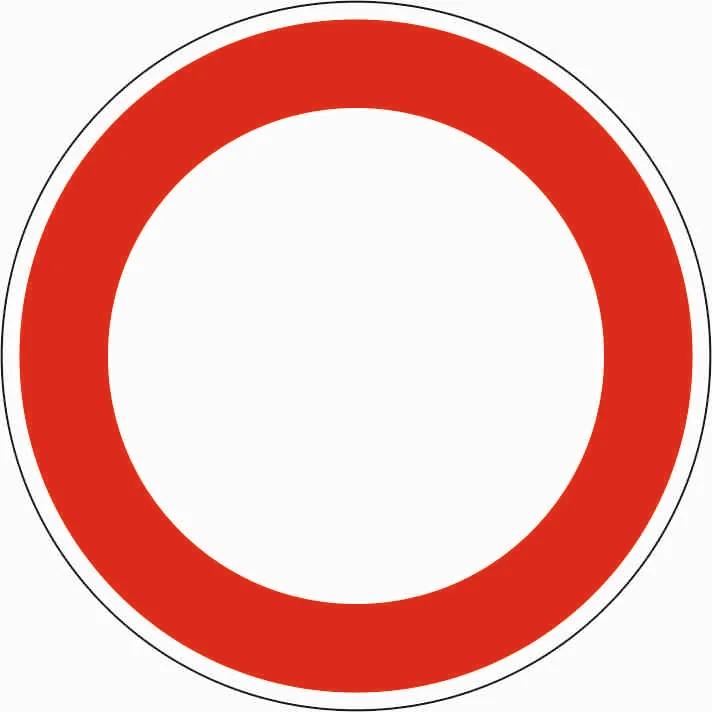
Sign 250: 'No Vehicles of Any Kind' Prohibits All Traffic
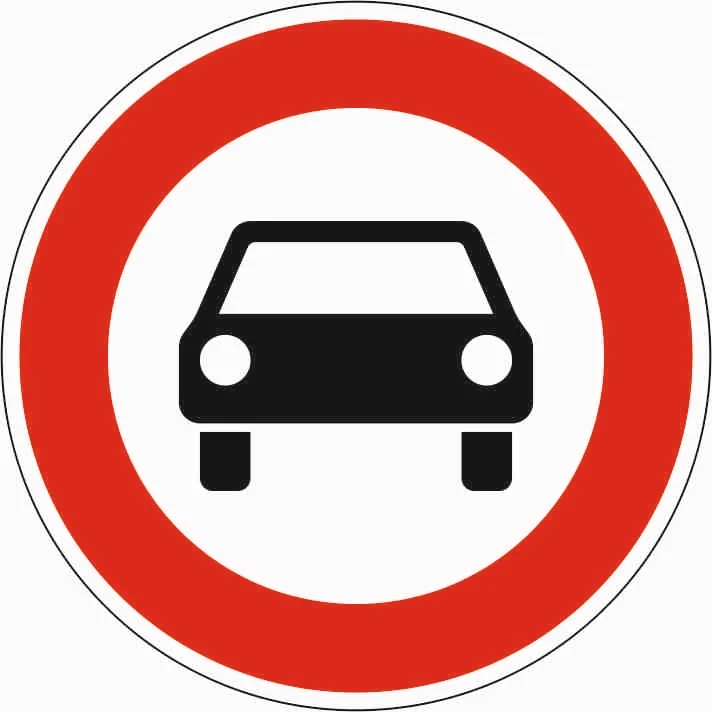
Sign 251: 'No Motor Vehicles' – Understand What's Restricted
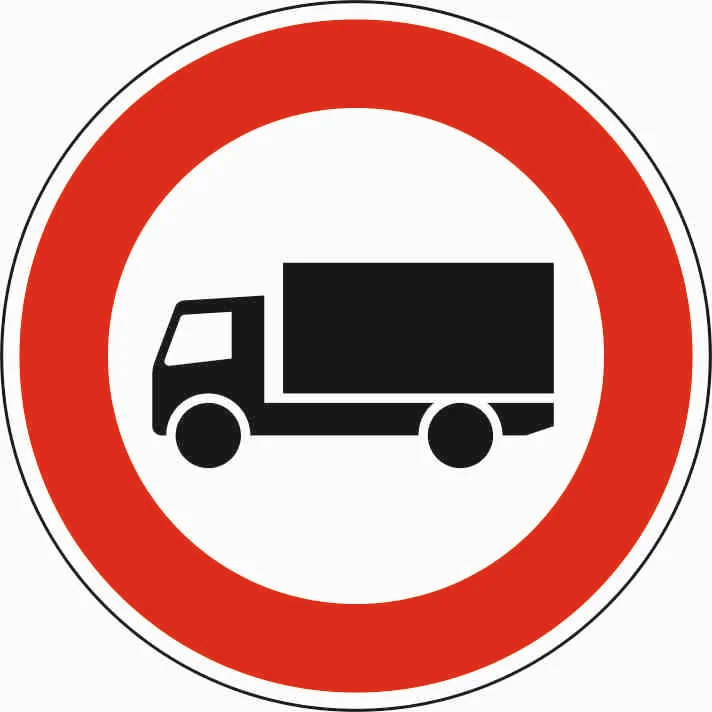
German Sign 253: Restriction for Heavy Motor Vehicles
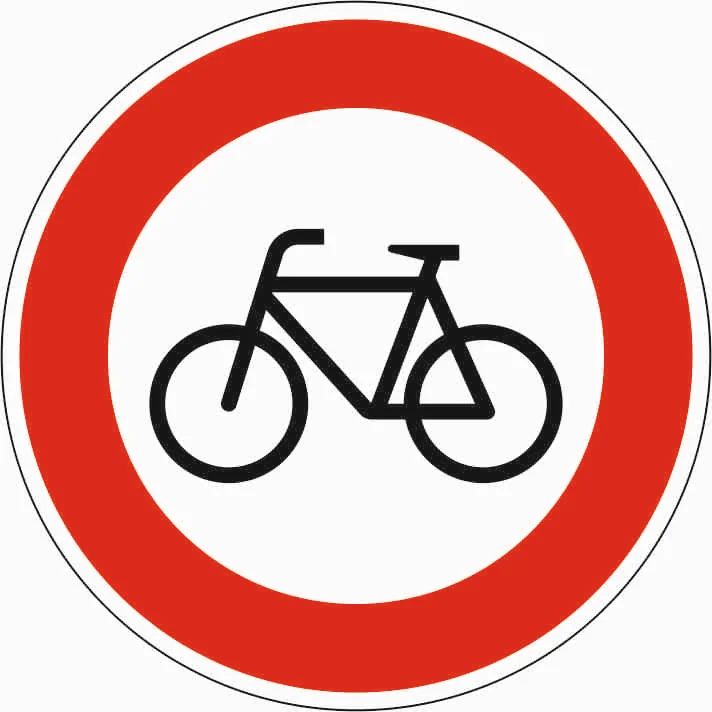
Sign 254: Understand the 'No Cycling' Prohibition
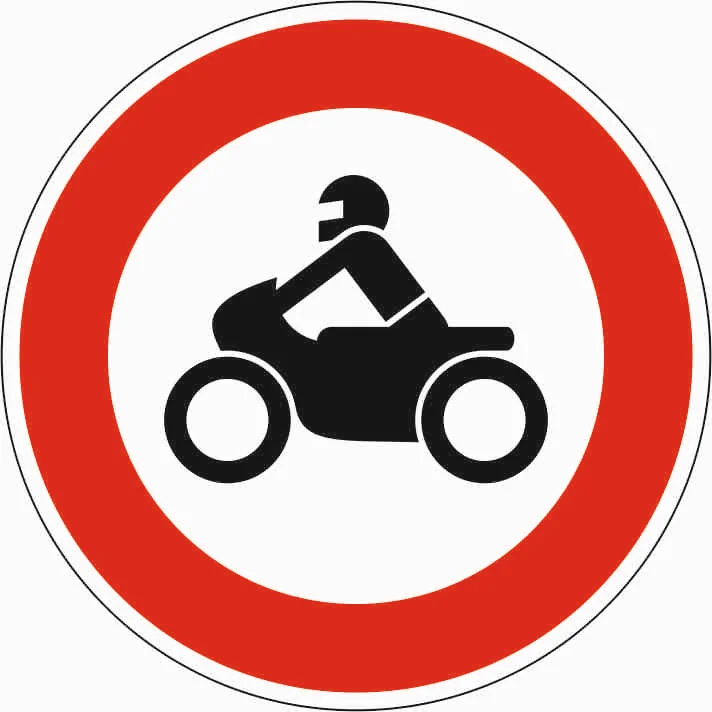
Sign 255: No Entry for Motorcycles Road Sign in Germany
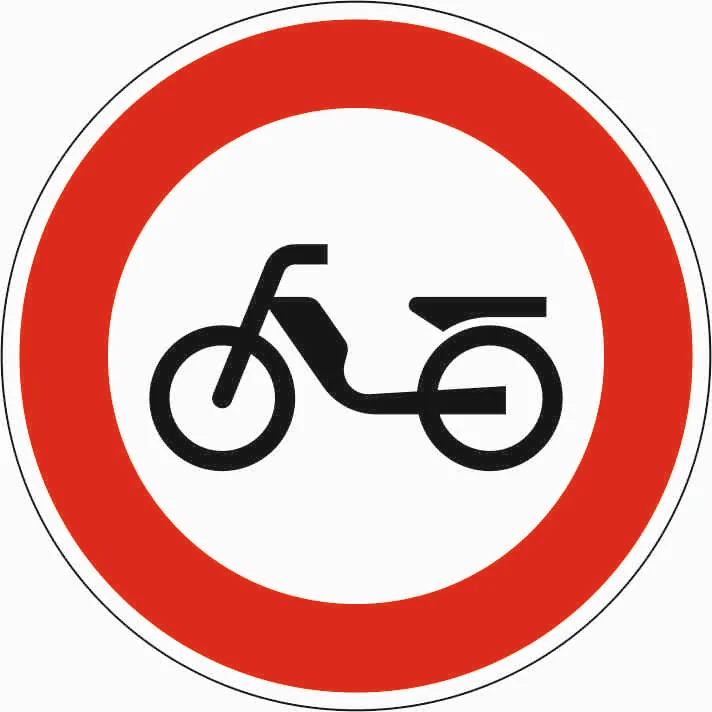
Sign 257-50: No Mofas Allowed - Understand This Prohibition Sign
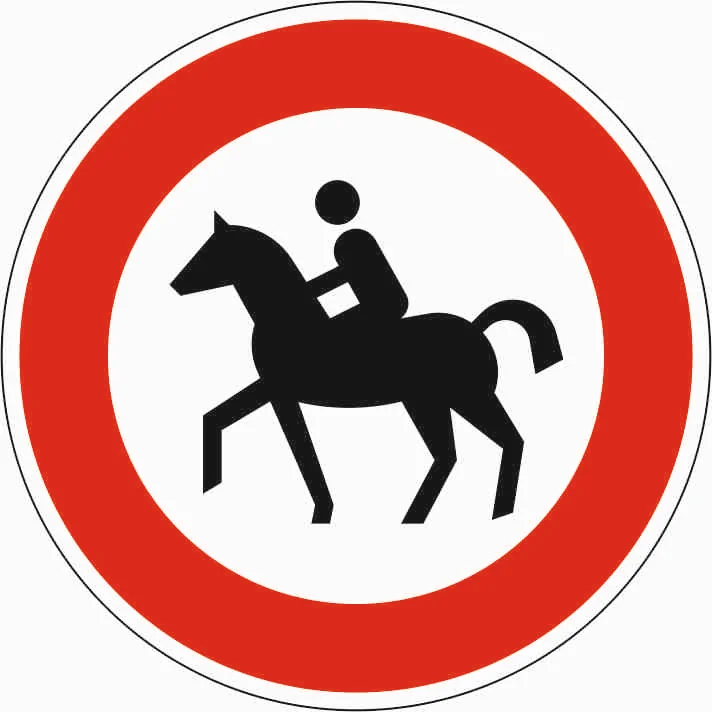
Sign 257-51: You Must Not Ride Horses Here
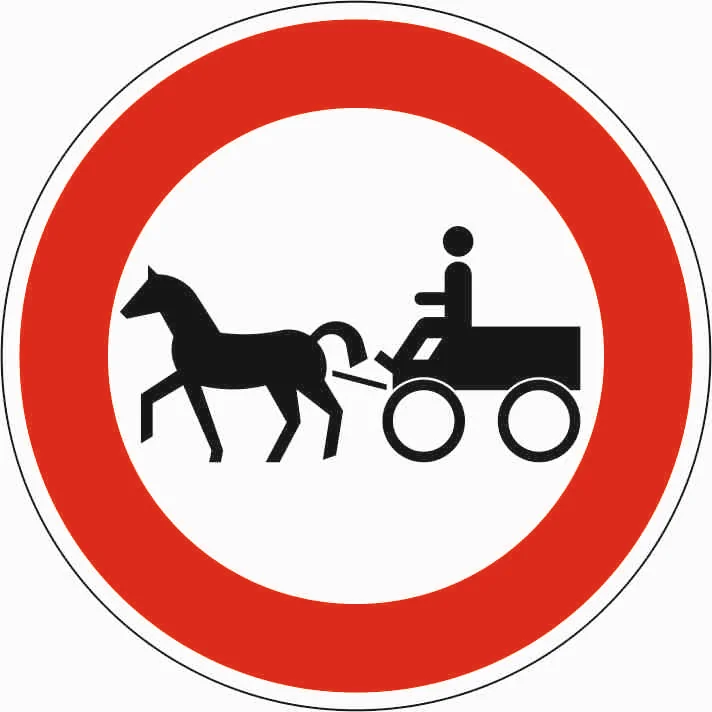
Prohibition for Combination Vehicles: Understand Sign 257-52
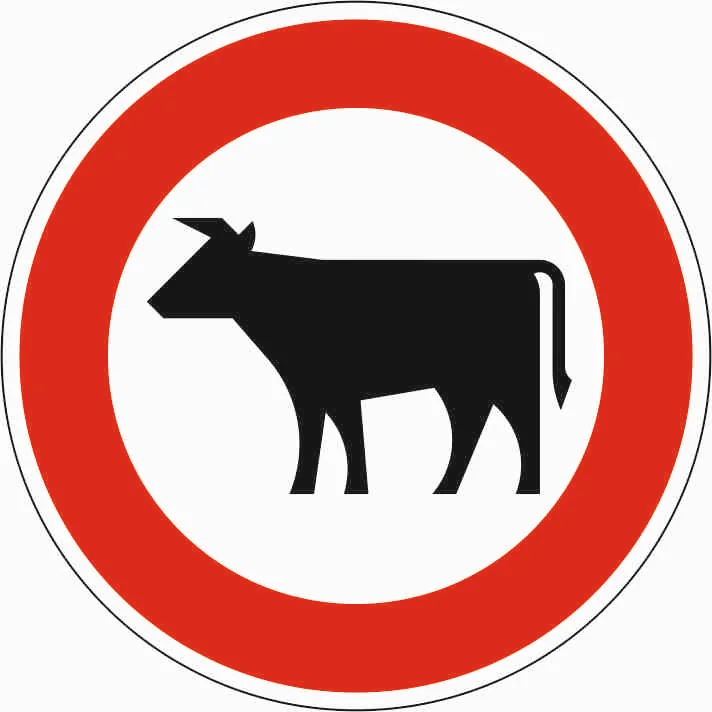
Understand the 'Verbot für Viehtrieb' (Prohibition of Cattle Crossing) Sign 257-53
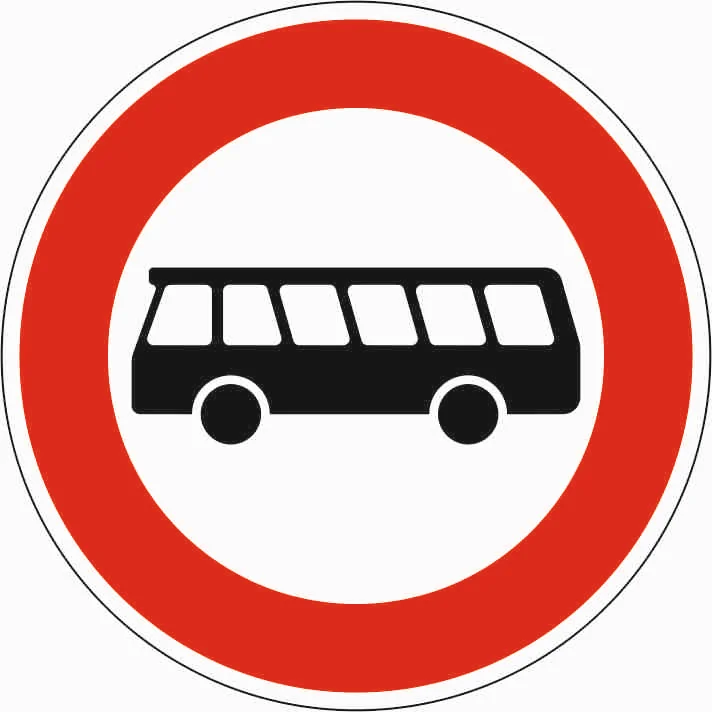
Understand German Sign 257-54: Prohibition for Buses
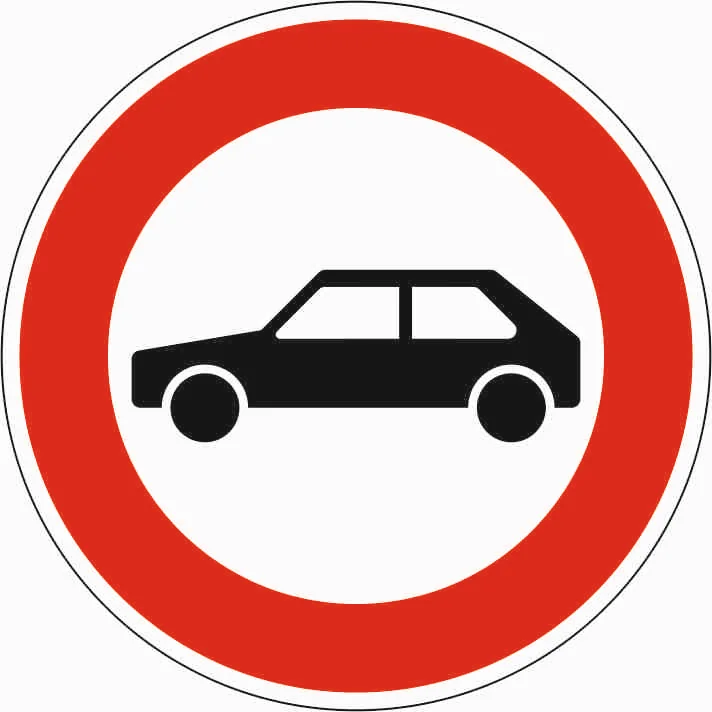
Understand the German 'Verbot for Passenger Cars' Traffic Sign (257-55)
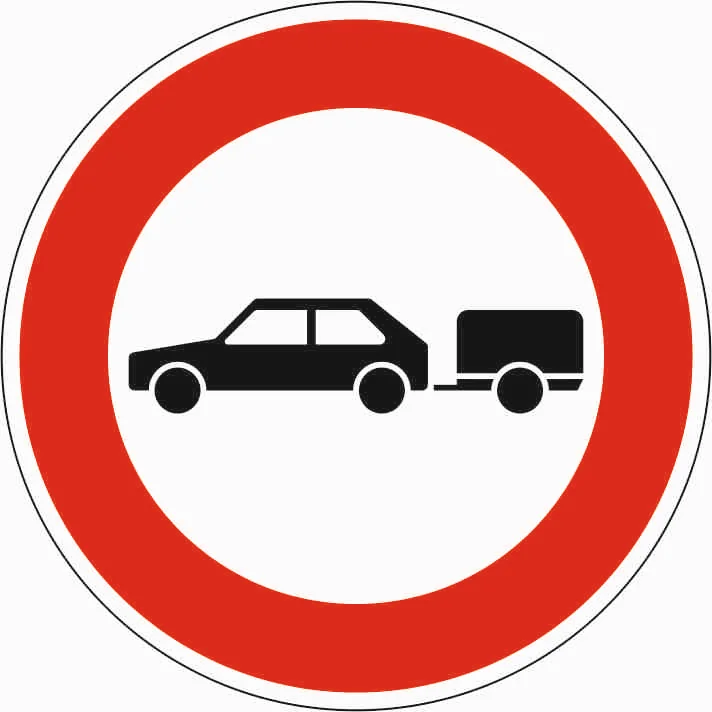
German Road Sign 257-56: Prohibits Passenger Cars with Trailers
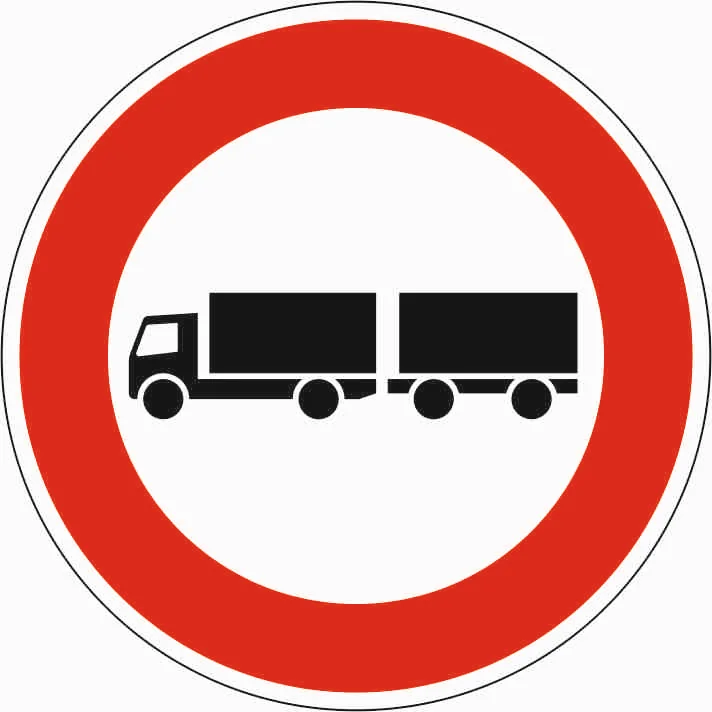
German Sign 257-57: No Trucks With Trailers Allowed
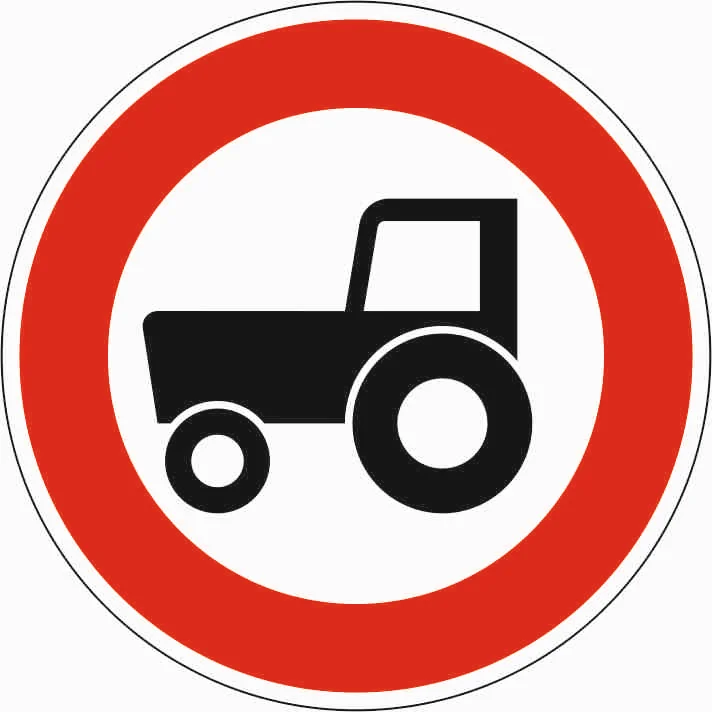
Sign 257-58: No Motor Vehicles That Cannot or May Not Exceed 25 km/h
Sign 257-59: Prohibition for Small Electric Vehicles (eKFV)
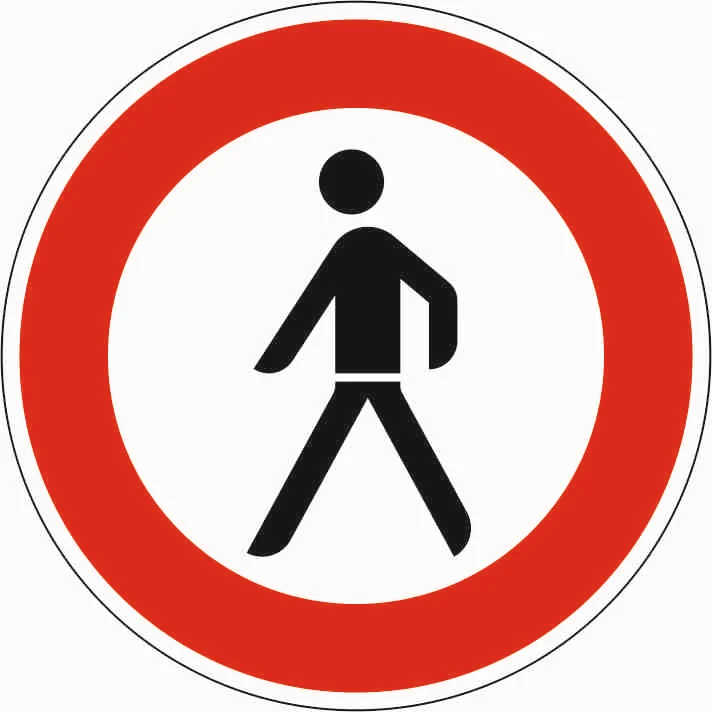
Sign 259: Understanding the "No Pedestrians" Prohibition
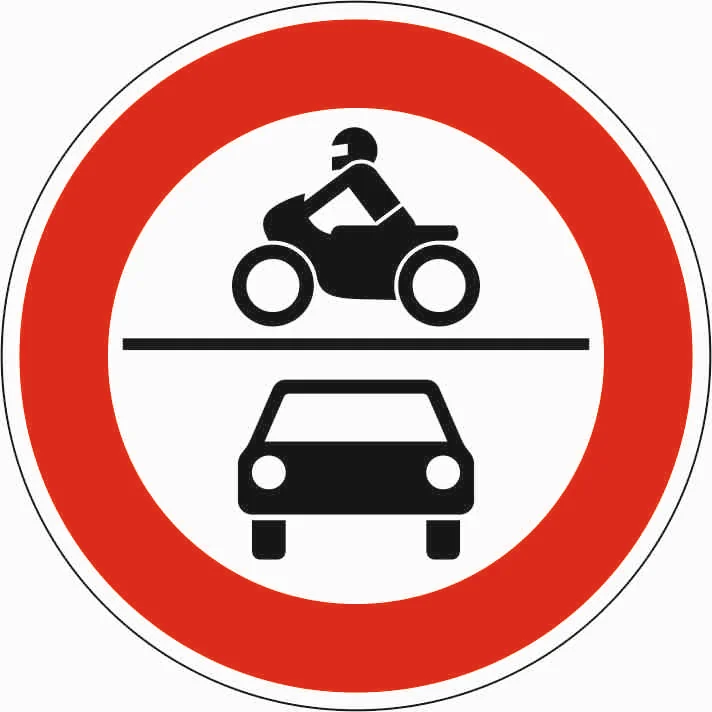
Sign 260: You Must Not Enter With Motor Vehicles
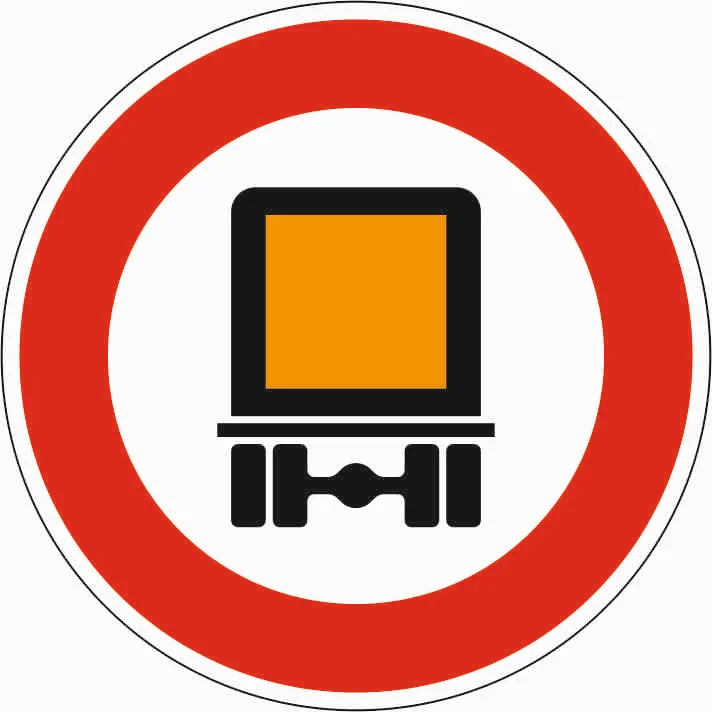
Sign 261: Vehicles Carrying Hazardous Goods Are Prohibited
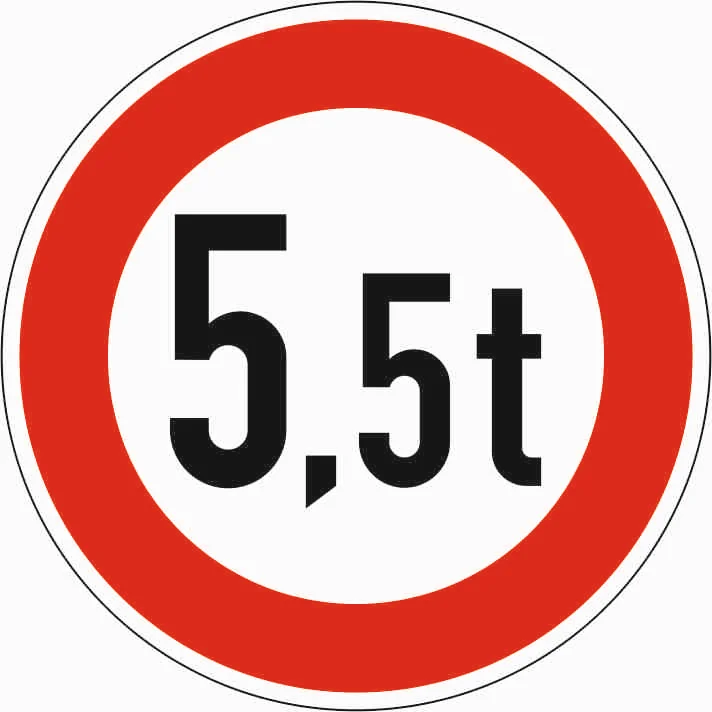
Sign 262: Understand Actual Mass and Prepare for Controlled Areas
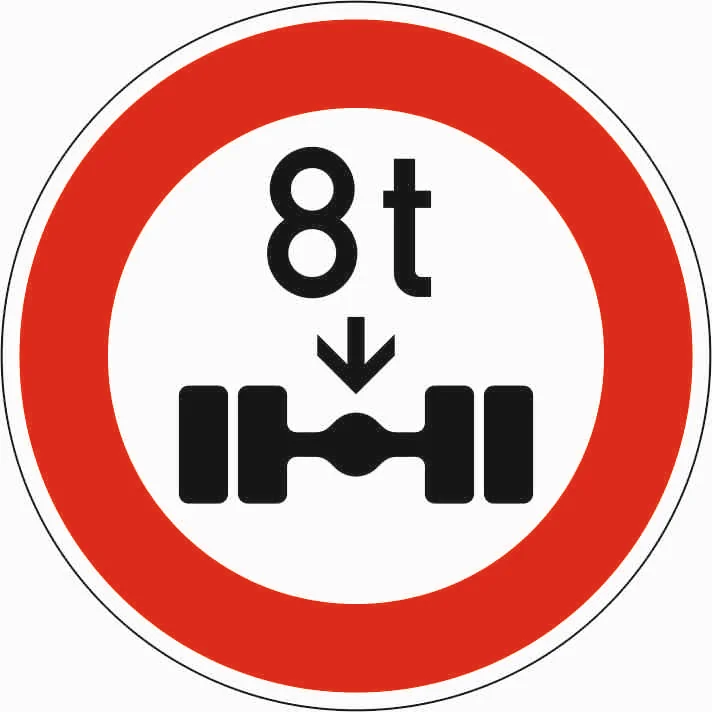
Sign 263: Understand the Actual Axle Load and Adapt Your Driving
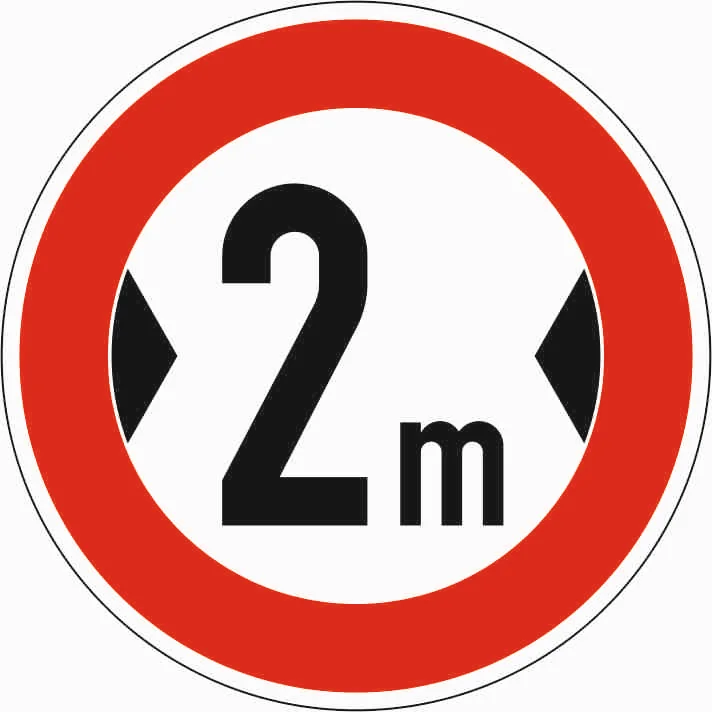
Understand the Actual Width Limit Road Sign (264-2): Maximum 2 Meters Allowed
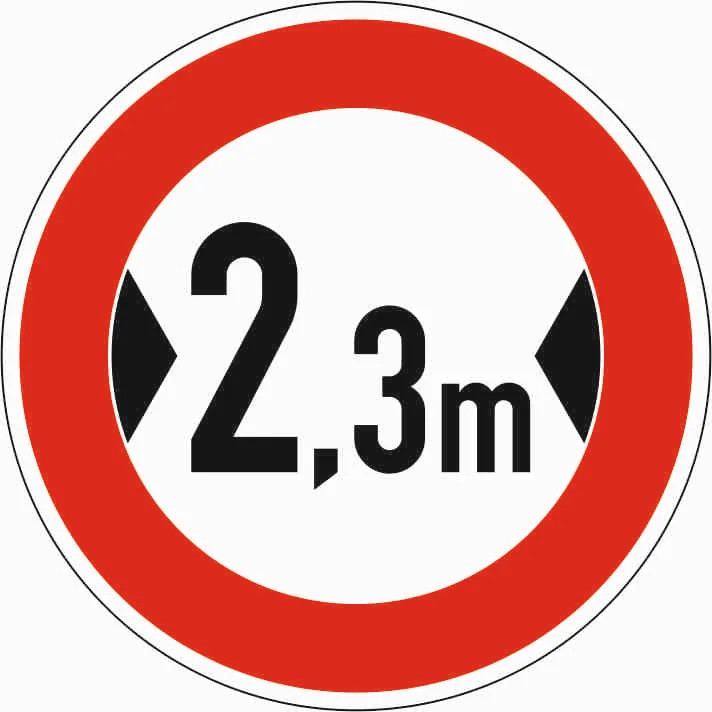
Understand the Actual Width Limit of 2.3 Meters with Sign 264-2,3
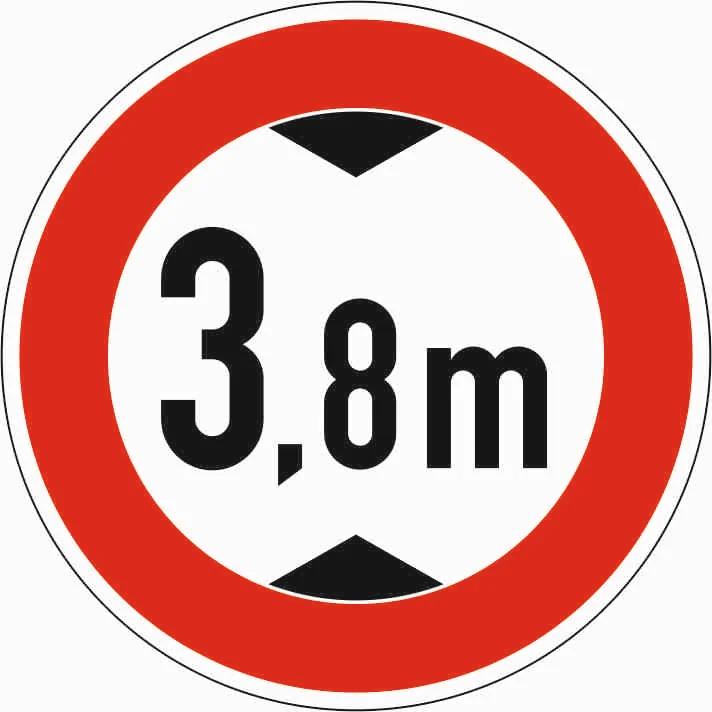
German Sign 265: Understand "Tatsächliche Höhe" (Actual Height) and how it affects your driving.
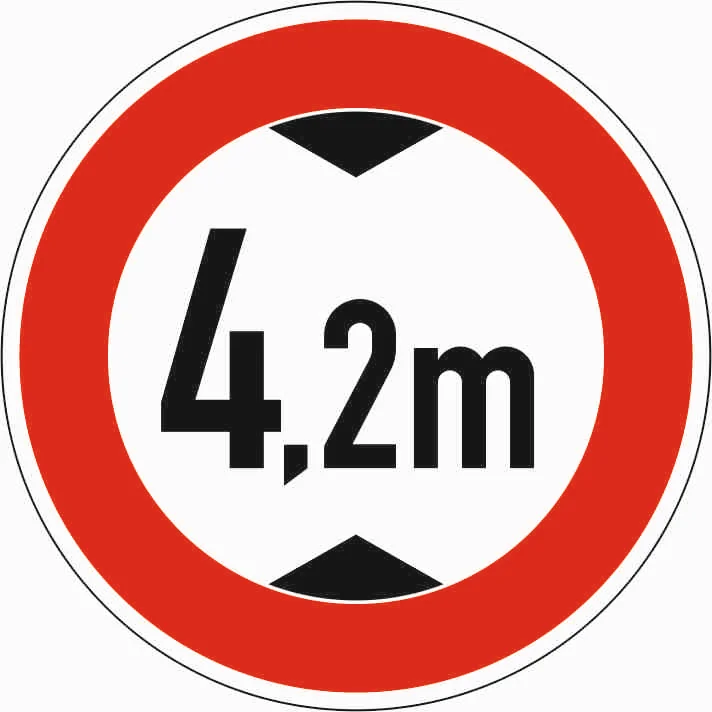
Understand the 4.2 Meter Actual Height Limit Sign (265-4,2)
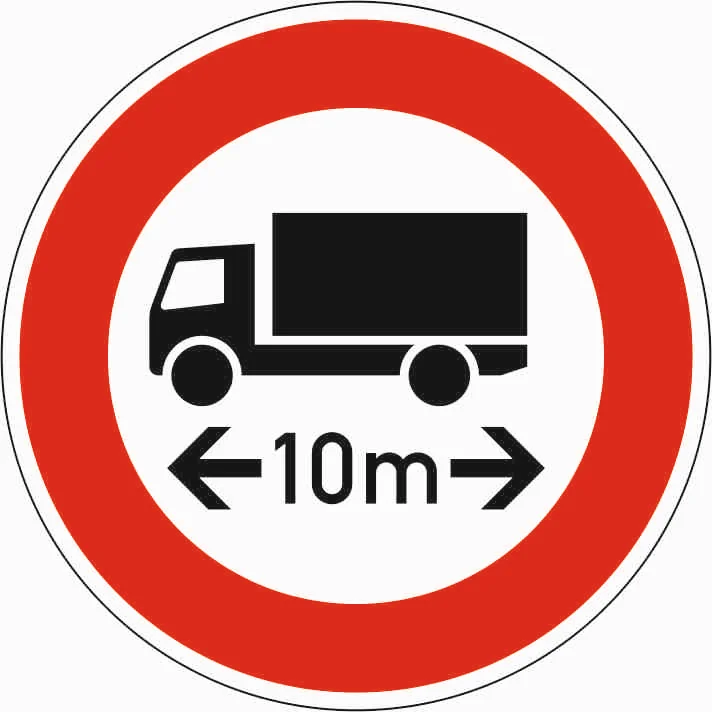
Sign 266: Understanding 'Actual Length' in German Traffic Rules
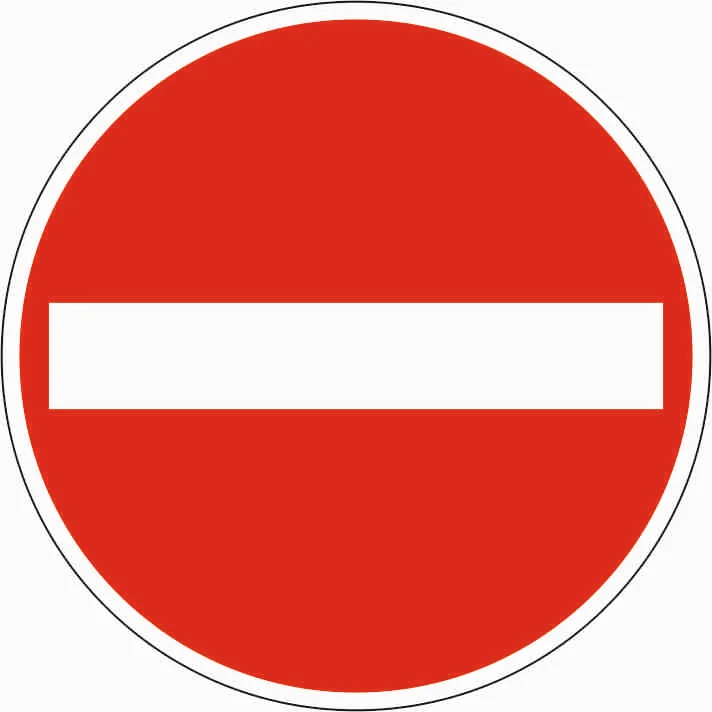
German Road Sign 267: Understanding the 'No Entry' Prohibition
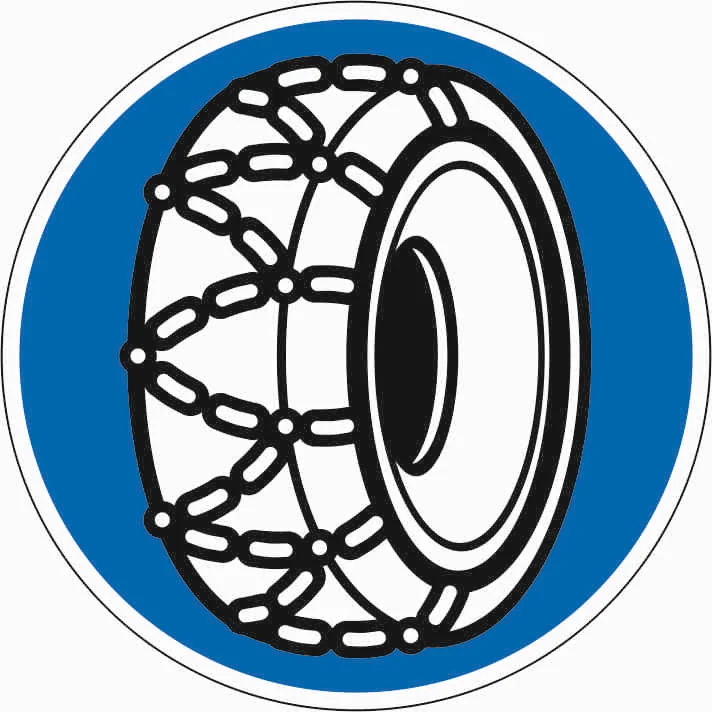
Understand German Sign 268: Snow Chains Are Mandatory!
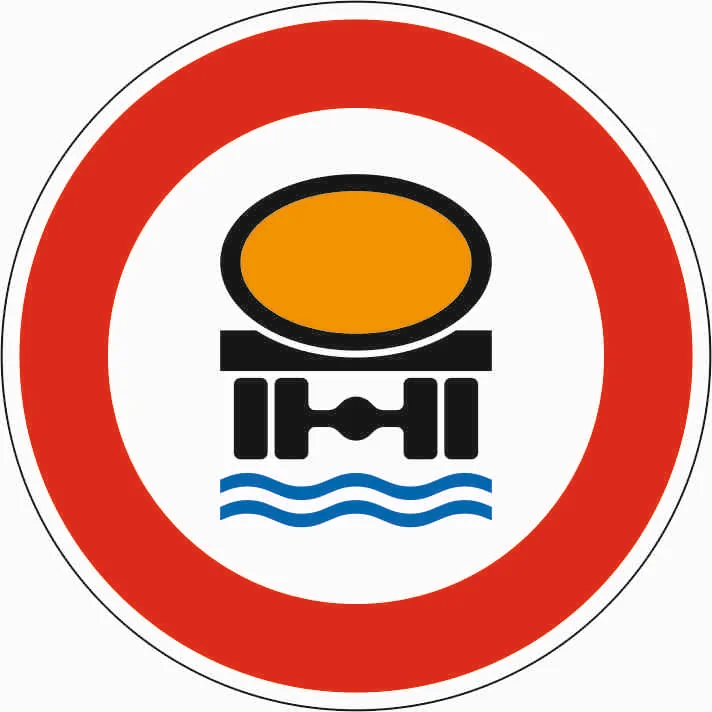
Sign 269: Prohibition for Vehicles Carrying Hazardous Materials
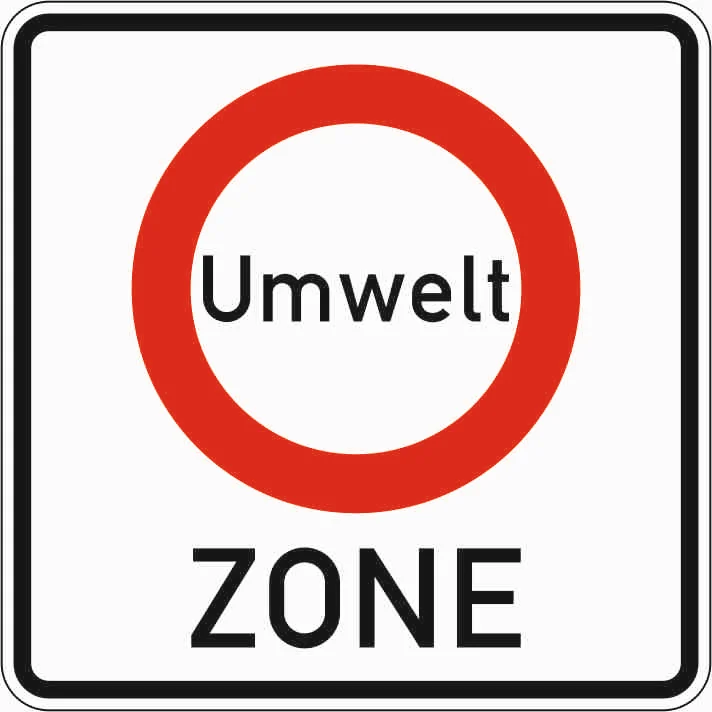
Prepare for the Start of a German Air Pollution Control Zone with Sign 270.1
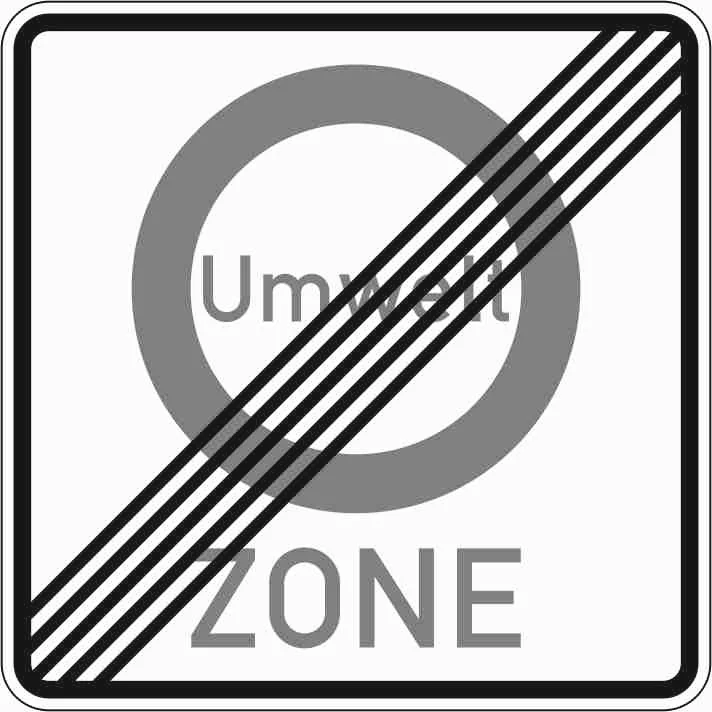
You're Exiting the Air Pollution Restriction Zone: Sign 270.2
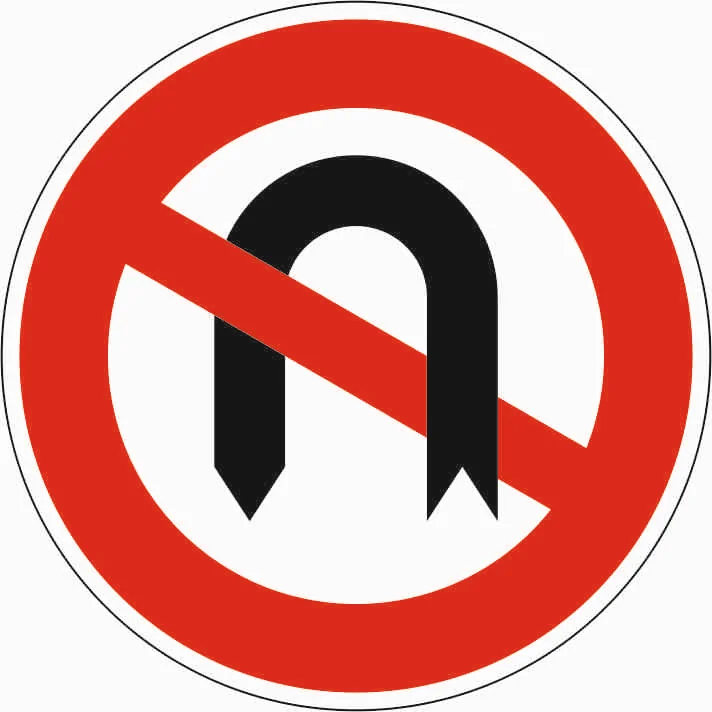
Sign 272: 'Verbot Wendens' Prohibits U-Turns
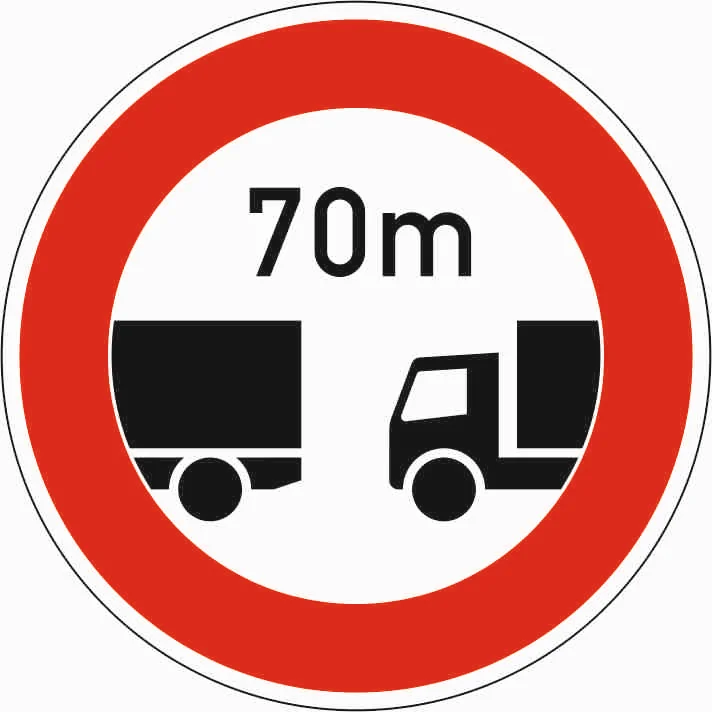
Sign 273: Keep the Specified Minimum Distance – No Exceptions!
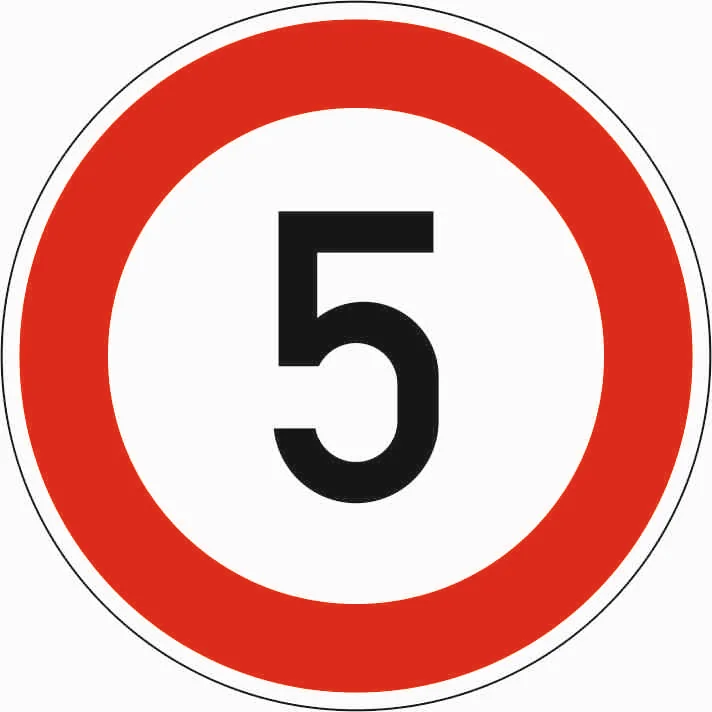
Understanding the 5 km/h Maximum Speed Limit Sign (274-5)
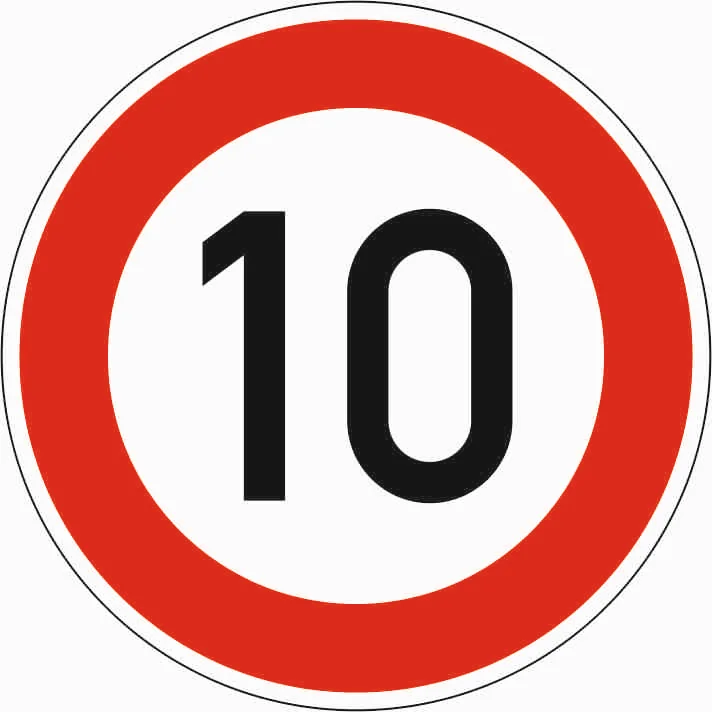
Understand the 10 km/h Maximum Speed Limit Sign (274-10)
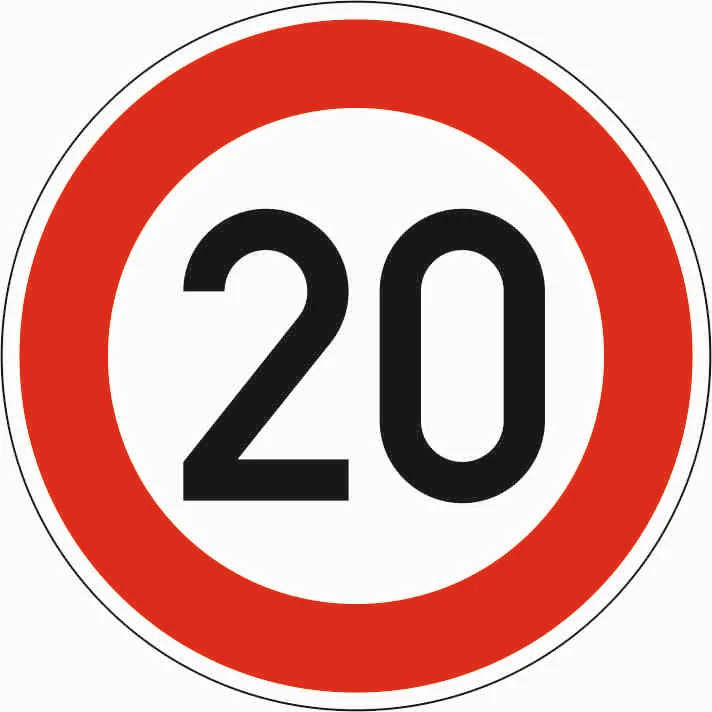
Obey the 20 km/h Maximum Speed Limit Sign (274-20) in Germany
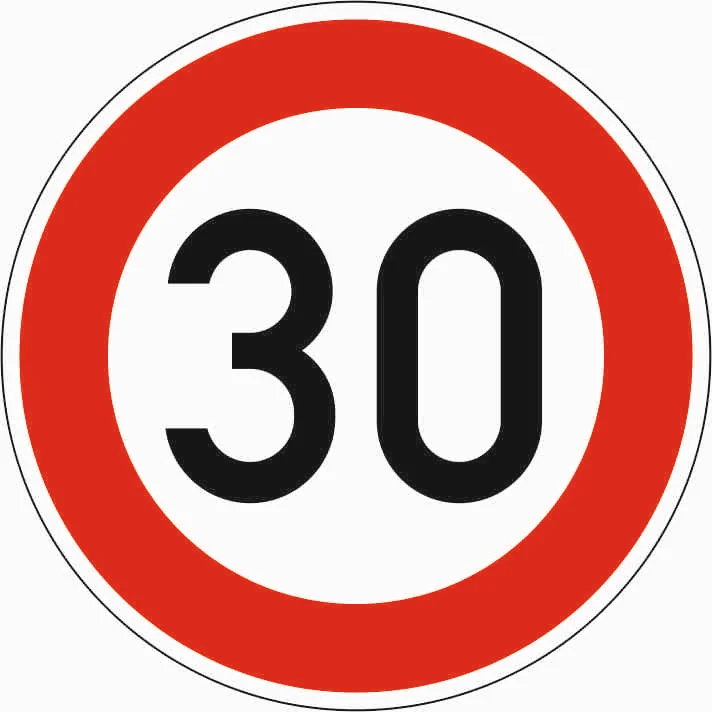
Understand the German 'Maximum Speed 30 km/h' Traffic Sign (274-30)
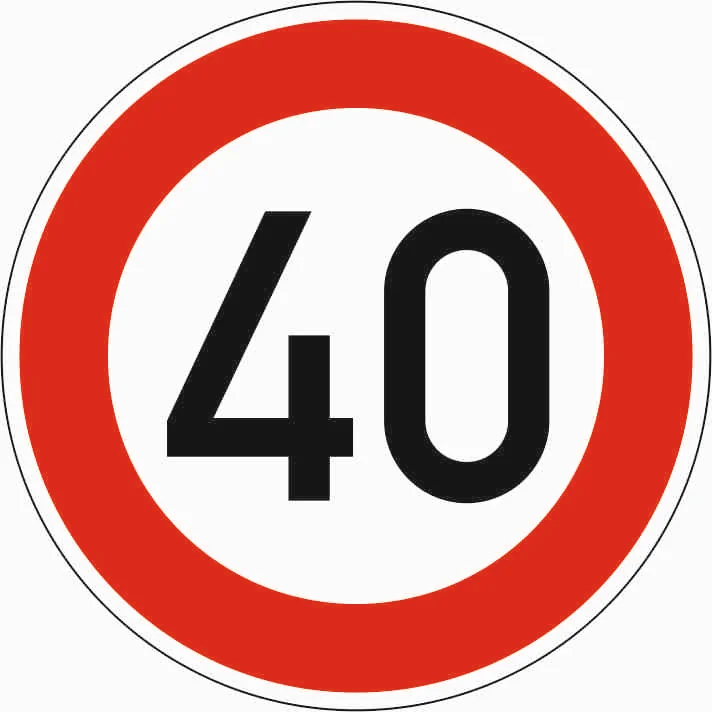
Maximum Speed Limit of 40 km/h Sign (274-40): What You Must Know
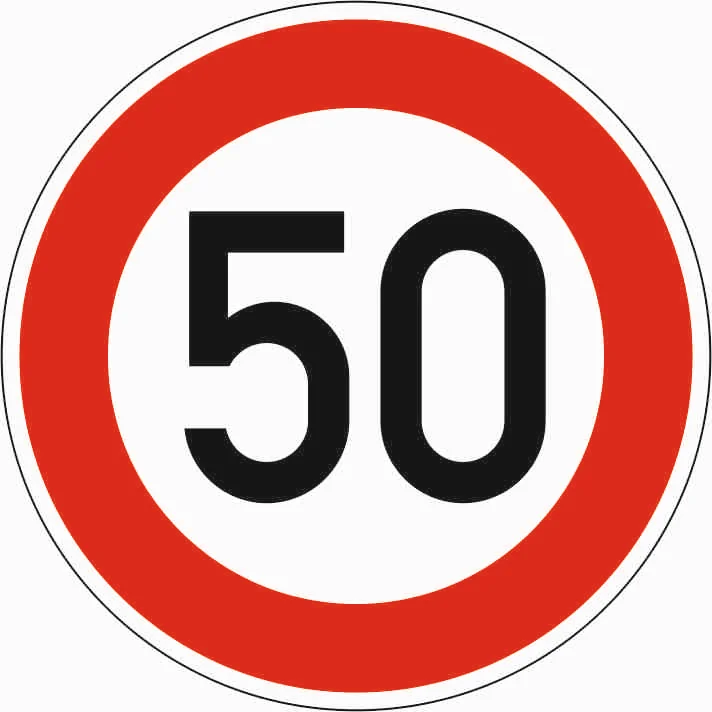
Understand the Maximum Speed Limit of 50 km/h Sign (274-50)
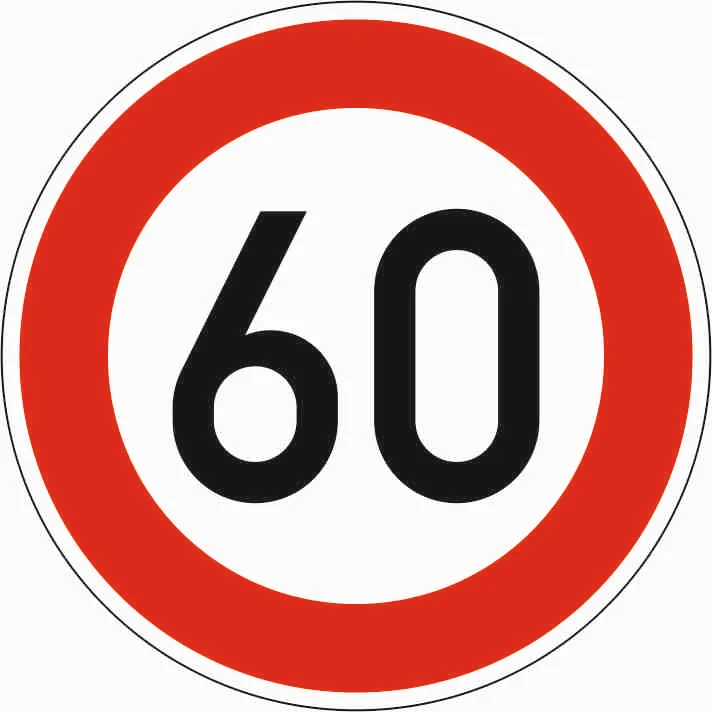
Understand the German "Maximum Speed Limit 60 km/h" Road Sign (274-60)
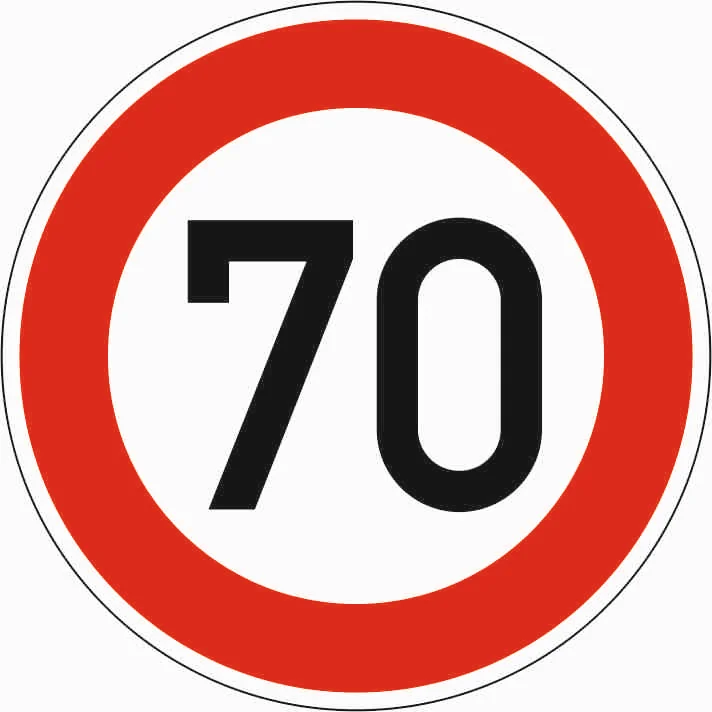
Maximum Speed Limit 70 km/h: Understand Sign 274-70
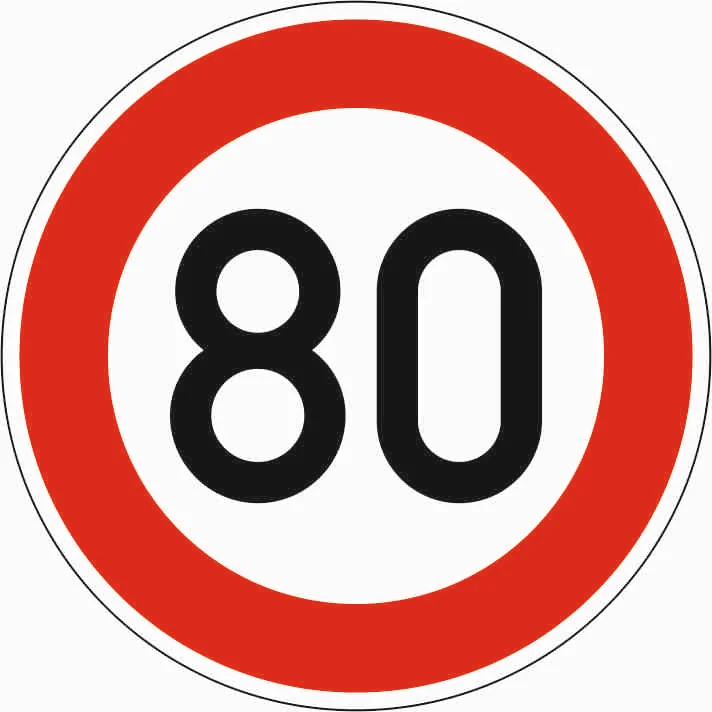
Understand the 80 km/h Maximum Speed Limit Road Sign (274-80)
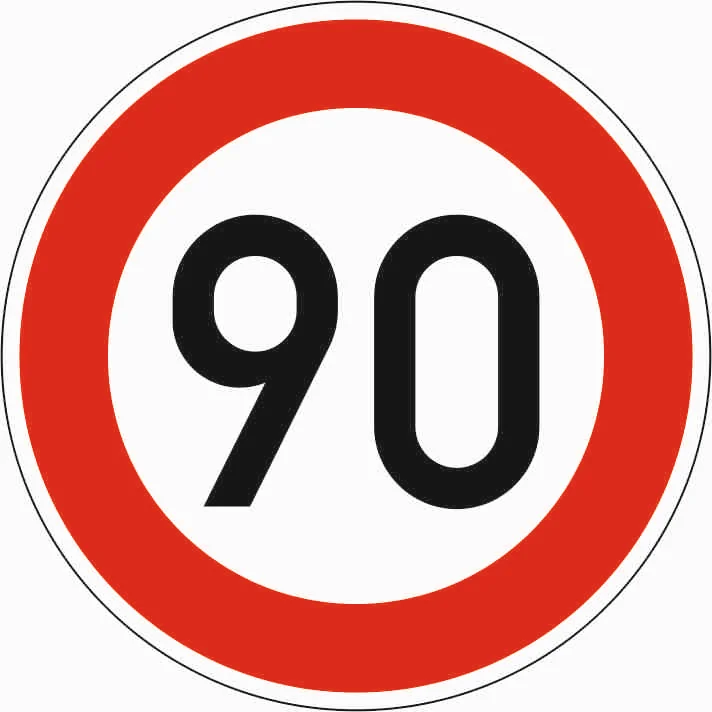
Understand the 'Maximum Speed Limit 90 km/h' Regulatory Sign (274-90)
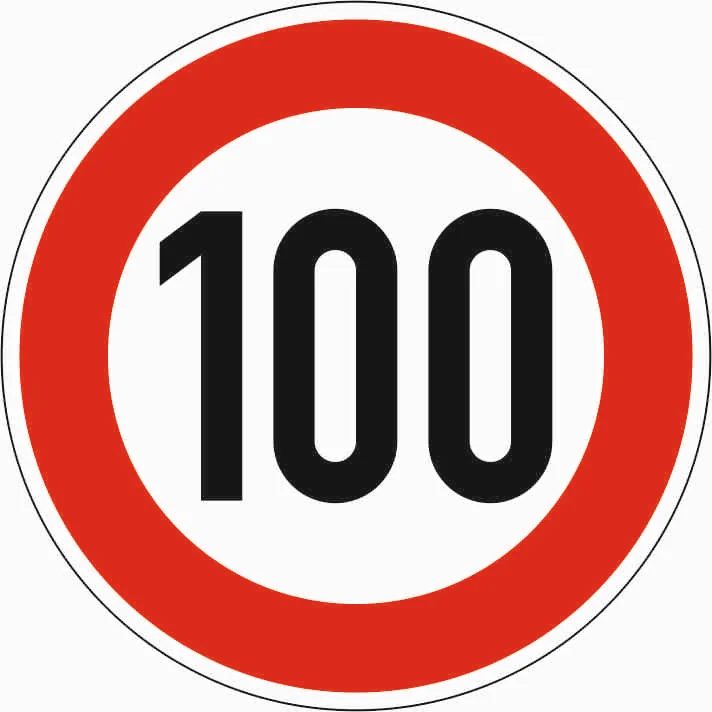
Know When to Slow Down: The 100 km/h Maximum Speed Limit Sign
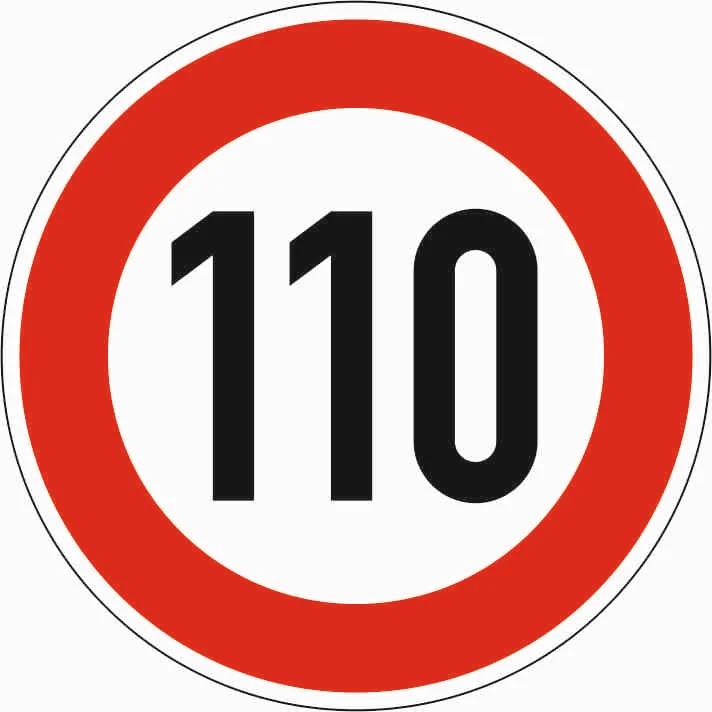
Understand the 110 km/h Maximum Speed Limit Road Sign (274-110)
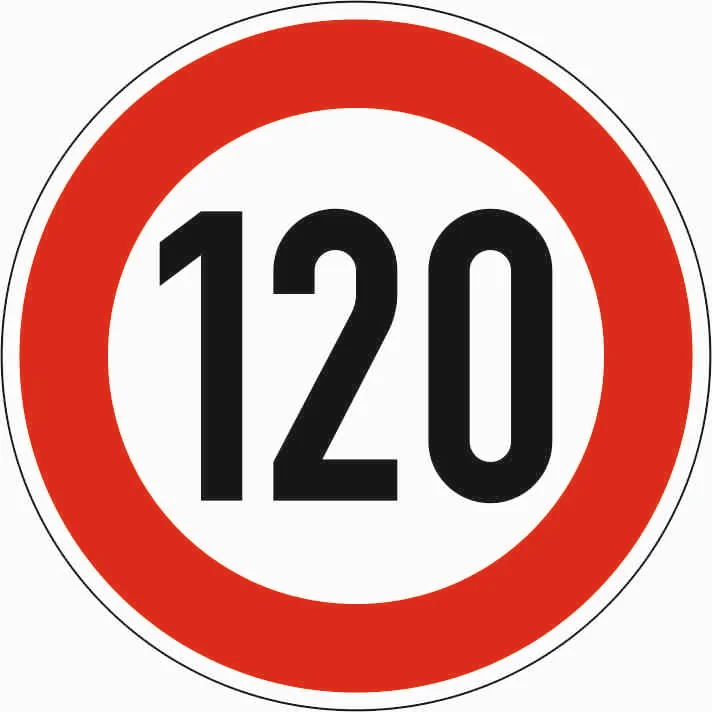
Understand the German 'Maximum Speed Limit 120 km/h' Traffic Sign (274-120)
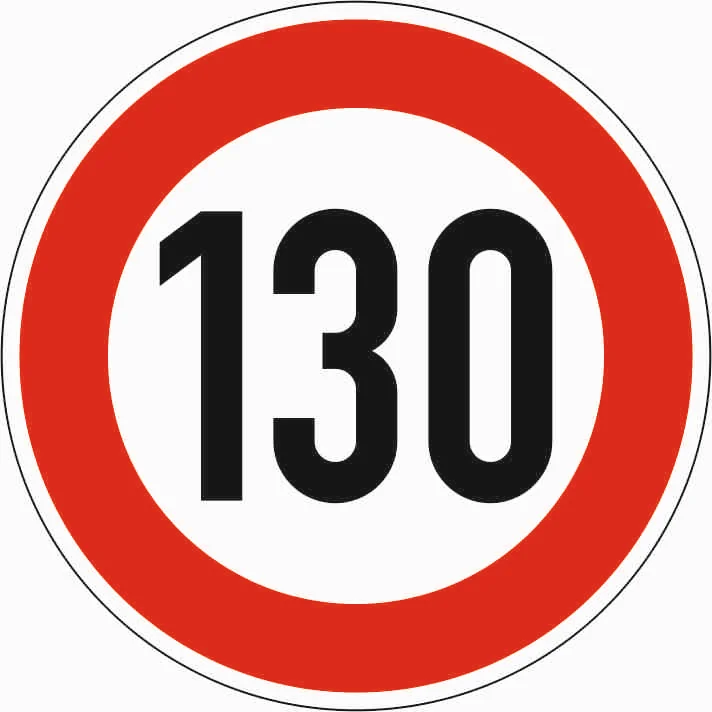
Know the 130 km/h Speed Limit Sign (274-130)
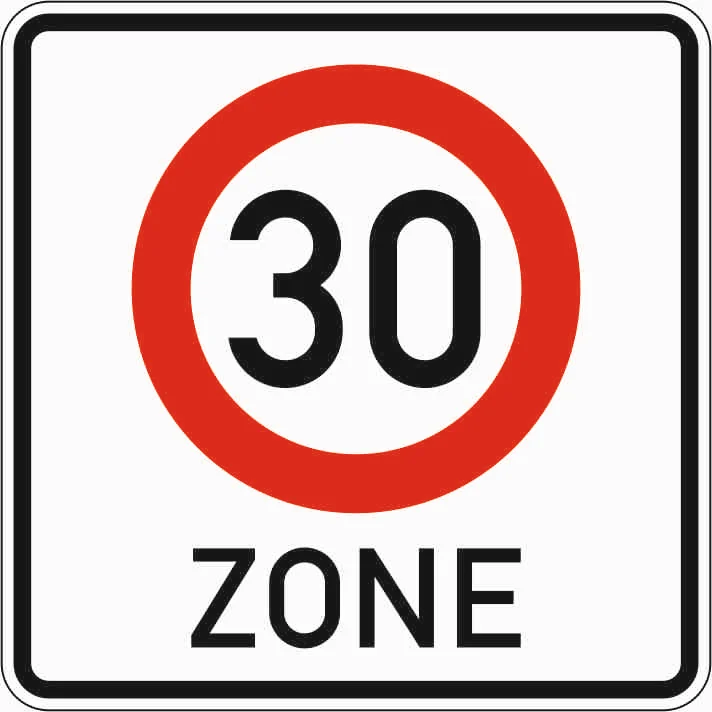
You're entering a Tempo 30-Zone: Slow down and pay attention!
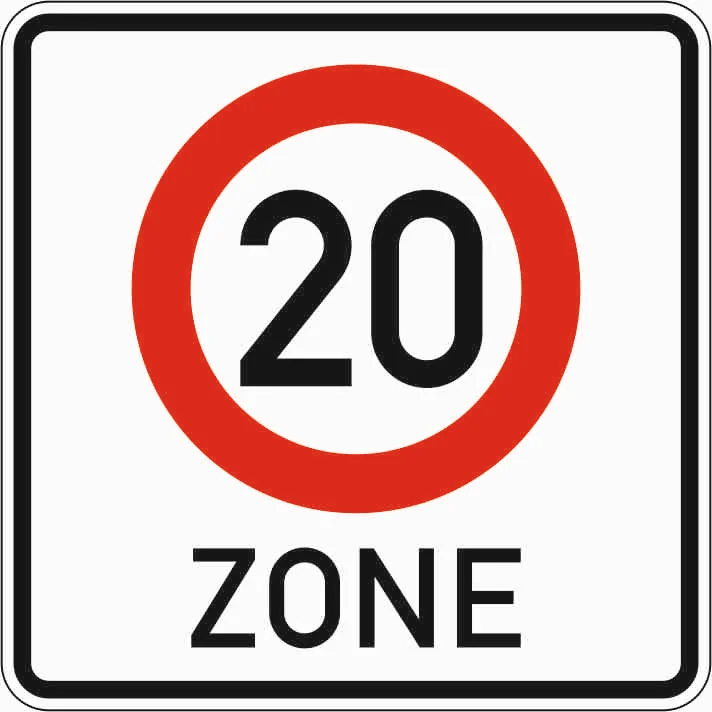
Entering a Tempo 20 Zone in Business Areas: What Sign 274.1-20 Means
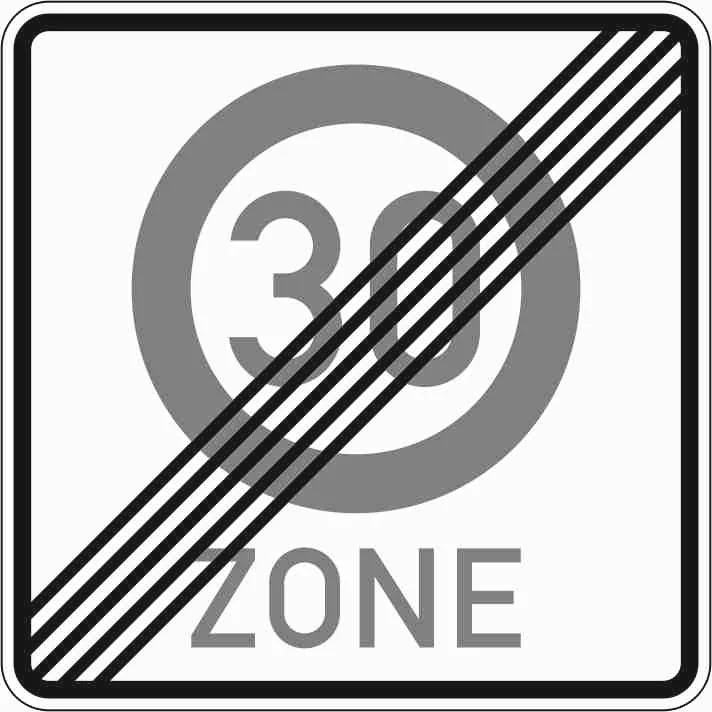
This Sign Means Your 30 km/h Zone Has Ended
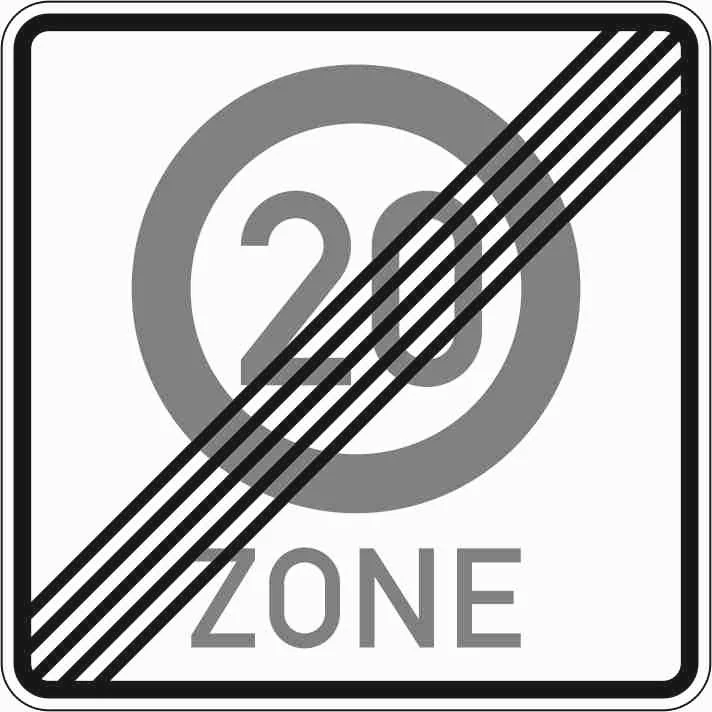
You're Leaving the Tempo 20 Zone: Sign 274.2-20 Signals the End of the Restriction.
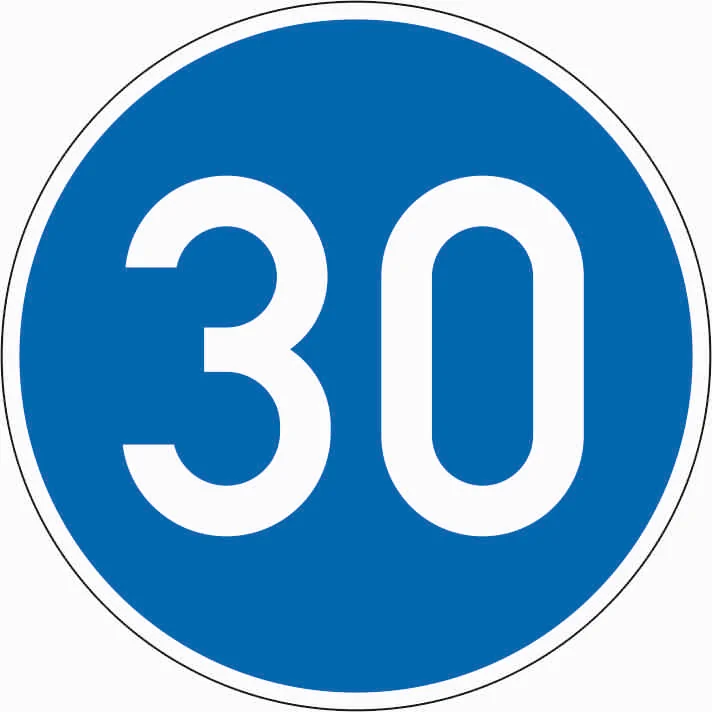
Understand German Sign 275: Mandatory Minimum Speed Limit
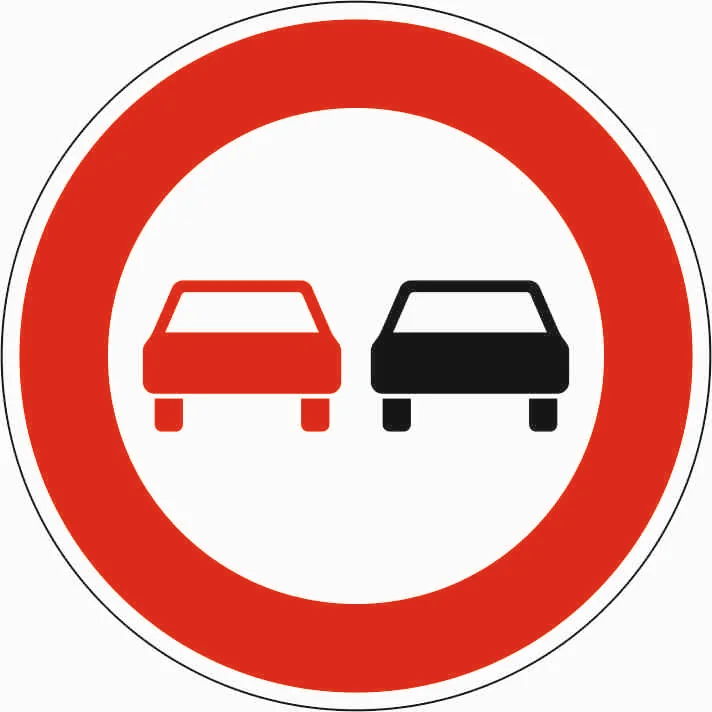
Understand Sign 276: No Overtaking for Any Motor Vehicle
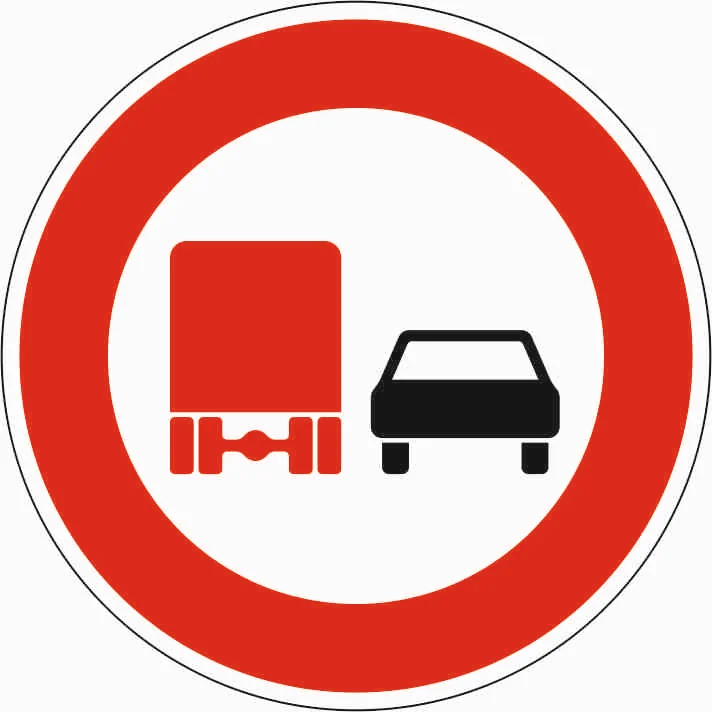
German Sign 277: No Overtaking for Motor Vehicles Over 3.5 Tonnes
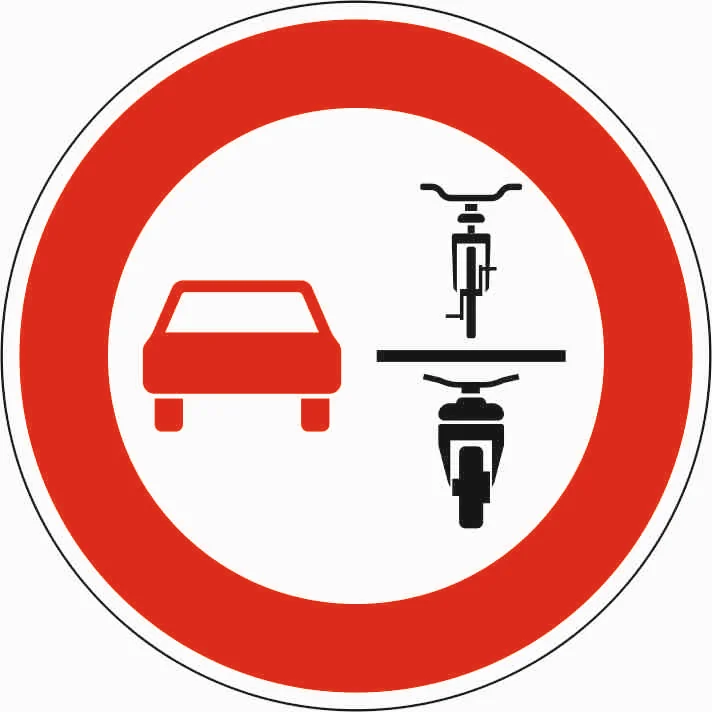
Understanding Sign 277.1: No Overtaking of Single-Track Vehicles by Multi-Track Vehicles and Motorcycles with Sidecars
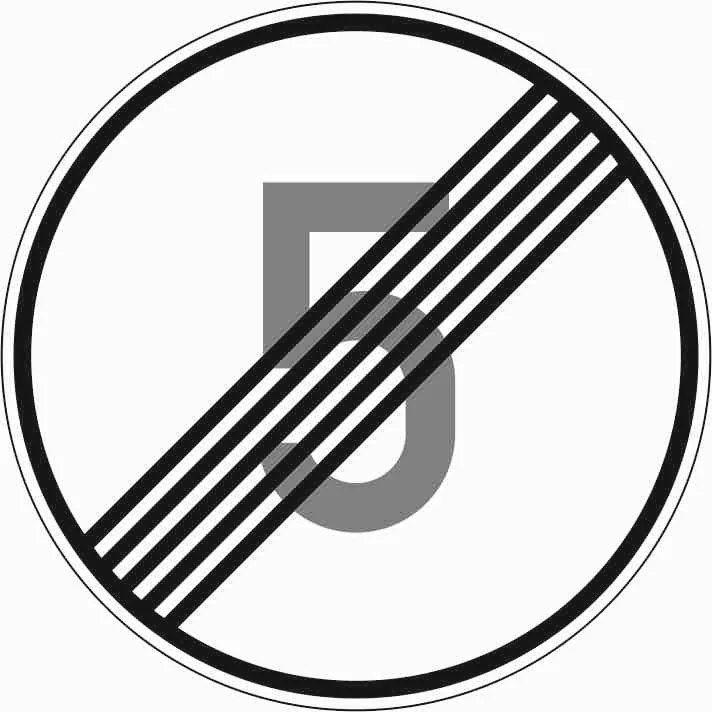
Sign 278-5: The end of a 5 km/h speed limit is here!
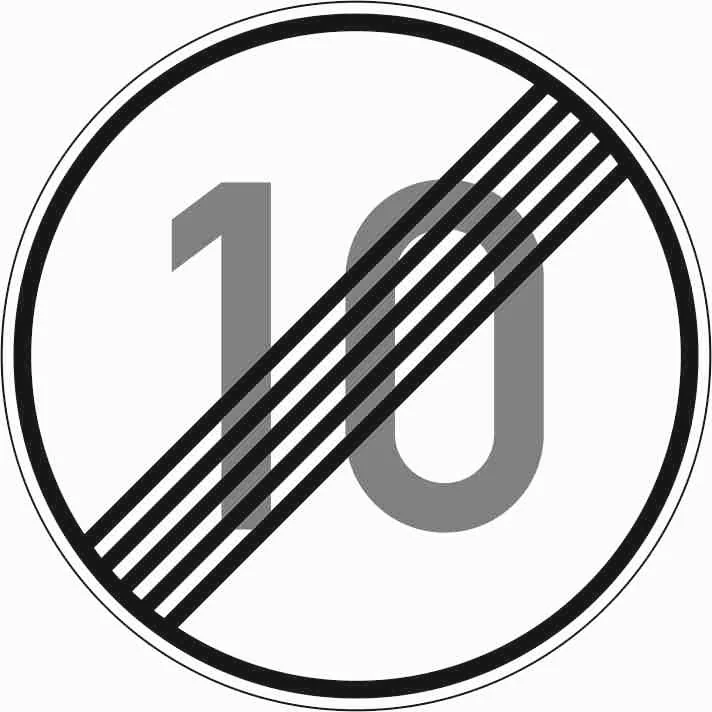
Sign 278-10: The End of a 10 km/h Speed Restriction
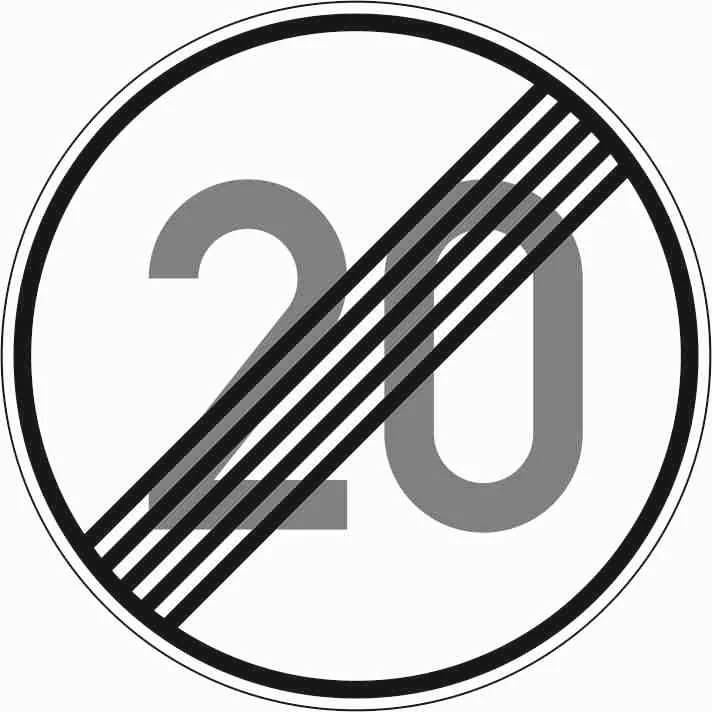
German Sign 278-20: End of the 20 km/h Speed Limit
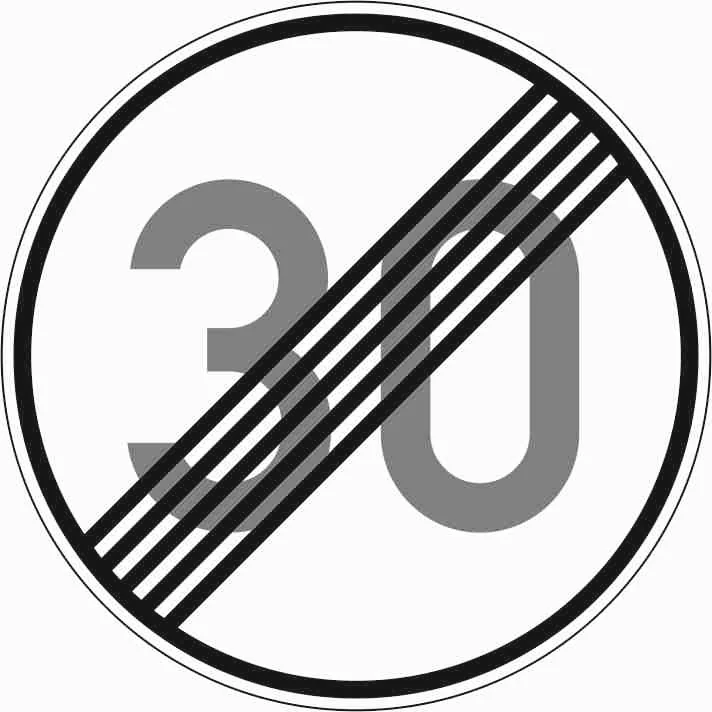
End of the 30 km/h Speed Limit Sign (278-30)
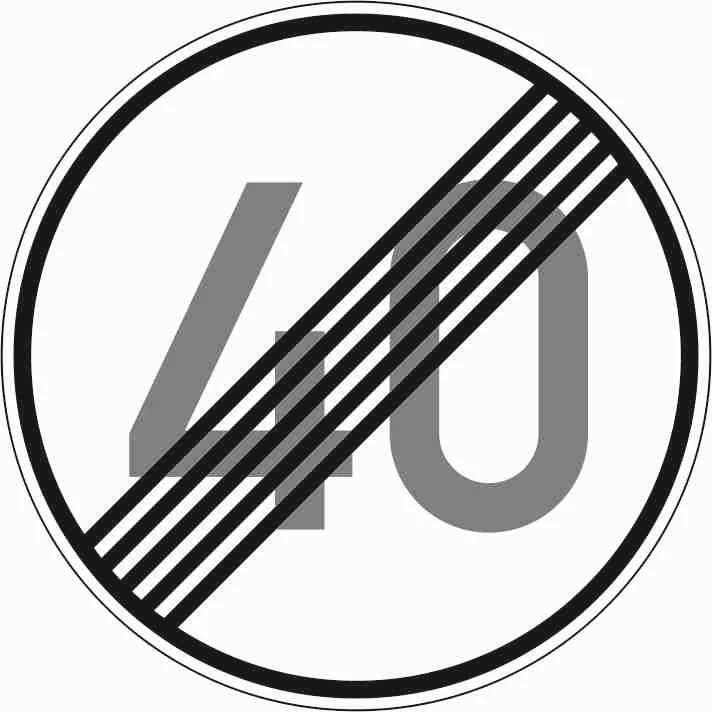
Sign 278-40: Your Green Light to Exceed 40 km/h Again
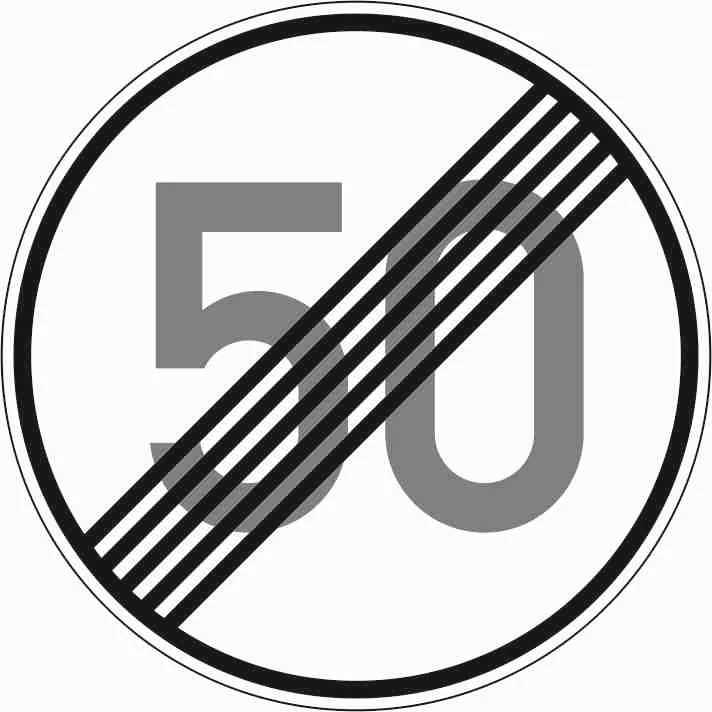
Sign 278-50: This is where the 50 km/h speed limit ends.
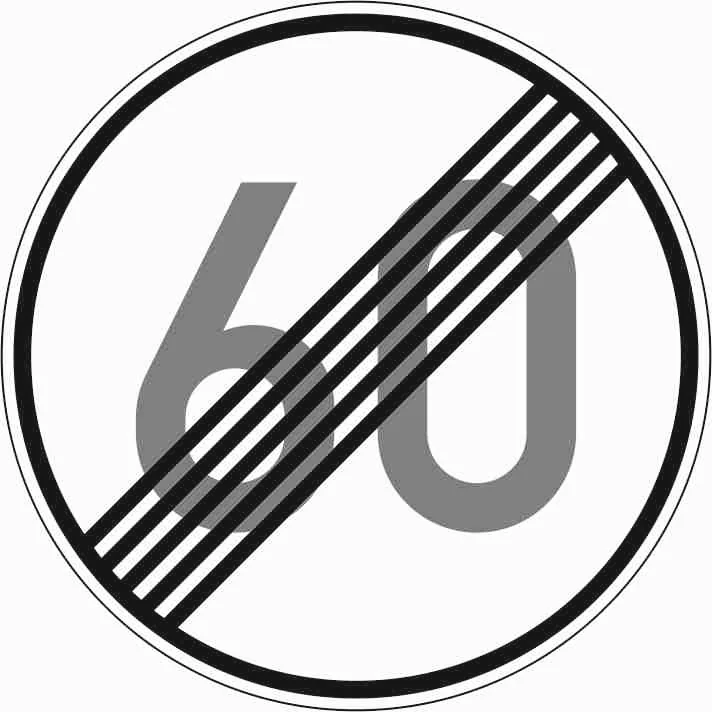
End of the 60 km/h Speed Limit Road Sign (278-60)
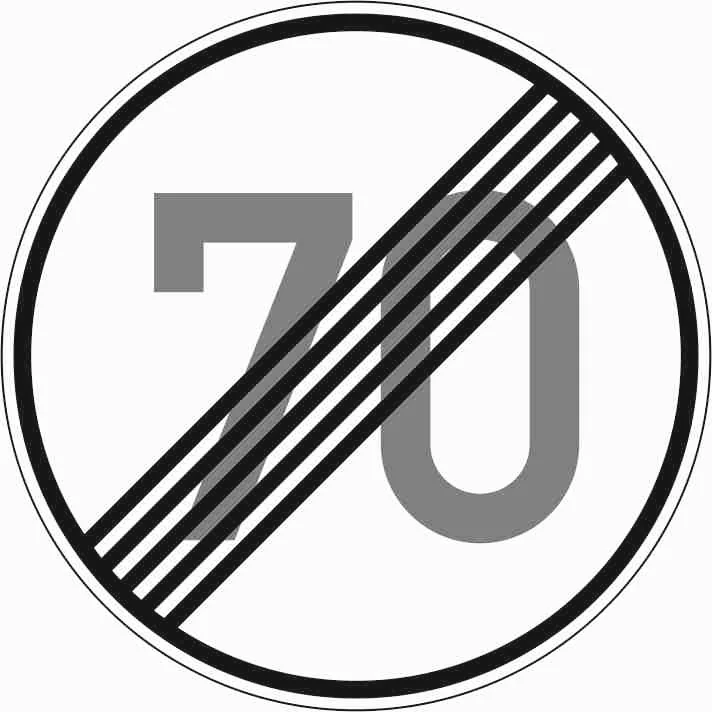
End of the 70 km/h Speed Limit Sign: What You Need to Know
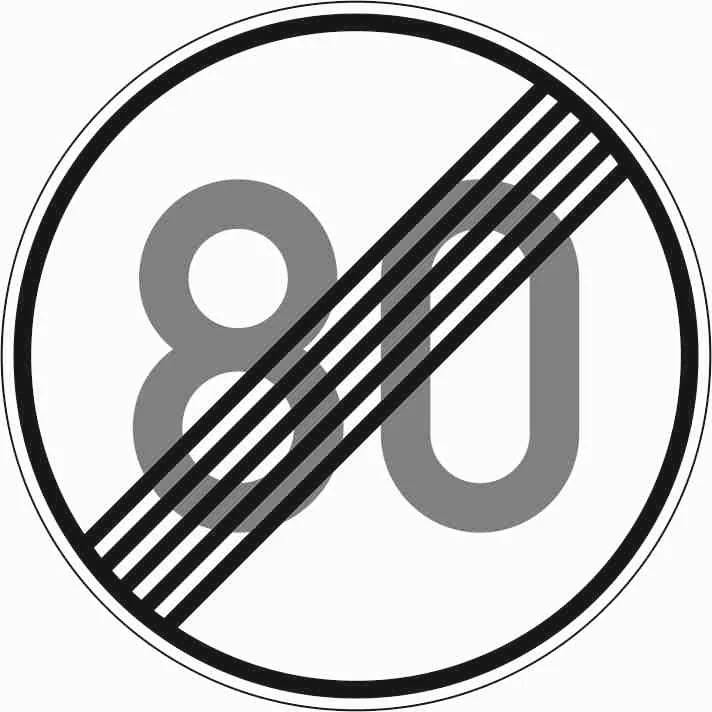
Sign 278-80: The End of the 80 km/h Speed Limit is Here!
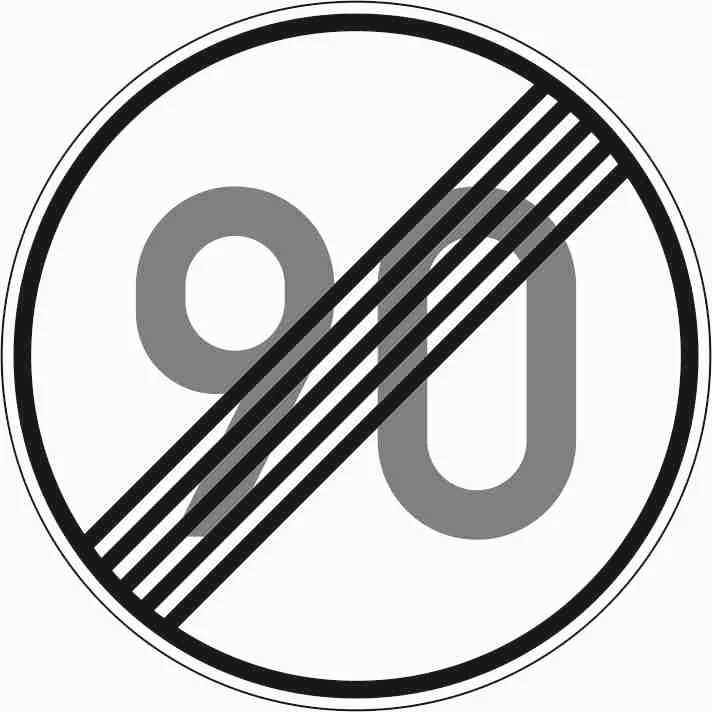
Sign 278-90: End of the 90 km/h Speed Limit
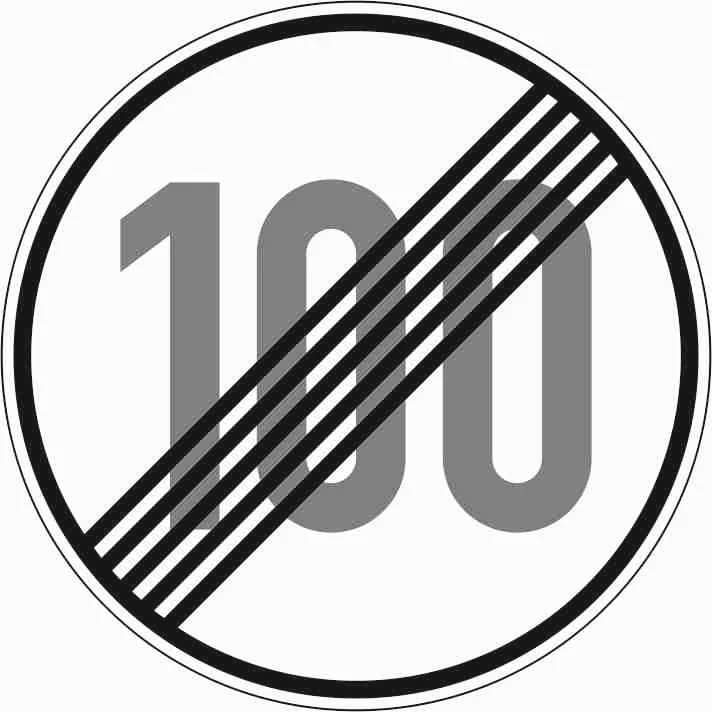
End of the 100 km/h Speed Limit Sign (278-100)
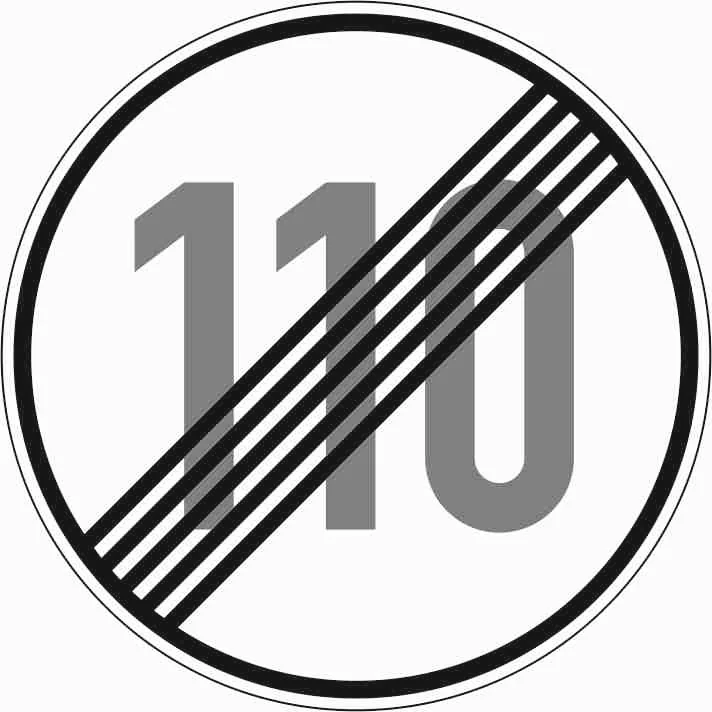
End of the 110 km/h Speed Limit Road Sign: What You Need to Know
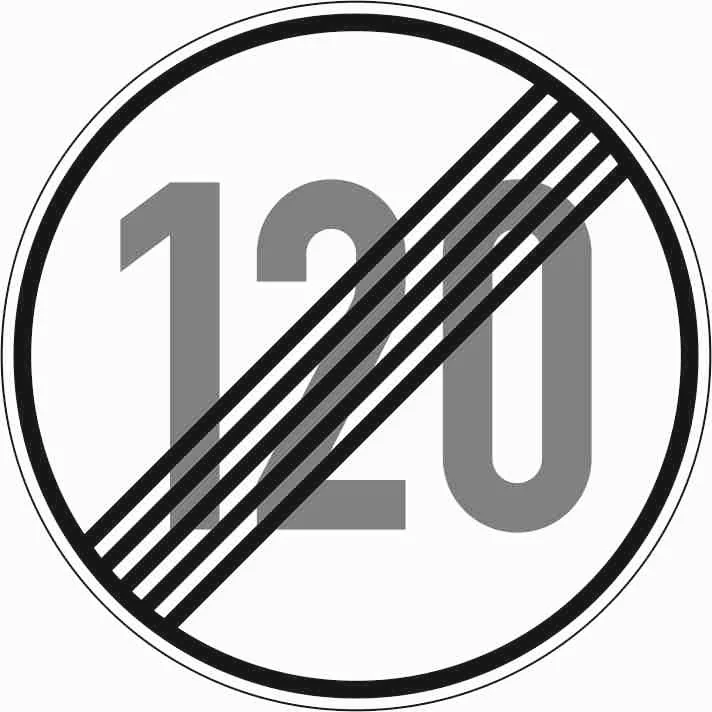
End of the 120 km/h Speed Limit: Sign 278-120
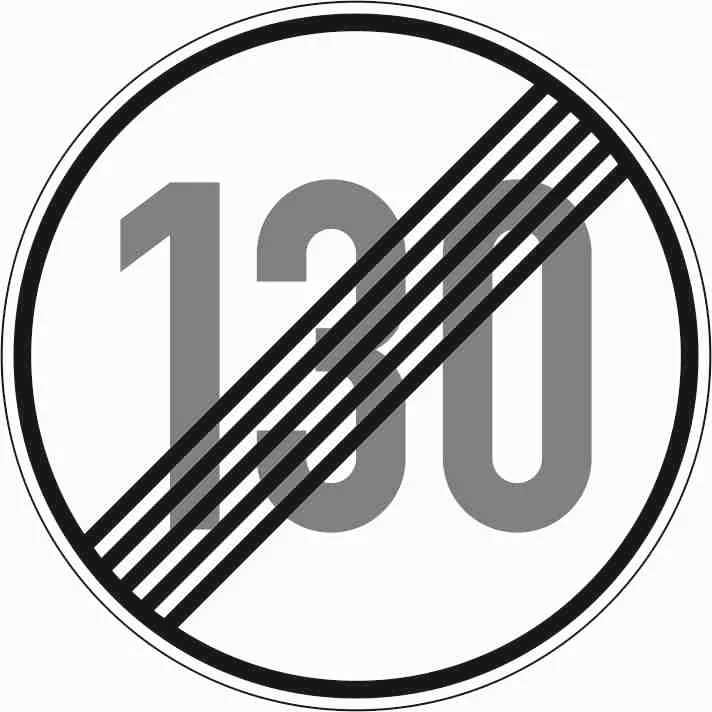
End of the 130 km/h Speed Limit Ahead: Sign 278-130
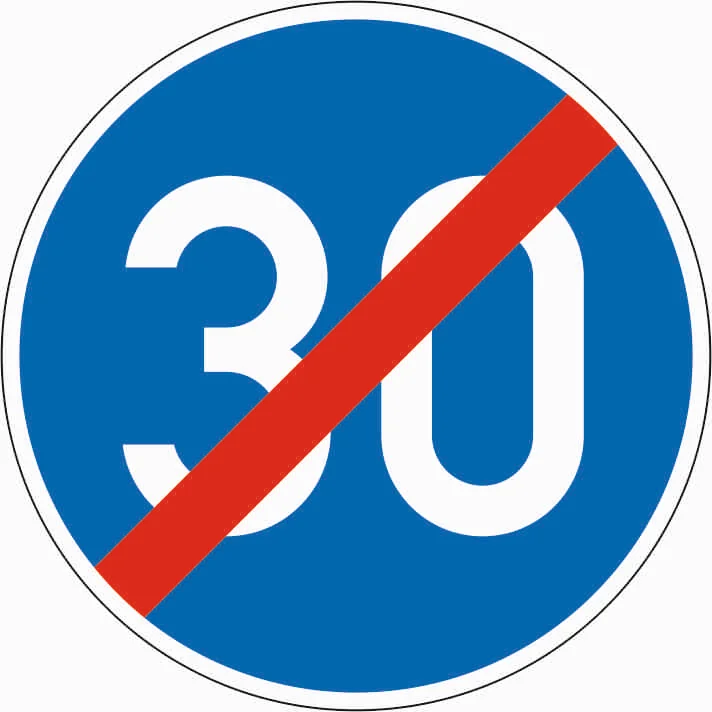
Sign 279: The End of Your Mandatory Minimum Speed Limit
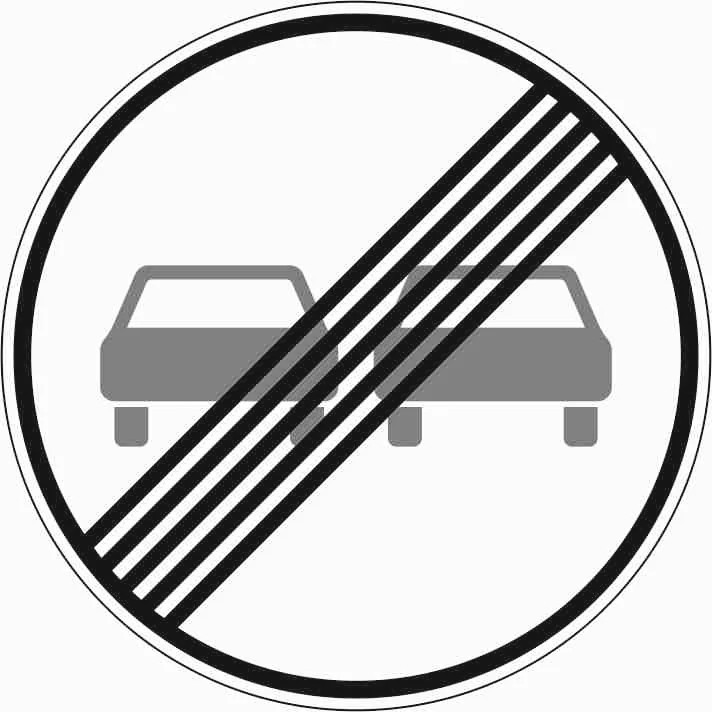
Sign 280: The End of Overtaking Restrictions for All Motor Vehicles
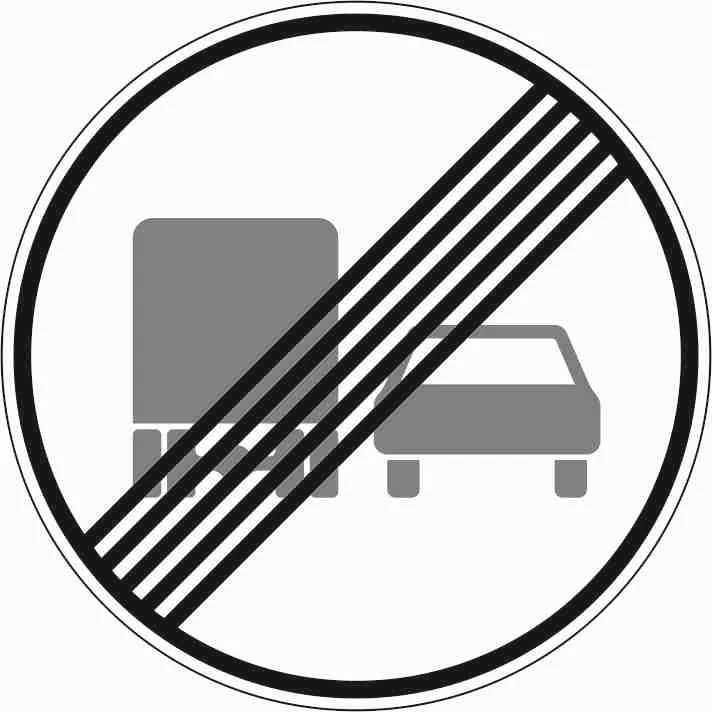
Sign 281: The End of the No Overtaking Zone for Heavy Vehicles
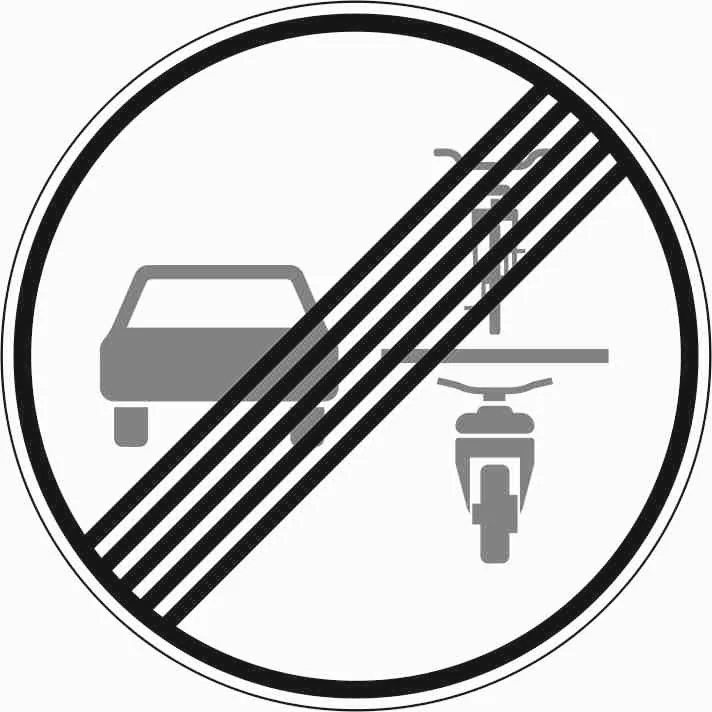
End of Overtaking Restriction: Sign 281.1
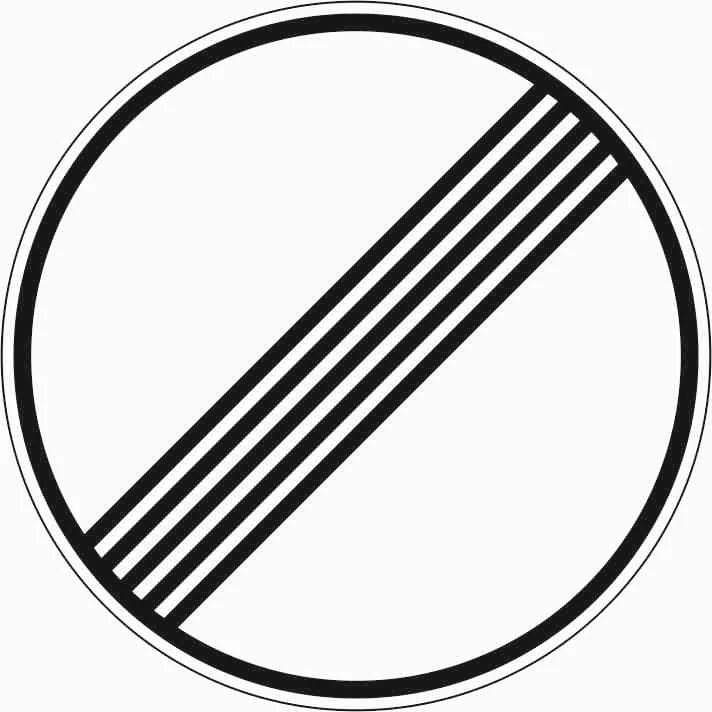
Sign 282: All Speed Limits and Overtaking Bans Now End Here
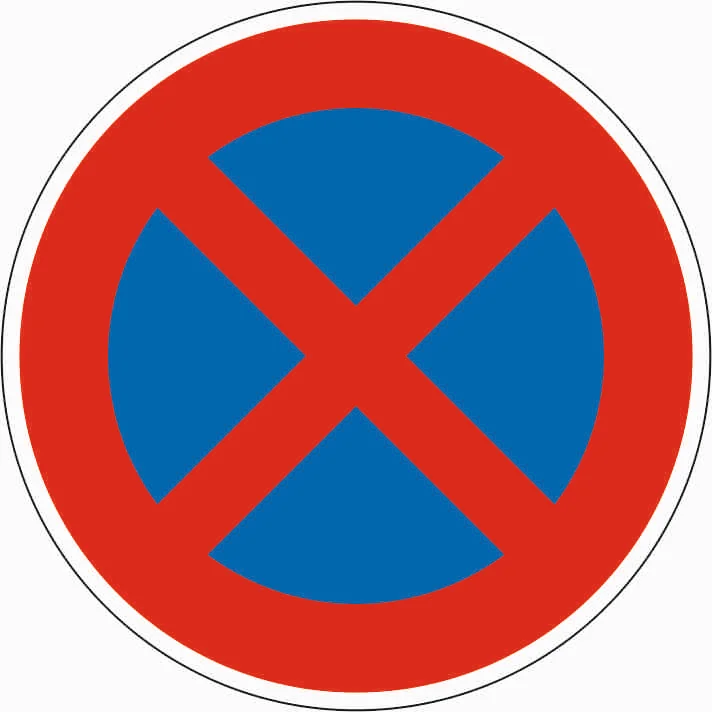
Traffic Sign 283: Absolute No Stopping Zone Ahead
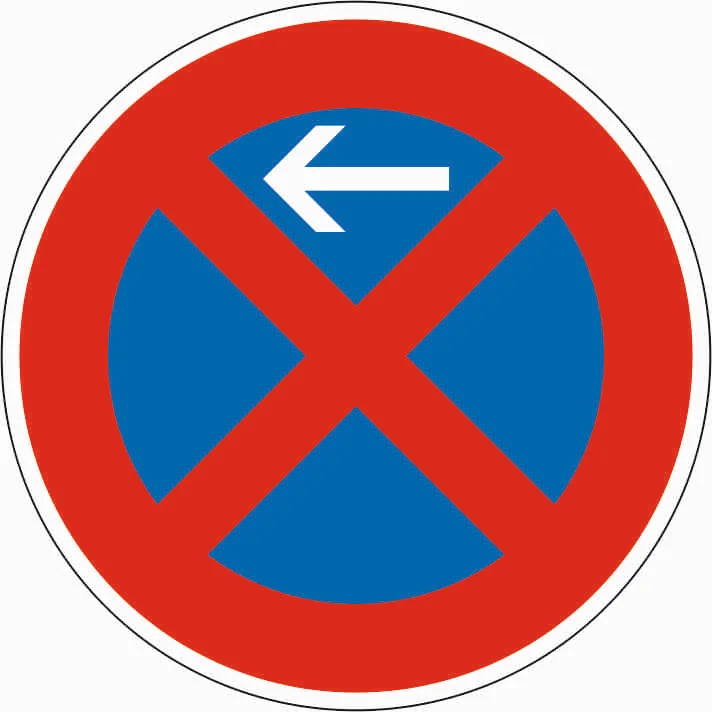
Understand the 'No Stopping - Start - Installed on the Right' Sign (283-10)
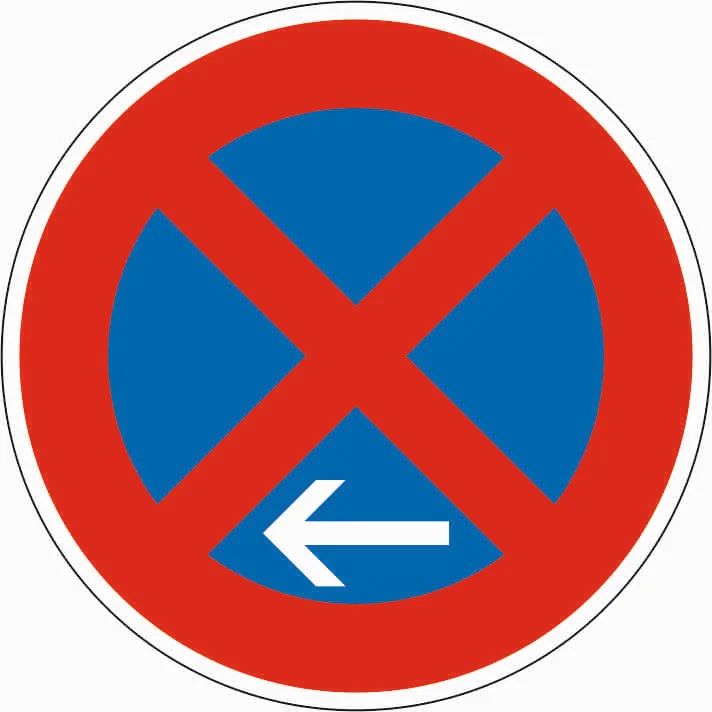
End of No Stopping Zone Sign (Left-Side Installation)
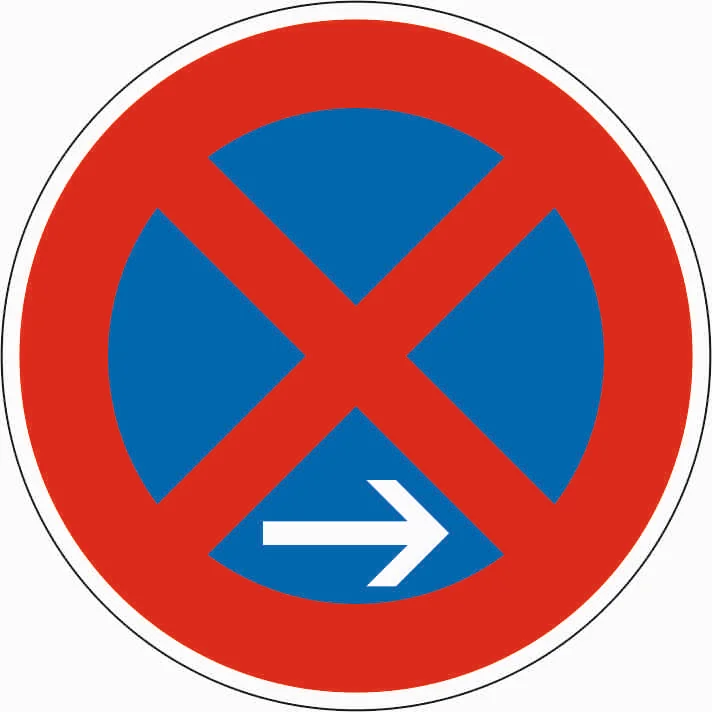
German Sign 283-20: You are leaving the 'No Stopping' zone.
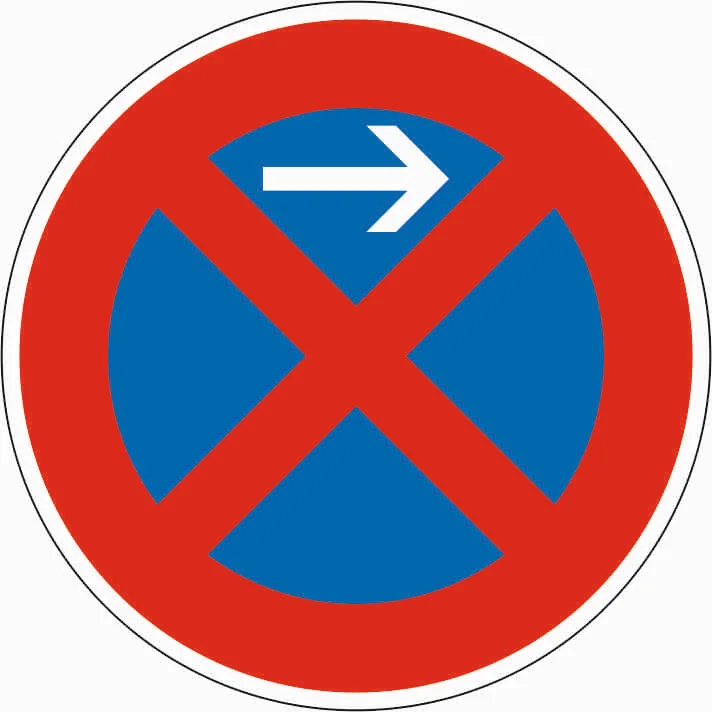
German Sign 283-21: Understanding the 'No Stopping - Start - Installed on the Left' Prohibition
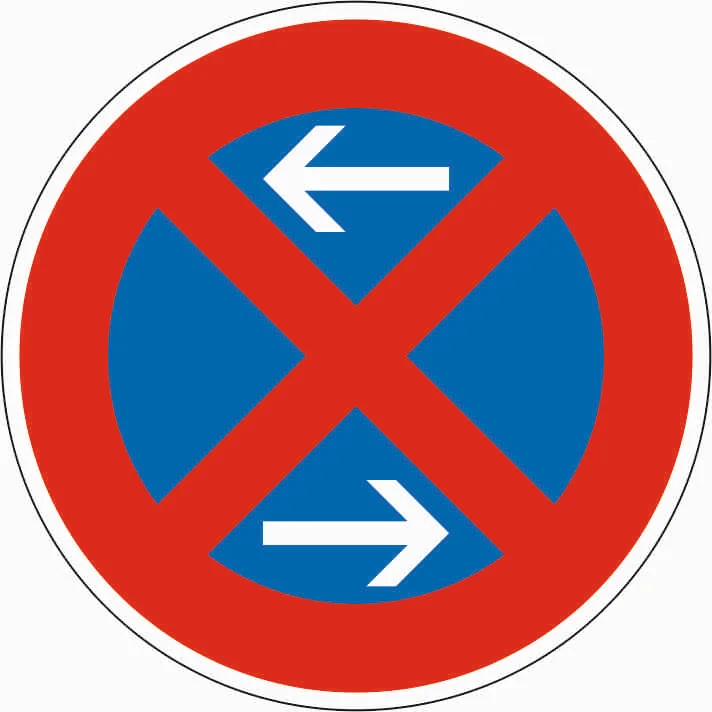
Sign 283-30: Absolute No Stopping Zone – Right Side Placement
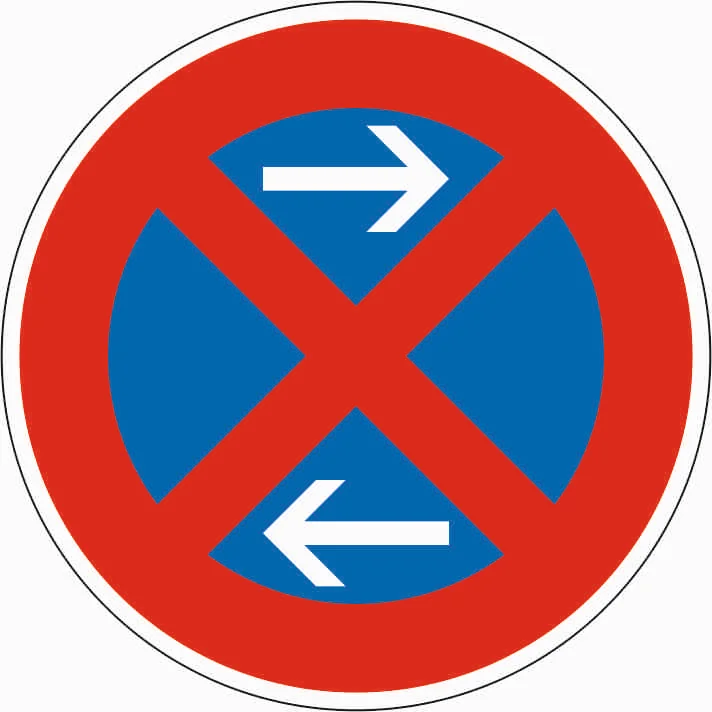
German Road Sign 283-31: Understanding 'No Stopping - Middle - Left'
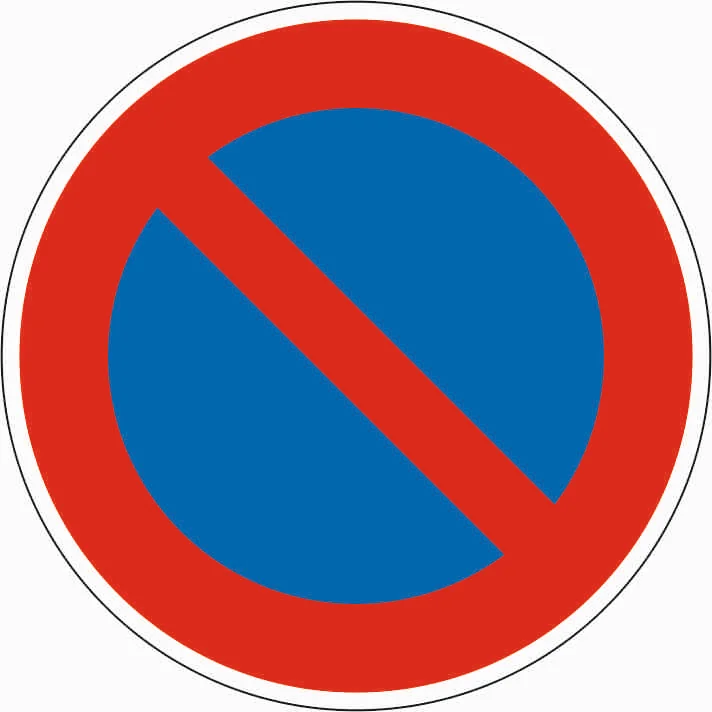
Understanding the German 'No Parking' Sign (Sign 286 - Eingeschränktes Haltverbot)
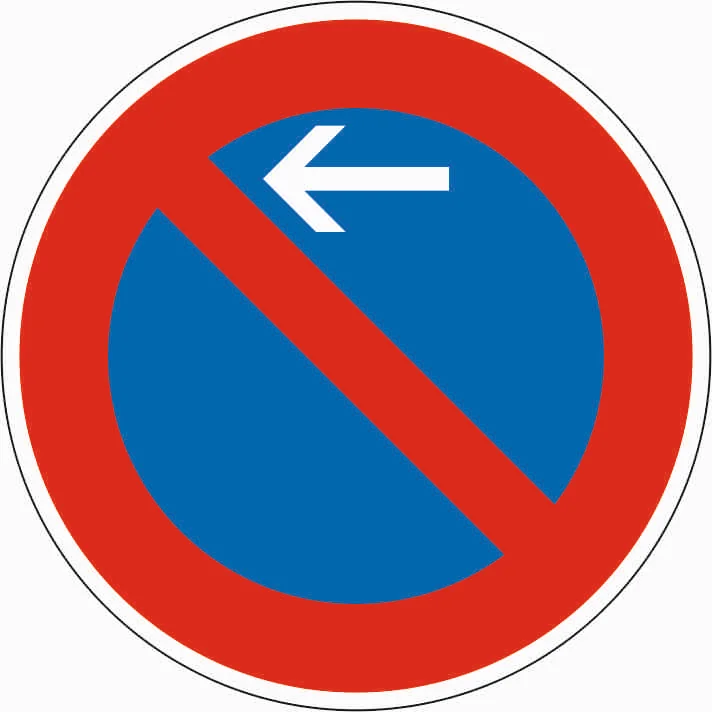
Understand the 'No Parking - Start - Installed on the Right' Sign (286-10)
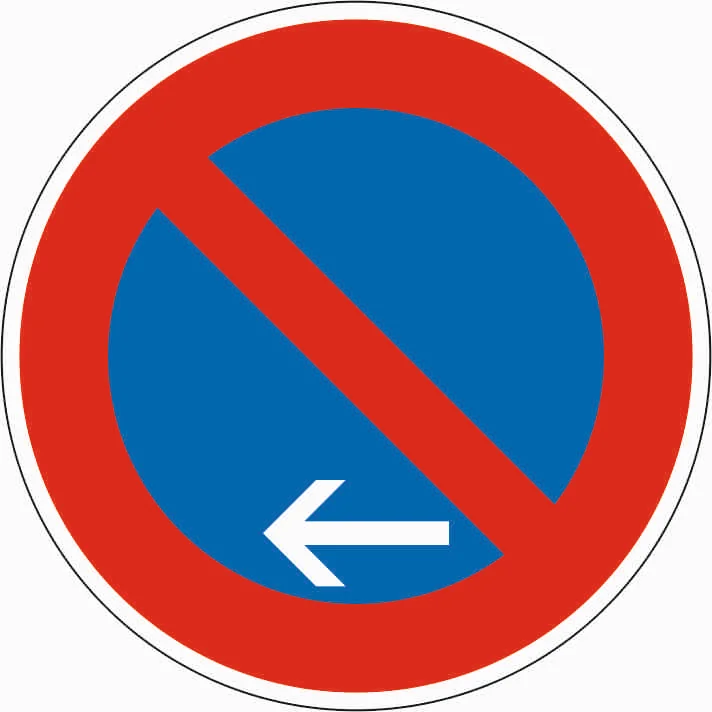
End of Restricted Parking Zone - Sign 286-11
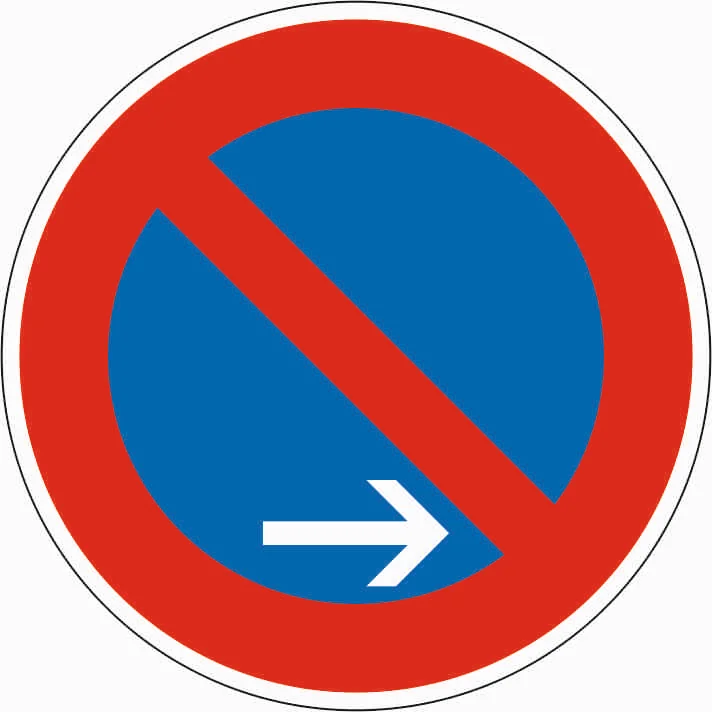
End of Restricted Parking Area: Sign 286-20 Means Restrictions No Longer Apply on the Right
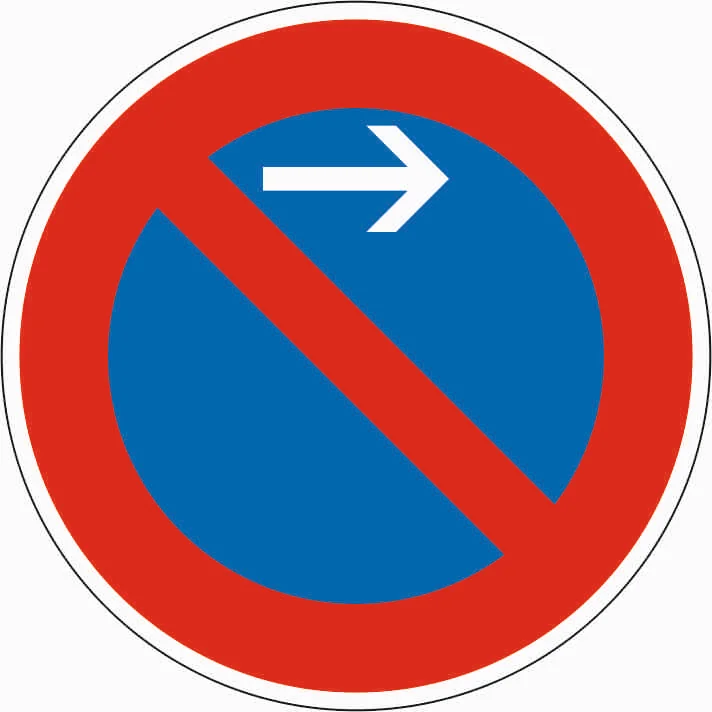
Understand the "No Parking - Start - Installed on the Left" Sign (286-21)
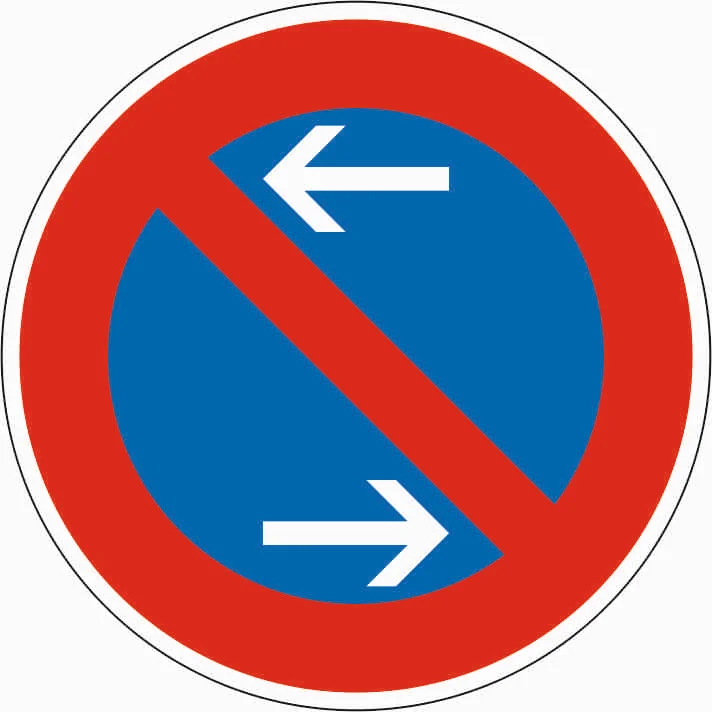
Understand the German 'No Parking - Middle - Installed on Right' Sign (286-30)
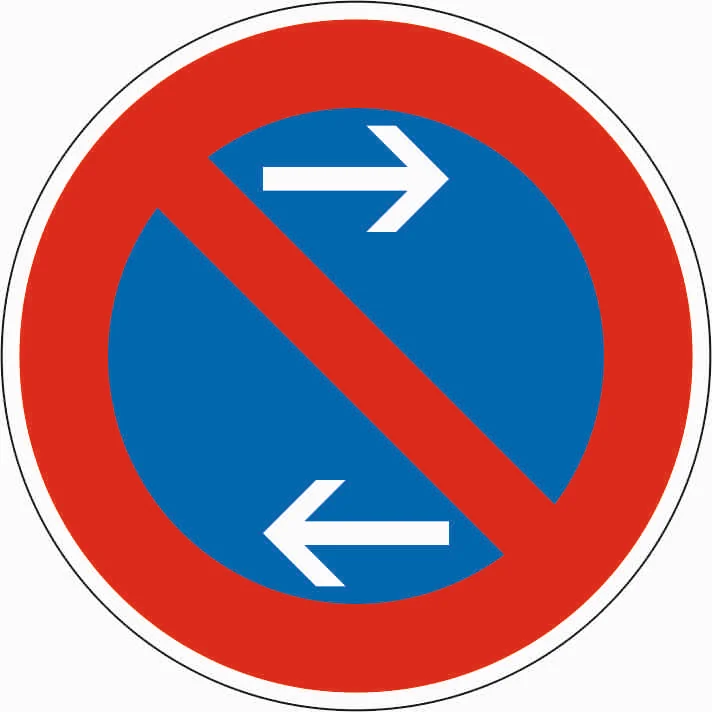
Understand the 'No Parking - Middle - installed on the left' regulatory sign (286-31).
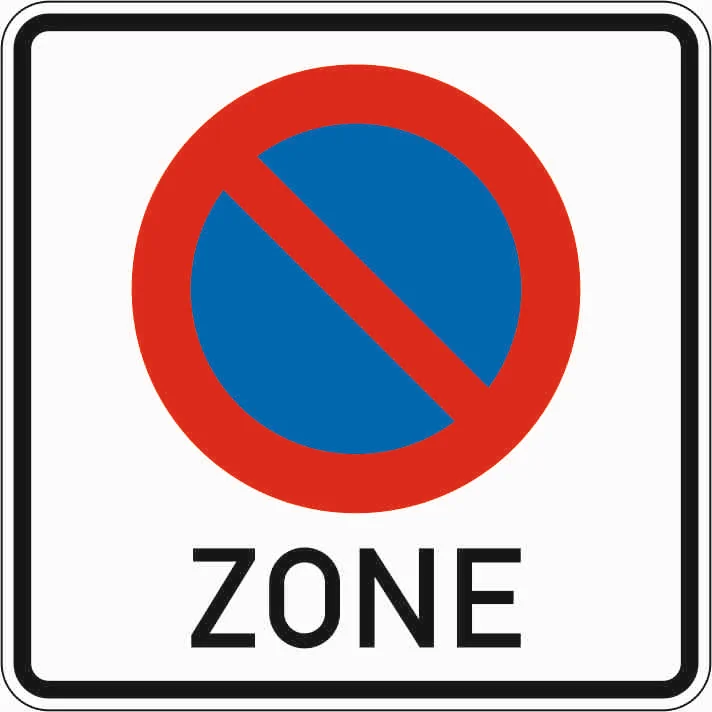
Sign 290.1: Entering a Zone with Restricted Stopping Rules
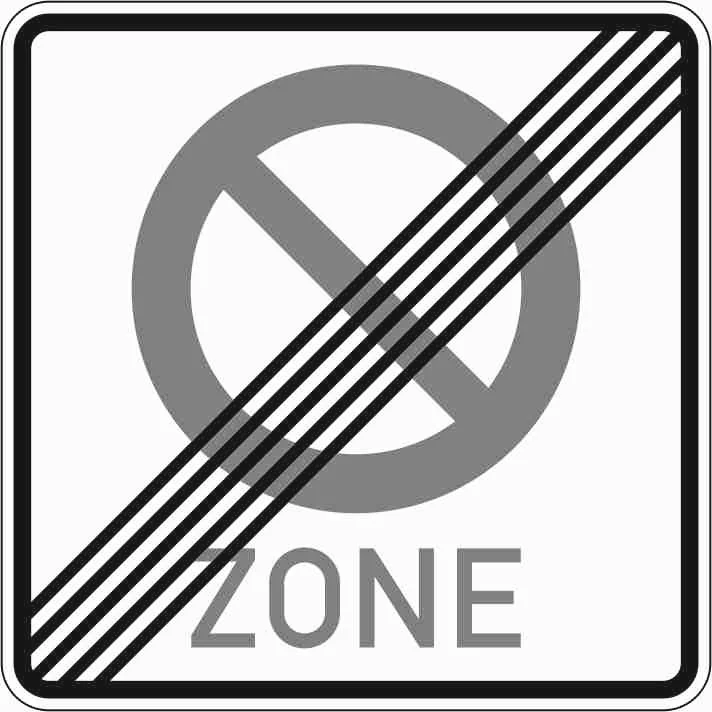
Sign 290.2: Restricted Stopping Prohibition Zone Ends Here

Sign 293: Yield to Pedestrians at Marked Crossings
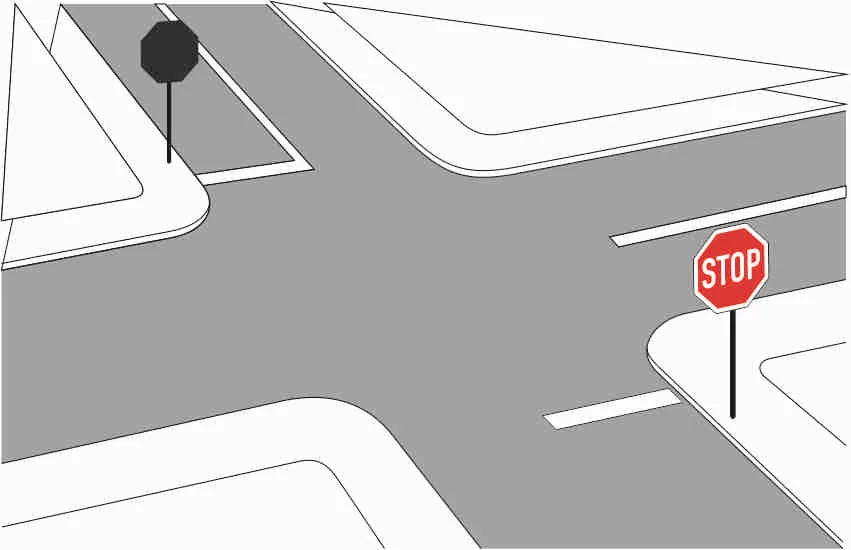
Sign 294 Haltlinie: Understand the German Stop Line
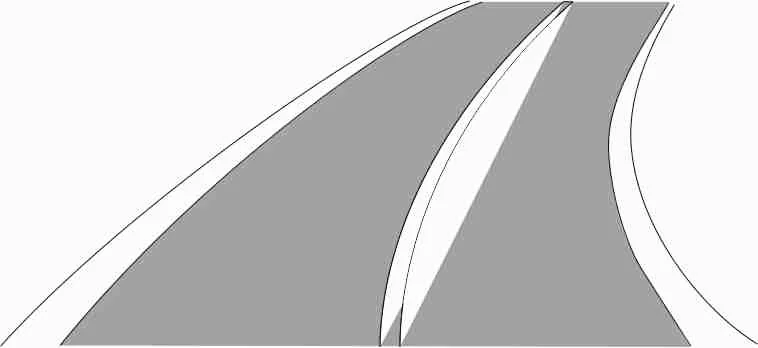
Understand German Sign 295: Lane Boundary (Fahrbahnbegrenzung) - A Binding Regulatory Rule
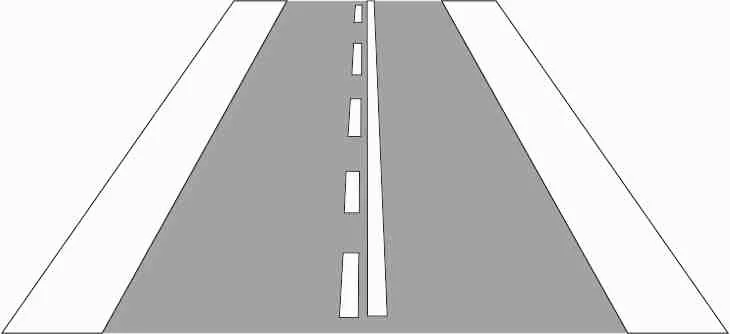
Germany's Sign 296: Understanding the Einseitige Fahrstreifenbegrenzung (Single Lane Boundary)
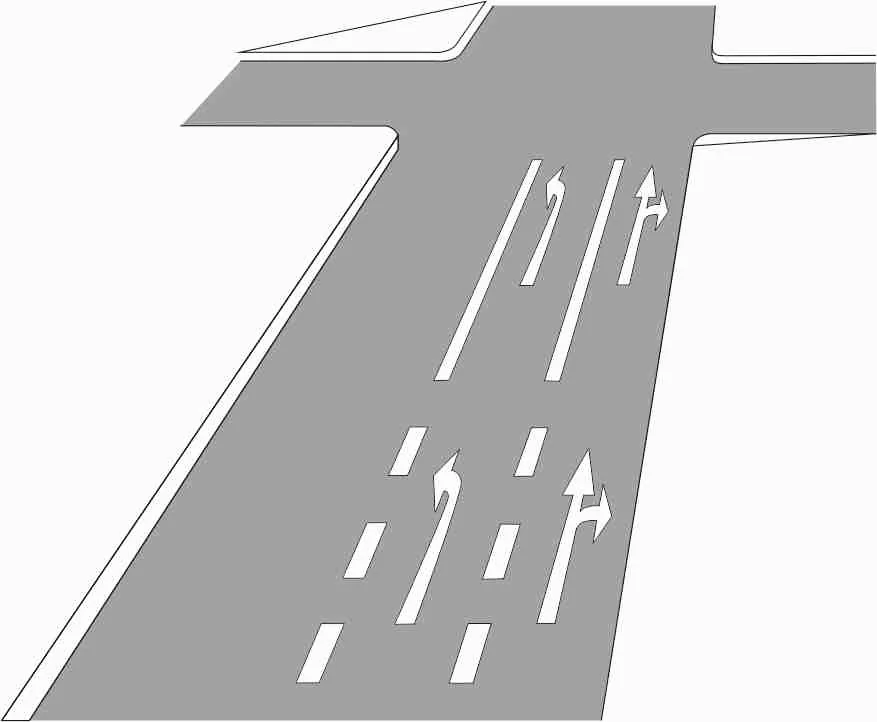
Sign 297 Pfeilmarkierungen: Follow the Lane Direction Markings
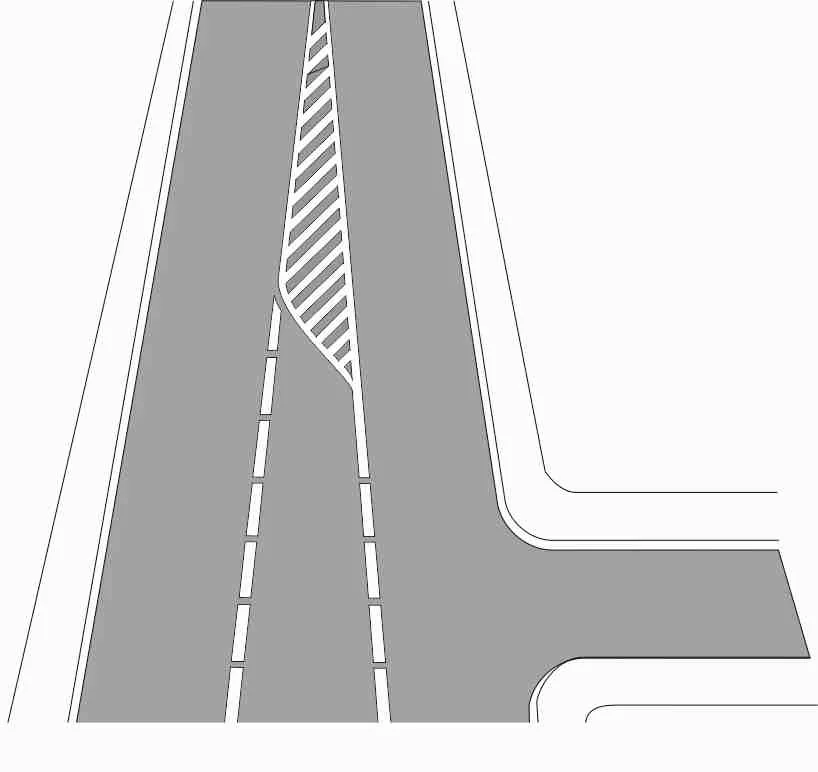
Sign 298: Understand the Hatched Marking (Sperrfläche) and How to React
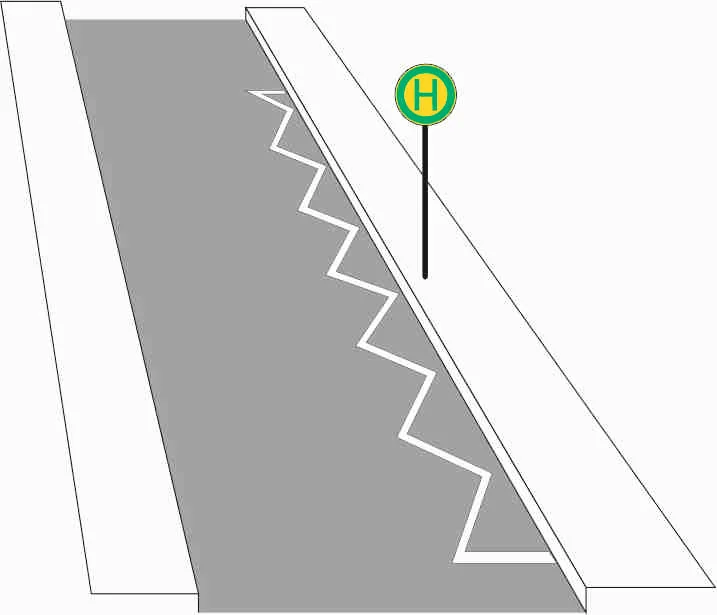
Sign 299 marks the start of stopping or parking prohibition zones in Germany.
Clear answers to common questions about the German Regulatory Signs road sign category. Use this FAQ to review tricky rules, understand how these signs appear in exam scenarios, and remove confusion that often leads to mistakes in the German driving theory exam in Germany.
A 'No Stopping' sign (283) prohibits even brief stops, such as waiting for a passenger or momentarily pulling over. A 'No Parking' sign (286) prohibits parking, which involves stopping for a longer duration, but brief stops like dropping off or picking up passengers might still be permitted depending on other traffic rules. Essentially, 'No Stopping' is a stricter prohibition.
Sign 208, 'Oncoming traffic has priority', is typically seen in narrow sections of road, like single-lane bridges or roadworks. When you encounter this sign, you must wait and allow vehicles coming from the opposite direction to pass before proceeding. You only enter the narrow section when it is clear and safe to do so.
Yes, signs like 'Start of Tempo 30 Zone' (274.1) and 'End Tempo 30 Zone' (274.2) indicate that a general speed limit of 30 km/h applies to all roads within that defined zone. This is different from a standard speed limit sign which applies only to the specific stretch of road where it's posted. Within a Tempo 30 Zone, you must adhere to the 30 km/h limit until you see the 'End' sign for that zone.
The railway crossbuck signs (201 series) indicate an upcoming railway crossing. The 'stehend' (standing) and 'liegend' (lying) variations denote whether it's a crossing with or without barriers. The 'Blitzpfeil' (lightning arrow) indicates the direction of the crossing. Regardless of the exact variant, these signs serve as a crucial warning to slow down, look and listen carefully, and be prepared to stop if a train is approaching.
Yes, mandatory direction signs (209, 211, 214 series) are strict orders. If you see a sign indicating a mandatory turn (e.g., 'Mandatory direction - right'), you must follow that direction, even if it means taking a longer route to your intended destination. Turning in a direction not indicated by these signs is prohibited and unsafe.
Explore specific road sign categories in detail for your German driving theory test. Dive into individual sign meanings, contexts, and practical applications within their groups. This ensures thorough preparation and builds confidence for the official exam.
Explore German Road Sign Groups