
This group covers a vast array of supplementary signs, often called 'information plates', that work in conjunction with primary traffic signs. They provide crucial context, such as distances, times of day, vehicle types, or specific exceptions, to the main sign they are placed below. Mastering these is key to correctly interpreting traffic situations and passing your theory exam, as they significantly alter the meaning of standard signs.
An explanation of how German Supplementary Signs road signs apply in real traffic situations in Germany. Learn where these signs are typically placed, what drivers are expected to do when they appear, and how correct reactions help you stay safe, avoid fines, and succeed in your German driving theory exam.
Supplementary signs are ubiquitous on German roads and are always found below a main traffic sign. You will encounter them at intersections, along motorways, in urban areas, and near special zones like schools or construction sites. For example, a speed limit sign might be accompanied by a supplementary plate indicating 'only during foggy conditions' or 'except residents'. Similarly, a 'no parking' sign could have a plate specifying 'outside marked bays' or 'weekdays 8 am to 6 pm'. Understanding these plates is critical as they provide the finer details that dictate your legal obligations and safe driving behaviour, preventing misunderstandings and potential fines. Always read the supplementary sign in combination with the main sign above it to grasp the complete message.
An overview of the key learning outcomes when studying the German Supplementary Signs road sign category. Understand the main concepts, sign meanings, and traffic situations covered here so you can recognise patterns, answer theory questions more confidently, and build a solid foundation for safe driving in Germany.
Explore Germany's supplementary road signs that refine the meaning of main traffic signs. Understanding these plates is crucial for correct interpretation in the German theory test, covering distances, specific vehicle types, and local conditions. Effective study of these signs improves your overall traffic sign recognition.

Understand German Sign 1000-10: Direction, Pointing Left Supplementary Sign

German Road Sign 1000-11: Advance Notice, Pointing Left

Understand German Supplementary Sign 1000-12: Pedestrians Use Sidewalk Opposite, Pointing Left

Understand the 'Umleitungsbeschilderung Dreiviertelkreis' Supplementary Sign (1000-13)
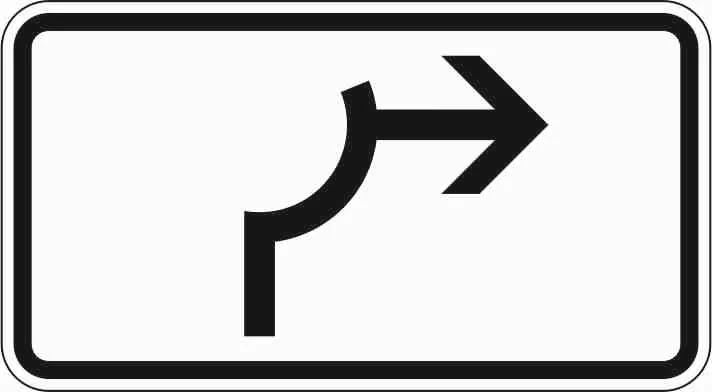
Understand the 'Umleitungsbeschilderung Viertelkreis' Supplementary Sign

Understand German Supplementary Sign 1000-30: Opposing Directional Arrows
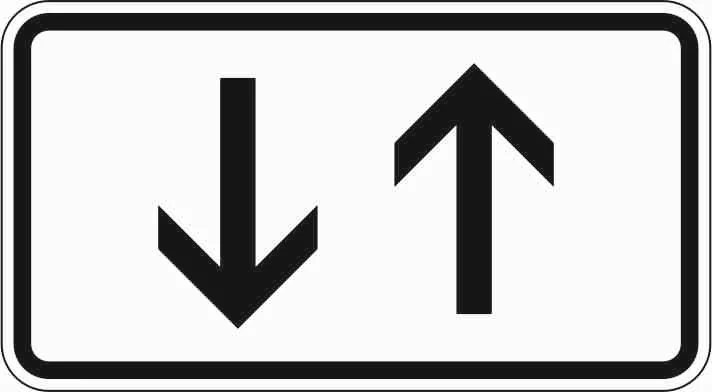
This Supplementary Sign Explains How to Apply the Main Sign Above it.
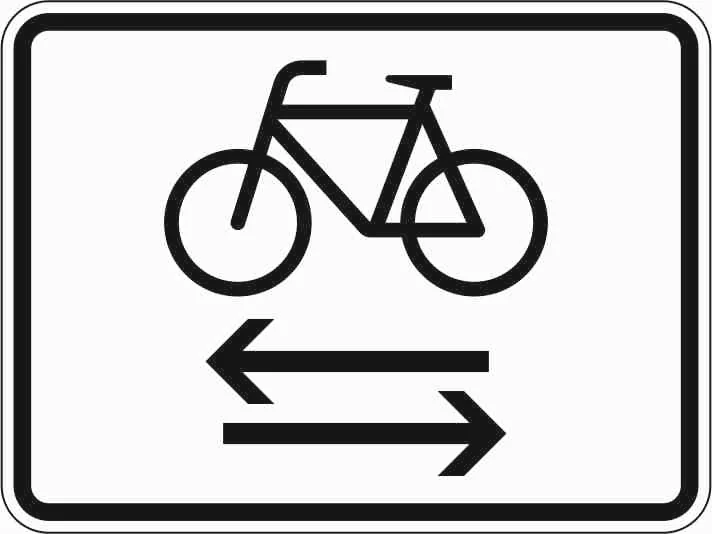
Understand When Cycle Traffic Crosses or Travels Opposite with Sign 1000-32
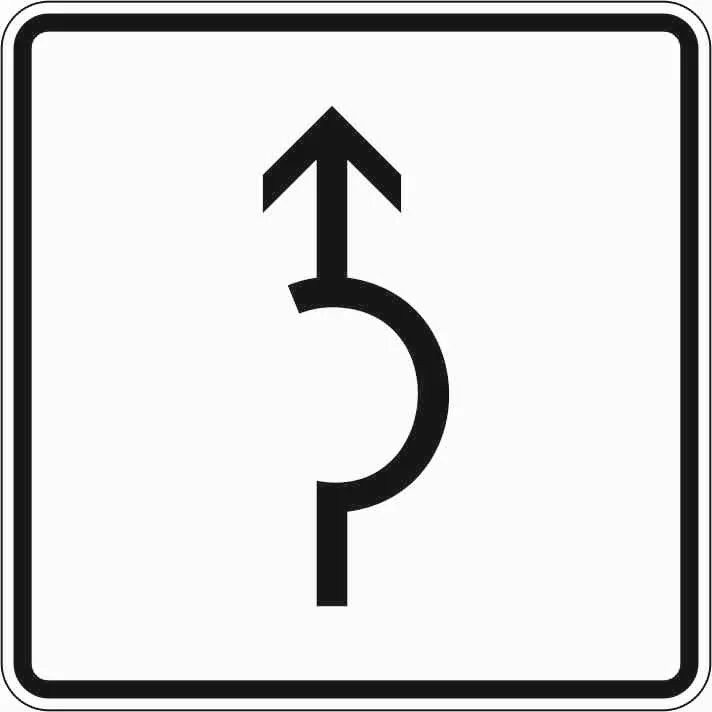
Understand the 'Umleitungsbeschilderung Halbkreis' Supplementary Sign
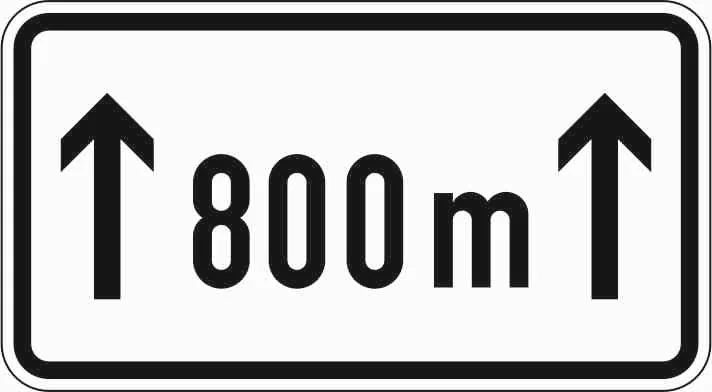
This Supplementary Sign Modifies the Rule Above It
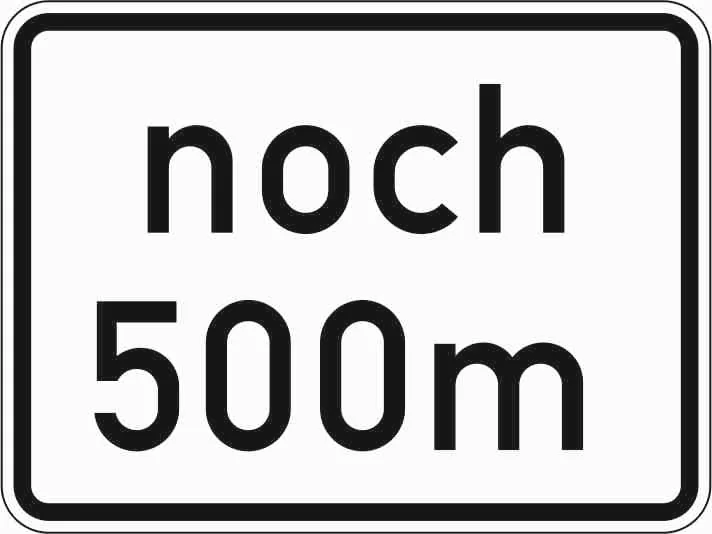
Understand "Noch...m" Supplementary Signs in Germany to Modify Traffic Rules
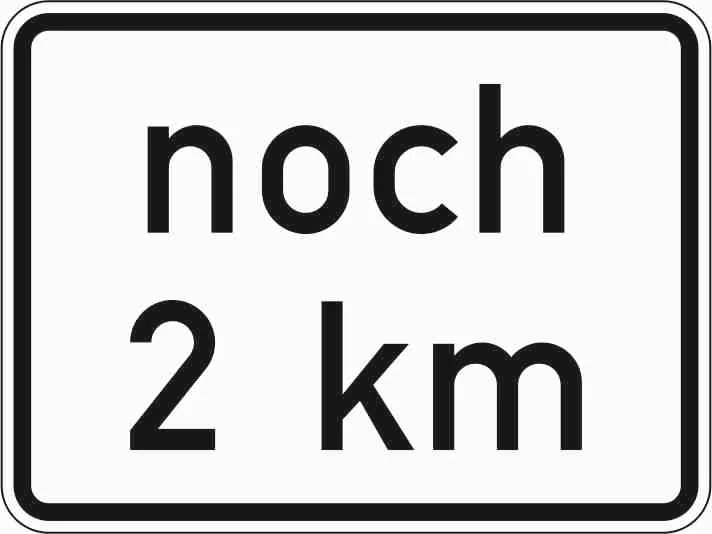
Understand the 'Noch...km' supplementary sign to grasp the full meaning of traffic rules.
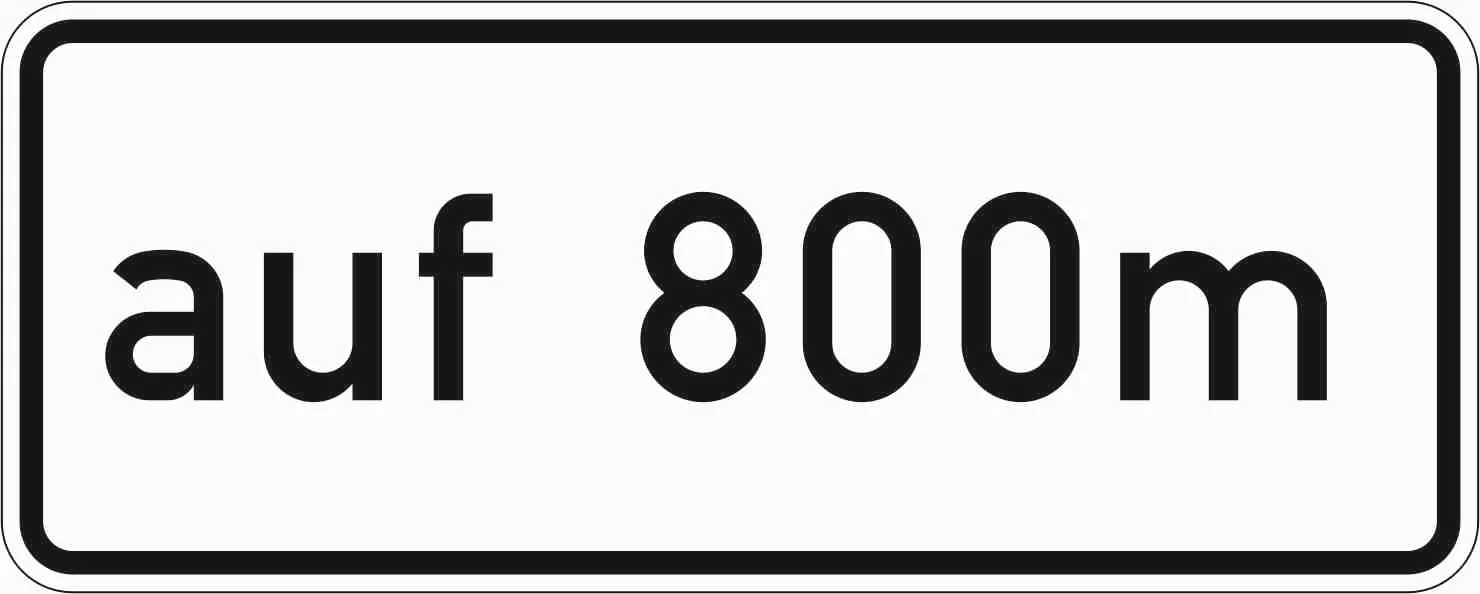
This Supplementary Sign Specifies Distance for the Sign Above It
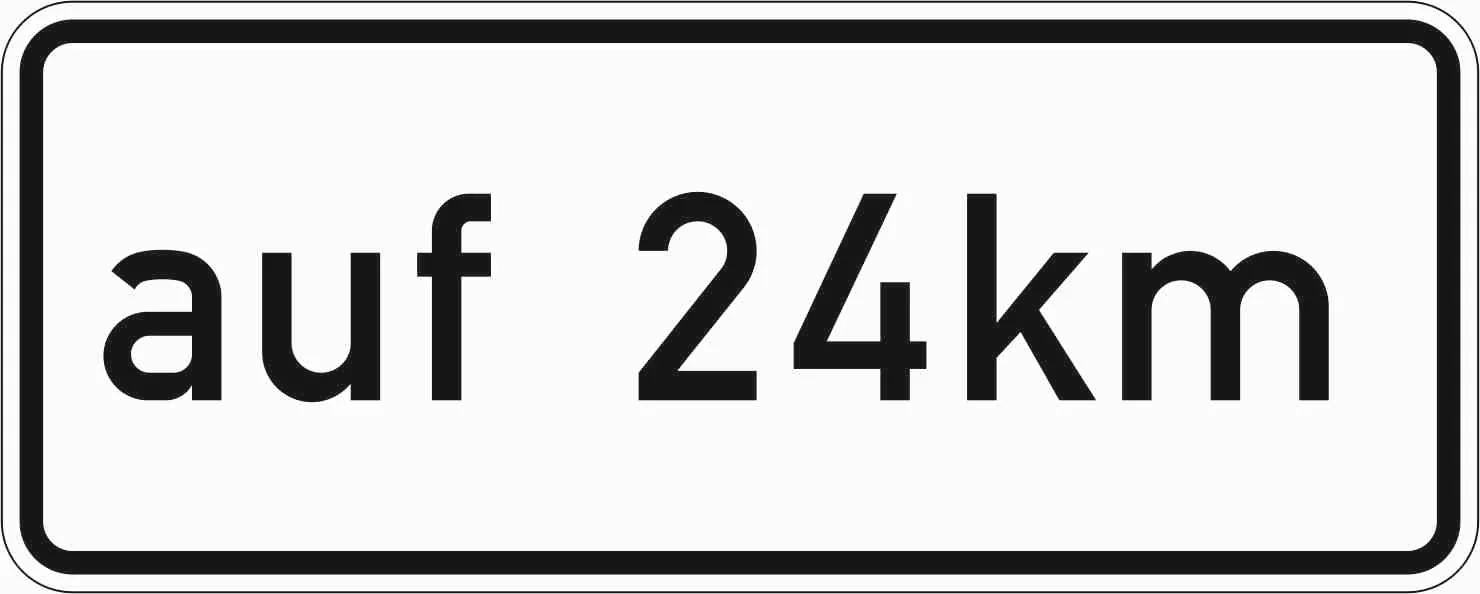
German Road Sign 1001-35: Understand Distance and How it Modifies Other Rules
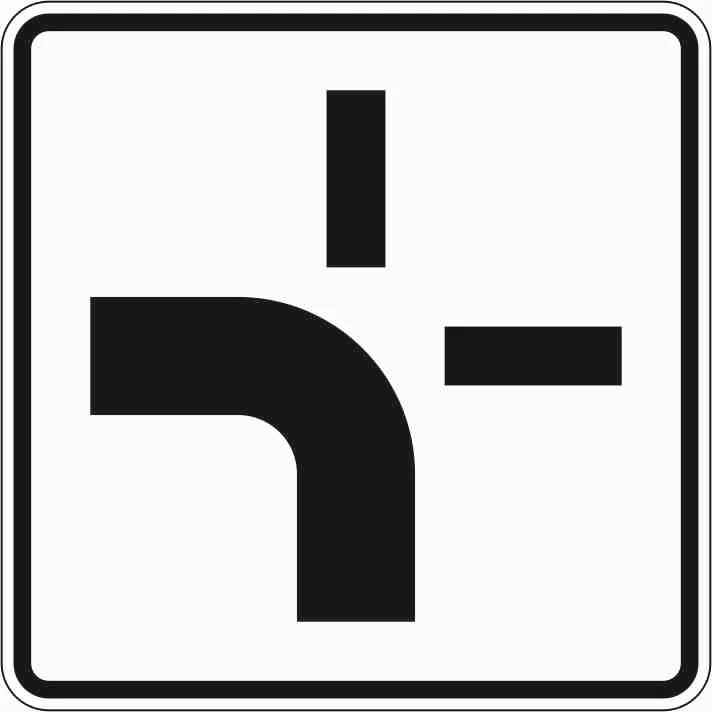
Understand the Priority Road's Route to the Left with Sign 1002-10
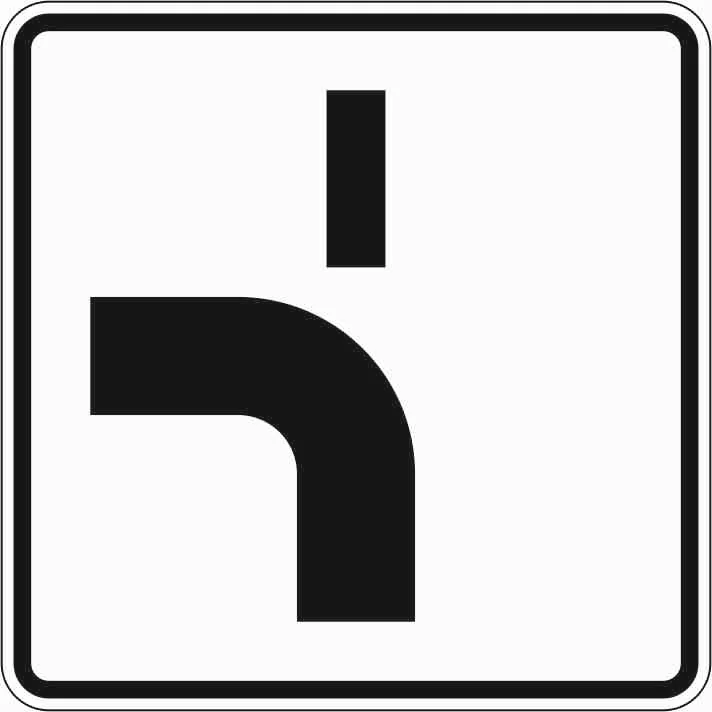
Understand the Priority Road's Path at Junctions with Sign 1002-12
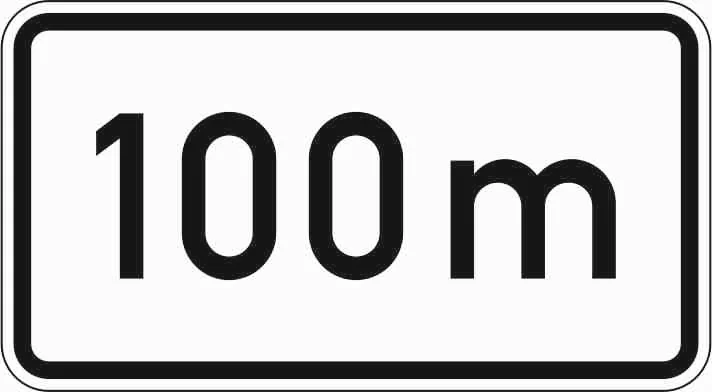
Understanding the 1004-30 Supplementary Sign: Distance in Meters
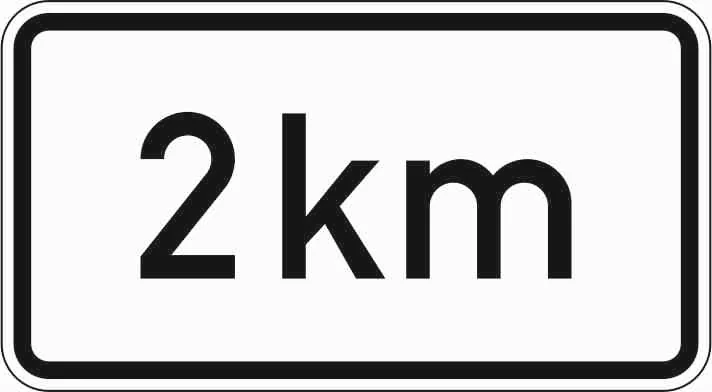
German Sign 1004-31: Distance in Kilometres, Modifying the Rule Above
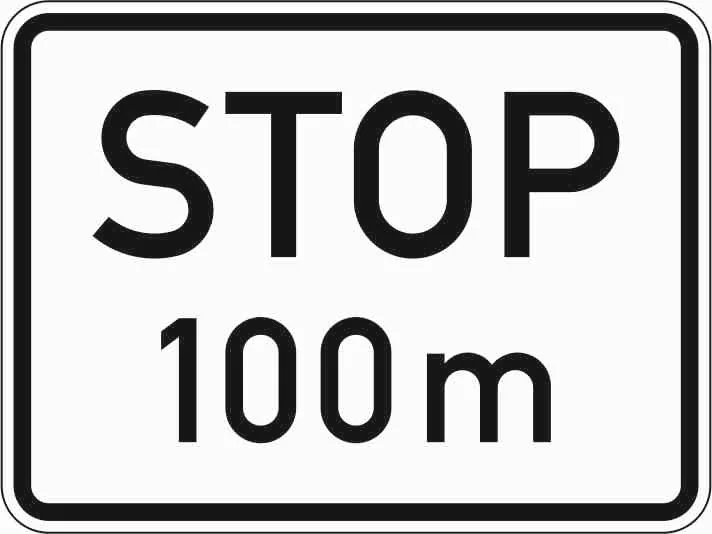
German Sign 1004-32: Prepare to Stop in 100 Meters
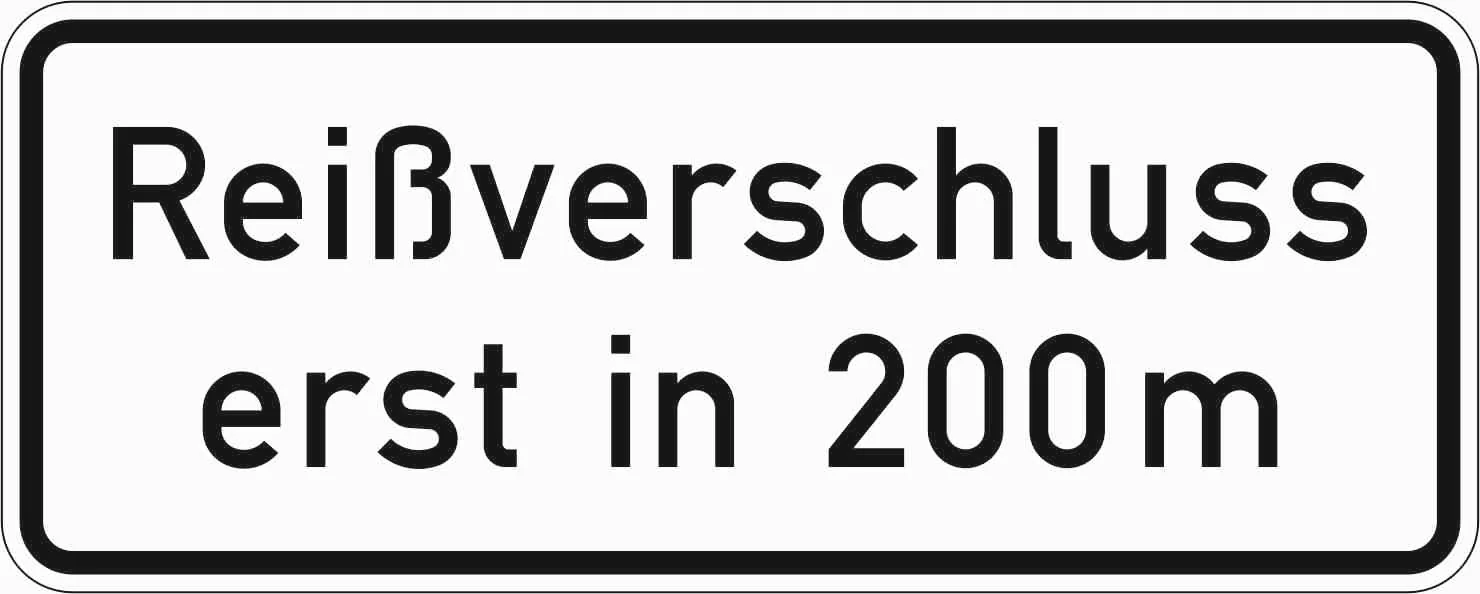
Delayed Zipper Merge: Prepare to Merge Further Ahead!
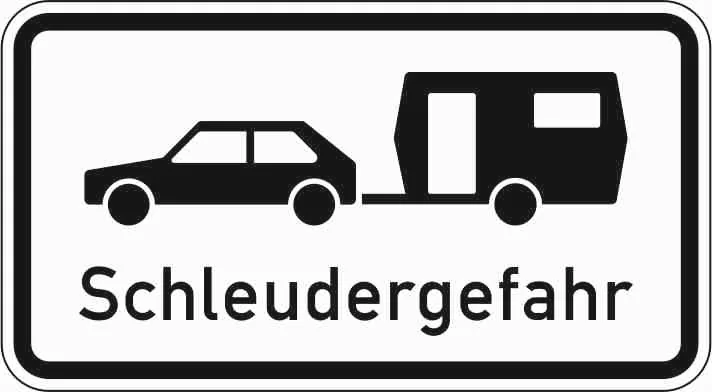
Watch out for crosswinds and slippery conditions with your caravan on Autobahn descents!
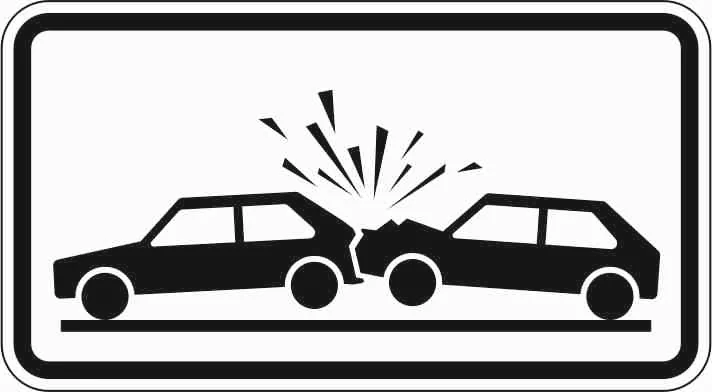
Understand the 'Unfallgefahr' (Danger of Accident) Supplementary Sign (1006-31)
Understand the "Unfallgefahr truck" Supplementary Sign (1006-32) in Germany
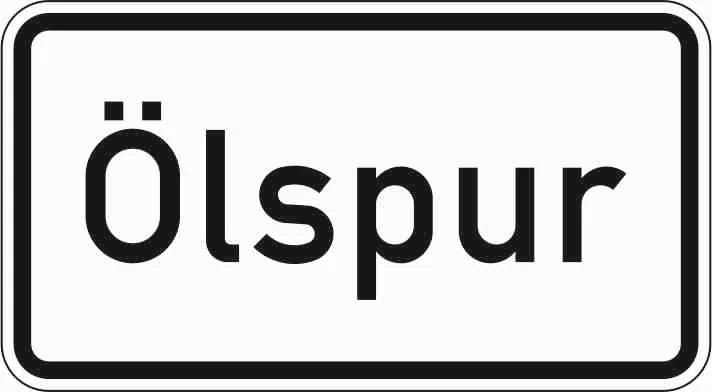
Understand the "Ölspur" Supplementary Sign to Navigate Hazardous Road Conditions Safely
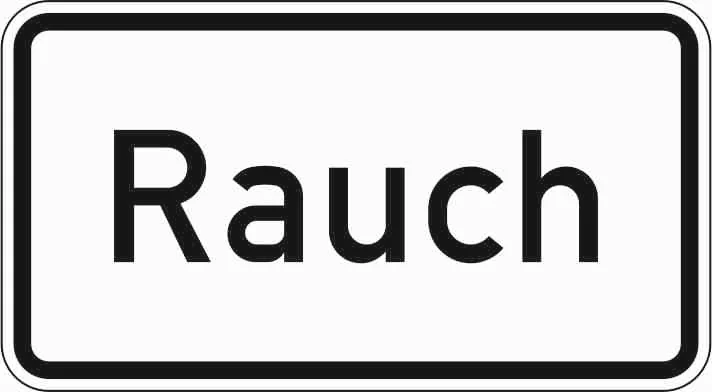
German Supplementary Sign 1007-31 'Rauch': Modifies the Rule Above
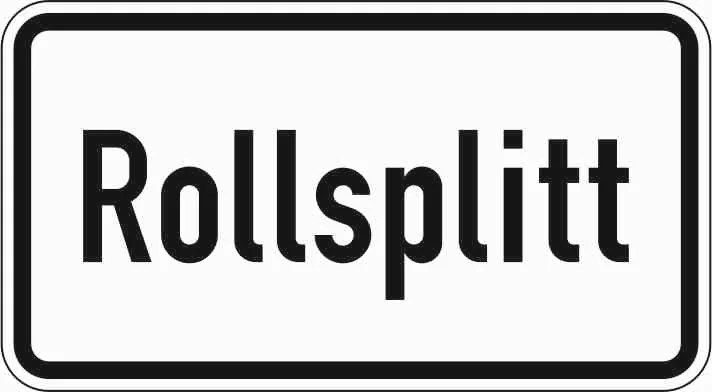
Understand the 'Rollsplitt' Supplementary Sign and its Impact on Main Traffic Signs
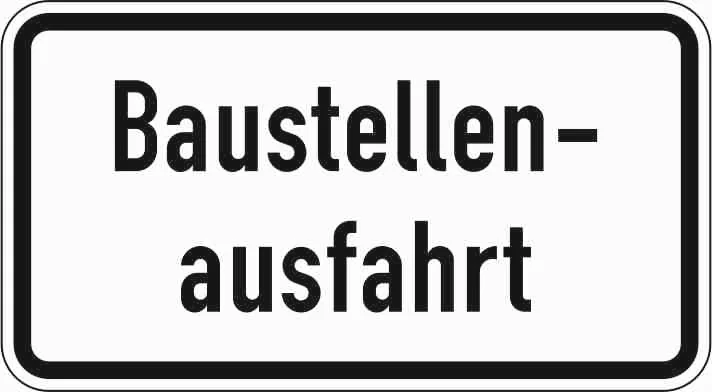
Understanding the 'Baustellenausfahrt' Supplementary Sign (1007-33)
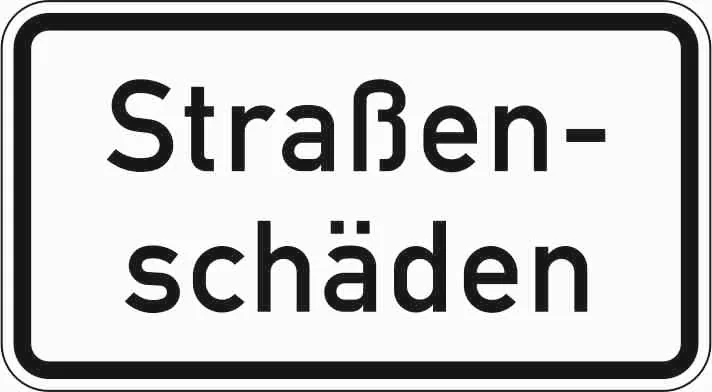
What does the 'Straßenschäden' supplementary sign mean for your driving?
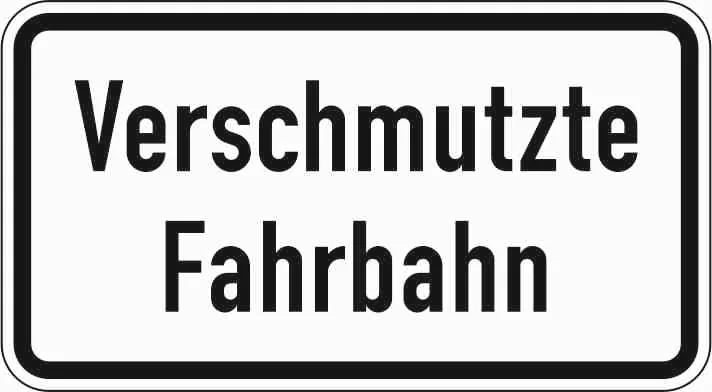
Understand the 'Verschmutzte Fahrbahn' (Soiled Road) Supplementary Sign
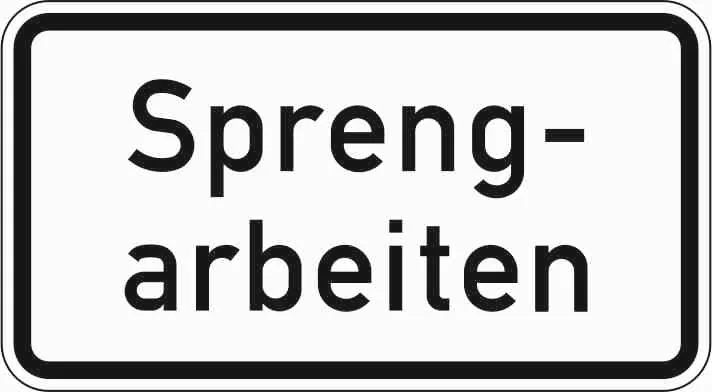
Understand the 'Sprengarbeiten' Supplementary Sign for Explosives Work
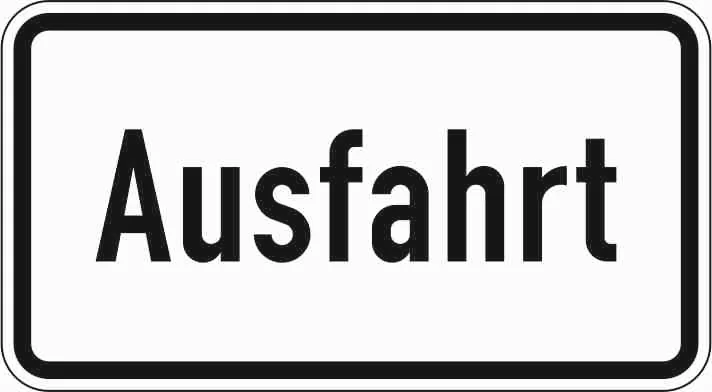
German Sign 1007-37: 'Ausfahrt' - Understanding Supplementary Signs
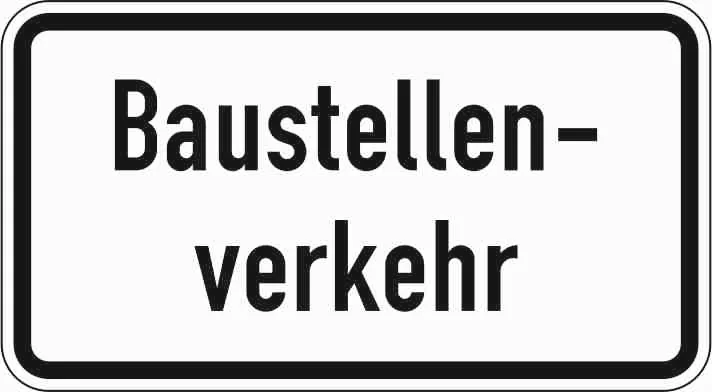
Understand the 'Baustellenverkehr' Supplementary Sign (1007-38) in Germany
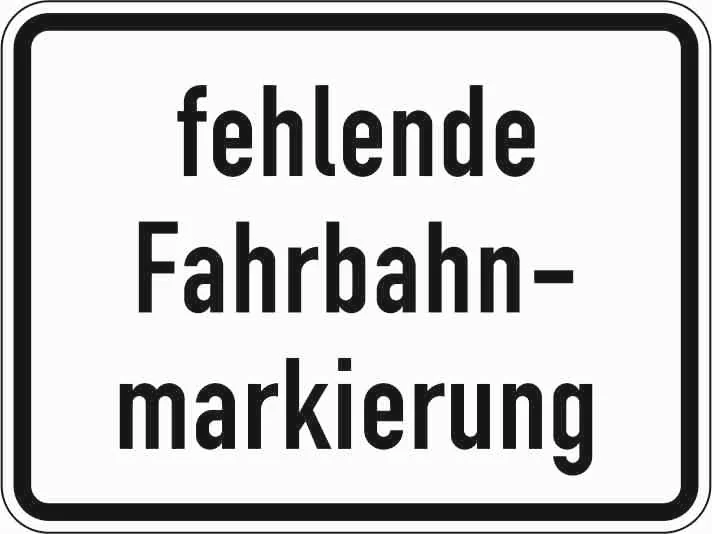
German Sign 1007-39: Understanding 'Missing Road Markings'
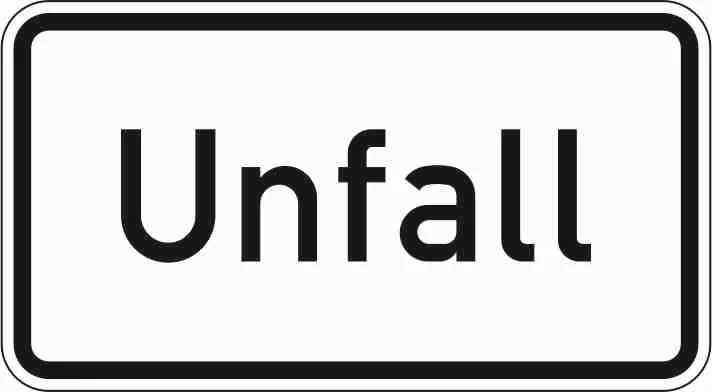
Understand German Supplementary Sign 1007-50: 'Unfall' (Accident)
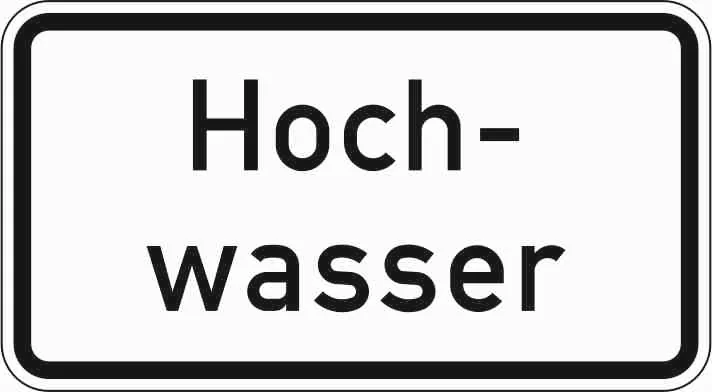
Understand the 'Hochwasser' (Flooding) Supplementary Sign (1007-51)
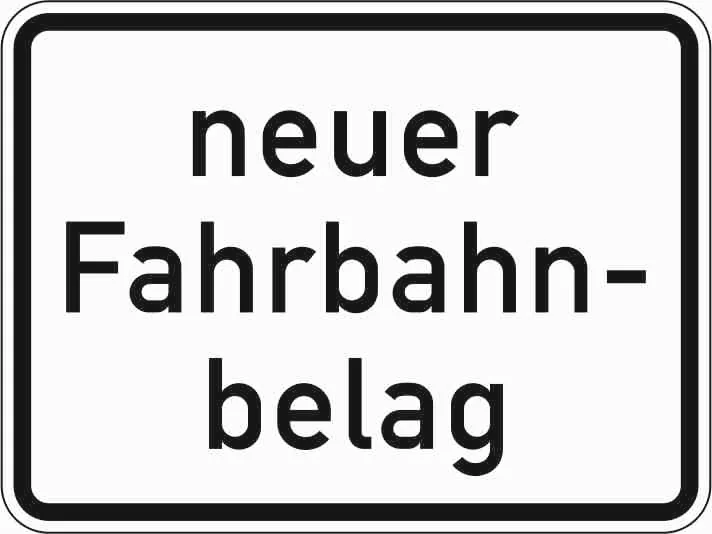
Decode the 'Neuer Fahrbahnbelag' (New Road Surface) Supplementary Sign
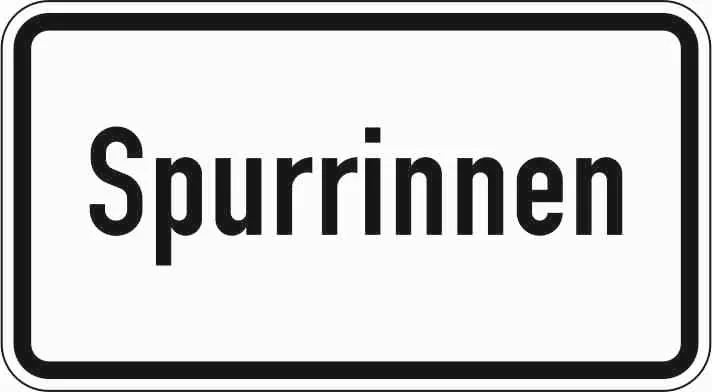
Understand German Supplementary Sign 1007-53: Spurrinnen
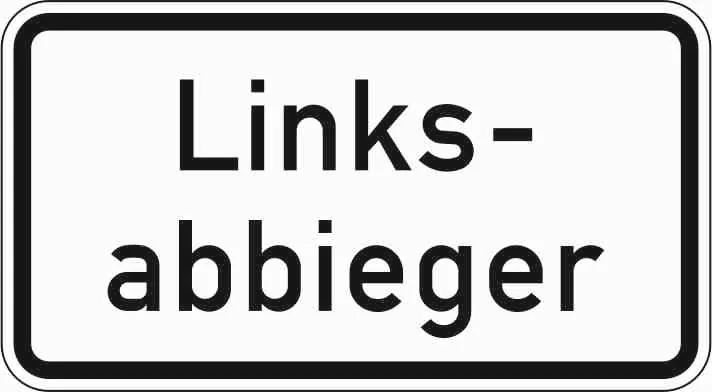
Understand the 'Linksabbieger' supplementary sign (1007-54) and how it affects rules above it.
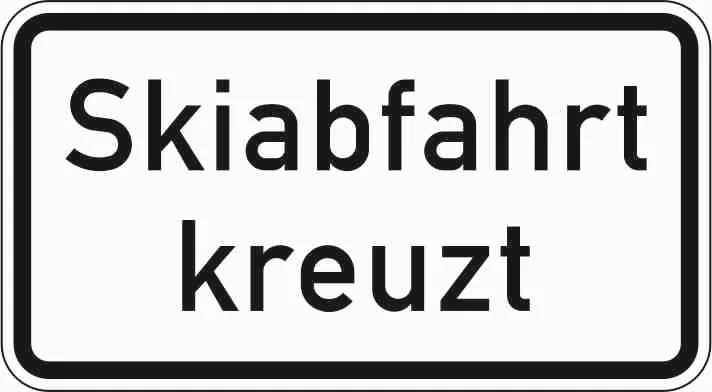
What does the 'Skiabfahrt kreuzt' (Ski Slope Crossing) sign mean?
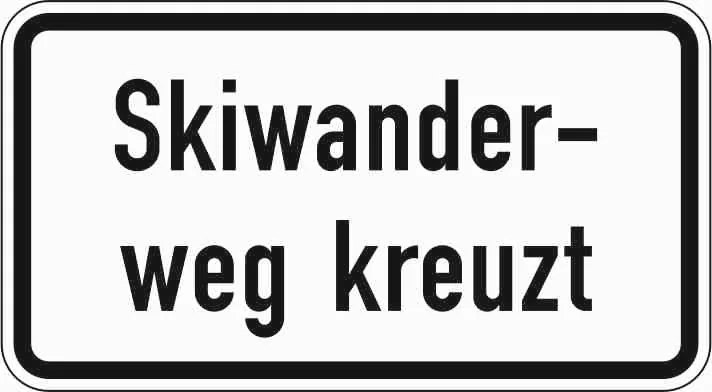
Understand German Road Sign 1007-56: Skiwanderweg kreuzt
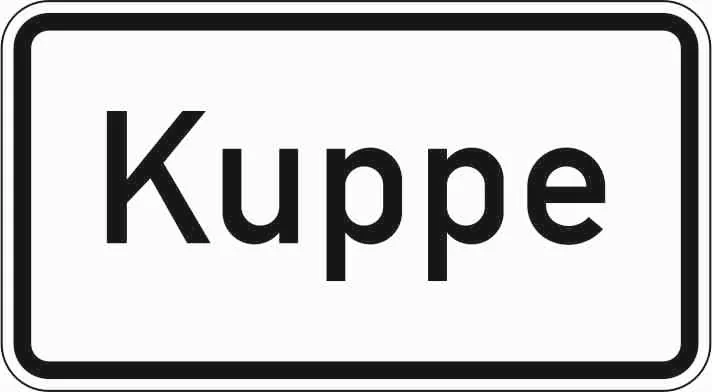
Understand German Supplementary Sign 1007-57: The 'Kuppe' Plate
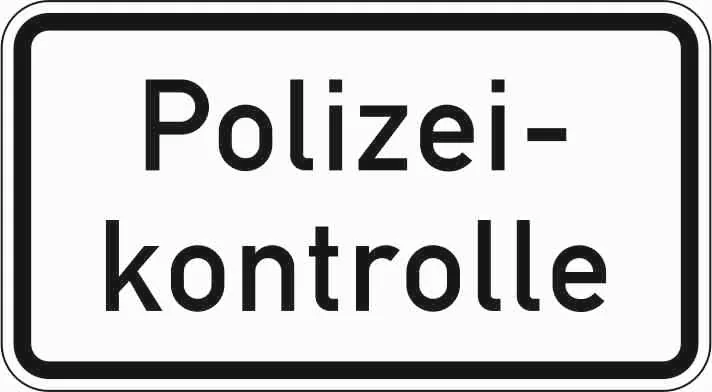
Understand the 'Polizeikontrolle' Supplementary Sign in Germany
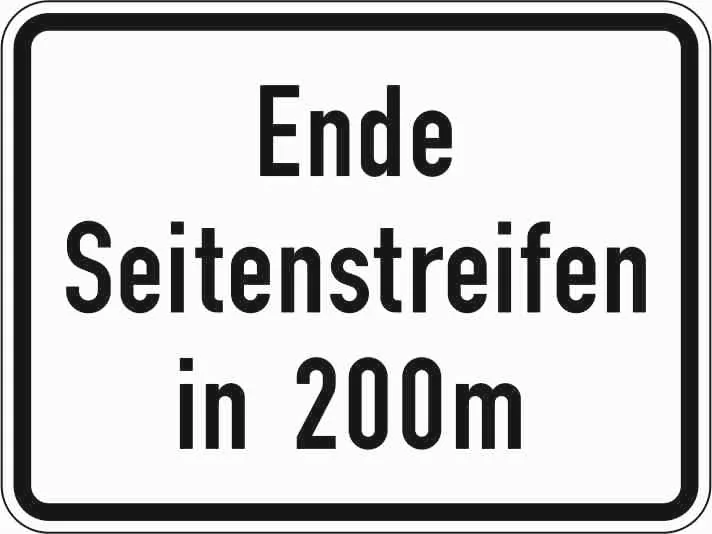
End of Hard Shoulder Approaching: Know When and Where It Ends
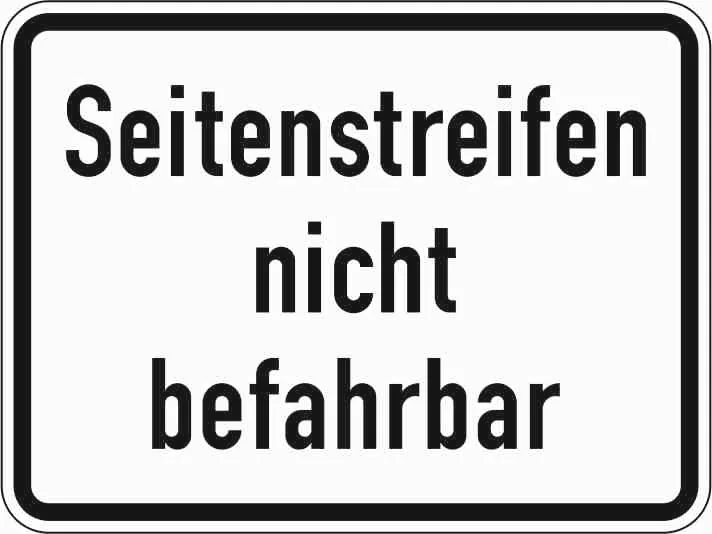
German Sign 1007-60: The Hard Shoulder Is Not Usable
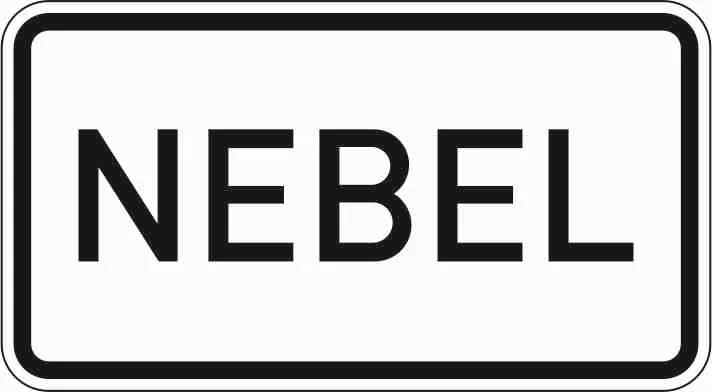
Understand the Nebel supplementary sign (1007-61) for fog situations
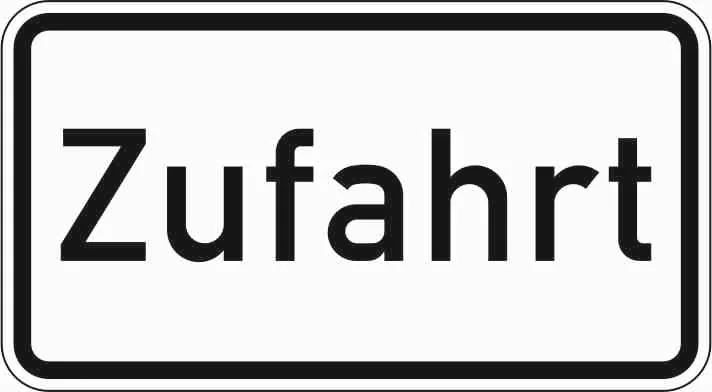
Sign 1007-62 'Zufahrt': How Supplementary Signs Modify Traffic Rules
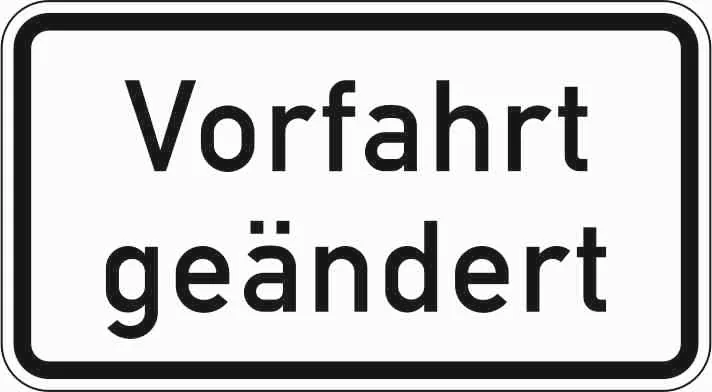
Sign 1008-30: 'Priority Changed' – Understand How Supplementary Signs Modify Traffic Rules
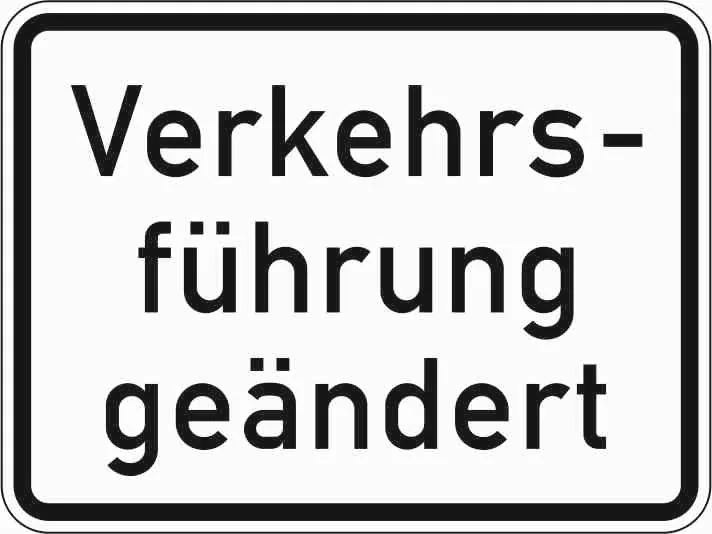
Verkehrsführung geändert Sign: How Supplementary Plates Change the Rules
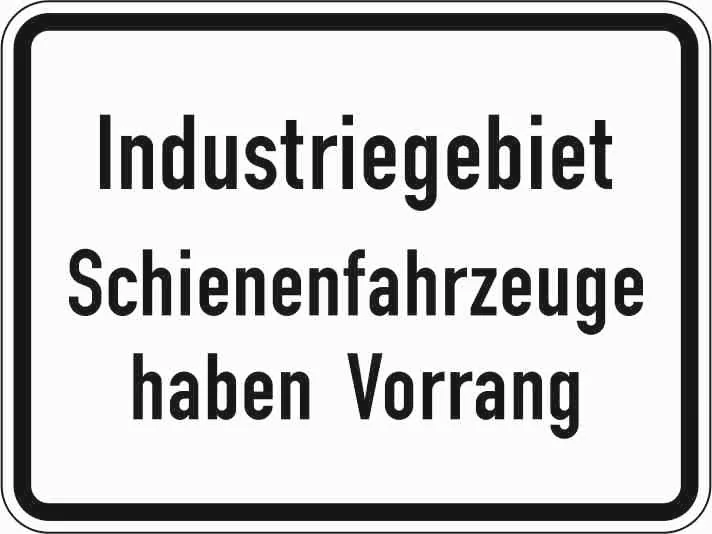
Understand German Sign 1008-32: Priority for Rail Vehicles in Industrial Areas
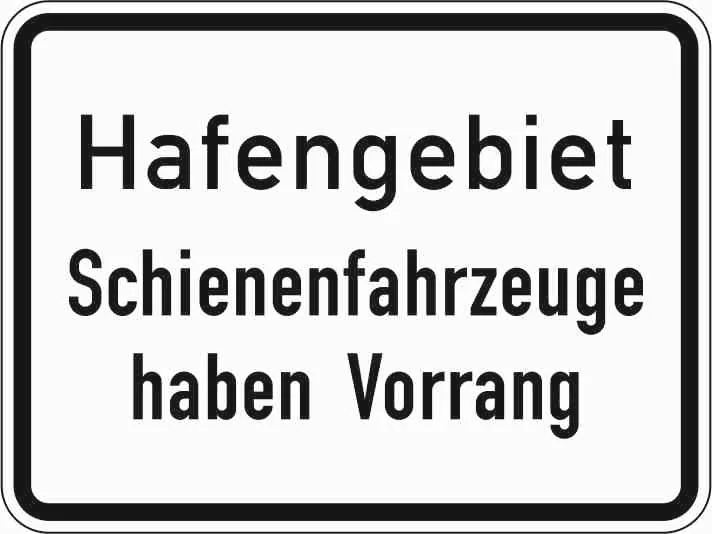
Understand the 'Priority for Rail Vehicles in Port Area' supplementary sign (1008-33)
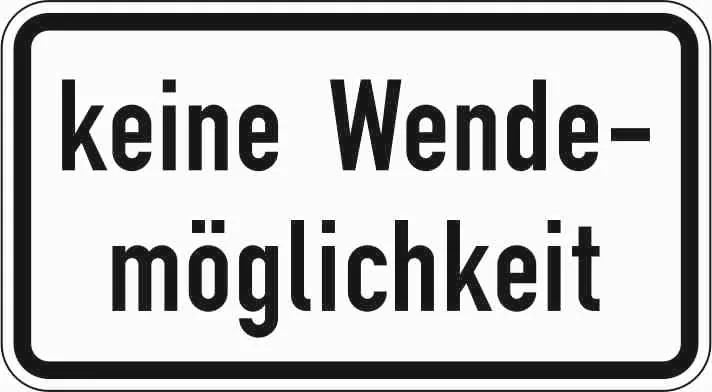
Understand the 'No Turning Around' supplementary sign (1008-34)
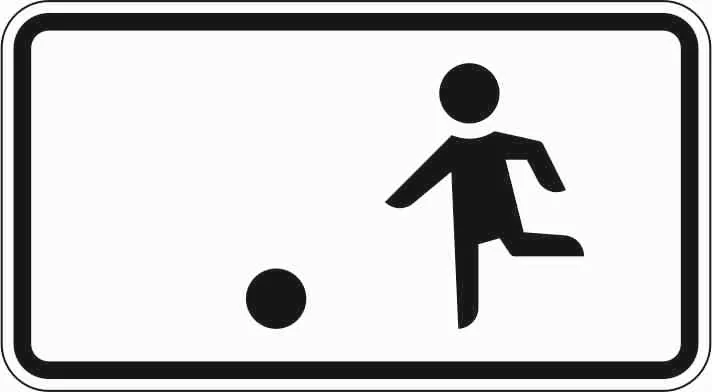
Sign 1010-10: Children Allowed to Play on Road and Hard Shoulder
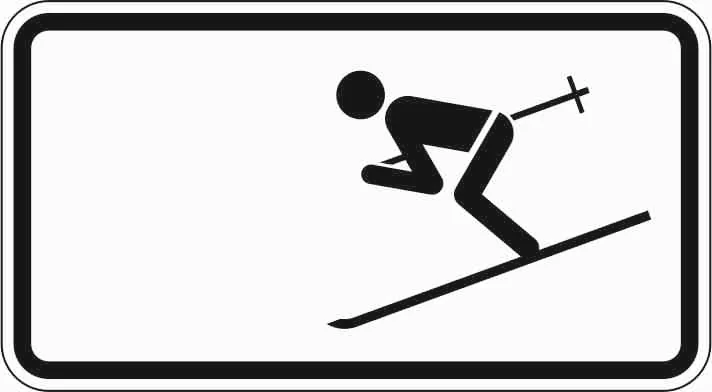
Understand the "Wintersport erlaubt" Supplementary Sign
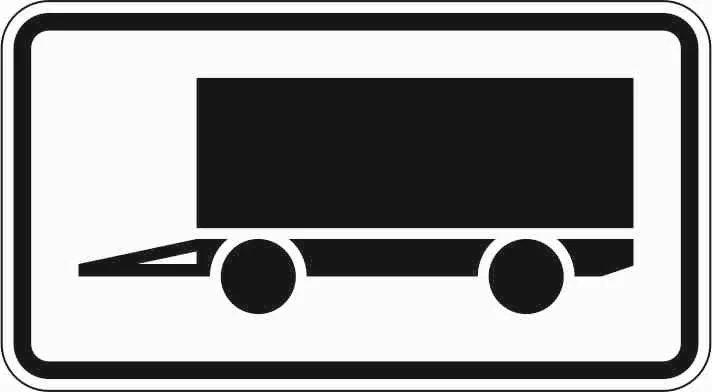
Special Parking Spaces: Trailers Allowed Over 14 Days
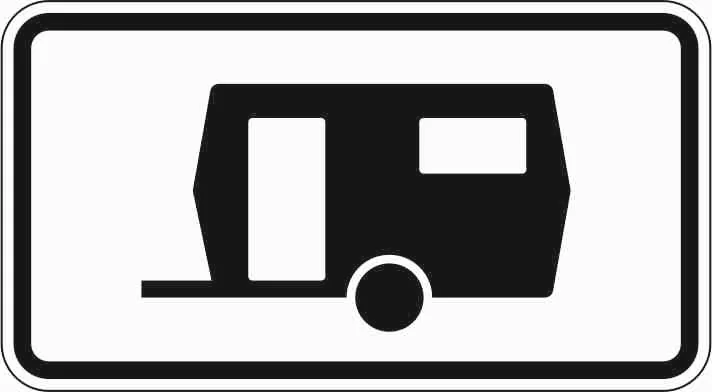
This supplementary sign indicates parking areas where caravans are allowed for more than 14 days.
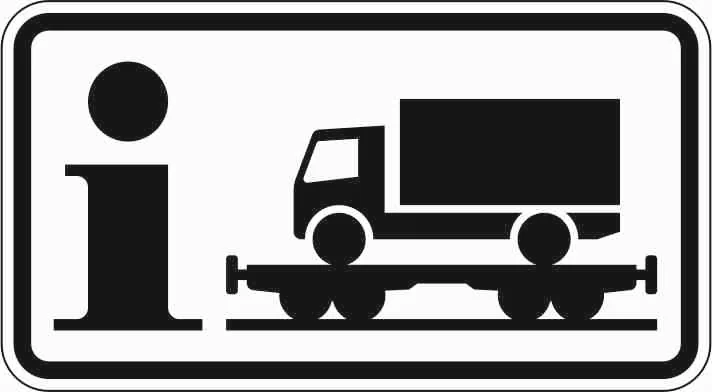
Understand the 'Information Rollende Landstraße' supplementary sign (1010-14)
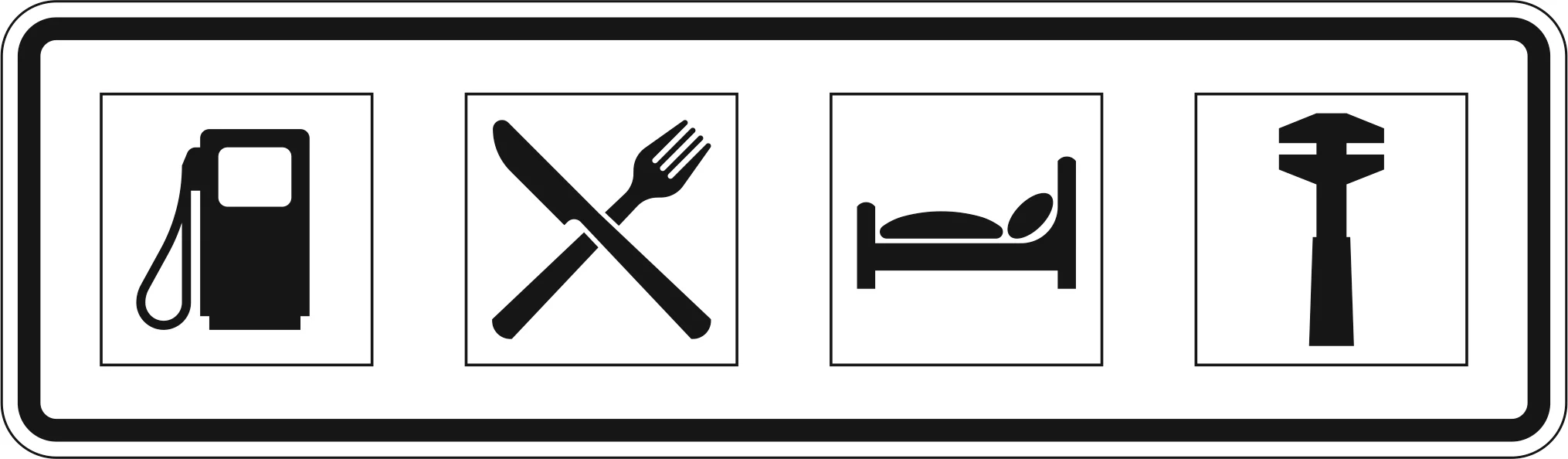
German Supplementary Sign 1010-15: Understanding the Scope of Traffic Rules
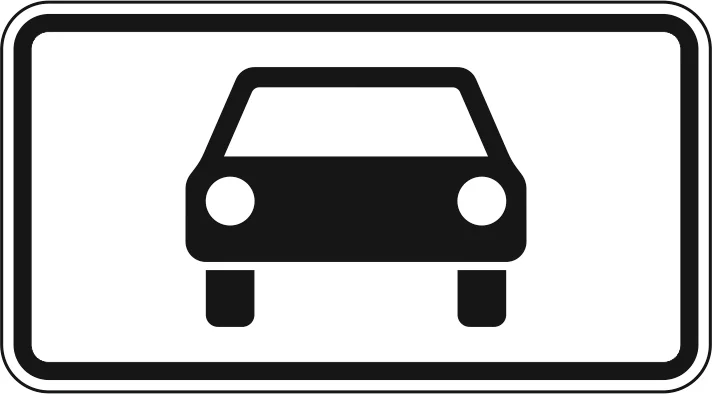
Understand German Supplementary Sign 1010-50: Modifying Main Sign Rules
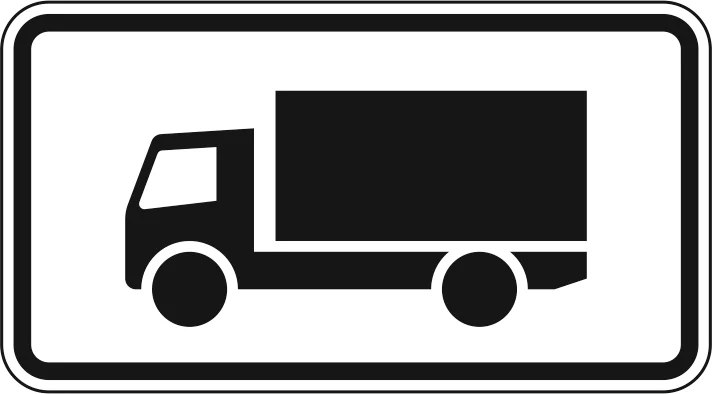
Understand German Supplementary Sign 1010-51: Weight and Vehicle Type Restrictions
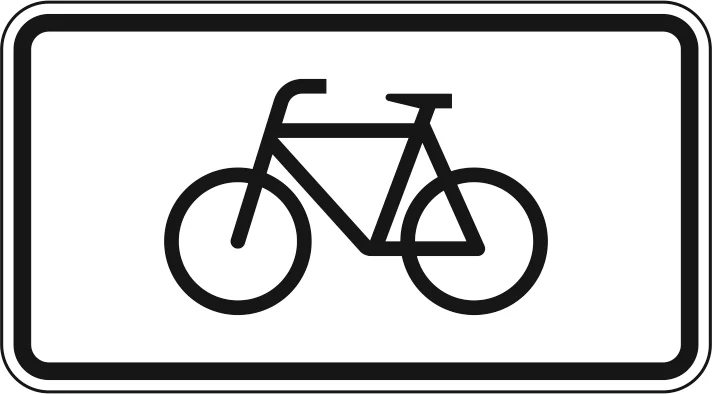
This supplementary sign indicates 'Cycle Traffic' (Radverkehr) and modifies the sign above it.
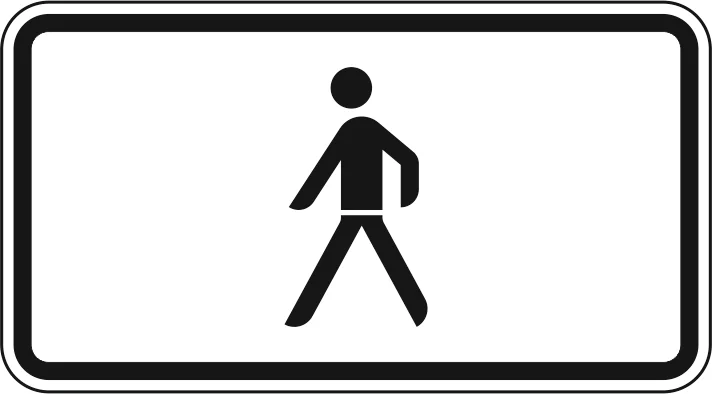
Sign 1010-53: Understand the 'Pedestrians' Supplementary Sign and its Impact
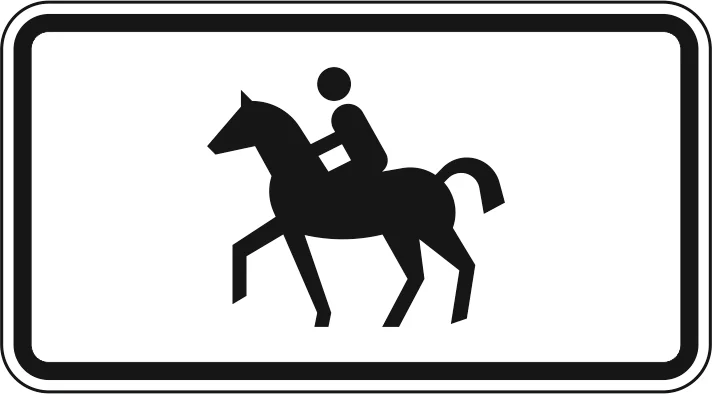
Sign 1010-54 'Reiter': How Supplementary Signs Change Traffic Rules
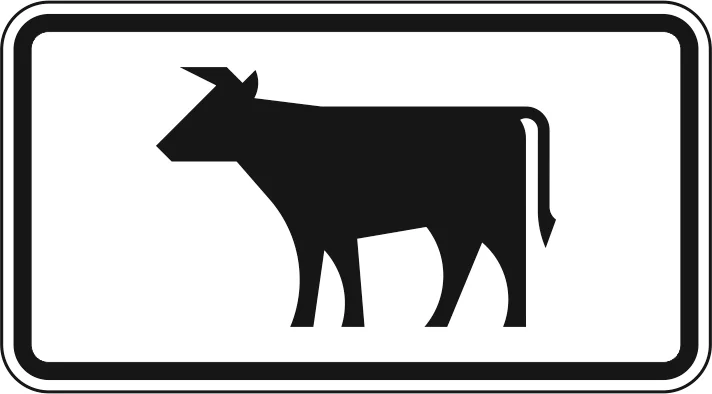
Watch out for cattle crossings with sign 1010-55!
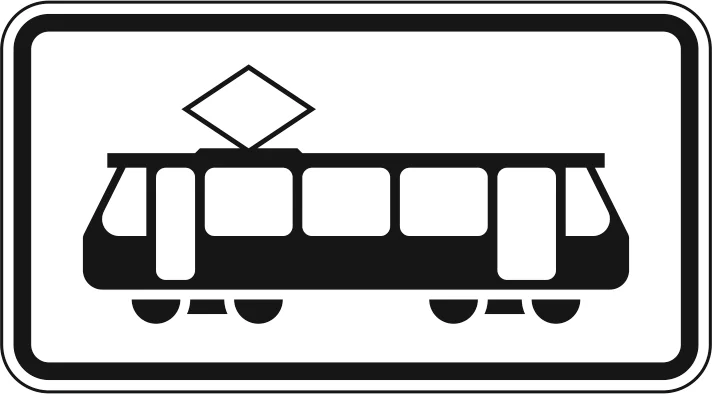
Straßenbahn: How This Supplementary Sign Modifies Traffic Rules
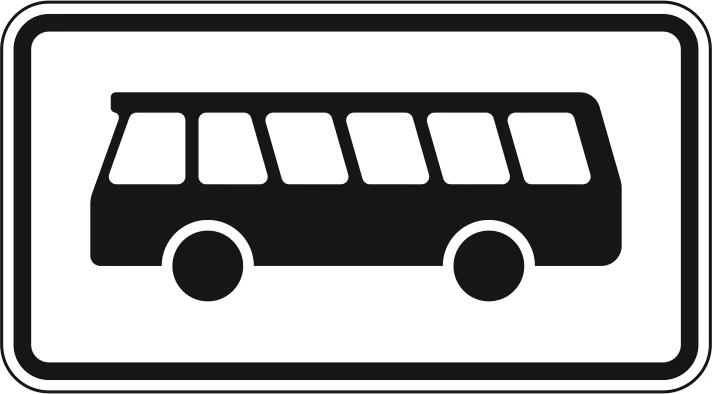
Understand the Kraftomnibus Supplementary Sign (1010-57) in Germany
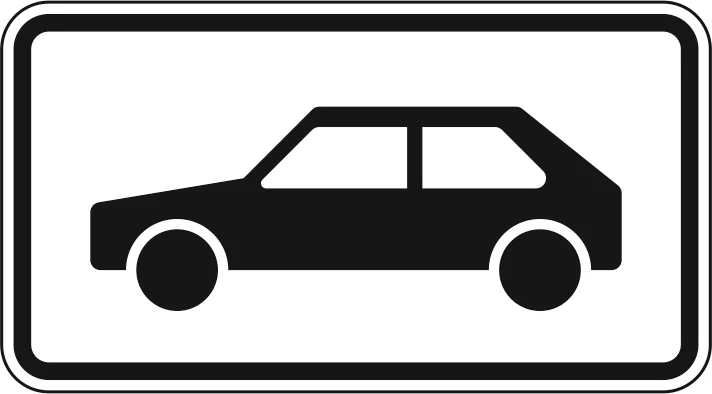
Sign 1010-58: Passenger Cars Supplementary Sign Clarifies Traffic Rules
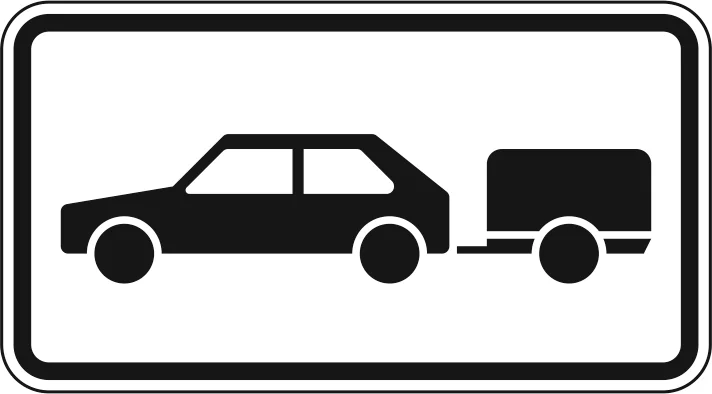
Understand How 'Passenger Cars with Trailer' Supplementary Signs Modify Traffic Rules
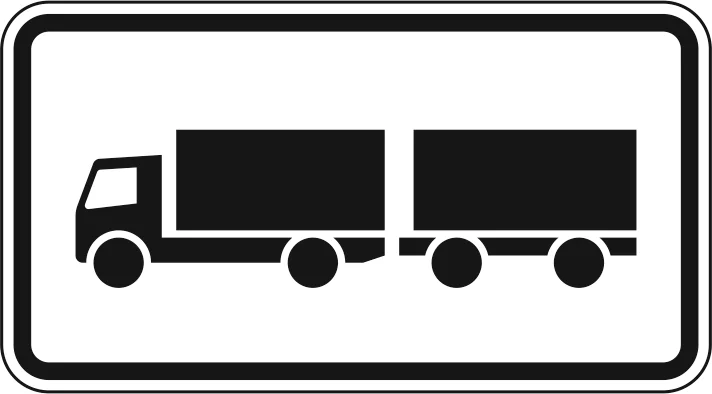
Understand the 'Trucks with Anhänger' Supplementary Sign (1010-60)
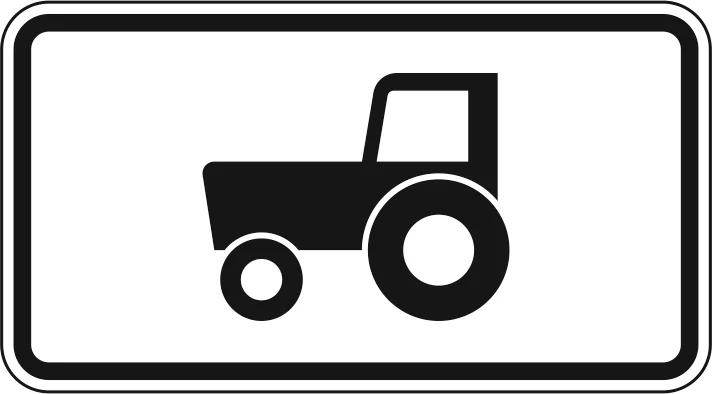
Sign 1010-61: Restricting Speed to 25 km/h for Certain Vehicles
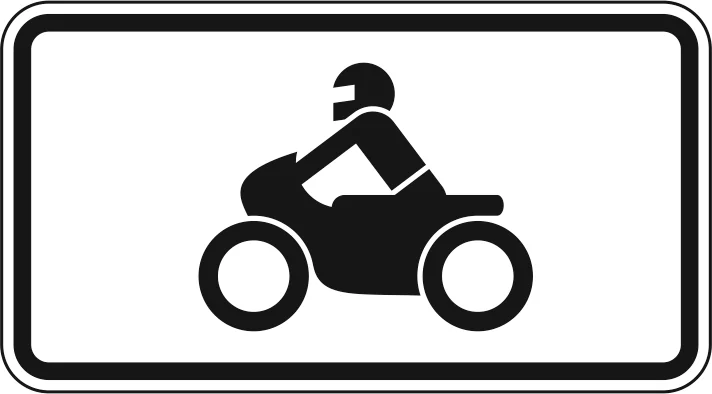
Understand the "Motorcycles, Scooters and Mopeds" Supplementary Sign (1010-62)
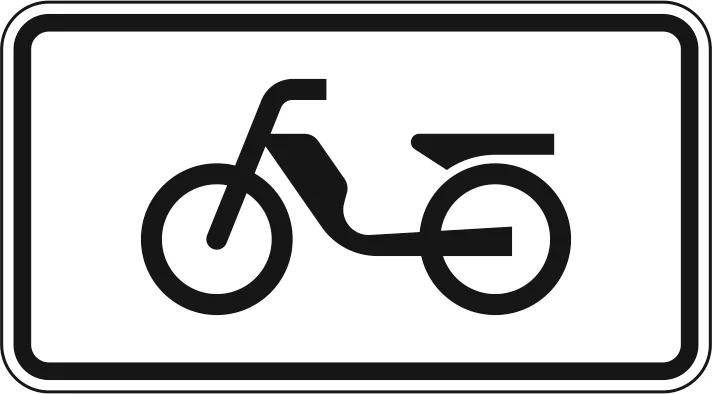
Understand the 'Mofas' Supplementary Sign (1010-63) and its impact on traffic rules.
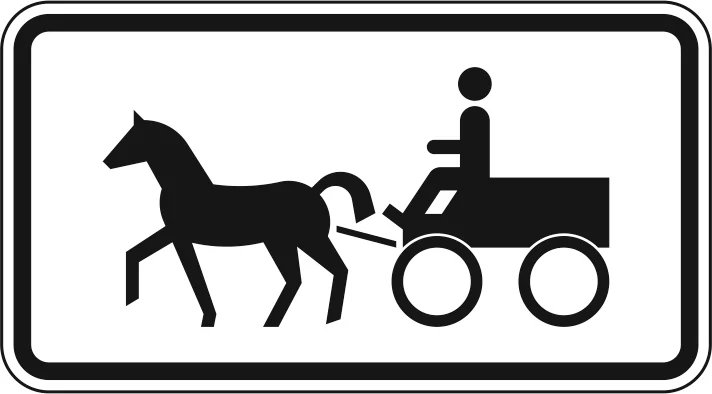
Understand the Gespannfuhrwerk supplementary sign (1010-64) to know its precise meaning
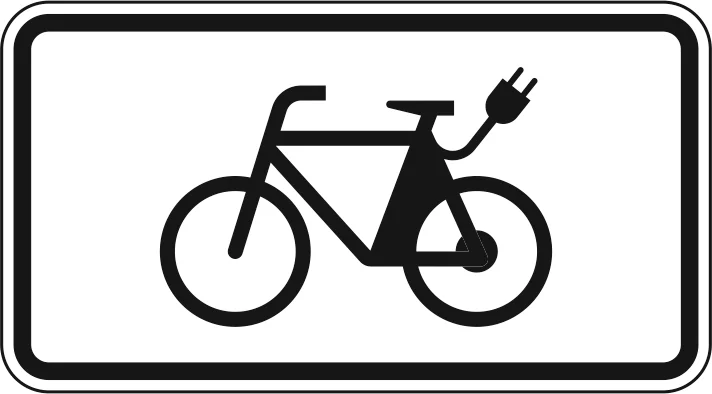
Understand the "E-Bikes" supplementary sign (1010-65) in Germany.
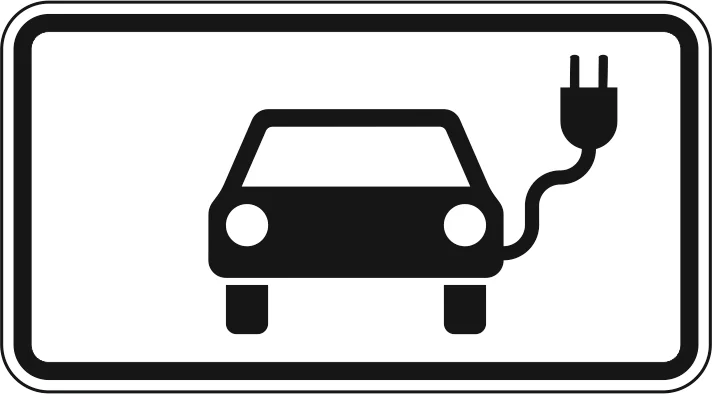
Understanding the 'Elektrisch betriebene Fahrzeuge' Supplementary Sign
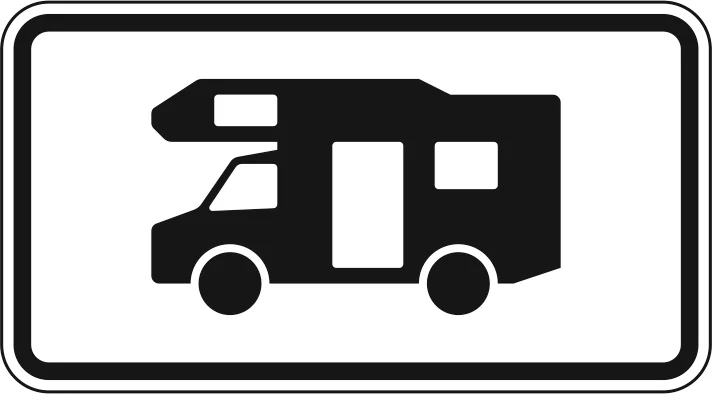
Understand the 'Wohnmobile' Supplementary Sign (1010-67) in Germany
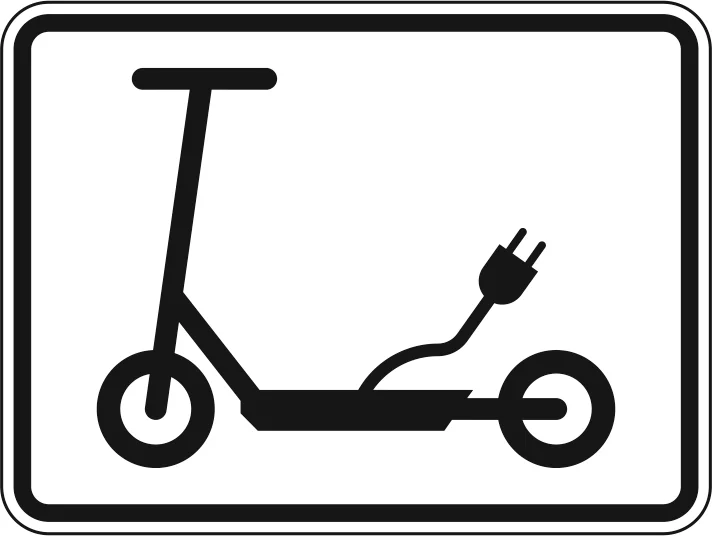
This supplementary sign clarifies rules for small electric vehicles under the eKFV.
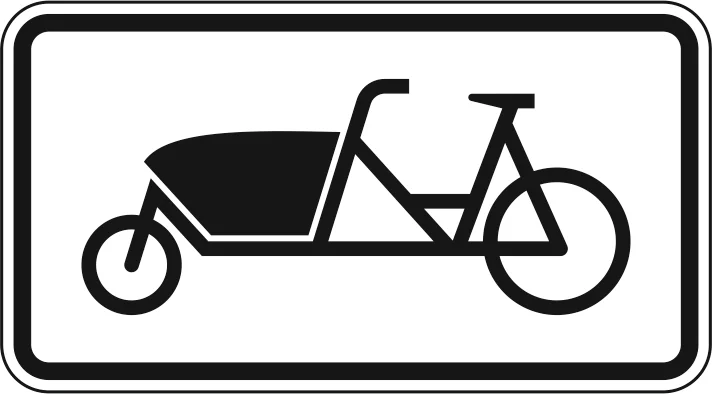
Understand the 'Cargo Bicycle' Supplementary Sign (1010-69) in Germany
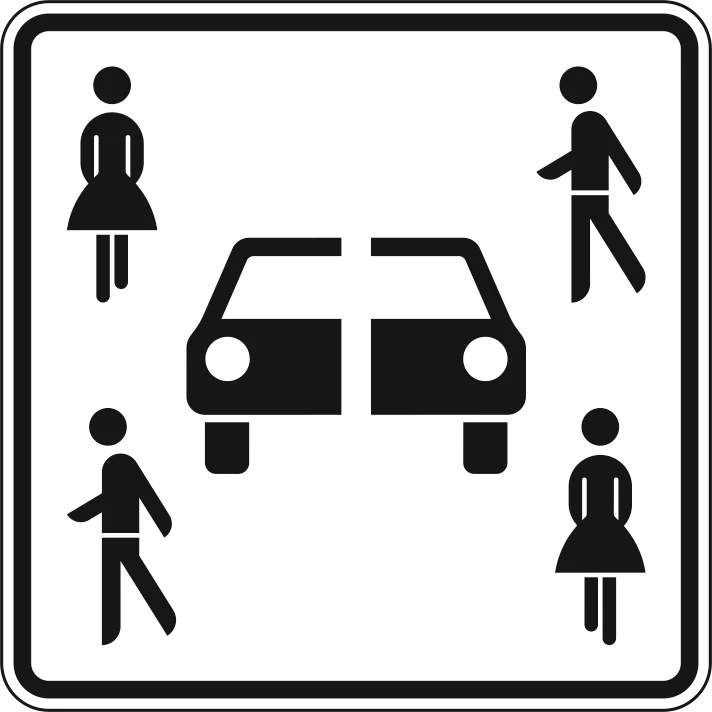
Understand the "Carsharing" Supplementary Sign (1010-70) in Germany
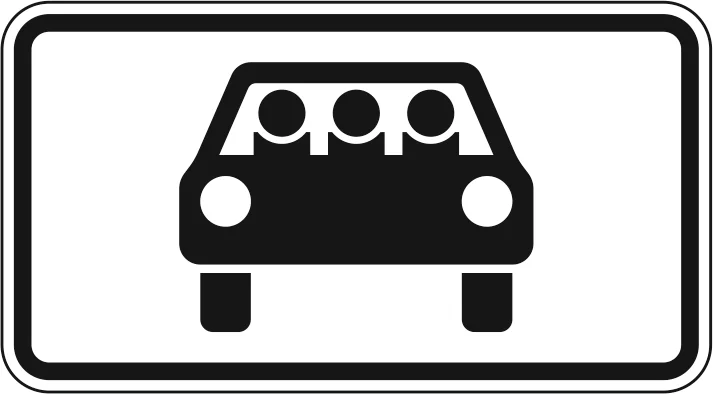
Understand Supplementary Sign 1010-71 for Multi-Occupied Passenger Cars
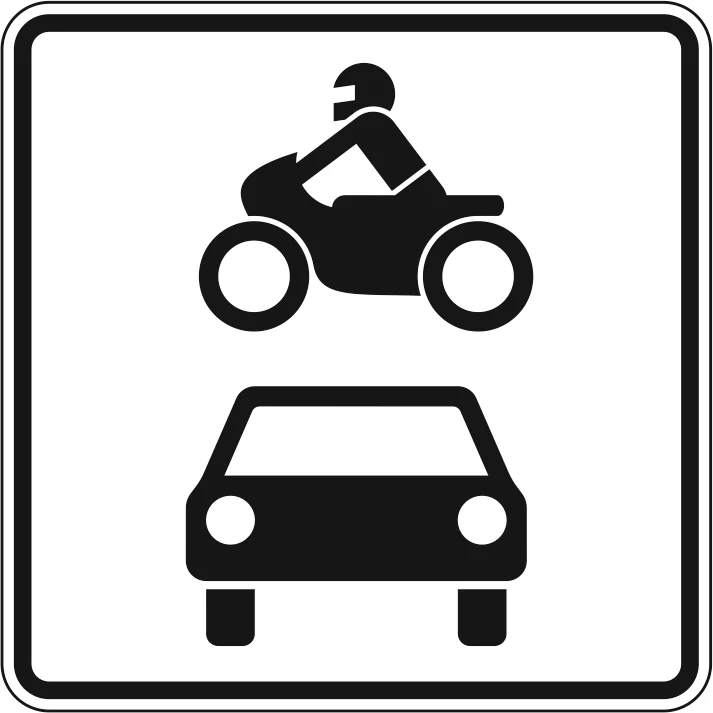
Supplementary Sign Specifies Which Vehicles Are Affected
Understand German Supplementary Sign 1012-31: The End of a Rule
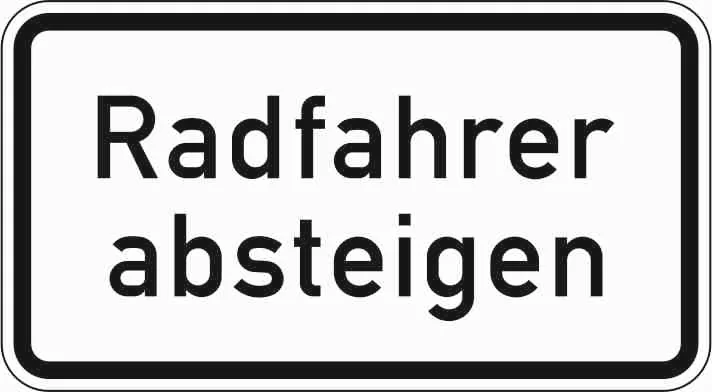
Understand the German 'Radfahrer absteigen' (Cyclists Dismount) Supplementary Sign
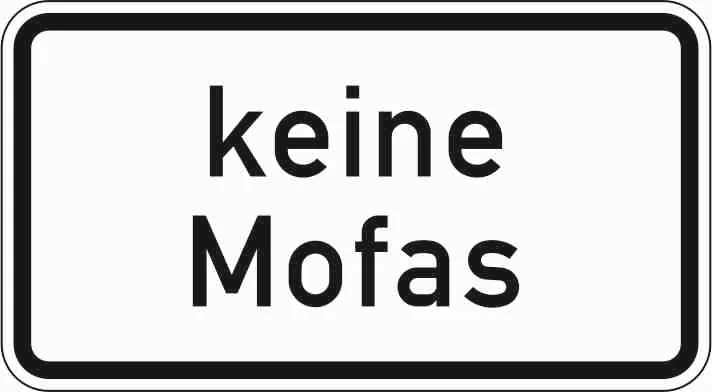
Sign 1012-33 "Keine Mofas" - Understand Supplementary Restrictions
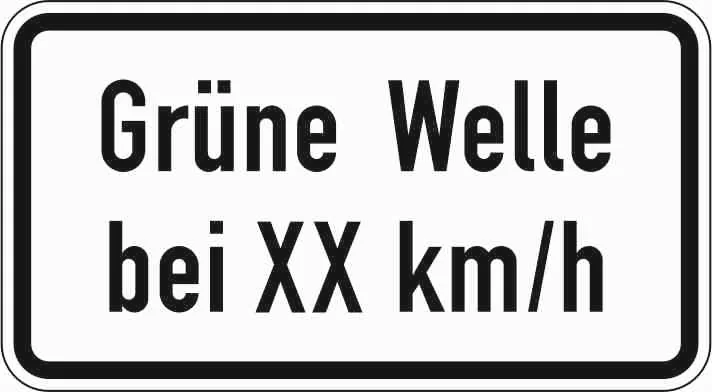
Understand the 'Grüne Welle bei xx km/h' supplementary road sign
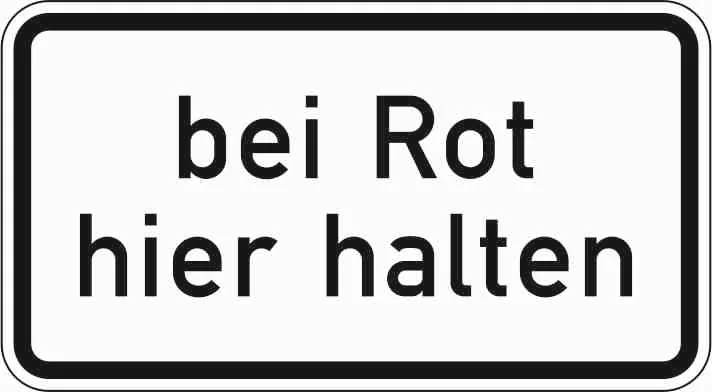
Understand the 'Stop Here at Red' Supplementary Sign (1012-35)
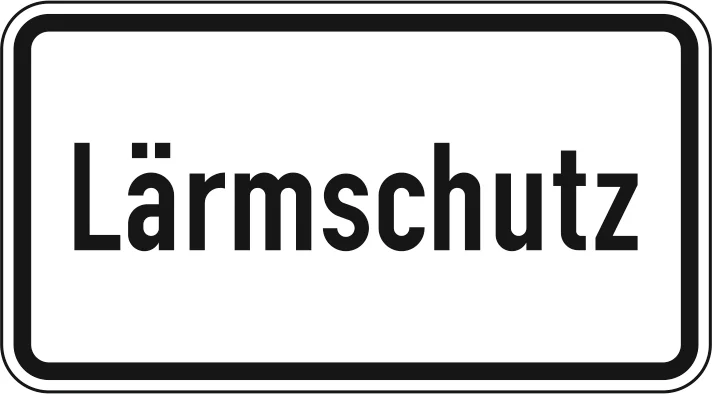
Understand the 'Lärmschutz' Supplementary Sign (1012-36) for Specific Conditions
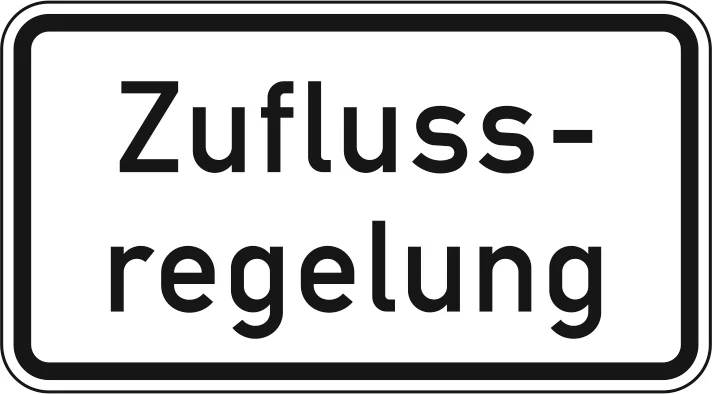
Understand the Zuflussregelung sign and how it modifies other traffic rules.
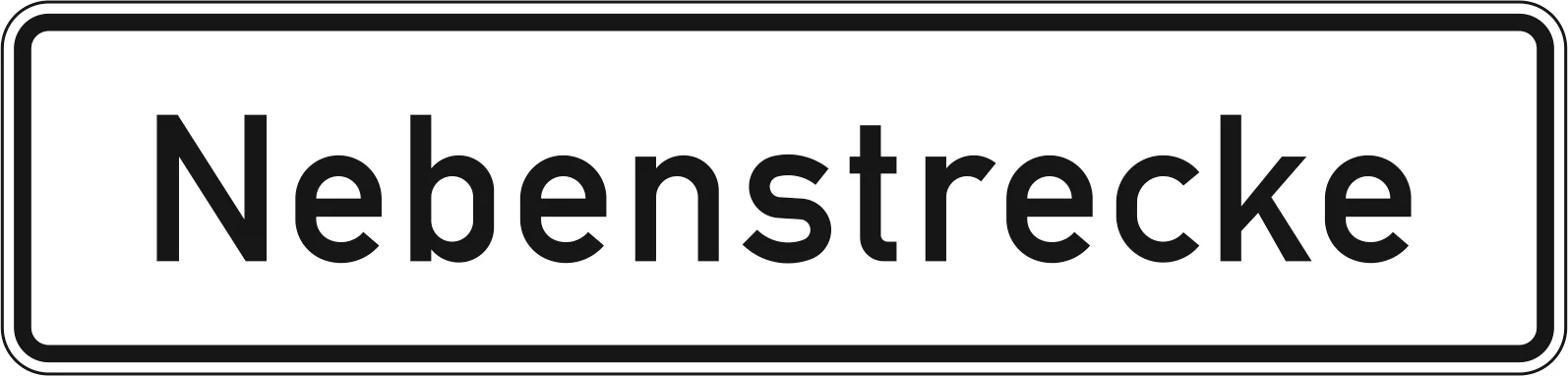
Understand the 'Nebenstrecke' Supplementary Sign (1012-38) in Germany
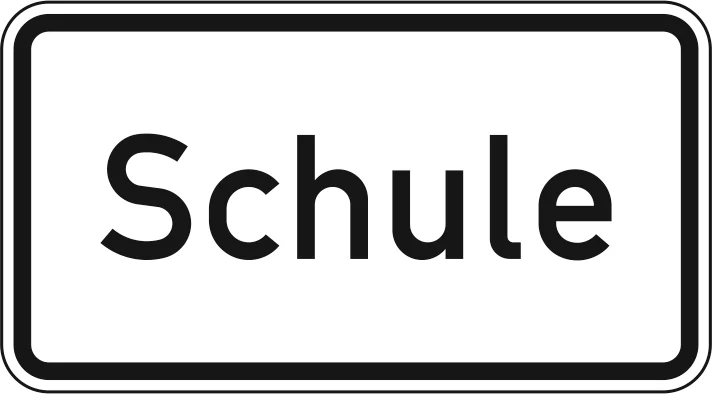
Understand the 'Schule' (School) Supplementary Sign: Special Rules Apply
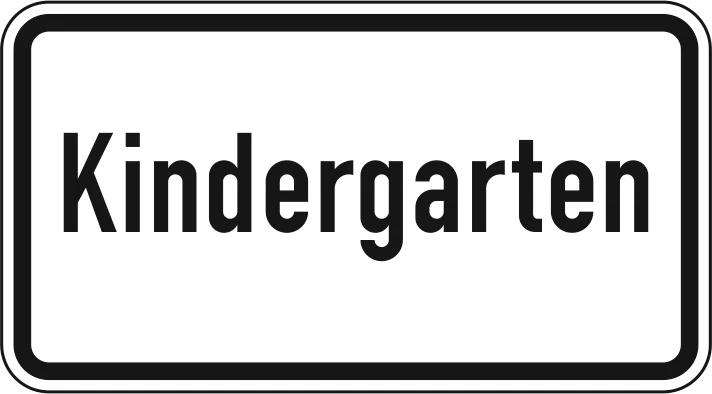
Sign 1012-51: Understand How Supplementary Plates Modify Traffic Signs
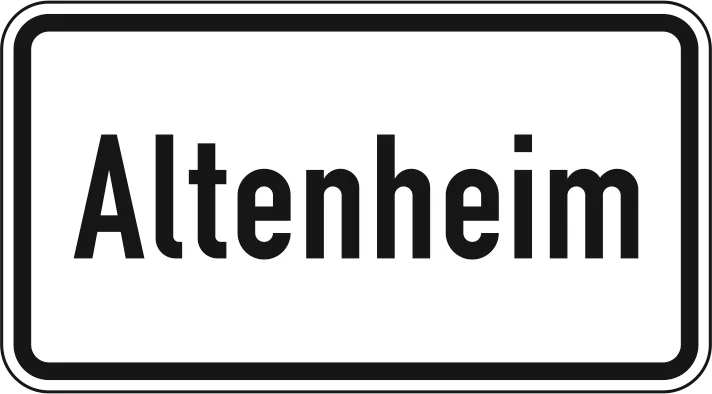
Understand the Altenheim supplementary sign (1012-52) to correctly interpret main traffic signs.
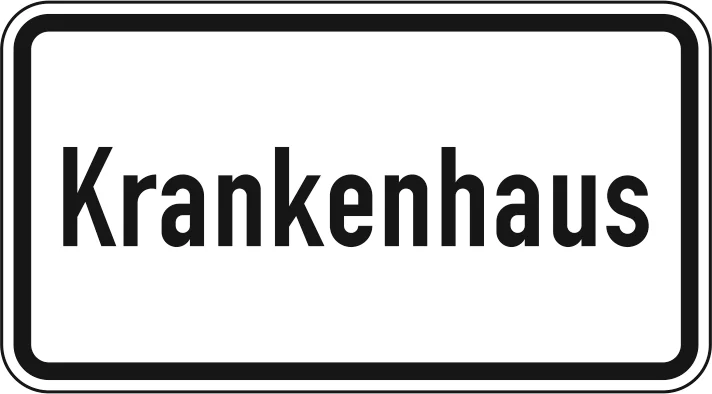
Understand the 'Krankenhaus' Supplementary Sign (1012-53)
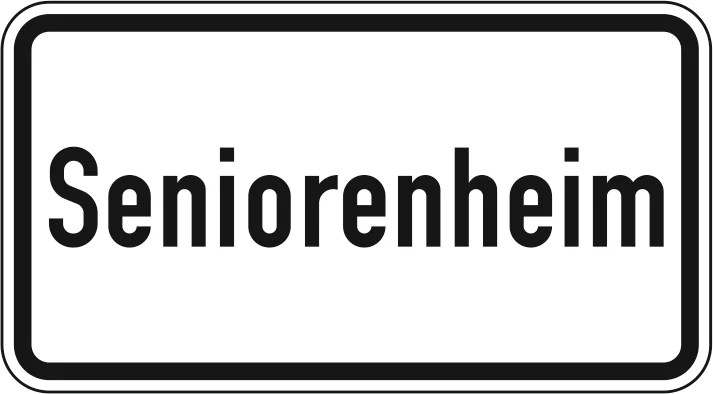
Understand the "Seniorenheim" Supplementary Sign (1012-54) in Germany
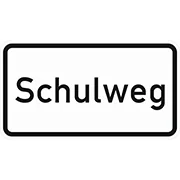
Understand the "Schulweg" Supplementary Sign (1012-55) in Germany
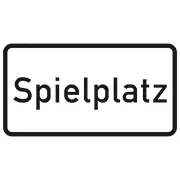
Supplementary "Spielplatz" Sign: Modifying the Rule Above
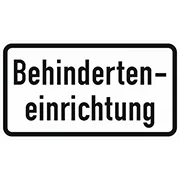
What does the supplementary "Behinderteneinrichtung" sign mean?
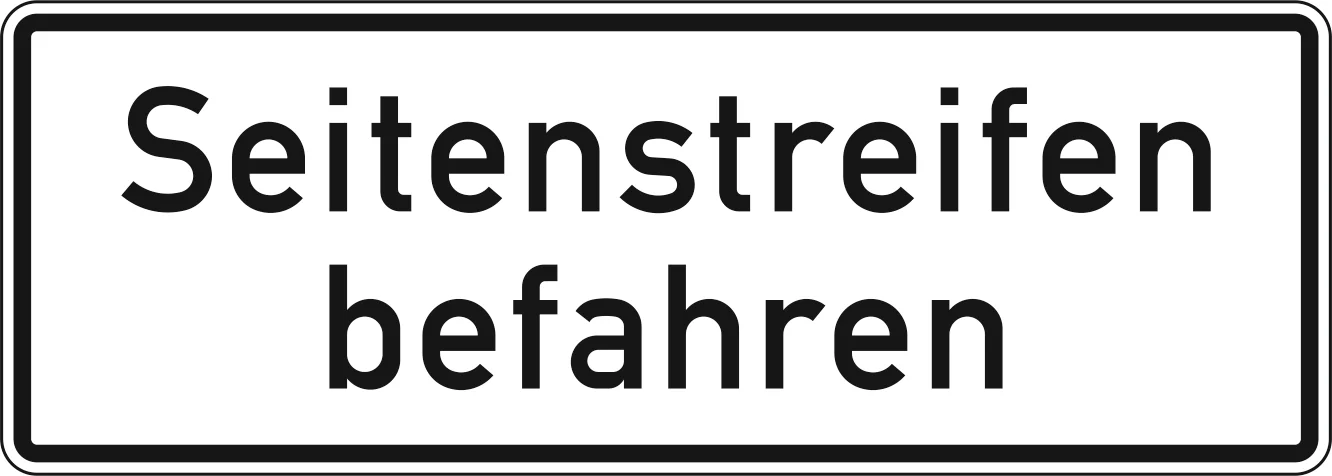
German Road Sign 1013-50: Use the Hard Shoulder as a Lane
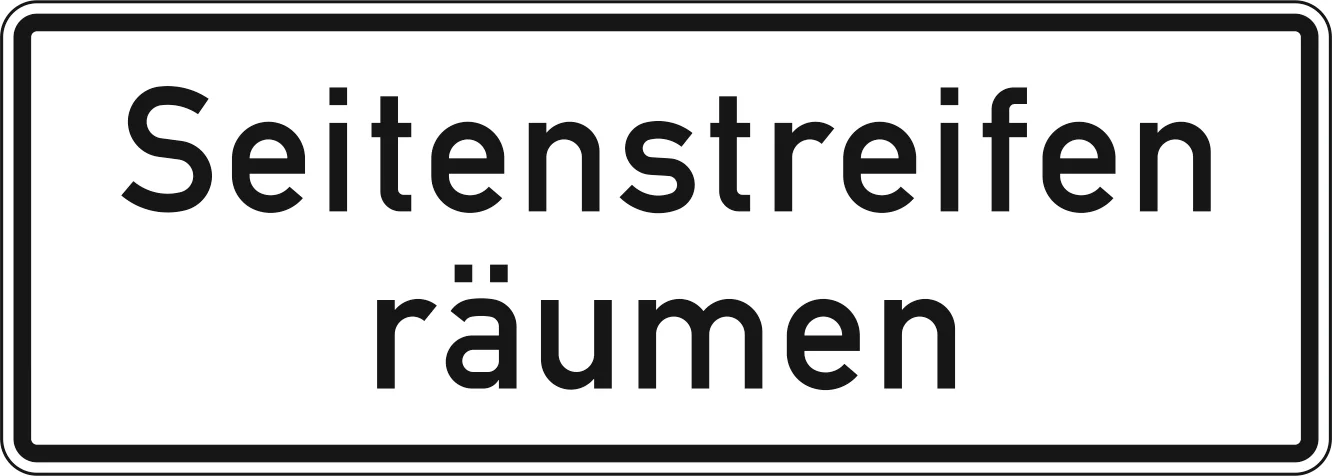
Understand German Road Sign 1013-51: Vacate the Hard Shoulder Lane
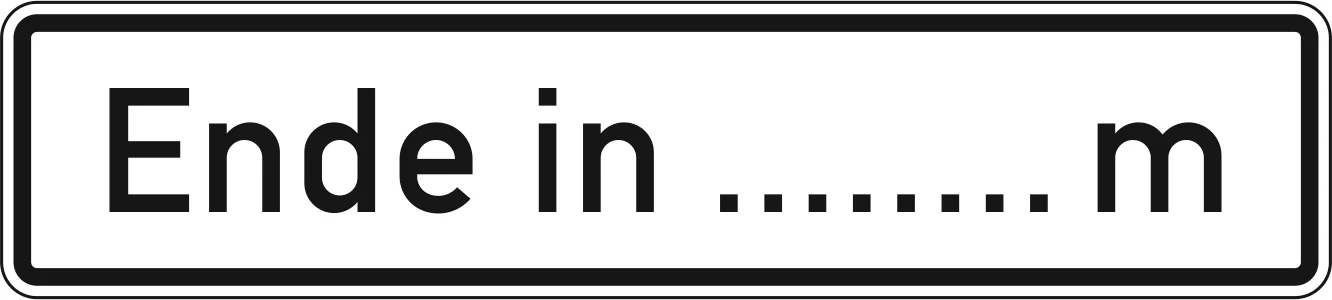
Understand the 'End in... m' Supplementary Sign (1013-52) and its Impact
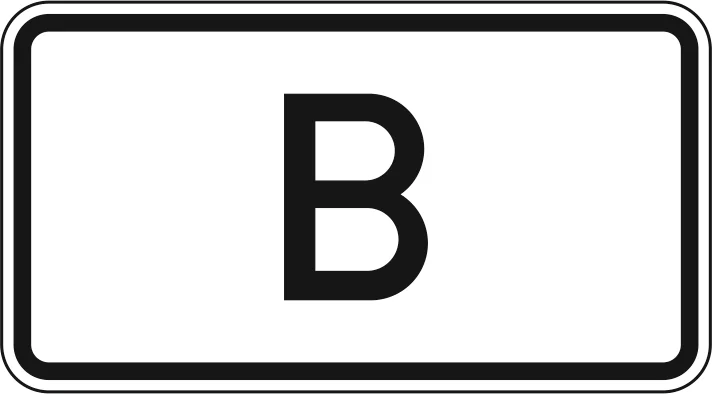
ADR Tunnel Category B: Understand Restrictions for Hazardous Goods Transport
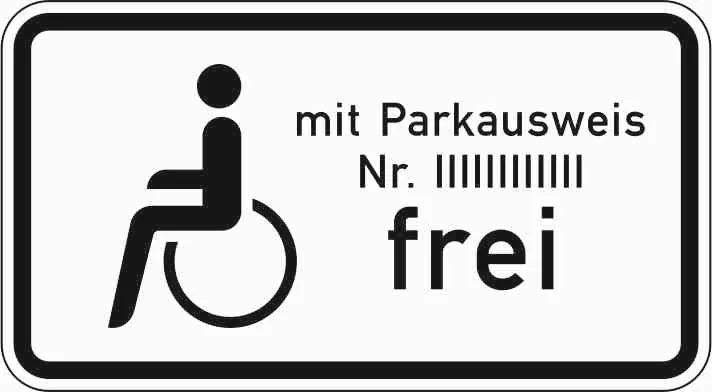
Understand the "Disabled Persons with Parkausweis Nr.... exempt" Supplementary Sign (1020-11)
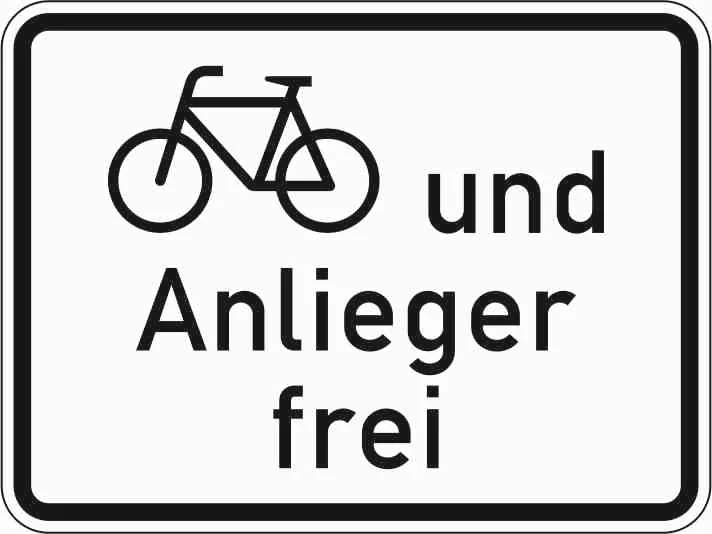
German Sign 1020-12: Cycle Traffic and Residents Exempt
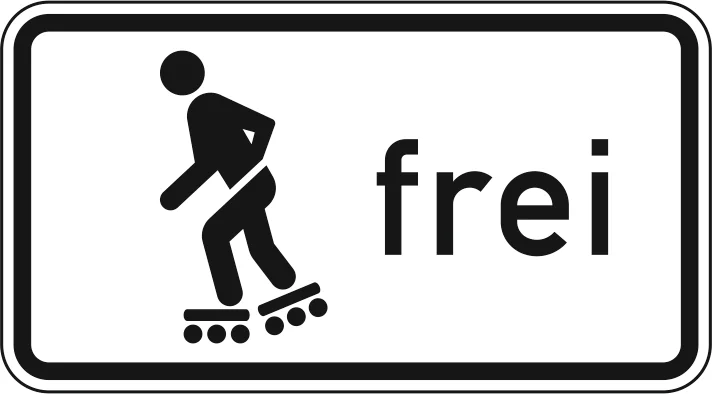
Sign 1020-13: Inline Skating and Rollerblading Permitted Here
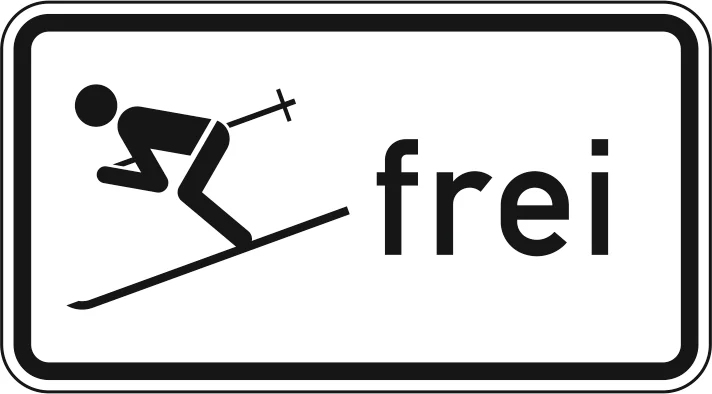
Understand the 'Wintersport Exempt' Supplementary Sign (1020-14)
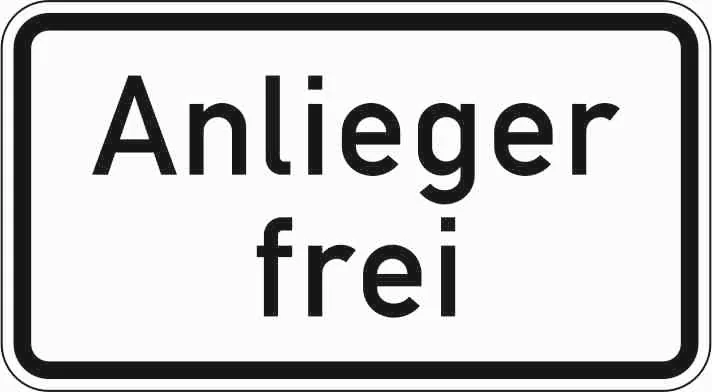
The 'Anlieger Exempt' sign: Understand what it means for your route and access.
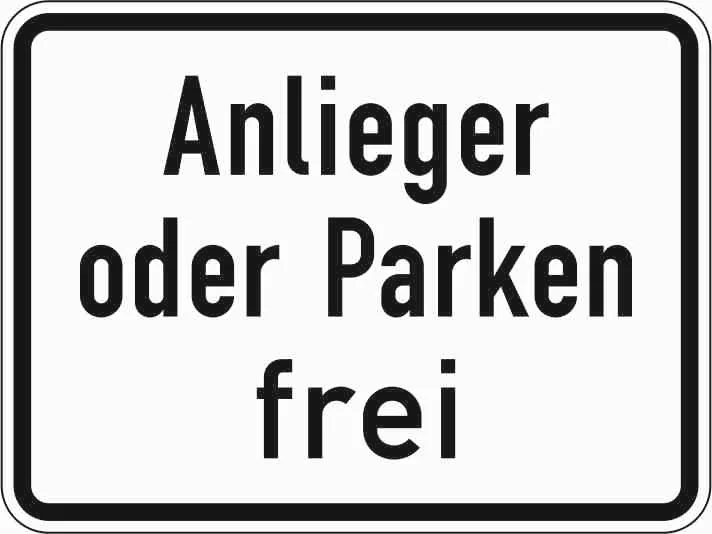
Understand the 'Anlieger oder Parken frei' Supplementary Sign (1020-31)
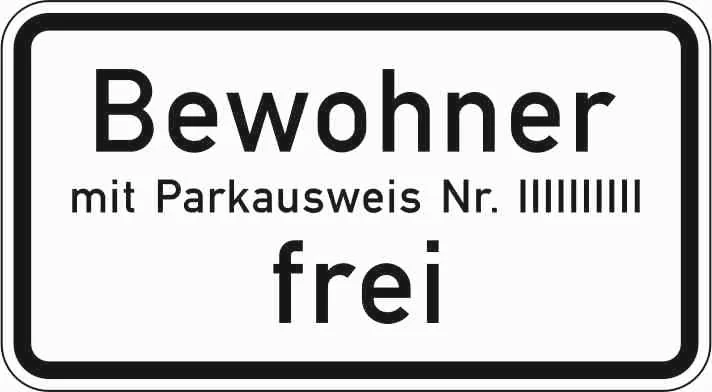
This supplementary sign clarifies parking exemptions for residents with specific permits.
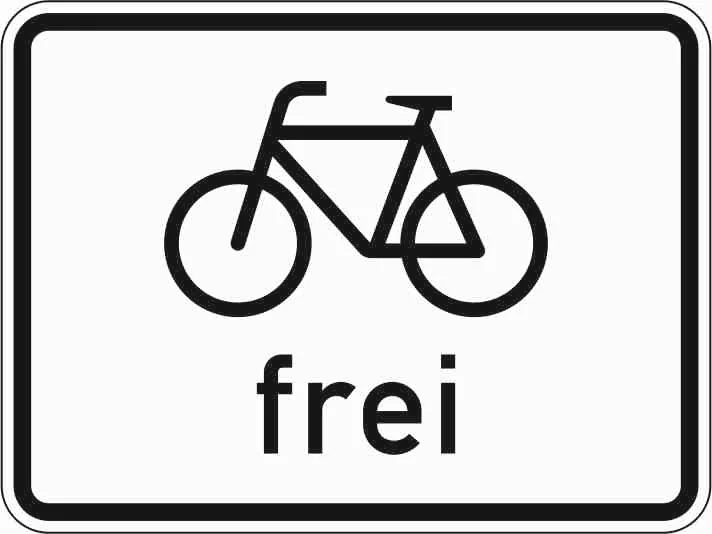
German Sign 1022-10: Cycle Traffic Exempt – Modifying the Rule Above
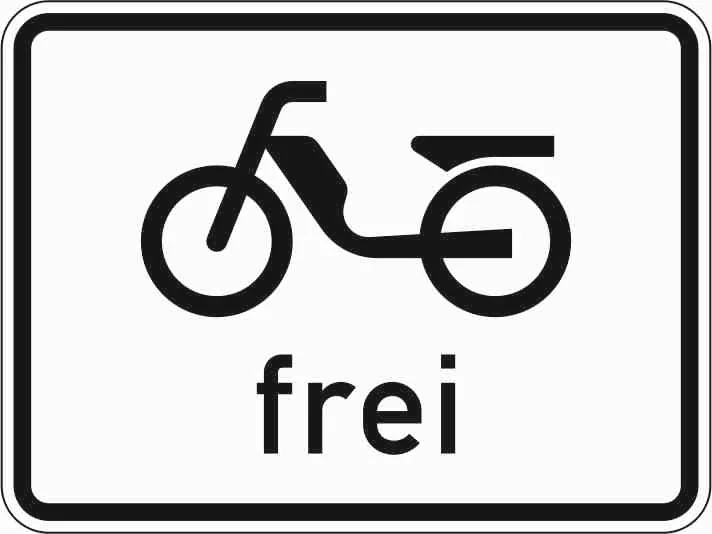
Understand the 'Mofas Exempt' Supplementary Sign
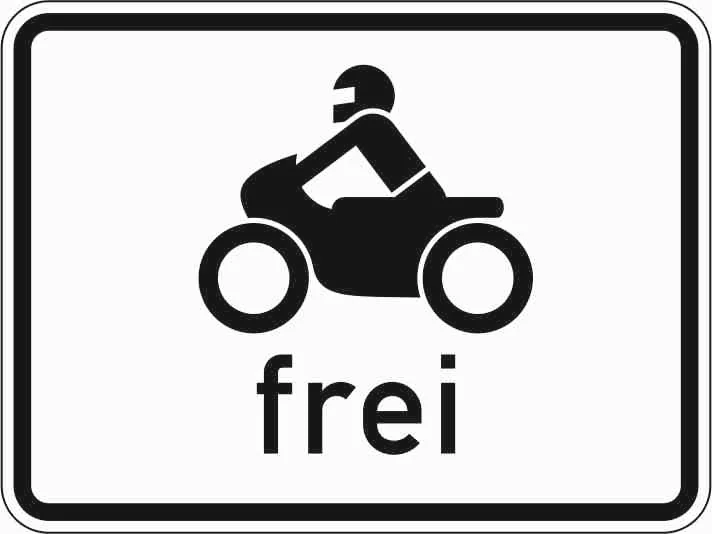
Know When Motorcycles and Mopeds Are Exempt with Supplementary Sign 1022-12
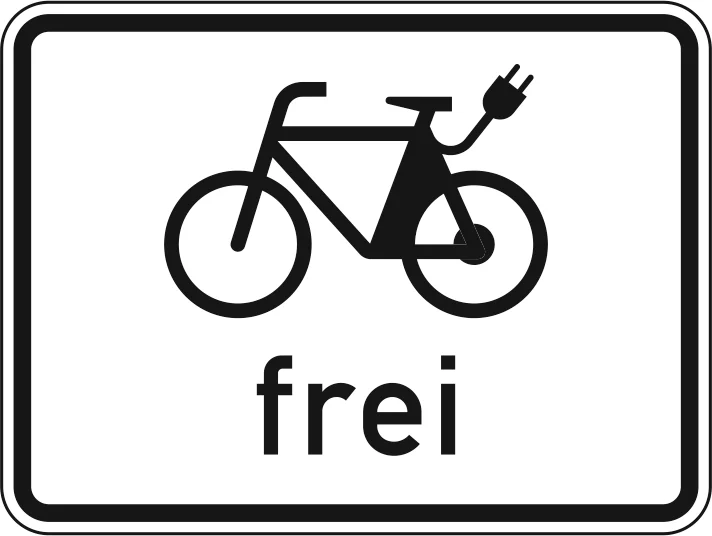
E-Bikes Exempt: Understand This Important Supplementary Traffic Sign
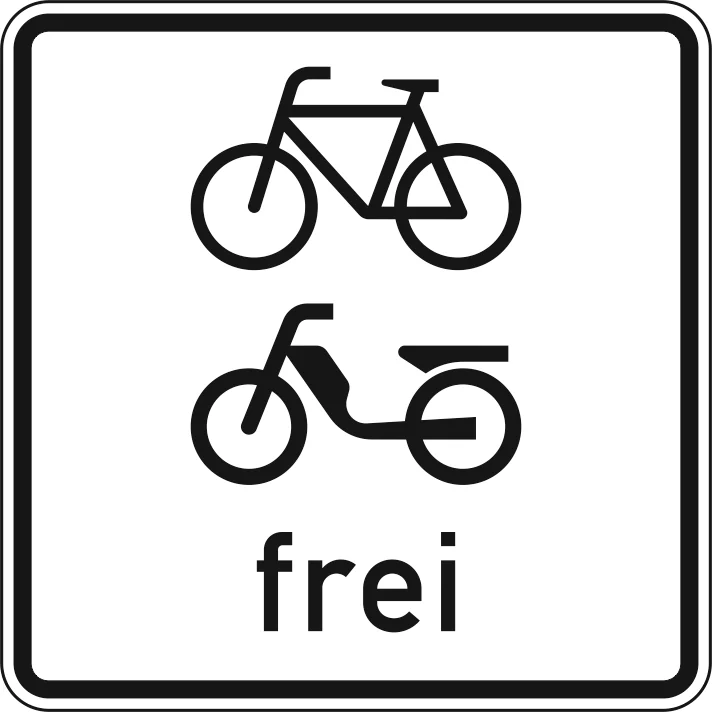
Understand how 'Cycle Traffic Mofas Exempt' supplementary signs modify main traffic rules.
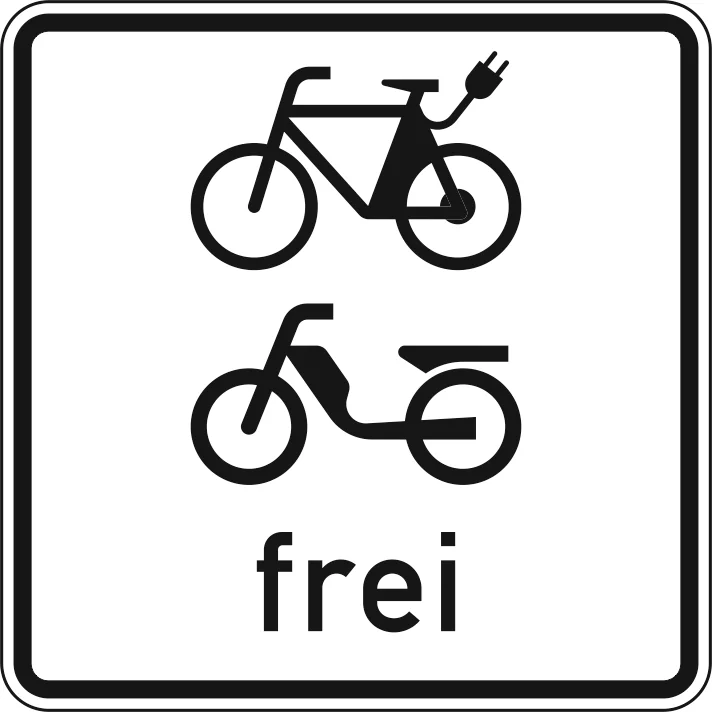
German Road Sign 1022-15: E-Bikes and Mofas Are Exempt
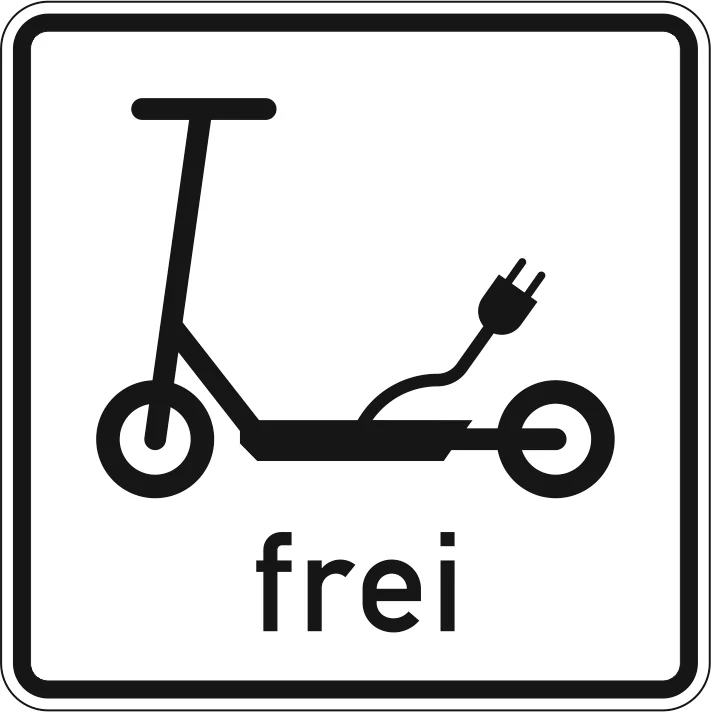
Understand the 'Small Electric Vehicles Exempt' Supplementary Sign (1022-16)
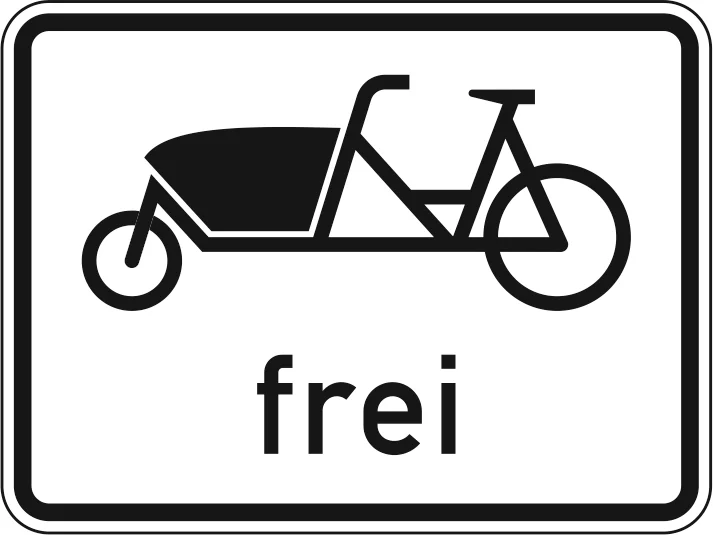
Understand Supplementary Sign 1022-17: Exemptions for Cargo Bikes
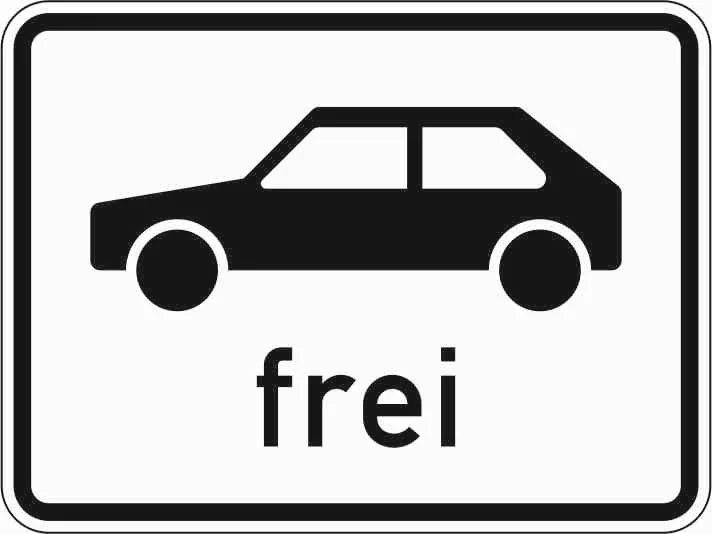
Sign 1024-10: Passenger Cars Exempt - Understanding Supplementary Signs in Germany
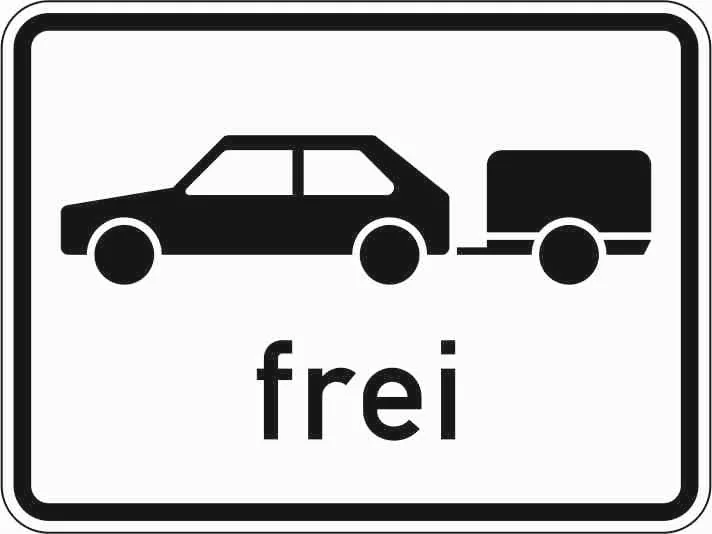
Understand the 'Passenger Cars with Trailer Exempt' Supplementary Sign (1024-11)
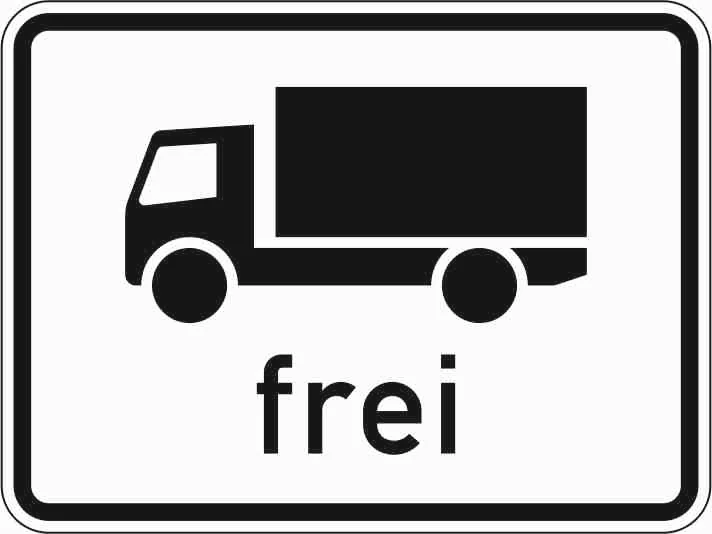
Understanding the 'Vehicles Over 3.5t Restriction' Supplementary Sign (1024-12)
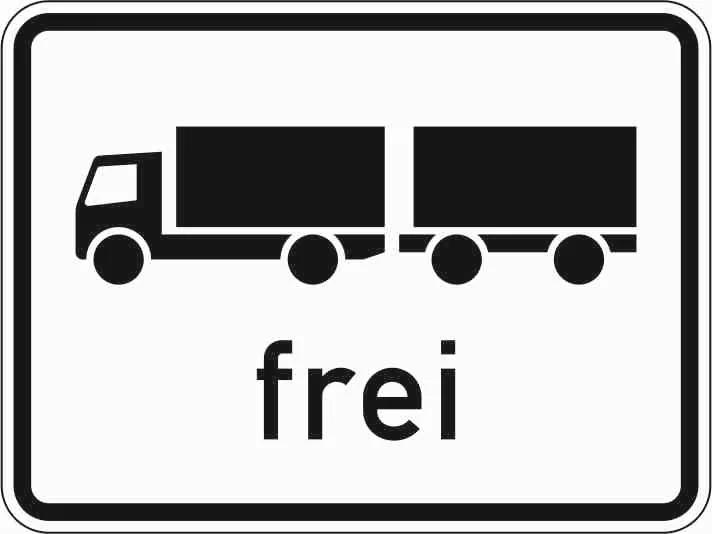
German Sign 1024-13: Understand Exemptions for Trucks with Trailers
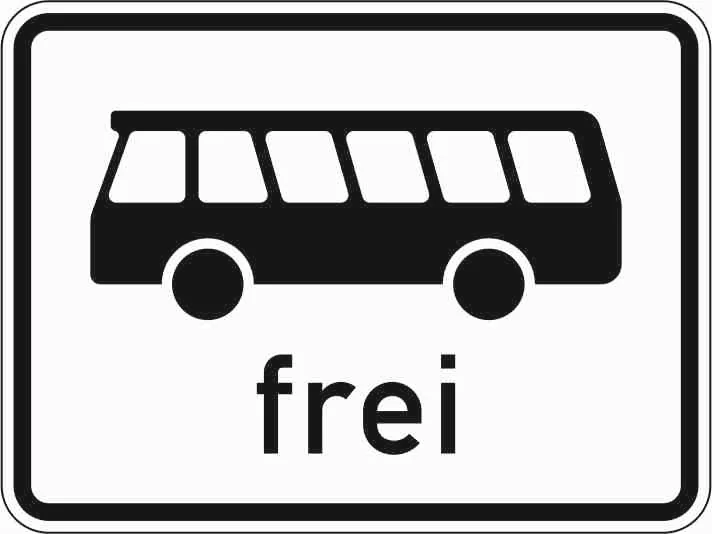
This Supplementary Sign Exempts Buses from the Rule Above
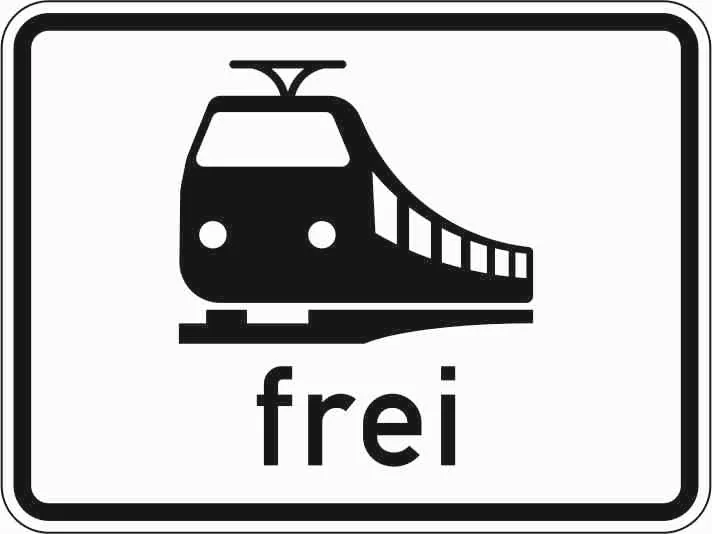
Understand how "Schienenbahn frei" supplementary signs modify the rule above them.
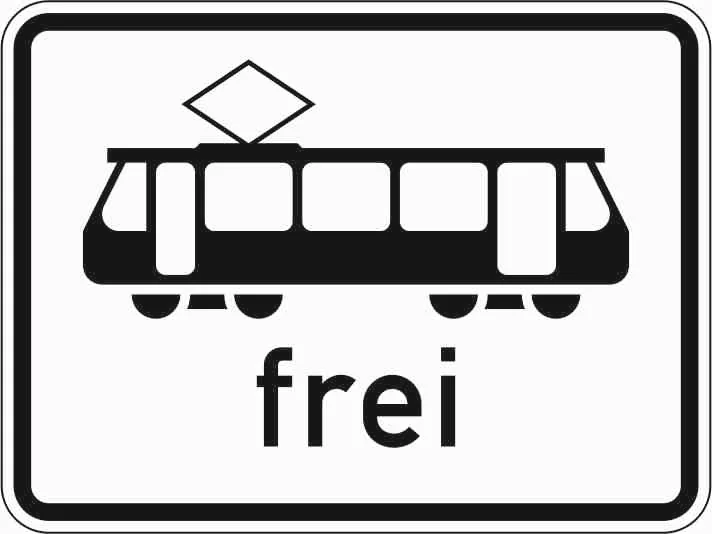
Understand the 'Straßenbahn frei' (Tram Exempt) Supplementary Sign
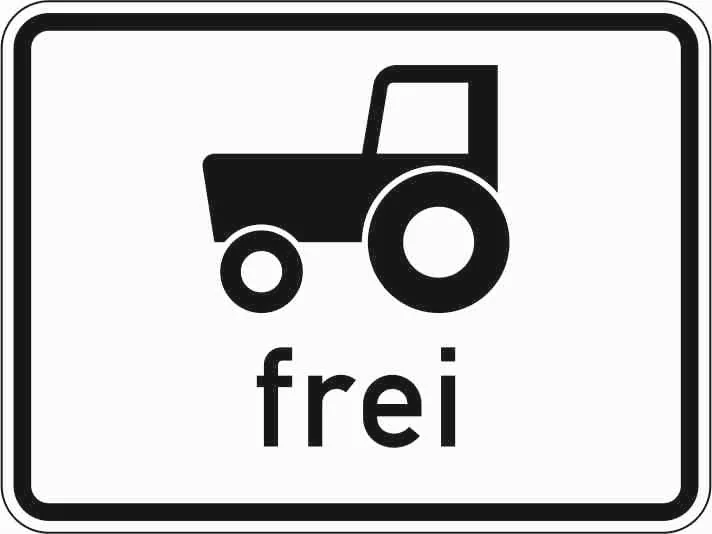
Understand Sign 1024-17: Exemption for Vehicles Unable to Reach 25 km/h
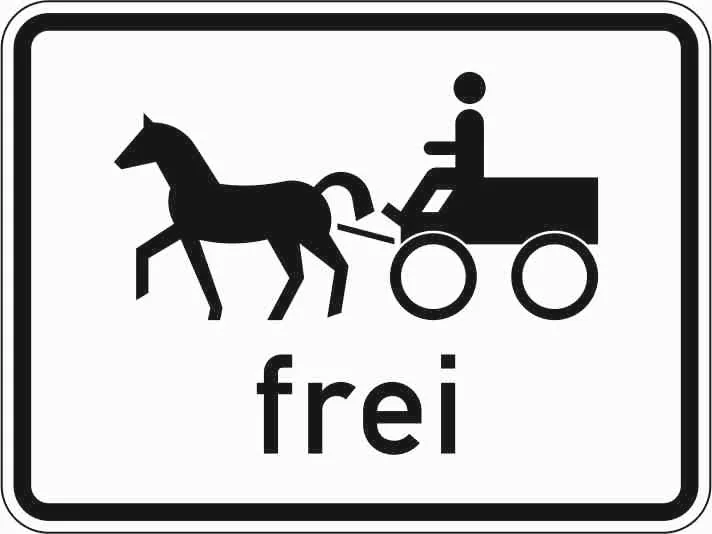
German Sign 1024-18: Understanding Exemptions for Combined Vehicles
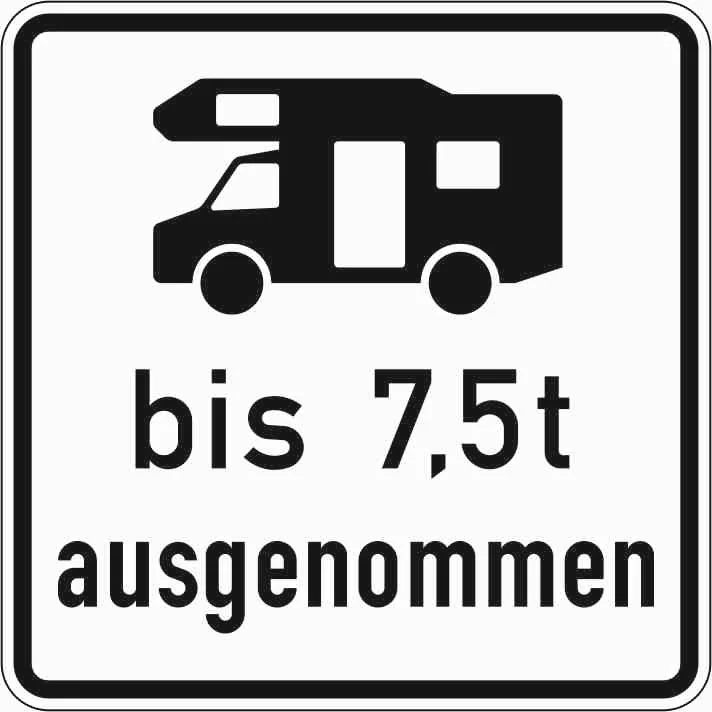
Sign 1024-19: Exempting Motorhomes Up To 7.5 Tonnes
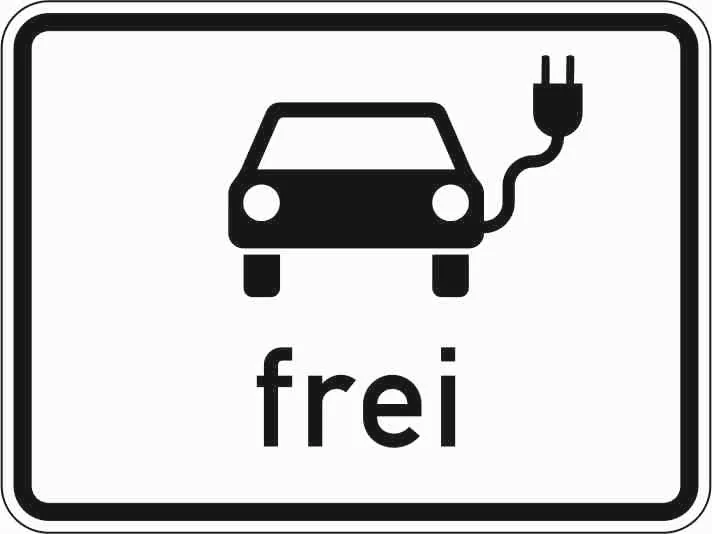
German Sign 1024-20: Electric Vehicles Exempt, Modifying Main Traffic Signs
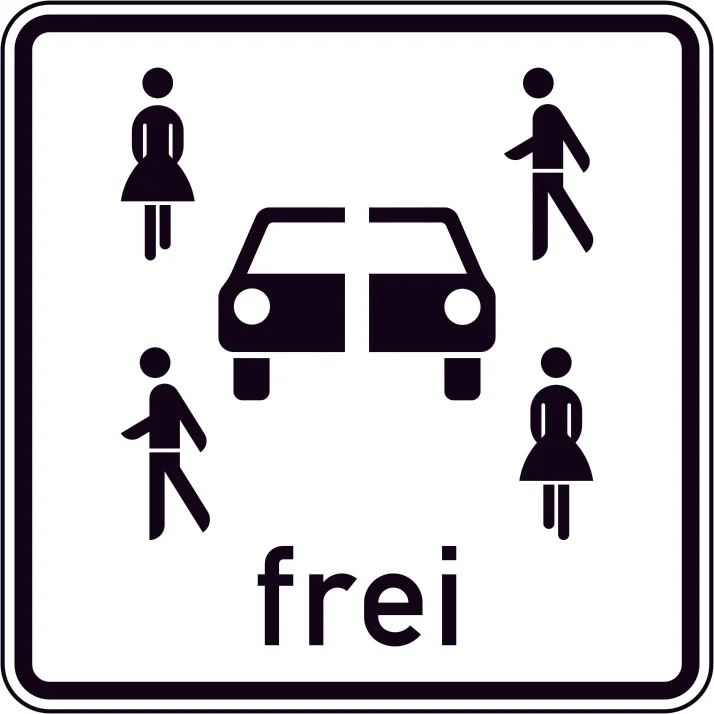
Understand the 'Carsharing Vehicles Exempt' Supplementary Sign (1024-21)
This supplementary sign specifies occupancy rules for certain vehicles.
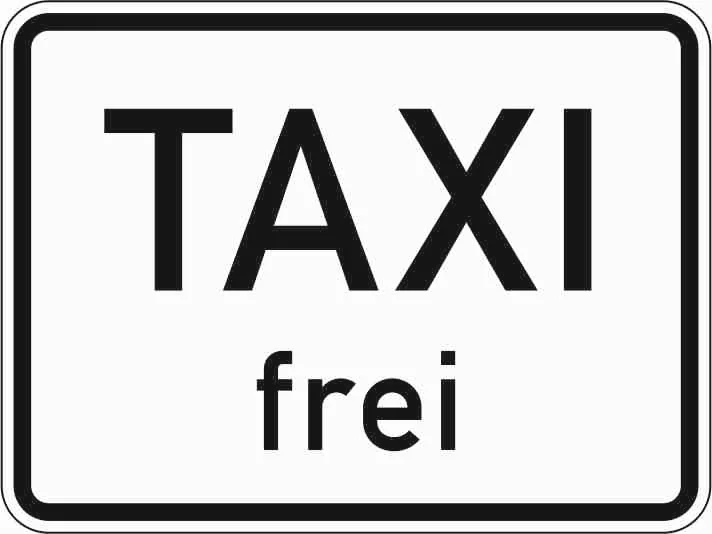
Understand the 'Taxi Exempt' Supplementary Sign (1026-30)
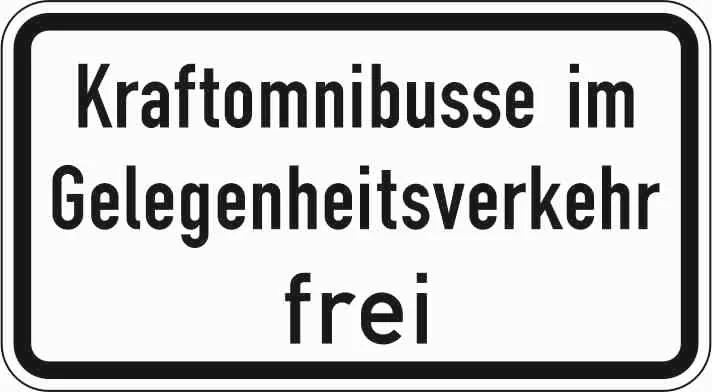
Understand Exemptions for Buses on Special Routes with Sign 1026-31
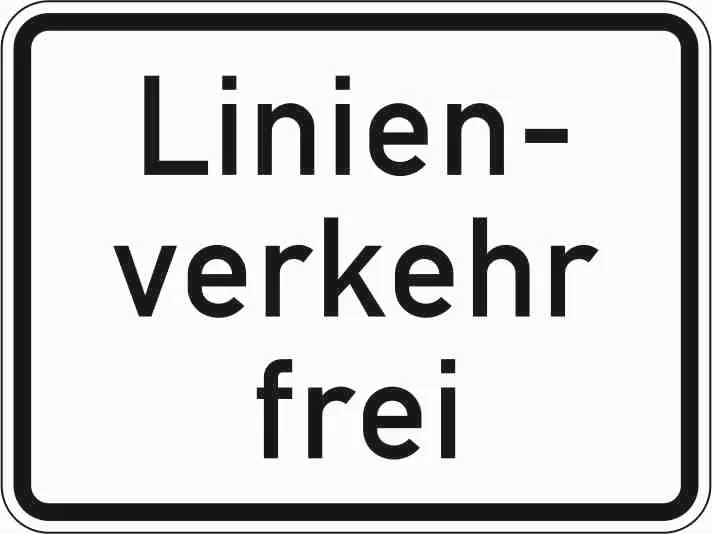
Linienverkehr Exempt: Understand How This Supplementary Sign Modifies Traffic Rules
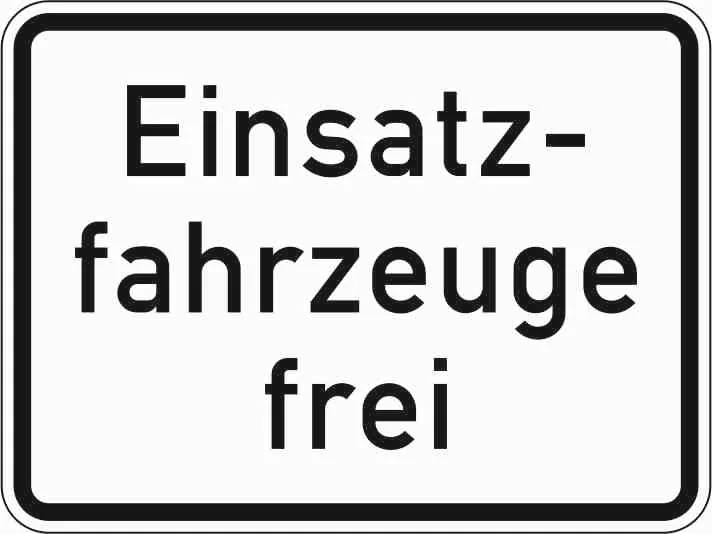
Understand German Sign 1026-33: Emergency Vehicles Exempt from Rules Above
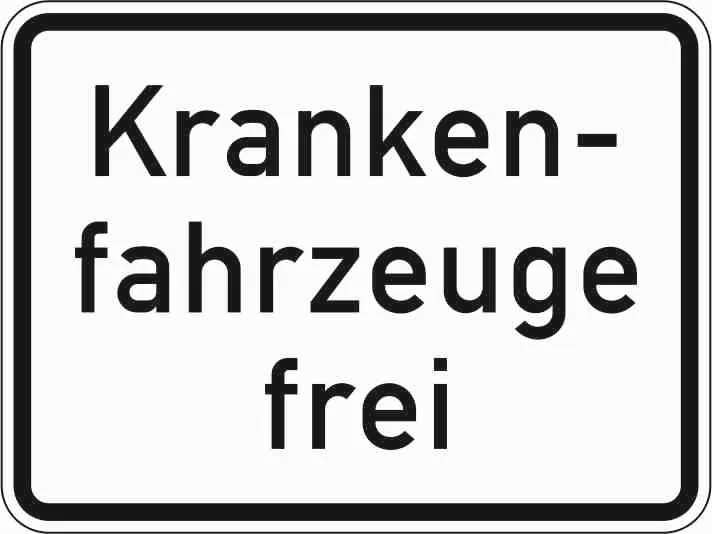
German sign 1026-34 exempts ambulances and medical vehicles from the main sign's rule.
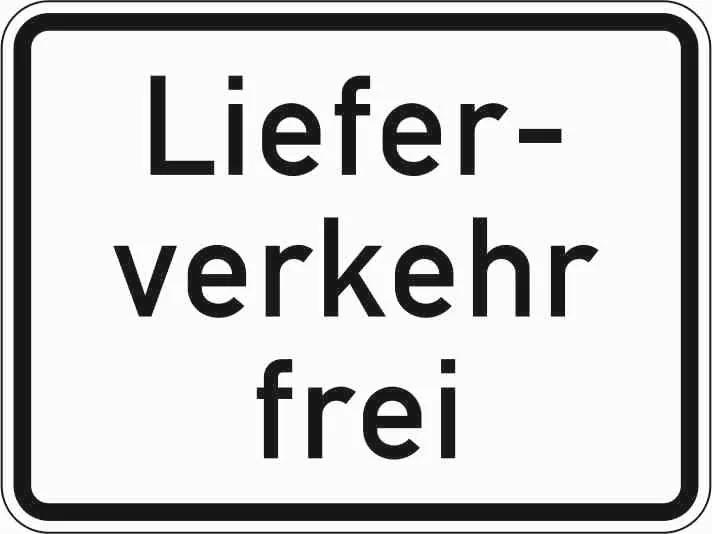
Understand the 'Delivery Traffic Exempt' supplementary road sign (1026-35) in Germany.
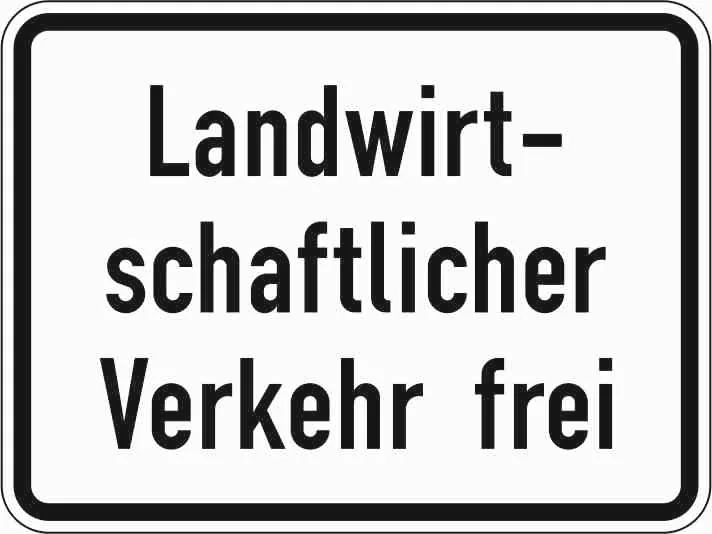
Understand the 'Agricultural Traffic Exempt' Supplementary Sign (1026-36)
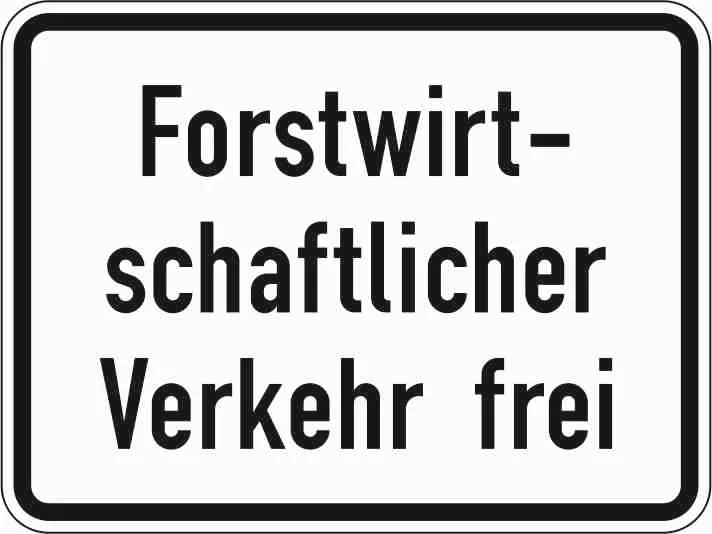
Know the 'Forstwirtschaftlicher Verkehr Exempt' supplementary sign
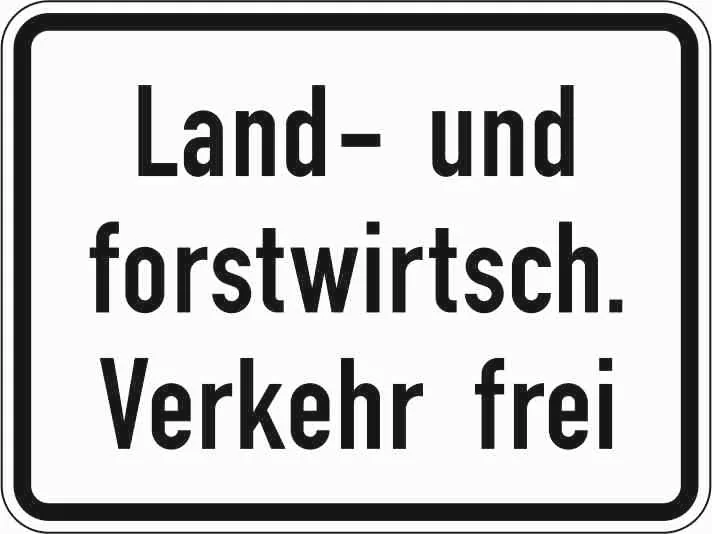
Sign 1026-38 Exempts Agricultural and Forestry Traffic
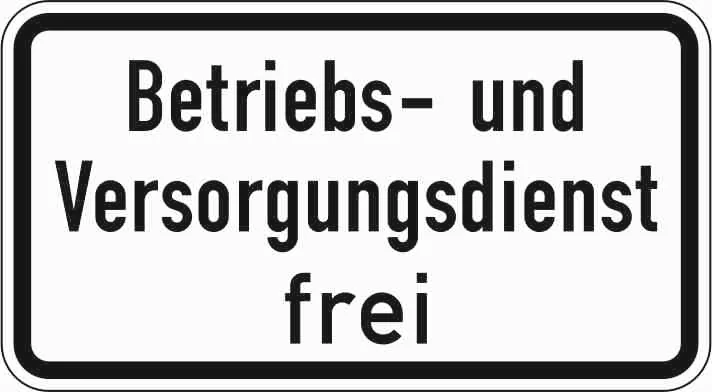
Understand the 'Betriebs- und Versorgungsdienst frei' supplementary sign (1026-39) for your German theory test.
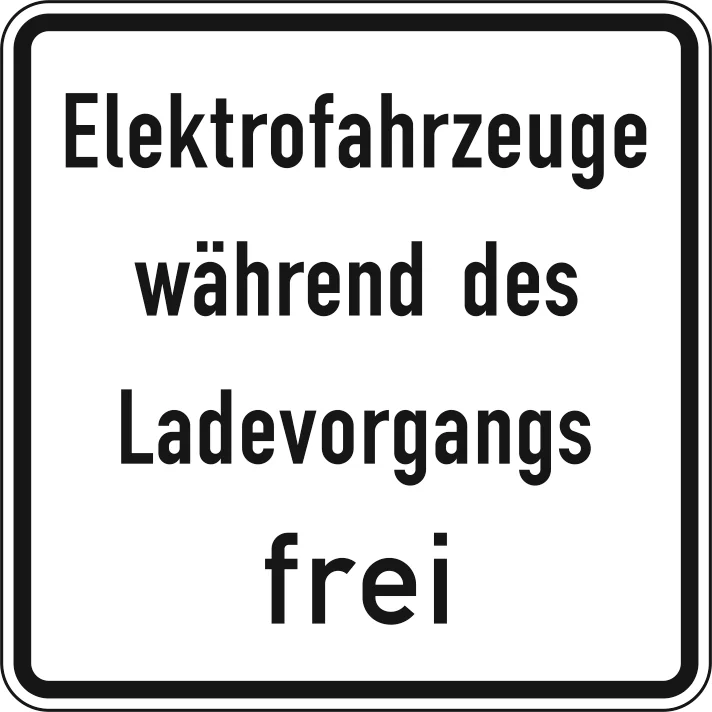
Understand German Sign 1026-60: Electric Vehicles Exempt While Charging
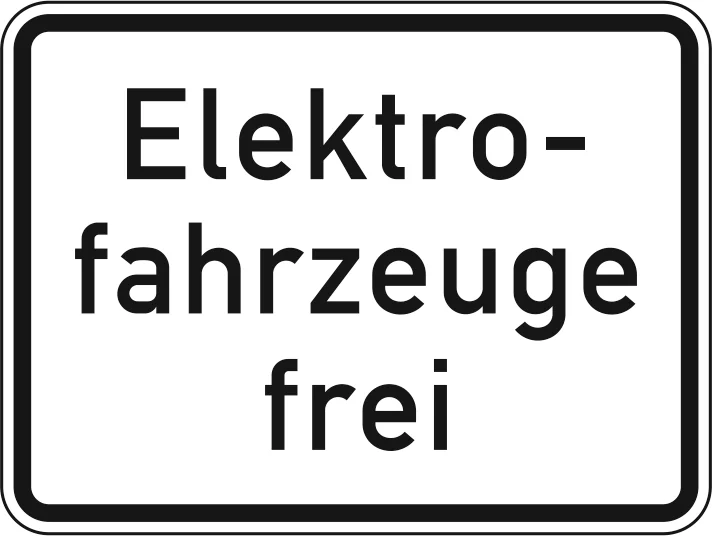
Electric Vehicles Exempt: Understand the 'Elektrofahrzeuge frei' Supplementary Sign
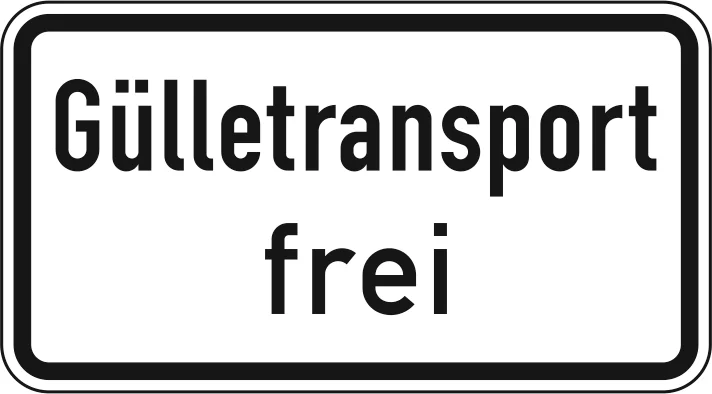
Understand the "Gülletransport exempt" supplementary sign (1026-62) in Germany.
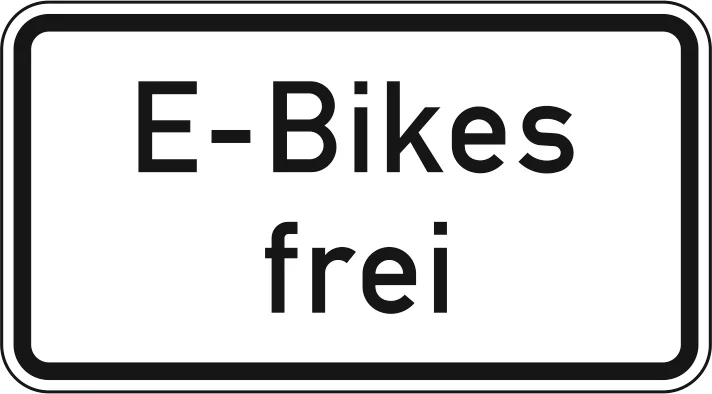
German Sign 1026-63: E-Bikes are Exempt from the Rule Above
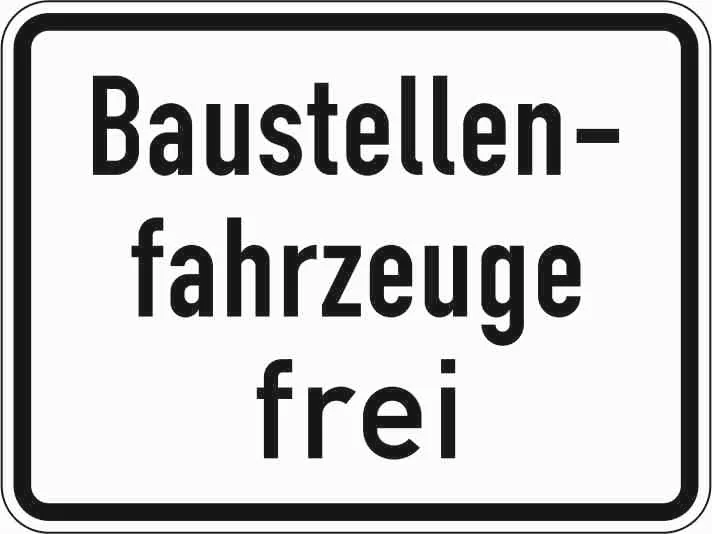
Understand German Sign 1028-30: Exemptions for Construction Vehicles
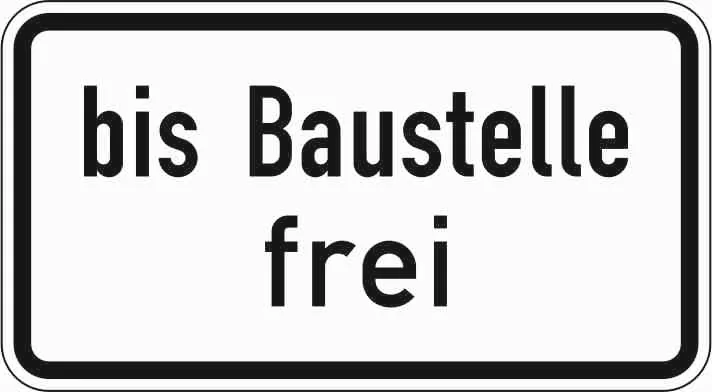
Understand the 'Bis Baustelle exempt' supplementary sign (1028-31) in Germany.
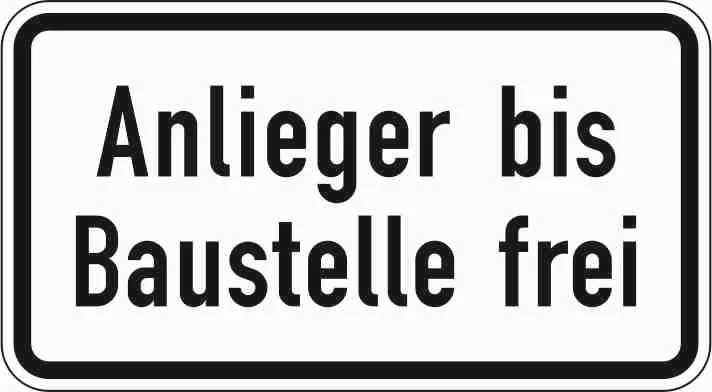
Understand Exemptions for Residents Near Construction with Sign 1028-32
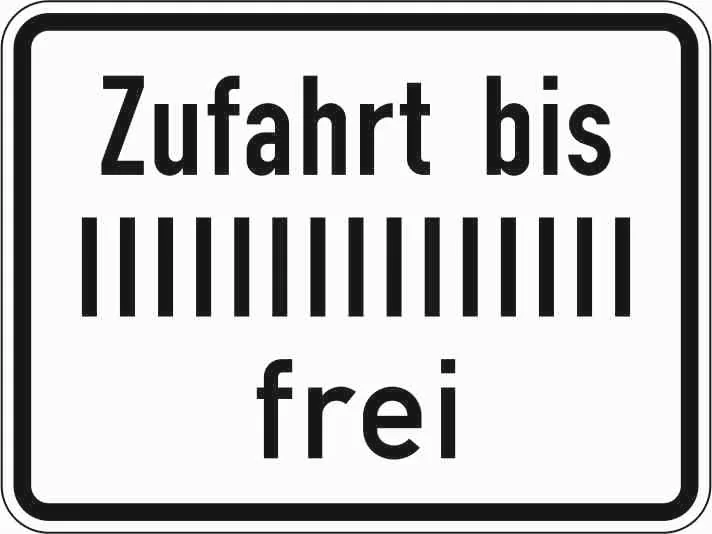
The 'Zufahrt bis ... exempt' Sign: Modifying Rules with Distance, Time, or Exceptions
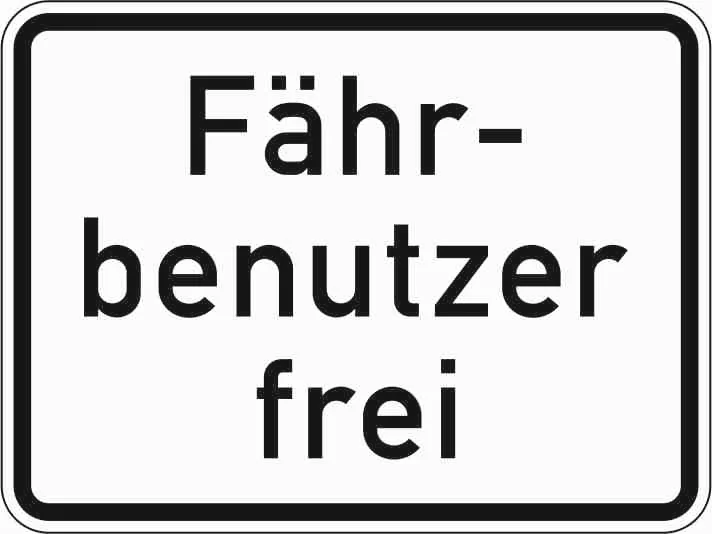
Understand the 'Fährbenutzer frei' Supplementary Sign
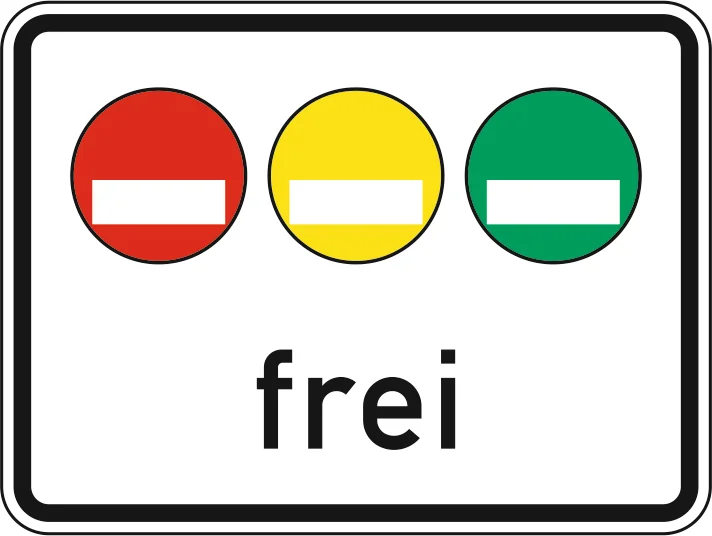
Sign 1031-50: Exemptions from Traffic Bans with Red, Yellow, or Green Badges
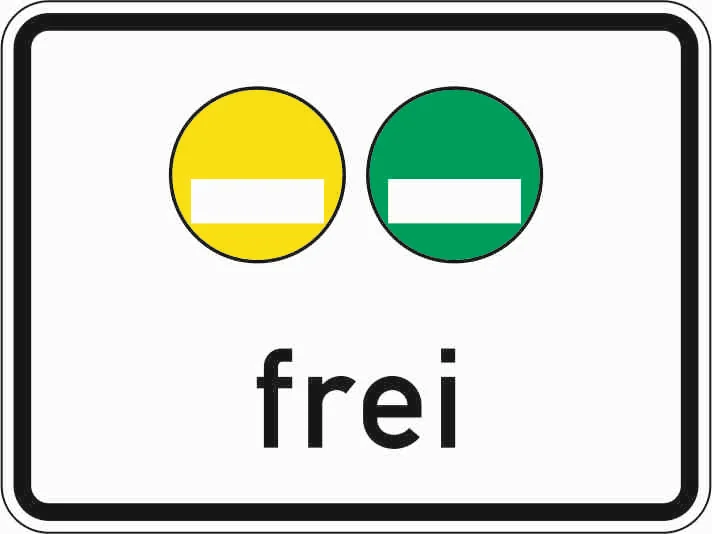
Understand Exemptions for Environmental Zones with the 1031-51 Supplementary Sign
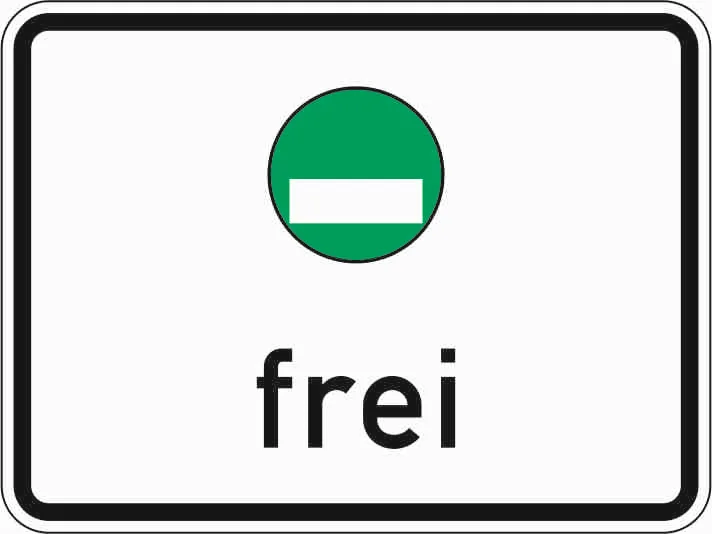
Know when your green badge exempts you from traffic bans with supplementary sign 1031-52.
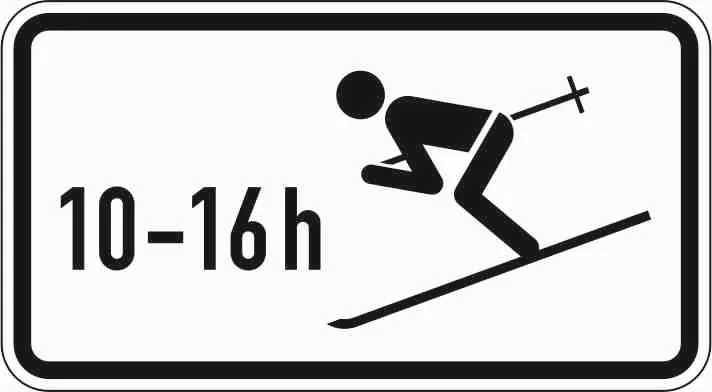
Understand the "Wintersport Allowed, Time Limited (10 AM - 4 PM)" Supplementary Sign (1040-10)
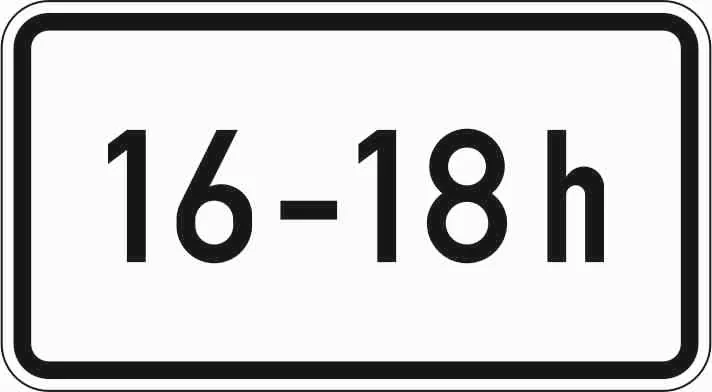
Understand the 'Time Restriction (4 PM - 6 PM)' Supplementary Road Sign
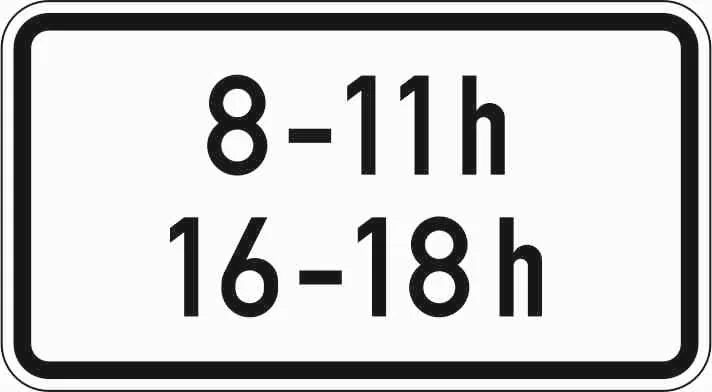
Understand the Time Restriction Sign (8-11h, 16-18h) and its impact on traffic rules.
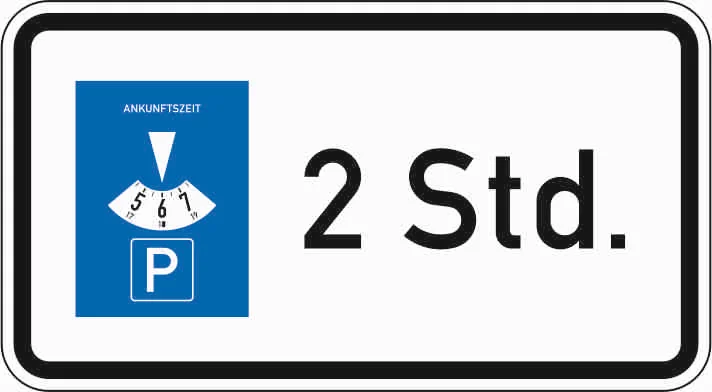
Understand the "Parksceibe 2 Stunden" sign for 2-hour parking with a disc.
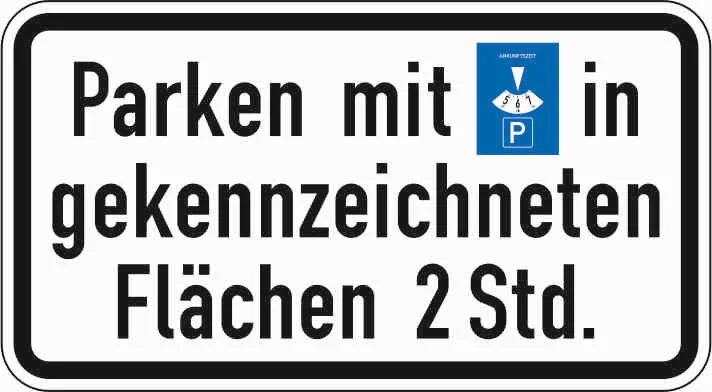
Sign 1040-33: Park for 2 Hours with a Parking Disc in Marked Bays
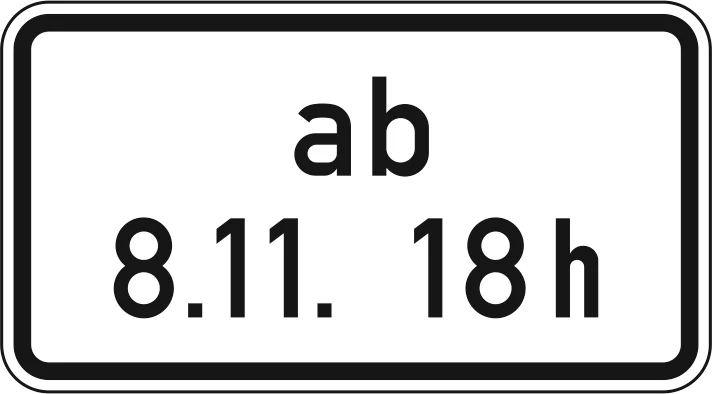
Learn the 'Ab Zeitpunkt' Supplementary Sign (1040-34) for German Driving Rules
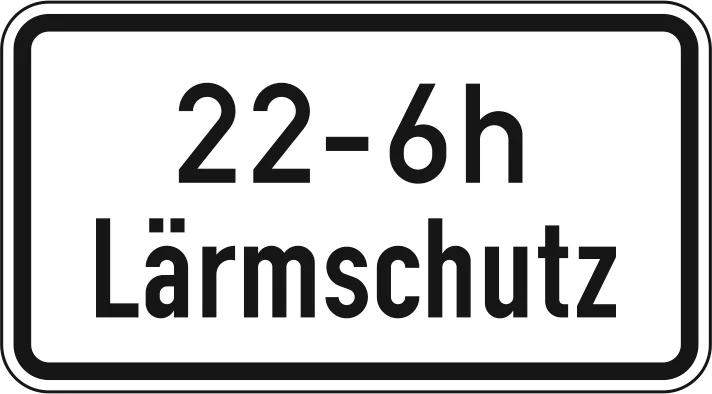
Understand the Lärmschutz (with Zeitangabe) Supplementary Sign in Germany
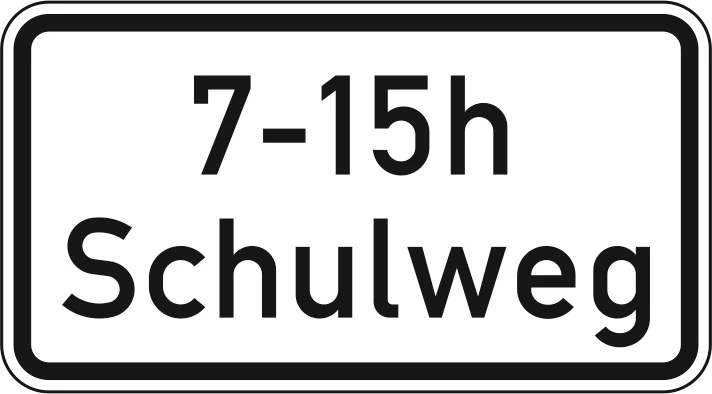
Understand the "Schulweg i. V. m. zeitlicher Begrenzung" supplementary sign (1040-36)
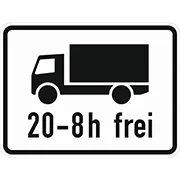
Supplementary Sign 1040-37: Understanding Weight Restrictions for Vehicles
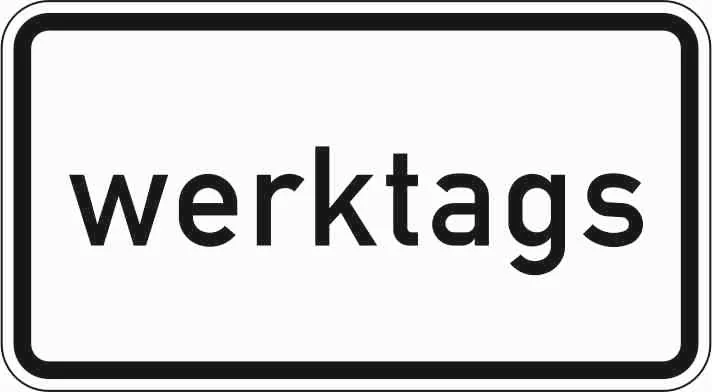
Understand the 'Zeitliche Beschränkung (working days)' Supplementary Sign
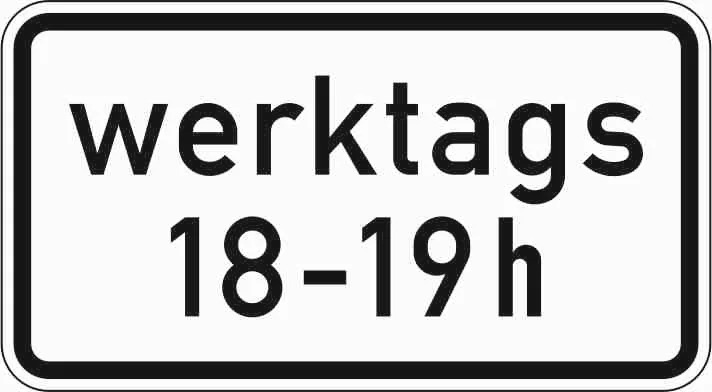
Understand the 'Time Restriction' Supplementary Sign for Working Days (18:00-19:00)
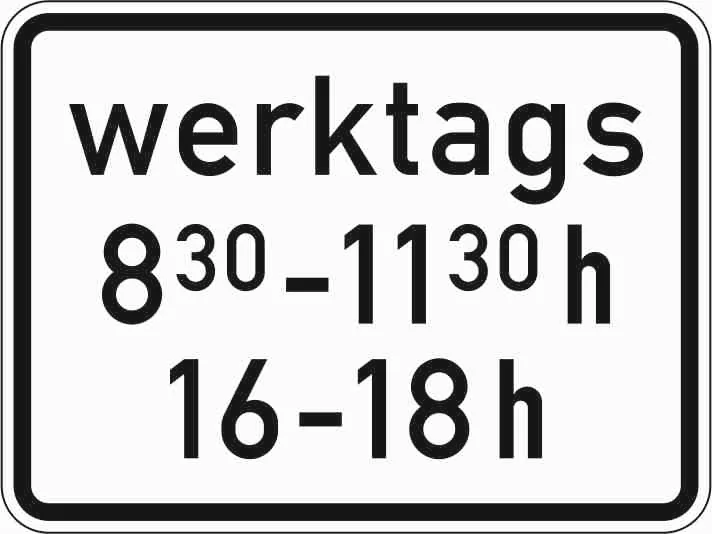
Understand Time Restrictions with German Sign 1042-32
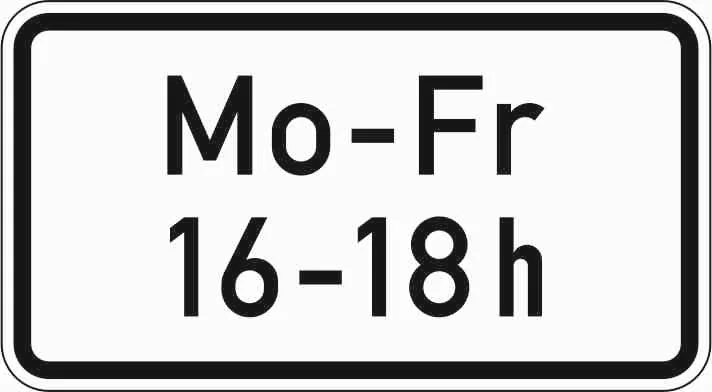
This sign restricts when the main traffic rule above it applies.
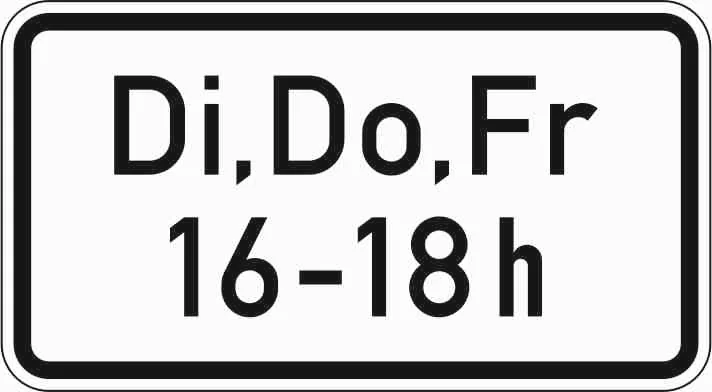
Understand the Time Restriction Sign 1042-34 for Tuesdays, Thursdays, and Fridays from 4 PM to 6 PM.
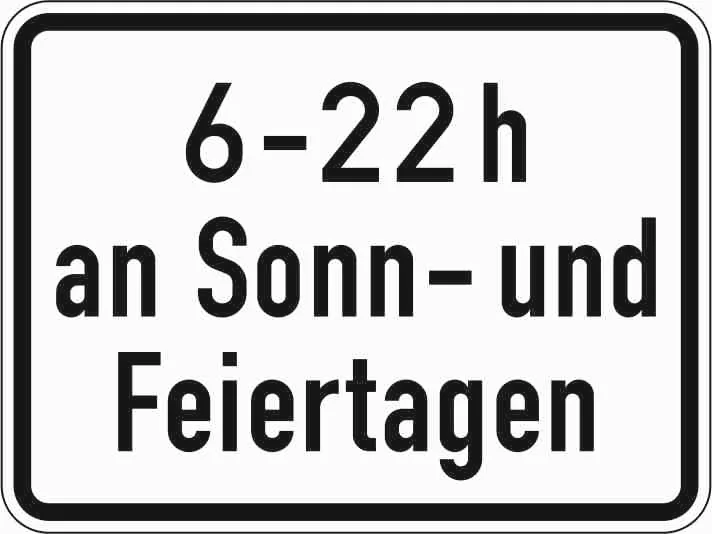
Time Restriction Sign: 6 AM to 10 PM on Sundays and Public Holidays
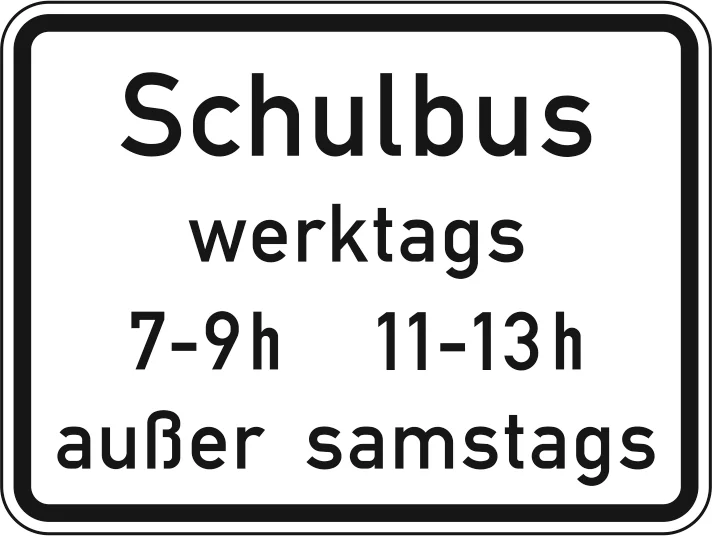
Master the 'Schulbus (tageszeitliche Benutzung)' Supplementary Sign for German Driving Tests
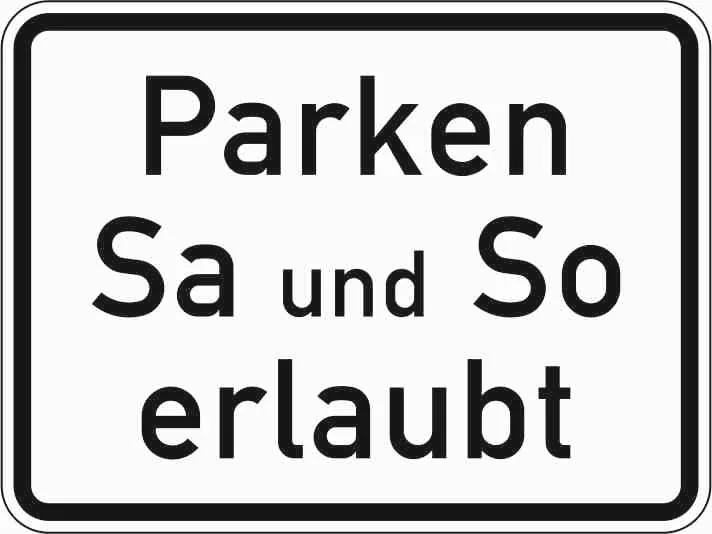
Understand "Parken Sa So erlaubt" - Supplementary Parking Signs
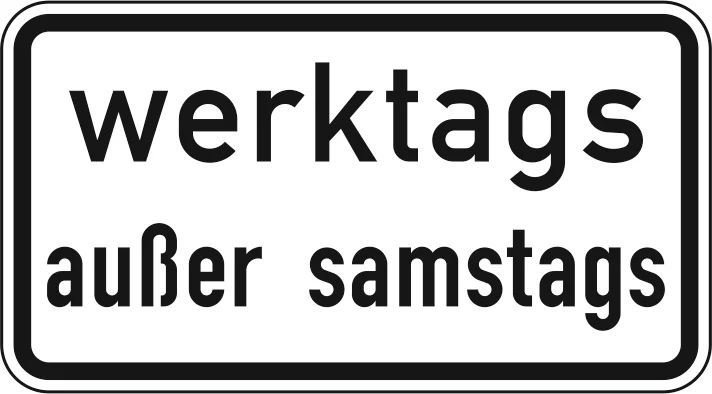
Decode the 'Weekdays except Saturdays' supplementary sign (1042-38) to understand restrictions.
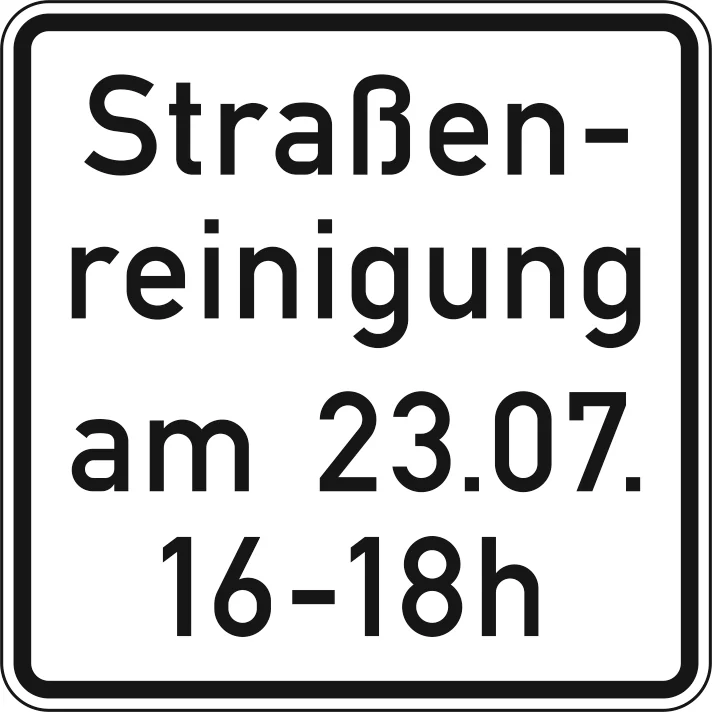
Understand the 'Straßenreinigung' Supplementary Sign with Time and Date Information
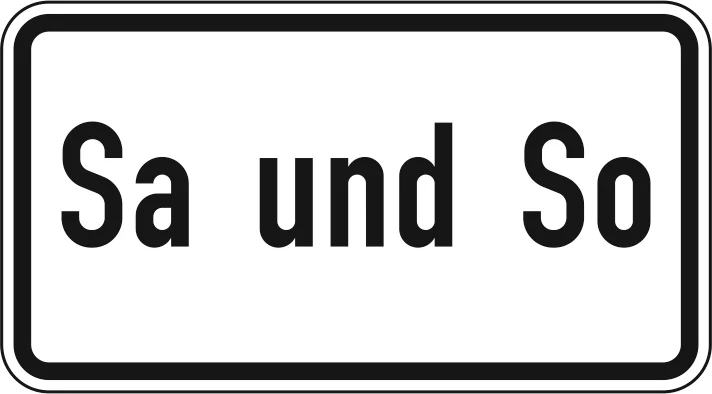
German Supplementary Sign 1042-51 'Sa und So': Modifying Main Traffic Rules
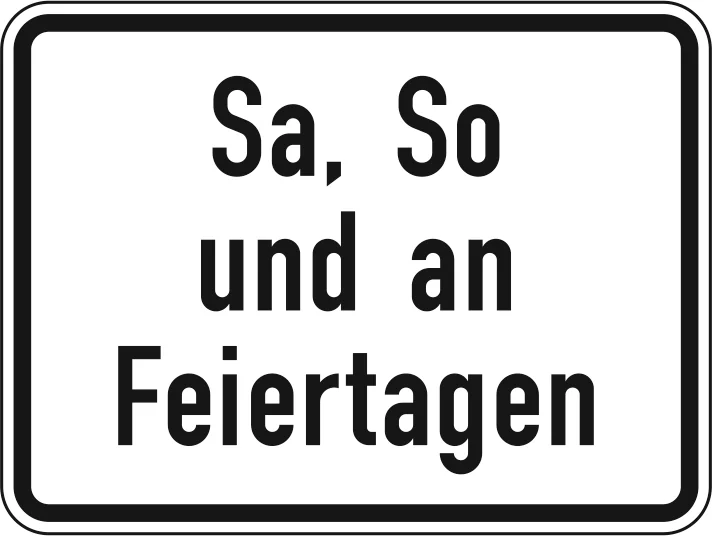
This Supplementary Sign "Sa, So an Feiertagen" Modifies the Rule Above It
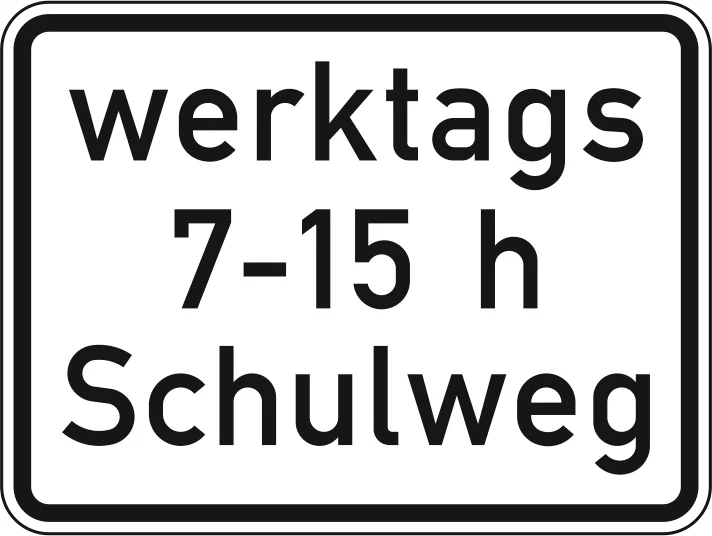
Understand the 'School Route with Time Limit on Weekdays' Supplementary Sign (1042-53)
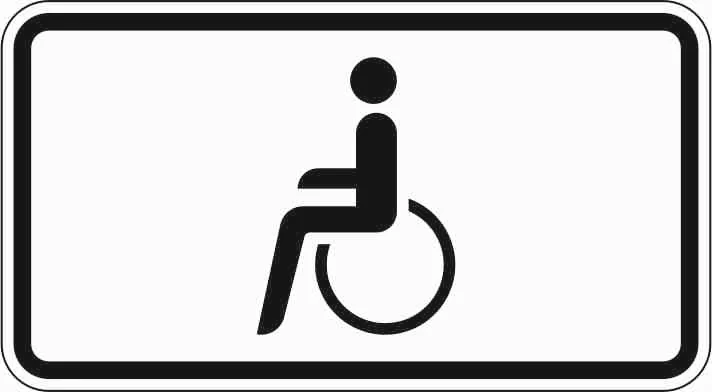
Sign 1044-10: Special Parking Access for Disabled Individuals
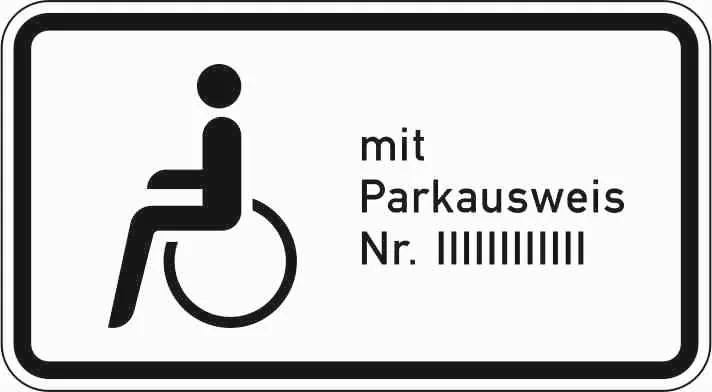
This supplementary sign restricts parking to disabled persons with a valid permit.
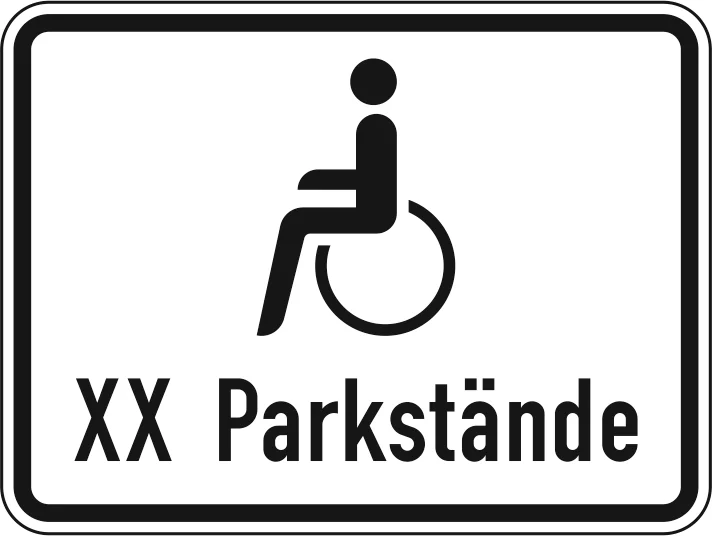
This supplementary sign specifies parking conditions for disabled persons.
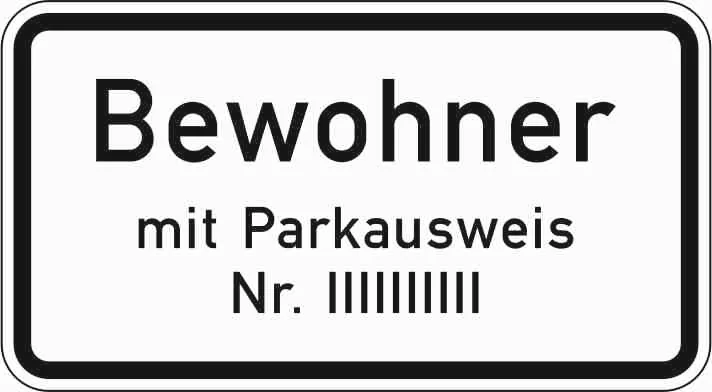
Understand the 'Nur residents with Parkausweis Nr.' supplementary sign (1044-30)
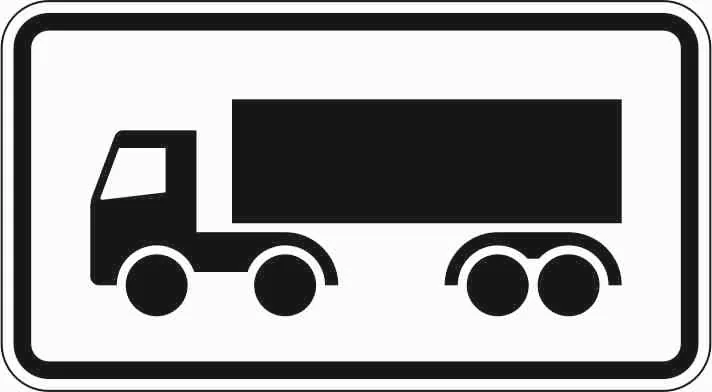
Understand German Sign 1048-14: "Nur Sattelkraftfahrzeuge" (Semi-trailers Only)
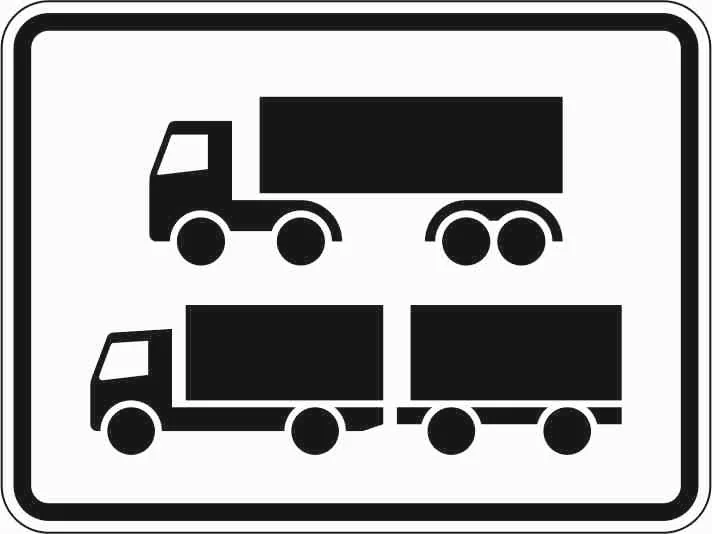
Understand German Supplementary Sign 1048-15 for Trucks with Trailers
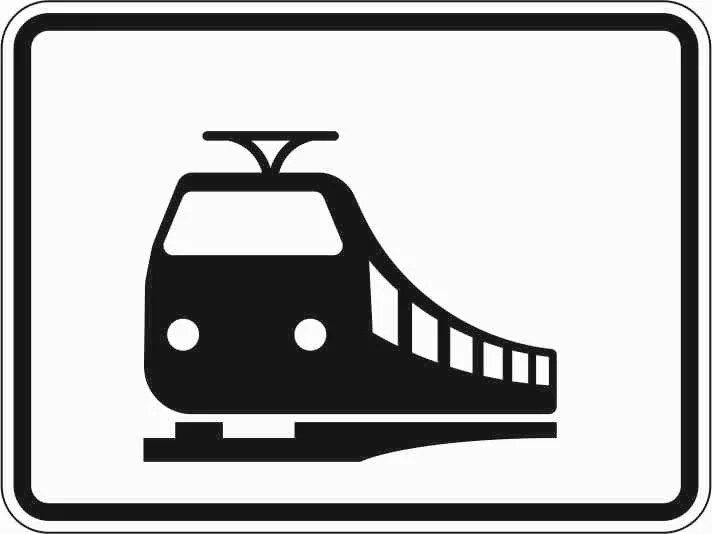
Sign 1048-18 'Nur Schienenbahnen': How Supplementary Signs Modify Traffic Rules
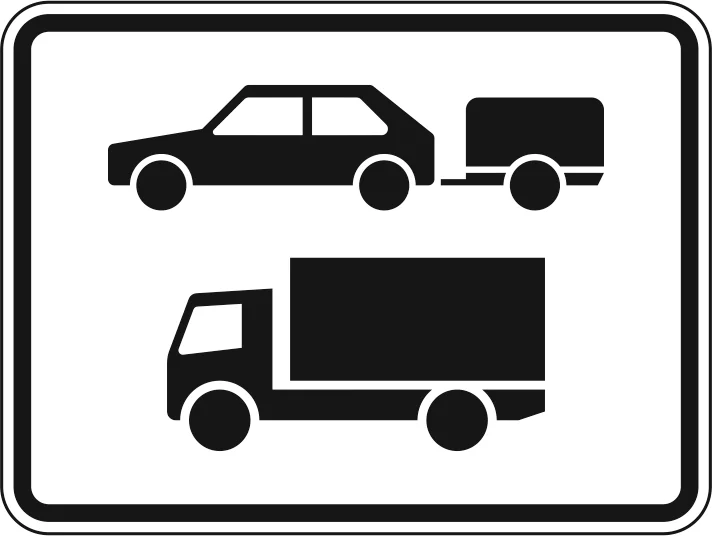
Understand German Supplementary Sign 1048-20: Specific Vehicle and Mass Restrictions
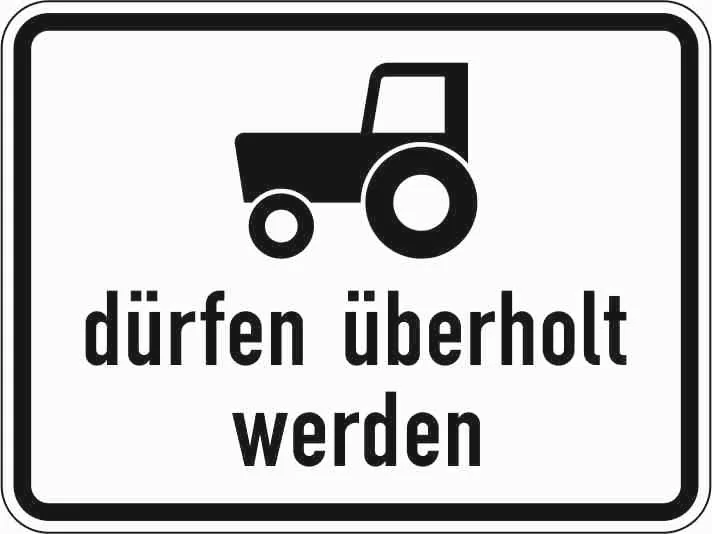
This sign indicates that vehicles and combinations travelling at 25 km/h or less may be overtaken.
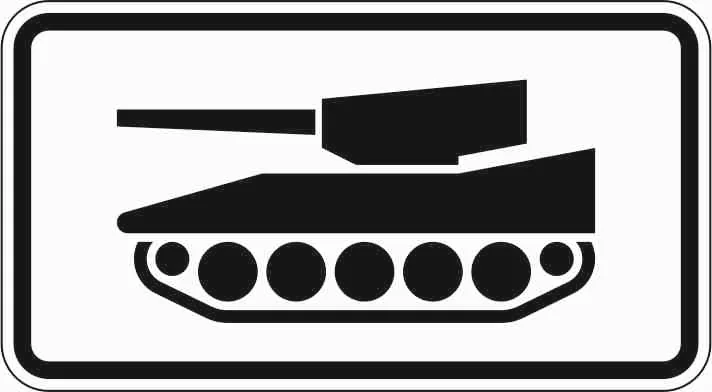
Understand German Supplementary Sign 1049-12: 'Only Military Tracked Vehicles'
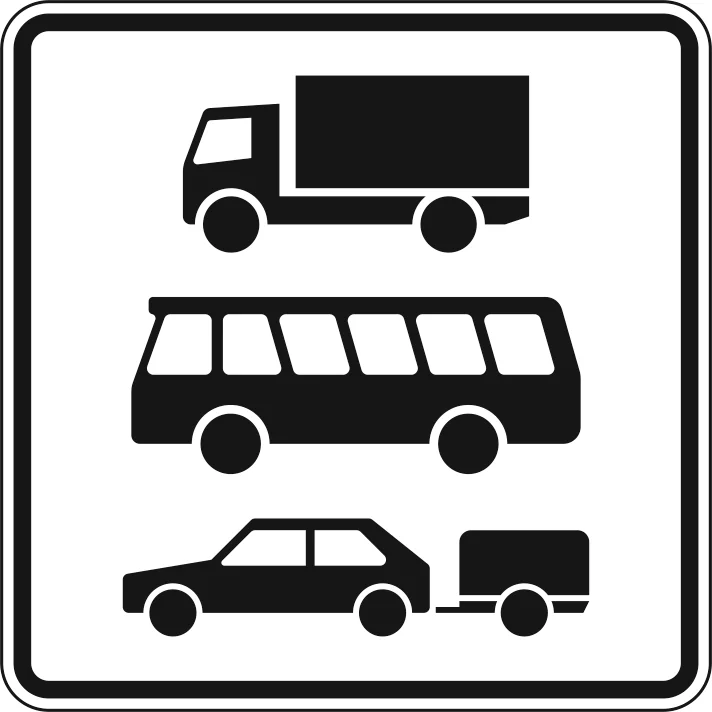
Understand When Trucks, Buses, and Cars with Trailers Have Specific Rules with Sign 1049-13
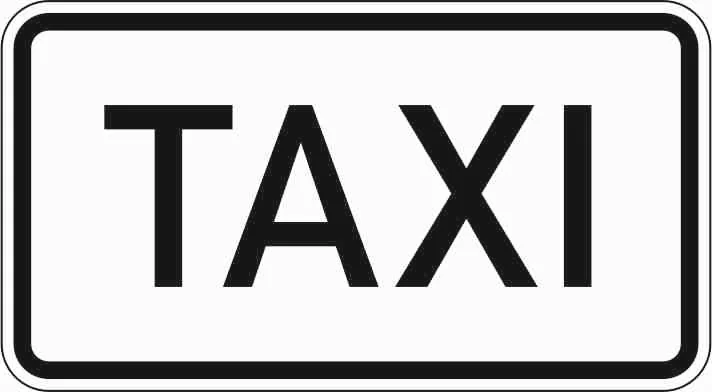
Understanding the 'Taxi' Supplementary Road Sign (1050-30)
Understand the "5 Taxis" Supplementary Sign (1050-31)
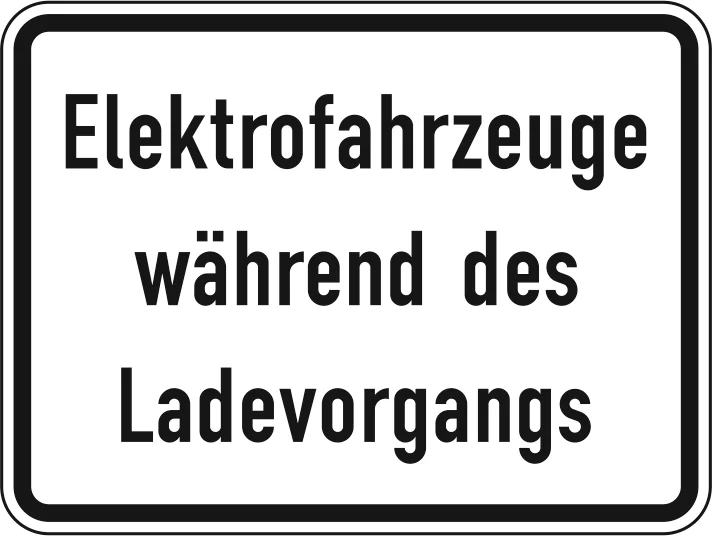
Understand the 'Electric Vehicles While Charging' Supplementary Sign (1050-32)
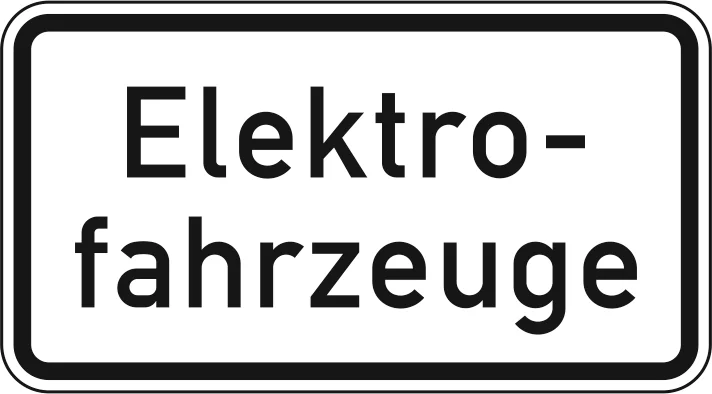
Elektrofahrzeuge (Electric Vehicles) Supplementary Sign: What You Need to Know
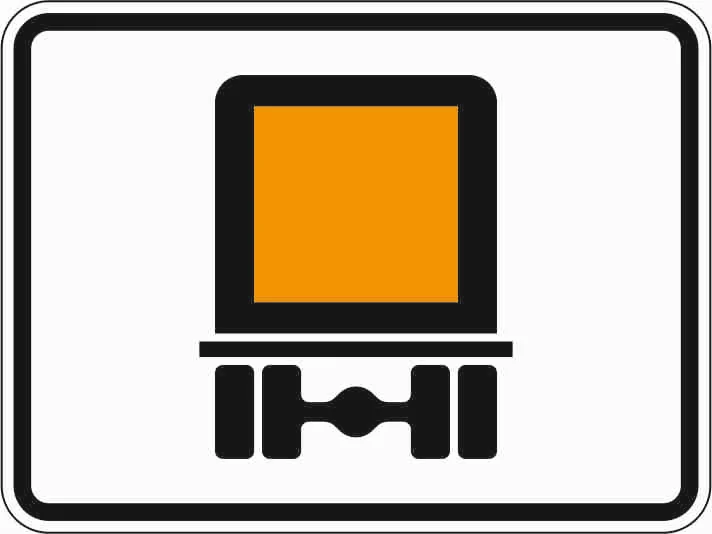
Special rules apply: only vehicles with hazardous goods markings are affected by the sign above.
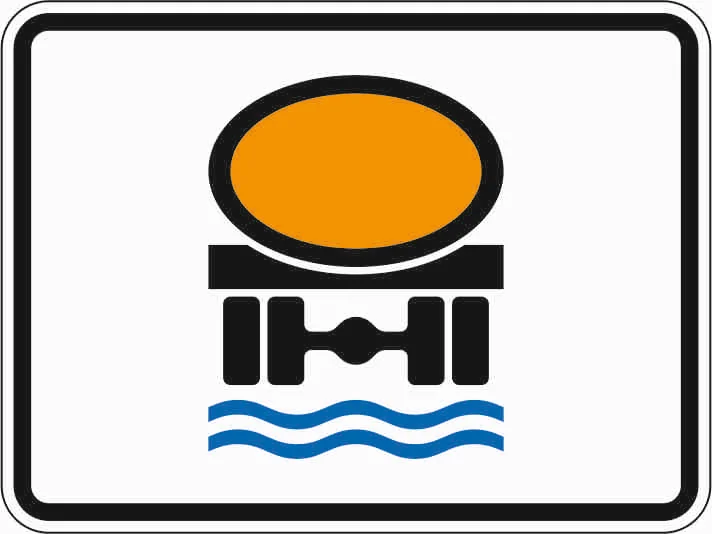
Understand the "Nur Fahrzeuge mit wassergefährdender Ladung" Sign (1052-31)
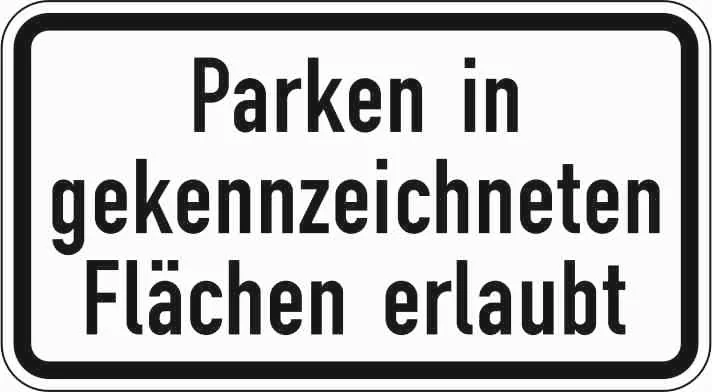
Parken in marked Flächen erlaubt: Parking is permitted in marked bays.
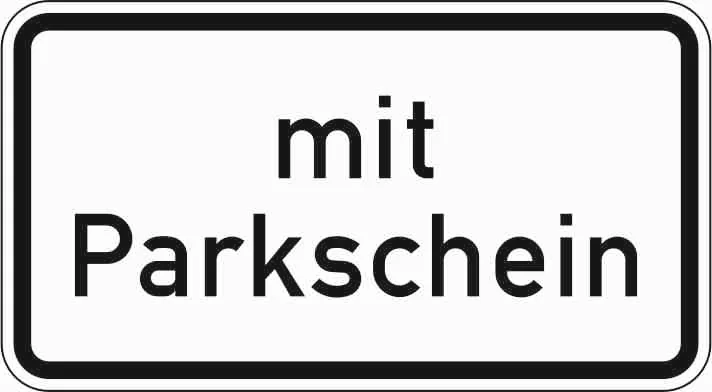
Understand the 'Parking Ticket' Supplementary Sign (1053-31)
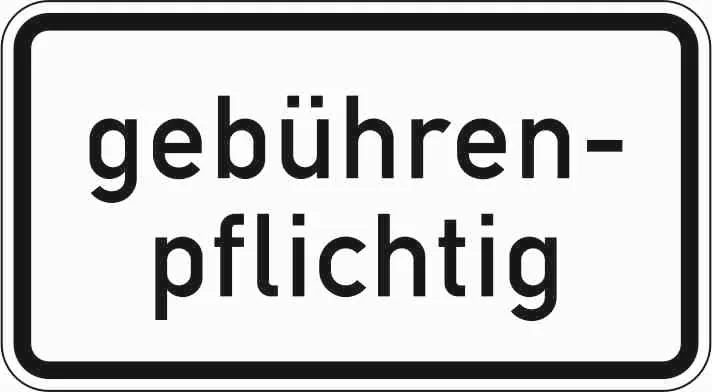
Understand the 'Gebührenpflichtig' Supplementary Sign (1053-32)
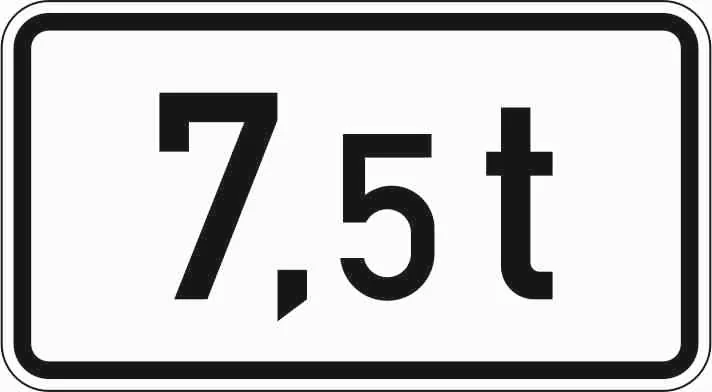
Understand the 7.5-tonne Weight Indication Supplementary Sign (1053-33)
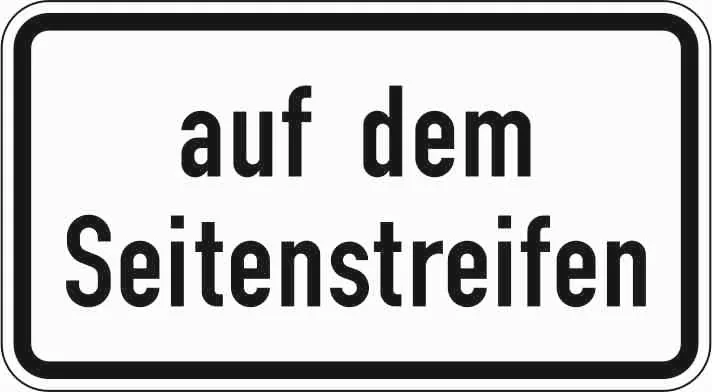
What does the 'Hard Shoulder' supplementary sign mean in Germany?
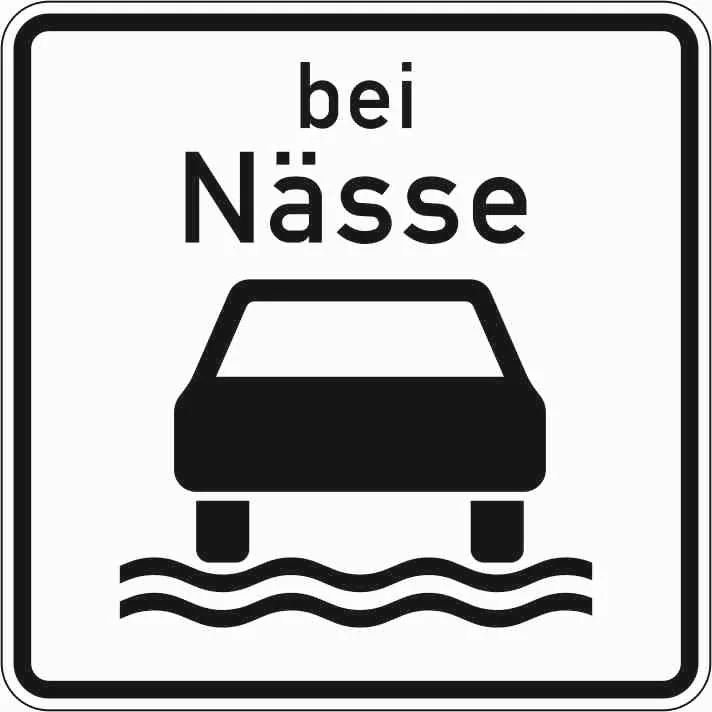
Understand the 'Bei Nässe' supplementary sign for wet conditions.
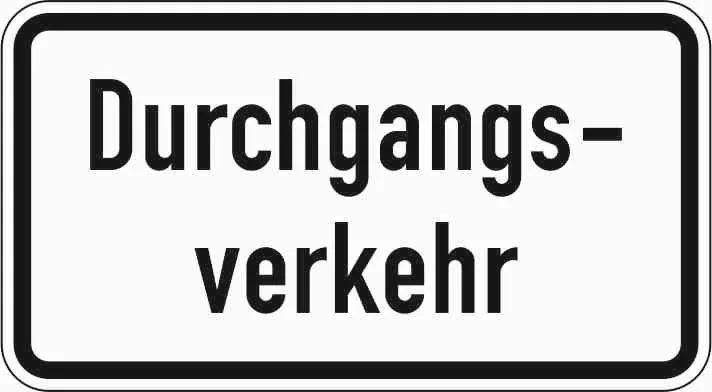
Understand the 'Durchgangsverkehr' Supplementary Sign (1053-36)
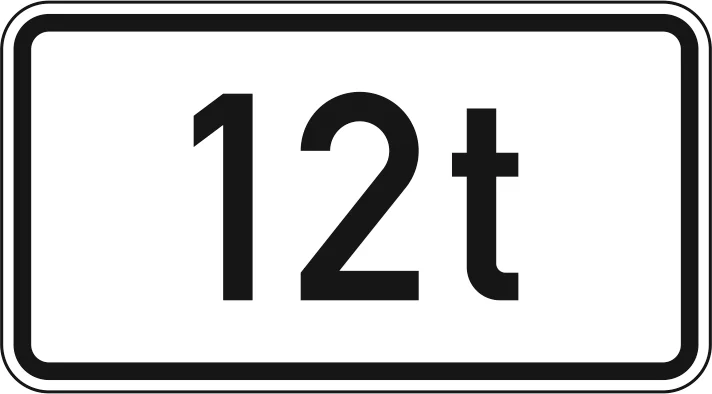
Understand the 12-tonne Weight Limit Supplementary Sign (1053-37)

Understand the 'Querparken als Sinnbild' Supplementary Sign for Parking Rules
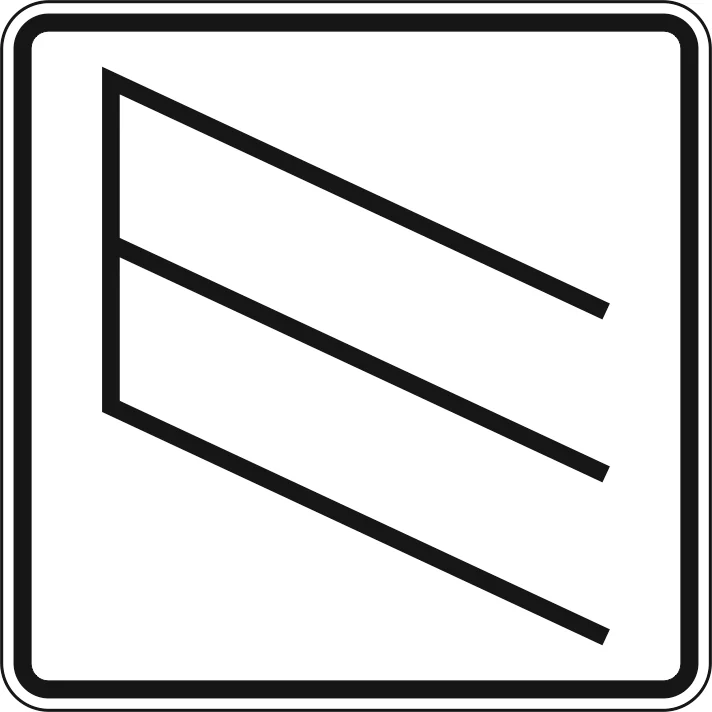
Sign 1053-39: How Supplementary Signs Modify Parking Rules
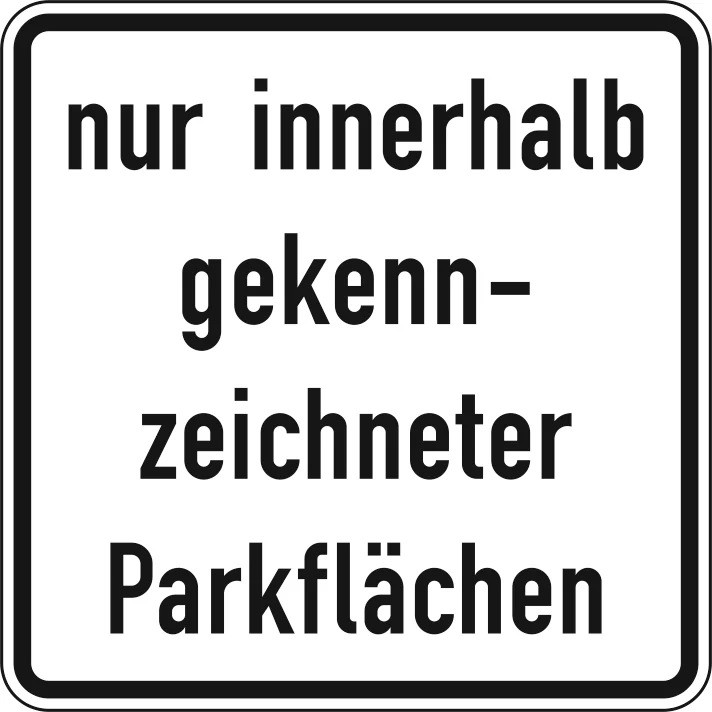
Park Only Within Marked Spaces with German Sign 1053-52
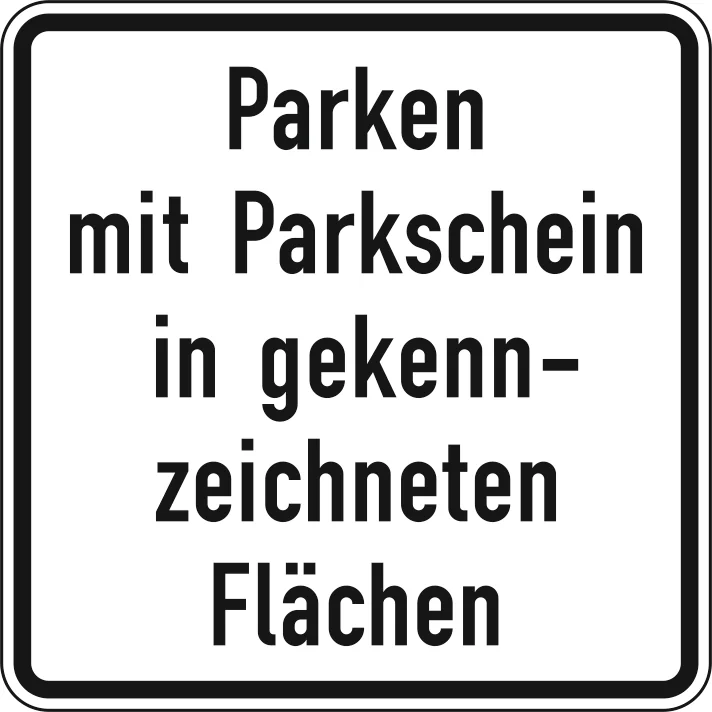
Understand the 'Parken with Parking Ticket in Marked Areas' Supplementary Sign (1053-53)
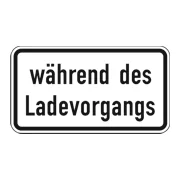
Understand the "While Charging" Supplementary Sign (1053-54) in Germany
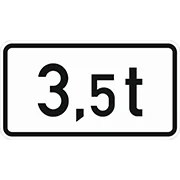
Supplementary Sign 1053-55: Weight Limit of 3.5 Tonnes
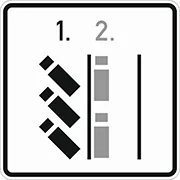
Understand Truck Parking in Left-Side Driving Aisles with Diagonal Spaces (Sign 1053-56)
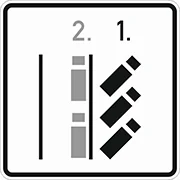
Understand Truck Parking in Right-Side Driving Aisles with Diagonal Parking
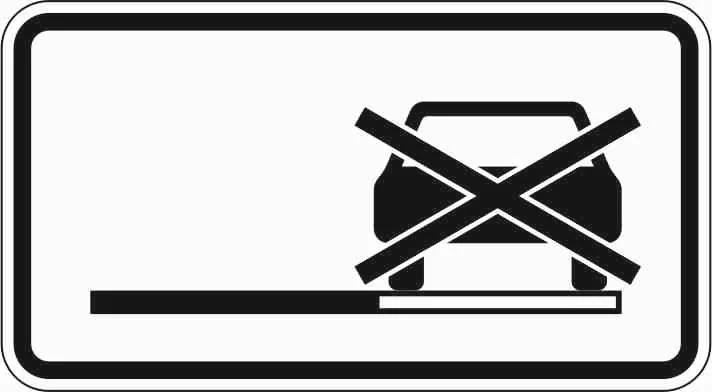
No Stopping on the Hard Shoulder Sign (1060-31) Explained
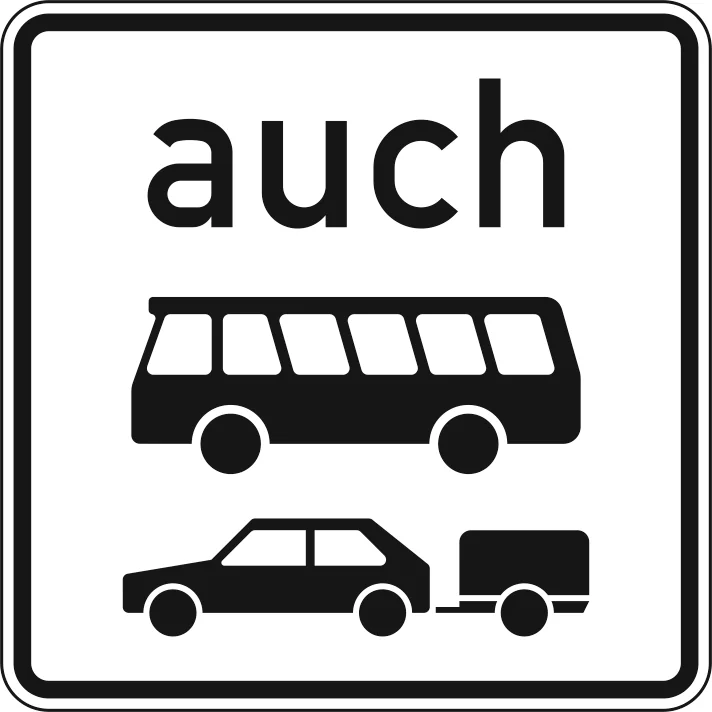
Understand German Sign 1060-32: Specific Vehicle Restrictions in Control Areas
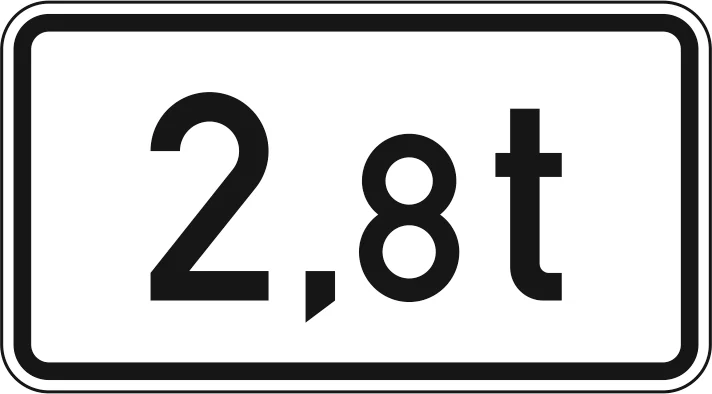
German Traffic Sign 1060-33: Understand the 2.8 Tonnes Weight Limit
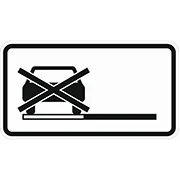
Sign 1060-34 Clarifies: Stopping is Prohibited on the Left Hard Shoulder Too
Clear answers to common questions about the German Supplementary Signs road sign category. Use this FAQ to review tricky rules, understand how these signs appear in exam scenarios, and remove confusion that often leads to mistakes in the German driving theory exam in Germany.
You must always consider the supplementary sign in relation to the main traffic sign above it and your own vehicle and situation. For example, a sign indicating 'motor vehicles over 3.5 tonnes' will only affect drivers of those vehicles, while others can ignore it. Similarly, signs specifying times or days only apply during those periods. Read the main sign first, then the supplementary one to understand the full context.
Signs with a distance, such as 'Stop in 100 m' or 'End hard shoulder in 50 m', indicate when the instruction or hazard from the main sign will take effect or cease. You need to prepare for the change or hazard after covering that specified distance. For example, if you see a 'Road Narrows' sign with 'in 150 m' below it, you know the narrowing will begin 150 metres ahead.
These signs define which vehicles the main sign's regulation applies to, or exempts. For instance, a 'no entry' sign might have a supplementary plate stating 'except residents' or 'except bicycles'. You must check if your vehicle type (car, truck, motorcycle, bicycle, etc.) or your status (resident, delivery vehicle) is mentioned on the supplementary sign to know if the rule applies to you.
Yes, supplementary signs are designed to modify or clarify the main sign's message. They don't typically change the fundamental meaning but add essential conditions. For example, a 'parking allowed' sign with a time restriction means parking is only permitted during those specific hours. A warning sign for 'slippery road' might have a supplementary plate specifying 'rollsplitt' (loose chippings), giving you more specific information about the hazard.
This is rare but possible. In such cases, all supplementary signs typically apply simultaneously. For example, a 'no stopping' sign might have one plate saying 'except buses' and another stating 'weekdays 8 am - 6 pm'. This would mean stopping is prohibited for most vehicles during those hours, but buses would be exempt. Always read all plates together with the main sign.
Explore specific road sign categories in detail for your German driving theory test. Dive into individual sign meanings, contexts, and practical applications within their groups. This ensures thorough preparation and builds confidence for the official exam.
Explore German Road Sign Groups