
Access our comprehensive hub of articles and guides for German driving theory. Explore expertly crafted content covering all essential aspects of German traffic legislation, from critical road signs and right-of-way rules to Autobahn regulations and hazard perception scenarios. Utilize these resources to build a strong knowledge base, prepare effectively for your theoretical driving test, and drive confidently on German roads, aligned with official StVO principles.
Browse articles organised by theme to find specific guidance on German traffic rules, licence procedures, and exam preparation. Filter by topic for faster access to the driving knowledge you need.
Explore our curated articles offering detailed guidance on German traffic law, road signs, and essential driving knowledge. Enhance your exam preparation with practical explanations and updates to the StVO, ensuring you understand the nuances beyond basic recall.
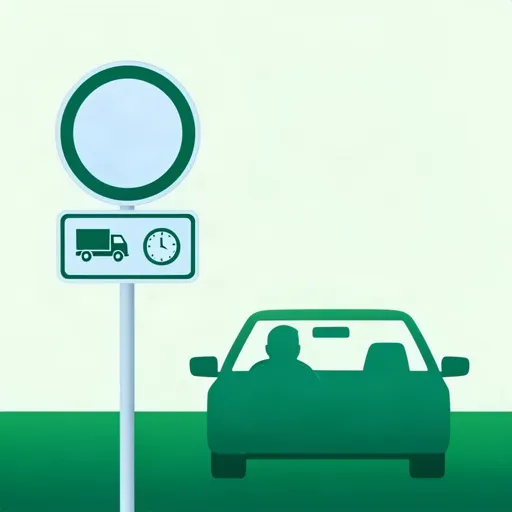
In the German theory exam, failing to notice the details on a supplementary sign can easily lead to a wrong answer. This guide breaks down how vehicle-specific icons, time-of-day restrictions, and weather-conditional warnings change the rules of the road. Understanding these nuances is crucial for both your theoretical preparation and safe, legal driving on German streets.
Updated on Oct 3, 2026
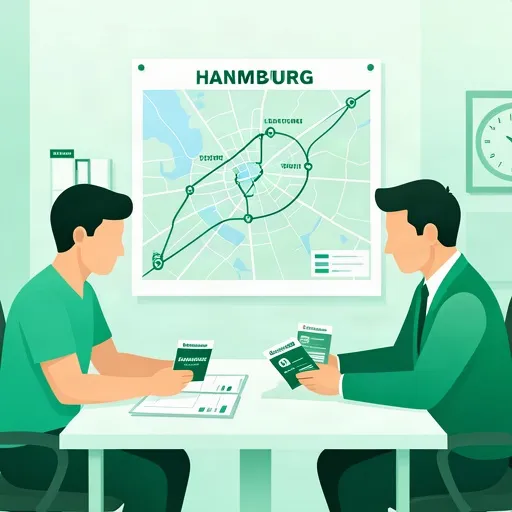
Securing a driving license in Germany requires a clear understanding of the legal requirements and the structured path from theory lessons to your final examination. This guide breaks down the essential criteria for selecting an officially recognized driving school in Hamburg and clarifies the differences between license classes like B, A1, and C, ensuring you are well-prepared for the regulations governed by the FEV.
Updated on Oct 2, 2026
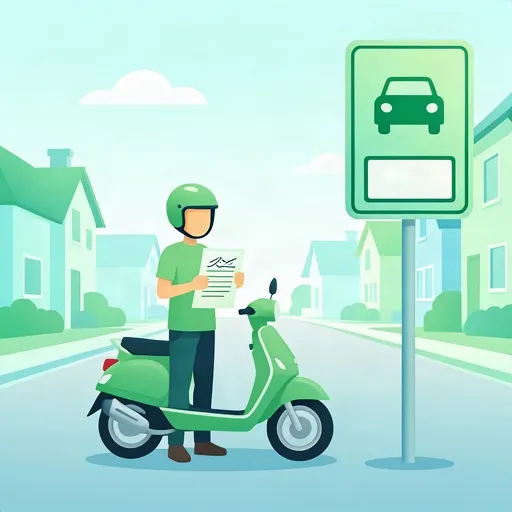
Learning to ride a moped at 15 is a major milestone for young drivers in Germany, but it comes with unique legal conditions. This guide explains the technical specifications for vehicles permitted under Class AM and details the critical territorial restrictions imposed on 15-year-old license holders. Mastering these regulations is essential for success in your theory exam and ensures you remain compliant with the Straßenverkehrs-Ordnung.
Updated on Oct 1, 2026
Finding the right driving school is the first major step in your journey toward obtaining a German driving license. This article explains how to evaluate schools based on legal standards, cost structures, and scheduling, ensuring you are prepared for both the theory exam and the eventual practical test within the Hamburg urban environment.
Updated on Sep 30, 2026
Understanding how extreme heat impacts your vehicle is a vital component of driver safety and successful theory exam preparation. This article explains the technical relationship between ambient temperature and tire pressure, the risks of road surface deterioration like Spurrillen, and how to plan your journeys to minimize exposure to peak holiday traffic. Learn the necessary technical and behavioral standards to maintain control and safety when driving across Germany during the summer months.
Updated on Sep 29, 2026
Understanding the legal pathway to your Class AM license is essential for every 15-year-old aspiring to ride a scooter in Germany. This guide explains the official requirements, including vision tests, first-aid training, and the importance of professional theoretical preparation, helping you navigate the administrative steps with confidence while preparing for your exam.
Updated on Sep 28, 2026
In Germany, aggressive driving behavior often crosses the line from a civil traffic offense into a serious criminal act punishable under §240 of the German Criminal Code (StGB). This guide helps you identify behaviors that constitute coercion, explains the potential consequences like the loss of your driving license, and provides essential advice on how to handle hostile encounters on the road while adhering to legal standards.
Updated on Sep 27, 2026
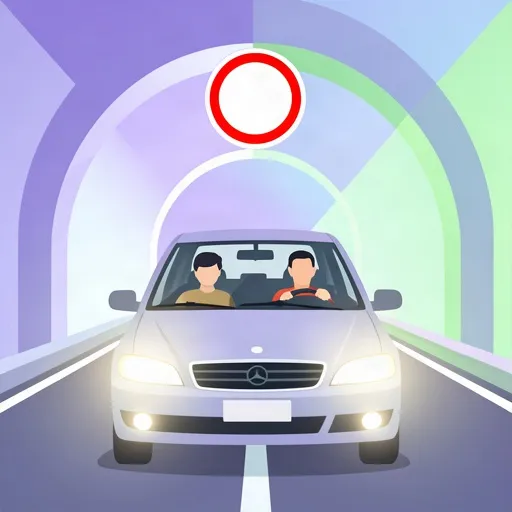
Understanding the specific regulations for tunnel transit is a critical part of your preparation for the German driving theory test. You will learn why dipped headlights are mandatory regardless of artificial lighting and why maneuvers like U-turns are strictly prohibited for your safety. Mastering these concepts helps you avoid common exam pitfalls and prepares you for responsible, law-abiding behavior in real-world traffic.
Updated on Sep 25, 2026
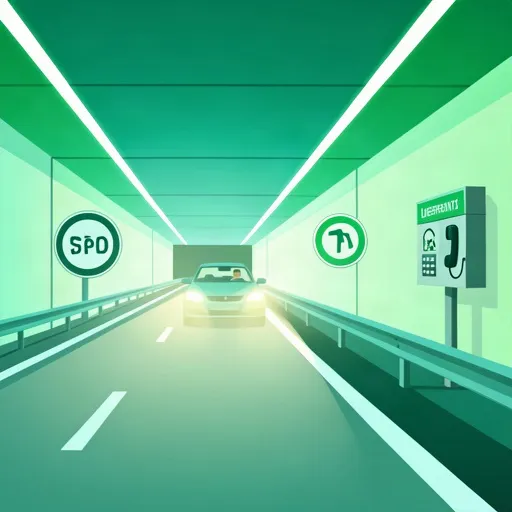
Understanding the specific rules for long motorway tunnels is a mandatory requirement for the German driving theory exam. This guide covers the legal obligations for drivers in tunnels, including correct lighting, prohibited maneuvers, and the life-saving steps you must take if you encounter smoke, fire, or vehicle failure.
Updated on Sep 25, 2026

Adapting to current conditions is a fundamental requirement under §1 StVO, and official digital alerts provide the critical information needed to fulfill this duty. This guide clarifies how to integrate warnings from the Deutscher Wetterdienst and NINA into your driving preparation without falling into the trap of distracted driving. Learn how to balance modern navigation aids with the strict requirement for constant attentiveness to the road environment.
Updated on Sep 23, 2026

Understanding the German motorway system is a vital component of your driver training, moving beyond simple speed limit discussions to focus on responsible and safe conduct. This overview covers the evolution of the Autobahn and current legislative frameworks, ensuring you are prepared for the nuances of high-speed traffic. Learn why following the Rechtsfahrgebot and maintaining proper distance are far more critical for your exam and safety than simply focusing on whether a section is unrestricted.
Updated on Sep 22, 2026
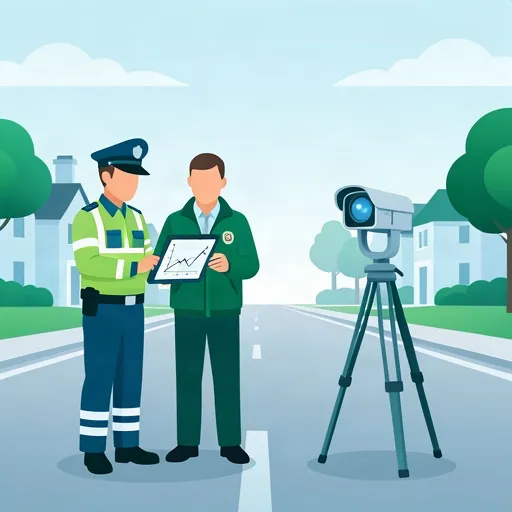
Knowing how traffic enforcement works is a key part of becoming a responsible driver in Germany. This guide clarifies the distinct responsibilities of the police and municipal offices, how automated surveillance systems function, and the legal reality of the fine notification process.
Updated on Sep 19, 2026
Ready to prepare for your German driving licence theory exam? Dive into our carefully structured courses to build your knowledge effectively. Select a course that matches your licence category and begin your systematic study path today for confident exam success.