
Master the intricacies of the German driving licence system, including all licence categories, the application process with Fahrschulen, and crucial exam requirements. Understand the probationary period and its implications for new drivers in Germany.
Master the complexities of the German driving licence system, from choosing your licence category and understanding the Fahrschule application process to meeting official exam requirements. These guides detail the probationary period, legal restrictions, and mandatory training protocols that every new driver must navigate in Germany.
Securing a driving license in Germany requires a clear understanding of the legal requirements and the structured path from theory lessons to your final examination. This guide breaks down the essential criteria for selecting an officially recognized driving school in Hamburg and clarifies the differences between license classes like B, A1, and C, ensuring you are well-prepared for the regulations governed by the FEV.
Learning to ride a moped at 15 is a major milestone for young drivers in Germany, but it comes with unique legal conditions. This guide explains the technical specifications for vehicles permitted under Class AM and details the critical territorial restrictions imposed on 15-year-old license holders. Mastering these regulations is essential for success in your theory exam and ensures you remain compliant with the Straßenverkehrs-Ordnung.
Finding the right driving school is the first major step in your journey toward obtaining a German driving license. This article explains how to evaluate schools based on legal standards, cost structures, and scheduling, ensuring you are prepared for both the theory exam and the eventual practical test within the Hamburg urban environment.
Understand the essential legal requirements and procedures for obtaining your German driving licence, covering everything from licence categories and the application process to key exam explanations. Master the probationary period and official driving theory articles to ensure success in your German licence process.
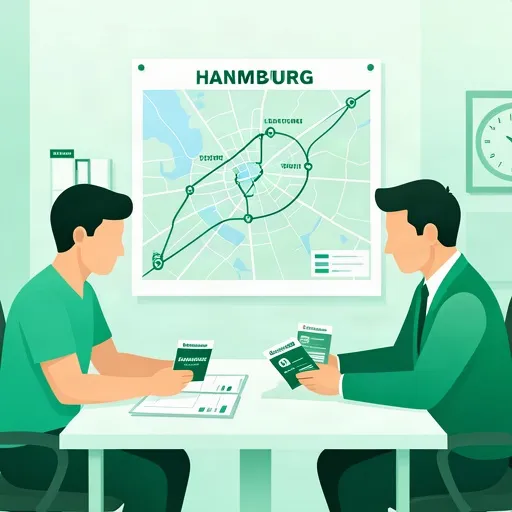
Securing a driving license in Germany requires a clear understanding of the legal requirements and the structured path from theory lessons to your final examination. This guide breaks down the essential criteria for selecting an officially recognized driving school in Hamburg and clarifies the differences between license classes like B, A1, and C, ensuring you are well-prepared for the regulations governed by the FEV.
Updated on Oct 2, 2026
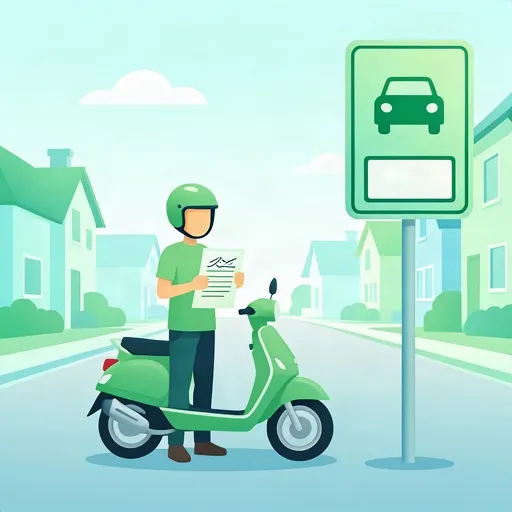
Learning to ride a moped at 15 is a major milestone for young drivers in Germany, but it comes with unique legal conditions. This guide explains the technical specifications for vehicles permitted under Class AM and details the critical territorial restrictions imposed on 15-year-old license holders. Mastering these regulations is essential for success in your theory exam and ensures you remain compliant with the Straßenverkehrs-Ordnung.
Updated on Oct 1, 2026
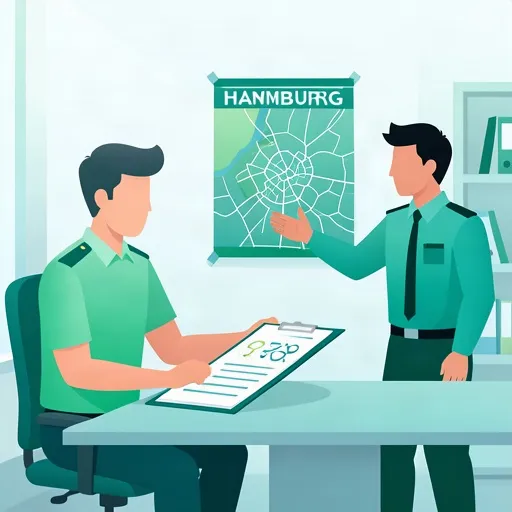
Finding the right driving school is the first major step in your journey toward obtaining a German driving license. This article explains how to evaluate schools based on legal standards, cost structures, and scheduling, ensuring you are prepared for both the theory exam and the eventual practical test within the Hamburg urban environment.
Updated on Sep 30, 2026
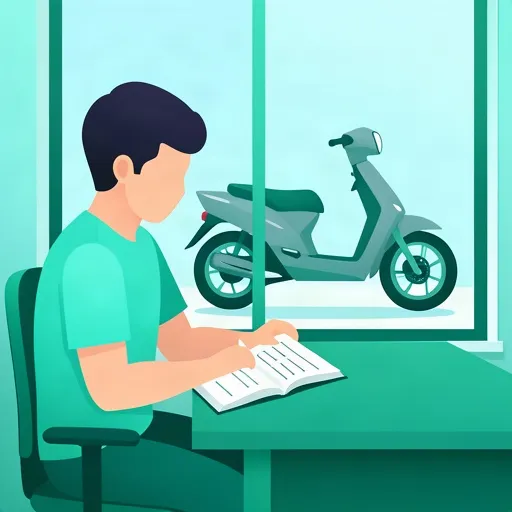
Understanding the legal pathway to your Class AM license is essential for every 15-year-old aspiring to ride a scooter in Germany. This guide explains the official requirements, including vision tests, first-aid training, and the importance of professional theoretical preparation, helping you navigate the administrative steps with confidence while preparing for your exam.
Updated on Sep 28, 2026
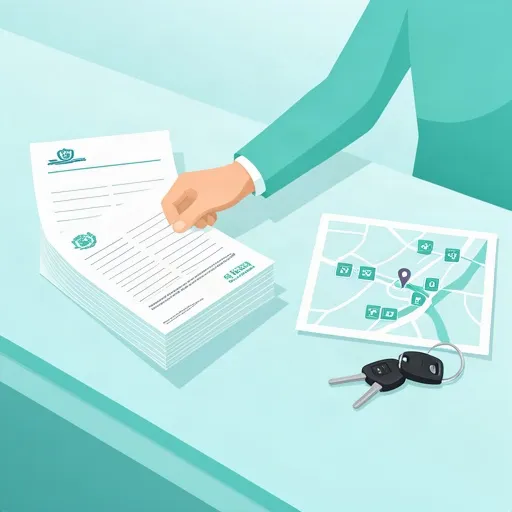
Obtaining a German driving licence is a milestone that requires careful coordination between your driving school, the local licensing authority, and technical examination bodies. This article explains how to manage your training milestones, understand the importance of Prüfungsreife, and choose the right learning path for your goals. You will learn how to avoid common planning pitfalls that lead to delays and extra costs on your way to becoming a licensed driver.
Updated on Sep 18, 2026
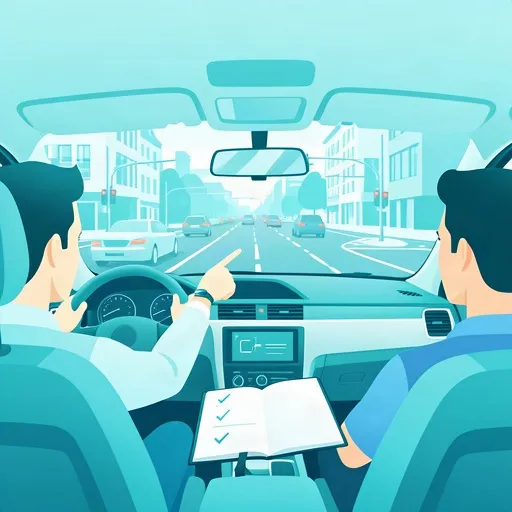
When selecting a driving school in Hamburg, students often rely on pass rates, yet these numbers rarely tell the full story of instructional quality or exam readiness. This guide helps you evaluate schools based on their teaching structure, instructor communication, and their ability to prepare you for the diverse traffic challenges found in the city. Understanding these elements is essential for your success in both the theory and practical driving tests under German regulations.
Updated on Sep 16, 2026
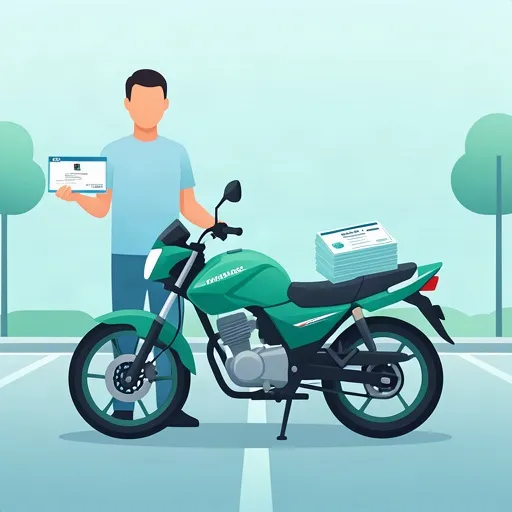
The B196 authorization is a national extension that enables experienced car drivers to operate lightweight motorcycles under specific conditions. You will learn about the required age limit, the necessity of previous Class B experience, and the mandatory training sessions that prepare you for the unique handling dynamics of a motorcycle. This guide clarifies the legal framework defined in the Fahrerlaubnis-Verordnung (FeV) and highlights the limitations of this specific code.
Updated on Aug 28, 2026
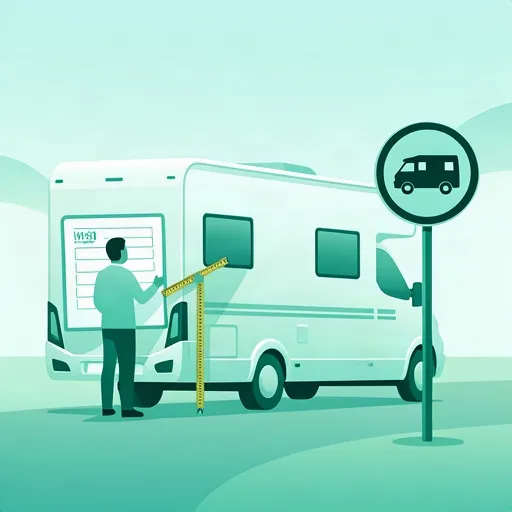
Navigating German traffic law requires a clear understanding of vehicle classifications and weight limits as defined in the registration document. This guide helps learner drivers grasp the differences between Category B, B96, and C1 requirements, ensuring they can accurately interpret legal vehicle masses for both the theoretical exam and real-world compliance. Master these regulations to ensure you are legally permitted to operate your vehicle on German roads.
Updated on Aug 27, 2026
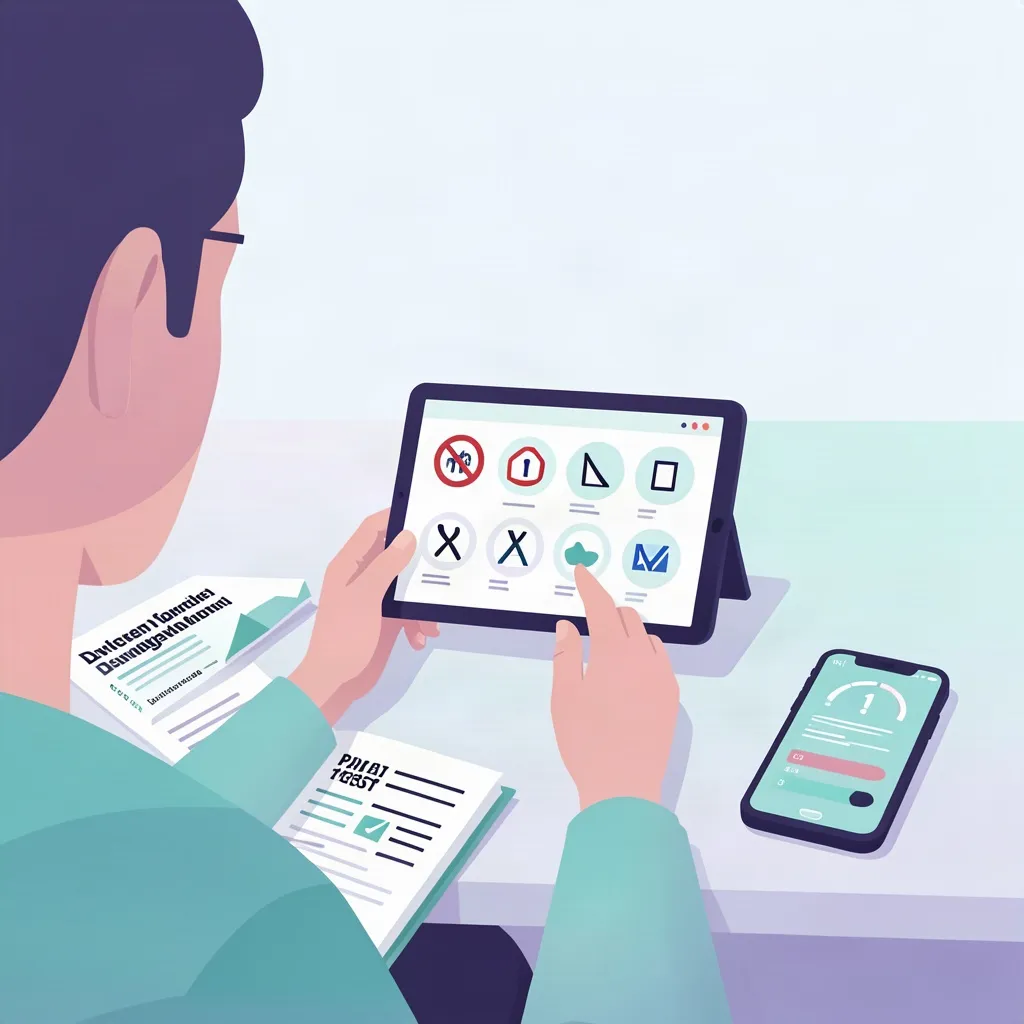
Preparing for the German theory test requires a solid understanding of the StVO and consistent practice with official, verified content. This article explores how to utilize high-quality learning apps to simulate exam conditions, identify your knowledge gaps, and structure a study plan that fits your personal schedule. Mastering these digital tools is a critical step in confidently passing your theory examination on the first attempt.
Updated on Aug 23, 2026
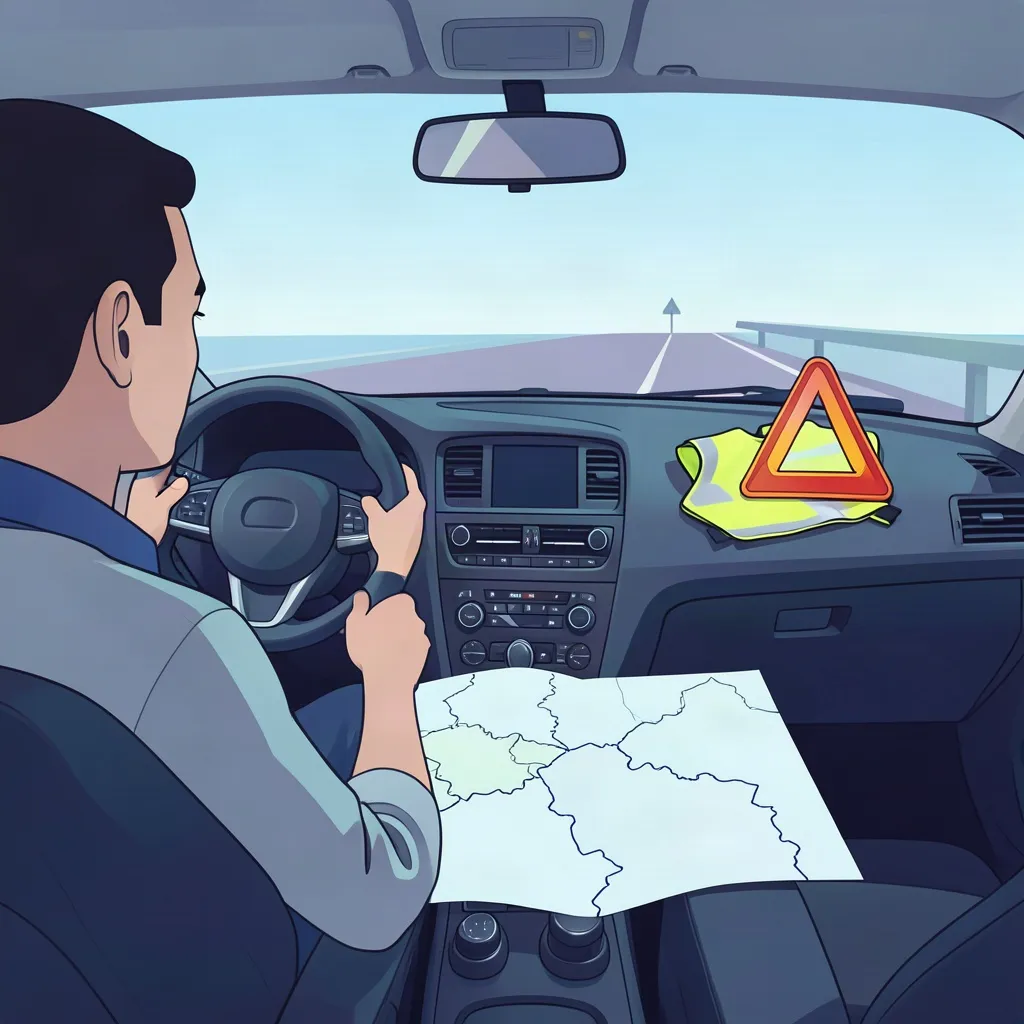
Crossing the border from Germany changes more than just the scenery; it places you under different legal obligations and traffic enforcement systems. This article clarifies the must-know regulations, such as France’s radar detector restrictions, the Netherlands' strict automated speed enforcement, and Poland’s specific motorway speed limits, to help you navigate safely and avoid common legal pitfalls.
Updated on Aug 23, 2026
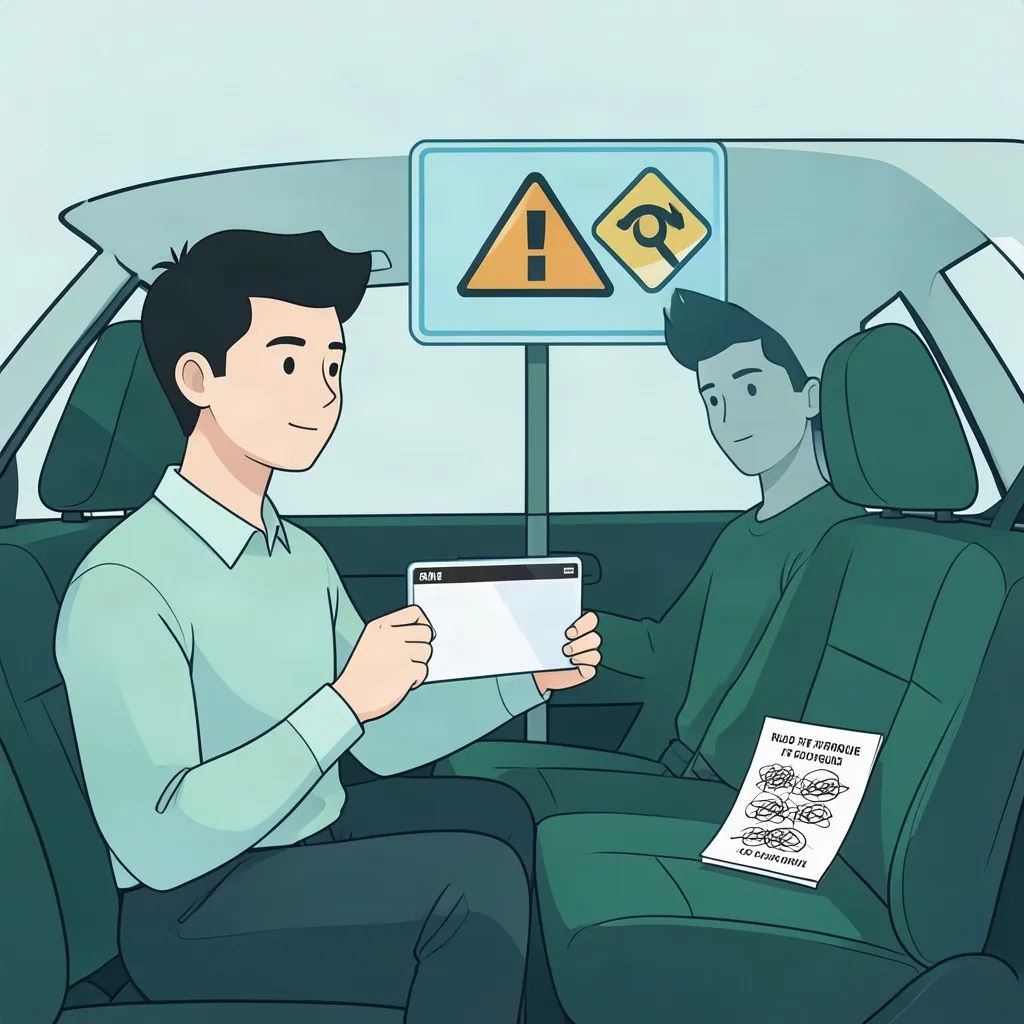
The probationary period, or Probezeit, is a mandatory two-year phase for everyone obtaining a driving licence for the first time in Germany. This guide explains how traffic violations are classified under German law and what specific legal measures you face if you fail to adhere to these strict standards. By familiarizing yourself with these regulations, you can better navigate the responsibilities that follow passing your theory and practical exams.
Updated on Aug 22, 2026
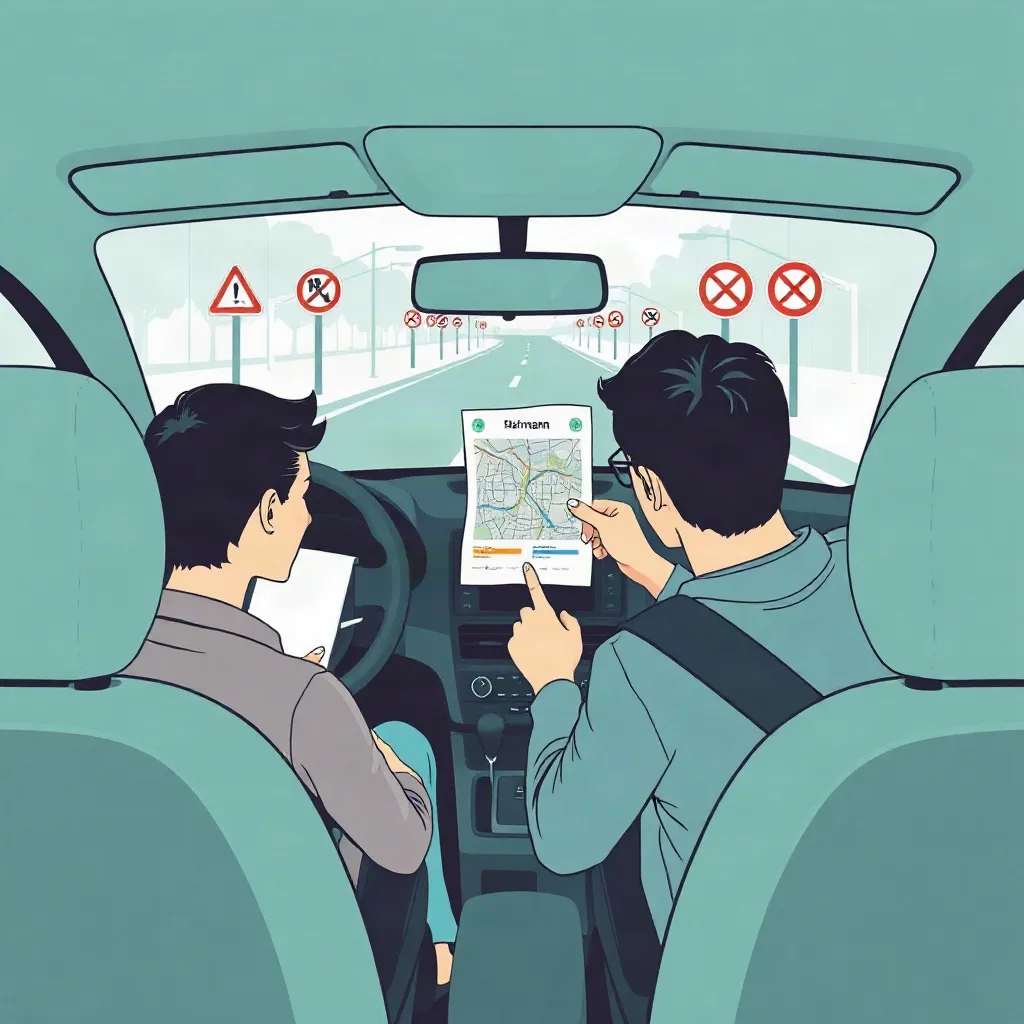
Obtaining a driver's license in Germany through an intensive course requires careful planning and an understanding of the mandatory curriculum. This guide breaks down the balance between theory sessions and practical training, helping you navigate the complexities of booking lessons and exam slots in busy urban areas. You will gain insight into the necessary legal steps to ensure your training effectively prepares you for the official German theory and practical driving tests.
Updated on Aug 21, 2026
The B197 license is a modern solution for learner drivers who prefer the ease of an automatic test but want the versatility of driving manual transmission vehicles. You will learn the specific requirements, including the 15-minute manual competence assessment, and why this certification is becoming a standard choice for those navigating Germany's evolving automotive landscape.
Updated on Aug 13, 2026

While intensive training formats are popular for their speed, learners must understand that German traffic law dictates specific educational requirements that cannot be bypassed. This guide examines the reality behind accelerated programs, the importance of thorough theoretical preparation, and how your readiness impacts your success in official exams.
Updated on Jul 16, 2026

In Germany, your electric bike's technical specifications directly dictate the legal requirements for operating it on public roads. This guide explains why standard 25 km/h Pedelecs are treated as bicycles, while faster S-Pedelecs are classified as motor vehicles, and how these rules influence your legal obligations as a rider. Gaining clarity on these classifications is vital for both your practical safety and your success in the German driving theory exam.
Updated on Jul 16, 2026

For driving license applicants in Hamburg, understanding the B197 key number is essential. This article demystifies what it means to train predominantly in automatic vehicles yet still acquire the necessary skills for manual transmission, as required by German law. It will guide you through the implications for your driving school choice and the practical steps, ensuring you make informed decisions for your Class B license journey.
Updated on Jul 15, 2026

Drivers in Germany have a legal obligation to assist at accident scenes, a rule codified in § 323c StGB as 'failure to render aid.' This article explains what this duty entails, stressing that even if direct medical intervention isn't possible or safe, calling the emergency services (112) fulfills the minimum legal requirement. Understanding this is vital for the German driving theory exam.
Updated on Jul 15, 2026

Explore the distinct legal frameworks governing young and older drivers in Germany. Learn about the mandatory probationary period (Probezeit) and supervised driving (BF17) for new drivers, and understand why, unlike in some other countries, Germany does not have mandatory retesting for older drivers. This comparison will enhance your understanding of German traffic law and prepare you for various scenarios on the road.
Updated on Jul 15, 2026

Explore how intensive driving license courses in Hamburg can significantly speed up the process of getting your German permit. This guide focuses on efficient planning and adherence to official regulations, such as the Fahrerlaubnis-Verordnung (FEV), ensuring you understand the structured approach needed for success in theory and practical exams.
Updated on Jul 15, 2026
Receiving a traffic fine in Germany can be confusing, but this guide clarifies the official Bußgeldbescheid. You'll learn to identify the offense details, understand the implications of fines and penalty points (Punkte), and grasp the critical deadlines for payment or objection (Einspruch). Knowing these elements is essential for navigating German traffic law and avoiding escalation after a violation.
Updated on Jul 15, 2026

Learn about the increasing penalties in Germany for traffic violations, particularly when the same offense is committed multiple times within a year. This article details how the Bußgeldkatalog applies escalating fines and connects these consequences to the Fahreignungsregister (points system), providing vital knowledge for drivers and theory test candidates.
Updated on Jul 15, 2026

Germany's BF17 program, or accompanied driving from age 17, offers a unique opportunity for young drivers to gain valuable road experience before turning 18. This guide covers everything from initial registration and training to the requirements for your companion driver and the crucial driving log, ensuring you understand this essential step towards independent driving.
Updated on Jul 15, 2026

Navigating German traffic law requires understanding the distinct penalties for driving offenses. This article details the critical differences between a temporary Fahrverbot, often manageable with the 'Schubladenverfahren', and a severe Führerscheinentzug, which necessitates reapplication. Grasping these concepts is essential for passing the German driving theory test and ensuring you comply with all regulations.
Updated on Jul 15, 2026

The German B197 license offers unique flexibility by allowing drivers to take their test in an automatic car while still being qualified to drive manual vehicles. This article delves into the practical implications and international recognition of the B197, particularly when driving outside Germany's borders. It clarifies what you need to know to avoid misunderstandings and ensure compliance with local regulations.
Updated on Jul 15, 2026
Discover other categories connected to German Driving Licence Requirements. These sections help you explore additional topics, expand your understanding of driving theory in German, and build a more complete picture of the rules and situations tested during the exam.
Find answers to common questions learners ask about German Driving Licence Requirements. This section helps clarify difficult concepts, highlight critical exam information, and support your preparation for the German driving theory exam in Germany.
Germany has various licence categories including AM, A1, A2, A for motorcycles, B for cars, BE for trailers, and C/D for trucks and buses, each with specific age and training requirements.
The process involves registering with a driving school (Fahrschule), completing theory and practical lessons (including special drives), passing the theory exam (Theorieprüfung), and then the practical exam (praktische Prüfung).
The Probezeit is a two-year period for new drivers after obtaining their first licence. During this time, stricter rules apply, such as a zero-alcohol tolerance and mandatory participation in an Aufbauseminar if traffic violations occur.
BF17 allows individuals to start learning to drive at 17 with accompanied driving. They receive their licence on their 17th birthday, but can only drive with a registered accompanying person until they turn 18.
Serious offenses may lead to a mandatory Aufbauseminar (advanced seminar) to extend the Probezeit, or in severe cases, a referral for a Medizinisch-Psychologische Untersuchung (MPU) which could result in licence revocation.
Explore our extensive library of driving theory article categories to find specific topics, review road rules, and deepen your understanding of German traffic laws. Start your structured preparation today for a successful driving licence exam and safer driving in Germany, covering all aspects of the StVO and practical application.
Browse Driving Theory Categories