
Navigate Germany's roads with confidence by mastering the essential traffic rules and regulations. This section covers the StVO, StVG, and FeV, explaining legal requirements, driver responsibilities, and the consequences of violations, crucial for passing your theory test.
Our collection of articles breaks down the complex Straßenverkehrs-Ordnung and core legal frameworks to ensure you fully grasp right-of-way, penalties, and essential driving duties. Preparing for your theoretical driving test becomes intuitive when you clearly understand the regulations governing safe and legal road usage in Germany.
In Germany, aggressive driving behavior often crosses the line from a civil traffic offense into a serious criminal act punishable under §240 of the German Criminal Code (StGB). This guide helps you identify behaviors that constitute coercion, explains the potential consequences like the loss of your driving license, and provides essential advice on how to handle hostile encounters on the road while adhering to legal standards.
Understanding the specific regulations for tunnel transit is a critical part of your preparation for the German driving theory test. You will learn why dipped headlights are mandatory regardless of artificial lighting and why maneuvers like U-turns are strictly prohibited for your safety. Mastering these concepts helps you avoid common exam pitfalls and prepares you for responsible, law-abiding behavior in real-world traffic.
Understanding the specific rules for long motorway tunnels is a mandatory requirement for the German driving theory exam. This guide covers the legal obligations for drivers in tunnels, including correct lighting, prohibited maneuvers, and the life-saving steps you must take if you encounter smoke, fire, or vehicle failure.
Deepen your understanding of German traffic rules and regulations essential for the theory test. Explore comprehensive explanations of the StVO, driver responsibilities, and legal requirements to ensure you are fully prepared for your driving licence.
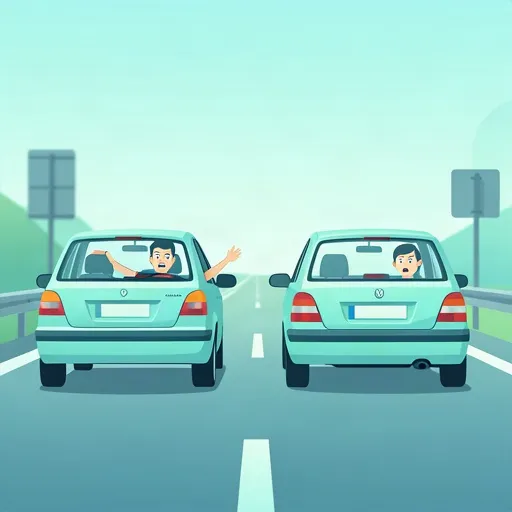
In Germany, aggressive driving behavior often crosses the line from a civil traffic offense into a serious criminal act punishable under §240 of the German Criminal Code (StGB). This guide helps you identify behaviors that constitute coercion, explains the potential consequences like the loss of your driving license, and provides essential advice on how to handle hostile encounters on the road while adhering to legal standards.
Updated on Sep 27, 2026
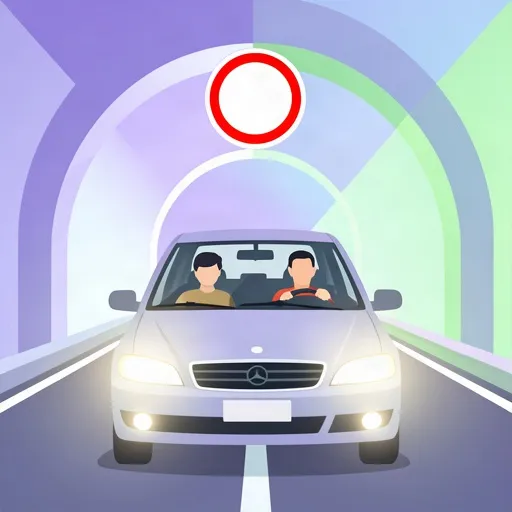
Understanding the specific regulations for tunnel transit is a critical part of your preparation for the German driving theory test. You will learn why dipped headlights are mandatory regardless of artificial lighting and why maneuvers like U-turns are strictly prohibited for your safety. Mastering these concepts helps you avoid common exam pitfalls and prepares you for responsible, law-abiding behavior in real-world traffic.
Updated on Sep 25, 2026
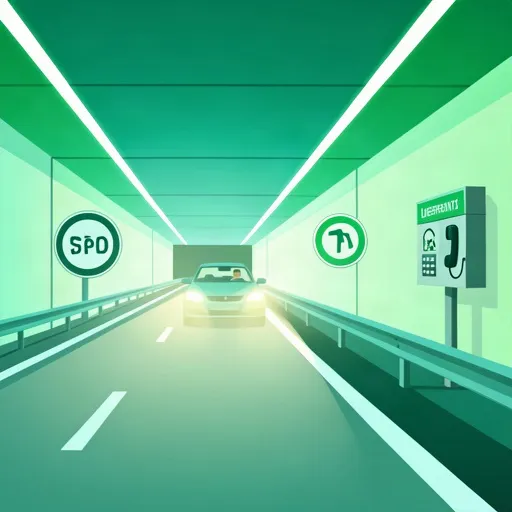
Understanding the specific rules for long motorway tunnels is a mandatory requirement for the German driving theory exam. This guide covers the legal obligations for drivers in tunnels, including correct lighting, prohibited maneuvers, and the life-saving steps you must take if you encounter smoke, fire, or vehicle failure.
Updated on Sep 25, 2026
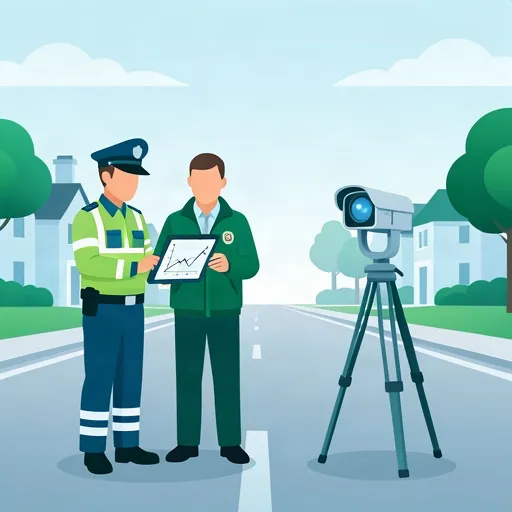
Knowing how traffic enforcement works is a key part of becoming a responsible driver in Germany. This guide clarifies the distinct responsibilities of the police and municipal offices, how automated surveillance systems function, and the legal reality of the fine notification process.
Updated on Sep 19, 2026

Navigating Germany's roads with e-scooters requires knowledge of specific regulations, primarily outlined in the Elektrokleinstfahrzeuge-Verordnung (eKFV). This guide breaks down essential rules regarding speed, permitted riding areas, insurance, and alcohol limits, crucial for safe operation and interaction with other traffic. Understanding these requirements is vital for passing your driving theory test and ensuring road safety for everyone.
Updated on Aug 29, 2026
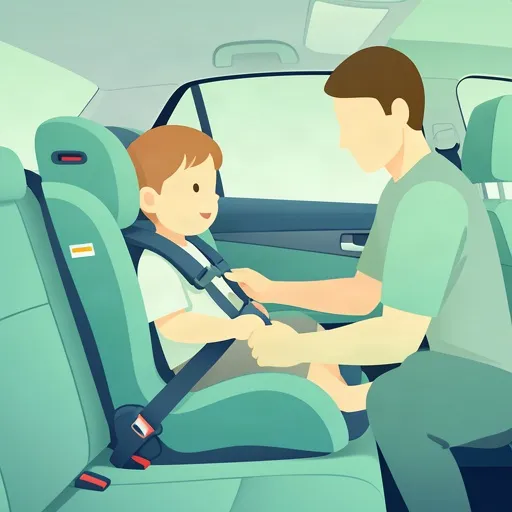
Driving in Germany requires strict adherence to child safety regulations, where the driver is held fully responsible for the protection of all passengers under 18. This guide explains when a child seat is legally mandatory, the specific requirements for children under 12 or below 150 cm in height, and the legal implications for drivers who fail to comply. Mastering these rules is essential for both passing your theory exam and ensuring safe, lawful driving practices on German roads.
Updated on Aug 26, 2026
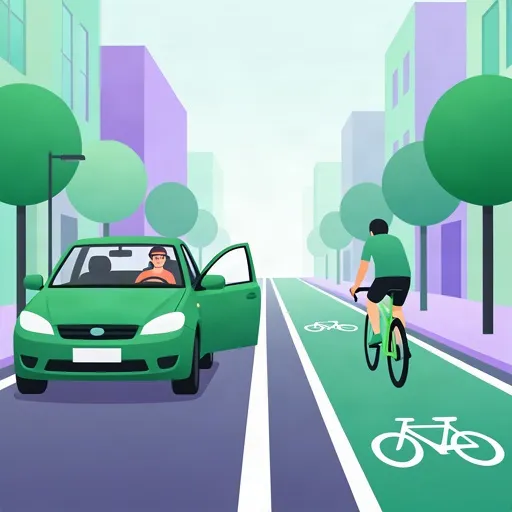
Understanding the precise legal differences between cycling path types is a fundamental requirement for every driver in Germany. This guide clarifies the StVO-based restrictions for driving, stopping, and parking near bike infrastructure, while highlighting the legal obligations regarding the safety of vulnerable road users to help you pass the theory test with confidence.
Updated on Aug 25, 2026
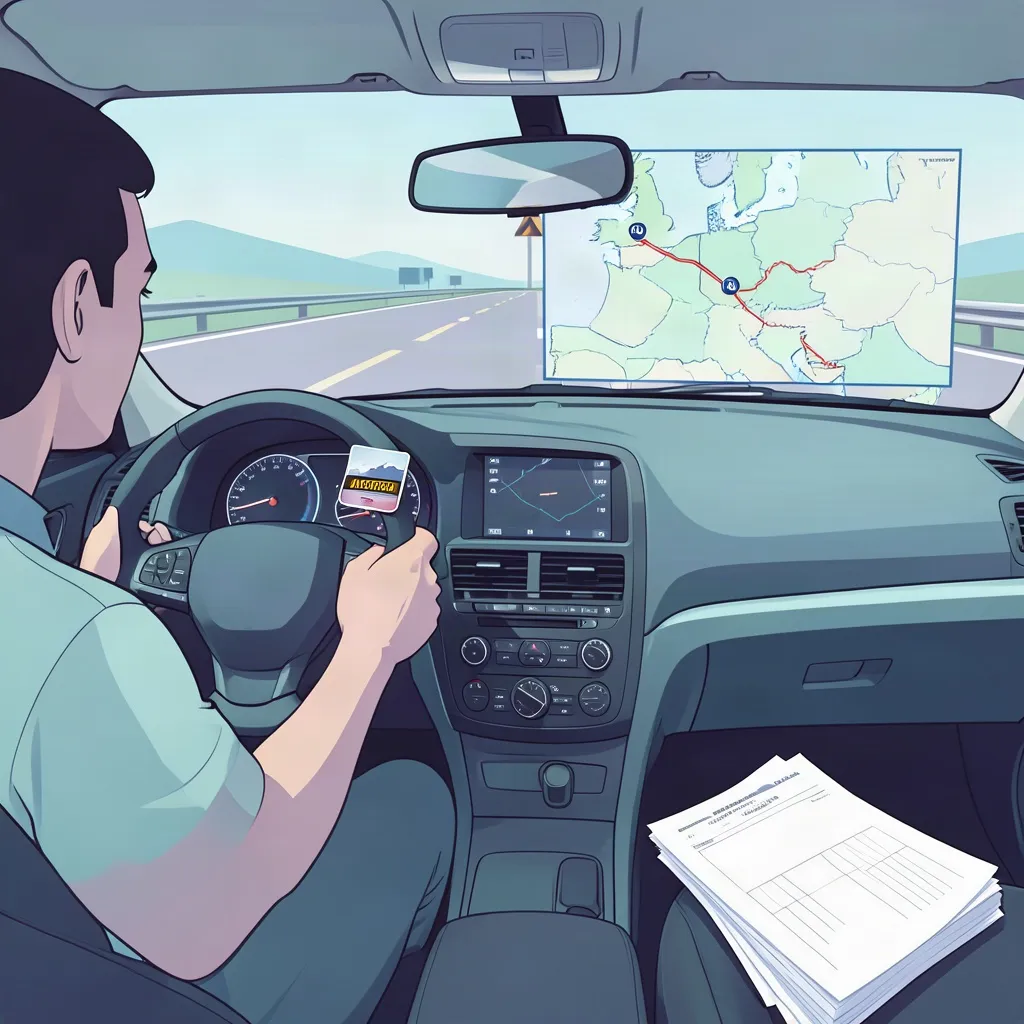
Crossing the border from Germany requires an immediate shift in compliance, as local traffic laws apply as soon as you enter a new jurisdiction. This article outlines the specific legal obligations for drivers, including mandatory motorway toll stickers, strict speed limit enforcement, and the legal winter tire periods required in alpine regions. Mastery of these rules ensures you remain compliant with local legislation and avoid costly penalties during your journey.
Updated on Aug 23, 2026

Understanding the interplay between technology and traffic law is crucial for every driver in Germany. This guide clarifies how to correctly use navigation devices and smartphones to avoid potential fines and penalty points in Flensburg, ensuring you stay compliant with §23 StVO while navigating safely.
Updated on Jul 28, 2026

As electric mobility increases on German roads, car drivers must distinguish between standard pedelecs, which function like bicycles, and higher-powered S-pedelecs that share the road with cars. This article breaks down the legal classifications and operational realities, such as speed differentials and lane usage, to ensure you are prepared for both real-world driving and the theory test. Mastering these interactions is a key step in reducing accident risks and demonstrating hazard perception proficiency.
Updated on Jul 16, 2026
Fahrradstraßen, marked by Zeichen 244.1, are designated cycling streets where cyclists have absolute priority. This article details the strict regulations for motor vehicle drivers, including the 30 km/h speed limit and the prohibition of overtaking cyclists. Grasping these nuances is essential for safe driving and passing your German theory exam.
Updated on Jul 15, 2026

Driving in fog presents unique challenges and specific rules in Germany under §17 StVO. This article will guide you through the correct usage of fog lights (Nebelscheinwerfer and Nebelschlussleuchte), the critical 50-meter visibility limit, and the mandatory 50 km/h speed reduction. Mastering these regulations is vital for safe driving and for succeeding in your German driving theory test.
Updated on Jul 15, 2026

In Germany, wearing a seatbelt is mandatory for all occupants, as stipulated by §21a of the Straßenverkehrs-Ordnung (StVO). This article clarifies who is responsible for ensuring compliance, the specific penalties for violations for both drivers and passengers, and highlights common exceptions. Mastering this crucial aspect of German traffic law is essential for your theory test preparation and safe driving.
Updated on Jul 15, 2026

Master Germany's 'Rechtsfahrgebot' (§ 2 Abs. 2 StVO), the strict rule requiring drivers to stay as far right as possible. This article breaks down its application on all road types, crucial exceptions, and the significant fines for violations, ensuring you are well-prepared for your theory test and safe driving on German roads.
Updated on Jul 15, 2026

While modern vehicles are equipped with advanced driver assistance systems like reversing cameras and parking sensors, German traffic law, particularly §1 StVO, places an unwavering duty of care on the driver. This article will explain why these technologies are merely aids and cannot legally replace a driver's fundamental responsibility to actively look and check their surroundings before and during maneuvers.
Updated on Jul 15, 2026

Delve into the hierarchical structure of Germany's road network, distinguishing between federal, state, and district roads. You'll learn about their specific designations, maintenance responsibilities, and numbering conventions. Understanding these classifications is vital for safe driving and for passing your German theory test, as they dictate crucial aspects like speed limits and road user behaviour.
Updated on Jul 15, 2026

Driving in Germany on Sundays and public holidays means encountering fewer large trucks due to the "Sonn- und Feiertagsfahrverbot" for vehicles over 7.5 tonnes, as stipulated by StVO § 30. This article clarifies the ban's duration and impact, demonstrating how it benefits car drivers by easing congestion and improving overtaking conditions on major routes. Familiarizing yourself with these traffic patterns is essential for navigating German roads efficiently and successfully preparing for your driving theory test.
Updated on Jul 15, 2026

This article delves into the specific German road traffic regulations (§9 Abs. 3 and §9 Abs. 5 StVO) governing U-turns and reversing. You will learn precisely where these maneuvers are strictly forbidden, such as on autobahns and Kraftfahrstraßen, and the strict safety conditions required when they are permitted. Mastering these rules is essential for passing your German driving theory test and driving safely.
Updated on Jul 15, 2026
Learn the critical German traffic rule (§38 StVO) requiring drivers to reduce speed to walking pace and maximize distance when passing stationary emergency vehicles displaying blue lights. This essential knowledge ensures the safety of emergency responders and roadside workers, a key topic for your German driving theory test. Understanding this regulation helps prevent dangerous situations and costly fines.
Updated on Jul 15, 2026

Learn the essential regulations for German level crossings (Bahnübergänge) as defined by the StVO. This article will guide you through understanding different warning signals, respecting train priority, and the specific prohibitions like overtaking at these critical points. Mastering these rules is crucial for your driving theory exam and for safe everyday driving in Germany.
Updated on Jul 15, 2026

Navigate German pedestrian crossings with confidence by understanding the strict requirements of StVO § 26. This article explains precisely when drivers must yield or stop for pedestrians, covering the crucial 'clearly intending to cross' principle introduced by the 2020 reform. It also addresses complex scenarios like central refuge islands, ensuring you are well-prepared for the theory exam and safe driving practice.
Updated on Jul 15, 2026

After any traffic accident in Germany, knowing the correct procedure is paramount. This guide details the mandatory actions you must take according to German law, including securing the accident scene, providing necessary information to other parties, and understanding the implications of §142 StGB (Fahrerflucht). Mastering these steps is vital for both safe driving and succeeding in your German driving theory test.
Updated on Jul 15, 2026

Navigating a Verkehrsberuhigter Bereich, indicated by Zeichen 325.1, requires a deep understanding of its unique rules, which prioritize pedestrians and limit vehicle speed to a mere walking pace (Schrittgeschwindigkeit). This guide breaks down these obligations, including where you can and cannot park, and highlights the critical distinctions from Tempo-30 zones, preparing you for safe driving and your German theory test.
Updated on Jun 20, 2026
Discover other categories connected to German Traffic Rules & Laws. These sections help you explore additional topics, expand your understanding of driving theory in German, and build a more complete picture of the rules and situations tested during the exam.
Find answers to common questions learners ask about German Traffic Rules & Laws. This section helps clarify difficult concepts, highlight critical exam information, and support your preparation for the German driving theory exam in Germany.
The StVO (Straßenverkehrs-Ordnung) contains the general traffic regulations for public roads. The StVG (Straßenverkehrsgesetz) is the overarching law concerning road traffic, and the FeV (Fahrerlaubnis-Verordnung) regulates driving licenses and permits. Together, they form the backbone of German traffic law.
The Fahreignungs-Bewertungssystem (Fahrschul-Bewertungssystem) in Flensburg tracks traffic violations. Accumulating too many points can lead to warnings, mandatory courses, or even driving bans (Fahrverbot), impacting your ability to drive in Germany.
Drivers in Germany have a duty of care (Sorgfaltspflicht) and mutual consideration (gegenseitige Rücksichtnahme). This includes adhering to speed limits, obeying traffic signs and signals, ensuring vehicle safety, and being aware of other road users like pedestrians and cyclists.
Consequences range from fines (Bußgelder) and points on your license to temporary driving bans (Fahrverbot) or even revocation of your license for severe or repeated offenses. Understanding the rules helps you avoid these penalties.
Yes, a thorough understanding of the StVO and related regulations is absolutely essential. The theory exam heavily tests your knowledge of traffic rules, priority situations, signs, and general conduct on German roads.
Explore our extensive library of driving theory article categories to find specific topics, review road rules, and deepen your understanding of German traffic laws. Start your structured preparation today for a successful driving licence exam and safer driving in Germany, covering all aspects of the StVO and practical application.
Browse Driving Theory Categories