
This unit covers the essential rules of conduct for all road users under the German Road Traffic Act (StVO). You'll learn vital communication techniques and how to interact safely and predictably with pedestrians, cyclists, and other vehicles to prevent conflicts and ensure a smooth driving experience on German roads. Mastering these core behaviours is fundamental for passing your theory exam and becoming a responsible driver.
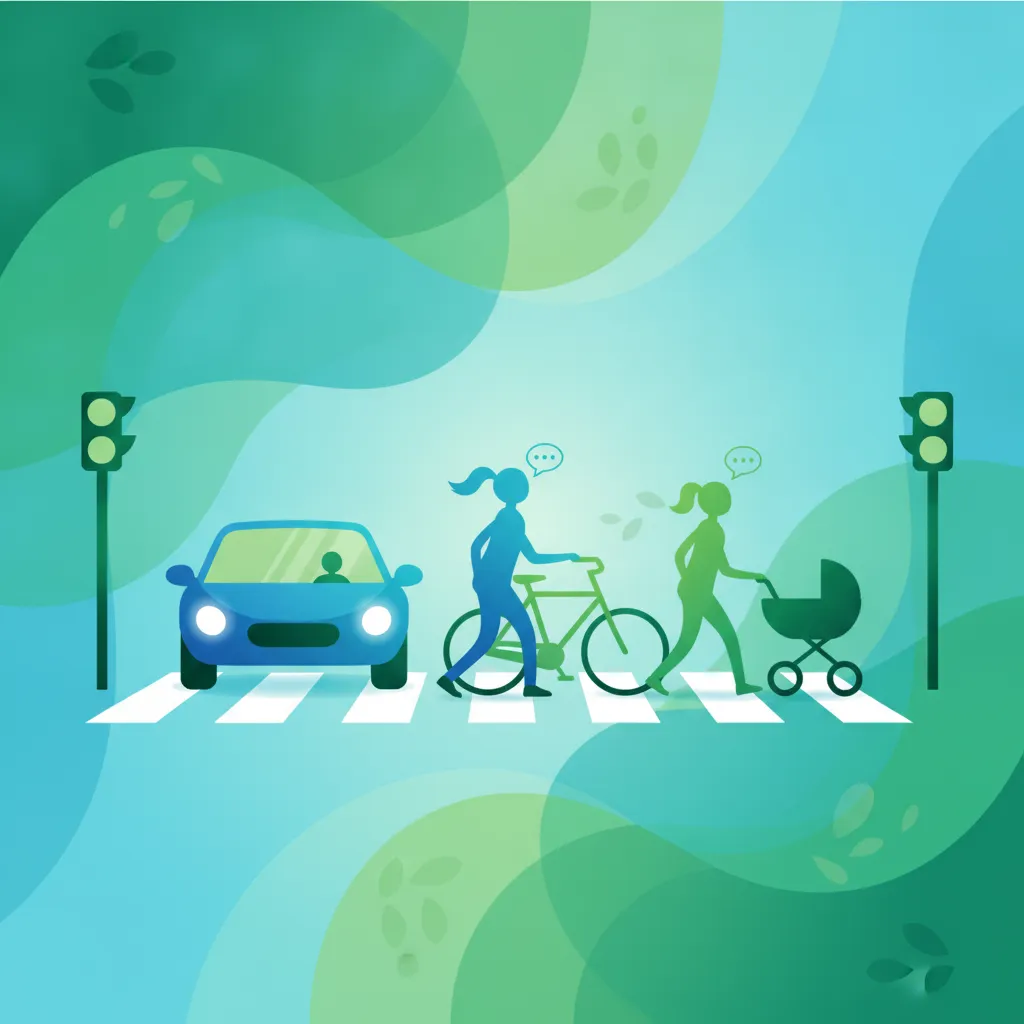
Browse all lessons that make up Road Users, Core Behaviour Rules and Safe Communication. Each lesson focuses on specific topics, learning objectives, and core concepts, helping you build essential knowledge and follow a clear, structured progression toward your study goals in Germany.
This lesson provides a detailed breakdown of the various categories of participants in road traffic, from pedestrians and cyclists to cars, trucks, and public transport. It explains the concept of vulnerable road users and outlines the specific rules and expectations for interacting with each group. The objective is to foster mutual respect and understanding to ensure safe coexistence on the road for everyone.
This lesson covers the essential behavioral rules mandated by the German Road Traffic Act (StVO) that form the foundation of safe driving. Key principles discussed include the mandatory rule to drive on the right side of the road, maintaining a safe following distance, and adapting speed to conditions. It also explains the regulations for overtaking, merging, and parking to ensure smooth and safe traffic flow.
Effective communication is critical for road safety, and this lesson details the correct use of a vehicle's signaling devices. It explains when and how to use turn signals (indicators), hazard warning lights, the horn, and headlight flashes to clearly communicate your intentions to other road users. Proper signaling helps prevent misunderstandings and is a key component of defensive and cooperative driving.
This lesson provides specific guidance on how to safely share the road with pedestrians and cyclists, who are among the most vulnerable road users. It covers the rules of conduct at zebra crossings, traffic lights for pedestrians, and designated cycle lanes. The content emphasizes the importance of vigilance, yielding right-of-way, and maintaining a safe distance to prevent accidents in urban and rural environments.
This lesson focuses on identifying road users who require special attention and caution, such as children, the elderly, and individuals with disabilities. It details the appropriate behavior when encountering school buses and public transport, which often involve unpredictable pedestrian movement. A critical topic covered is the legal requirement to form an emergency corridor ('Rettungsgasse') for responding emergency vehicles.
Explore high-intent keywords and long-tail search topics learners use when researching Road Users, Core Behaviour Rules and Safe Communication. These terms reflect how people search for reliable study materials, structured explanations, and unit-level theory preparation support in Germany.
Find clear answers to the most common questions learners ask about Road Users, Core Behaviour Rules and Safe Communication. Understand how the unit is organized, what learning goals it supports, and how it contributes to your study progression with structured explanations and practical guidance tailored for learners in Germany.
The most crucial behaviour rules in Germany, outlined in the StVO, include always showing consideration for others, maintaining a safe distance, and communicating your intentions clearly. This means being predictable, especially towards vulnerable road users like pedestrians and cyclists, and always adapting your speed and behaviour to the traffic situation and road conditions.
This unit directly prepares you for the theory test by covering fundamental concepts tested in sections related to general traffic rules, interactions with other road users, and safe driving practices. Expect questions on recognizing and responding to different road users' behaviour and understanding the importance of clear signalling.
Effective communication is vital in German traffic to ensure predictability and safety. Using indicators, signalling your intentions appropriately, making eye contact where possible, and adapting your speed all help other road users understand your actions, preventing misunderstandings and potential accidents.
Vulnerable road users are individuals who are at a higher risk of injury in traffic collisions. This includes pedestrians (especially children and the elderly), cyclists, motorcyclists, and people with disabilities. German traffic law emphasizes the driver's responsibility to exercise extra caution and consideration when interacting with these groups.
When driving near cyclists in Germany, always give them sufficient space, which typically means at least 1.5 meters when passing. Be aware of their potential movements, check for them before turning or opening your door, and never overtake them in a way that endangers them, especially on narrow roads or near junctions.
Cooperative driving means anticipating the actions of other road users and acting in a way that contributes to overall traffic safety and flow. It involves being predictable, giving way when necessary, avoiding sudden maneuvers, and generally acting as you would expect others to act towards you. This proactive approach is key to preventing conflicts.
All included lessons
Lessons in Road Users, Core Behaviour Rules and Safe Communication
See who benefits most from studying Road Users, Core Behaviour Rules and Safe Communication. This overview explains how the unit supports different learning needs, what level of knowledge is helpful before starting, and how it fits into the overall study path in Germany.
This unit is ideal for all new drivers preparing for the German Category B driving license theory test. It's particularly beneficial for those who want a solid foundation in basic traffic rules and safe interaction with all road users, ensuring they understand their responsibilities from day one.

Ready to prepare for your German driving licence theory exam? Dive into our carefully structured courses to build your knowledge effectively. Select a course that matches your licence category and begin your systematic study path today for confident exam success.
Browse Driving Theory CoursesExplore all units and lessons included in this driving theory course.
Ready to prepare for your German driving licence theory exam? Dive into our carefully structured courses to build your knowledge effectively. Select a course that matches your licence category and begin your systematic study path today for confident exam success.
Browse Driving Theory Courses