
This theory hub provides comprehensive explanations of all German driving theory topics, road signs, and traffic rules. Understand essential concepts like right-of-way, speed limits, and Autobahn regulations, crucial for the official German theoretical driving test. Develop a strong grasp of the Straßenverkehrs-Ordnung (StVO) to drive confidently and safely.
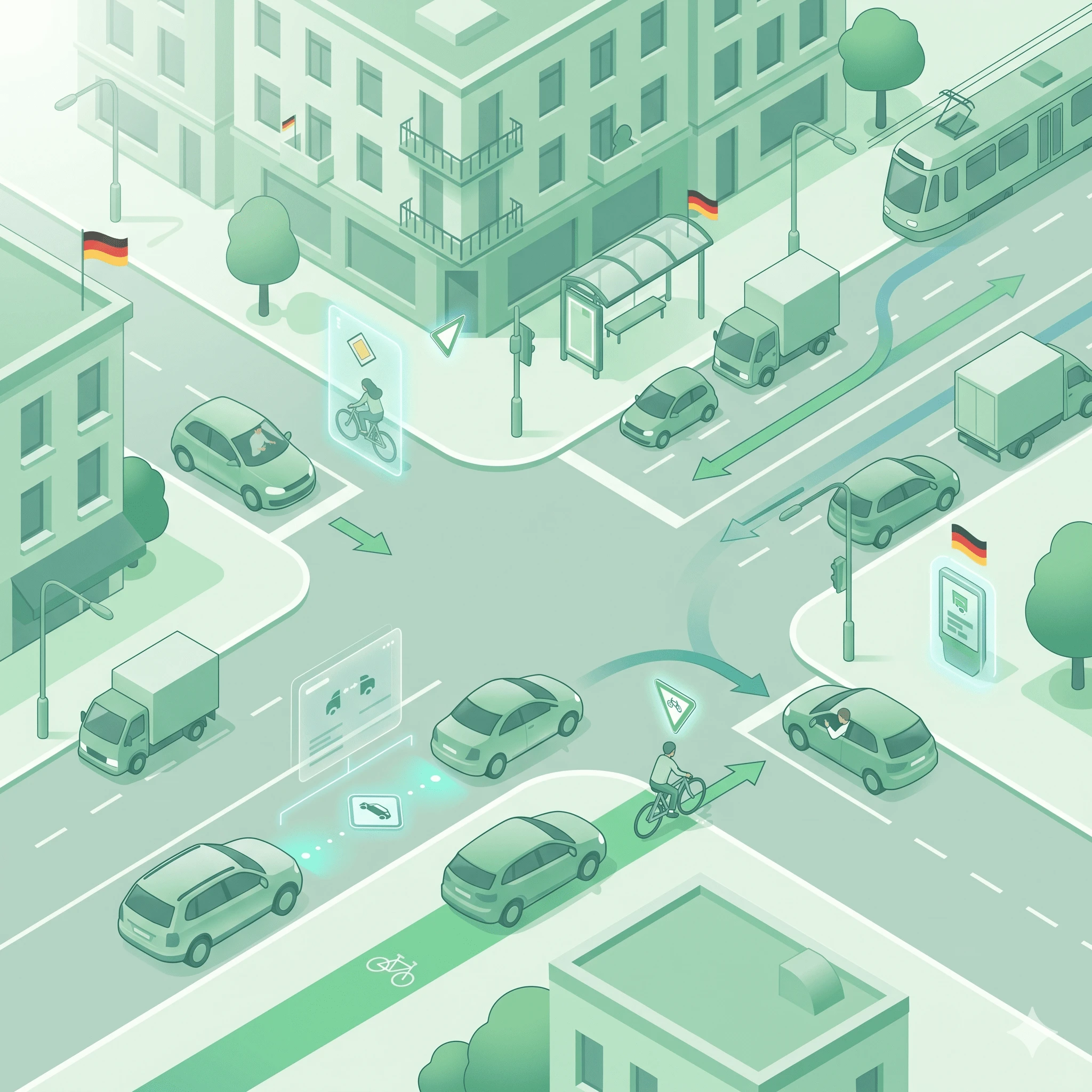
Our curriculum organizes German driving theory into targeted subject areas, helping you master complex traffic rules, road signs, and right-of-way priority situations. Focus your exam preparation by diving deep into specific technical categories and safety protocols.
12 topics
6 topics
5 topics
4 topics
3 topics
2 topics
2 topics
2 topics
1 topic
1 topic
1 topic
1 topic
Dive into detailed driving theory subjects to prepare for your German theory test. Search for specific traffic rules or browse all available topics to deepen your understanding of driving knowledge.
Filter by category
50 theory topics found

Driving under the influence of alcohol is a major cause of serious road accidents in Germany and worldwide. This section details how alcohol affects your cognitive functions, perception, and physical coordination, making it dangerous and illegal to operate a vehicle. Understanding these effects is crucial for passing your German driving theory test and for your safety on the road.
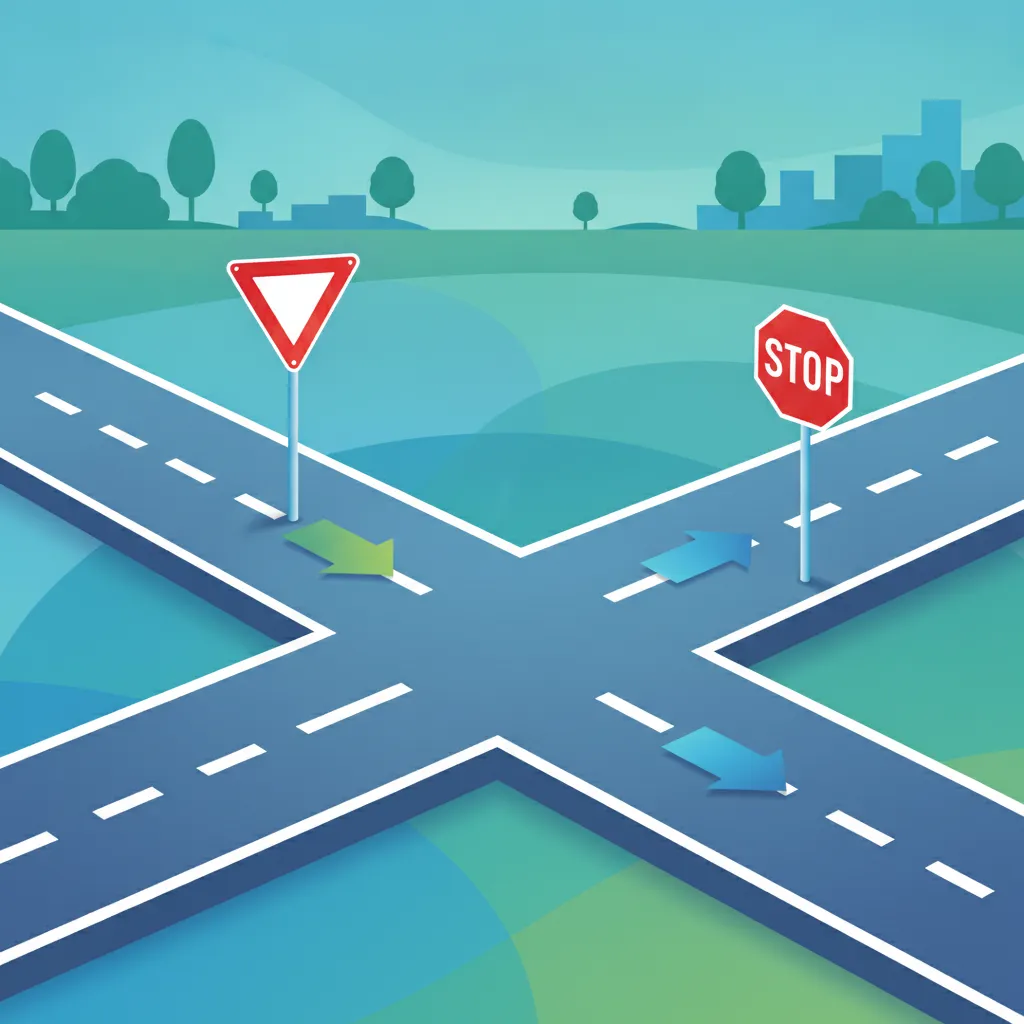
Right of way, known as Vorfahrt in Germany, is a fundamental concept in traffic law that dictates which road user has priority to proceed in situations where paths conflict. These rules are vital for maintaining order, preventing collisions, and ensuring a smooth flow of traffic. Your ability to correctly identify and apply Vorfahrt rules will be rigorously tested in the German driving theory exam and is critical for real-world driving.
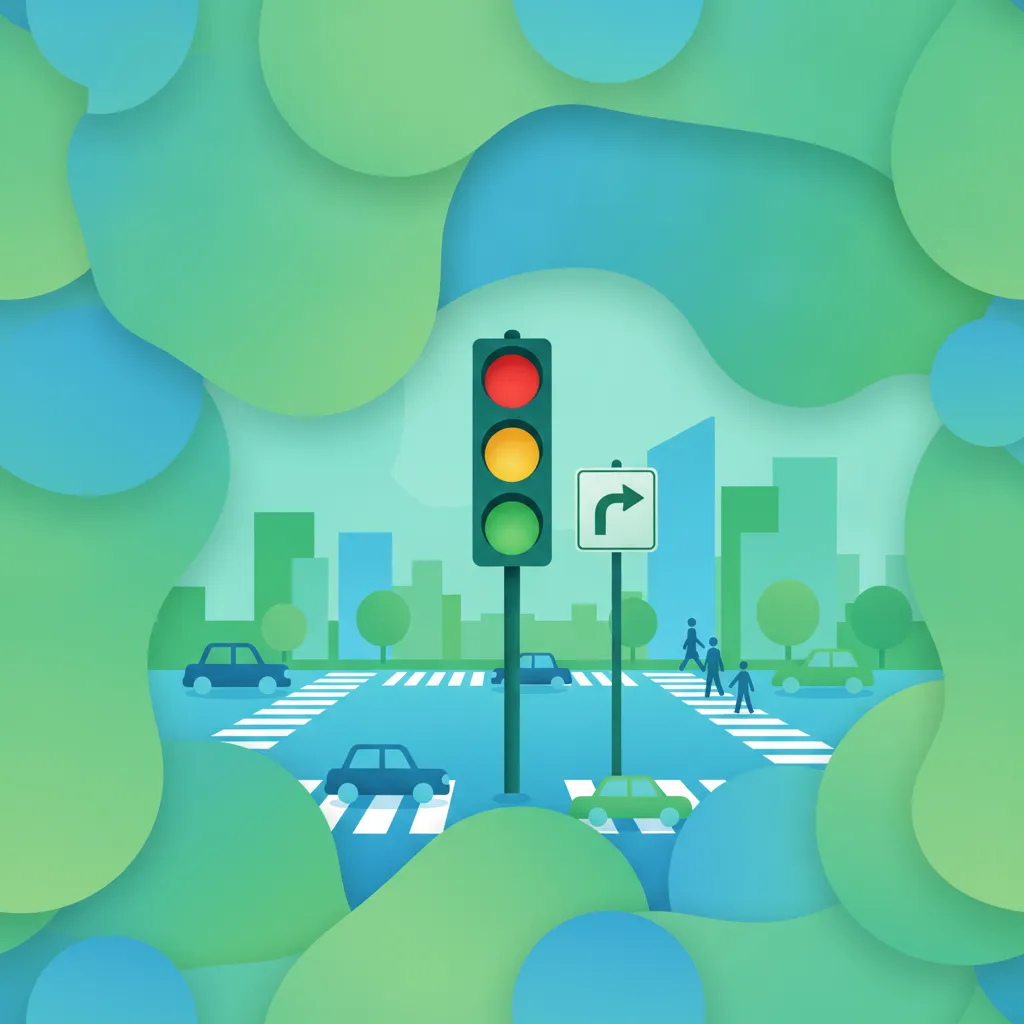
Traffic lights are essential for organizing vehicle and pedestrian flow, ensuring safety and efficiency at German intersections. This guide details the specific meanings of red, yellow, and green lights, along with the unique 'Grünpfeil' (green arrow) rule, to help you understand your obligations as a driver under the Straßenverkehrs-Ordnung (StVO). Pay close attention to the sequence and special signals to avoid common mistakes.

Proper use of headlights and other vehicle lighting is fundamental for safe driving in Germany. It ensures you can clearly see the road ahead and, equally importantly, that other road users can see you. This page details the specific German regulations (StVO and StVZO) concerning light usage, from daytime running lights to fog lamps, under different environmental conditions like darkness, rain, fog, and snow. Understanding these rules is vital for both your theory test and practical driving safety.
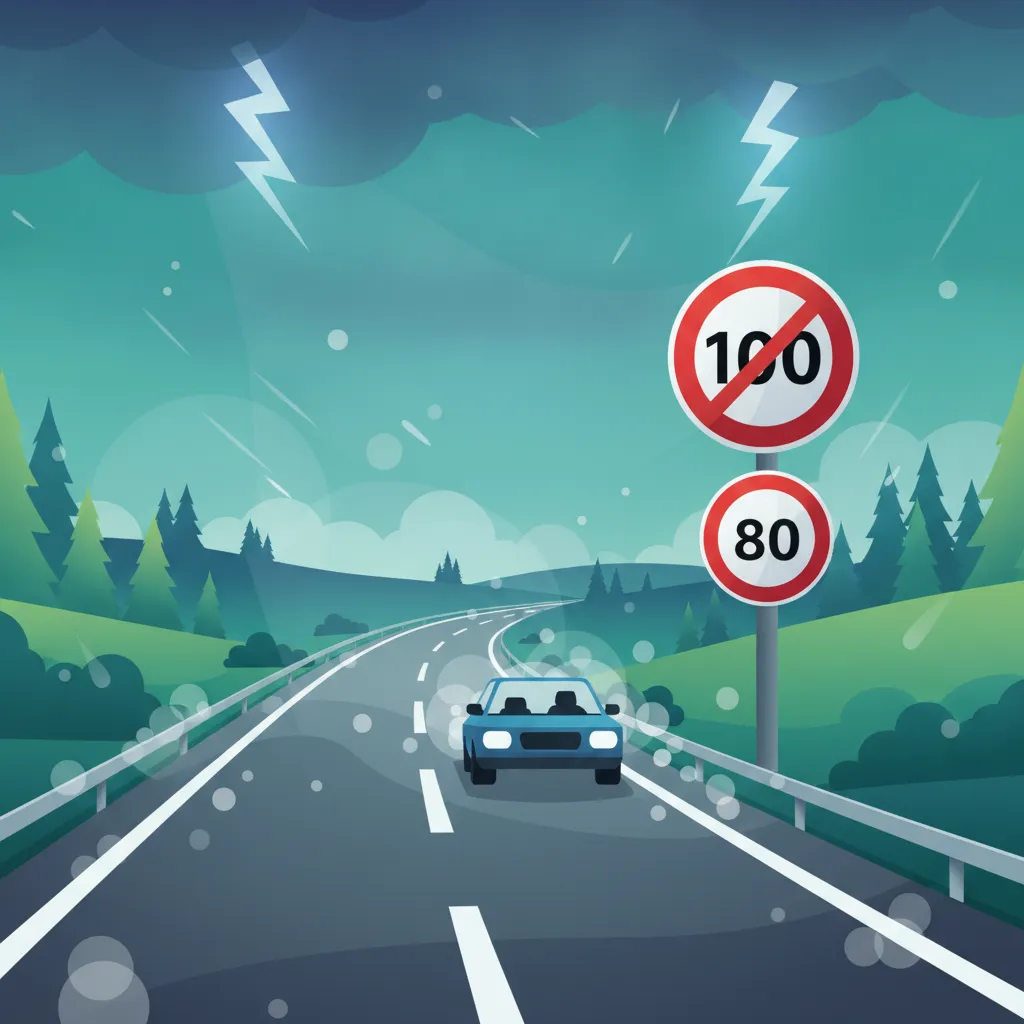
In Germany, speed limits are regulations established by the Straßenverkehrs-Ordnung (StVO) that define the absolute maximum speed allowed for vehicles on specific roads or within certain areas. While these limits set the legal ceiling, drivers are always expected to adjust their speed to ensure safety, considering factors like road conditions, traffic density, and visibility. Mastering these rules is fundamental for passing your theory exam and driving safely on German roads, including the famous Autobahn.
Vehicle speed has a profound and often underestimated effect on the total distance needed to stop safely. In Germany, as elsewhere, stopping distance comprises two main components: reaction distance and braking distance. It's crucial for drivers to grasp how these distances change with speed, directly impacting the ability to react to hazards and prevent collisions on German roads.
Braking distance, or Bremsweg in German, is the distance a vehicle covers from the moment the brakes are applied until it comes to a complete halt. This essential concept in German driving theory is heavily influenced by factors like your speed, the road surface, and your vehicle's condition. Understanding these relationships is vital for hazard perception and maintaining a safe following distance, especially on the Autobahn or during adverse weather.
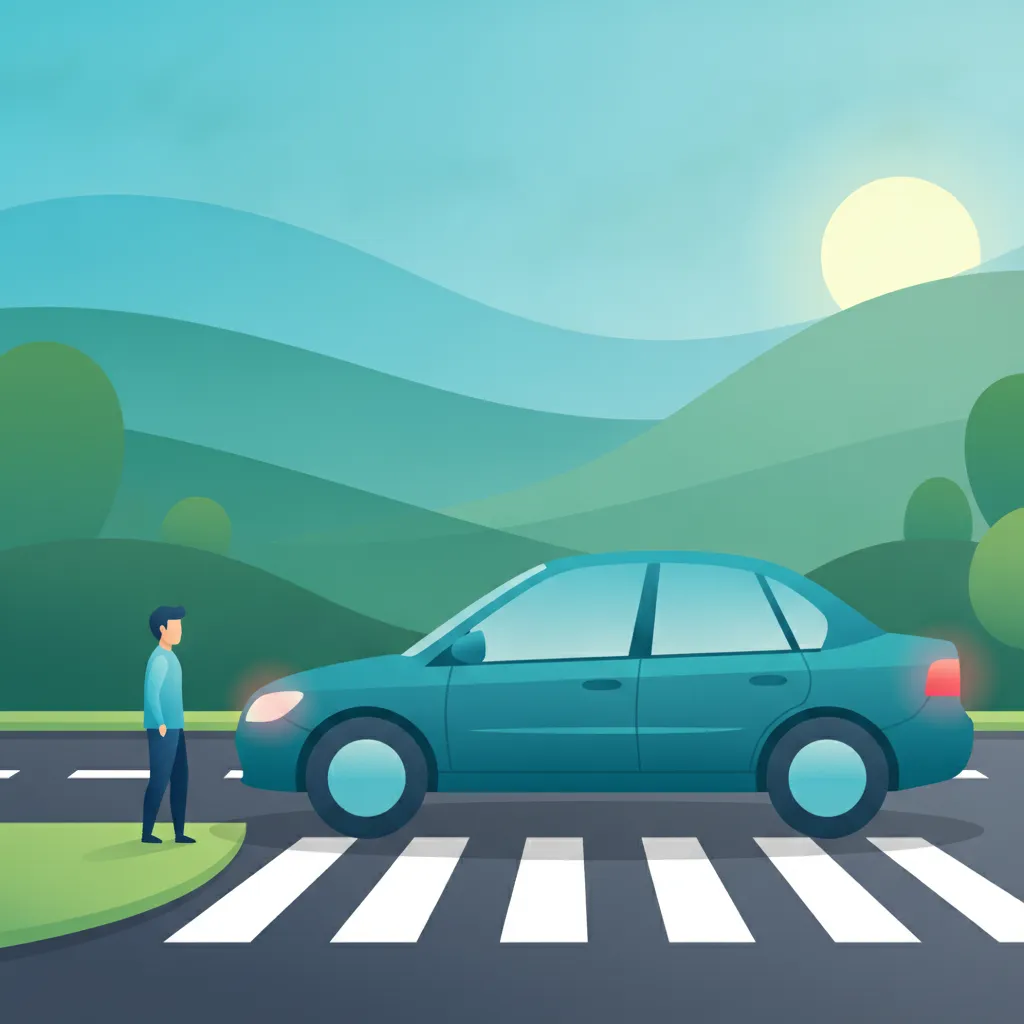
Pedestrian crossings, known as Fußgängerüberwege (or colloquially, zebra crossings), are designated areas in Germany where pedestrians have priority over vehicles. As a driver, it is your responsibility to recognize these crossings early and adjust your speed and behavior to ensure pedestrians can cross safely. This section clarifies your obligations and the key rules from the Straßenverkehrs-Ordnung (StVO).
Seat belts are a fundamental safety feature in vehicles, designed to protect drivers and passengers during sudden braking or collisions. In Germany, strict rules govern their use to minimize injury risk and are enshrined in the Straßenverkehrs-Ordnung (StVO). This page explains the purpose of seat belts, how they function, and the specific requirements for their correct application in German traffic.
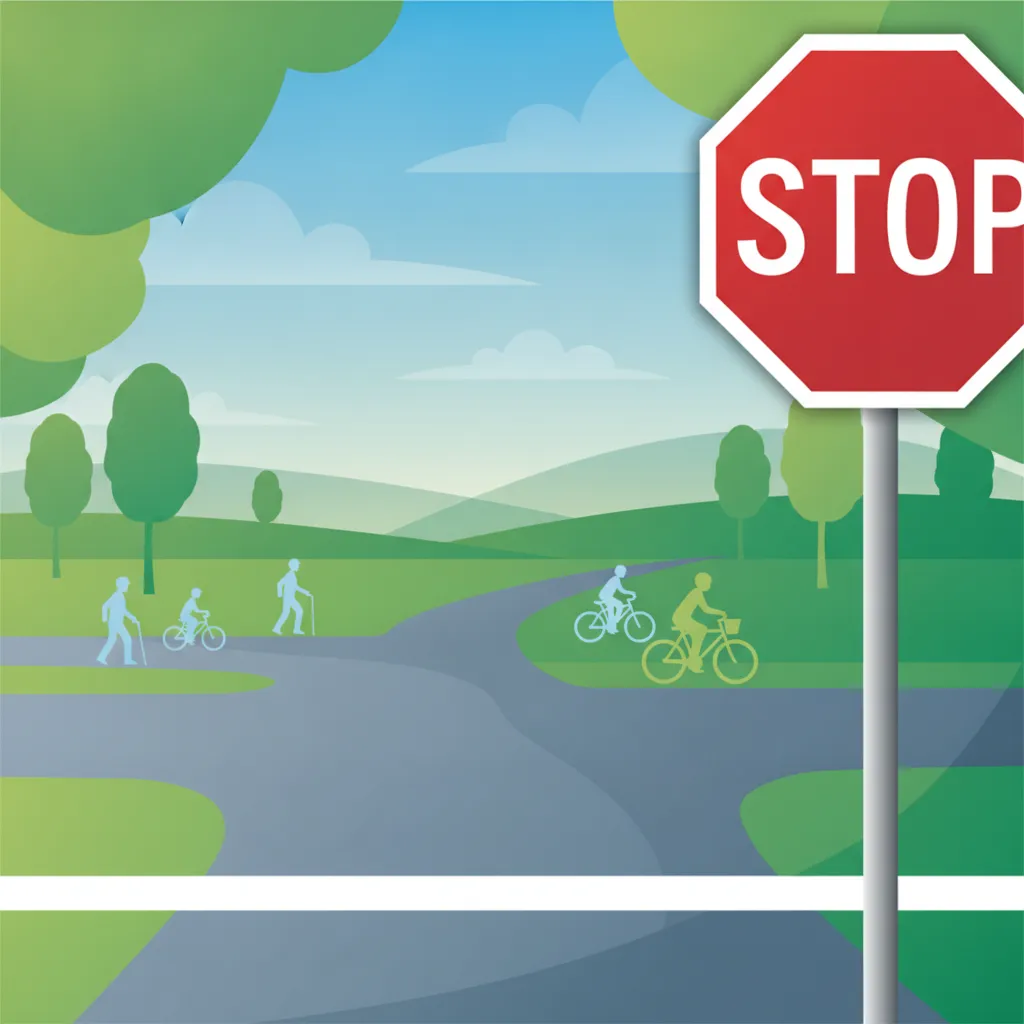
In Germany, the stop sign, officially known as Zeichen 206 (Halt! Vorfahrt gewähren!), is a regulatory traffic sign that demands immediate and unconditional compliance. Unlike a yield sign, it requires every driver to bring their vehicle to a complete and full stop before proceeding. This rule is paramount for ensuring safety at high-risk intersections and is a frequent focus in the German driving theory exam.

Driving demands your full and undivided attention, yet mobile phone use is a widespread distraction that jeopardizes safety for everyone on the road. This section clarifies the various ways phones distract drivers and how even a momentary lapse can lead to dangerous situations, especially under German traffic conditions. Understanding these risks is fundamental to becoming a responsible driver.
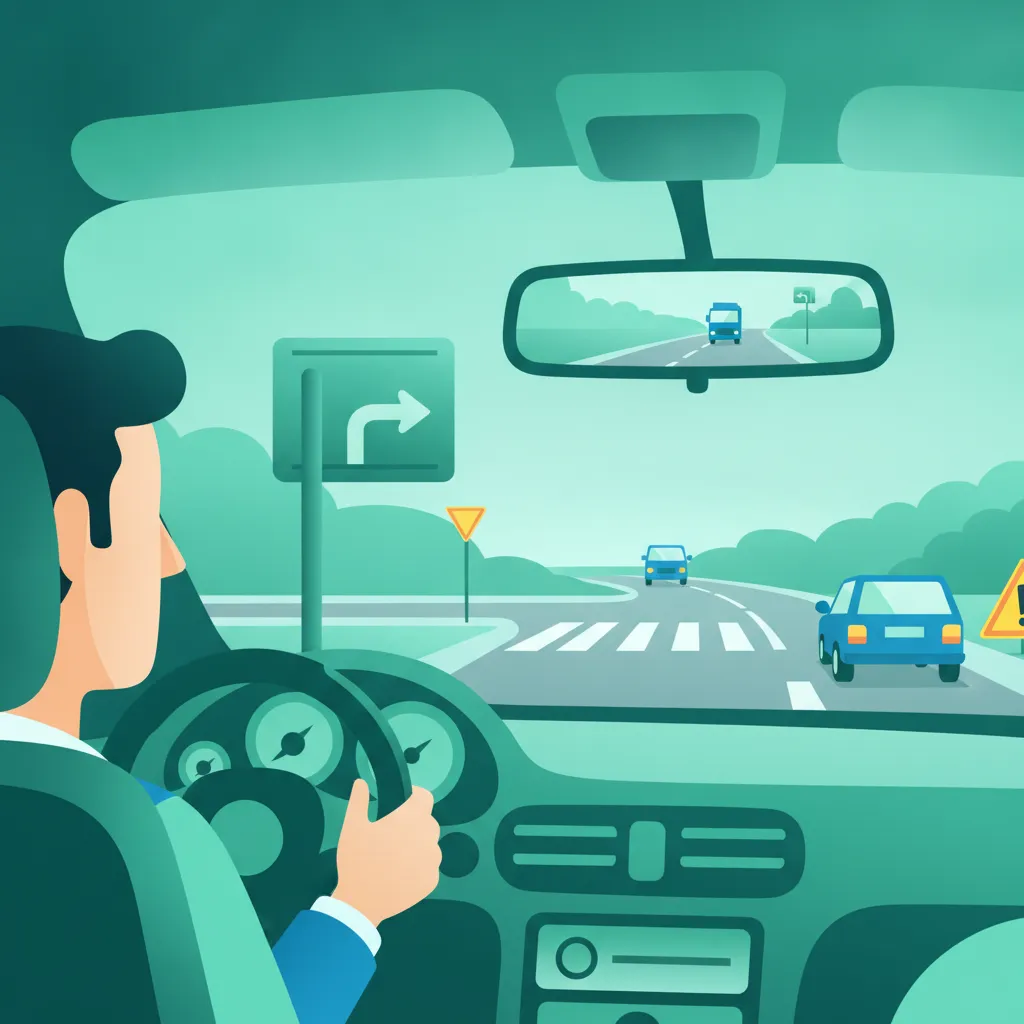
Effective mirror checks are a fundamental skill for any driver, crucial for maintaining awareness of your surroundings and making safe decisions in German traffic. You must actively use your interior rear-view mirror and exterior side mirrors to monitor traffic behind and beside your vehicle, constantly anticipating other road users' actions. Mastering this observation technique is vital for both your driving test and everyday safety on German roads.
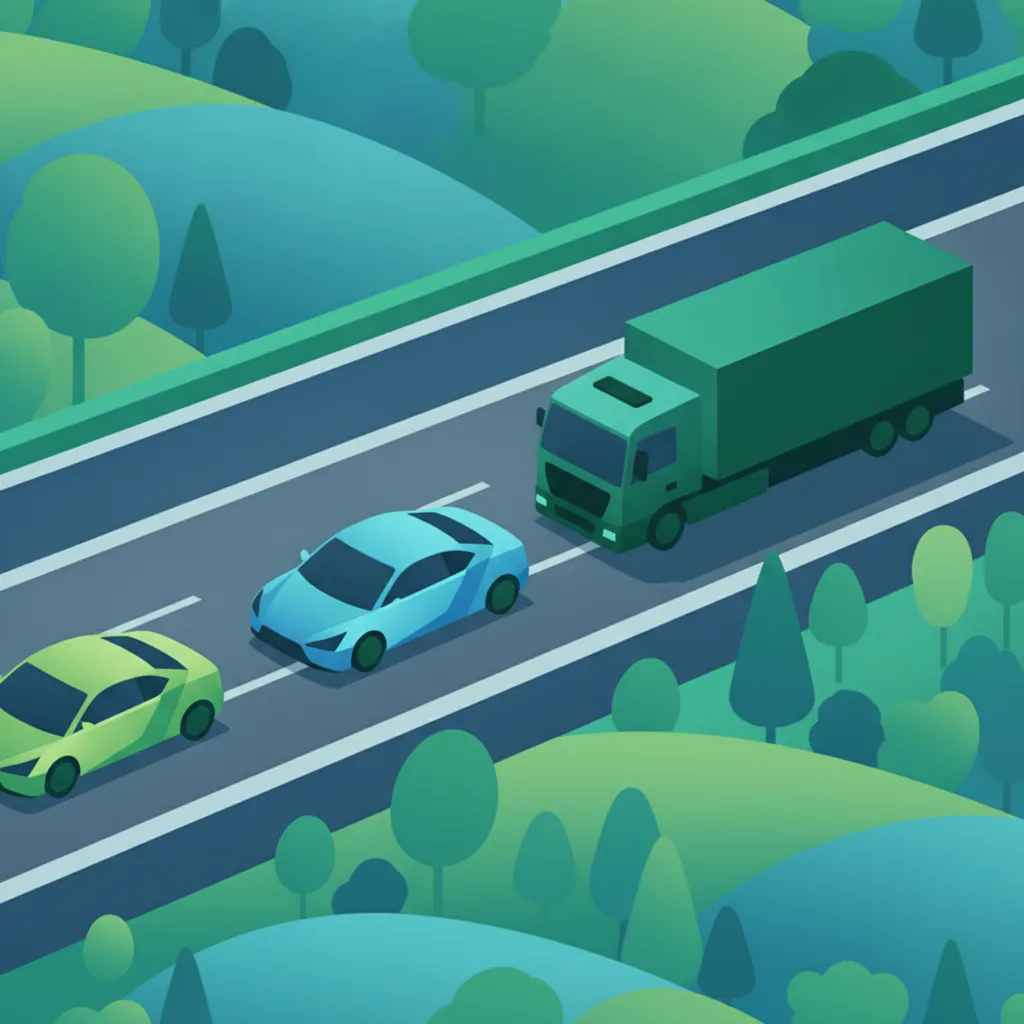
On multi-lane roads and particularly on the German Autobahn, correct lane use is paramount for maintaining safe and fluid traffic flow. This principle, known as the 'Rechtsfahrgebot' (keep right rule), dictates how drivers should position their vehicles, when to overtake, and how to avoid obstructing faster traffic.
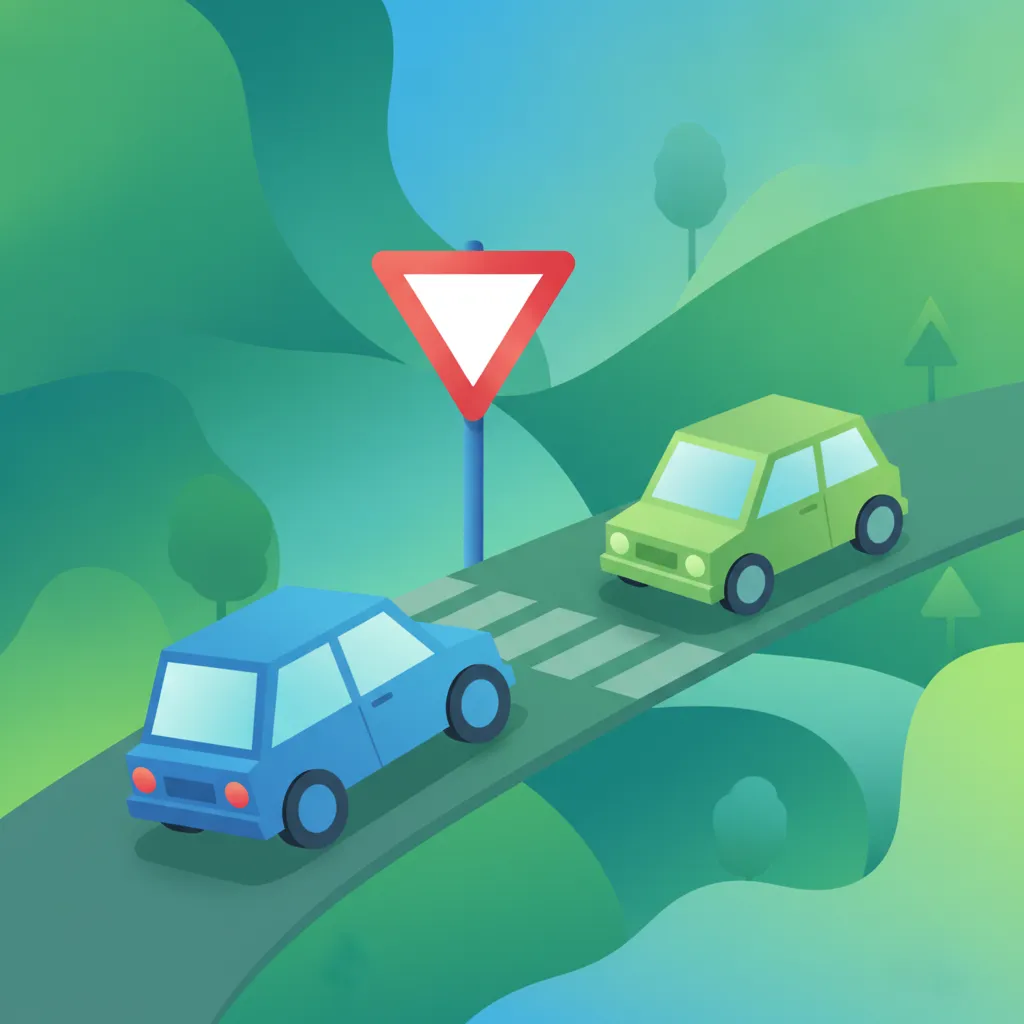
The Give Way sign, officially known as Zeichen 205 or "Vorfahrt gewähren" in Germany, is a fundamental priority sign in German road traffic. It compels drivers to grant priority to vehicles on the intersecting road. Unlike a Stop sign, a complete stop is not always mandatory, but you must be prepared to stop and only proceed when it is entirely safe and does not impede priority traffic.
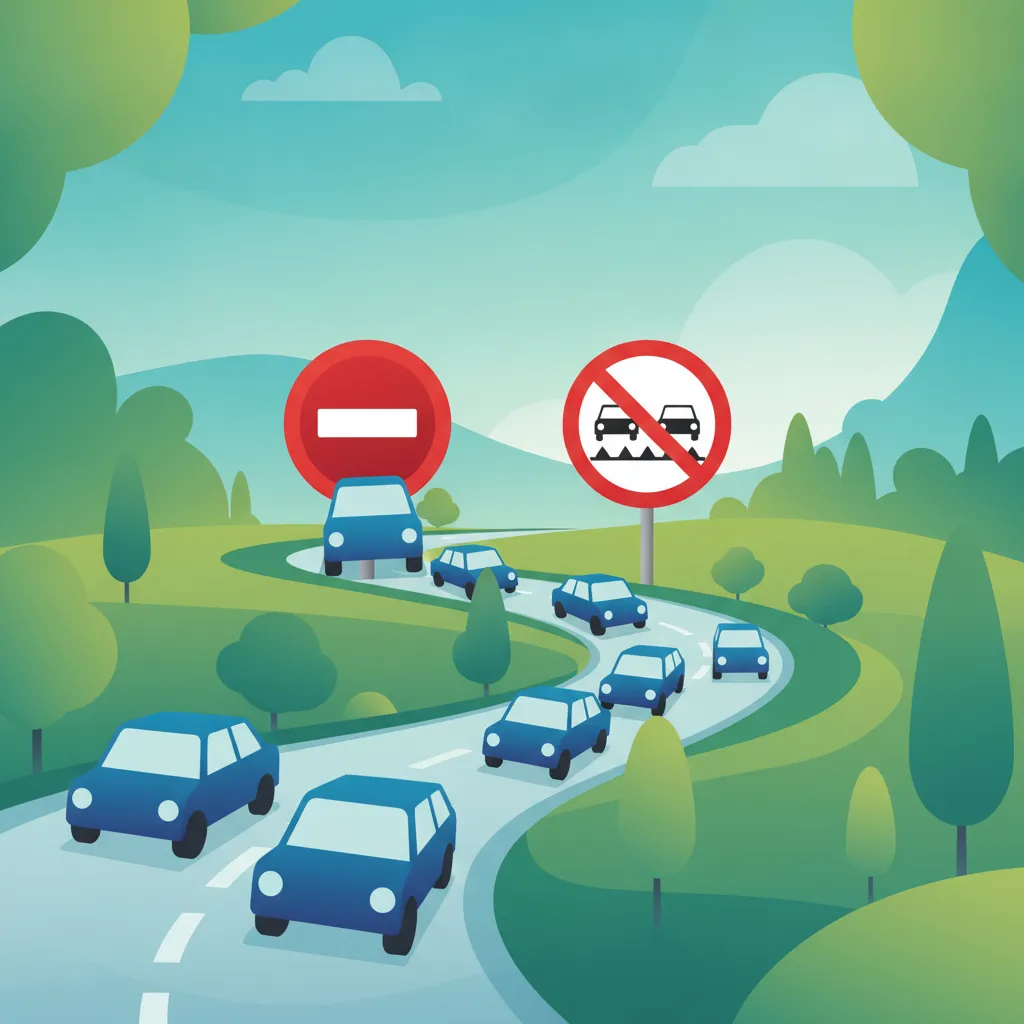
Prohibition signs, officially known as 'Verbotszeichen' in Germany, are traffic signs that indicate specific actions drivers are not allowed to perform. They are crucial for maintaining order, preventing dangerous situations, and ensuring smooth traffic flow. Recognizing and obeying these signs is a fundamental part of safe driving and a key requirement for passing the German driving theory exam.
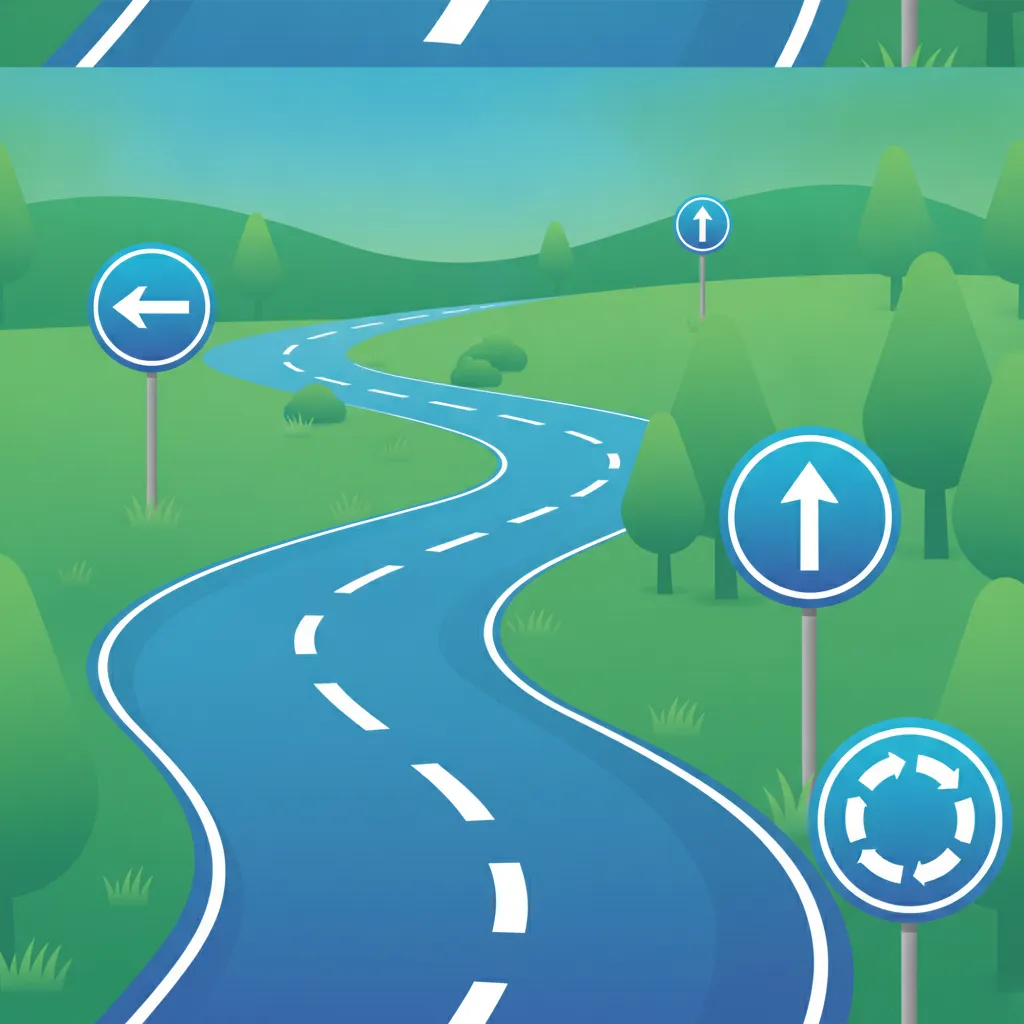
Mandatory traffic signs, known as 'Vorschriftzeichen' in Germany, are easily identifiable by their typically blue, circular design with white symbols. Unlike warning or prohibition signs, 'Vorschriftzeichen' give direct, non-negotiable instructions to road users, dictating specific actions or directions. Correctly interpreting these signs is essential for safe driving and passing your German driving theory test, as they directly regulate movement at junctions, roundabouts, and designated lanes.
Slippery roads occur when the friction between your vehicle's tires and the road surface is significantly reduced, making it difficult to maintain control. This loss of traction affects your ability to accelerate, steer, and brake effectively. Understanding these conditions and knowing how to adjust your driving is crucial for preventing accidents and navigating German roads safely.
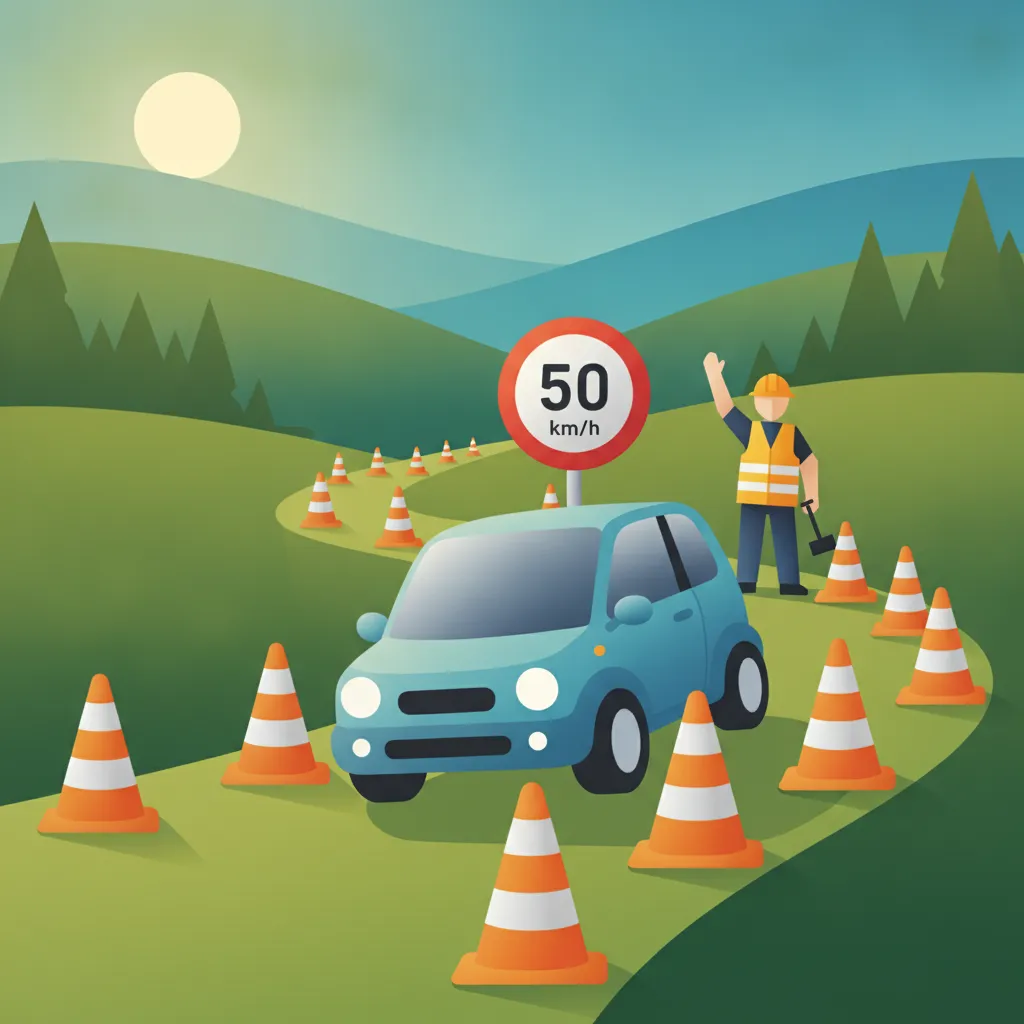
In Germany, road work zones, or 'Baustellen', are temporary areas where construction, maintenance, or repair work is ongoing. These zones introduce dynamic changes to traffic flow, often involving temporary signs, reduced speed limits, narrower lanes, and the presence of workers. Mastering how to navigate these areas safely is crucial for every driver, both for the German theory exam and real-world driving.
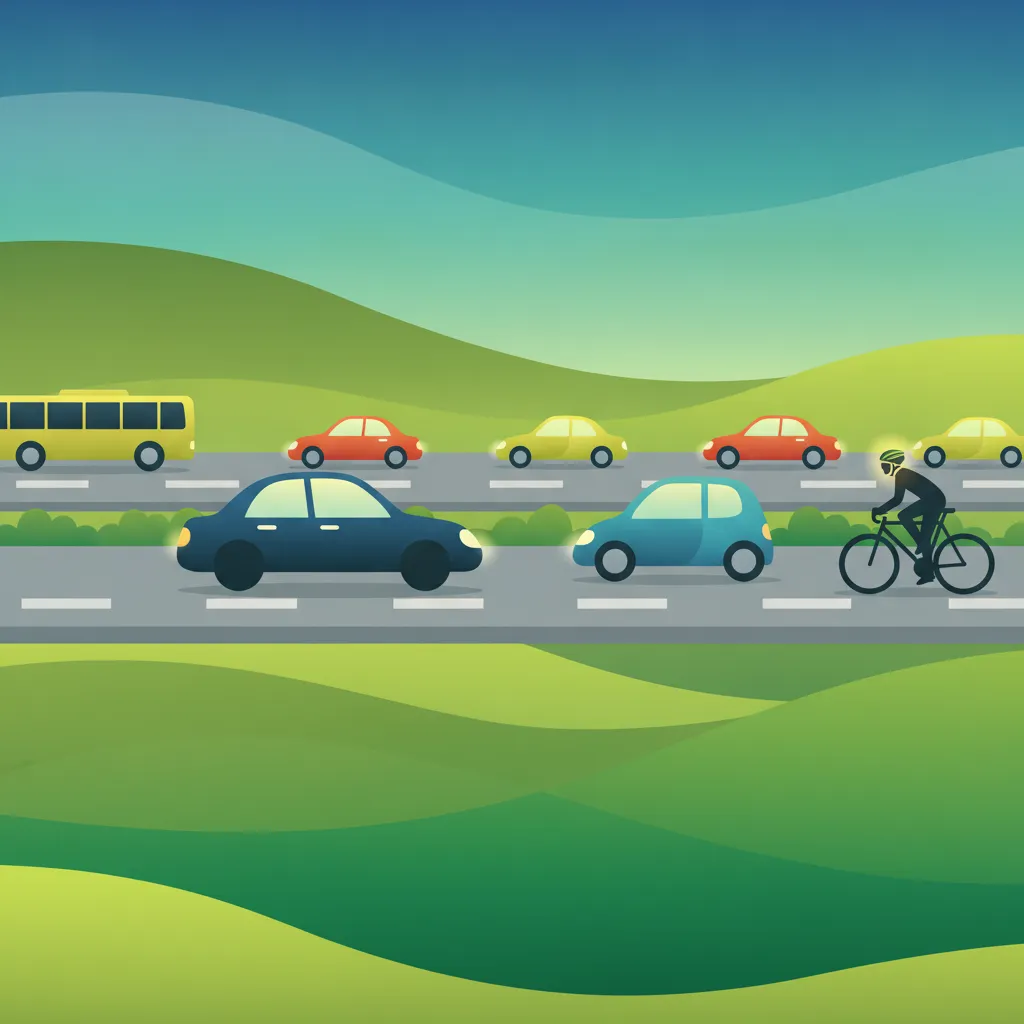
Overtaking (Überholen) is a fundamental maneuver in traffic, but it carries inherent risks if not executed correctly. In Germany, specific rules outlined in the Straßenverkehrs-Ordnung (StVO) govern when and how you can safely pass another vehicle. This guide clarifies these regulations, focusing on conditions, prohibitions, and the necessary steps to ensure a safe and legal overtaking maneuver.

Maintaining a safe following distance, known as 'Sicherheitsabstand' in Germany, is one of the most vital aspects of road safety. This page explains why tailgating (driving too closely) is so dangerous, detailing how factors like speed, reaction time, and braking distance all combine to determine the space you need. You'll learn the key German rules and practical methods to ensure you always have enough room to react, protecting yourself and others on the road, especially on high-speed Autobahns.
Page 1 of 3
Continue your learning journey with our comprehensive articles. Delve into specific topics, review complex German road rules, and gain expert insights. Fully prepare for your theoretical driving test by exploring more content to deepen your understanding of traffic law.
Explore Driving Theory Articles