
This section covers essential traffic facilities and road markings that guide your path and manage traffic flow. You'll learn to identify and correctly interpret various barriers, beacons, cones, and official road markings. Understanding these elements is crucial for safe driving, especially in complex situations like roadworks or diversions, and will significantly boost your confidence for the theory exam.
An explanation of how German Traffic Facilities and Road Markings road signs apply in real traffic situations in Germany. Learn where these signs are typically placed, what drivers are expected to do when they appear, and how correct reactions help you stay safe, avoid fines, and succeed in your German driving theory exam.
You will encounter these traffic facilities and road markings frequently in various real-world driving scenarios. They are particularly common around road construction sites, temporary diversions, accident areas, and at complex junctions or intersections. Barriers (like mobile barriers or Sperrpfosten) are used to physically block off areas or guide vehicles. Guiding beacons (Pfeilbake, Warnbake) and delineators (Leitpfosten) are essential for marking the edge of the carriageway or a safe driving path, especially in poor visibility or at night where they might also feature warning lights. Traffic cones and lane separators are used to temporarily alter lane configurations or channel traffic. Official carriageway markings, such as solid or broken lines and special symbols, provide critical information about lane usage, prohibitions, and mandatory directions. Recognizing and responding correctly to these elements is vital for maintaining a safe driving path and avoiding hazards.
An overview of the key learning outcomes when studying the German Traffic Facilities and Road Markings road sign category. Understand the main concepts, sign meanings, and traffic situations covered here so you can recognise patterns, answer theory questions more confidently, and build a solid foundation for safe driving in Germany.
Study German traffic facilities and road markings together to grasp how barriers, guides, cones, and official carriageway markings shape your driving path. Recognizing these elements is key for exam preparation and safe navigation through roadworks or complex junctions in Germany. Learn sign meanings and recognition patterns vital for your theory test revision.

Navigate with Sign 600-60: Sperrpfosten (Horizontal Stripes) Guiding Your Path
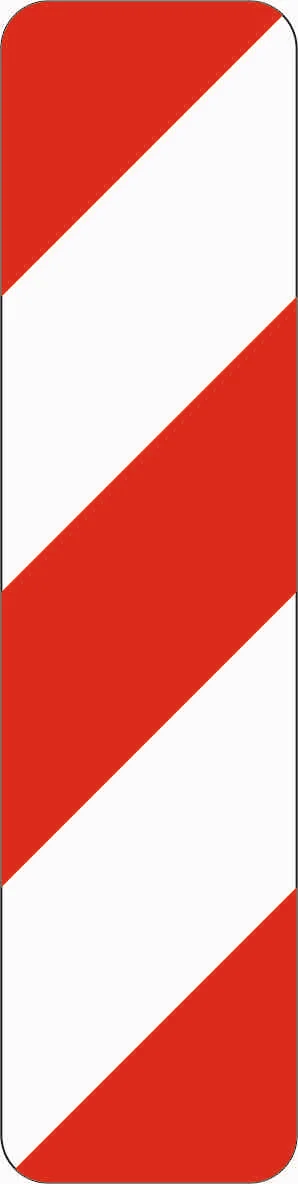
Understand the Guiding Beacon (Right Side) Road Sign 605-10
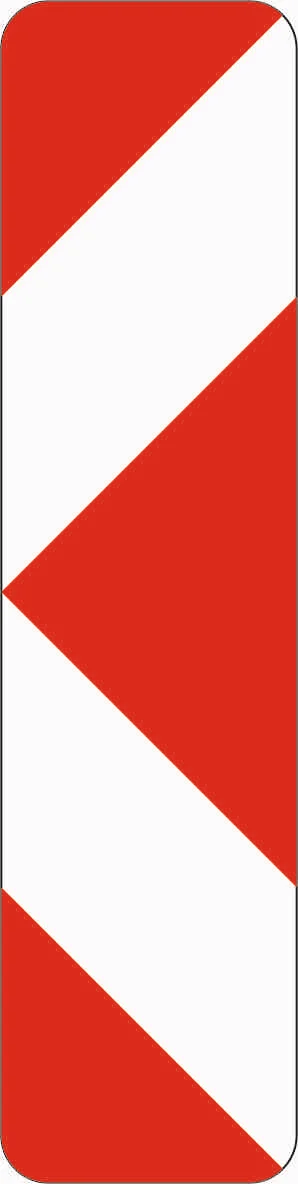
Understand the 'Guiding Beacon - Pfeilbake' Road Sign (605-11) on the Right.

Understand the 'Guiding Beacon - Installed on the Right' Traffic Sign (605-12)
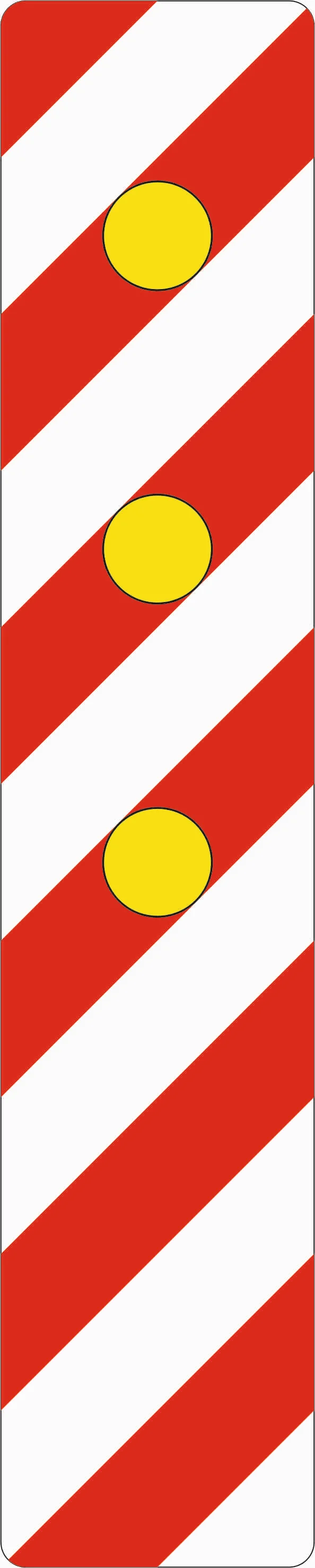
Guiding Beacon on the Right: Understand Sign 605-13 for Safe Driving
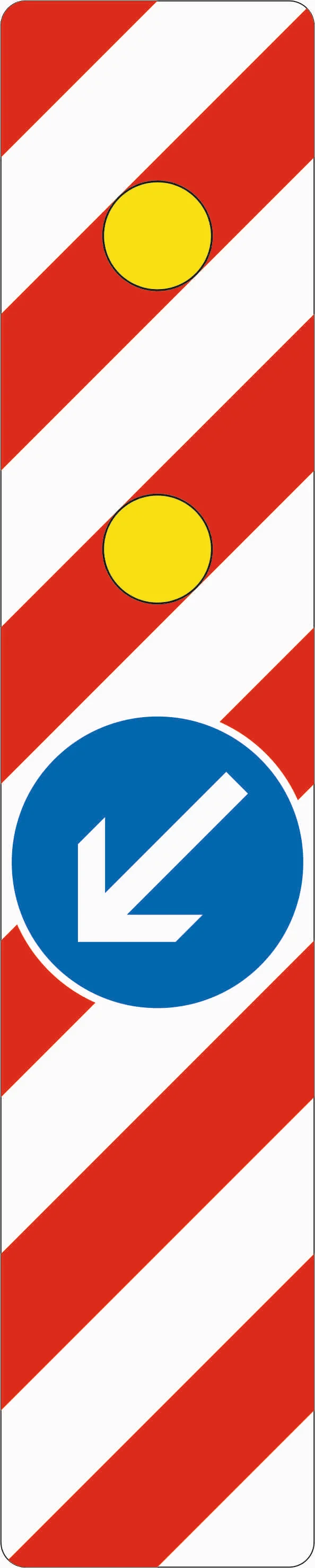
Understand the Guiding Beacon with Warning Light (Sign 605-14) on the Right
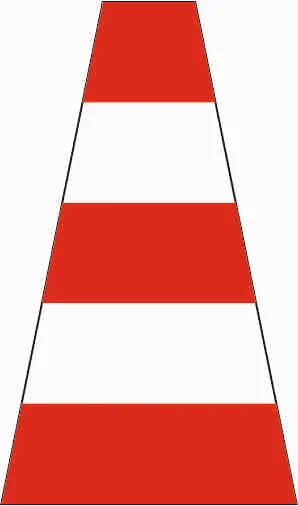
Understand German Traffic Cone Sign 610-41: Guiding Your Path Safely
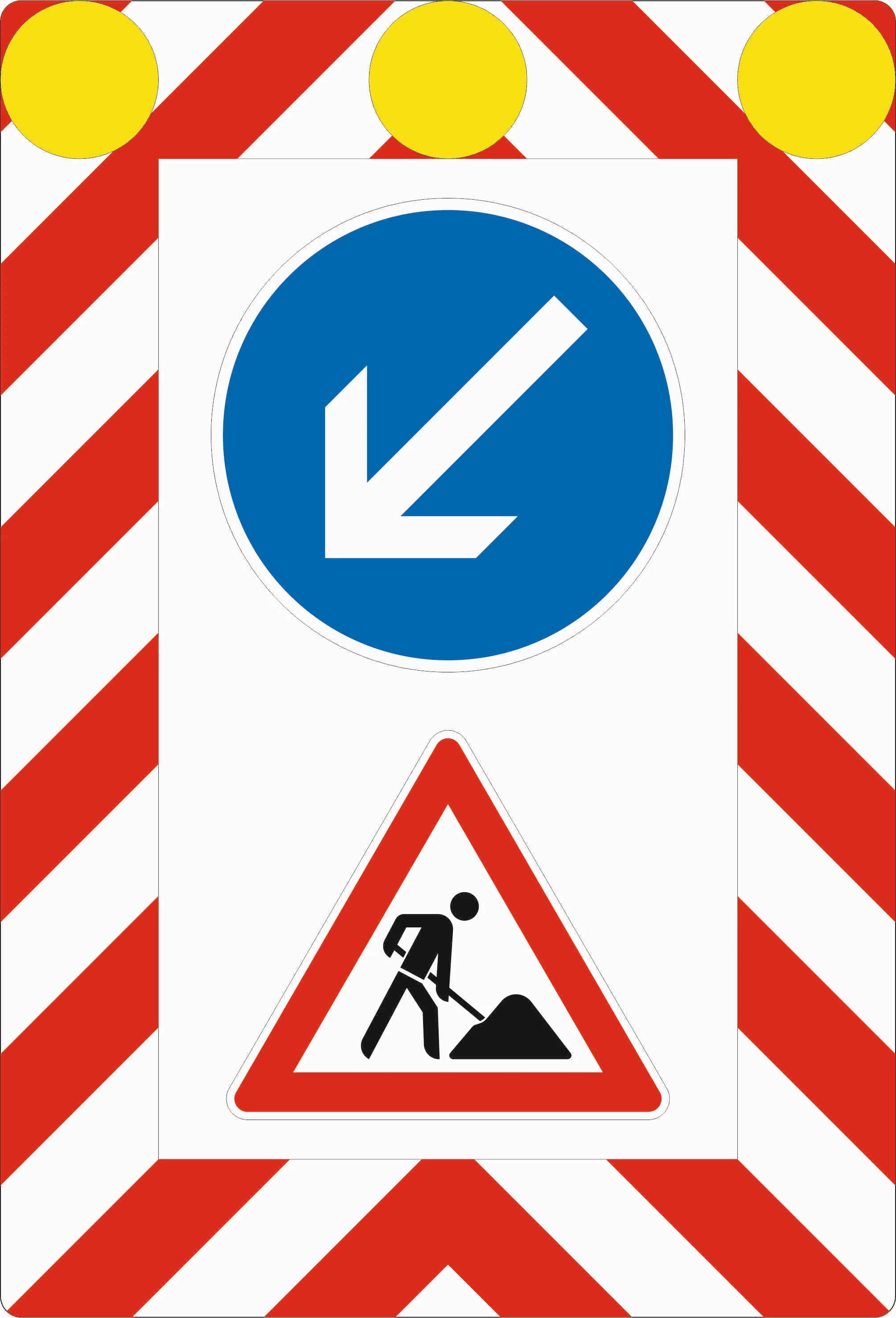
Understand and react to the Fahrbare Mobile barrier (Sign 615) for safe traffic guidance.
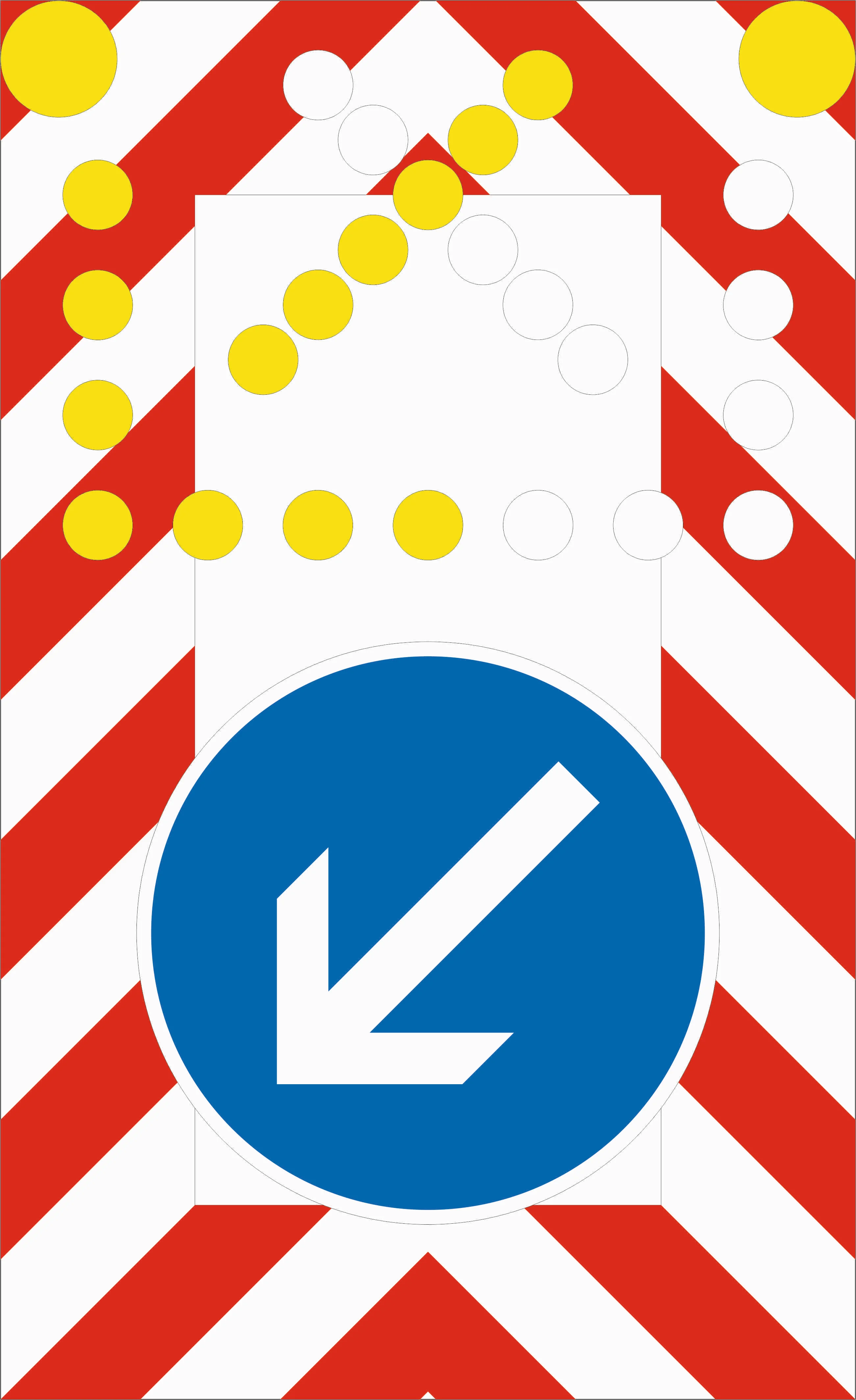
Obey Large Mobile Barriers with Flashing Arrows (Sign 616-30)

Follow the Leitpfosten - right sign to navigate your driving path safely.

Leitpfosten - Left: Guiding Your Path on German Roads
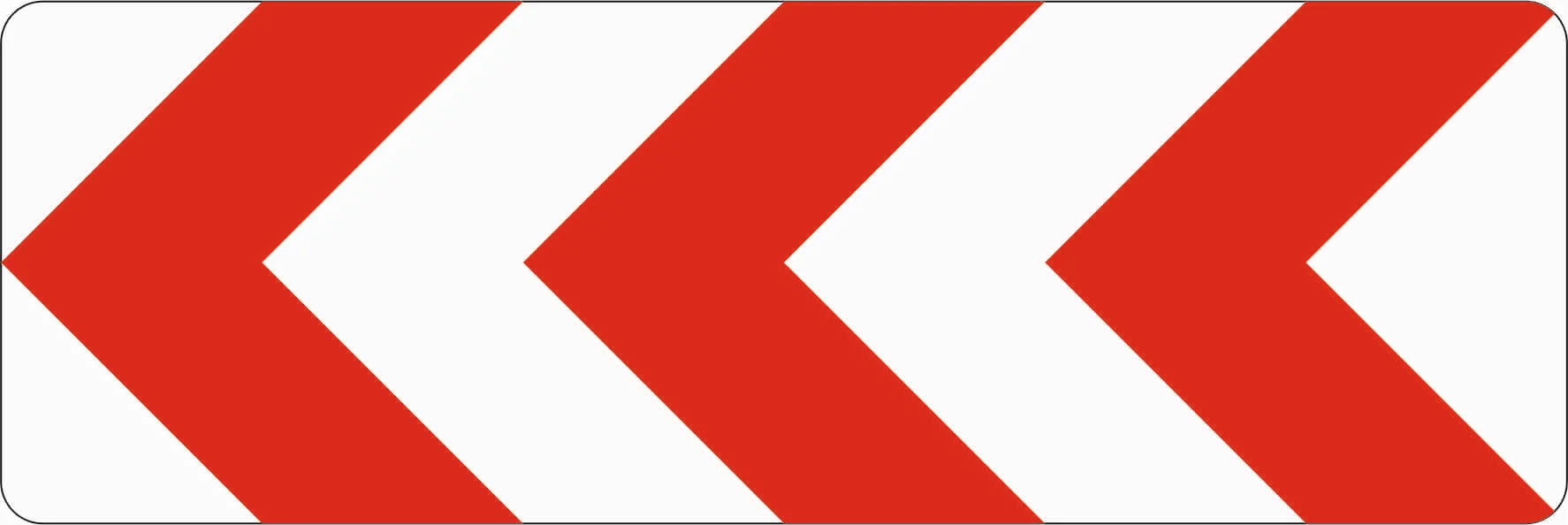
Follow the left-pointing directional arrow in curves to safely navigate the road.
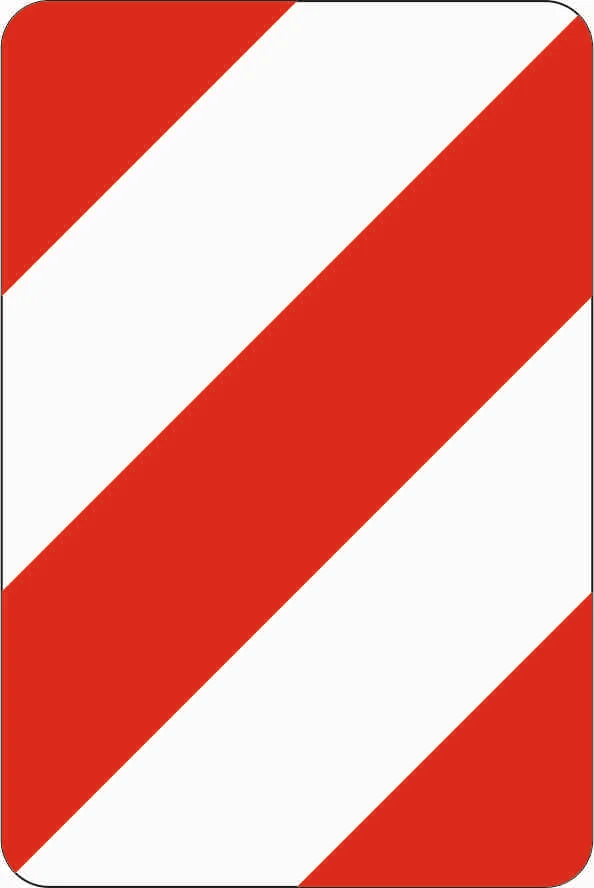
Understand the Leitplatte (Right) Road Sign 626-10
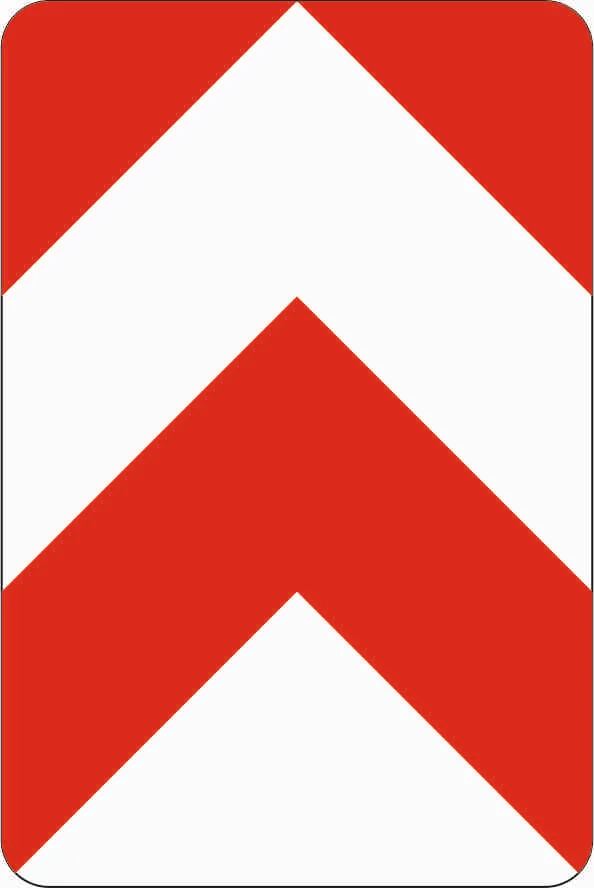
Master German Road Sign 626-30: The Leitplatte Explained
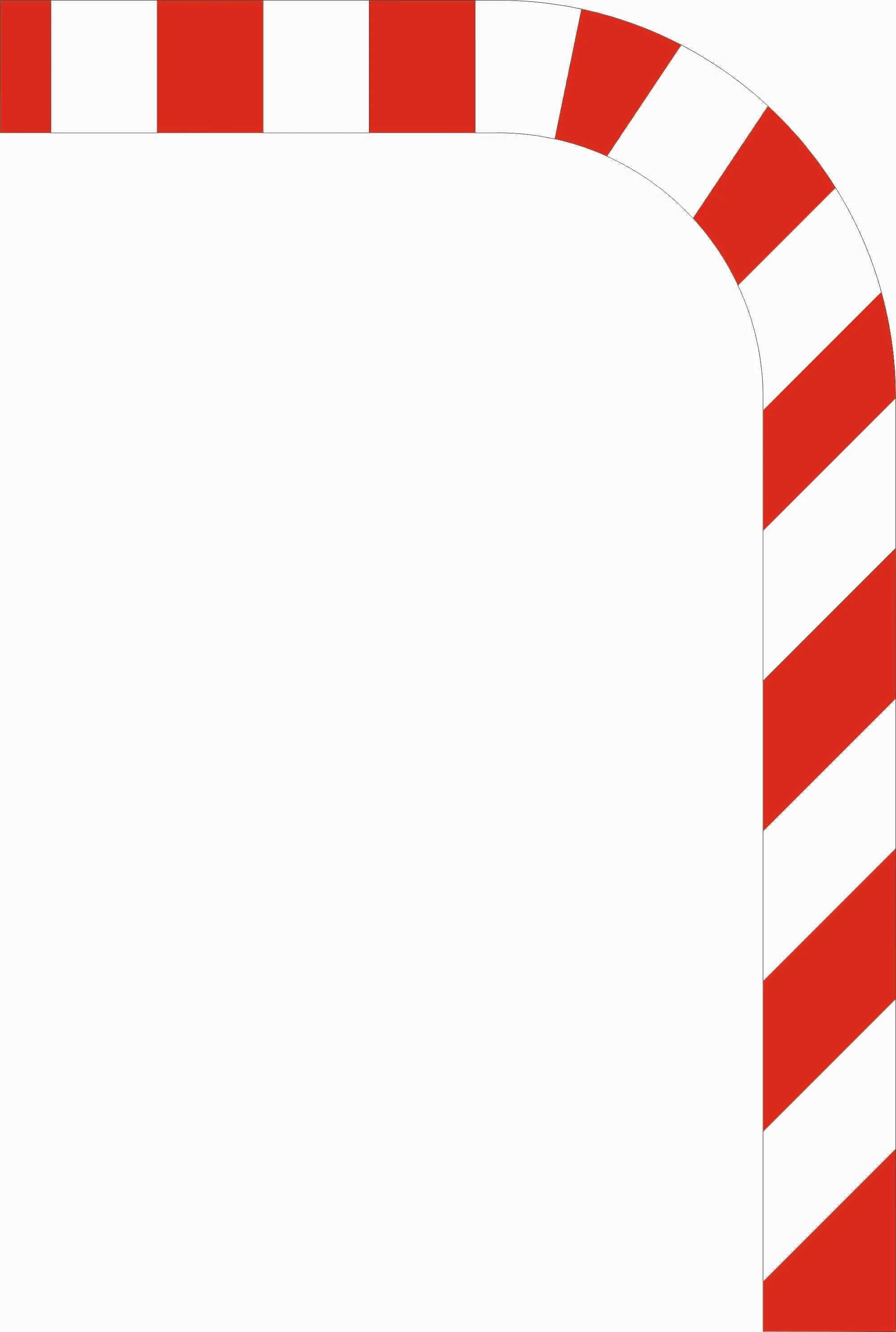
Sign 627-50: Guide Marker - Gebogen (Bent Guide Marker) Directs Your Path
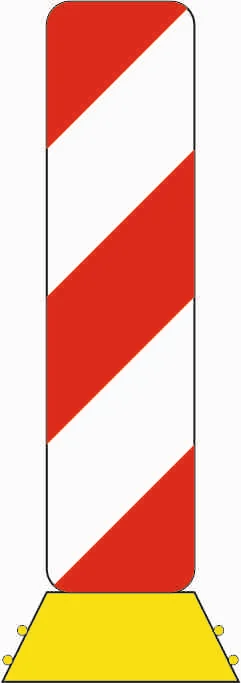
Understand the Traffic Separator with Guiding Beacon (628-10) on the right.
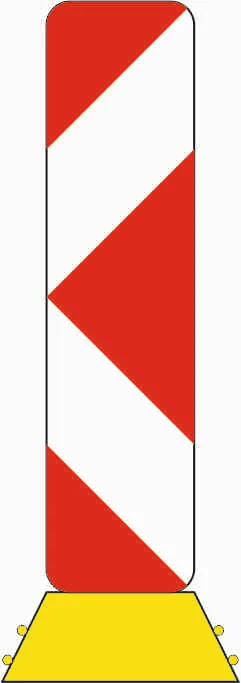
Understand the 'Traffic Separator with Guiding Beacon' sign (628-11) installed on the right.
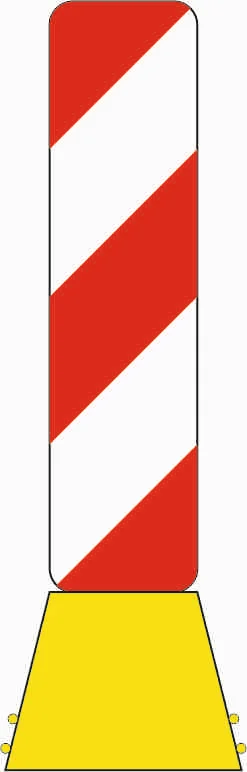
Understand the Lane Separator with Guiding Beacon (Right Side) Sign (629-10)
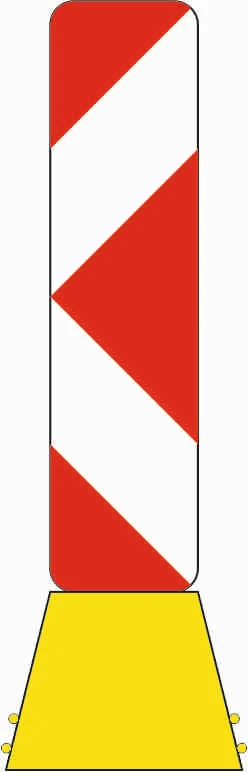
Understand the Lane Separator with Guiding Beacon Sign (629-11) on the Right
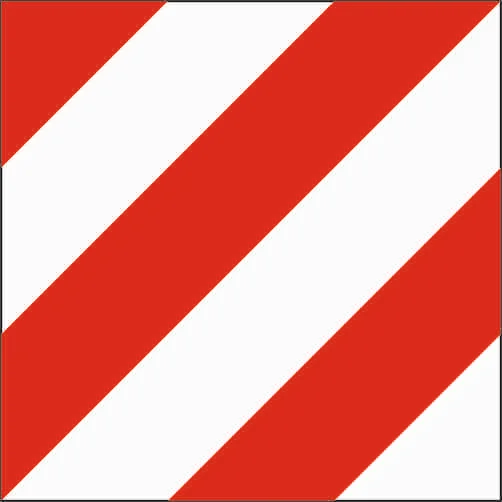
Sign 630 Parkwarntafel: Understand Parking Warnings and Traffic Channels
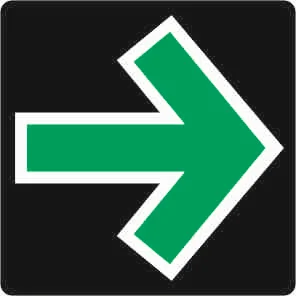
Understand the German "Green Arrow Plate" (Grünpfeilschild) Traffic Sign
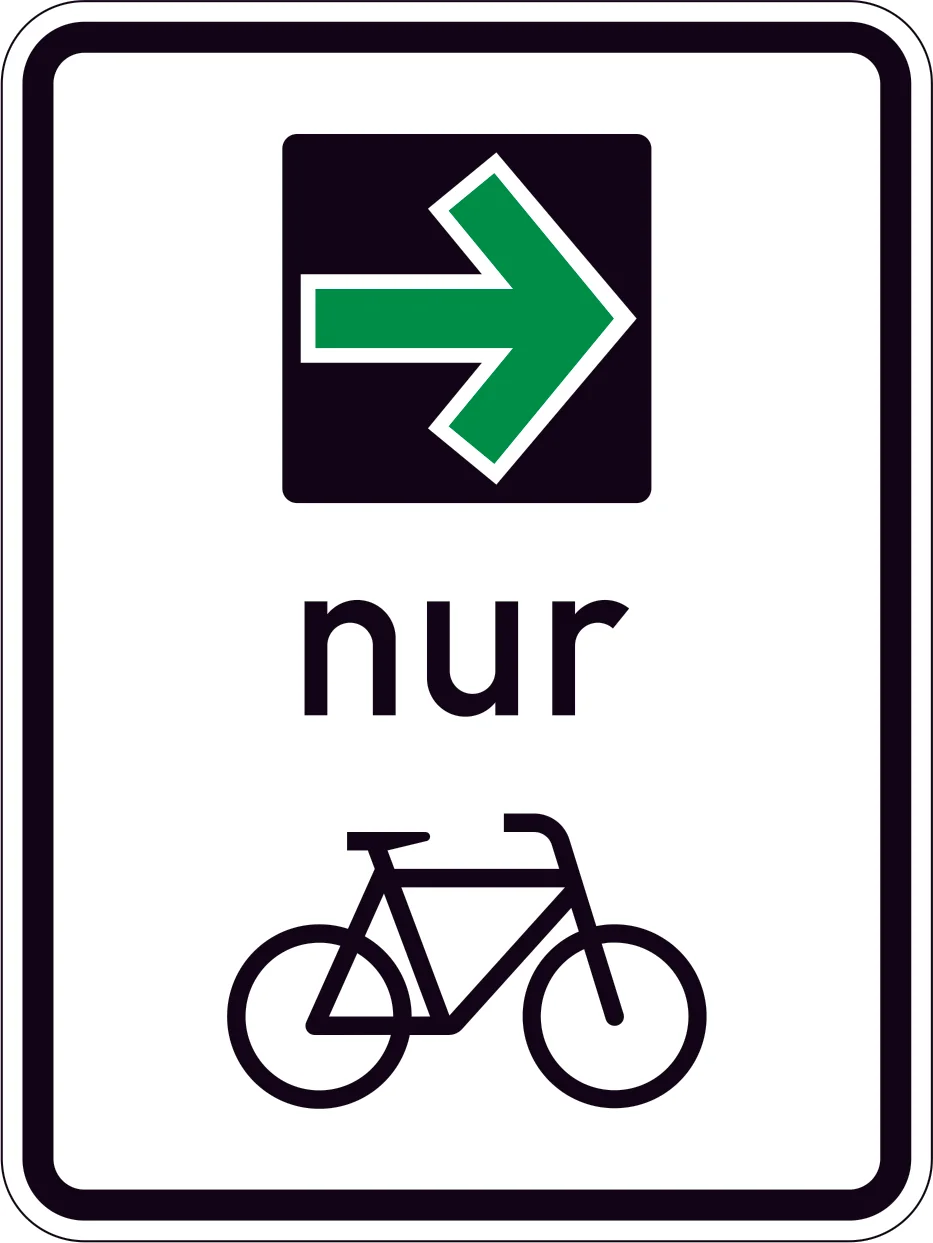
Sign 721: Green Arrow Plate for Cycle Traffic only
Clear answers to common questions about the German Traffic Facilities and Road Markings road sign category. Use this FAQ to review tricky rules, understand how these signs appear in exam scenarios, and remove confusion that often leads to mistakes in the German driving theory exam in Germany.
Sperrpfosten, which are barrier posts, are primarily used to physically mark off areas that are inaccessible or dangerous, or to guide traffic flow by indicating the edge of the carriageway. Leitpfosten, or delineators, serve a similar purpose by marking the boundary of the road, especially on curves or straight stretches, to help drivers maintain their lane, particularly in low-light conditions.
Guiding beacons, which can include directional arrows (Pfeilbake) or warning signs (Warnbake), are typically placed along the roadside to highlight upcoming changes in the road ahead, such as curves, obstructions, or lane closures. They are especially prevalent in temporary traffic management situations like roadworks. The arrows will indicate the direction traffic should follow.
Traffic cones are usually smaller, more temporary markers used to delineate lanes or hazards. Mobile barriers are larger, more substantial devices designed to provide a more robust physical separation between traffic lanes, or to block off entire areas. Some mobile barriers can also be equipped with flashing lights or arrows to enhance visibility and direct traffic.
Green arrow plates, including those specifically for cycle traffic, provide additional information about traffic signal control. A green arrow plate indicates that you may proceed in the direction of the arrow, even if the main traffic light is red, provided you give way to any oncoming traffic or pedestrians that have a green signal. It's crucial to always yield to others when turning under a green arrow.
Yes, official road markings are just as important as traffic signs. They provide crucial information about lane discipline, speed limits, mandatory directions, and pedestrian crossings. They work in conjunction with traffic signs to guide and regulate traffic safely. Ignoring road markings can lead to accidents, especially when they clarify or supplement information from signs, such as indicating the edge of the carriageway or the path through roadworks.
Explore specific road sign categories in detail for your German driving theory test. Dive into individual sign meanings, contexts, and practical applications within their groups. This ensures thorough preparation and builds confidence for the official exam.
Explore German Road Sign Groups