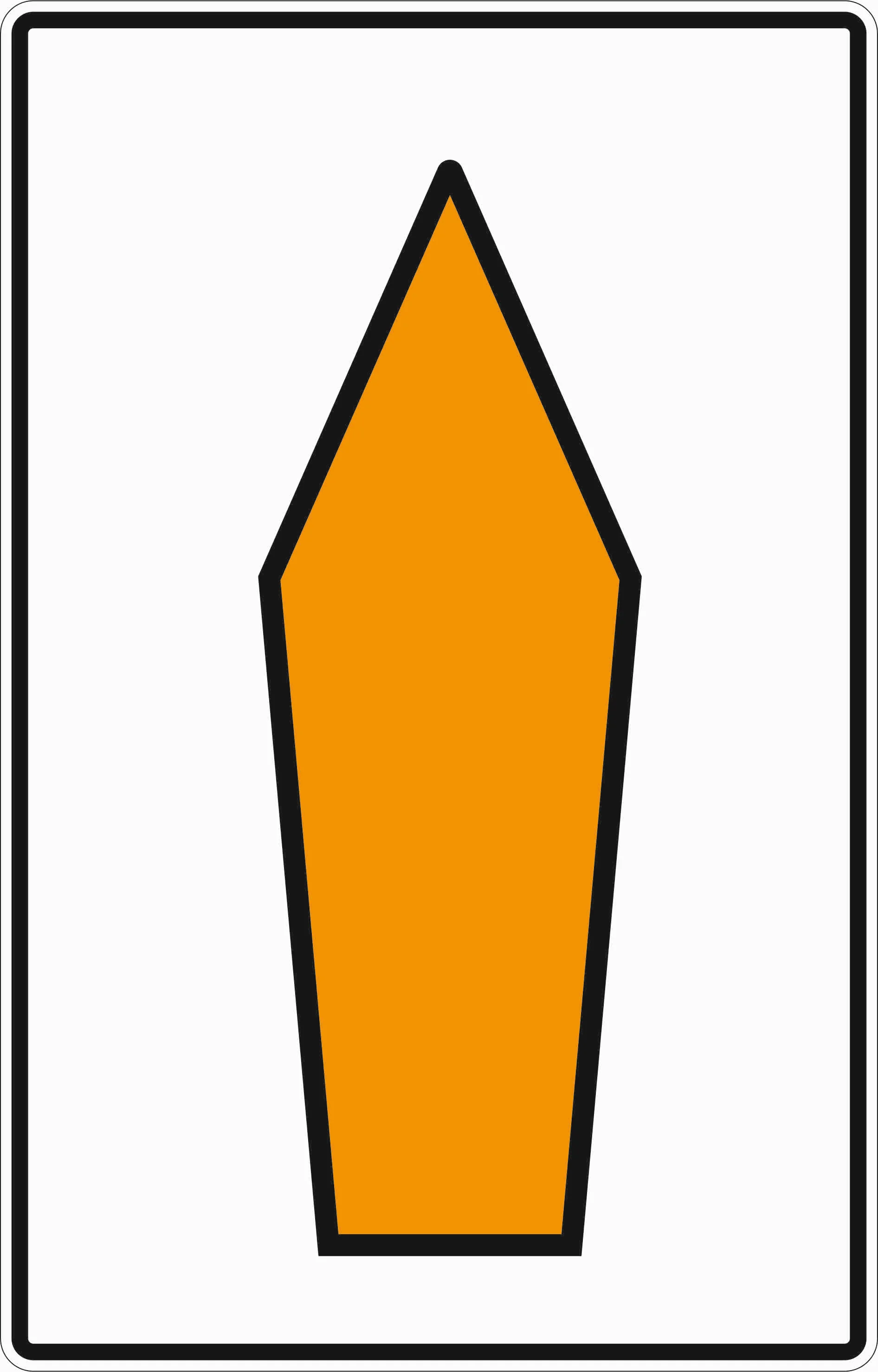
German road sign 467.1-30, the 'Umlenkungspfeil (Streckenempfehlung) - geradeaus', is an information sign designed to help you plan your route. It indicates that the recommended route or a specific destination continues straight ahead. You should use this sign to anticipate changes in lane position, speed, or priority early, and integrate its guidance with any road markings, supplementary plates, or traffic signals present.
Hide the name and meaning, look at the sign and check whether you know what it means.
This guide sign provides essential route planning information, indicating a recommended path straight ahead for diversions or specific destinations. Mastering the interpretation of such signs is crucial for navigating German roads efficiently and safely, and is a common topic in theory test revision.
German road sign 467.1-30, officially designated "Umlenkungspfeil (Streckenempfehlung) - geradeaus", belongs to the guide and information signs group. It helps the driver plan route choice, lane position, stopping decisions, or expectations about the road environment ahead. You may see it in route guidance, priority-road sections, motorway services, parking facilities, tourist destinations, diversions, and local information points, depending on how the road authority has arranged the location. The practical meaning is not just the symbol itself, but the driving decision it triggers: adjust speed, position, priority, route choice, stopping behaviour, or attention before the situation becomes urgent. For learners, the key skill is using the information early while still obeying mandatory signs and markings. Always combine the sign with road markings, traffic lights, police instructions, and any supplementary plates at the same location.
German road sign 467.1-30 means "Diversion arrow (Streckenempfehlung) - straight ahead" and is officially listed as "Umlenkungspfeil (Streckenempfehlung) - geradeaus". In practice, it tells drivers to recognise the situation early, adapt before reaching the controlled area, and check whether markings or supplementary plates change how the rule applies.
Get clear, practical answers to the most common questions about the 467.1-30 - Diversion arrow (Streckenempfehlung) - straight ahead road sign. Learn how the sign works, what rules it represents, and how it affects real driving situations. This FAQ strengthens your understanding and supports accurate decision making for the German driving theory exam in Germany.
Sign 467.1-30, officially 'Umlenkungspfeil (Streckenempfehlung) - geradeaus', is a diversion arrow indicating that the recommended route or a relevant facility continues straight ahead. It's an informational sign to help you plan your driving behaviour proactively.
When you see sign 467.1-30, you should use it to plan your route, lane choice, and speed adjustment in advance. Look for follow-up signs or markings that confirm the route ahead, and make gradual adjustments rather than sudden manoeuvres.
A common mistake is not recognising the sign early enough, leading to last-minute lane changes or braking. Learners might also incorrectly assume this sign overrides other mandatory signs like speed limits or priority rules; always obey those first.
No, sign 467.1-30 belongs to the group of guide and information signs. Its purpose is to inform and guide drivers about route choices, not to warn of immediate danger. You still need to be attentive to your surroundings and any actual warning signs you encounter.
Always combine the information from sign 467.1-30 with road markings, traffic lights, police instructions, and any supplementary plates. These elements will refine the sign's meaning and dictate your exact actions. For example, a supplementary plate might specify a speed limit for the diversion.
A clear reference image of the 467.1-30 - Diversion arrow (Streckenempfehlung) - straight ahead road sign used in Germany.
The 467.1-30 - Diversion arrow (Streckenempfehlung) - straight ahead road sign may also be known by these alternative names or terms.
The 467.1-30 - Diversion arrow (Streckenempfehlung) - straight ahead road sign is part of the German Guide and Information Signs category, which groups together signs with similar rules and functions.
Comparing similar road signs, like this diversion arrow, sharpens your recognition skills and reduces mistakes on the theory test. Studying traffic sign comparisons helps you memorise essential meanings, ensuring better preparation for the official German driving licence exam.
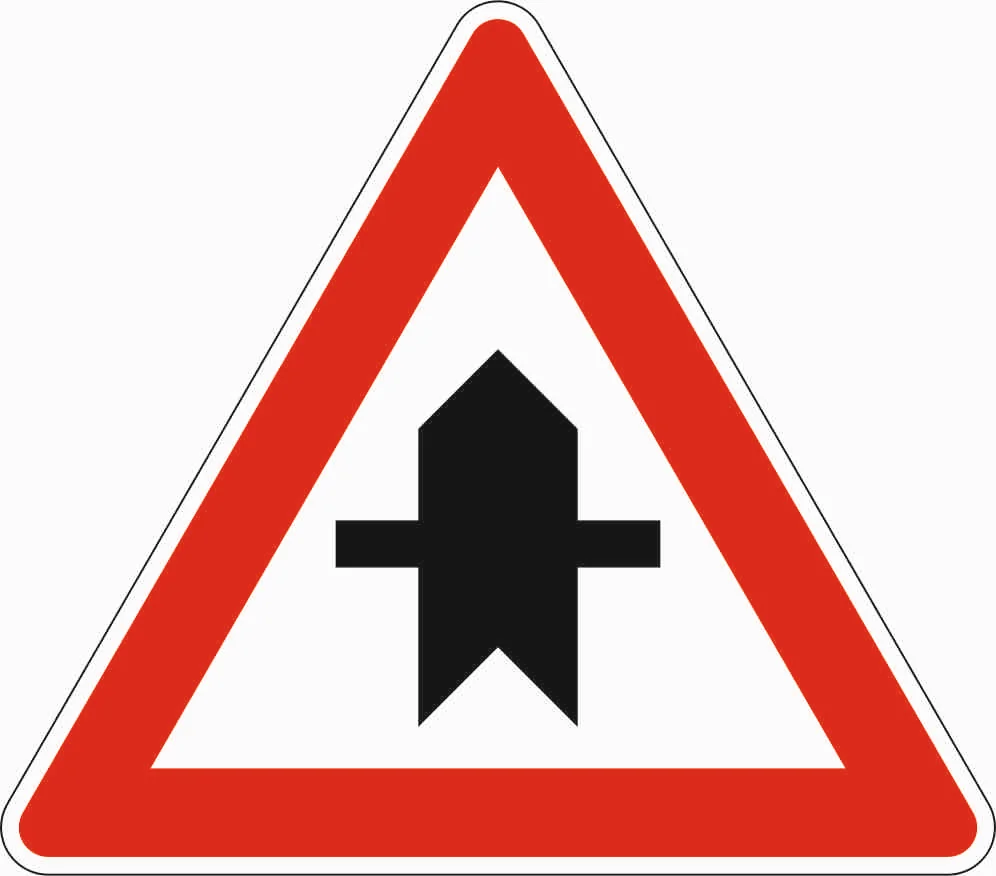
Understand German Sign 301: The Priority Road Sign
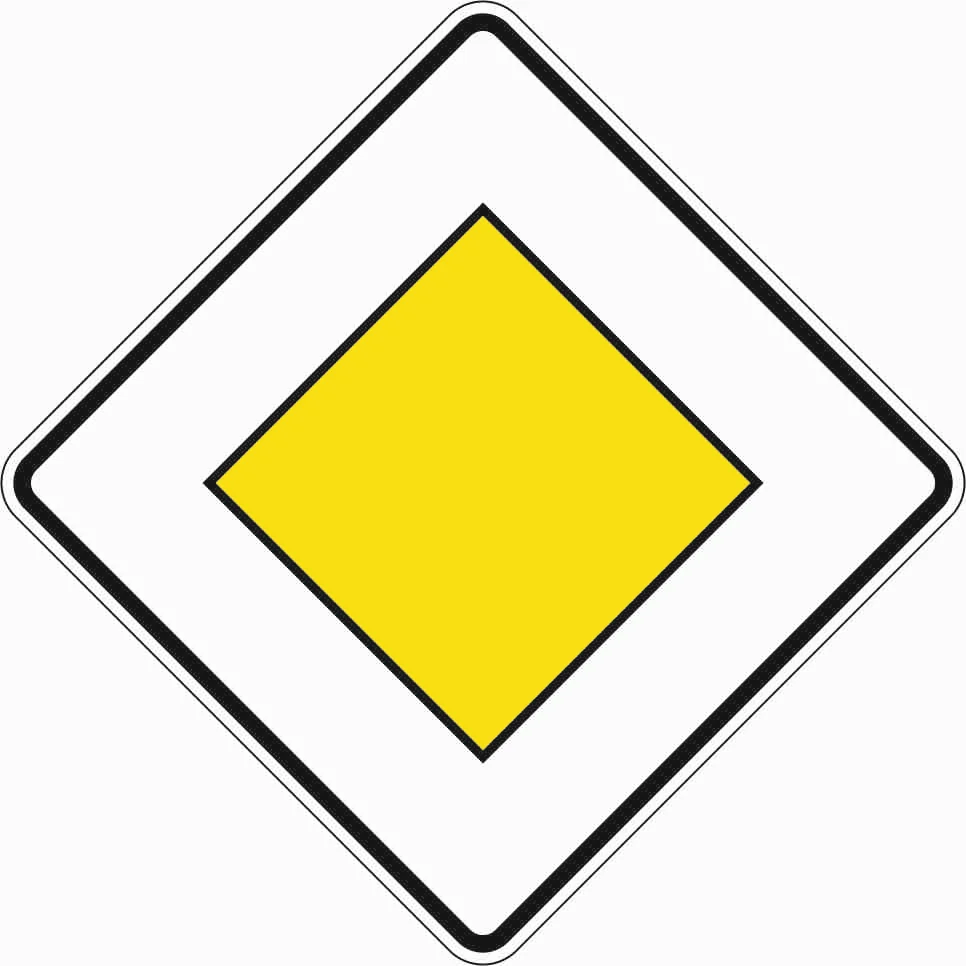
Sign 306: Understand Germany's 'Priority Road' Traffic Sign
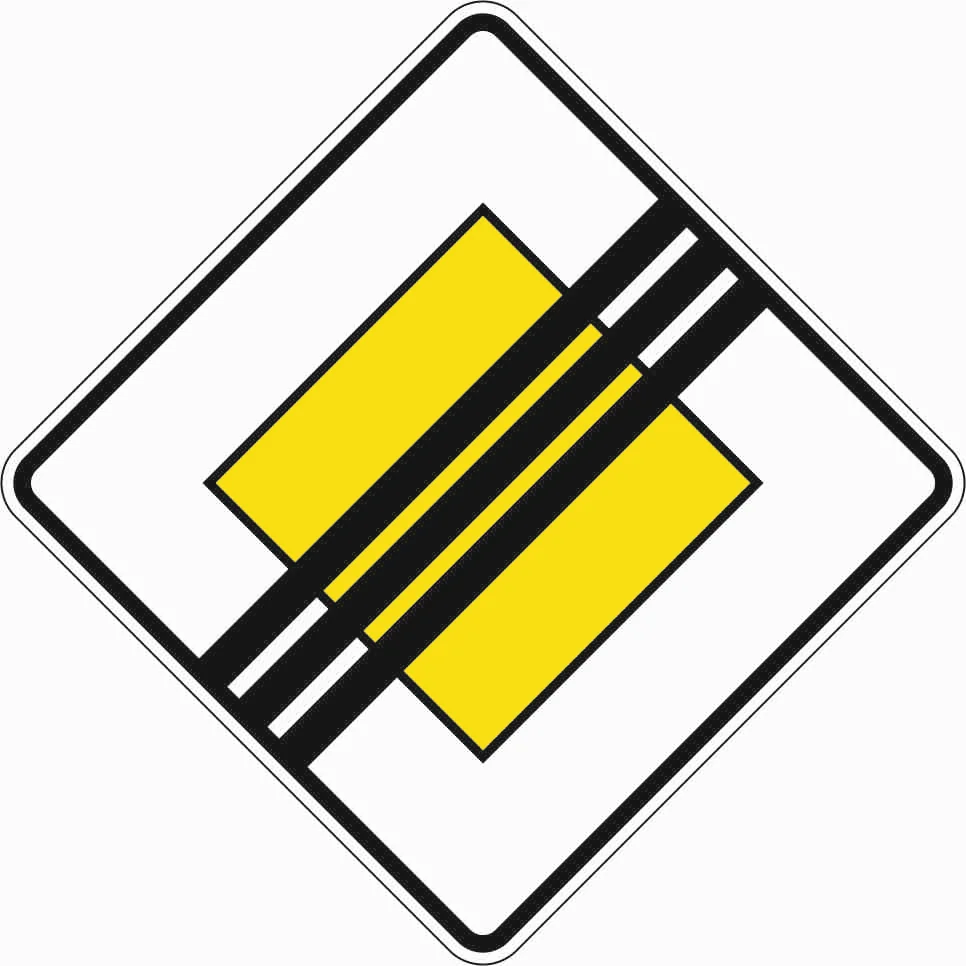
German Sign 307: You're Leaving the Priority Road
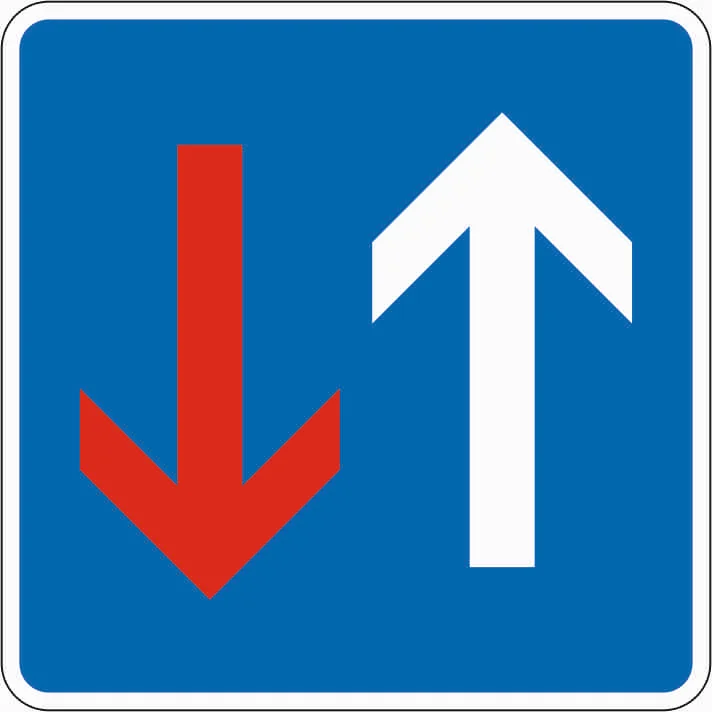
Sign 308: You Have Priority Over Oncoming Traffic
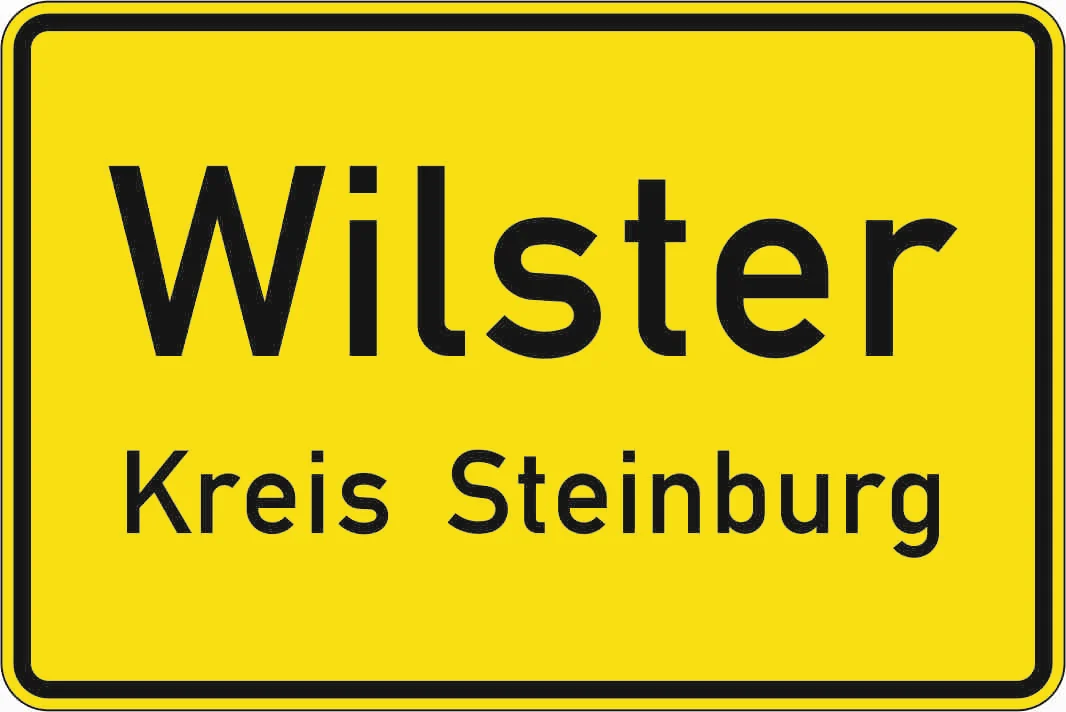
German Sign 310: Recognizing Place Names Ahead
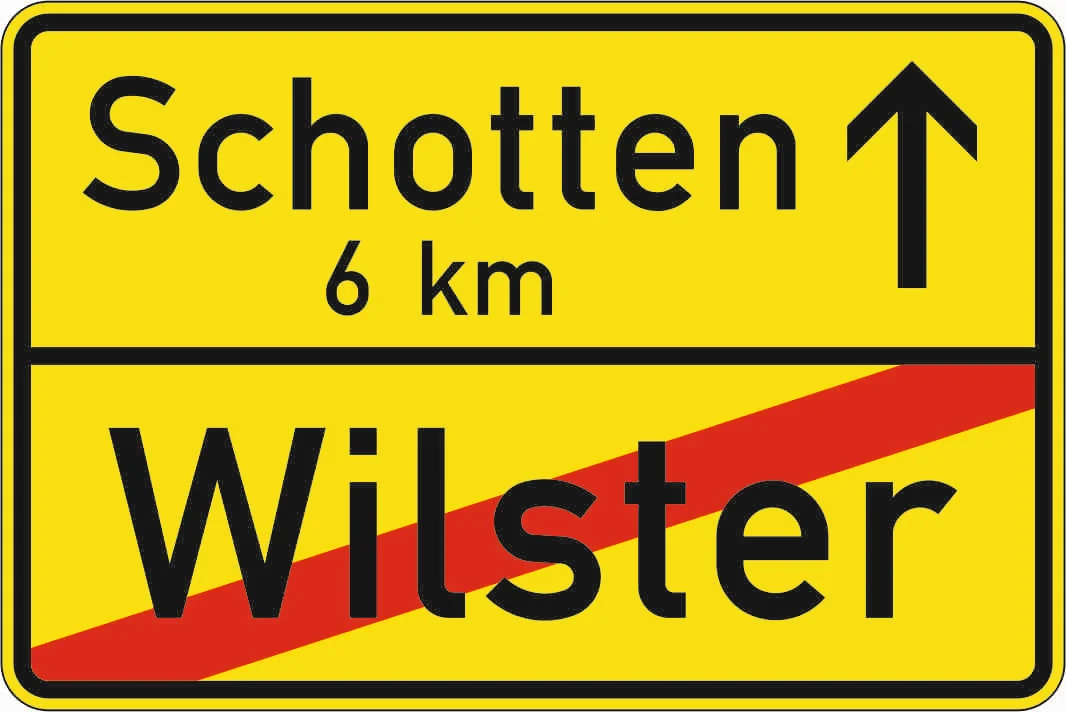
Sign 311 (Ortstafel Rückseite) - Understanding Place-Name Sign Backsides
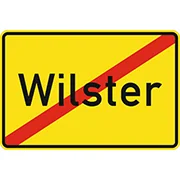
German Sign 311.1: Understand the Back of a Place-Name Sign without a Destination
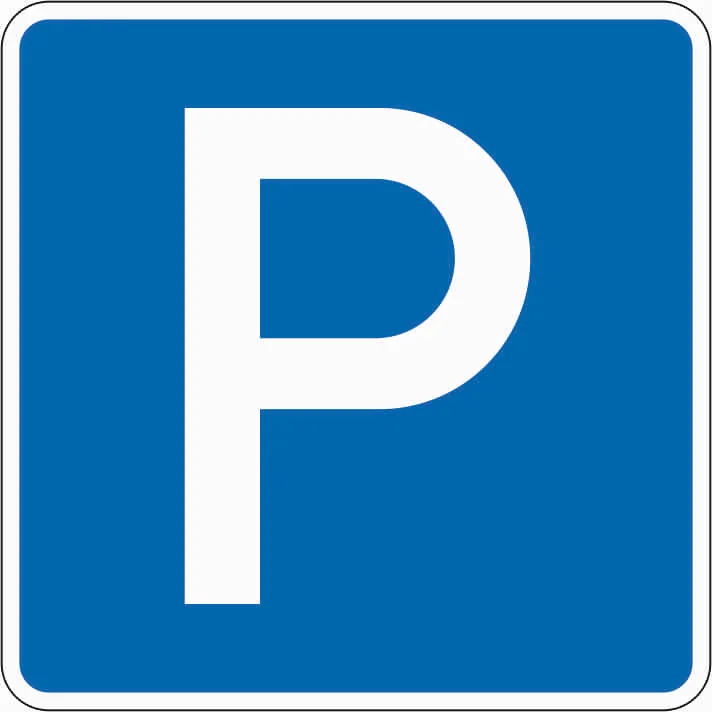
Sign 314 'Parken' Provides Information About Parking Facilities and Rules
Deepen your understanding of these specific road markings by exploring related traffic rules and situational hazard perception exercises. Applying the official StVO regulations ensures you recognize critical signage accurately during your theory test.
Stay Safe and Legal: Navigate German Roads with Confidence in Any Weather.
Your Responsibility: Plan Ahead and Drive Fit for German Roads
Germany's ambitious 'Verkehrswende' (transport transition) is reshaping how we move. This article details the key changes drivers can expect, from increased electric vehicle adoption and public transport expansion to new urban road layouts and parking rules. Staying informed about these developments is vital for compliant and safe driving, especially as cities adapt to a more sustainable transport landscape.
Driving in Germany on Sundays and public holidays means encountering fewer large trucks due to the "Sonn- und Feiertagsfahrverbot" for vehicles over 7.5 tonnes, as stipulated by StVO § 30. This article clarifies the ban's duration and impact, demonstrating how it benefits car drivers by easing congestion and improving overtaking conditions on major routes. Familiarizing yourself with these traffic patterns is essential for navigating German roads efficiently and successfully preparing for your driving theory test.
German road sign 467.1-10, officially designated "Umlenkungspfeil (Streckenempfehlung) - linksweisend", belongs to the guide and information signs group. It helps the driver plan route choice, lane position, stopping decisions, or expectations about the road environment ahead. You may see it in route guidance, priority-road sections, motorway services, parking facilities, tourist destinations, diversions, and local information points, depending on how the road authority has arranged the location. Any left reference should be read as part of the direction, road side, lane arrangement, or placement shown by the sign. The practical meaning is not just the symbol itself, but the driving decision it triggers: adjust speed, position, priority, route choice, stopping behaviour, or attention before the situation becomes urgent. For learners, the key skill is using the information early while still obeying mandatory signs and markings. Always combine the sign with road markings, traffic lights, police instructions, and any supplementary plates at the same location.
German road sign 386.1-30, officially designated "Touristischer Hinweis als Wegweiser - Vor-/ Wegweiser geradeaus", belongs to the guide and information signs group. It helps the driver plan route choice, lane position, stopping decisions, or expectations about the road environment ahead. You may see it in route guidance, priority-road sections, motorway services, parking facilities, tourist destinations, diversions, and local information points, depending on how the road authority has arranged the location. The practical meaning is not just the symbol itself, but the driving decision it triggers: adjust speed, position, priority, route choice, stopping behaviour, or attention before the situation becomes urgent. For learners, the key skill is using the information early while still obeying mandatory signs and markings. Always combine the sign with road markings, traffic lights, police instructions, and any supplementary plates at the same location.
Deepen your understanding of specific road sign categories or test your knowledge with practice questions. Explore our themed sign groups for targeted study or jump into quizzes to reinforce your recognition skills for the official German theory exam.
All German Road Signs List