
German road sign 316, officially 'Parken und Reisen', is an important information sign designed to help you navigate and make early decisions. It indicates services or routes related to parking and travel, prompting you to adjust your speed, lane position, or route choice well in advance. As part of Germany's guide and information signs, it supports orientation without imposing a direct prohibition, but always remember to combine its guidance with other traffic controls like markings and mandatory signs.
Decode the 'Parken Reisen' sign (316) to understand its role in route guidance and information within Germany, crucial for your theory test revision. This explanation helps you recognise its context and make informed driving decisions based on official traffic sign explanations.
German road sign 316, officially designated "Parken und Reisen", belongs to the guide and information signs group. It provides official information that supports orientation and safer decisions without usually creating a prohibition by itself. You may see it in route guidance, priority-road sections, motorway services, parking facilities, tourist destinations, diversions, and local information points, depending on how the road authority has arranged the location. The practical meaning is not just the symbol itself, but the driving decision it triggers: adjust speed, position, priority, route choice, stopping behaviour, or attention before the situation becomes urgent. For learners, the key skill is using the information early while still obeying mandatory signs and markings. Always combine the sign with road markings, traffic lights, police instructions, and any supplementary plates at the same location.
German road sign 316 means "Parken Reisen" and is officially listed as "Parken und Reisen". In practice, it tells drivers to recognise the situation early, adapt before reaching the controlled area, and check whether markings or supplementary plates change how the rule applies.
Get clear, practical answers to the most common questions about the 316 - Parken Reisen road sign. Learn how the sign works, what rules it represents, and how it affects real driving situations. This FAQ strengthens your understanding and supports accurate decision making for the German driving theory exam in Germany.
The 'Parken und Reisen' sign (316) serves as an information sign to help drivers plan their journey. It alerts you to upcoming parking facilities, services, or route guidance related to travel, encouraging you to prepare and make decisions early, such as selecting the correct lane or adjusting your speed.
No, sign 316 'Parken und Reisen' does not command you to stop or park. It's an informational sign that suggests options or upcoming situations. You should only stop or park if other signs, road markings, or traffic rules explicitly permit it in that specific location.
If you intend to use the service or follow the route indicated by sign 316, start planning your move early. Gradually move into the appropriate lane, check for any supplementary signs that might provide more detail (like payment or time restrictions), and always maintain awareness of other traffic.
A common trap with informational signs like 316 is assuming they grant permission to ignore other rules. Learners might wrongly believe the sign overrides a 'no parking' rule or a priority sign. Always remember that information signs guide you, but mandatory signs and road rules must still be obeyed.
Absolutely. Sign 316 is frequently used alongside supplementary plates that provide specific details about parking (e.g., cost, time limits, permit requirements) or route guidance (e.g., arrows indicating direction). You must always consider these additions, as well as lane markings and traffic lights, for a complete understanding.
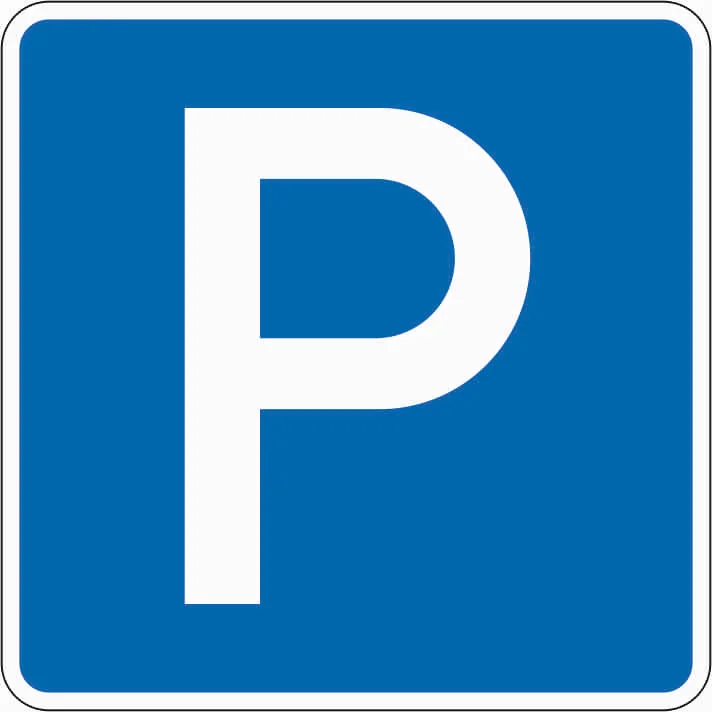
A clear reference image of the 316 - Parken Reisen road sign used in Germany.
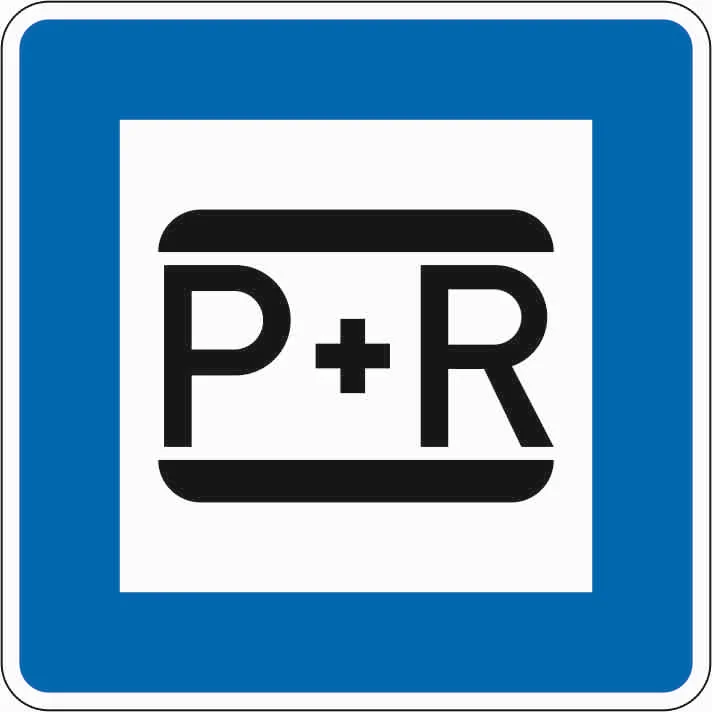
The 316 - Parken Reisen road sign may also be known by these alternative names or terms.
The 316 - Parken Reisen road sign is part of the German Guide and Information Signs category, which groups together signs with similar rules and functions.
Comparing related German road signs aids in distinguishing subtle differences crucial for correct responses during your theory test. This focused review reinforces sign recognition and reduces errors in complex traffic situations.
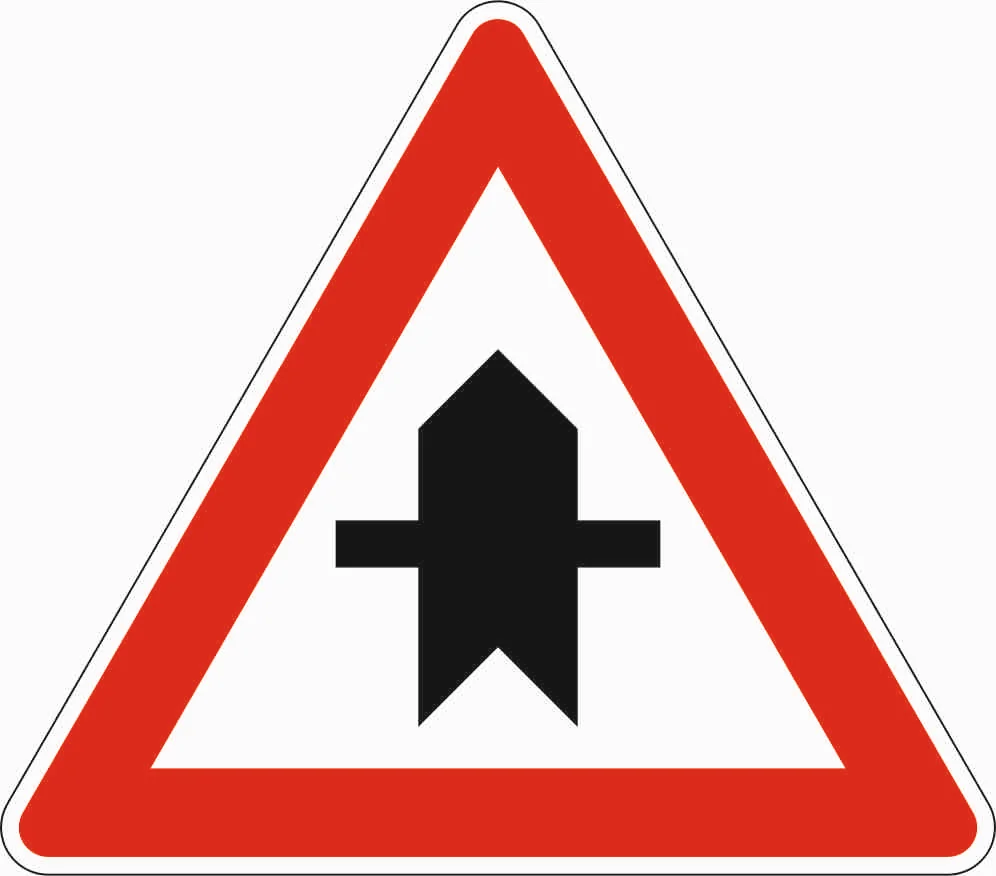
Understand German Sign 301: The Priority Road Sign
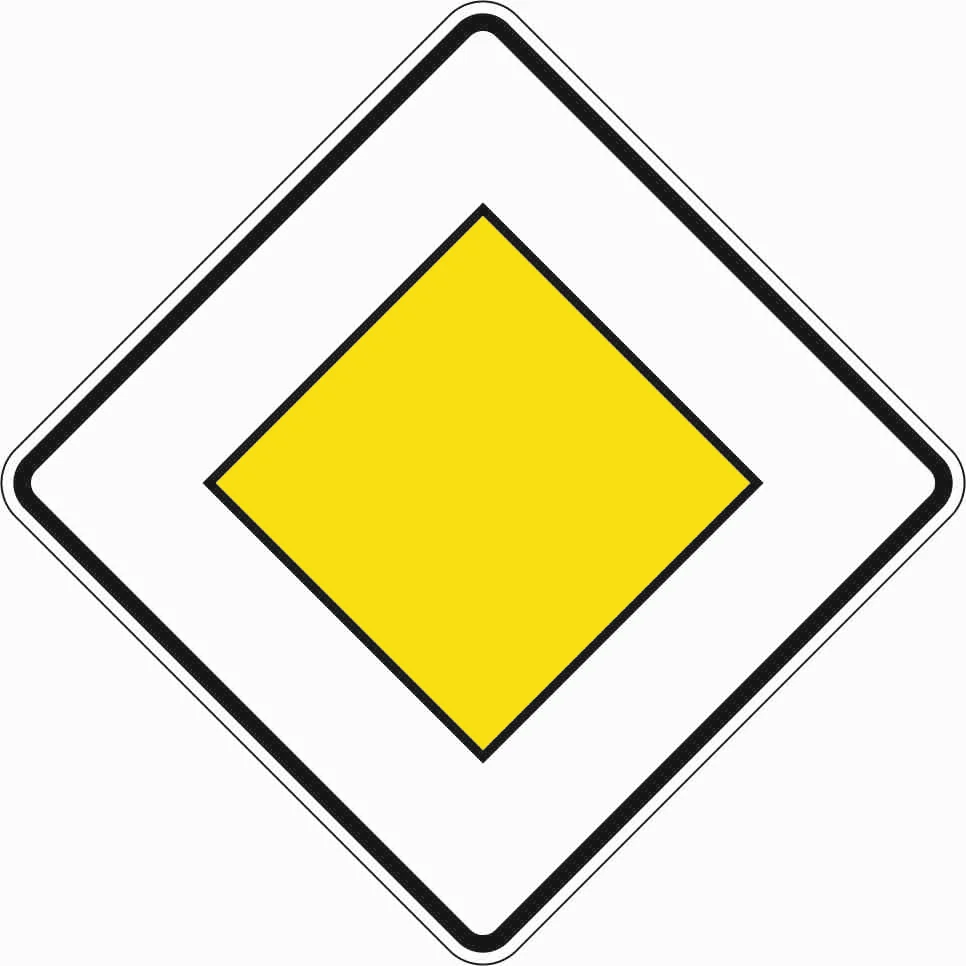
Sign 306: Understand Germany's 'Priority Road' Traffic Sign
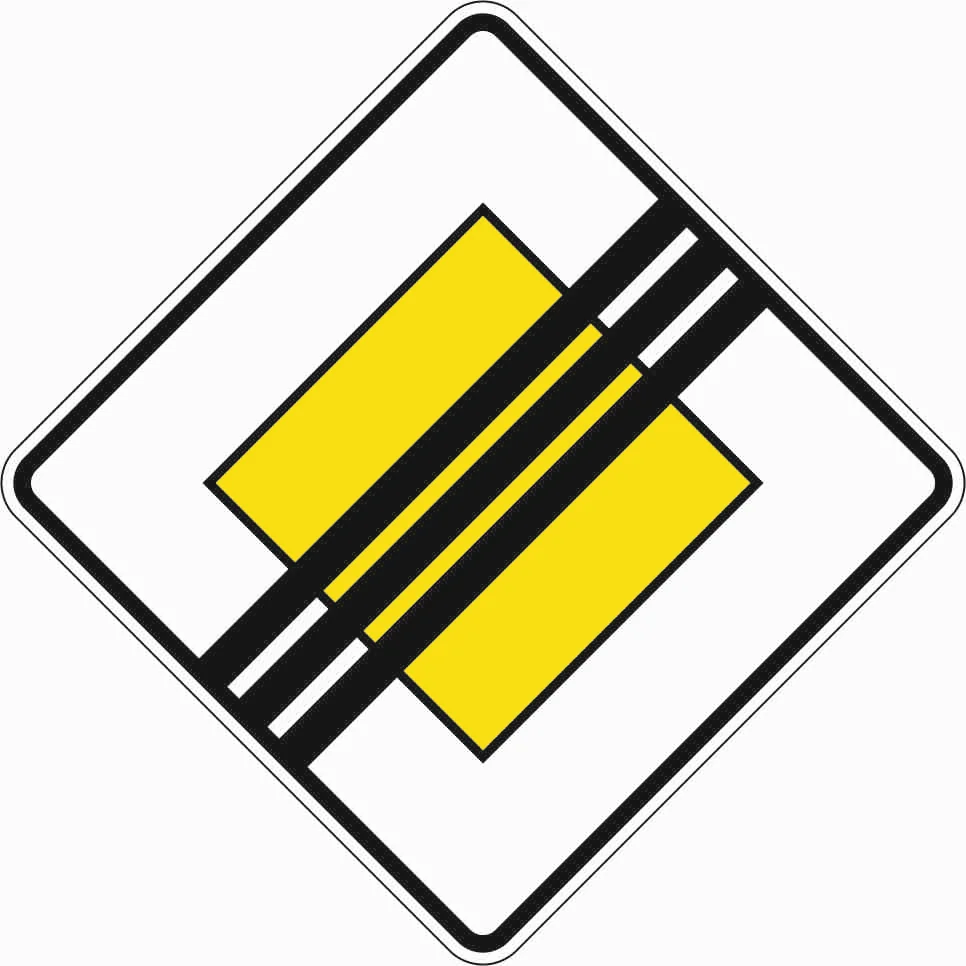
German Sign 307: You're Leaving the Priority Road
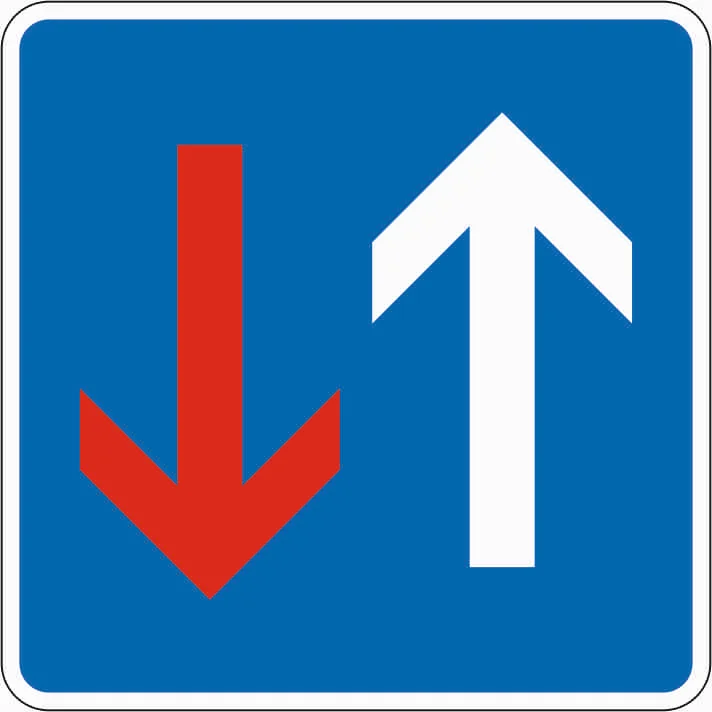
Sign 308: You Have Priority Over Oncoming Traffic
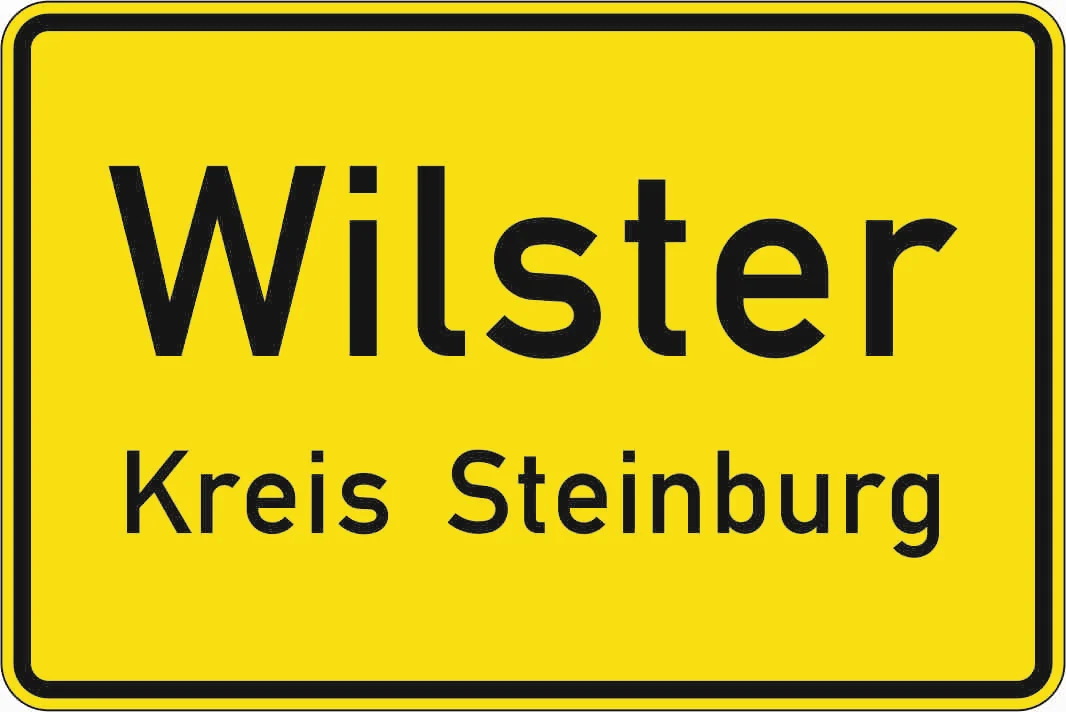
German Sign 310: Recognizing Place Names Ahead
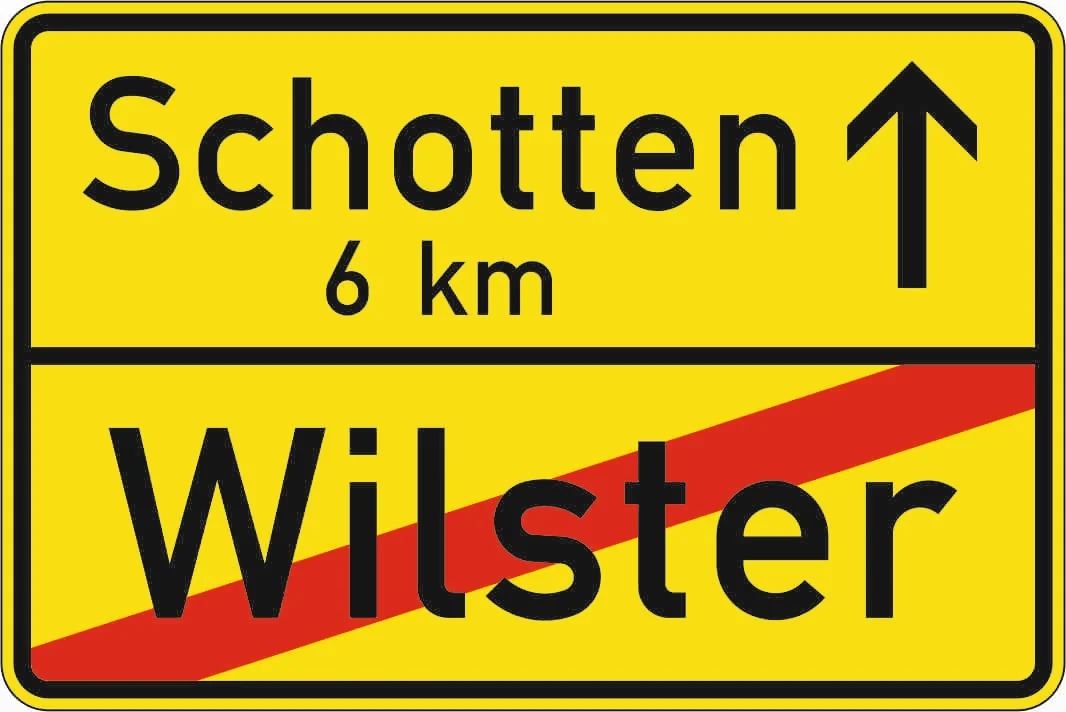
Sign 311 (Ortstafel Rückseite) - Understanding Place-Name Sign Backsides
German Sign 311.1: Understand the Back of a Place-Name Sign without a Destination
Sign 314 'Parken' Provides Information About Parking Facilities and Rules
Deepen your understanding of these specific road markings by exploring related traffic rules and situational hazard perception exercises. Applying the official StVO regulations ensures you recognize critical signage accurately during your theory test.
Master German Pedestrian Crossing Rules for a Safer Drive and Exam Success.
Learning to ride a moped at 15 is a major milestone for young drivers in Germany, but it comes with unique legal conditions. This guide explains the technical specifications for vehicles permitted under Class AM and details the critical territorial restrictions imposed on 15-year-old license holders. Mastering these regulations is essential for success in your theory exam and ensures you remain compliant with the Straßenverkehrs-Ordnung.
As electric mobility increases on German roads, car drivers must distinguish between standard pedelecs, which function like bicycles, and higher-powered S-pedelecs that share the road with cars. This article breaks down the legal classifications and operational realities, such as speed differentials and lane usage, to ensure you are prepared for both real-world driving and the theory test. Mastering these interactions is a key step in reducing accident risks and demonstrating hazard perception proficiency.
Master German Merging Rules for a Smooth and Safe Drive
German road sign 214-30, officially designated "Vorgeschriebene Fahrtrichtung - rechts oder links", belongs to the regulatory signs group. It assigns a required direction, lane, route, or traffic area and must be followed from the point where the sign applies. You may see it in junctions, restricted streets, cycle and pedestrian facilities, parking areas, low-emission zones, and roads with binding lane or speed rules, depending on how the road authority has arranged the location. Any left reference should be read as part of the direction, road side, lane arrangement, or placement shown by the sign. Any right reference should be read as part of the direction, road side, lane arrangement, or placement shown by the sign. The practical meaning is not just the symbol itself, but the driving decision it triggers: adjust speed, position, priority, route choice, stopping behaviour, or attention before the situation becomes urgent. For learners, the key skill is knowing whether the sign commands, forbids, limits, or cancels a rule. Always combine the sign with road markings, traffic lights, police instructions, and any supplementary plates at the same location.
German road sign 501-70, officially designated "Überleitungstafel - ohne Gegenverkehr - 2-streifig, davon linker Fahrstreifen nach links übergeleitet und rechter Fahrstreifen nach rechts verschwenkt", belongs to the traffic control boards group. It shows how lanes are arranged, shifted, narrowed, separated, or merged, usually before a roadworks or high-speed lane-change area. You may see it in motorways, multilane roads, temporary roadworks, lane closures, lane shifts, merge areas, and construction-stage traffic management, depending on how the road authority has arranged the location. Any left reference should be read as part of the direction, road side, lane arrangement, or placement shown by the sign. Any right reference should be read as part of the direction, road side, lane arrangement, or placement shown by the sign. The practical meaning is not just the symbol itself, but the driving decision it triggers: adjust speed, position, priority, route choice, stopping behaviour, or attention before the situation becomes urgent. For learners, the key skill is translating the arrows into early lane choice rather than reacting at the last moment. Always combine the sign with road markings, traffic lights, police instructions, and any supplementary plates at the same location.
Deepen your understanding of specific road sign categories or test your knowledge with practice questions. Explore our themed sign groups for targeted study or jump into quizzes to reinforce your recognition skills for the official German theory exam.
All German Road Signs List