
Navigate Germany's diverse cycle and pedestrian infrastructure with confidence. This practice set provides essential knowledge for motor vehicle drivers, covering specific rules for shared paths, compulsory cycleways, and 'Fahrradstraßen'. Prepare for the official German driving theory exam by understanding how to safely and legally interact with these areas, protecting vulnerable road users.
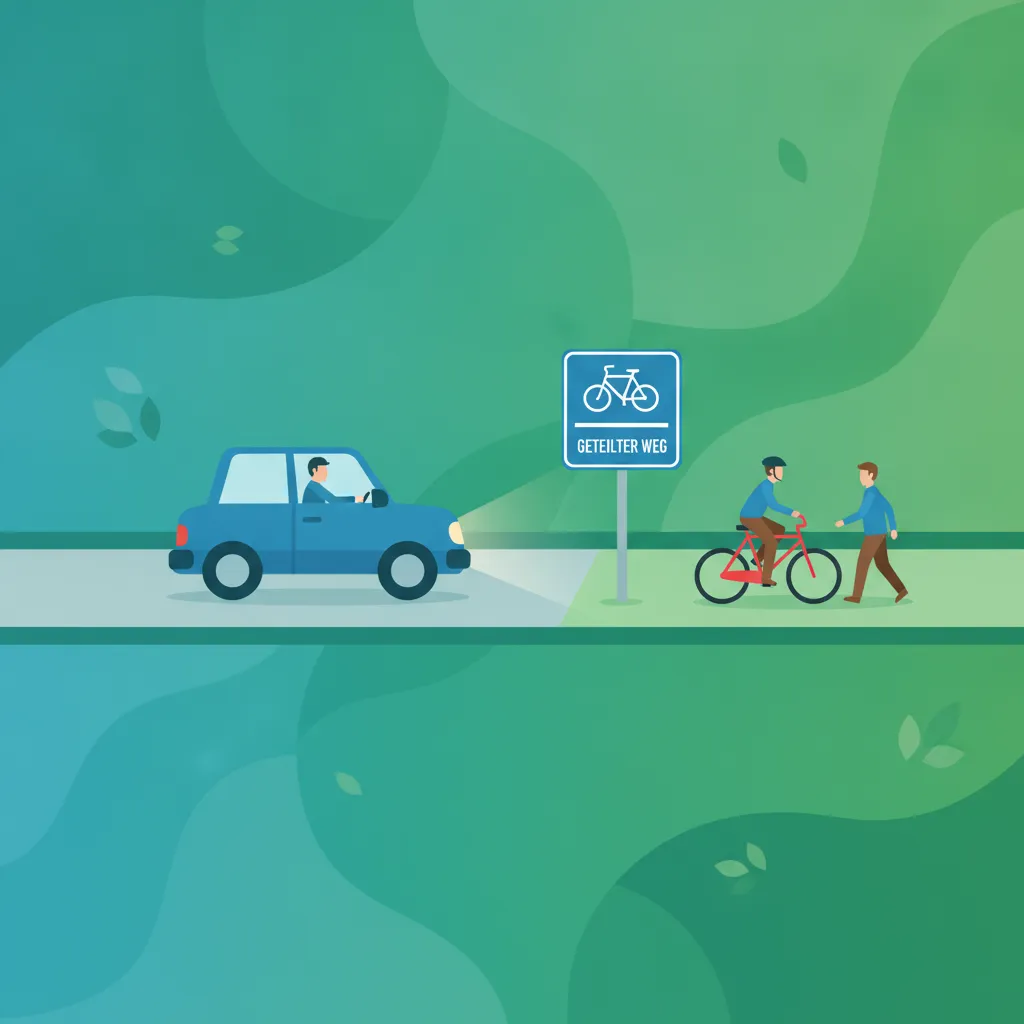
Revise critical German traffic rules for shared cycle and pedestrian paths. This practice set explains signs like the shared-use path and 'Fahrradstraße', ensuring you understand motor vehicle interactions. Ace your exam preparation with focused driving theory practice.
Understanding shared cycle and pedestrian paths is crucial for safe driving and passing the German theory exam. This set covers the legal implications of signs like the shared-use path, compulsory cycle path, separate path, and the special rules for 'Fahrradstraßen' (cycle streets), ensuring you know when and how motor vehicles can interact with these areas.
Preview sample questions from the Shared Paths for Drivers practice set to see how they help you prepare for the driving theory exam in Germany.
Learners choose Shared Paths for Drivers to improve accuracy and understanding of key exam themes in Germany. It offers realistic driving theory questions and targeted revision for effective preparation.
Find answers to the most common queries learners have when practising Shared Paths for Drivers, including how questions match the official theory exam in Germany, how scoring works, and how this practice improves exam readiness.
A 'Fahrradstraße' (cycle street) is primarily for cyclists. Motor vehicles are generally only permitted if explicitly allowed by an additional sign. Even then, they are guests, must not endanger or hinder cyclists, and a maximum speed of 30 km/h applies, often requiring even slower speeds. Cyclists may ride abreast here.
Generally, no. Shared pedestrian and cycle paths (blue round sign with pedestrian and cyclist figures separated by a horizontal line, Zeichen 240) are exclusively for pedestrians and cyclists. Motor vehicles are only permitted if an additional sign explicitly allows it, for example, for accessing properties ('Anlieger frei').
A compulsory cycle path is indicated by a blue round sign with a bicycle symbol (Zeichen 237) or a shared path (Zeichen 240 or 241). Cyclists *must* use these paths. Non-compulsory paths might be marked with a white bicycle symbol on the road or a sign with 'Radfahrer frei' (cyclists allowed), where cyclists have the choice to use the path or the road.
No, parking or even stopping (Halten) is generally forbidden on cycle paths, shared paths, or cycle protection strips (Schutzstreifen). These areas are designated for moving traffic of cyclists and pedestrians and must be kept clear to ensure their safety and unimpeded flow.
The 2021 StVO amendment strengthened protections for cyclists, including clearer definitions and rules for 'Fahrradstraßen' and minimum overtaking distances for motor vehicles. It emphasized the 'guest' status of motor vehicles in cycle-priority areas and reinforced the need for drivers to exercise increased caution and consideration towards cyclists and pedestrians.
By completing Shared Paths for Drivers, you will gain stronger rule knowledge, faster recognition of signs and situations, better decision making in traffic scenarios, and increased accuracy on exam style questions used in Germany. These outcomes directly support higher scoring exam performance.
Continue your revision with practice sets covering similar topics like pedestrian and cyclist interactions to reinforce your knowledge. This focused approach enhances your exam preparation and ensures comprehensive understanding of Germany's traffic laws.
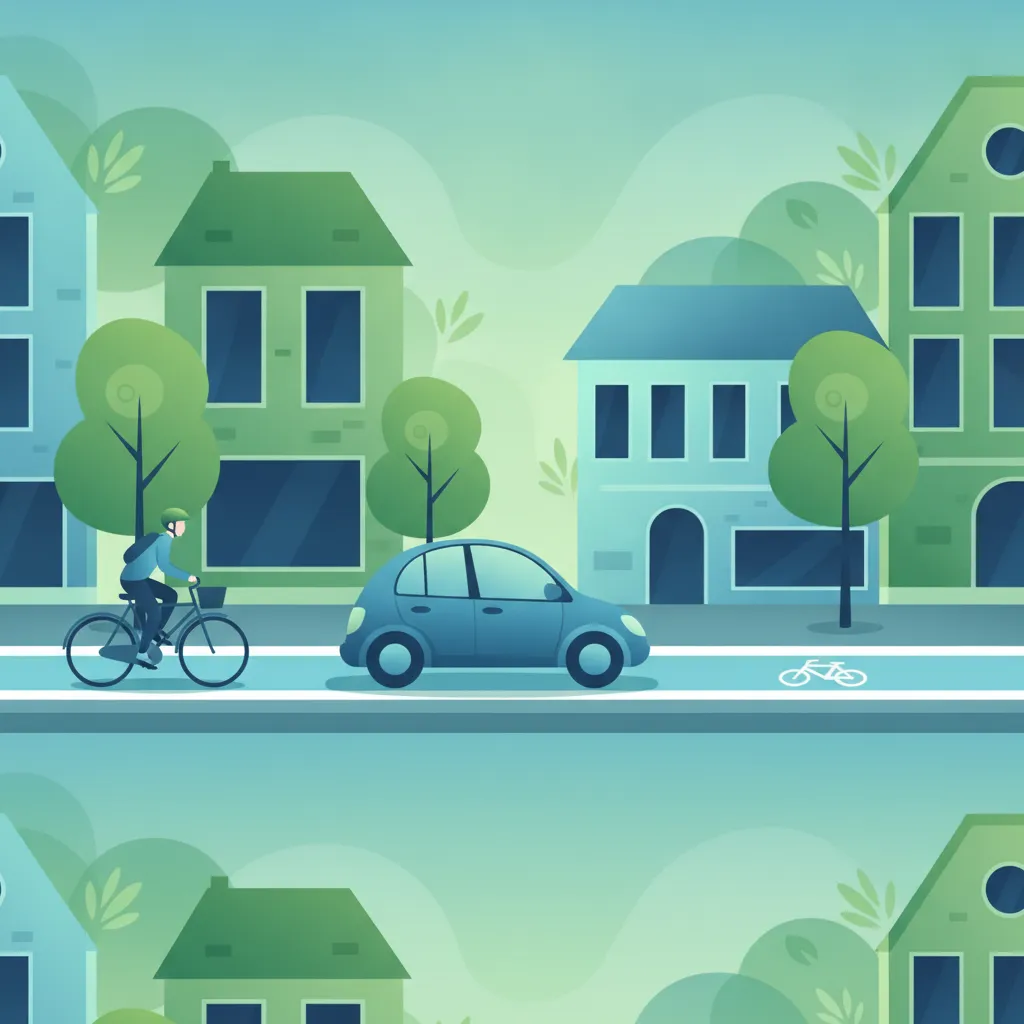
Master Essential Rules for Safe Interactions with Cyclists on German Roads.
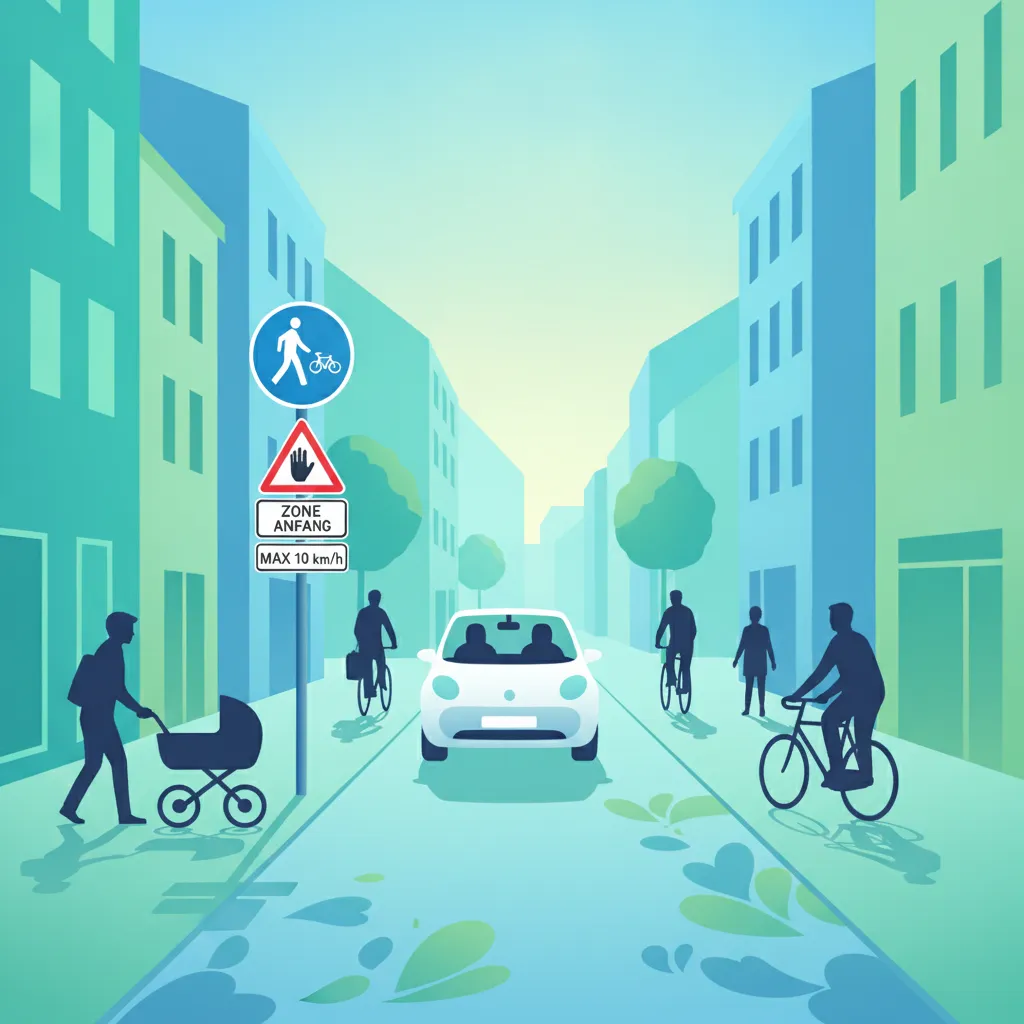
Understand shared spaces and protect pedestrians for your German driving theory exam.
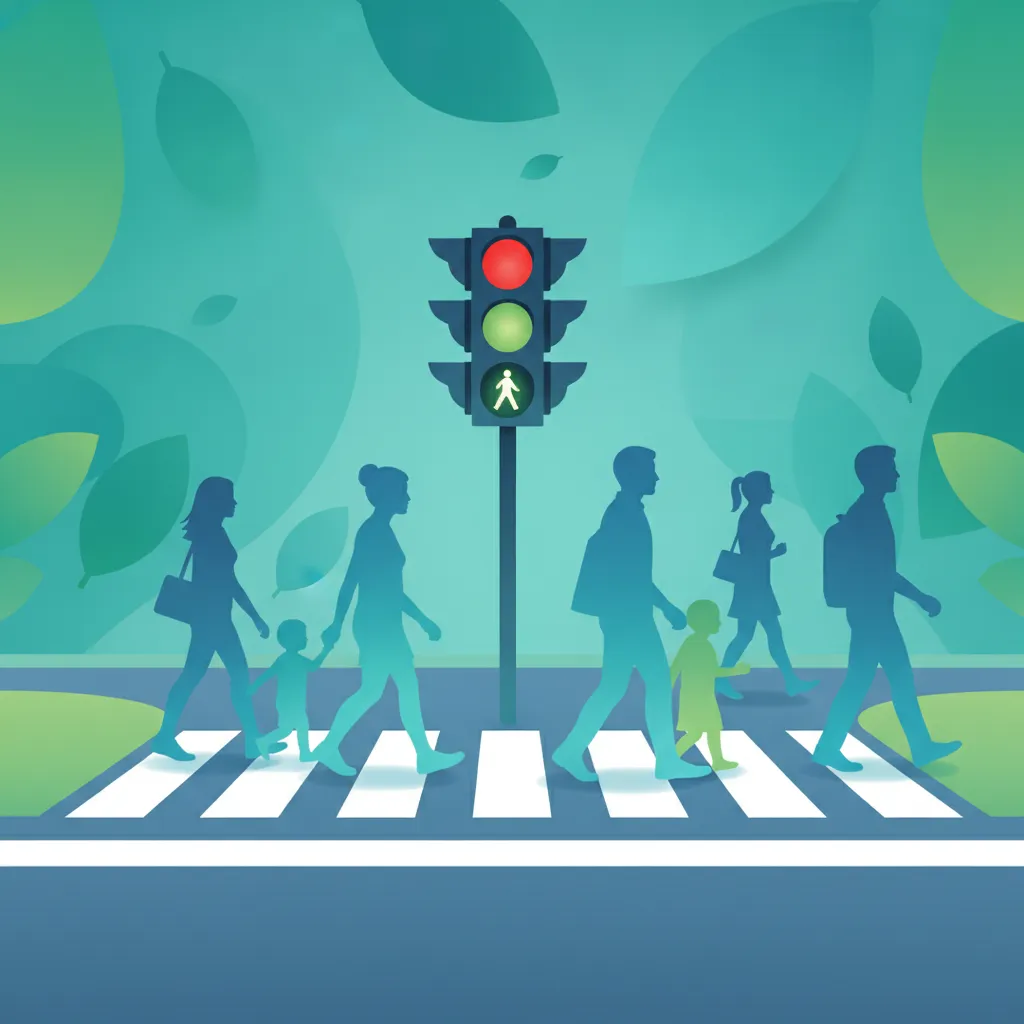
Navigate Signalised Pedestrian Crossings Safely and Confidently

Master German Rules for Tight Spots and Stationary Obstacles.
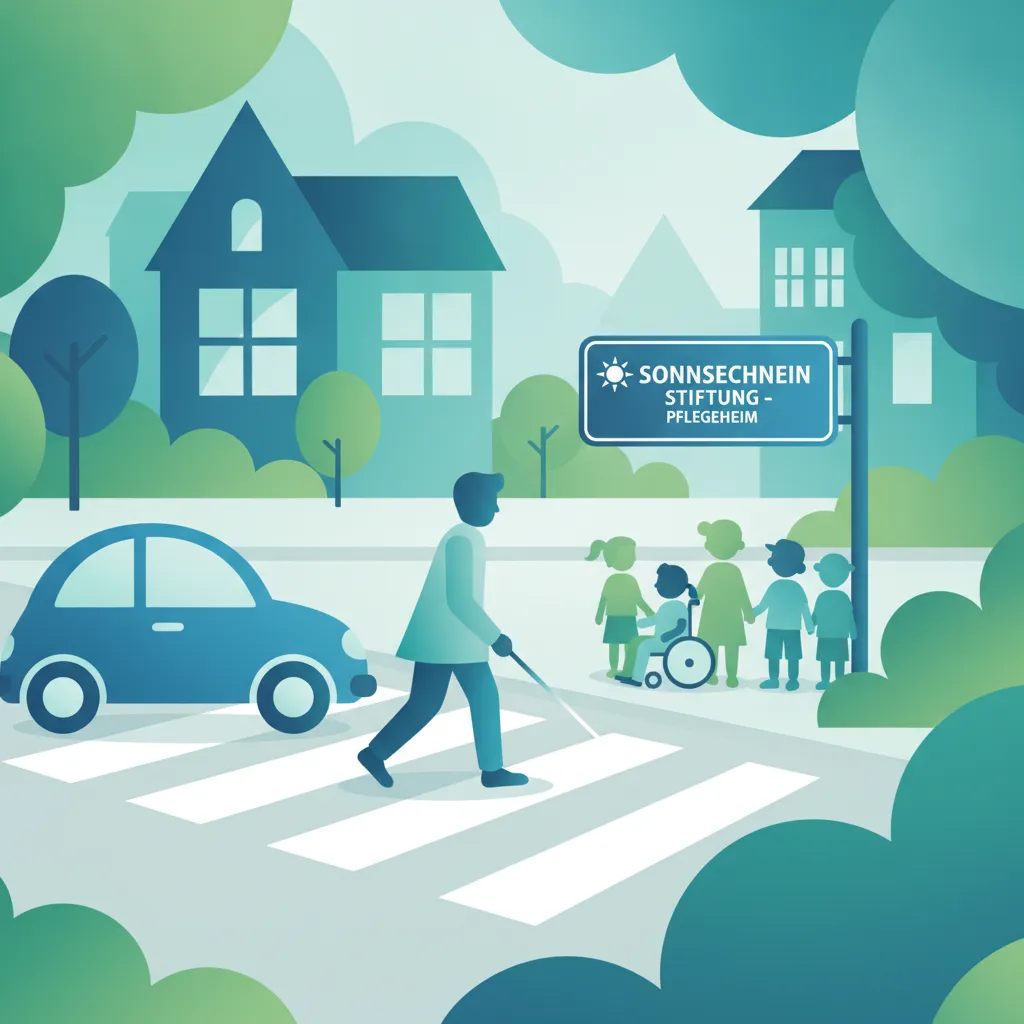
Master the rules for protecting Germany's most vulnerable road users.

Master German Pedestrian Crossing Rules for a Safer Drive and Exam Success.
Questions in Shared Paths for Drivers
Exam focused questionss
Shared Paths for Drivers offers quick, focused exam style practice to boost your German knowledge for the driving theory exam in Germany.
Shared Paths for Drivers helps learners in Germany with clear explanations and targeted German practice to improve essential driving theory topics.
This set is ideal for new drivers and those preparing for the German driving theory exam who find rules about shared spaces confusing. If you struggle with knowing when you can enter a cycle street or how to behave near a shared-use path, this practice will clarify your responsibilities and help you avoid common exam pitfalls and real-world dangers.
Explore more topics for the German driving theory exam in Germany.
Ready to refine your knowledge for the German driving license theory test? Explore our extensive range of practice categories now. Choose a topic that challenges you, or revisit areas you need to master, and begin your focused revision for complete exam confidence.
Browse Practice Categories