Understanding how to manage a collision scene is a critical skill for every driver and a frequent topic in the Irish Driver Theory Test. This guide explores the immediate, step-by-step responsibilities required by the Rules of the Road to ensure safety for yourself and other road users. Learn how to identify hazards, secure the environment, and follow official RSA protocols to handle emergency situations effectively.
Article content overview
Being involved in or witnessing a road collision in Ireland is an incredibly stressful experience, but knowing exactly how to react is a vital competency for every road user. The Irish Driver Theory Test places significant emphasis on your ability to handle emergency situations, not just through rote memorization, but by applying the core principles found in the Rules of the Road. Your primary responsibility at the scene of a crash is to maintain the safety of yourself and others while complying with legal requirements set by the Road Safety Authority (RSA).
When you are the first on the scene of an accident, or if you are involved in one, your priority is to prevent the situation from escalating. Many accidents are exacerbated because subsequent drivers fail to observe the scene early enough or proceed without caution. The moment you encounter a hazard, your first action must be to ensure you do not become a secondary victim.
It is a common error for learners to focus entirely on insurance details or fault, but the theory test expects you to prioritize hazard perception and scene management above all else. Never move an injured person unless there is an immediate threat to their life, such as a fire or the risk of an explosion, as moving someone incorrectly can cause further injury.
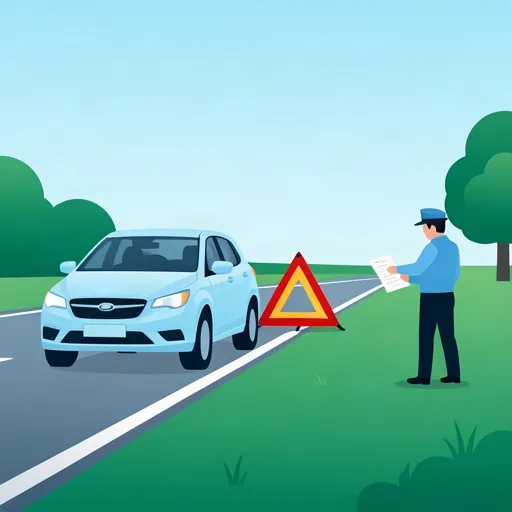
The RSA emphasizes that you must act as a responsible road user by protecting the scene until professional help arrives. If the collision occurs on a motorway, the dangers are heightened significantly due to high speeds and the lack of a hard shoulder in some areas. Use your warning triangle, if available and safe to do so, by placing it at least 50 meters behind the incident on normal roads, or further if visibility is poor or you are on a motorway.
Never attempt to manage a collision scene if it puts your own life at risk. Your obligation under the Rules of the Road is to remain safe; you cannot help others if you become a casualty yourself. Always observe all relevant road users and only proceed when it is lawful and safe to do so.
After ensuring the scene is as safe as possible and contacting the emergency services, you are legally required to exchange information. You must stop, remain at the scene, and provide your name, address, and vehicle registration details to any other person involved who has reasonable grounds for requesting them. If you fail to do so, you may be in breach of road traffic legislation, which carries severe penalties, including potential imprisonment or heavy fines.
| Situation | Action Required |
|---|---|
| Minor Property Damage | Exchange insurance and contact details. |
| Personal Injury | Call 999/112 and stay until help arrives. |
| Animal Involved | Stop, check for injury, and inform the owner or Gardaí. |
| Witnessing a Crash | Stop if it is safe and assist with providing information. |
The Irish Driver Theory Test frequently uses collision-related scenarios to check if you understand the hierarchy of safety. You will likely encounter questions that ask you to choose the "safest" response, and the correct answer will almost always involve slowing down, observing, and acting only when the movement is safe. Be wary of distractor answers that suggest relying on others or moving blindly; the RSA expects you to show critical thinking during a live hazard scenario.
This article teaches the critical emergency procedures every Irish driver must follow after a road collision, based on RSA guidelines and the Rules of the Road. The primary sequence is: secure your own safety, prevent further accidents by warning other road users, assess injuries and call emergency services if needed, then exchange details. Legal duties are clear—failing to remain at the scene or provide information carries severe penalties. The theory test frequently presents collision scenarios where the correct answer prioritizes scene safety and hazard awareness over administrative tasks like exchanging insurance details, and learners should watch for distractor answers that suggest moving injured people unnecessarily or relying on others before taking personal responsibility.
A short set of high-value points that capture the most important ideas from this article.
Your first priority at any collision scene is to prevent further harm by securing the area and protecting yourself from becoming a secondary casualty.
Stop safely, activate hazard lights immediately, and only approach the scene after assessing for immediate dangers like fire or further traffic risks.
Never move an injured person unless they face an immediate life-threatening hazard such as fire or explosion.
You are legally required to stop, remain at the scene, and provide your name, address, and vehicle registration to anyone with reasonable grounds to request them.
Call emergency services (999 or 112) for any personal injury and stay until help arrives or you are formally told you can leave.
Place a warning triangle at least 50 meters behind the incident on normal roads, or further on motorways if visibility is poor.
You must not leave the scene after a collision without providing details if requested, as this can result in severe penalties including potential imprisonment.
Only attempt to help injured parties if you are trained in first aid and it is safe to do so; otherwise wait for emergency services.
On a motorway, the danger is heightened due to high speeds and limited hard shoulders, requiring extra caution when managing a scene.
The correct answer in theory test collision questions will always prioritize safety over exchanging details or assigning fault.
Focusing on insurance details or determining fault before securing the scene and checking for injuries.
Attempting to move an injured person without understanding that this can cause further spinal or neck injury.
Failing to remain at the scene or delaying exchange of details, which constitutes a breach of road traffic legislation.
Placing a warning triangle too close to the collision or failing to use one when visibility is reduced.
Forgetting to activate hazard lights, leaving approaching traffic without adequate warning of the obstruction.
Article content overview
A short set of high-value points that capture the most important ideas from this article.
Your first priority at any collision scene is to prevent further harm by securing the area and protecting yourself from becoming a secondary casualty.
Stop safely, activate hazard lights immediately, and only approach the scene after assessing for immediate dangers like fire or further traffic risks.
Never move an injured person unless they face an immediate life-threatening hazard such as fire or explosion.
You are legally required to stop, remain at the scene, and provide your name, address, and vehicle registration to anyone with reasonable grounds to request them.
Call emergency services (999 or 112) for any personal injury and stay until help arrives or you are formally told you can leave.
Place a warning triangle at least 50 meters behind the incident on normal roads, or further on motorways if visibility is poor.
You must not leave the scene after a collision without providing details if requested, as this can result in severe penalties including potential imprisonment.
Only attempt to help injured parties if you are trained in first aid and it is safe to do so; otherwise wait for emergency services.
On a motorway, the danger is heightened due to high speeds and limited hard shoulders, requiring extra caution when managing a scene.
The correct answer in theory test collision questions will always prioritize safety over exchanging details or assigning fault.
Focusing on insurance details or determining fault before securing the scene and checking for injuries.
Attempting to move an injured person without understanding that this can cause further spinal or neck injury.
Failing to remain at the scene or delaying exchange of details, which constitutes a breach of road traffic legislation.
Placing a warning triangle too close to the collision or failing to use one when visibility is reduced.
Forgetting to activate hazard lights, leaving approaching traffic without adequate warning of the obstruction.
Explore related topics, search based questions, and concepts that learners often look up when studying Road Collision Safety Protocols. These themes reflect real search intent and help you understand how this topic connects to wider driving theory knowledge in Ireland.
Find clear and practical answers to common questions learners often have about Road Collision Safety Protocols. This section helps explain difficult points, remove confusion, and reinforce the key driving theory concepts that matter for learners in Ireland.
You must stop your vehicle immediately and ensure the scene is safe to prevent further danger to yourself and other road users.
Yes, under the Rules of the Road in Ireland, you are legally required to stop your vehicle regardless of the severity of the accident.
Prioritize your own safety first, then warn other traffic using hazard lights or other indicators if appropriate, and ensure you do not cause a new obstruction or risk.
After searching, continue your DTT preparation by exploring related articles, practicing questions, or reviewing specific road sign categories. Deepen your understanding of Irish road rules and ensure you're fully prepared for your Driver Theory Test.