
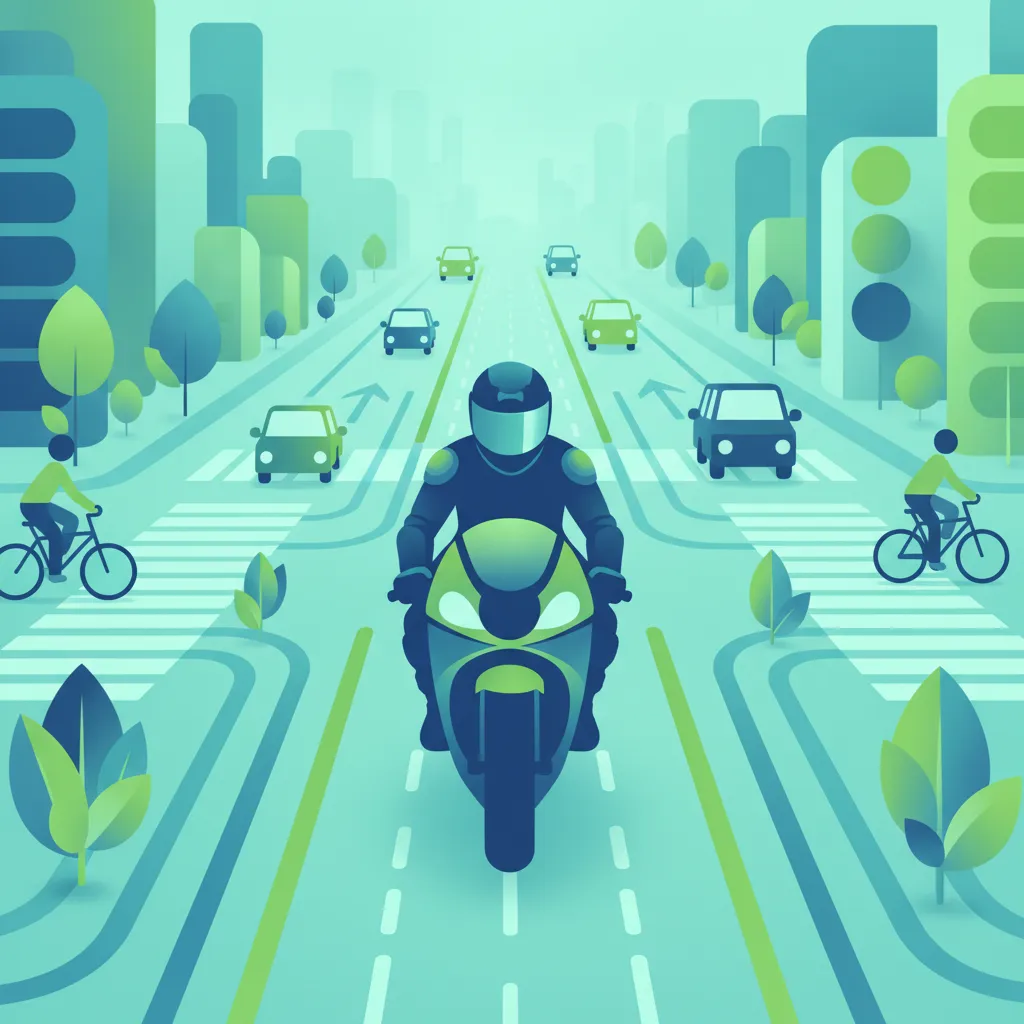
This lesson guides you through the complexities of riding in busy Irish urban environments. Building on your knowledge of junctions and road positioning, you will learn how to safely navigate gridlock, manage constant stop-start riding, and mitigate risks posed by other road users in high-density areas.
Lesson content overview
Navigating the bustling, densely packed streets of Irish municipal areas like Dublin, Cork, Galway, or Limerick requires a unique set of skills, heightened mental focus, and absolute control over your motorcycle. This lesson, a core module in the Irish Motorcycle Theory Course for Category A, A1, and A2, details the strategies and safety guidelines needed to successfully ride through heavy urban gridlock.
In congested city centres, the environment is highly dynamic and unpredictable. Space is severely restricted, speeds vary constantly, and you must share the road with a diverse mix of road users. Understanding how traffic flows—and how to position yourself safely within it—is vital to passing your RSA theory exam and ensuring your long-term survival on the road.
A safety cushion is the dynamic buffer of open space you maintain around your motorcycle on all sides: front, rear, and lateral. This cushion serves as your life insurance policy on the road, giving you the necessary time and space to perceive a hazard, decide on a course of action, and execute a safe stopping or swerving manoeuvre.
In normal, flowing traffic under dry conditions, the Road Safety Authority (RSA) recommends maintaining at least a two-second gap behind the vehicle in front. In congested urban traffic, speeds are lower, which frequently tempts riders to close this gap.
However, tailgating in congestion is highly dangerous. A reduced front cushion leaves you with zero margin for error if the vehicle ahead brakes suddenly. Keep a gap that allows you to see the road surface ahead, which helps you avoid potholes, debris, and oil spills that cars can easily straddle.
Your rear cushion is often determined by the behaviour of drivers behind you. If a vehicle is tailgating you in heavy traffic, do not react aggressively. Instead:
Do not ride directly alongside other vehicles in adjacent lanes for longer than necessary. You should always try to remain visible in the side-view mirrors of surrounding drivers and avoid riding in their blind spots.
The "door zone" is the high-risk area extending roughly 1 to 1.5 metres from the side of parked vehicles. In busy Irish towns and cities, on-street parking is common, and occupants frequently exit parked cars without checking their mirrors—a dangerous oversight often referred to as "car-dooring."
Riding too close to parked cars leaves you vulnerable to a door being slung open directly into your path. At even moderate city speeds, hitting an open car door can throw you from your motorcycle, potentially into the path of oncoming traffic.
The Golden Rule for Parked Cars: Always leave at least a car door's width of space (approx. 1.5 metres) between your motorcycle and parked vehicles. If the narrowness of the road forces you closer, you must significantly reduce your speed so you can stop instantly if a door begins to open.
When riding past rows of parked cars, scan for visual indicators that a vehicle may be occupied or about to move:
Congested streets are not just populated by cars; they are filled with pedestrians, cyclists, and other vulnerable road users (VRUs). In slow-moving or stationary queues, pedestrians often lose patience and attempt to cross the road by weaving between parked or queued vehicles.
A pedestrian stepping out from between high-sided vehicles, such as delivery vans or double-decker Dublin Bus units, is completely hidden from your view until they are directly in front of you.
Because motorcycles are quiet at low speeds and have a narrow profile, pedestrians stepping into the gap often do not expect or notice your approach. Children and elderly pedestrians are particularly vulnerable, as their road sense or mobility may be compromised.
Heavy city traffic is mechanically demanding on both the rider and the motorcycle. Continuous stop-and-go riding requires precise low-speed control, which places a heavy burden on your motorcycle's clutch, gearbox, and cooling system.
To ride slowly and smoothly without stalling or jerking, you must master the "friction zone"—the area of clutch lever travel where engine power is partially transmitted to the rear wheel.
Select First Gear: Always drop into first gear before coming to a complete stop or when crawling at walking pace.
Set the Revs: Maintain a small, steady amount of throttle to keep the engine running smoothly.
Slip the Clutch: Ease the clutch lever into the friction zone to control your forward momentum, rather than relying solely on the throttle.
Apply Light Rear Brake: Gently drag the rear brake. This stabilizes the motorcycle, compresses the suspension, and allows you to balance effortlessly at extremely low speeds.
Constant slipping of the clutch generates intense friction and heat. Over time, this can lead to clutch fade (where the clutch loses its grip and slips completely) or permanent damage.
Dense urban riding is mentally exhausting. Cognitive overload occurs when the sheer volume of information—traffic lights, signs, turning vehicles, cyclists, pedestrians, and GPS directions—exceeds your brain's processing capacity.
Delays, aggressive driving from others, and extreme congestion can easily lead to rider frustration. When you ride while angry or stressed:
To combat stress during difficult commutes, practice conscious relaxation techniques. Keep your grip on the handlebars light; tensing your arms and shoulders leads to physical fatigue and compromises steering input. Take deep, steady breaths to keep your heart rate down.
Accept that delays are part of urban commuting, and prioritize arriving safely over arriving on time.
The Road Safety Authority (RSA) establishes clear guidelines and rules that govern safe riding in built-up areas. Adhering to these rules is both a legal requirement and a fundamental safety practice.
Under Irish law, you must always drive at a speed and distance from the vehicle ahead that allows you to stop safely in an emergency. Tailgating is an offence and is highly penalised under dangerous or careless driving statutes.
Before changing lanes, turning, or moving around an obstacle in traffic, you must perform the classic OSM/PSL routine:
Always perform a "Lifesaver" check—a quick glance over your shoulder into your blind spot—before turning or changing your lateral position.
A mirror only shows what is behind you. It cannot show vehicles or cyclists travelling immediately alongside your rear wheel. The physical head turn is the only way to clear your blind spot.
In Ireland, rules regarding motorcycles in bus lanes are highly strict. Generally, motorcycles are not permitted to use bus lanes unless specific local signage explicitly permits it. Riding in a designated cycle lane marked by a solid white line is strictly illegal and dangerous to cyclists.
Riding between lanes of stationary or slow-moving traffic is commonly referred to as "filtering." While there is no explicit piece of Irish legislation that outlaws slow, careful filtering, it must be performed with extreme caution.
If you filter at excessive speeds, cross continuous solid white lines, or cause other road users to alter their course or brake suddenly, you can be prosecuted for driving without due care and attention, or dangerous driving.
Understanding where riders typically make mistakes allows you to actively guard against these high-risk scenarios.
Urban riding demands constant adaptation as the weather, time of day, and road infrastructure change.
Irish rain significantly reduces tyre grip, but it also creates specific hazards in cities:
At night, the glare of streetlights, neon signs, and oncoming headlights can distort your depth perception. Pedestrians wearing dark clothing are incredibly difficult to spot. Ensure your visor is completely clean and scratch-free to prevent light refraction, and always ride with your dipped beam headlight turned on to remain visible.
Understanding how your inputs directly affect your safety margin is key to building good defensive riding habits:
To navigate congested municipal traffic safely and efficiently, you must combine outstanding physical control of your motorcycle with highly developed hazard perception. Maintain your safety cushions, proactively scan the "door zone" of parked cars, stay vigilant for pedestrians stepping out from behind larger vehicles, and manage your mental stress. By doing so, you will ensure a safe, smooth, and legally compliant journey through any Irish city centre.
Riding in congested urban traffic requires maintaining a 360-degree safety cushion, keeping at least 1.5 metres from parked cars to avoid the door zone hazard, and actively scanning for pedestrians hidden between vehicles. The friction zone technique—using first gear, steady throttle, and light rear brake—provides smooth low-speed control without excessive clutch wear. The OSM/PSL routine plus a Lifesaver check must always precede lateral movements, as mirrors cannot reveal vehicles in your blind spot. Irish regulations restrict motorcycles in bus lanes and prohibit riding in cycle lanes, and filtering must be performed slowly without crossing solid white lines or causing others to brake suddenly.
A short set of high-value points that capture the most important learning from this lesson.
Maintain a dynamic safety cushion on all sides of your motorcycle at all times in traffic to preserve reaction and stopping space.
Always keep at least 1.5 metres (a car door's width) from parked vehicles to avoid the door zone hazard.
Actively scan between parked and queued vehicles for pedestrians, particularly watching for feet under vehicles and heads moving between cabins.
Master the friction zone technique using first gear, steady throttle, gradual clutch slip, and light rear brake for smooth low-speed control.
Perform the OSM/PSL routine plus a physical Lifesaver check before any lateral movement to clear your blind spot.
Explore all units and lessons included in this driving theory course.
The RSA recommends at least a two-second gap in normal conditions; in congestion, keep enough space to see the road surface ahead and avoid potholes and debris.
Visual cues for occupied parked cars include heads in headrests, exhaust fumes, active tail lights or indicators, and front wheels turned outward.
In Ireland, motorcycles are generally not permitted in bus lanes unless specific local signage permits it; riding in cycle lanes is illegal.
When traffic stops completely for more than a few seconds, shift to neutral and release the clutch to prevent clutch fade from overheating.
Wet manhole covers, tram tracks (Luas lines in Dublin), and painted road markings have significantly reduced grip; cross them at 90 degrees with the bike upright.
Tailgating in congested traffic by closing the front cushion, leaving zero margin if the vehicle ahead brakes suddenly.
Riding in the blind spots of HGVs and buses without being visible in the driver's side mirrors, creating a high-risk collision scenario.
Filtering aggressively without signalling or checking blind spots, increasing the chance of collision with vehicles changing lanes.
Entering a yellow box junction when the exit is not clear, leaving the rider vulnerable to side-impact collisions.
Failing to cover the brakes when approaching gaps between vehicles where pedestrians may step out, losing critical fractions of a second in reaction time.
Lesson content overview
A short set of high-value points that capture the most important learning from this lesson.
Maintain a dynamic safety cushion on all sides of your motorcycle at all times in traffic to preserve reaction and stopping space.
Always keep at least 1.5 metres (a car door's width) from parked vehicles to avoid the door zone hazard.
Actively scan between parked and queued vehicles for pedestrians, particularly watching for feet under vehicles and heads moving between cabins.
Master the friction zone technique using first gear, steady throttle, gradual clutch slip, and light rear brake for smooth low-speed control.
Perform the OSM/PSL routine plus a physical Lifesaver check before any lateral movement to clear your blind spot.
Explore all units and lessons included in this driving theory course.
The RSA recommends at least a two-second gap in normal conditions; in congestion, keep enough space to see the road surface ahead and avoid potholes and debris.
Visual cues for occupied parked cars include heads in headrests, exhaust fumes, active tail lights or indicators, and front wheels turned outward.
In Ireland, motorcycles are generally not permitted in bus lanes unless specific local signage permits it; riding in cycle lanes is illegal.
When traffic stops completely for more than a few seconds, shift to neutral and release the clutch to prevent clutch fade from overheating.
Wet manhole covers, tram tracks (Luas lines in Dublin), and painted road markings have significantly reduced grip; cross them at 90 degrees with the bike upright.
Tailgating in congested traffic by closing the front cushion, leaving zero margin if the vehicle ahead brakes suddenly.
Riding in the blind spots of HGVs and buses without being visible in the driver's side mirrors, creating a high-risk collision scenario.
Filtering aggressively without signalling or checking blind spots, increasing the chance of collision with vehicles changing lanes.
Entering a yellow box junction when the exit is not clear, leaving the rider vulnerable to side-impact collisions.
Failing to cover the brakes when approaching gaps between vehicles where pedestrians may step out, losing critical fractions of a second in reaction time.
Explore search topics learners often look for when studying Riding in Congested Urban Traffic. These topics reflect common questions about road rules, driving situations, safety guidance, and lesson level theory preparation for learners in Ireland.
Browse additional driving theory lessons that cover connected traffic rules, road signs, and common driving situations related to this topic. Improve your understanding of how different rules interact across everyday traffic scenarios.
Understand the legal requirements and safe driving procedures for entering, navigating, and exiting junctions and roundabouts. This guide covers priority rules, lane discipline, and the correct use of signals when negotiating complex urban intersections and high-traffic road junctions to ensure compliance with the Irish Rules of the Road.
This lesson details the sequential steps required to approach and exit junctions safely under the Irish driving rules. It teaches riders how to select the correct lane, utilize mirrors, apply early signals, and reduce speed appropriately. Effective observation strategies are highlighted to help riders identify crossing pedestrians or approaching side traffic.

This lesson focuses on the safe approach and execution of turns at T-junctions, staggered intersections, and blind crossroads. It explains the critical mirror-signal-manoeuvre routine and how to select the best position for maximum visibility to cross-traffic. Motorcyclists will learn to identify potential hazards like vehicles pulling out suddenly or turning across their direct path.

Navigating multi-lane roundabouts requires precise lane selection, continuous scanning, and timely signaling. This lesson teaches you the 'clock rule' for determining which lane to enter, how to yield to traffic already on the roundabout from your right, and when to activate your left indicator to exit. Mastering these procedures minimizes lane-drift accidents and ensures a seamless flow of traffic on busy roundabouts.

Uncontrolled junctions represent a high-risk scenario because they lack physical signs, lines, or lights to dictate priority. This lesson covers the crucial 'priority to the right' principle, where you must yield to any traffic approaching from your right-hand side. You will learn the importance of reducing your speed, preparing to stop, and verifying the intentions of other drivers at these equal-status crossings.
This lesson covers the absolute rules of priority that regulate junctions, roundabouts, and pedestrian crossings in Ireland. It teaches riders when they must yield, who has right-of-way, and how to read Stop and Yield signs correctly. Understanding these priority hierarchies prevents collisions and maintains orderly, predictable movement at busy junctions.
This lesson covers correct procedures for navigating roundabouts, which present significant risks for Category AM riders. It details lane selection rules, timely indicator signals for exiting, and the importance of checking blind spots before shifting lanes. Riders will learn to safely share the roundabout with large vehicles and vulnerable road users.
Right-of-way rules establish a clear order of precedence when the paths of two or more vehicles cross. This lesson explains how traffic on a major road has priority over traffic emerging from a minor road, and the general rule of yielding to oncoming vehicles when turning right. You will develop a solid understanding of how to approach intersections defensively, assessing speed and distance to make safe decisions.
This lesson provides a comprehensive guide to navigating single and multi-lane roundabouts safely in accordance with the Irish Rules of the Road. It covers correct lane selection on approach, signaling rules for exiting, and maintaining a steady path through traffic. Riders will learn to anticipate lane-changing mistakes made by other drivers and manage the unique banking angles of roundabouts.

Stop and yield signs require drivers to surrender right-of-way to crossing traffic, but they command different physical actions. This lesson explains that a stop sign mandates a complete, absolute halt behind the line, whereas a yield sign requires you to slow down and stop only if other traffic is approaching. You will learn how to manage restricted visibility at junctions and how to creep forward safely when clear.
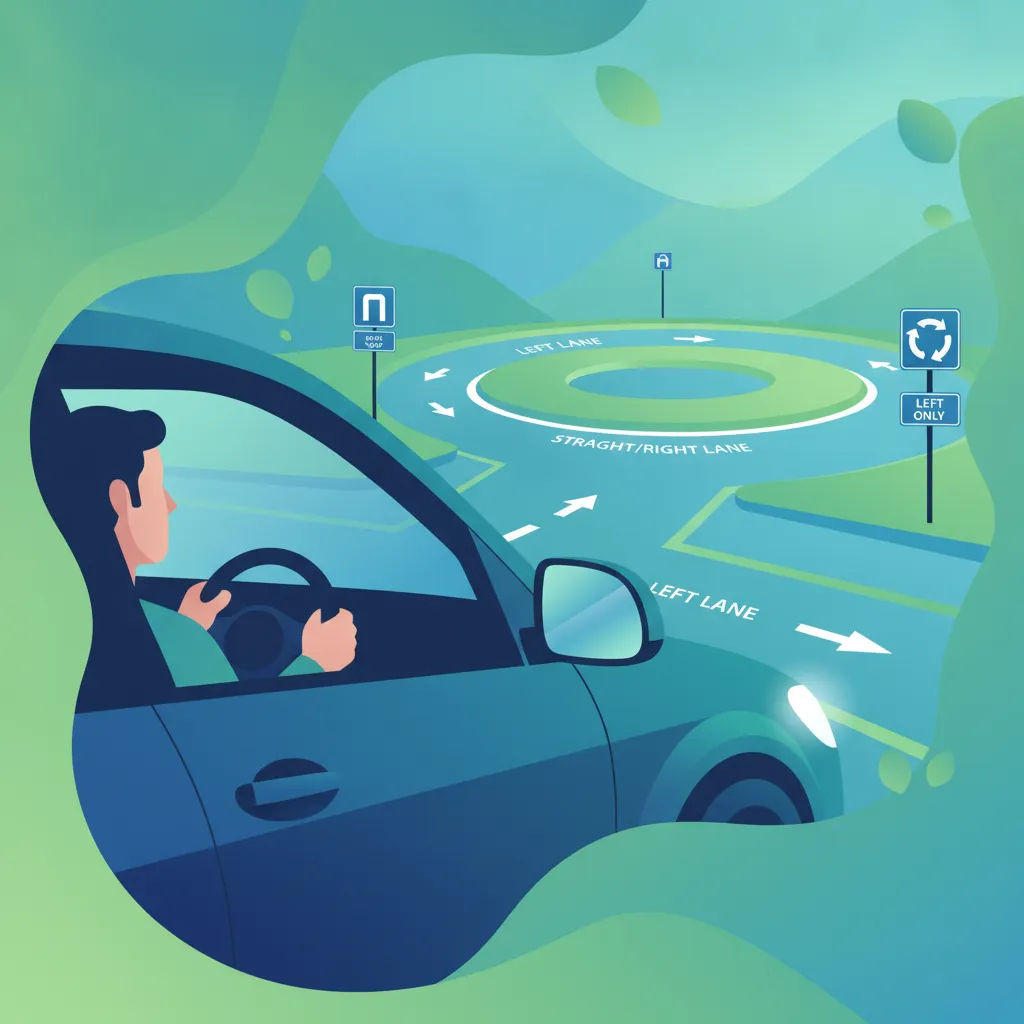
Executing safe turns requires early preparation, correct road positioning, and clear communication with other road users. This lesson focuses on the mandatory Mirror-Signal-Manoeuvre (MSM) routine used across Ireland for turning at cross junctions and navigating roundabouts. You will learn how to choose the correct lane early, adjust your speed, and complete your turn smoothly without cutting corners or blocking trailing vehicles.
Develop a proactive riding mindset focused on early hazard detection and risk mitigation. This lesson explains how to identify potential dangers from other road users, manage space around your motorcycle, and apply defensive positioning techniques to remain visible and safe while navigating dense urban traffic and various Irish road conditions.

This lesson teaches how to cultivate a proactive defensive riding mindset, focusing on situational awareness and constant hazard scanning. It describes the system of motorcycle control, encouraging riders to anticipate potential mistakes from other drivers, pedestrians, and cyclists. Motorcyclists will learn to position themselves defensively, leaving clear escape routes in all driving environments.

This lesson highlights the importance of smooth throttle adjustments for maintaining traction and stability on a moped. It teaches riders how to anticipate potential road hazards early, reducing the need for sudden emergency braking. Developing strong observation habits allows riders to adjust their speed smoothly and respond safely to traffic changes.

This lesson teaches riders how to actively identify and eliminate blind spots through proper mirror adjustment and physical shoulder checks. It explains the concept of a safety cushion, which represents the defensive space maintained around the moped at all times. Managing these zones ensures adequate reaction time and mitigates the impact of sudden braking.
This lesson covers the strategic aspects of journey management, emphasizing the safety benefits of proactive route planning and weather checks. It teaches riders how to select safer roads, avoid high-congestion zones during rush hour, and schedule regular rest intervals. Motorcyclists will learn to pack essential tools, emergency contacts, and spare safety gear to remain prepared for any roadside situation.

This lesson analyzes the crucial role of rider attitude, mental focus, and psychological factors in preventing motorcycle collisions on Irish roads. It addresses how overconfidence, fatigue, and peer pressure can negatively impact a rider's decision-making process and elevate risk levels. Motorcyclists will explore strategies to maintain a defensive mindset, exercise patience, and practice active situational awareness under all traffic conditions.
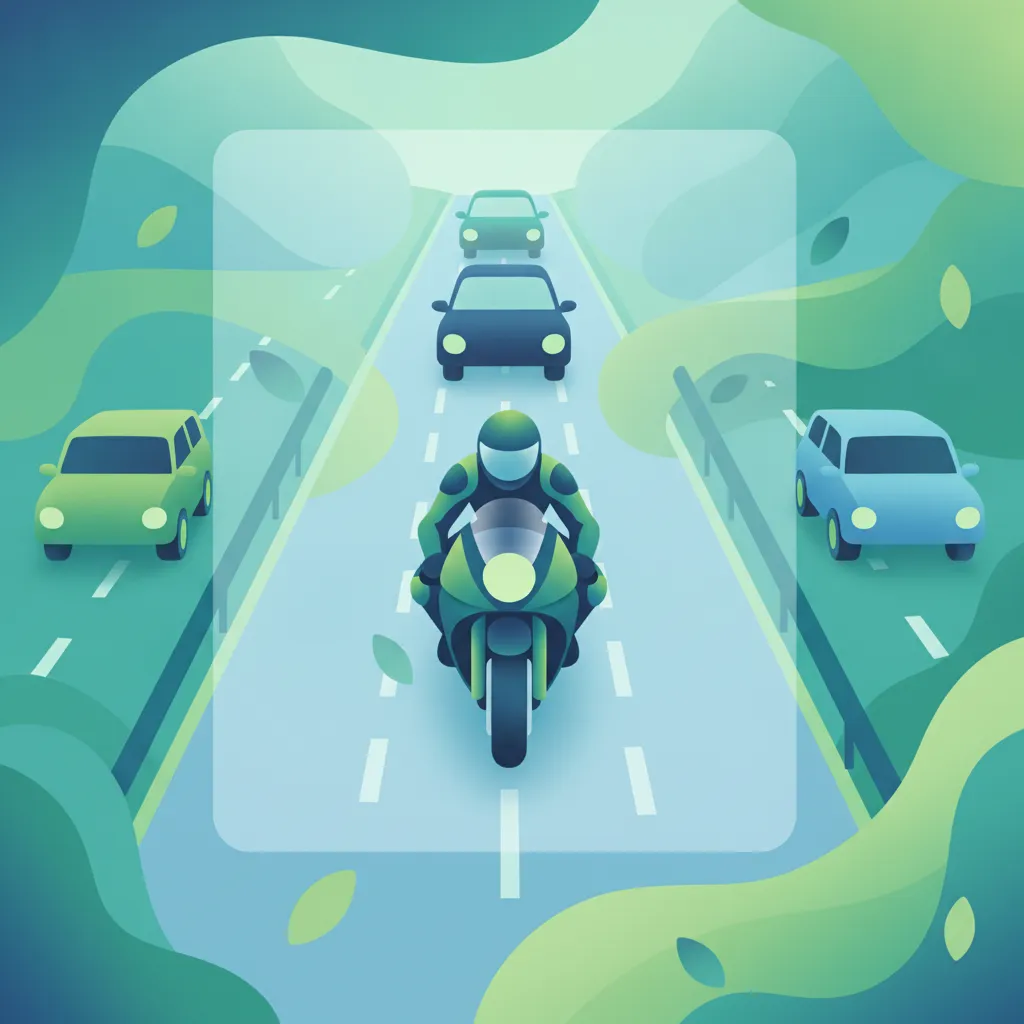
This lesson teaches riders how to create and preserve a protective safety envelope around their motorcycle under various traffic densities. It explains the two-second rule for dry conditions and how to expand this buffer zone in adverse weather or heavy traffic. Motorcyclists will learn to manage tailgaters by gradually increasing their following distance from the vehicle ahead to prevent sudden braking.

This lesson outlines how motorcyclists should respond when permanent road signs are dirty, damaged, or hidden by overgrown trees and hedges. It introduces the temporary signage, warning cones, and detour markers commonly deployed at active roadwork zones in Ireland. Riders will learn to read the road ahead defensively, reducing speed when visual information is incomplete or compromised.

This lesson identifies prevalent risky behaviours among motorcyclists, including speeding, tailgating, and reckless riding under the influence of alcohol or drugs. Learners will understand the associated penalties, legal implications, and the impact of fatigue and peer pressure on decision-making, following RSA and Irish legal frameworks.

This lesson provides actionable strategies for Category AM riders to remain visible, focusing on lane positioning and eye contact. It teaches how to avoid riding in the blind spots of larger vehicles and how to signal early and clearly. Cultivating a proactive attitude toward road visibility helps prevent collisions and builds mutual respect on Irish roads.
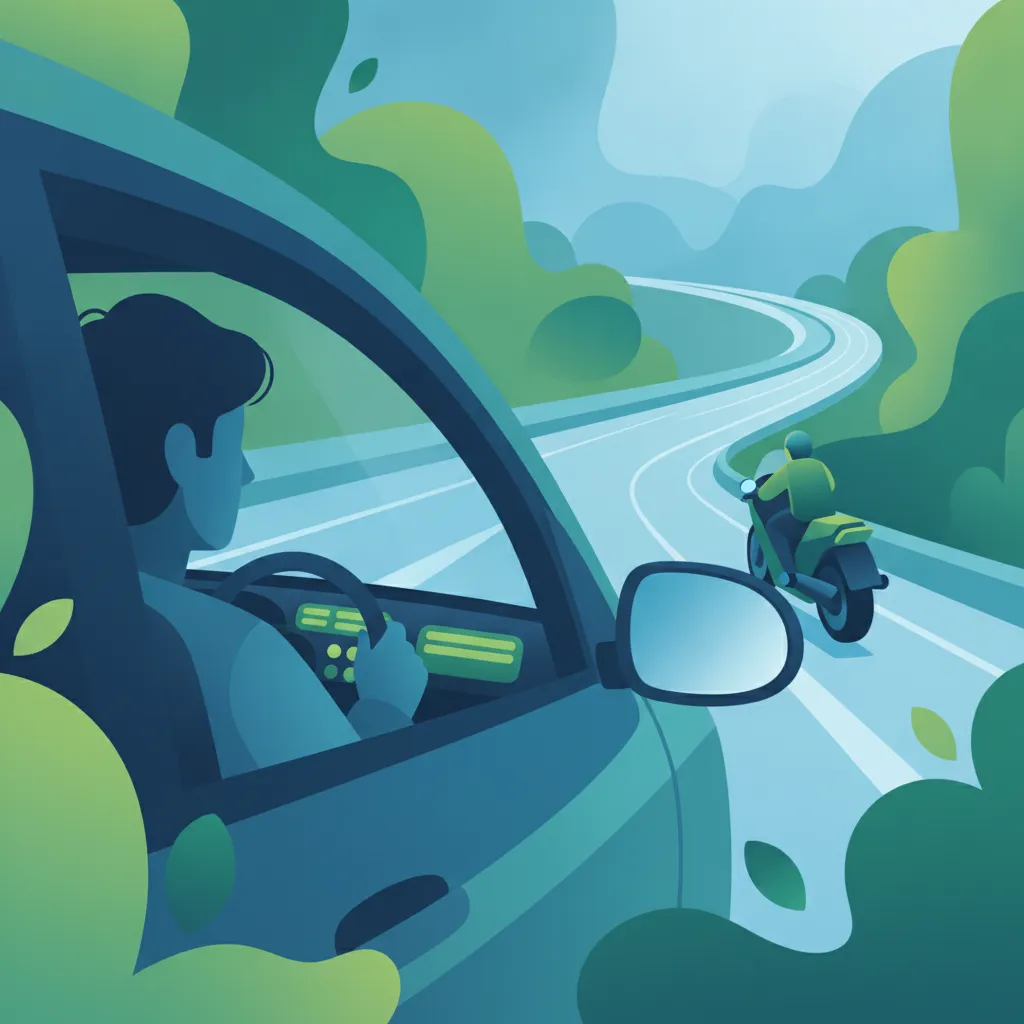
This lesson details the location of blind spots on passenger cars, commercial trucks, and buses, explaining how to avoid staying in these danger zones. It teaches the vital importance of the lifesaver glance or physical shoulder check before executing any lateral lane change or turn. Motorcyclists will learn how to monitor other drivers' mirrors to verify if their motorcycle is visible.
Find clear answers to common questions learners have about Riding in Congested Urban Traffic. Learn how the lesson is structured, which driving theory objectives it supports, and how it fits into the overall learning path of units and curriculum progression in Ireland. These explanations help you understand key concepts, lesson flow, and exam focused study goals.
While not explicitly prohibited by a single statute, riders must exercise extreme caution. You must ensure you are not creating a hazard for yourself or other road users and strictly adhere to road markings and traffic signals.
You should maintain a position where you remain visible to the driver ahead while keeping a clear path to escape if the vehicle stops suddenly. Avoid sitting directly in a driver's blind spot.
Always scan for movement between parked cars, particularly near shops or residential areas. Reduce your speed and be prepared to stop if you see any sign of a pedestrian or car door opening.
In heavy congestion, use the friction zone of your clutch to maintain slow speeds without straining the engine. Constant start-stop riding requires smooth, controlled inputs to keep the motorcycle balanced and prevent stalling.
Use the practice question search tool to pinpoint specific topics, road signs, or rules you need to master for your official Driver Theory Test. Refine your study strategy and ensure comprehensive preparation for all aspects of the Irish driving exam. Start your focused revision now and build confidence for your learner permit test.