
Italian prohibition signs are crucial for safe driving, as they impose specific restrictions on your movements and vehicle. This section will help you learn to identify these signs, understand their meaning, and know exactly how to react to avoid confusion and penalties. Mastering these signs is essential for both passing your theory exam and navigating Italian roads safely.
An explanation of how Italian Prohibition Signs road signs apply in real traffic situations in Italy. Learn where these signs are typically placed, what drivers are expected to do when they appear, and how correct reactions help you stay safe, avoid fines, and succeed in your Italian driving theory exam.
You'll encounter Italian prohibition signs in various traffic situations, primarily to regulate and restrict vehicle access and behaviour. Signs like 'No Entry' (IT-PH-01) or 'Restricted Vehicular Access' (IT-PH-02) are often placed at the start of roads or specific zones to indicate that certain vehicles or all vehicles are not allowed. 'No Overtaking' (IT-PH-03, IT-PH-07) and 'Maximum Speed' (IT-PH-05) signs appear on stretches of road where these actions are particularly hazardous, such as on sharp curves, steep gradients, or busy sections. Parking and stopping restrictions (IT-PH-31, IT-PH-32, IT-PH-36, II.79-d) are common in urban areas, near intersections, driveways, and public transport stops to ensure traffic flow and safety. Signs indicating restrictions on vehicle weight (II.68, II.69), dimensions (II.65, II.66, IT-PH-24), or specific cargo types (IT-PH-19, IT-PH-20, IT-PH-21) are usually found on bridges, tunnels, or specific routes where such limitations are necessary for structural integrity or public safety. It's vital to check these signs before proceeding, as violating them can lead to fines, points on your licence, or even accidents.
An overview of the key learning outcomes when studying the Italian Prohibition Signs road sign category. Understand the main concepts, sign meanings, and traffic situations covered here so you can recognise patterns, answer theory questions more confidently, and build a solid foundation for safe driving in Italy.
Focus on Italian prohibition signs which detail crucial restrictions on access, vehicle types, and actions. Studying these together helps you quickly recognise and adhere to mandatory limits, vital for your driving theory test revision and safe navigation in Italy.
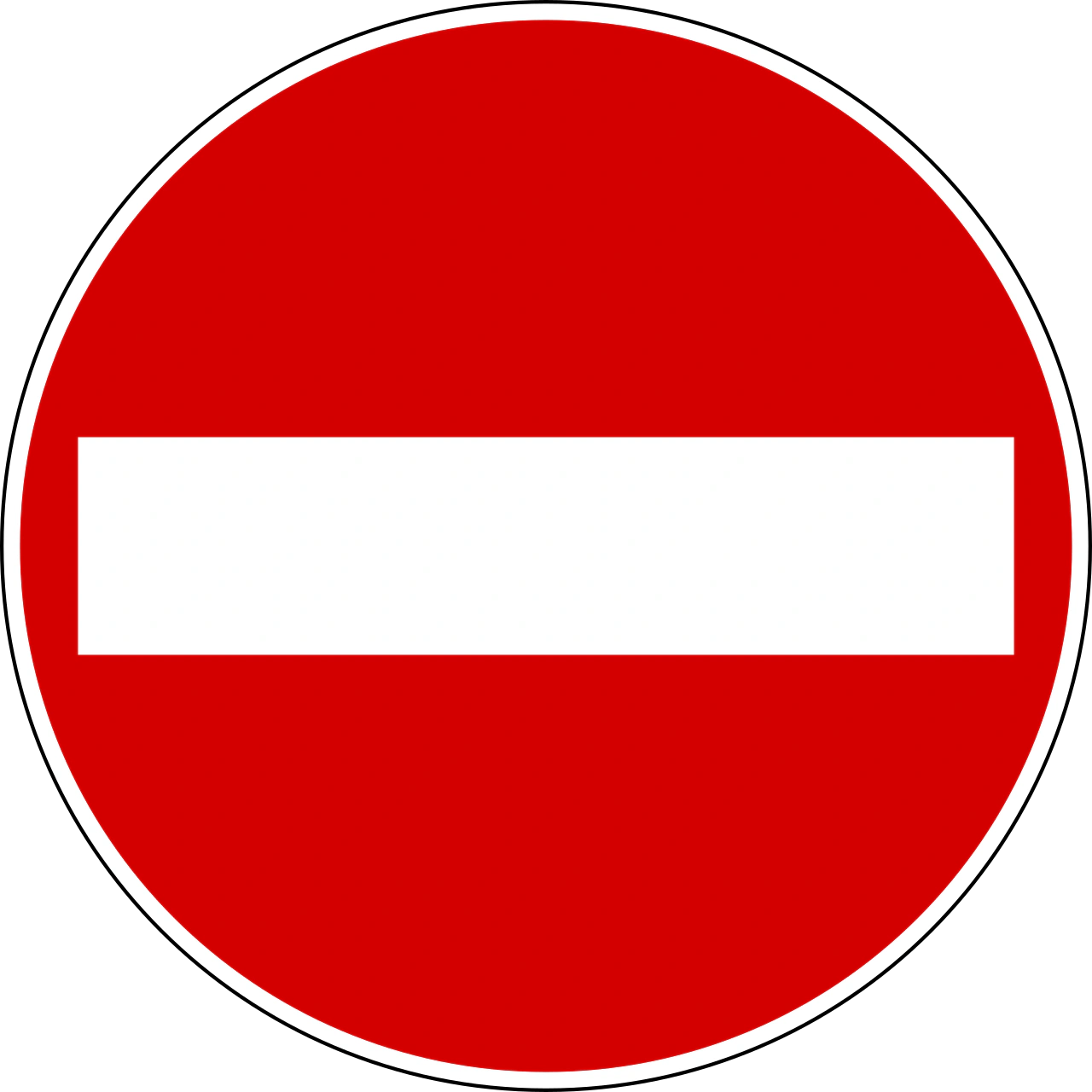
The 'No Entry' sign (IT-PH-01) means you must not proceed.
The 'Restricted Vehicular Access' sign means you must check if the restriction applies to you.
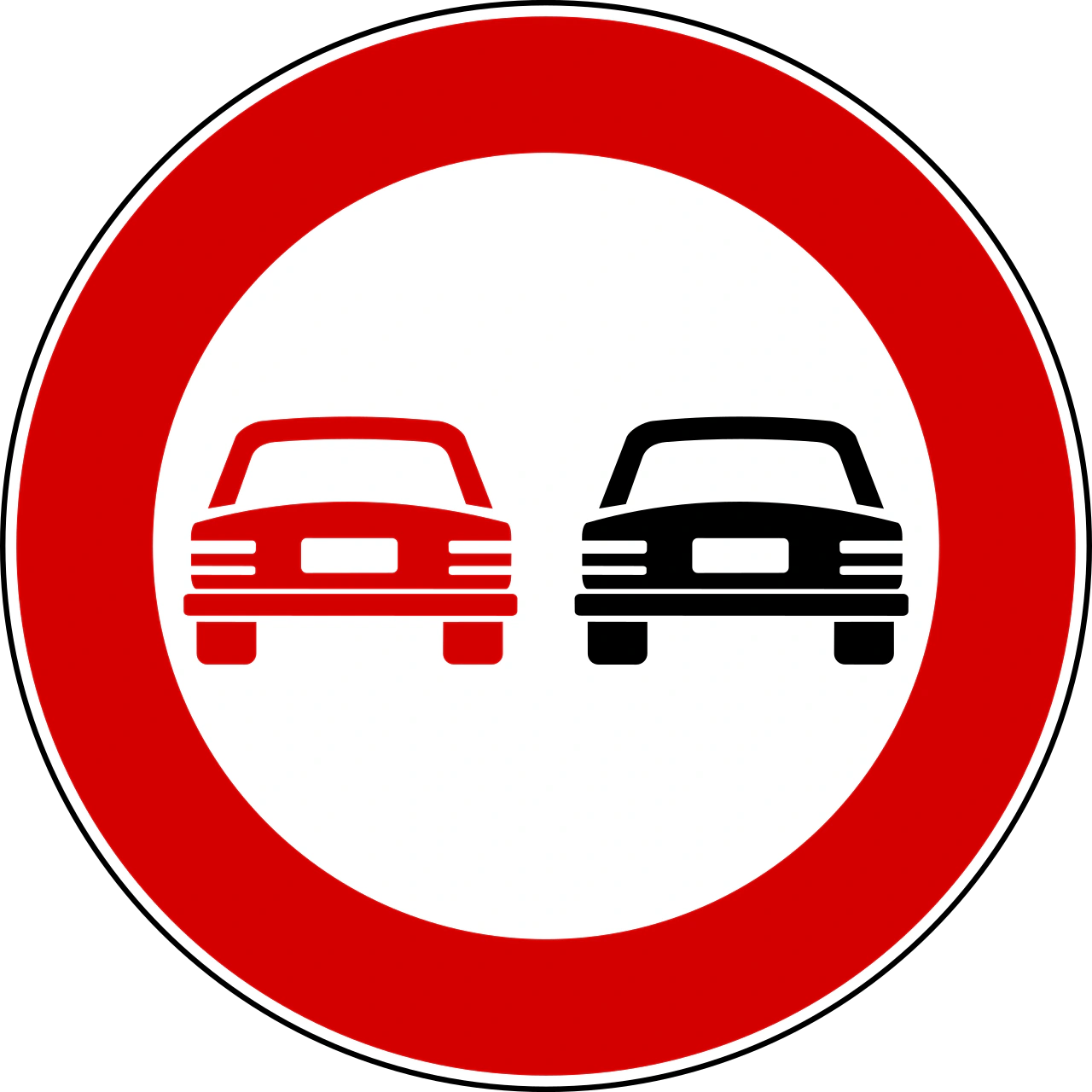
IT-PH-03: Understand Italy's 'No Overtaking' Prohibition Sign
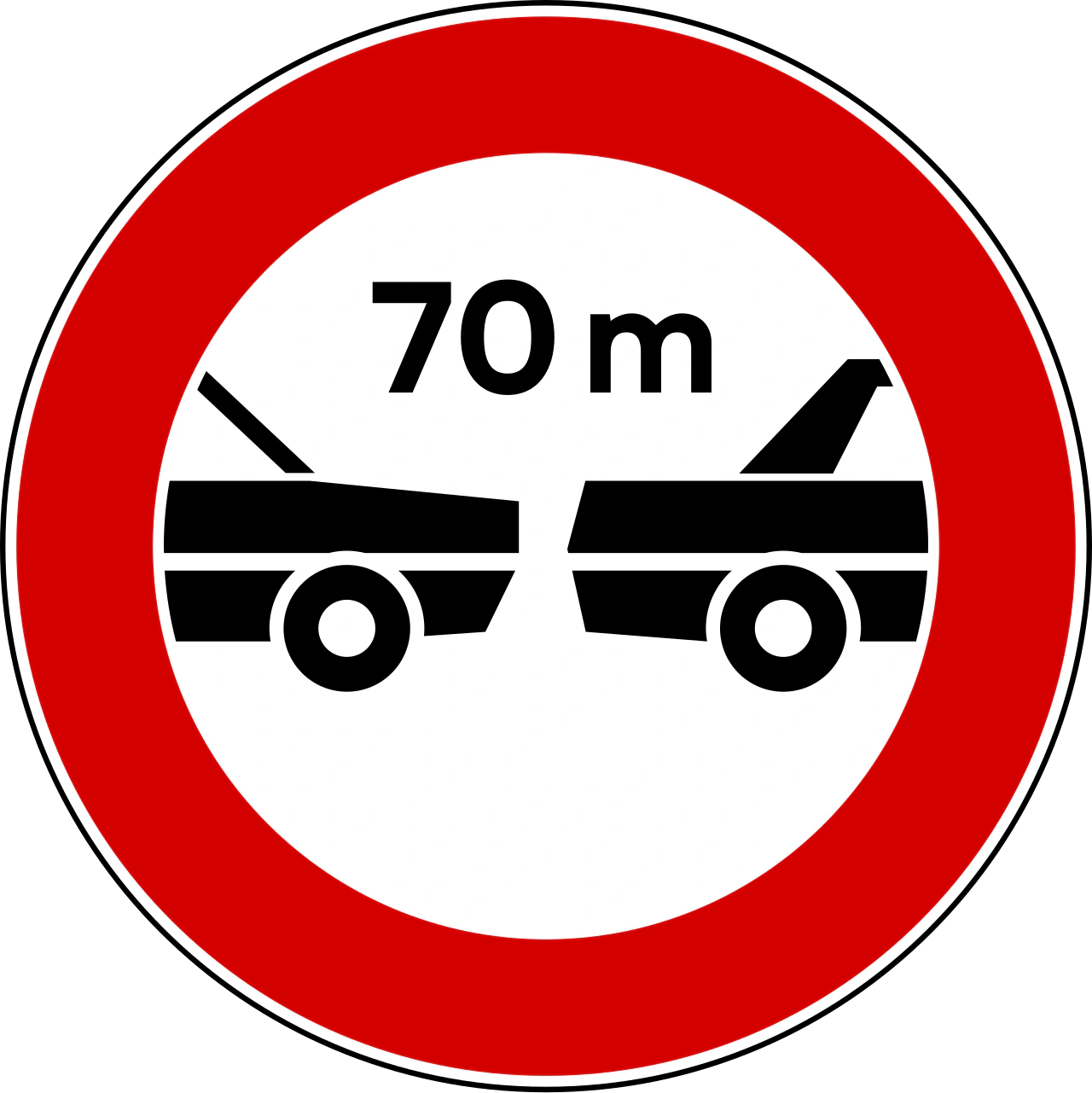
What does the IT-PH-04 'Minimum distance' prohibition sign mean?
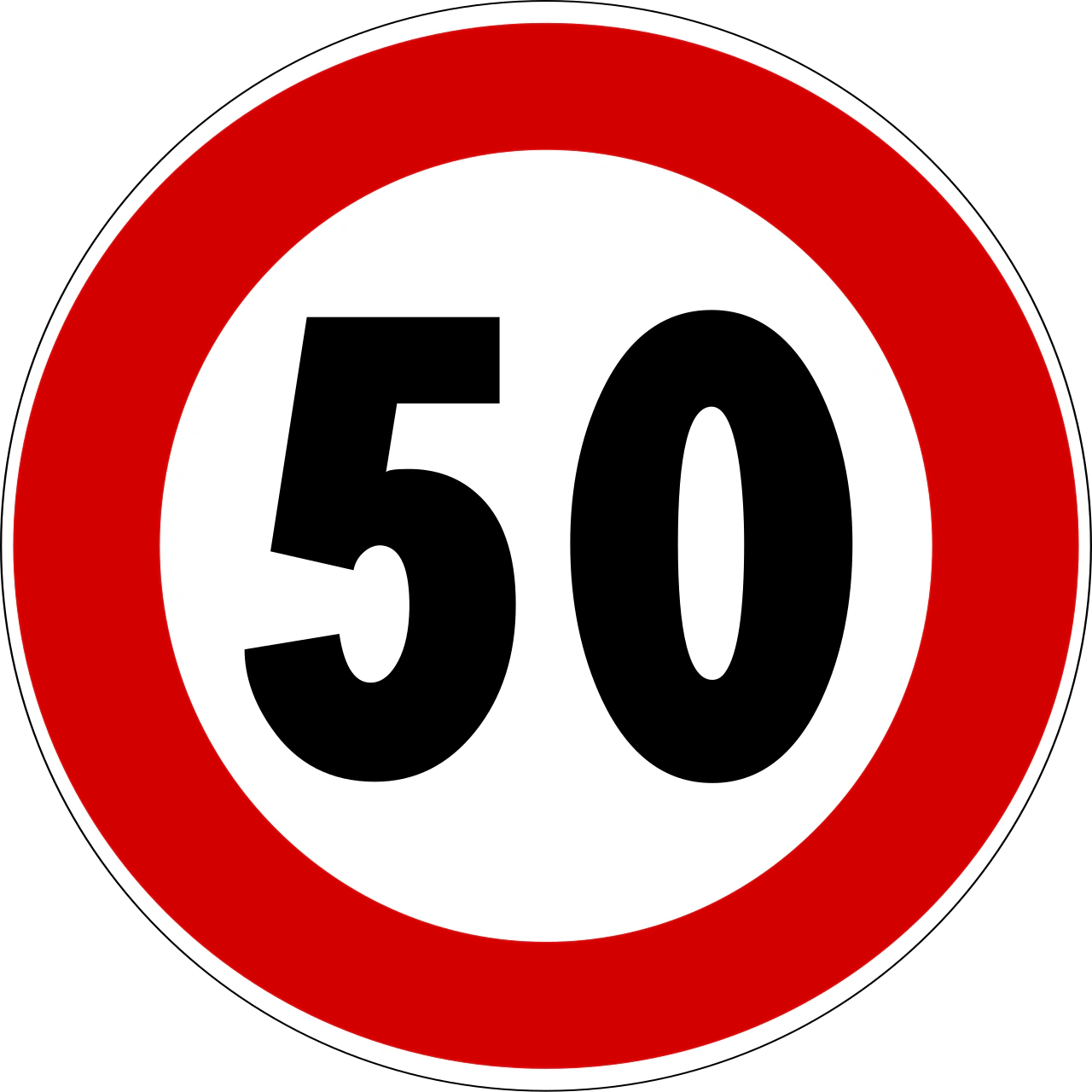
Understand the IT-PH-05 Maximum Speed 50 km/h Prohibition Sign in Italy
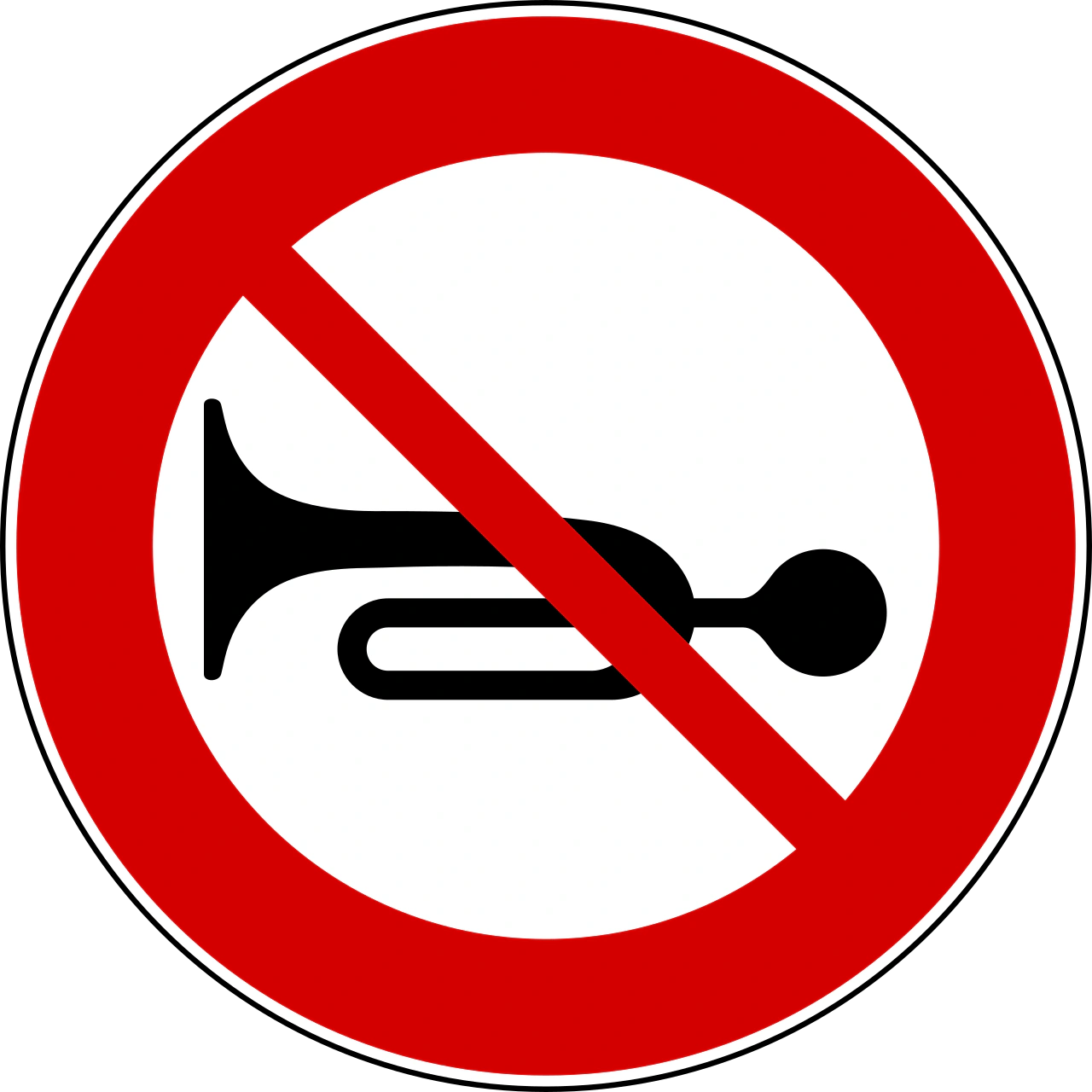
Understand the 'No Use of Horns' Prohibition Sign (IT-PH-06) in Italy
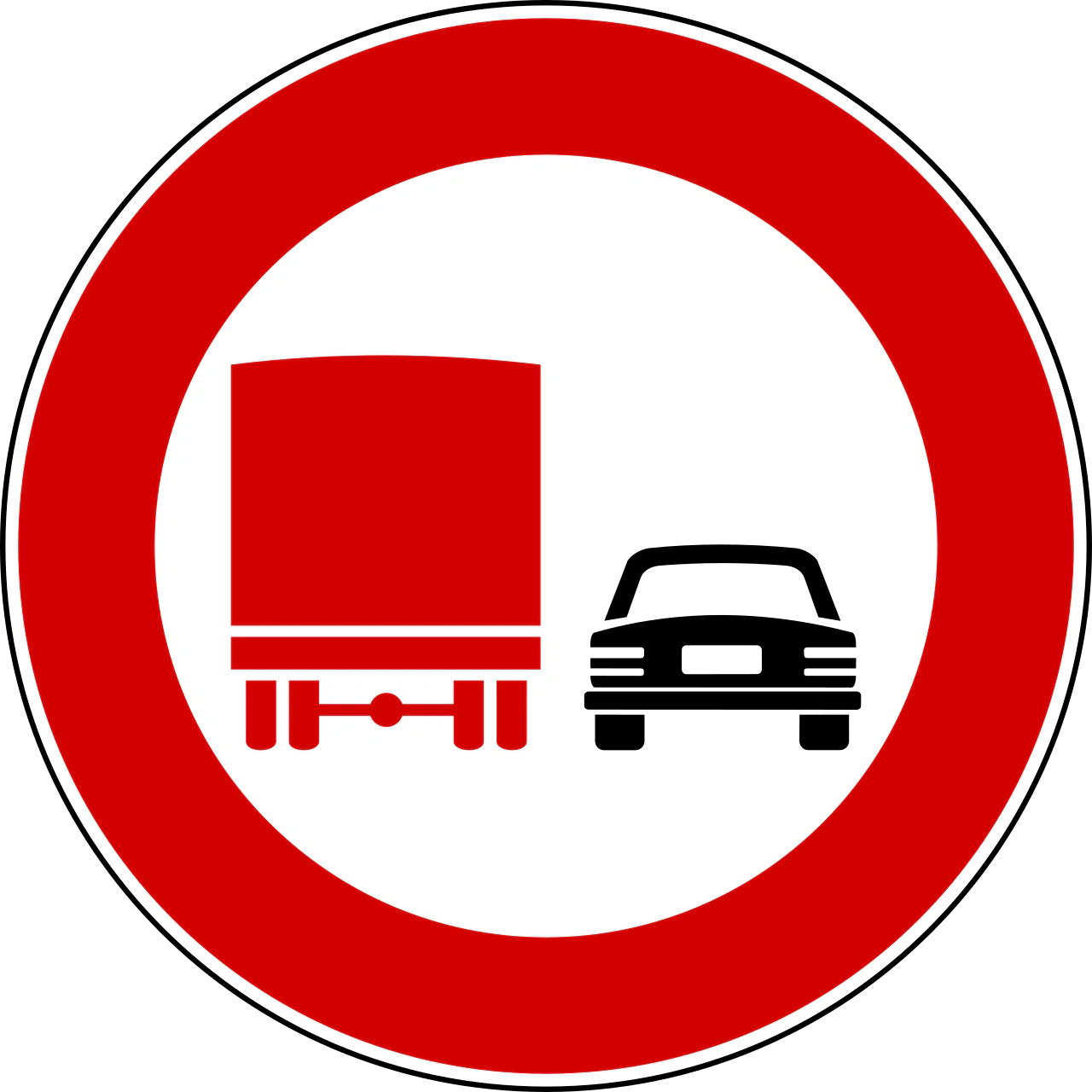
Understand the 'No Overtaking by Heavy Goods Vehicles' Sign (IT-PH-07)
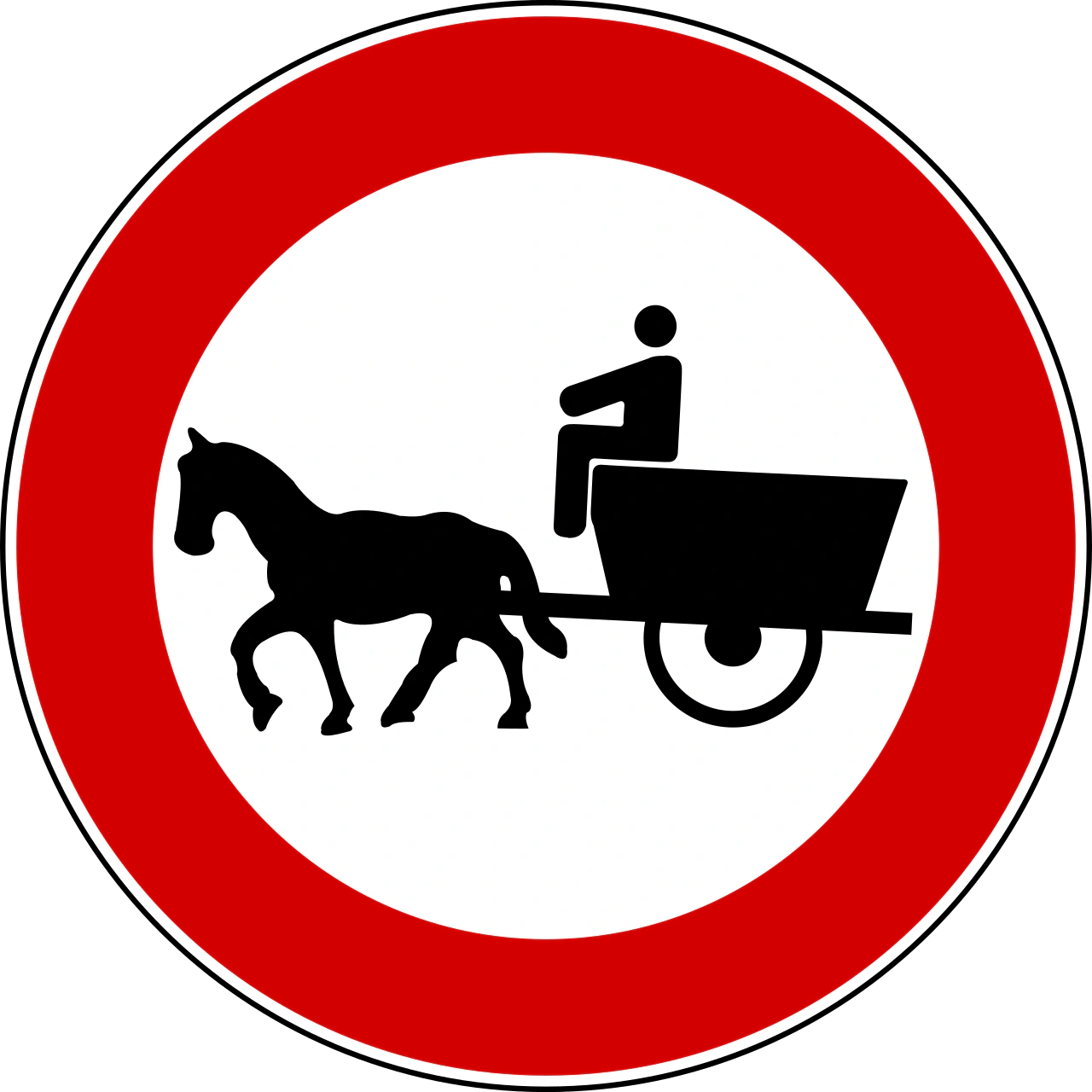
Understand the 'No Animal-Drawn Vehicles' Prohibition Sign (IT-PH-08)
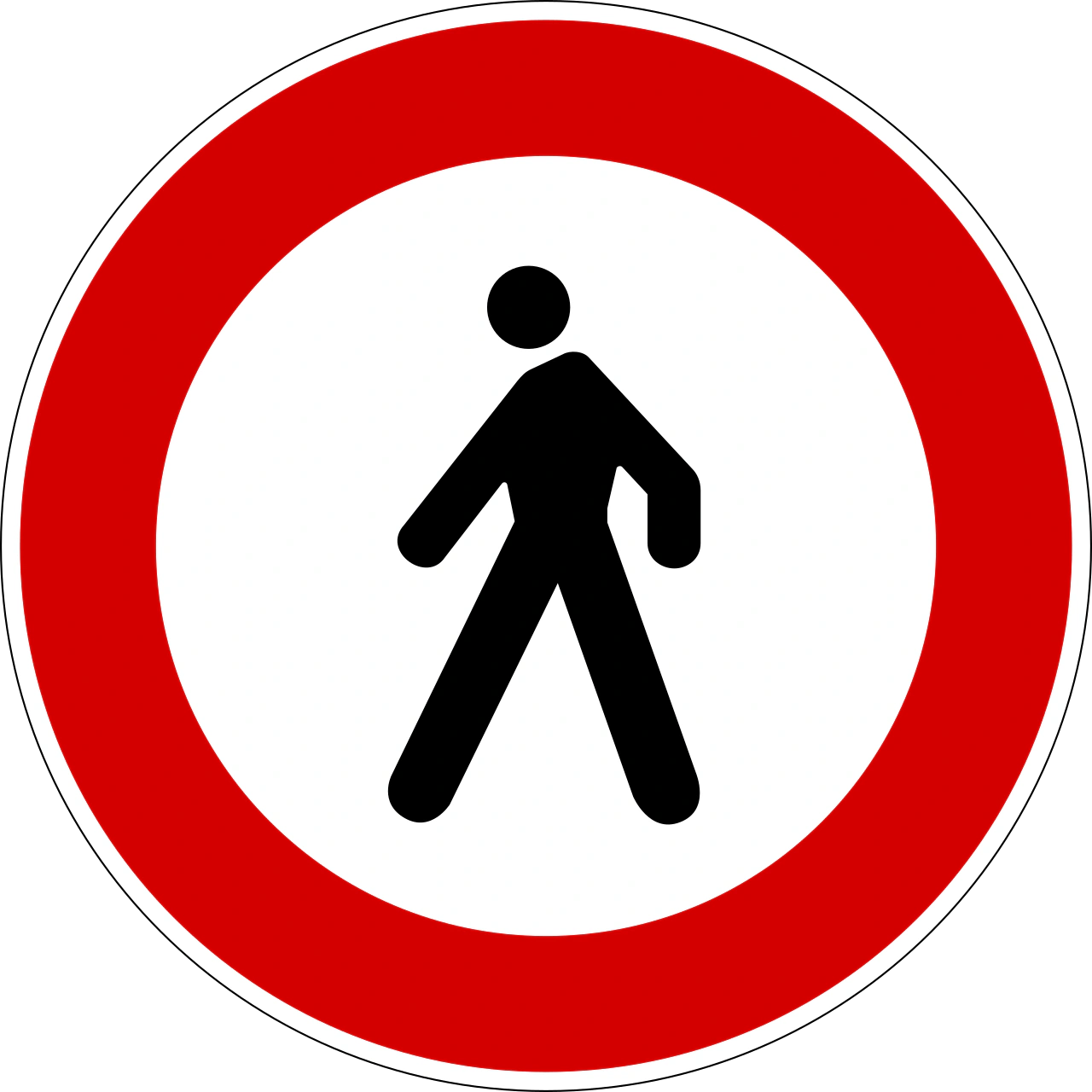
Understand the 'No Pedestrians' (IT-PH-09) Prohibition Sign in Italy
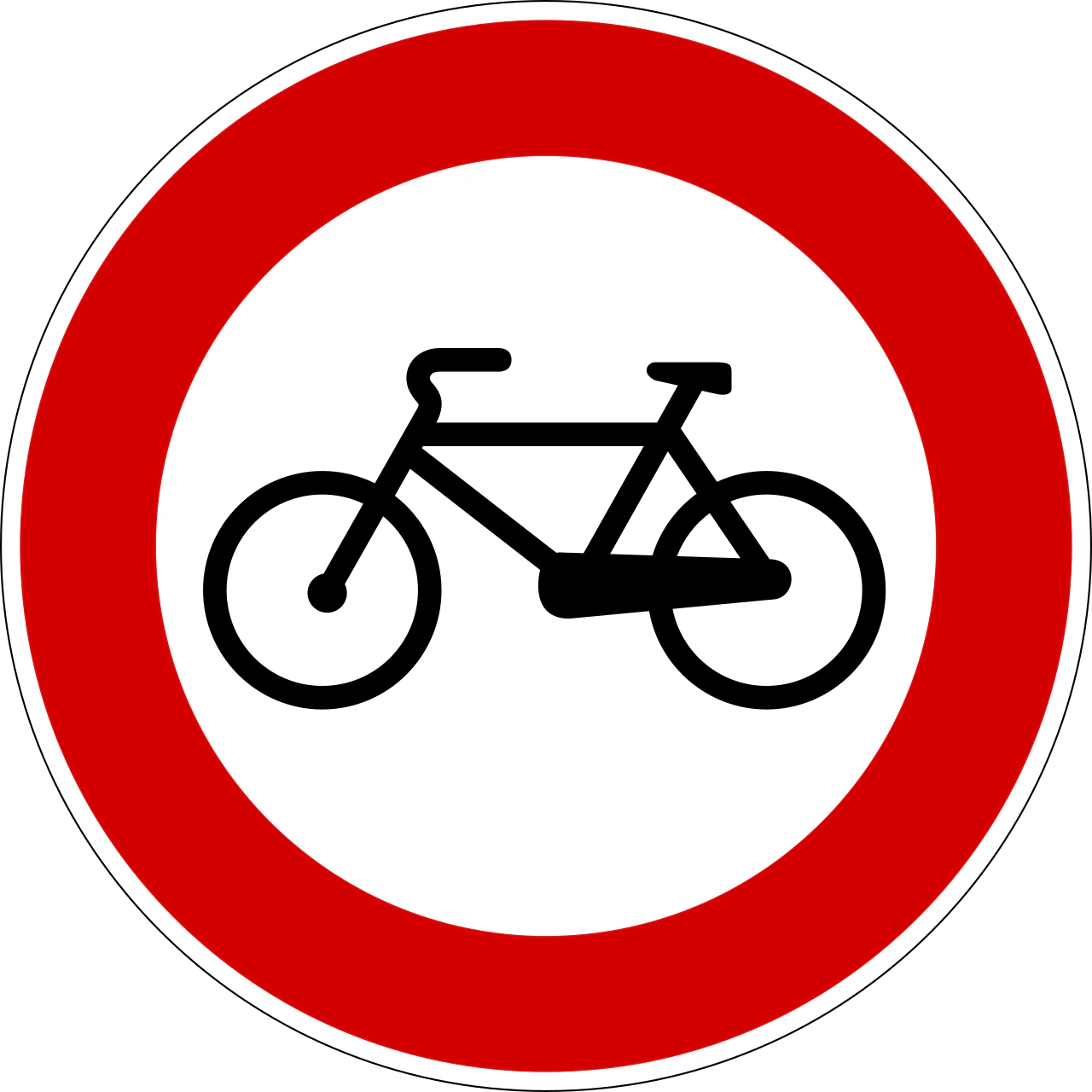
II.55: Bicycles Prohibited on This Road
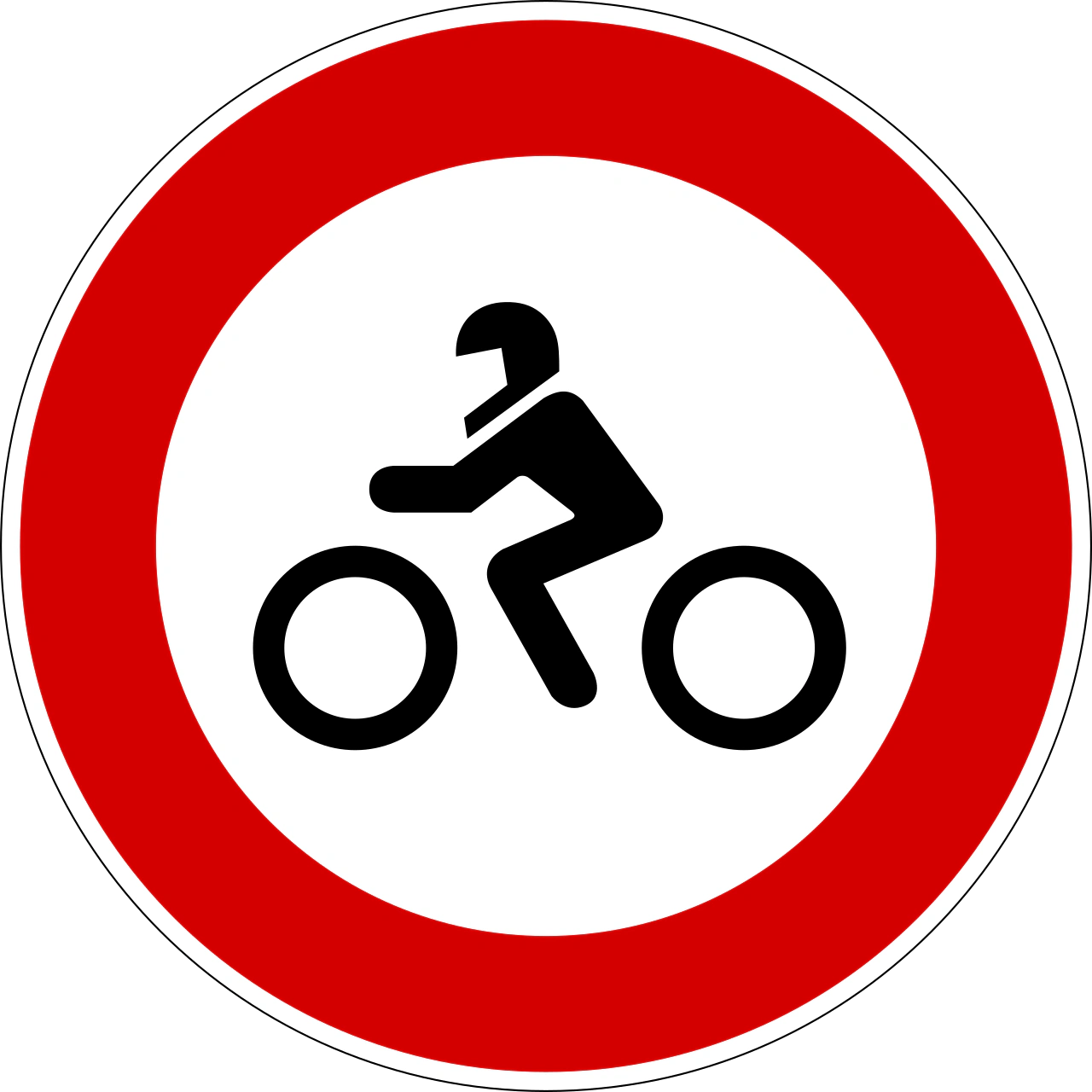
What the IT-PH-11 'No Motorcycles' Prohibition Sign Means
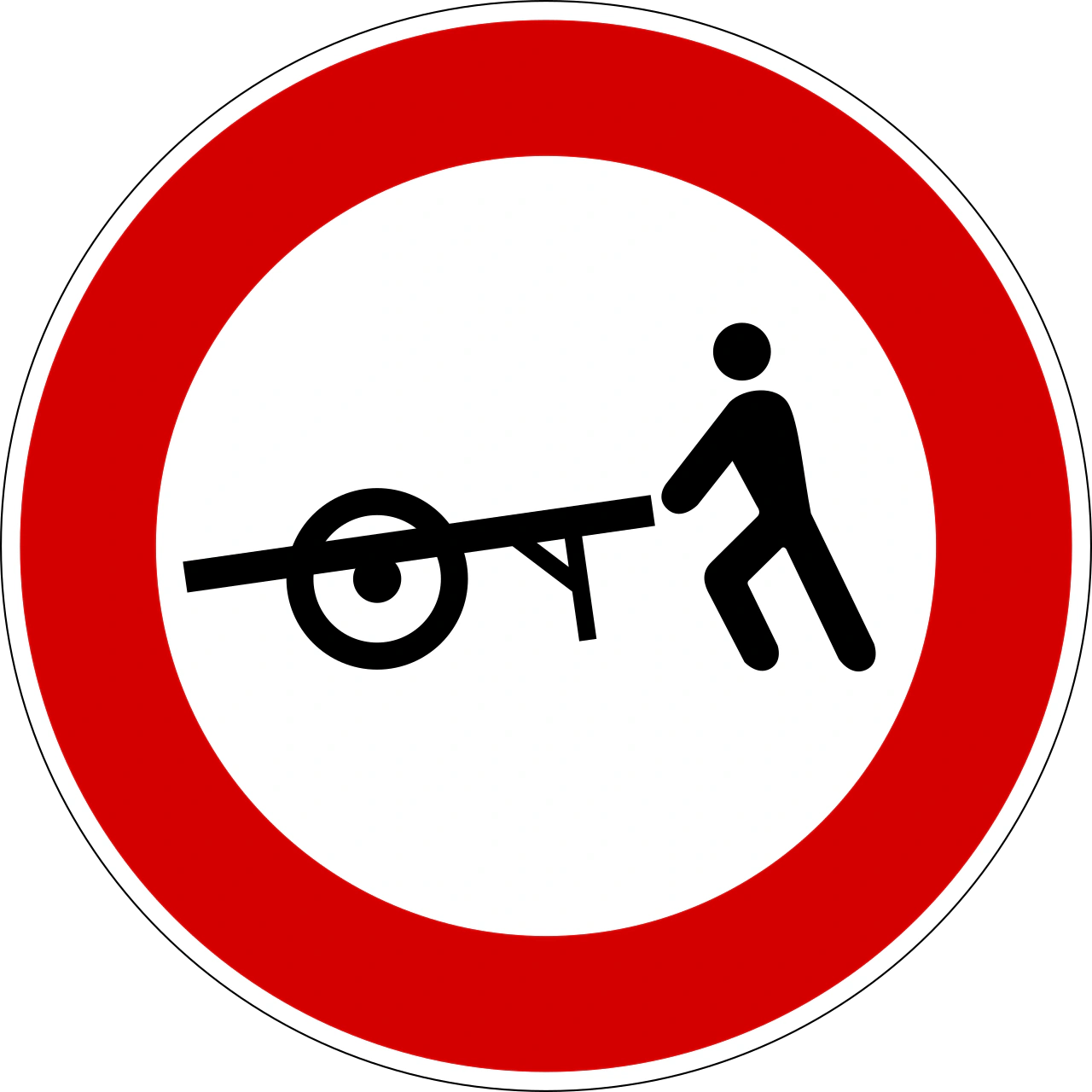
Understand the 'No Handcarts' Prohibition Sign (IT-PH-12) in Italy
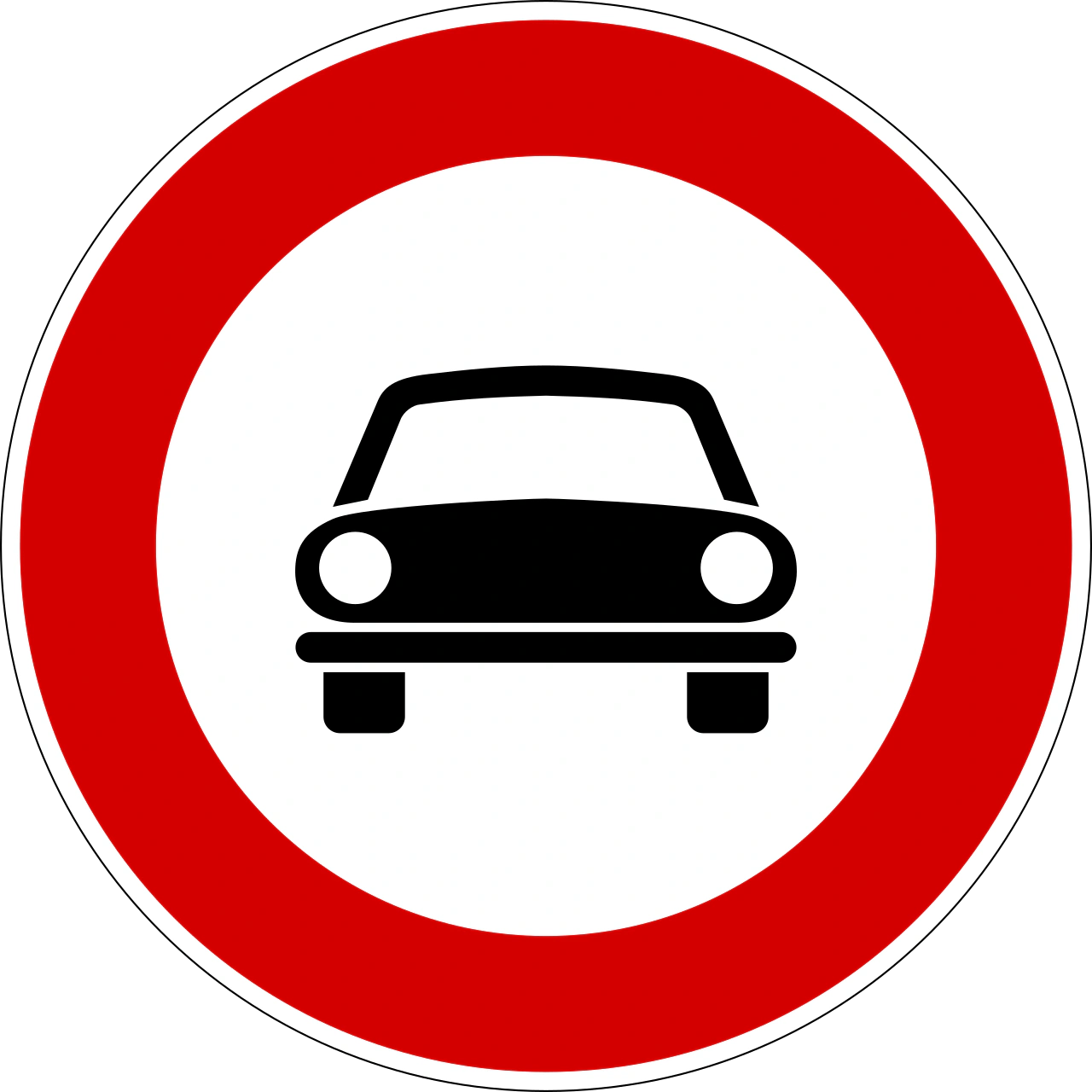
Understand the IT-PH-13 Sign: No Motor Vehicles with Four or More Wheels Allowed Ahead
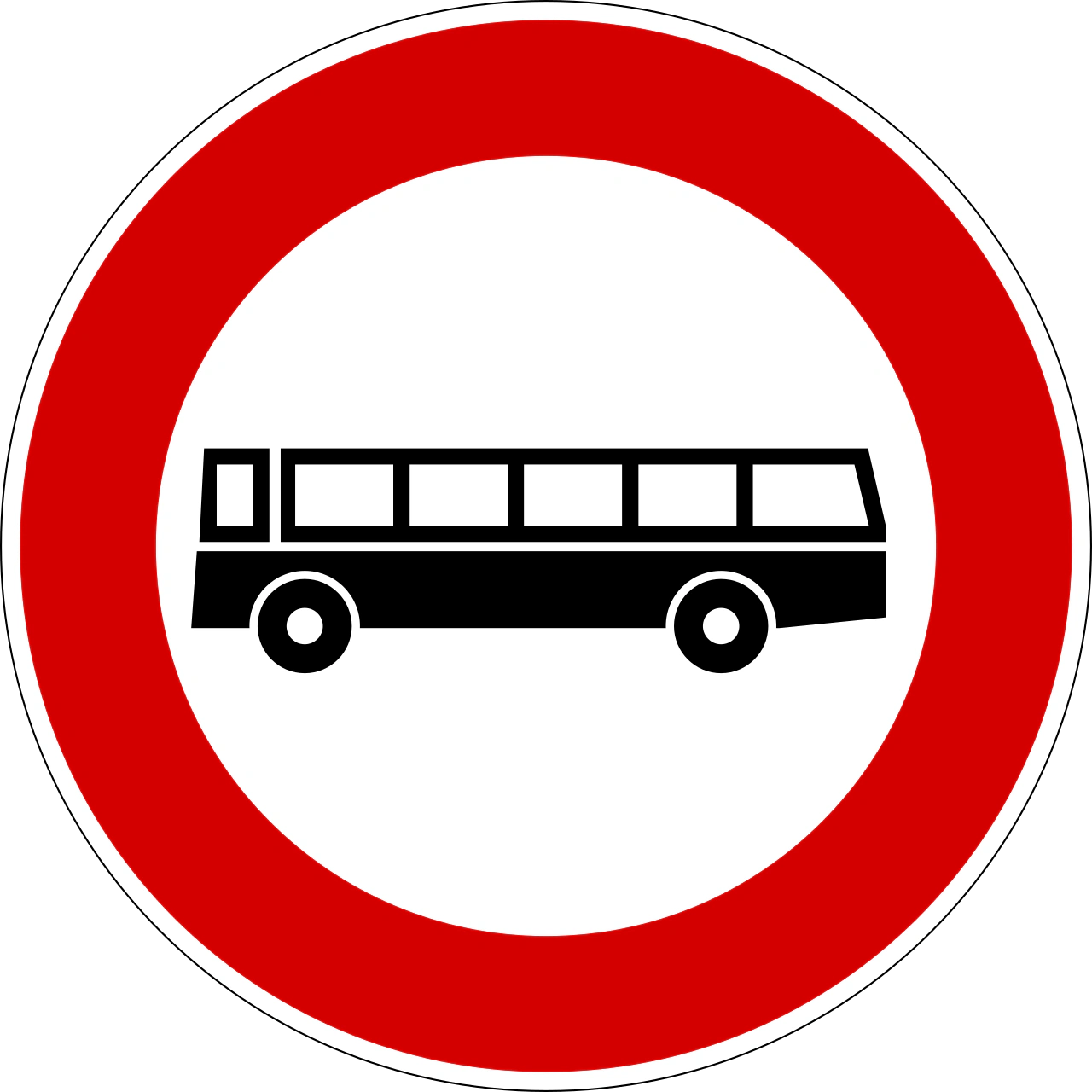
Prohibition Sign: 'No Buses' Ahead
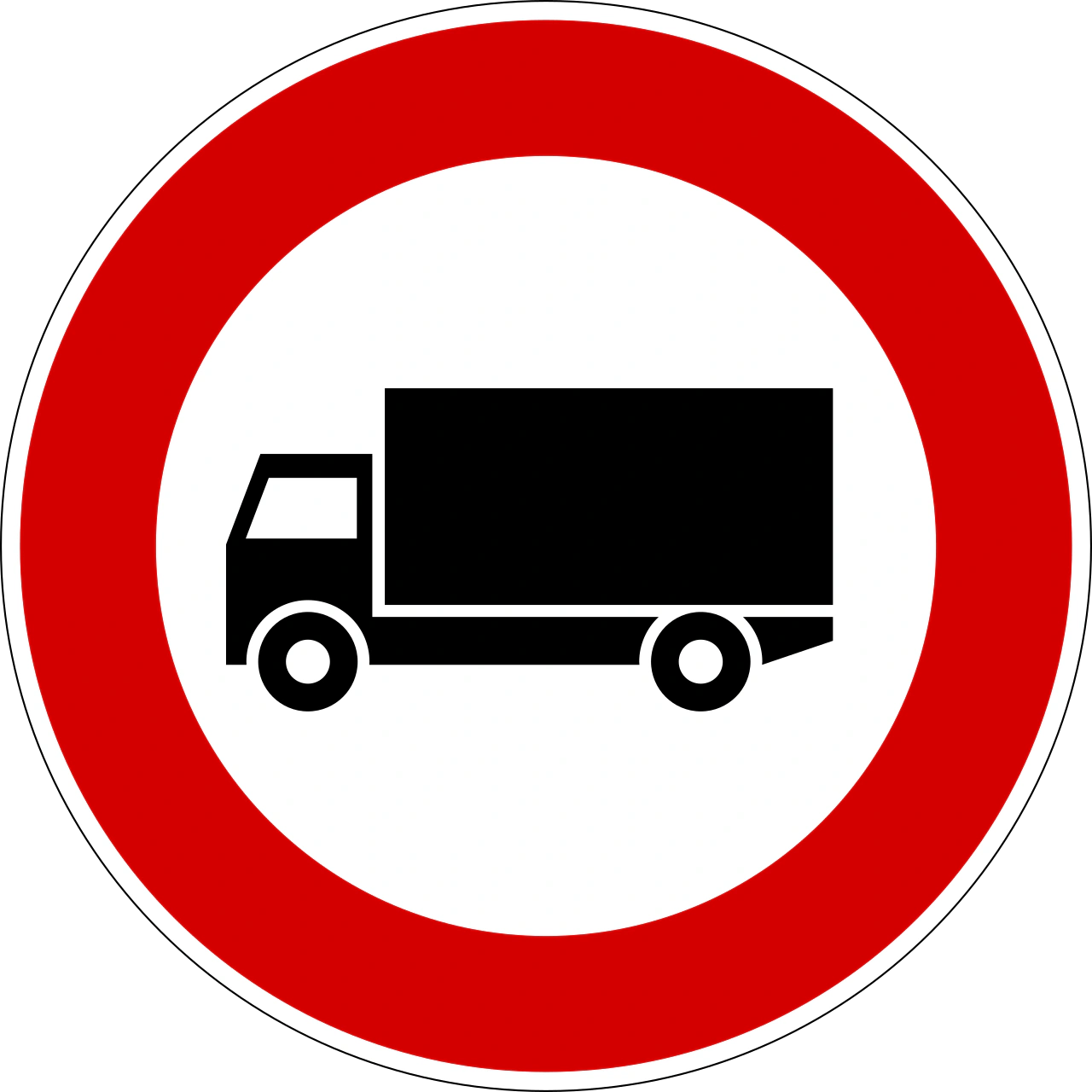
This 'No Large Goods Vehicles' Sign Prohibits Entry for Heavy Vehicles
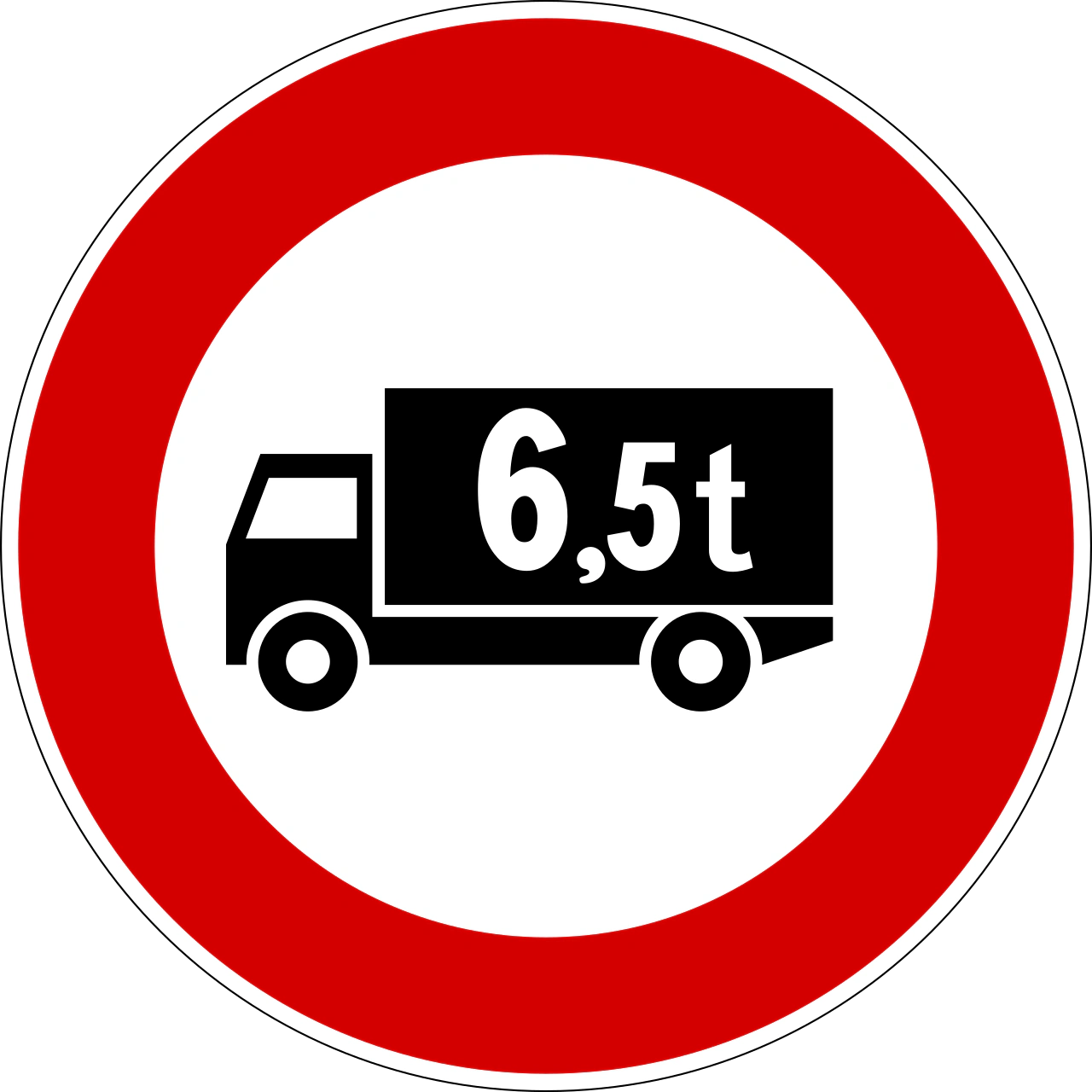
The II.60-b Sign: Know Your Vehicle's Weight Limit on Italian Roads
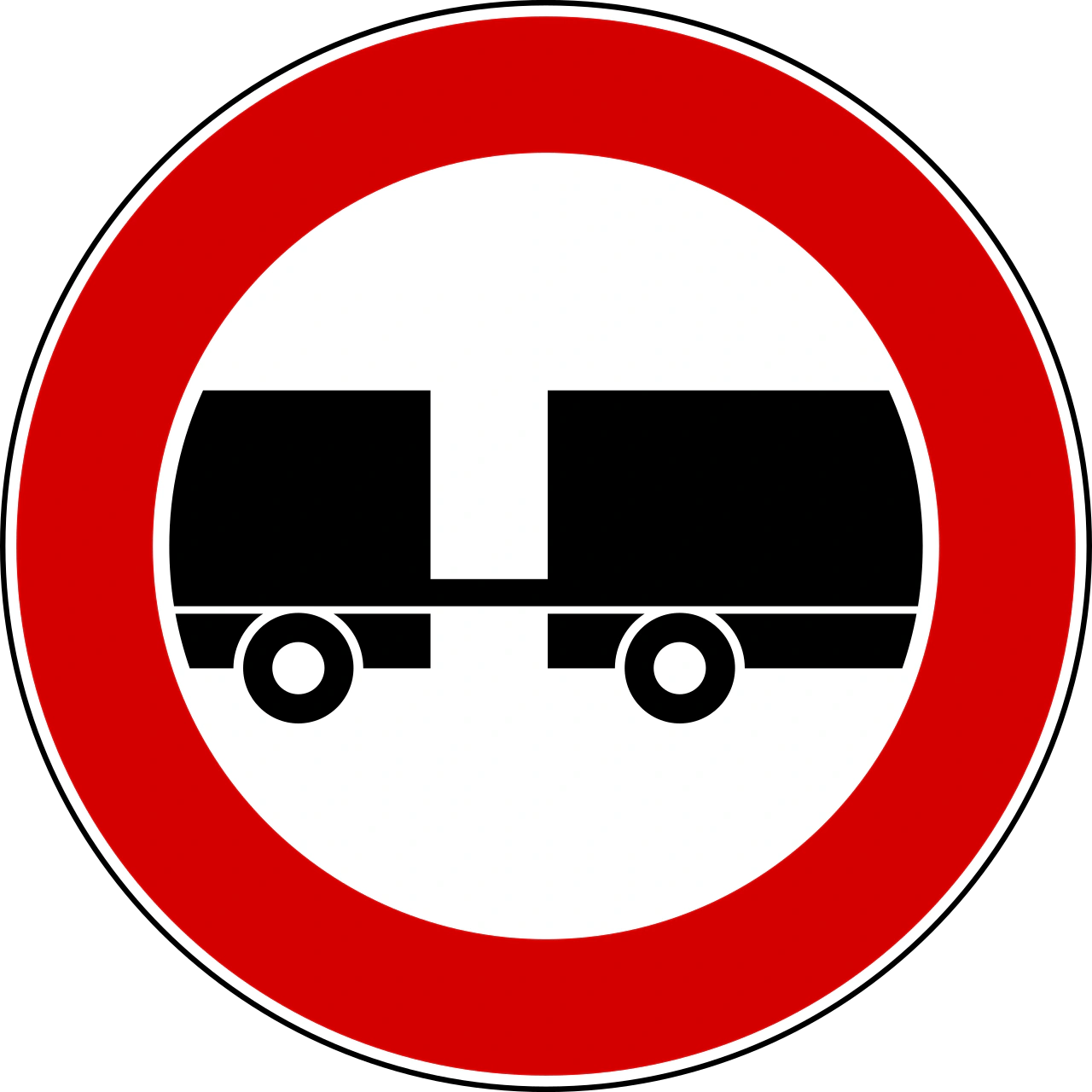
IT-PH-17: No Vehicles with Trailer Ahead
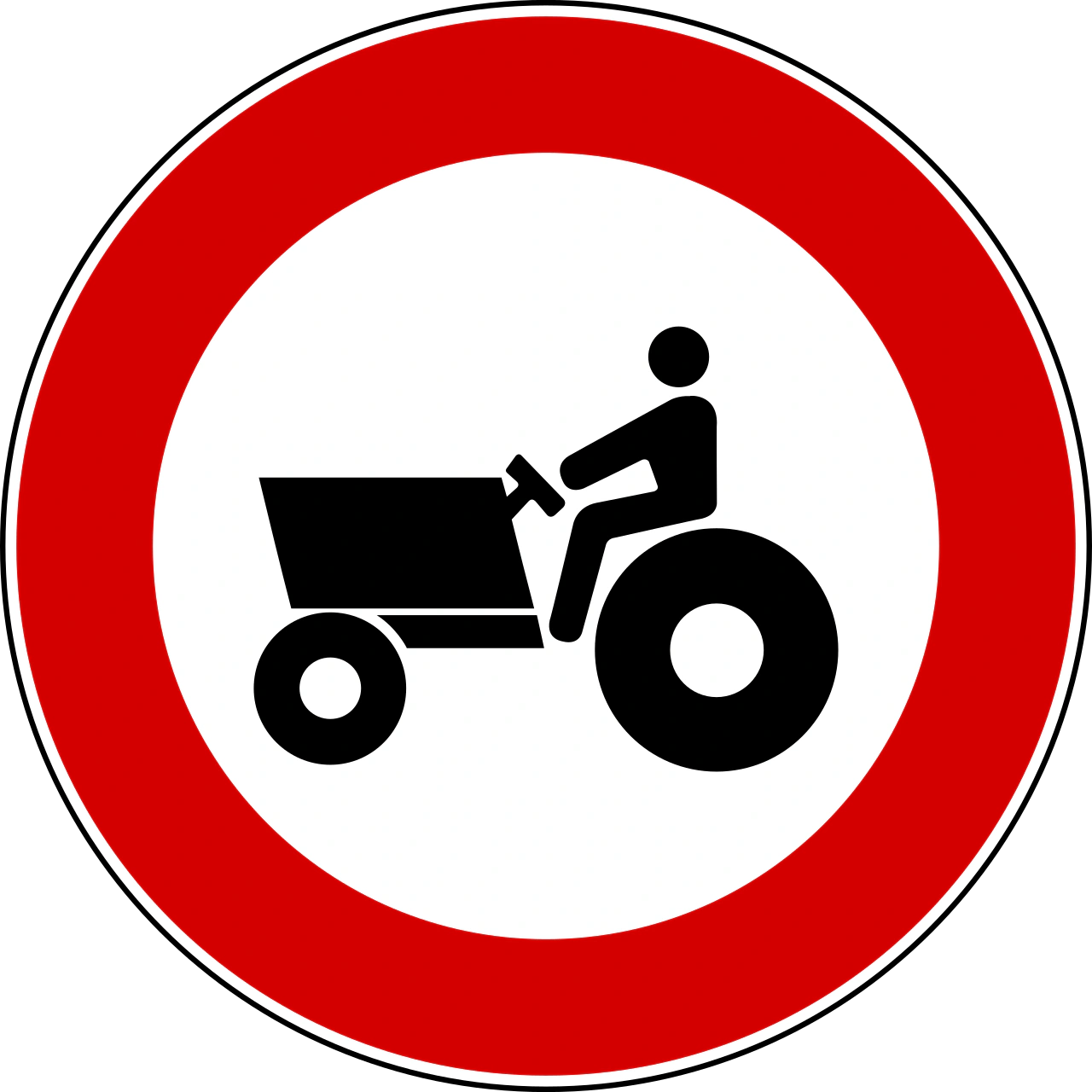
The 'No Tractors' Sign: Understanding This Important Italian Prohibition
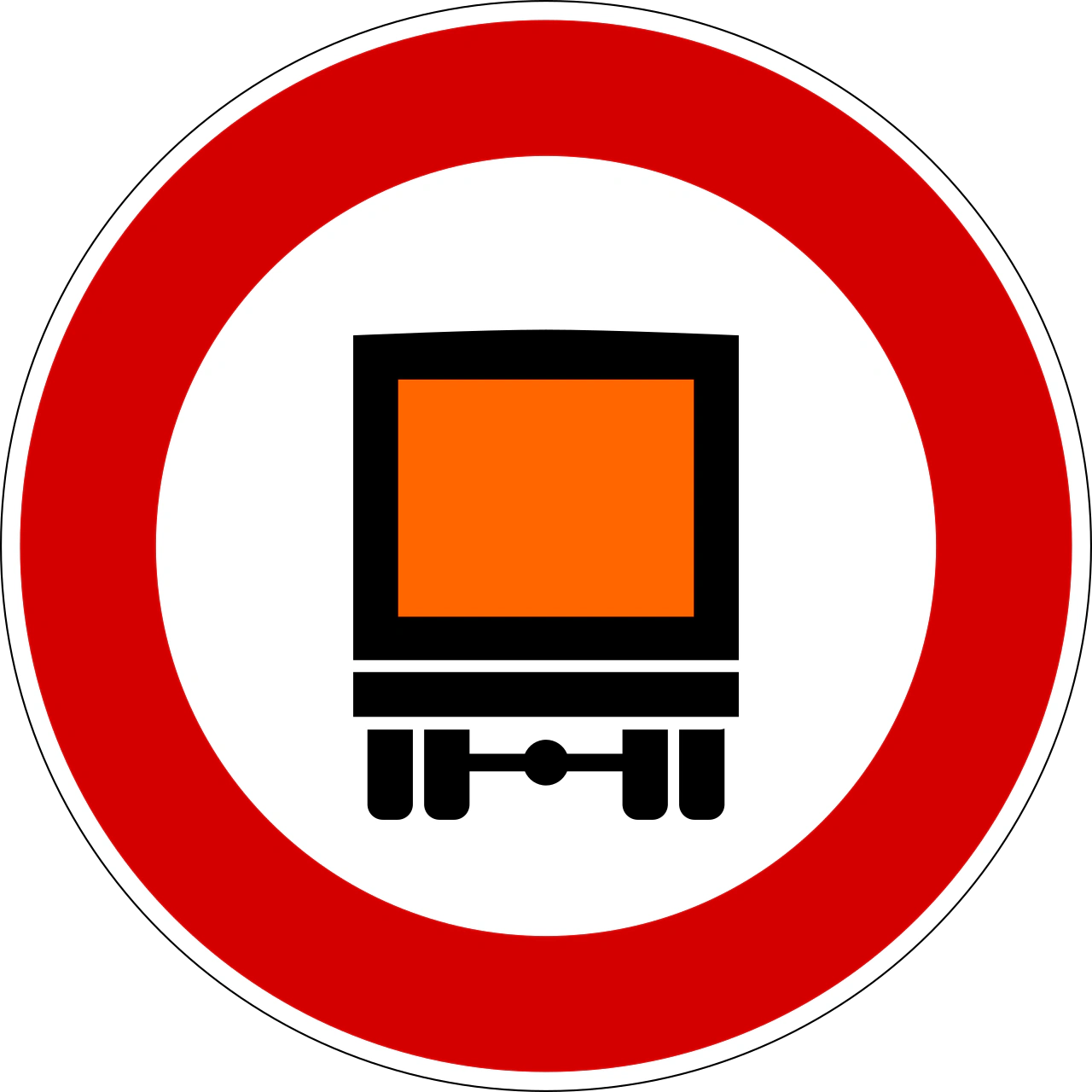
Understand the 'No Vehicles Carrying Dangerous Goods' Prohibition Sign (IT-PH-19)
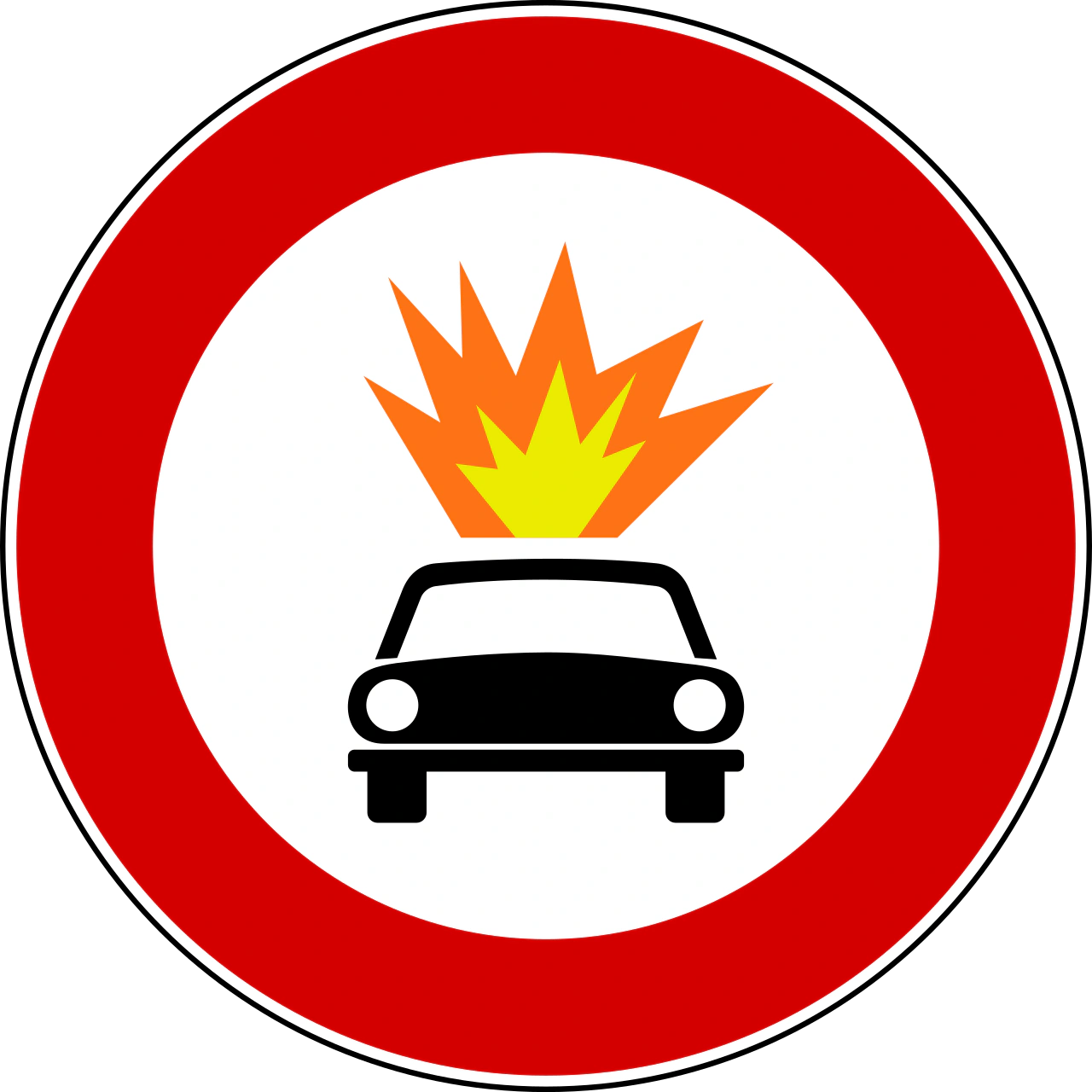
Prohibition Sign: No Vehicles Carrying Explosives or Flammable Goods (IT-PH-20)
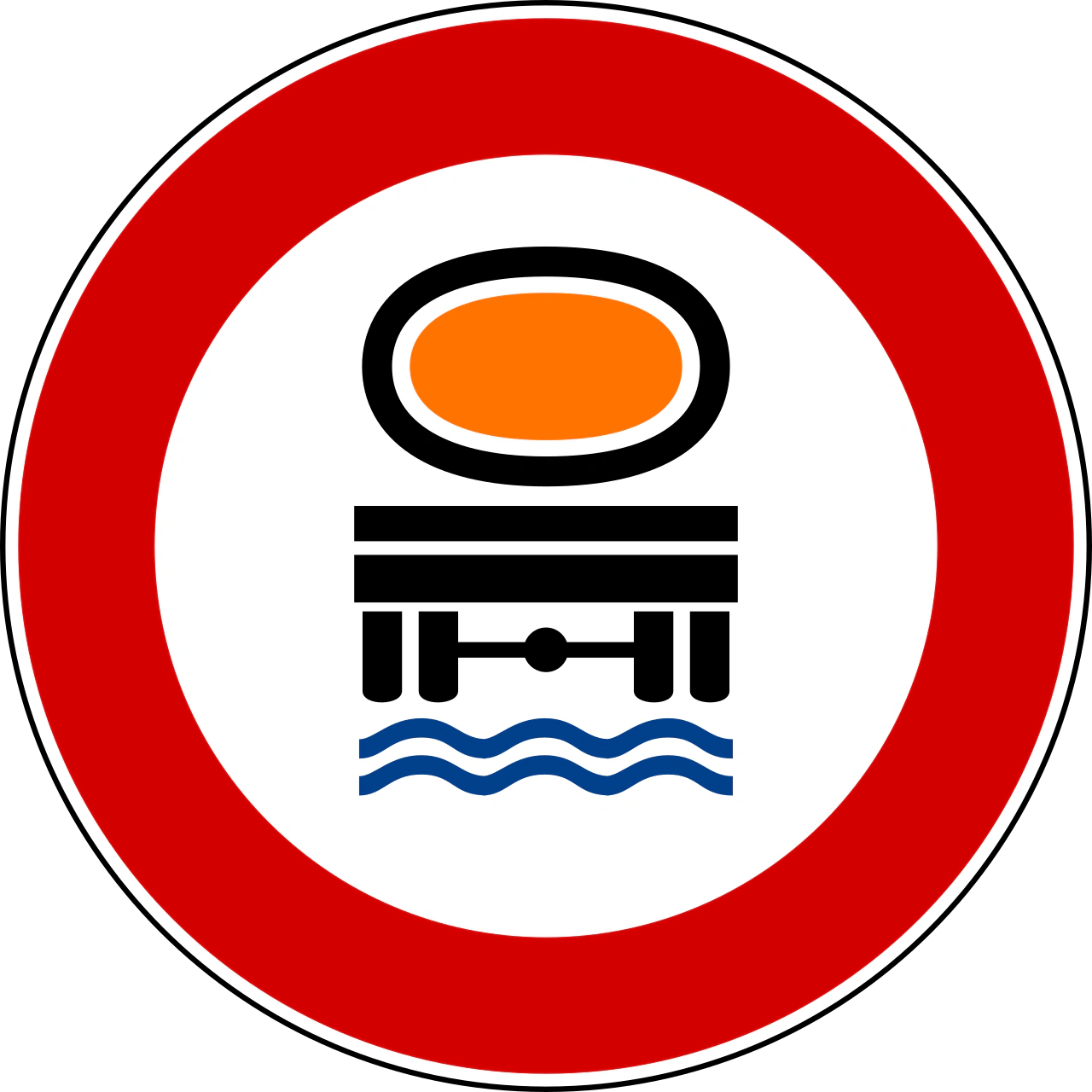
No vehicles carrying goods that could pollute water ahead.
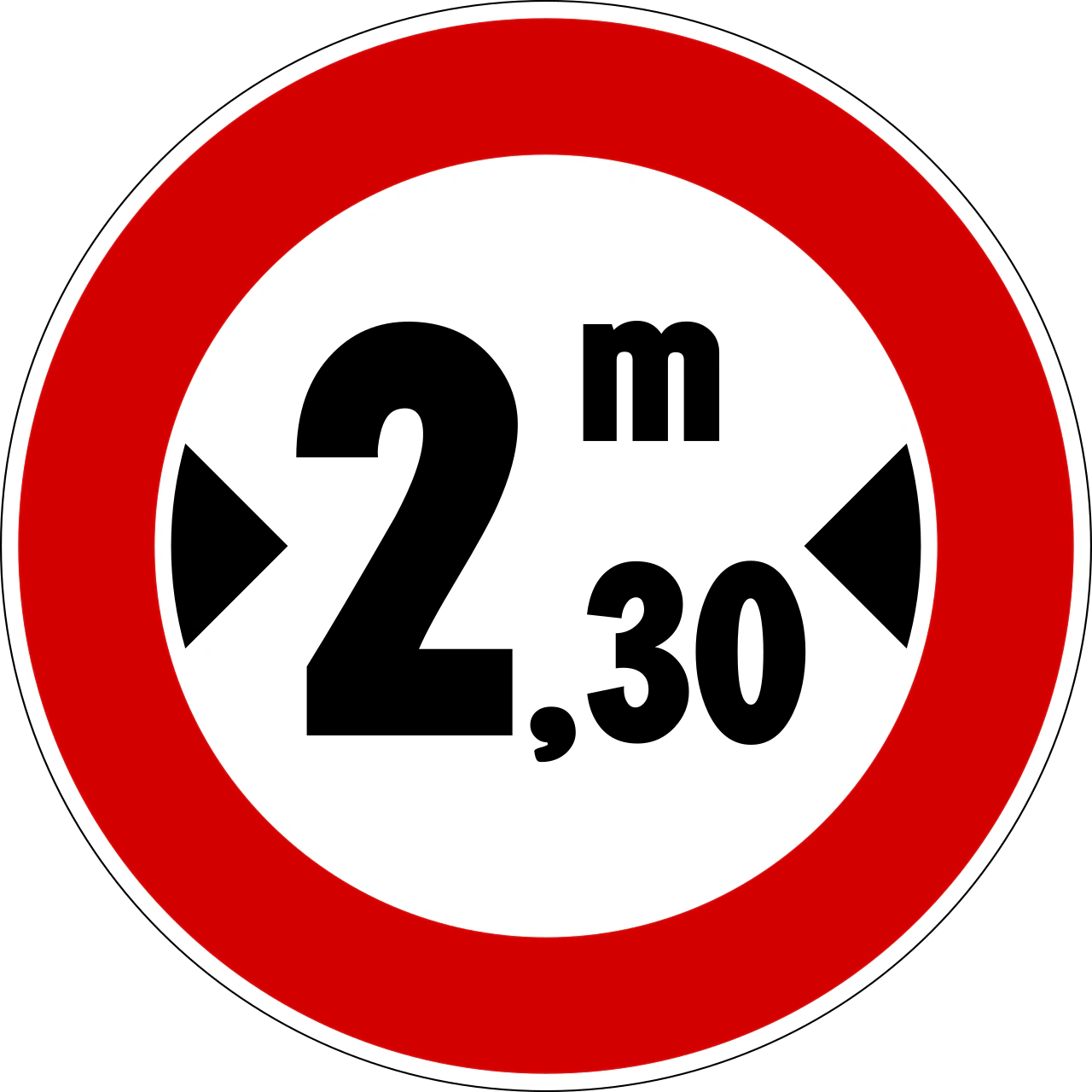
Understand the II.65 'No Vehicles Over Width Shown' Italian Prohibition Sign
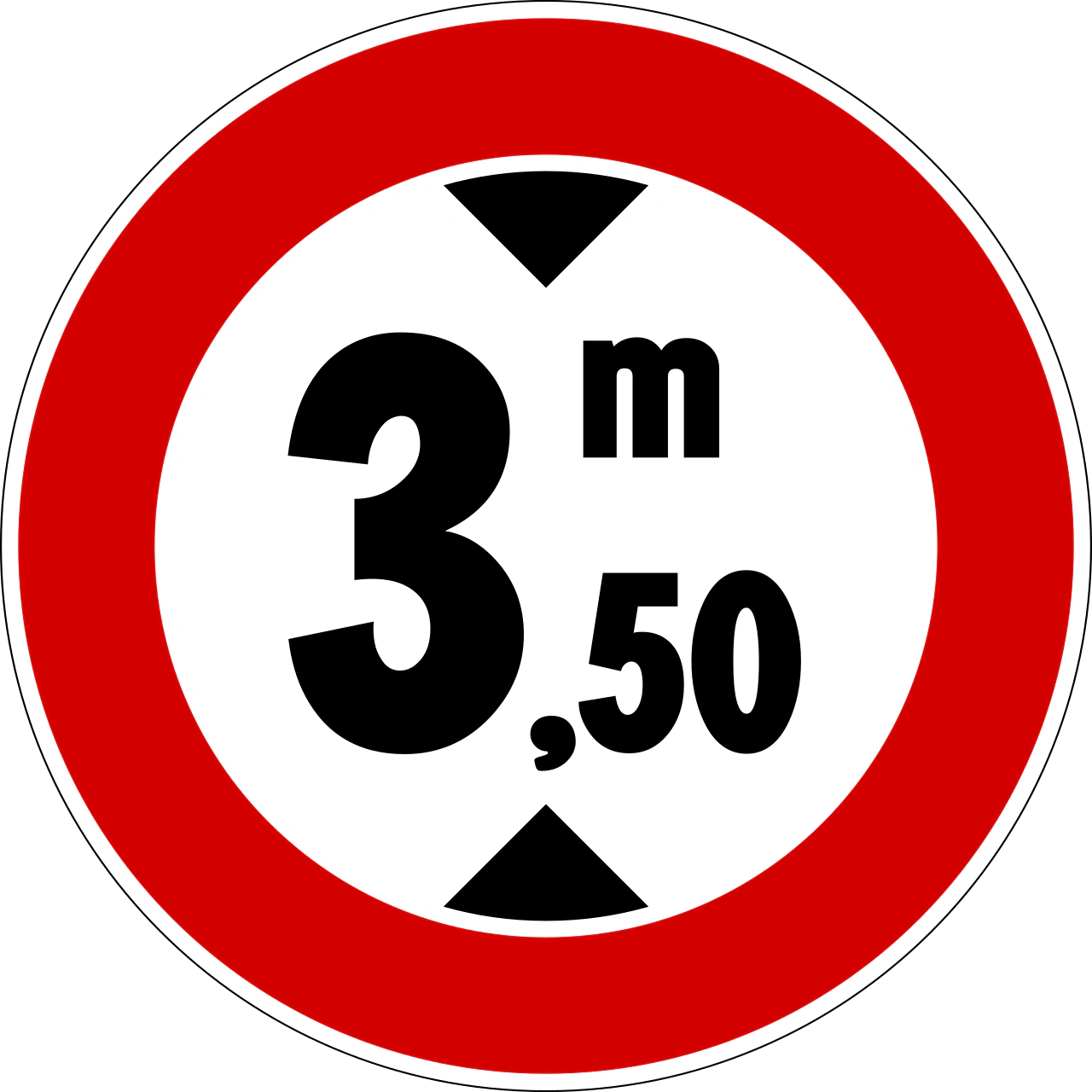
Do not proceed if your vehicle's height exceeds the limit shown on the II.66 prohibition sign.
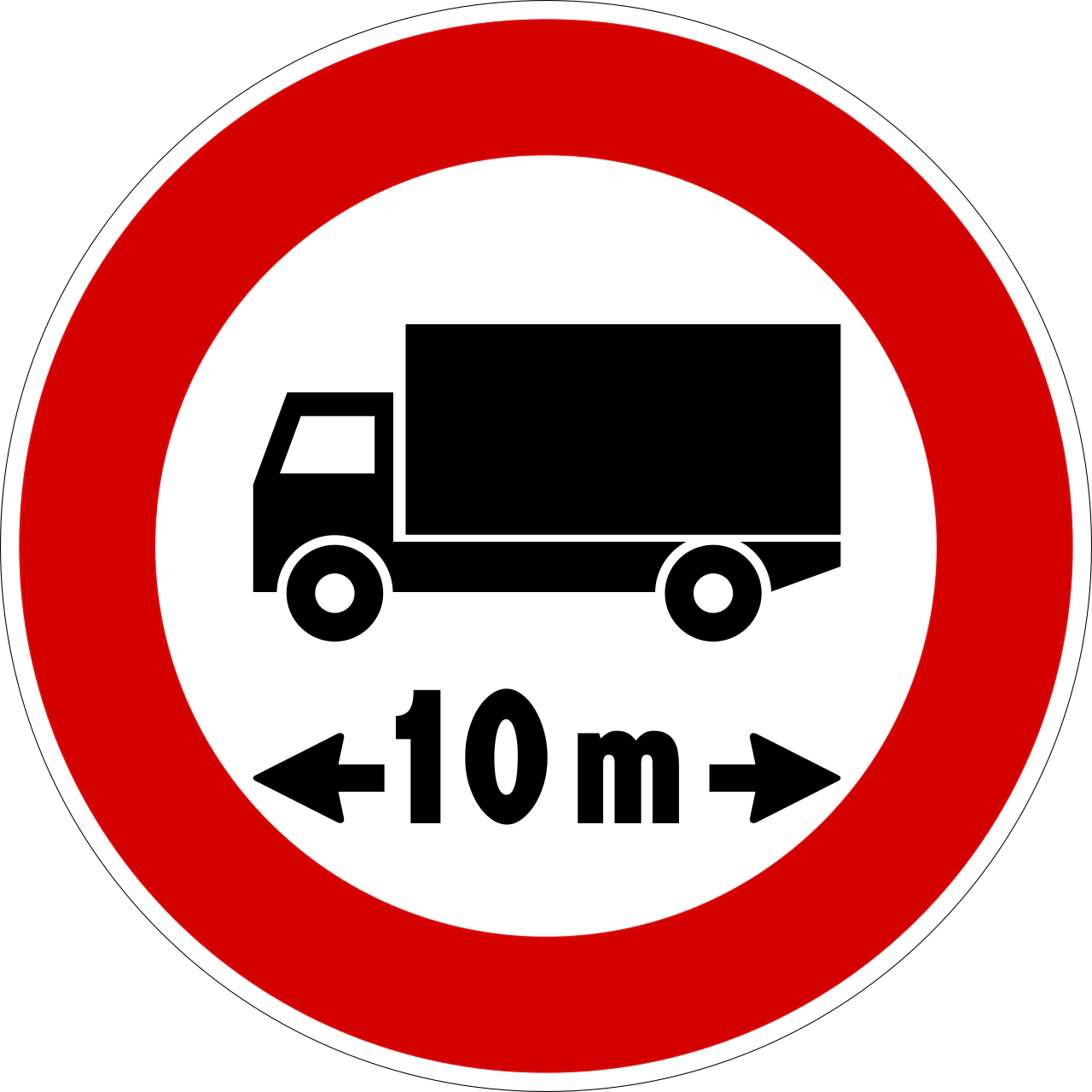
Beware of Vehicle Length Restrictions with the IT-PH-24 Sign in Italy
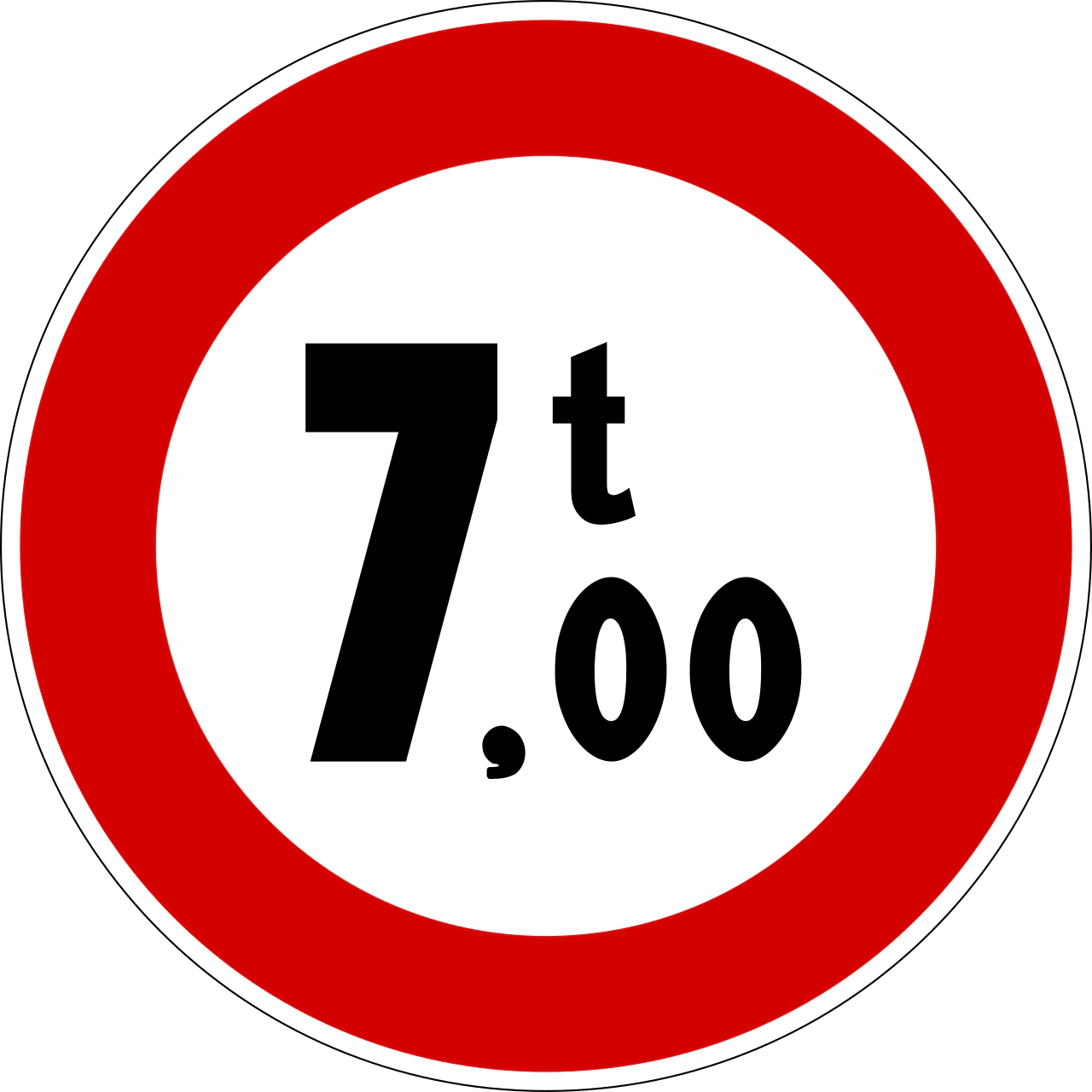
Maximum Weight Limit Ahead: Know Your Vehicle's Tonnes!
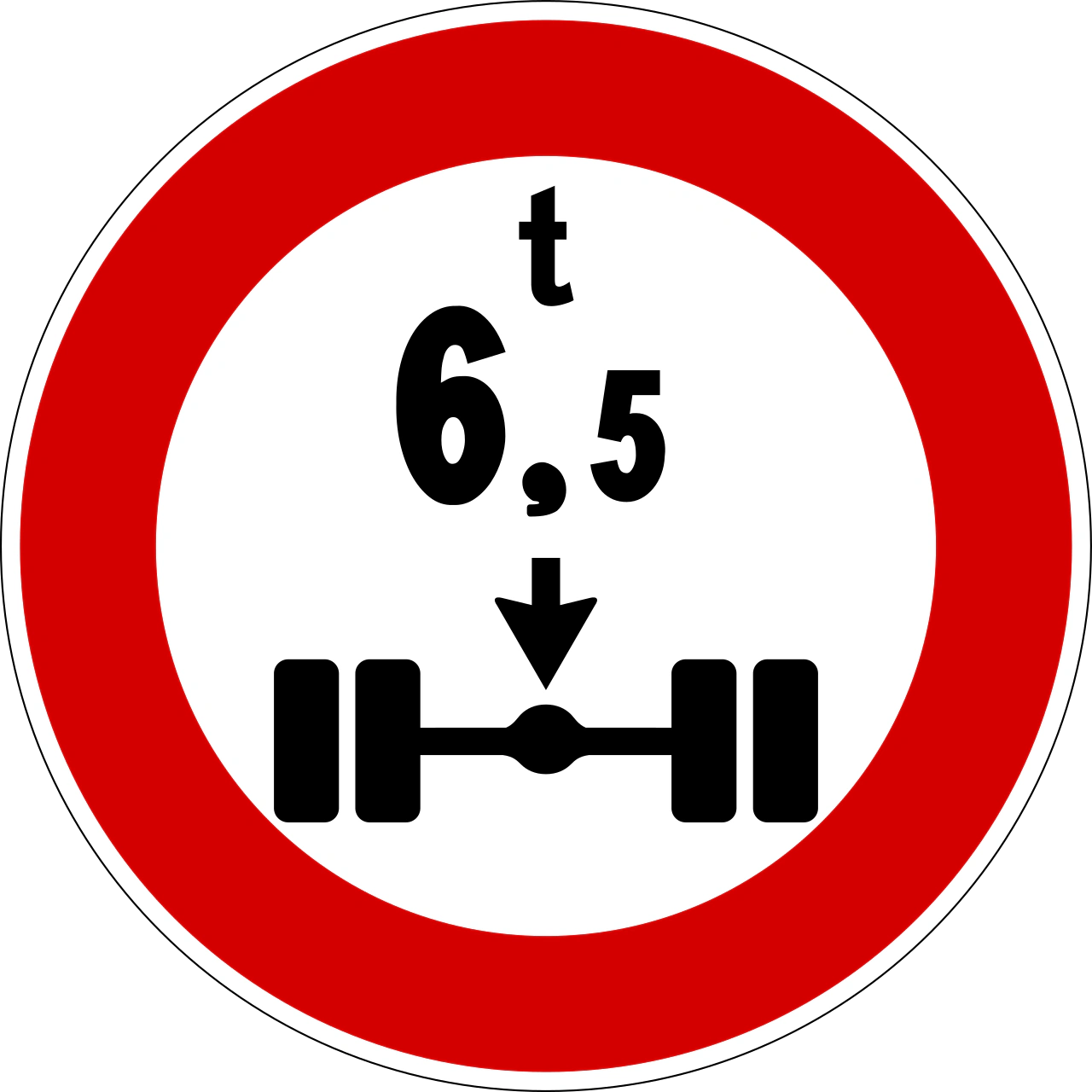
What the II.69 Axle Weight Limit sign means for your journey.
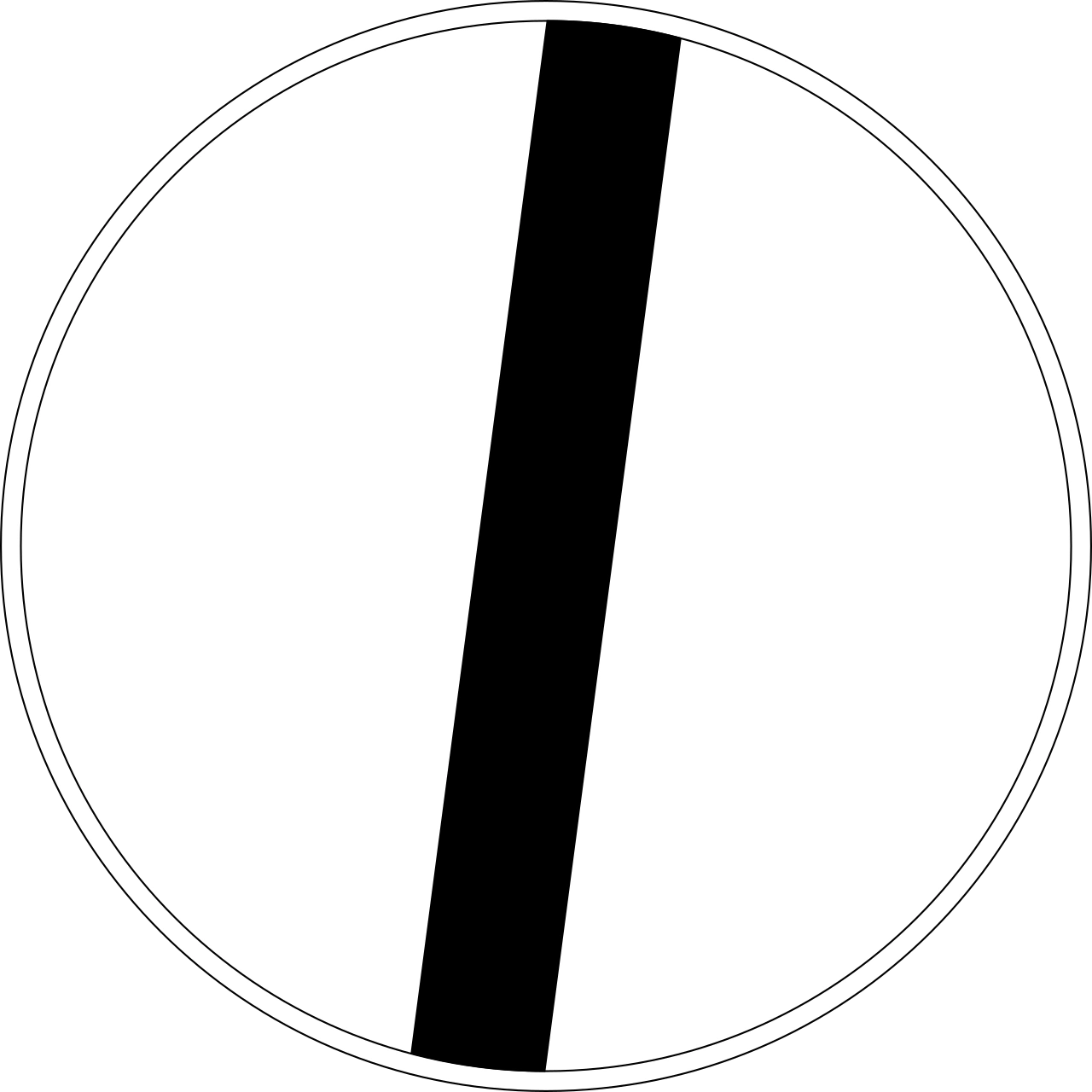
The Derestriction sign (IT-PH-27) indicates the end of a previously imposed traffic restriction.
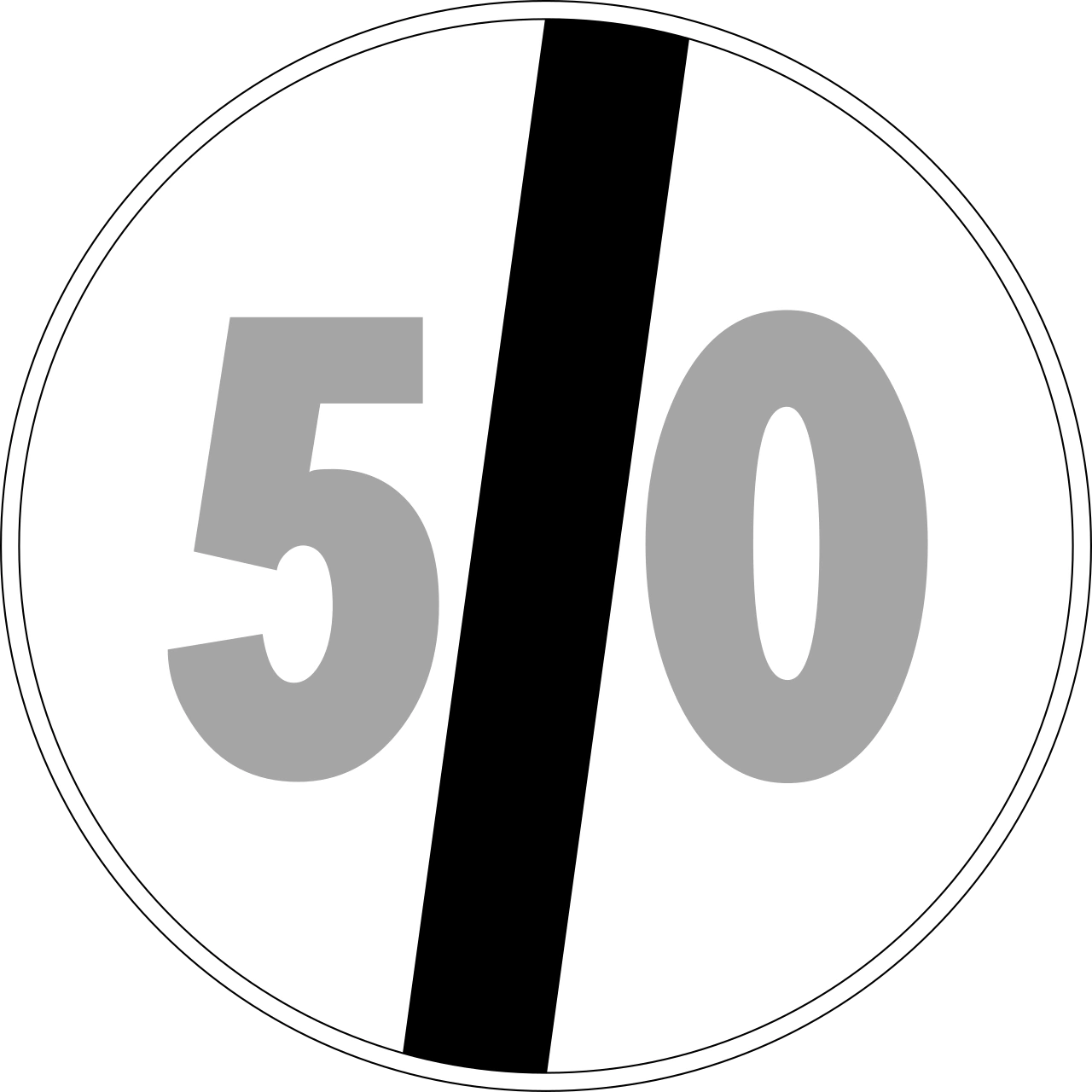
The 'End of Maximum Speed' Sign Means Restrictions Have Lifted
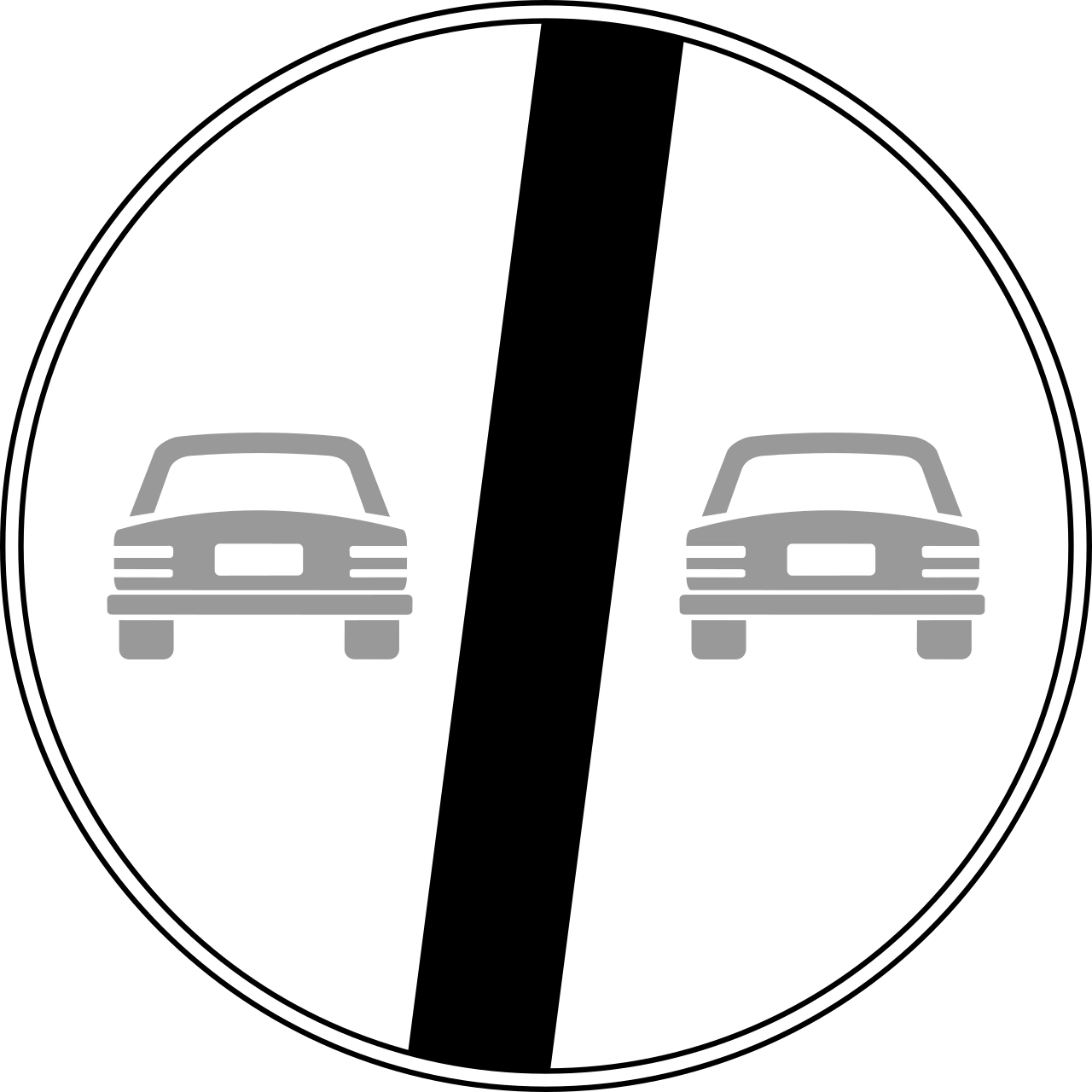
IT-PH-29: This Sign Means Overtaking is Now Allowed Again
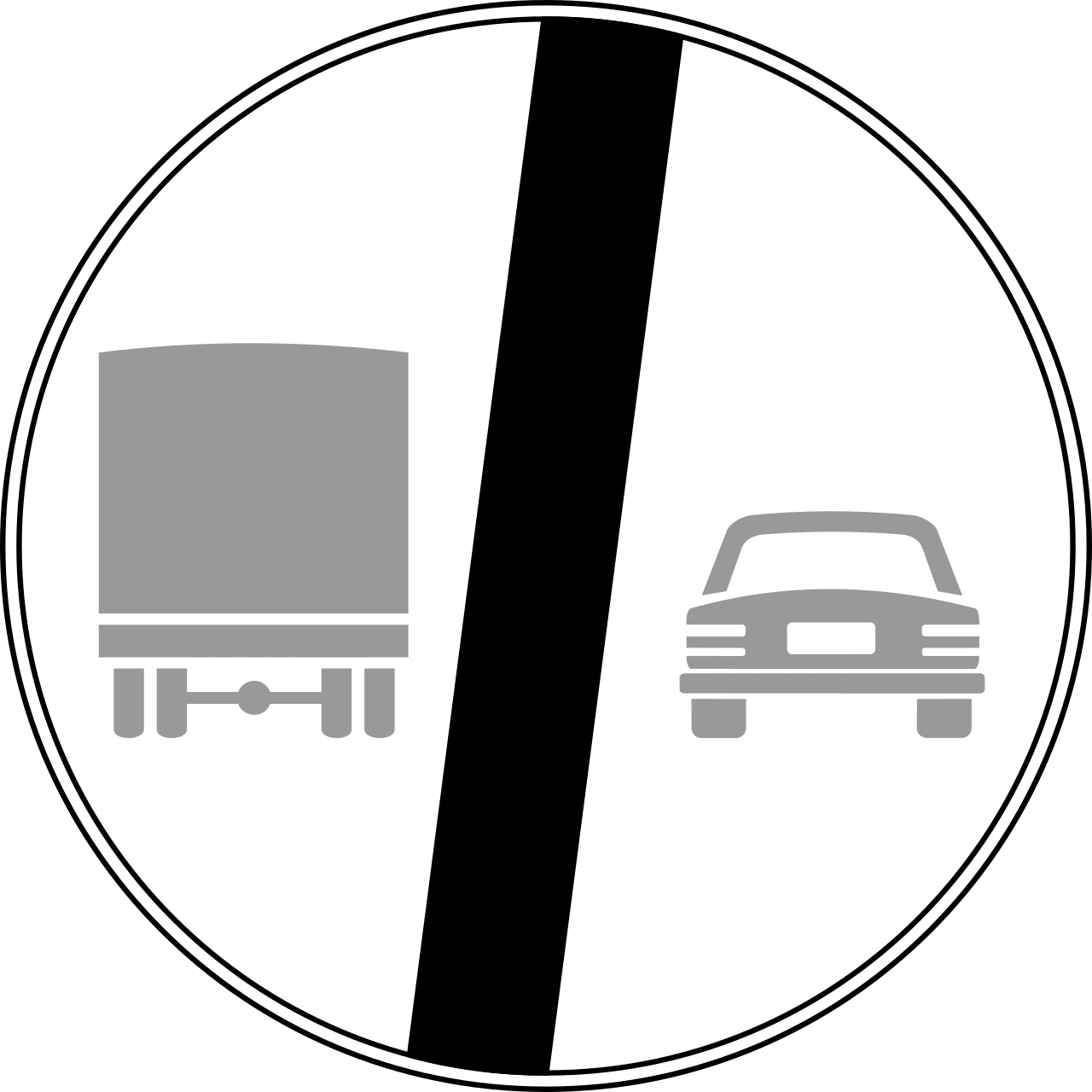
You can now overtake heavy goods vehicles again: End of Restriction Sign
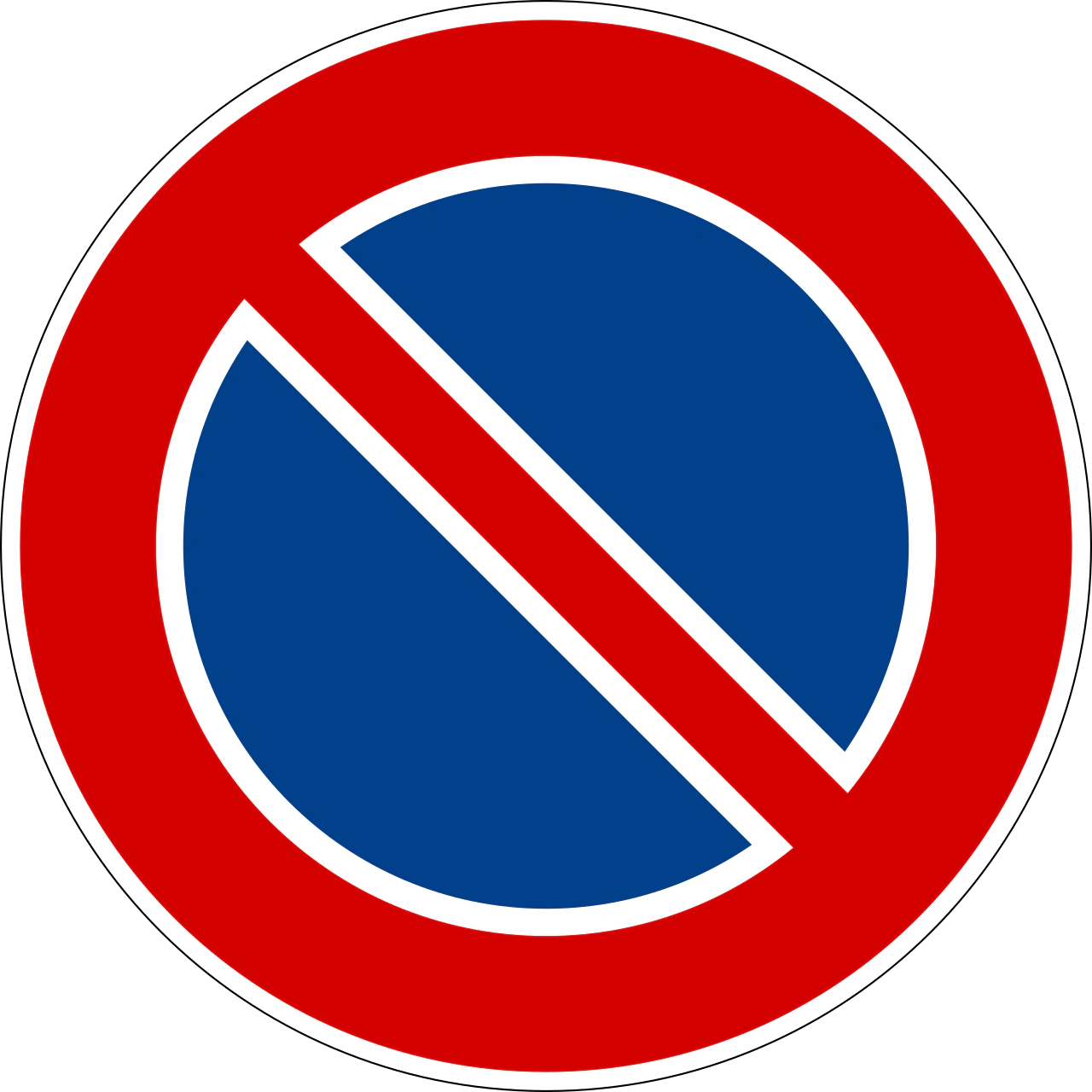
Understand the 'No Parking' prohibition sign (IT-PH-31) in Italy
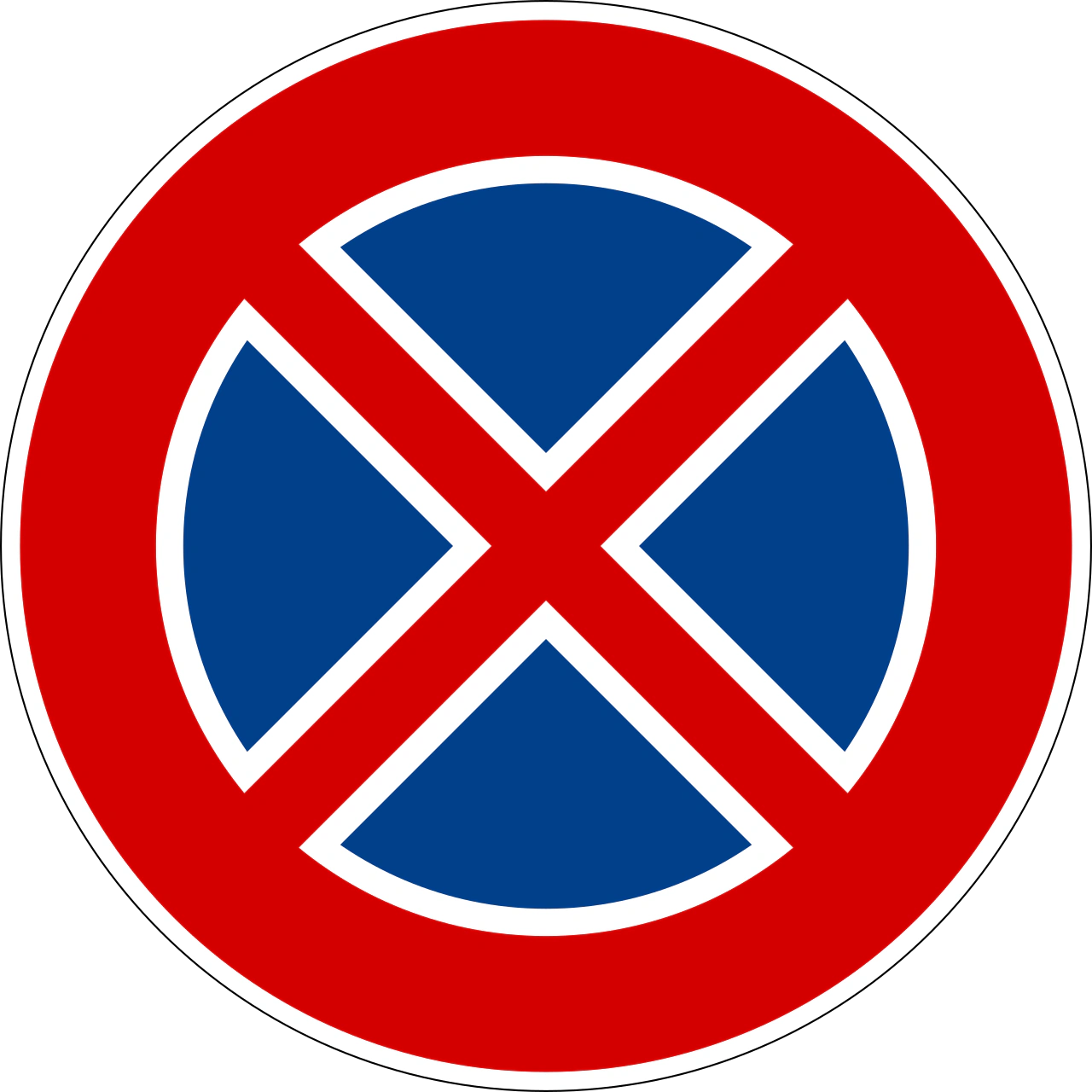
Understand the Italian IT-PH-32 'No Stopping' Road Sign
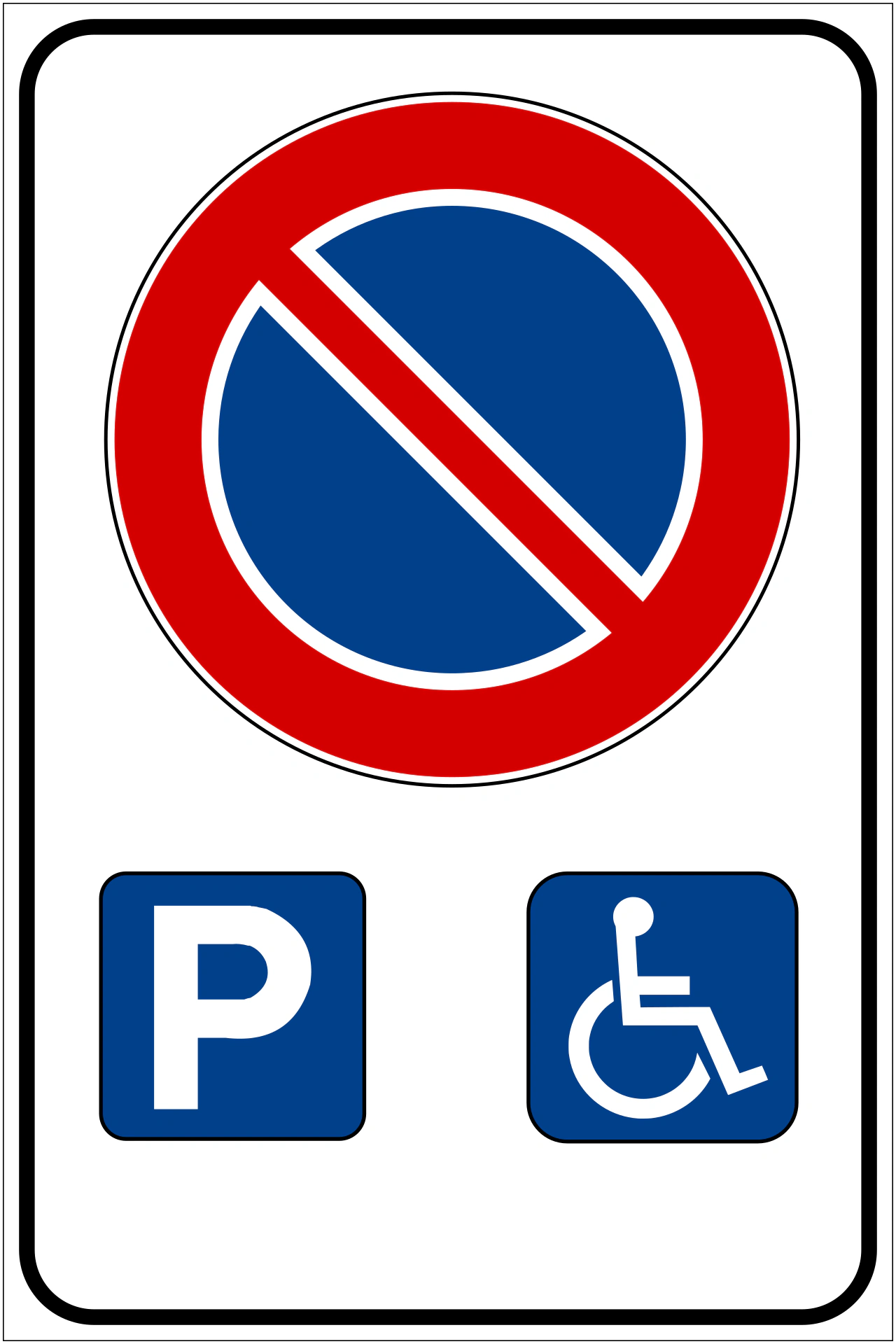
Italy's II.79-a Sign: Reserved Parking for Disabled Vehicles
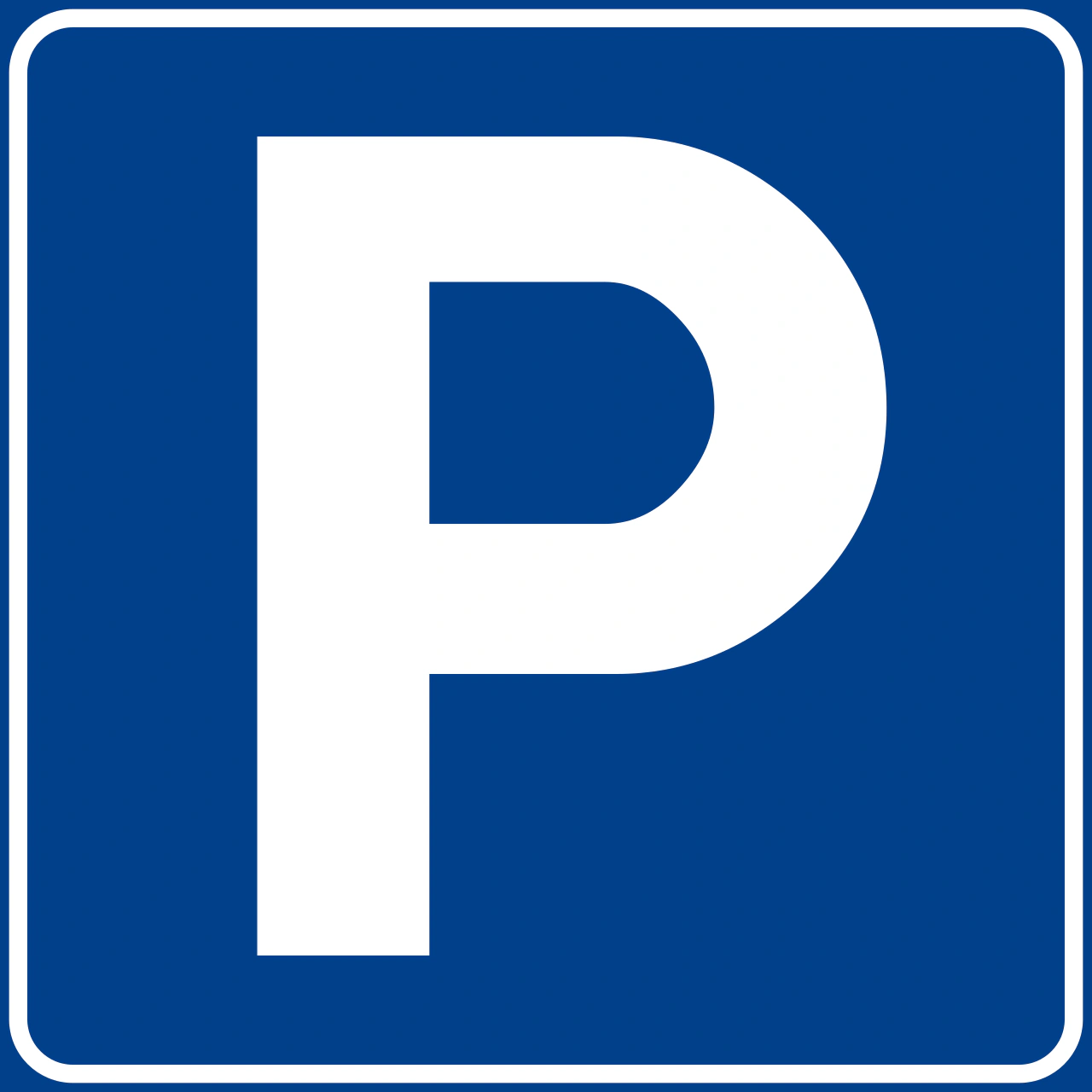
Understand the Italian II.76 'Parking Place' Prohibition Sign
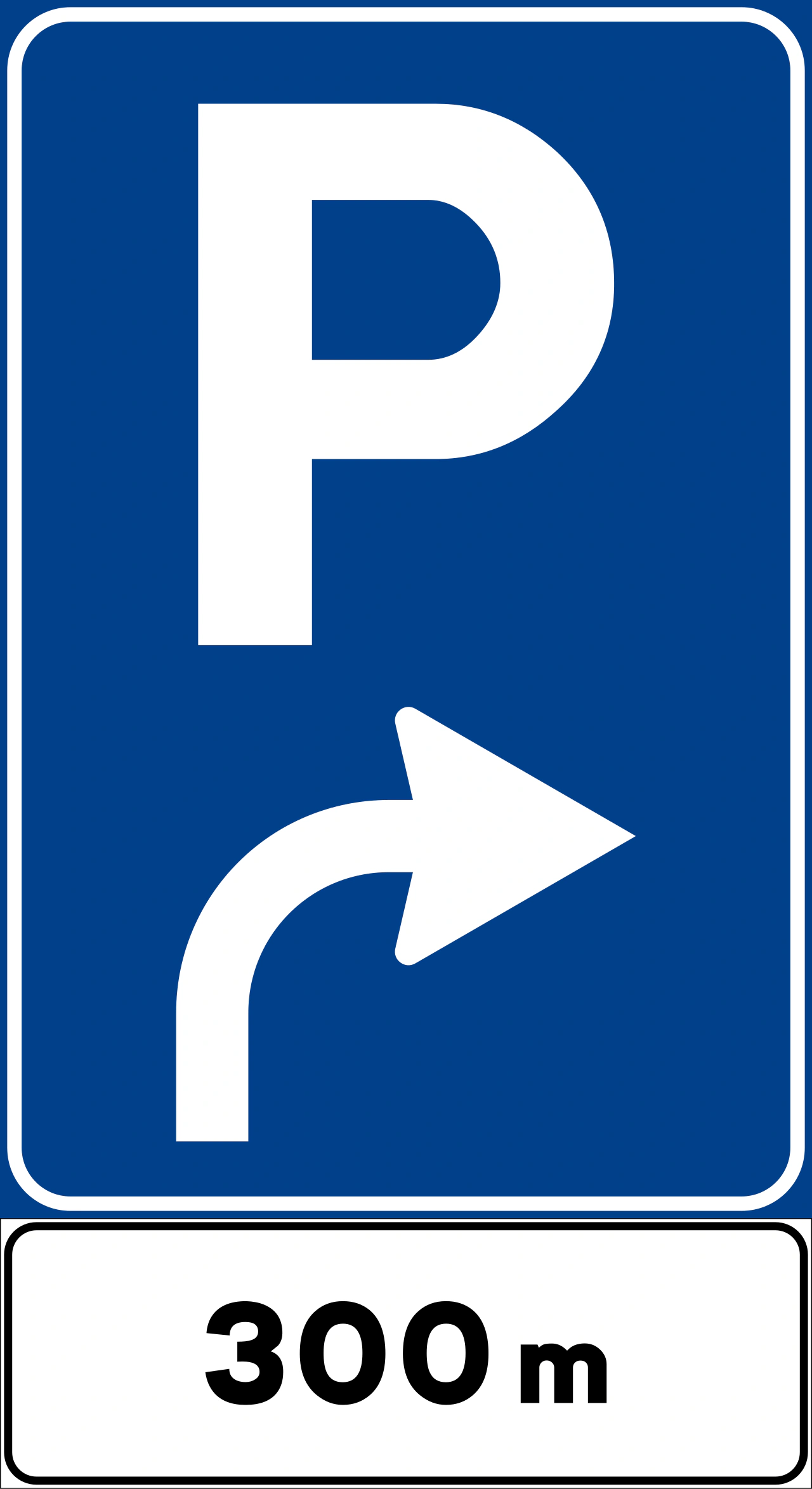
Sign II.77: Understand the 'Parking Ahead in the Direction of the Arrow' Prohibition
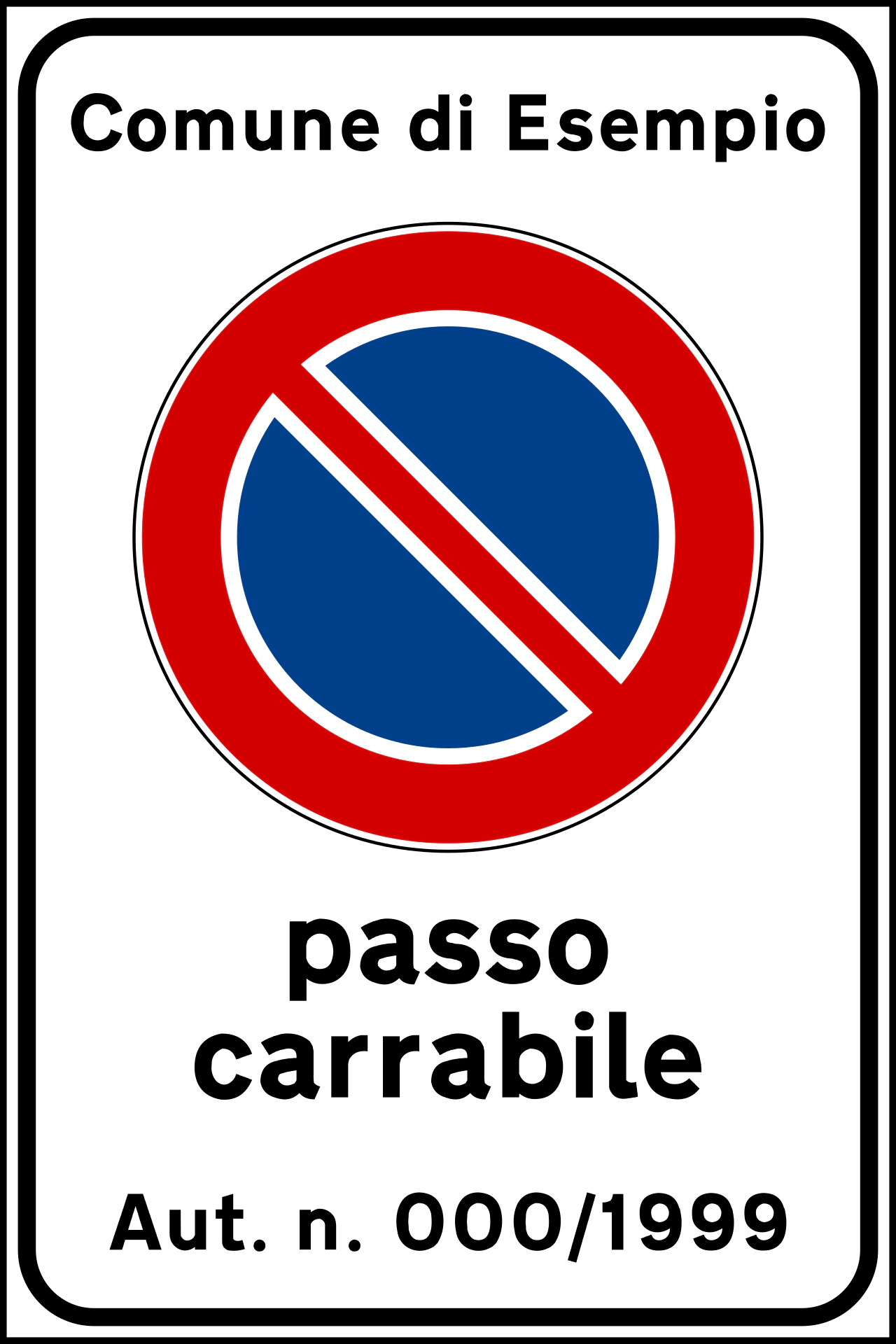
Understand the 'No Parking at All Times in Front of Vehicular Access' Sign (IT-PH-36)
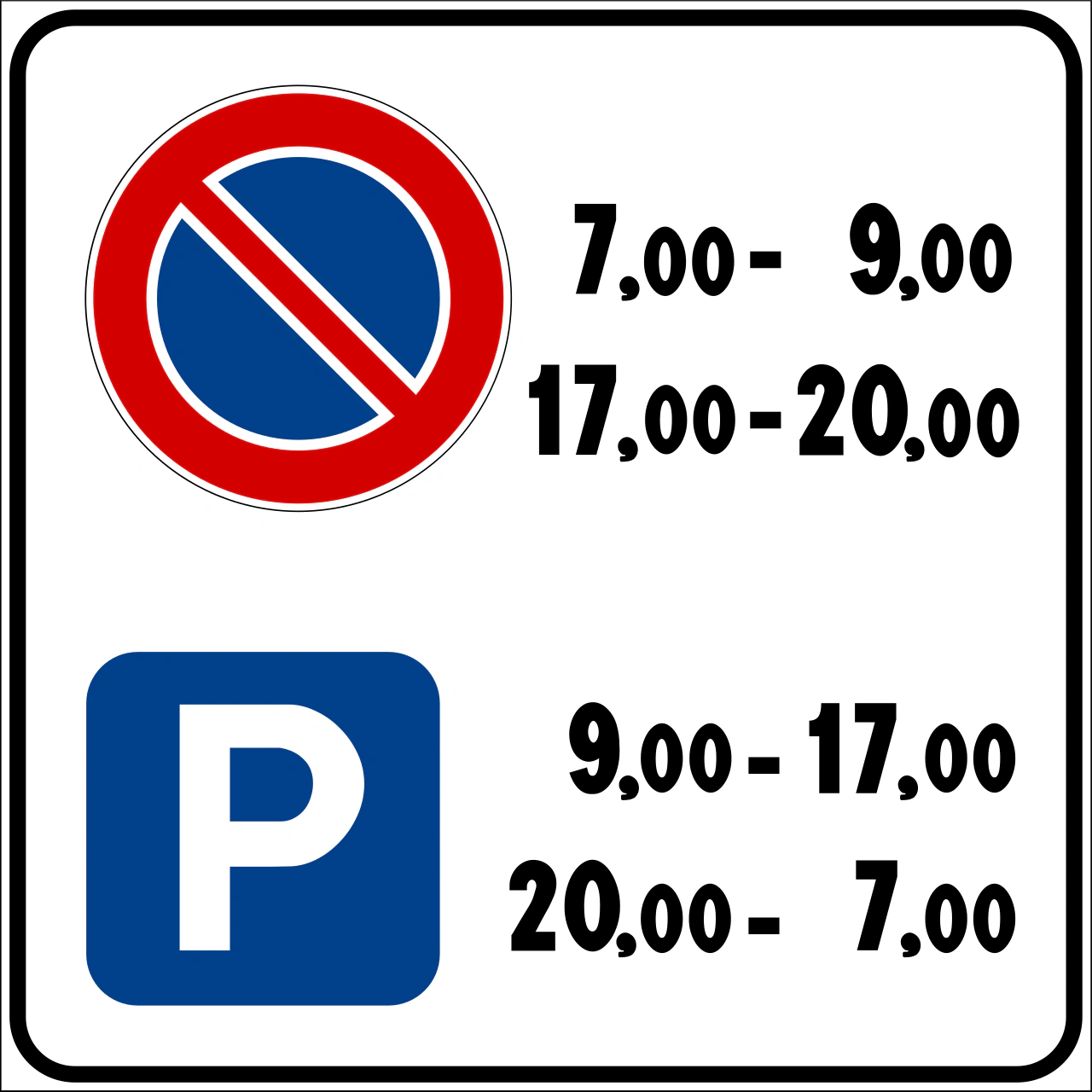
Know When Parking is Restricted with the II.79-d Sign
Clear answers to common questions about the Italian Prohibition Signs road sign category. Use this FAQ to review tricky rules, understand how these signs appear in exam scenarios, and remove confusion that often leads to mistakes in the Italian driving theory exam in Italy.
The 'No Parking' sign (IT-PH-31) prohibits leaving your vehicle unattended. However, you may stop briefly to pick up or drop off passengers or goods. The 'No Stopping' sign (IT-PH-32) is more restrictive; it forbids even brief stops, except when absolutely necessary due to traffic conditions (like a traffic jam or red light). Understanding this distinction is crucial for avoiding fines.
Many prohibition signs, such as speed limits or overtaking bans, apply to all vehicles unless otherwise specified. However, some signs are specific to certain vehicle types (e.g., 'No buses', 'No heavy goods vehicles') or indicate restrictions based on weight, height, or width. Always check the sign carefully for any supplementary information or symbols that might indicate if the restriction applies to your specific vehicle category.
Signs like 'End of maximum speed' (IT-PH-28), 'End of no overtaking' (IT-PH-29), or 'Derestriction' (IT-PH-27) indicate that the previously imposed restriction no longer applies. After seeing these signs, you can resume normal driving according to general traffic rules or any new restrictions that might be indicated by subsequent signs. They are just as important to notice as the prohibition signs themselves.
Yes, parking signs can be tricky. For instance, IT-PH-31 ('No parking') on urban roads is often valid only during specific hours (8 am to 8 pm) unless additional information is provided, whereas on extra-urban roads, it usually applies at all times. Also, pay close attention to signs that prohibit parking in front of driveways (IT-PH-36) or parking at specific times (II.79-d), as these often appear in theory test questions. Special parking spaces, like those for disabled individuals (II.79-a), also require careful understanding of their usage conditions.
When multiple prohibition signs are displayed together, you must comply with all of them. For example, you might see a 'Maximum Speed' sign alongside a 'No Parking' sign. This means you must adhere to the speed limit and also obey the parking restrictions. Sometimes signs are stacked or placed side-by-side to indicate a combination of rules that apply to a specific location or road segment.
Begin your journey to understand Italian road signs more effectively. Select any category from the list to dive into detailed explanations and practice questions tailored to the official Italian driving theory curriculum. Master each group for a confident exam performance.
Browse Italian Road Sign Groups