
Italian mandatory signs are your GPS on the road, dictating specific actions you must take. They clarify required movements, minimum speeds, and essential equipment like snow chains. Mastering these signs is crucial for both passing your theory exam and ensuring safe passage through various traffic scenarios.
An explanation of how Italian Mandatory Signs road signs apply in real traffic situations in Italy. Learn where these signs are typically placed, what drivers are expected to do when they appear, and how correct reactions help you stay safe, avoid fines, and succeed in your Italian driving theory exam.
You'll encounter Italian mandatory signs in a variety of settings. Directional signs like 'Drive straight', 'Turn left', or 'Keep right' are common at intersections, guiding traffic flow and preventing confusion. Signs indicating a 'Roundabout' or 'Pass either side' manage complex traffic situations. You might see 'Minimum speed' signs on roads where slower traffic could impede faster vehicles, typically motorways or uphill stretches, while 'End of minimum speed' signs signal the restriction's removal. 'Snow chains compulsory' signs are vital warnings in mountainous regions during winter, and 'Customs' or 'EU Country border' signs appear as you approach international borders. Dedicated paths for 'Pedestrian', 'Cycle', or 'Bridleway' users are clearly marked to ensure safety and order for all road users, often separated to prevent conflicts.
An overview of the key learning outcomes when studying the Italian Mandatory Signs road sign category. Understand the main concepts, sign meanings, and traffic situations covered here so you can recognise patterns, answer theory questions more confidently, and build a solid foundation for safe driving in Italy.
Master Italian mandatory signs, which specify required actions like lane usage, minimum speeds, or specific equipment. Studying these together helps you recognize what drivers must do, crucial for passing your theory test and navigating Italian roads safely. Learn to identify these directives to ensure compliance with traffic laws.
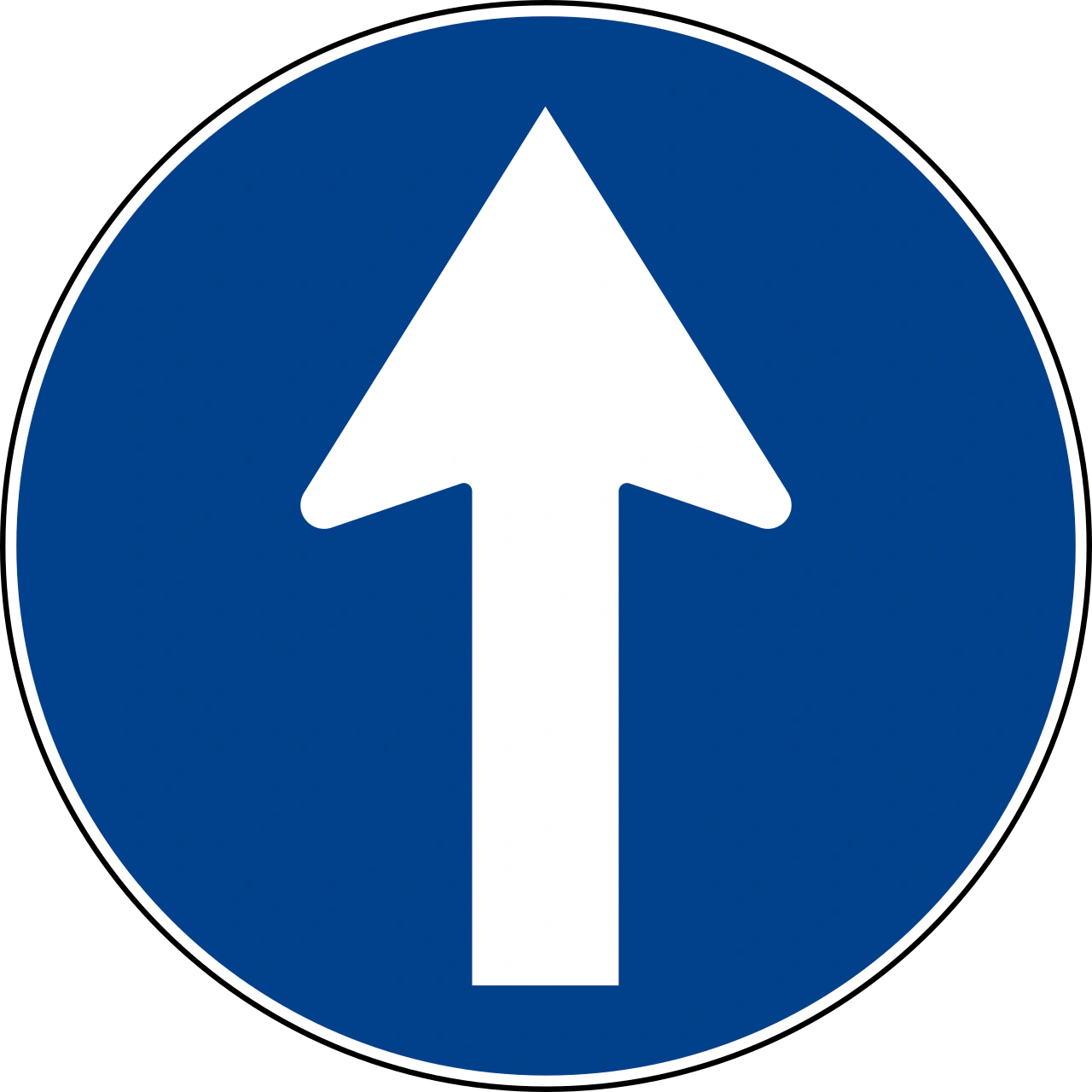
IT-M-01: You Must Drive Straight Ahead
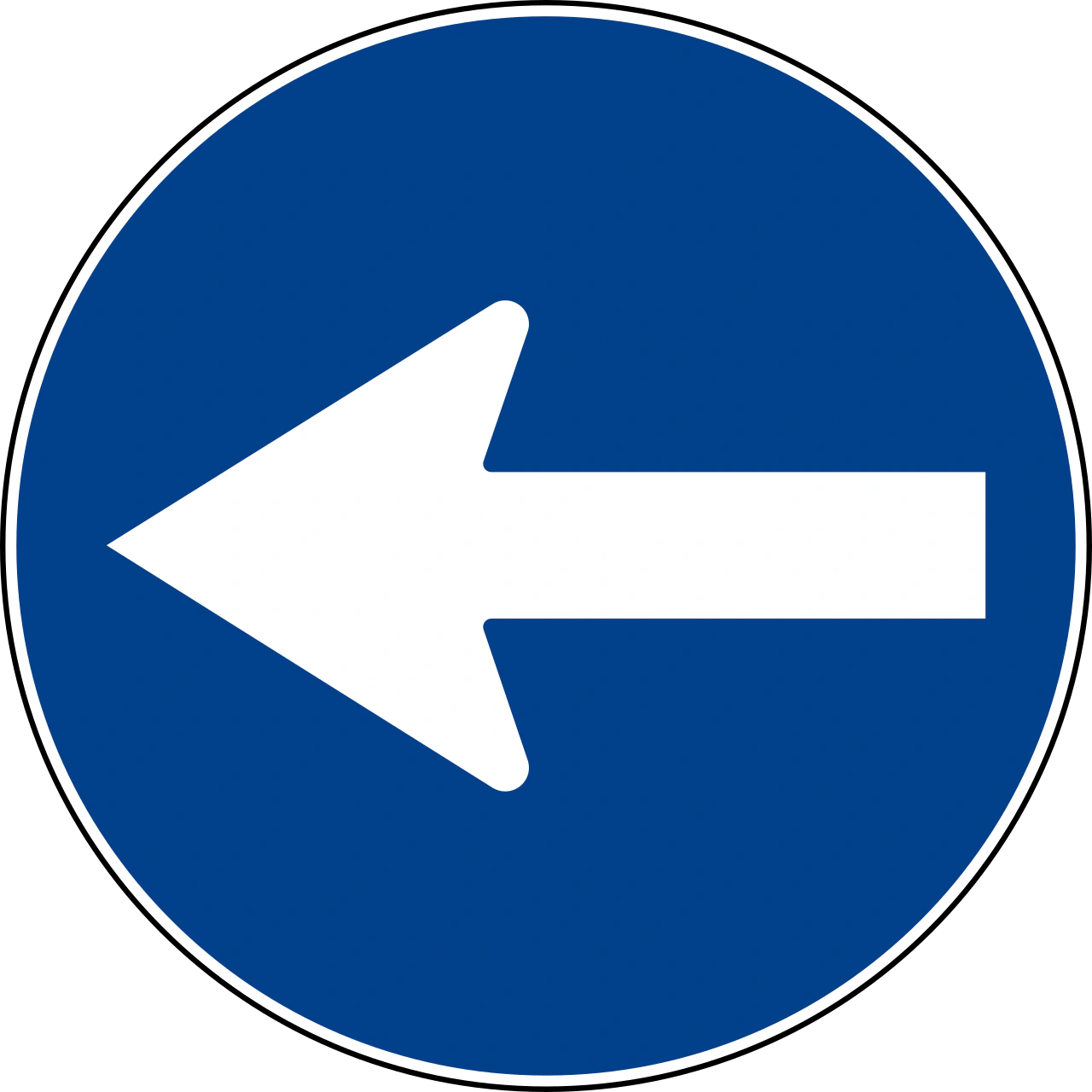
Mandatory Turn Left: Follow the Arrow, Change Your Lane Accordingly
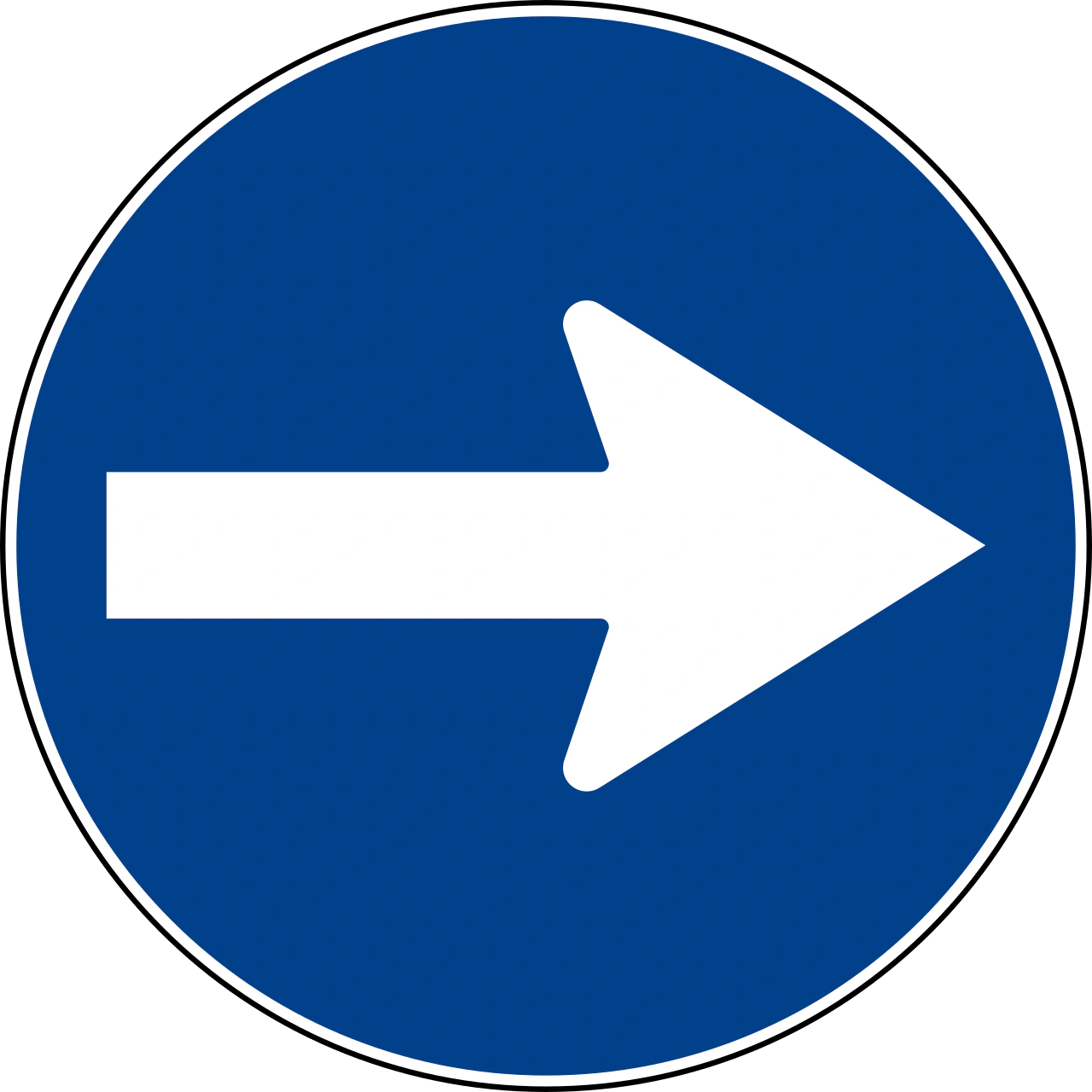
Mandatory 'Turn Right' Sign (IT-M-03): You Must Go This Way
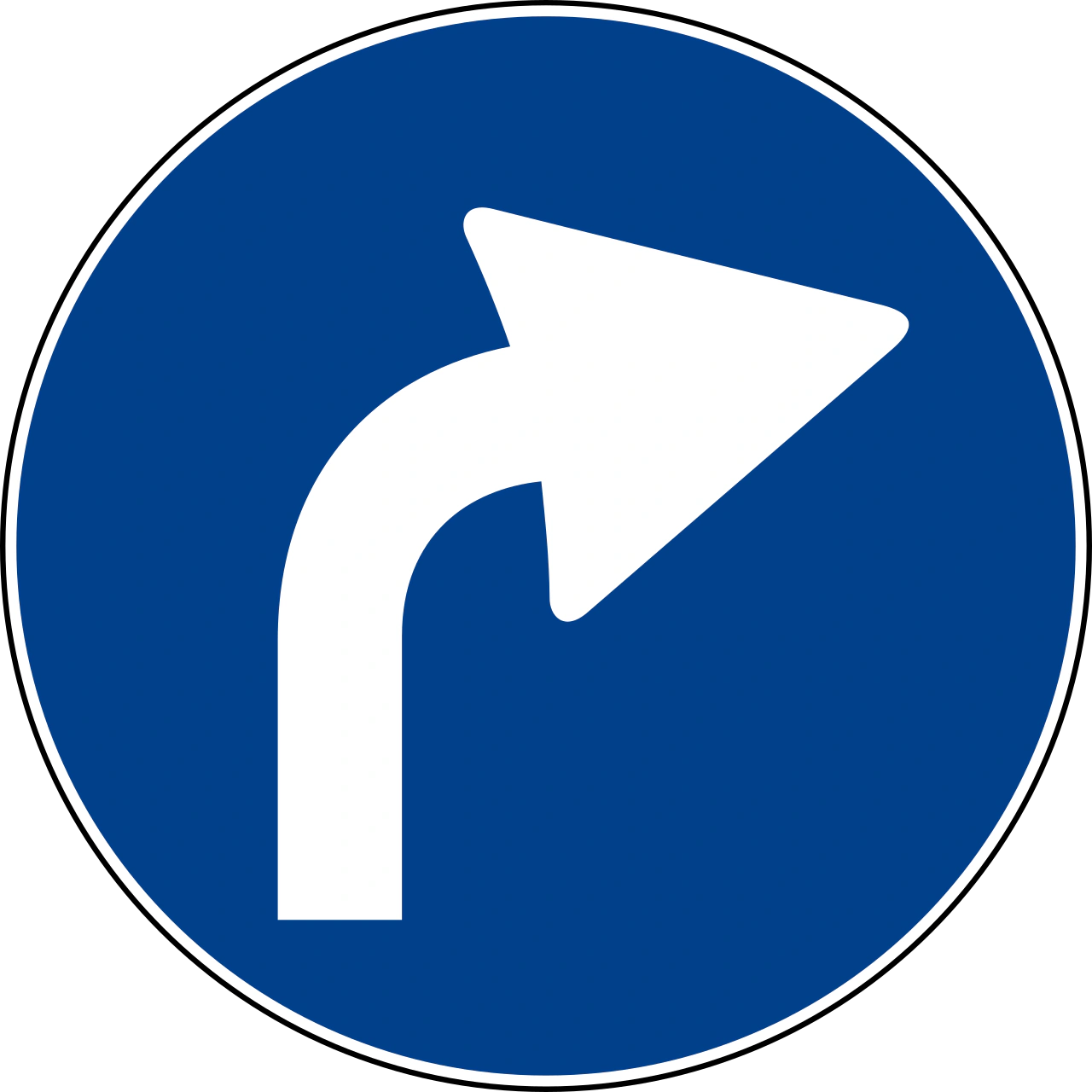
Mandatory 'Right Turn Only Ahead' Sign (IT-M-04): Your Lane Choice is Restricted.
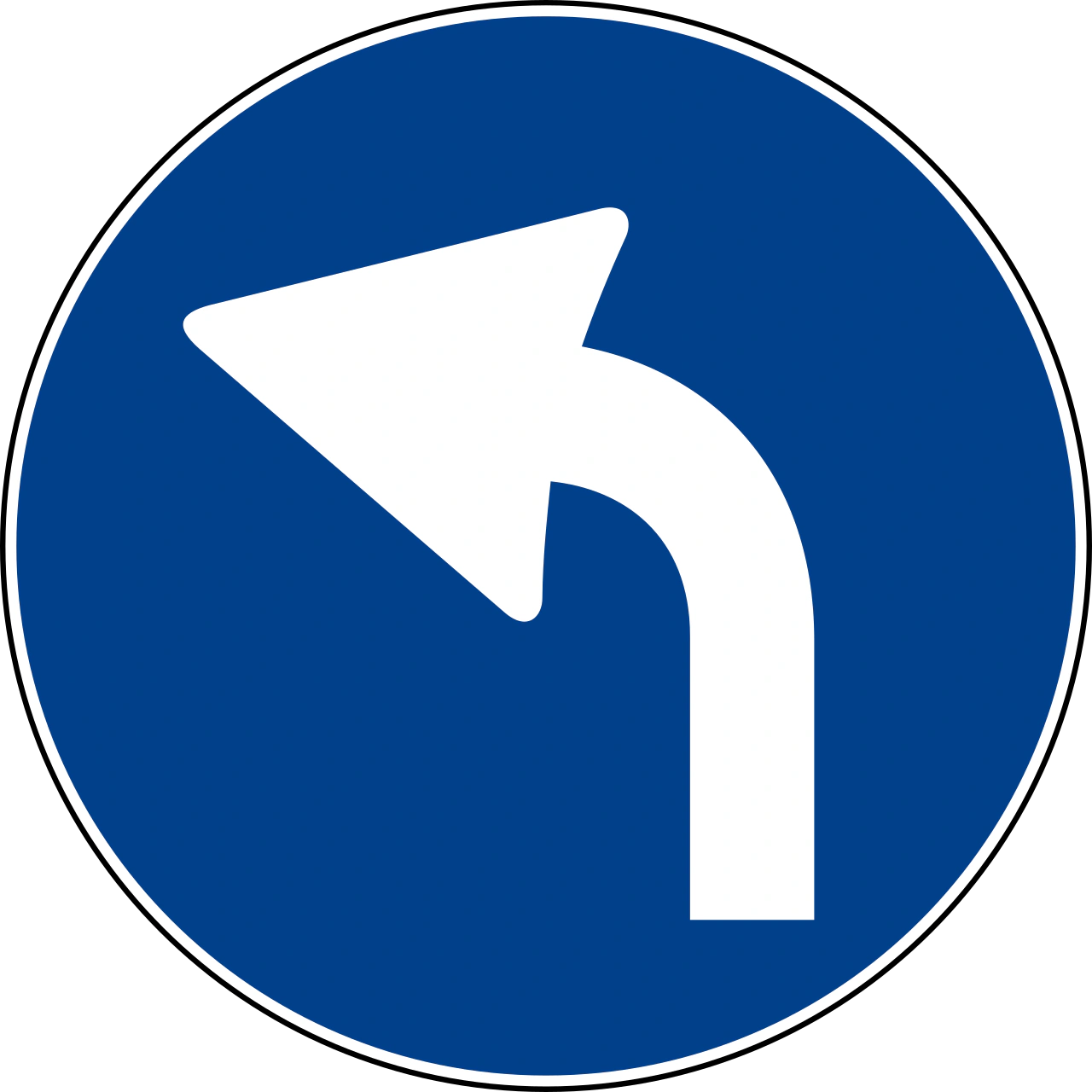
Mandatory Left Turn Only Ahead Road Sign (IT-M-05)
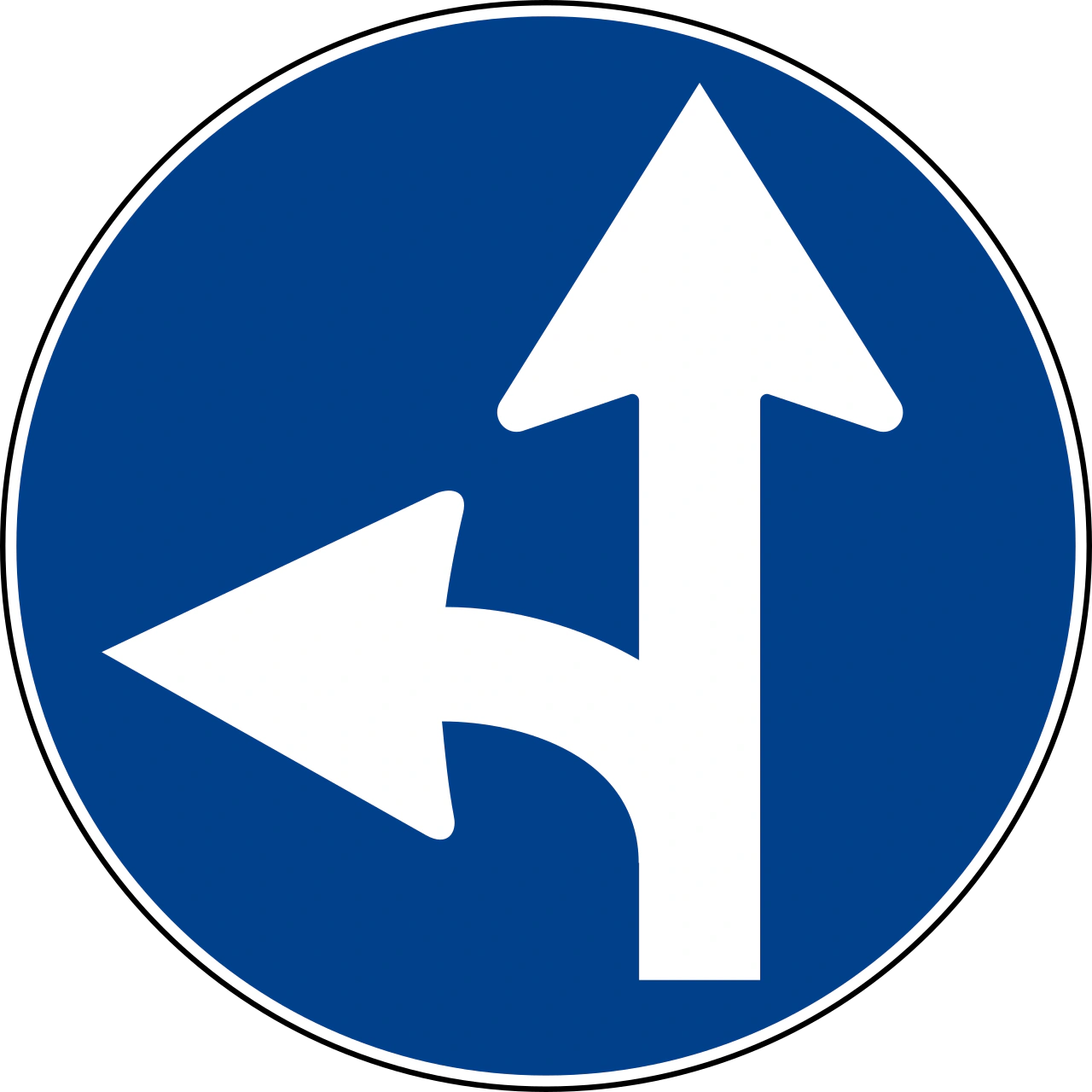
Mandatory Right or Left Turn Only Ahead: Follow the Arrow!
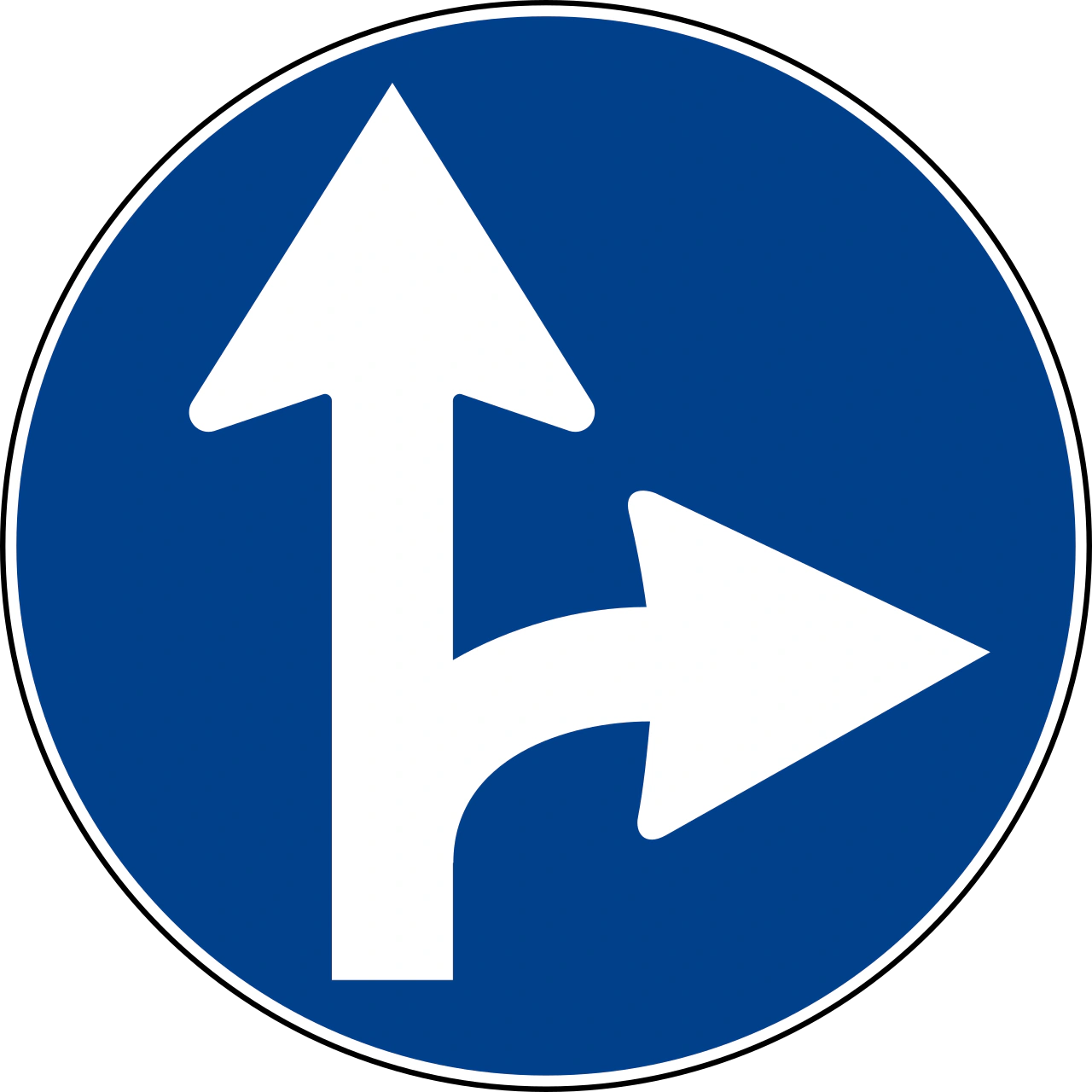
IT-M-07: You must drive straight ahead or turn right.
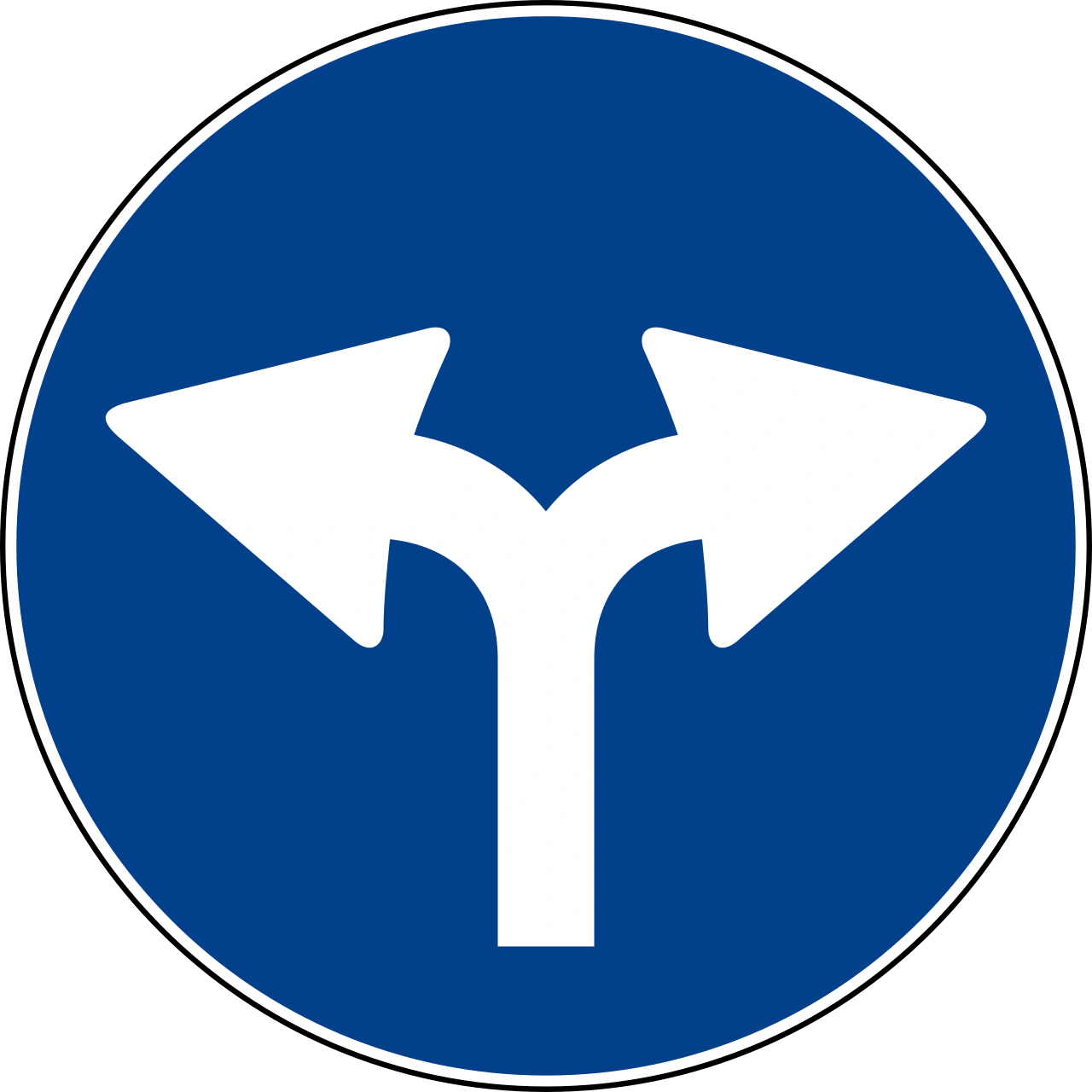
Follow the Mandatory Direction: Drive Straight or Turn Left
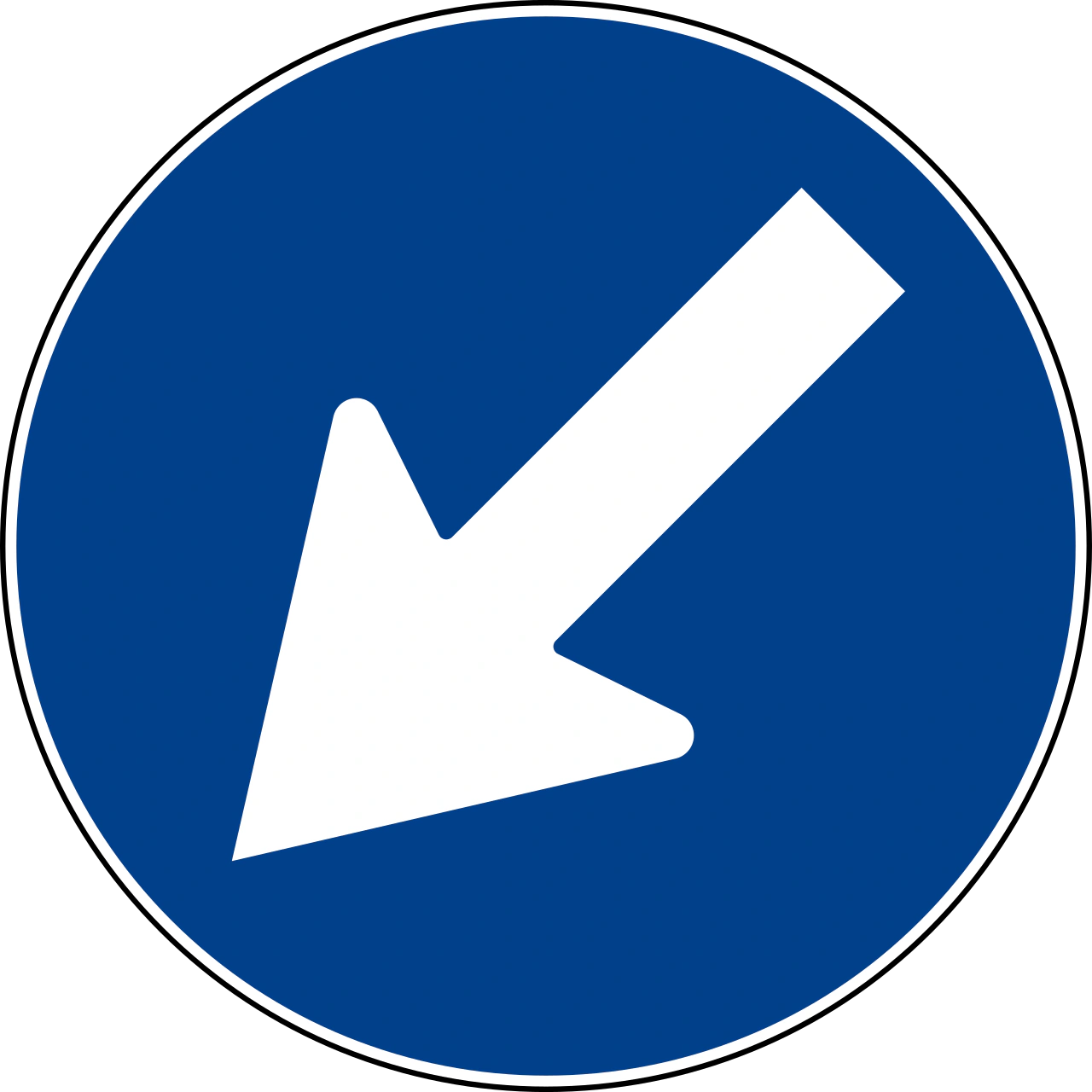
Mandatory "Keep Left" Sign (IT-M-09): Follow the Required Direction
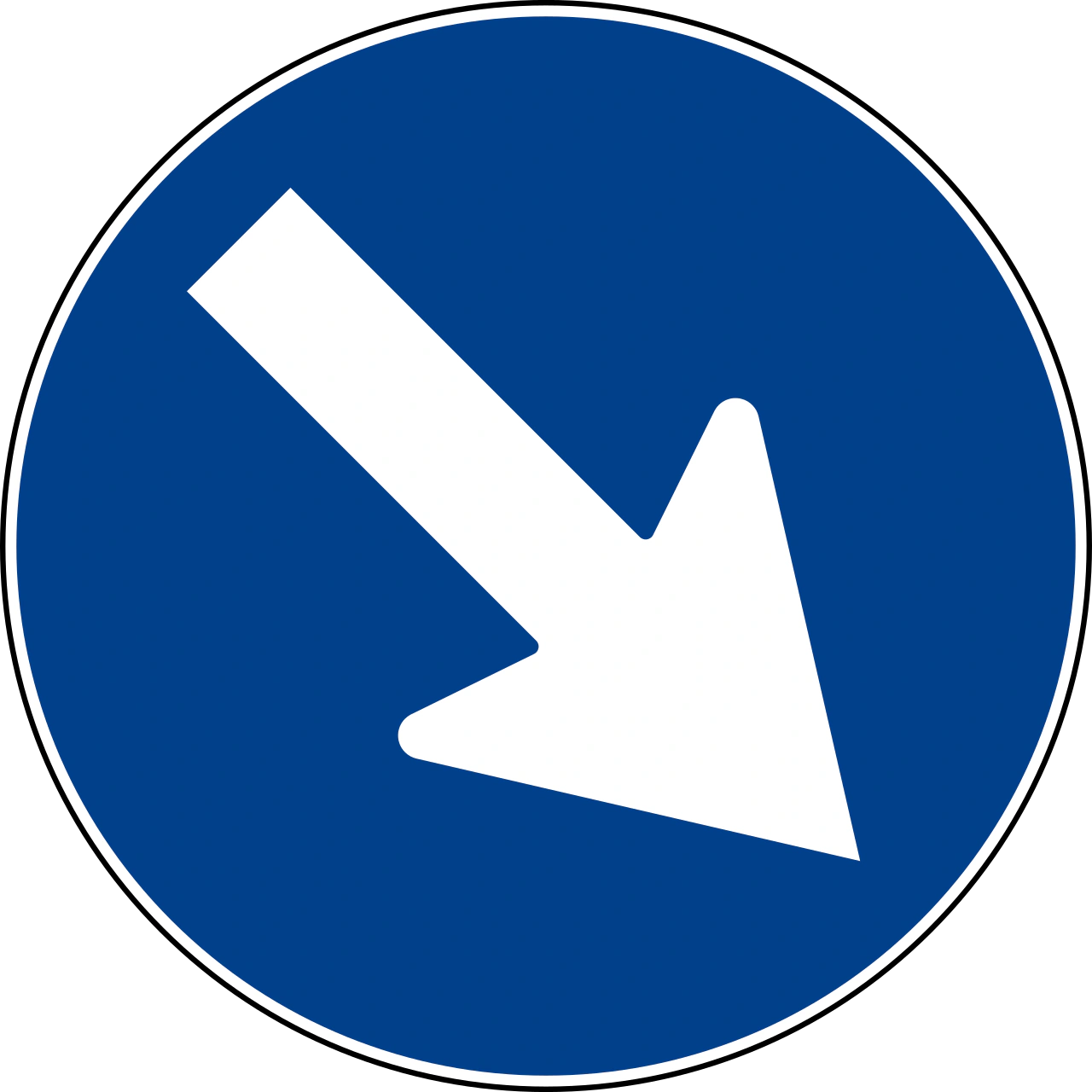
Mandatory Keep Right Sign: Follow the Designated Path
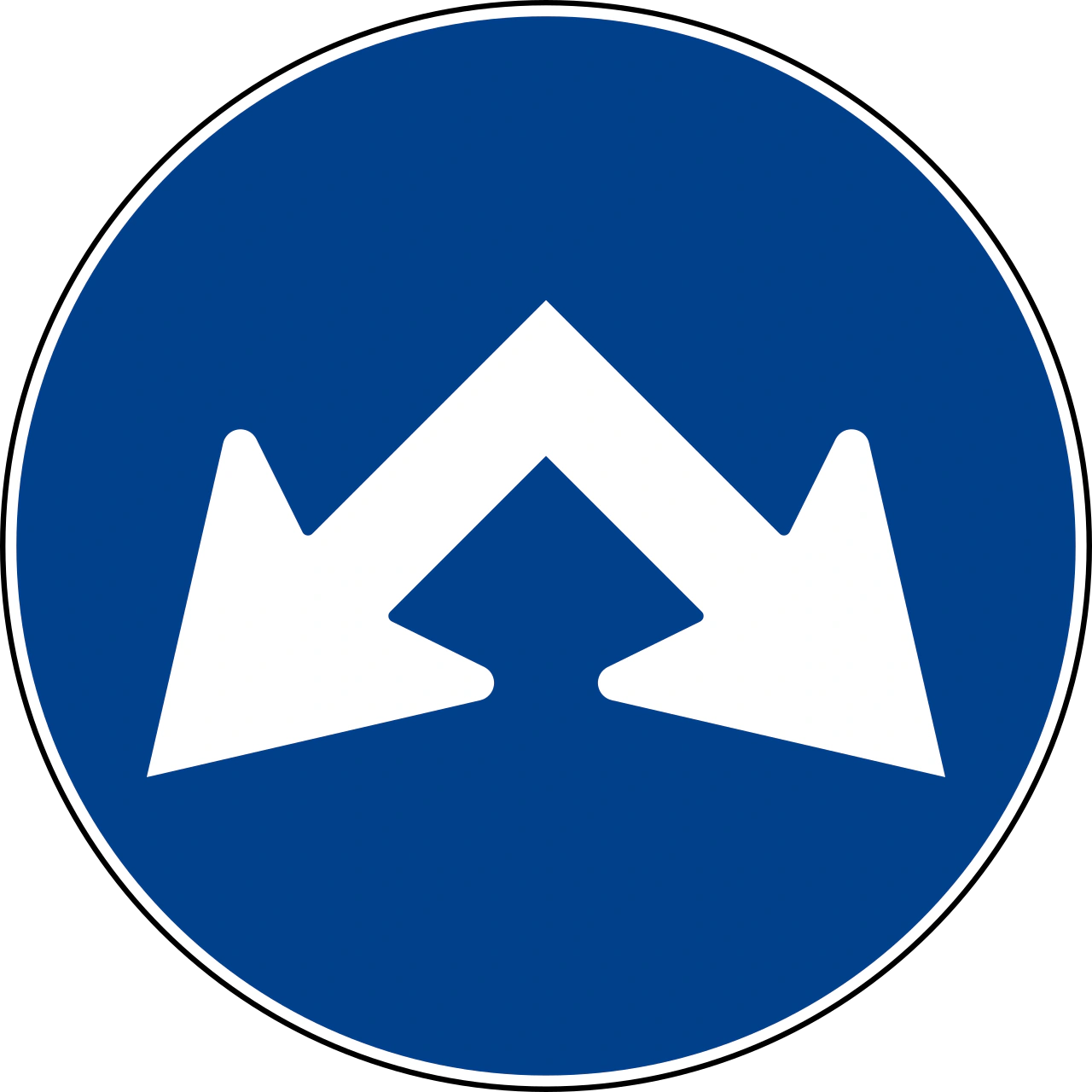
IT-M-11: You Must Pass This Obstacle on Either Side
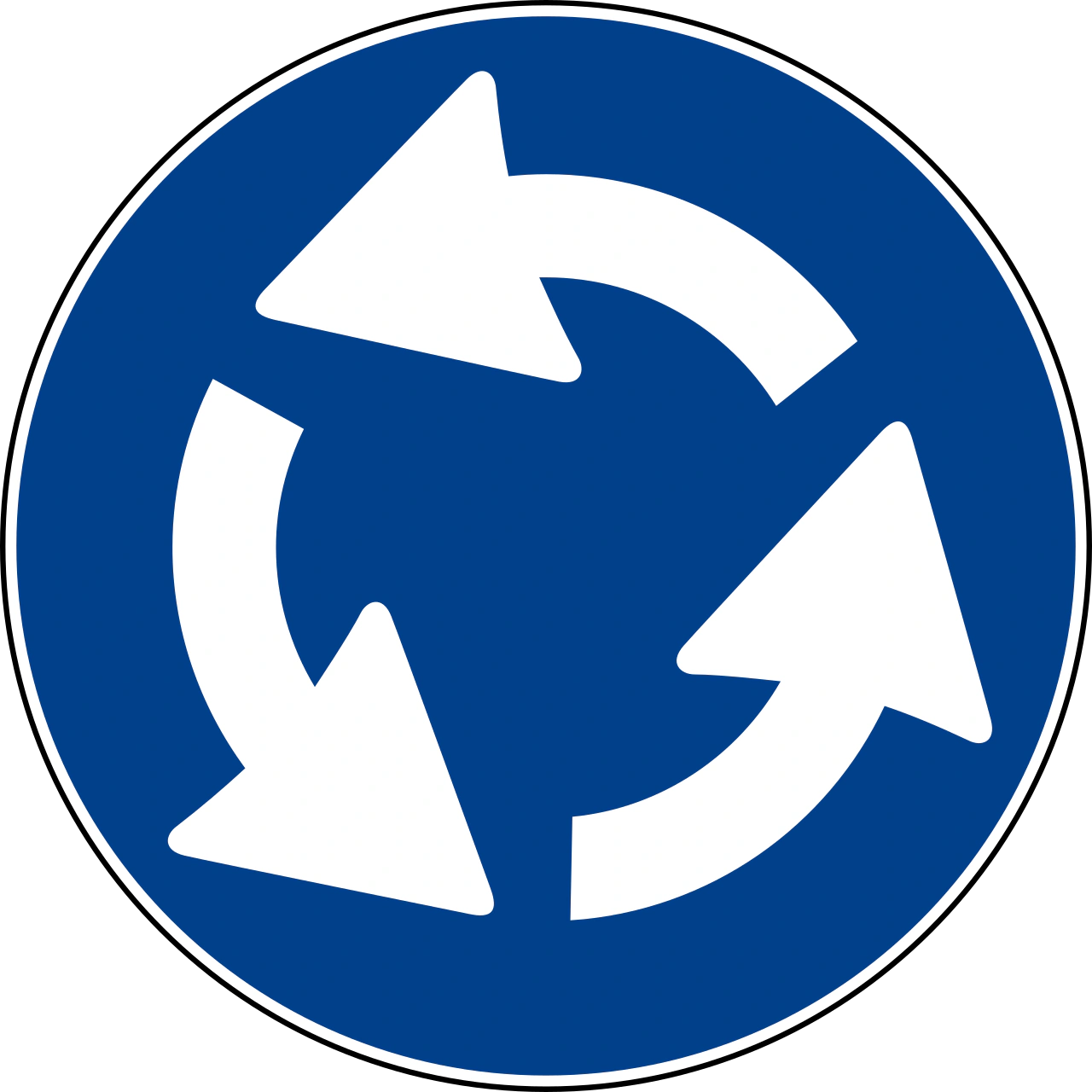
Understand the IT-M-12 Roundabout Mandatory Sign
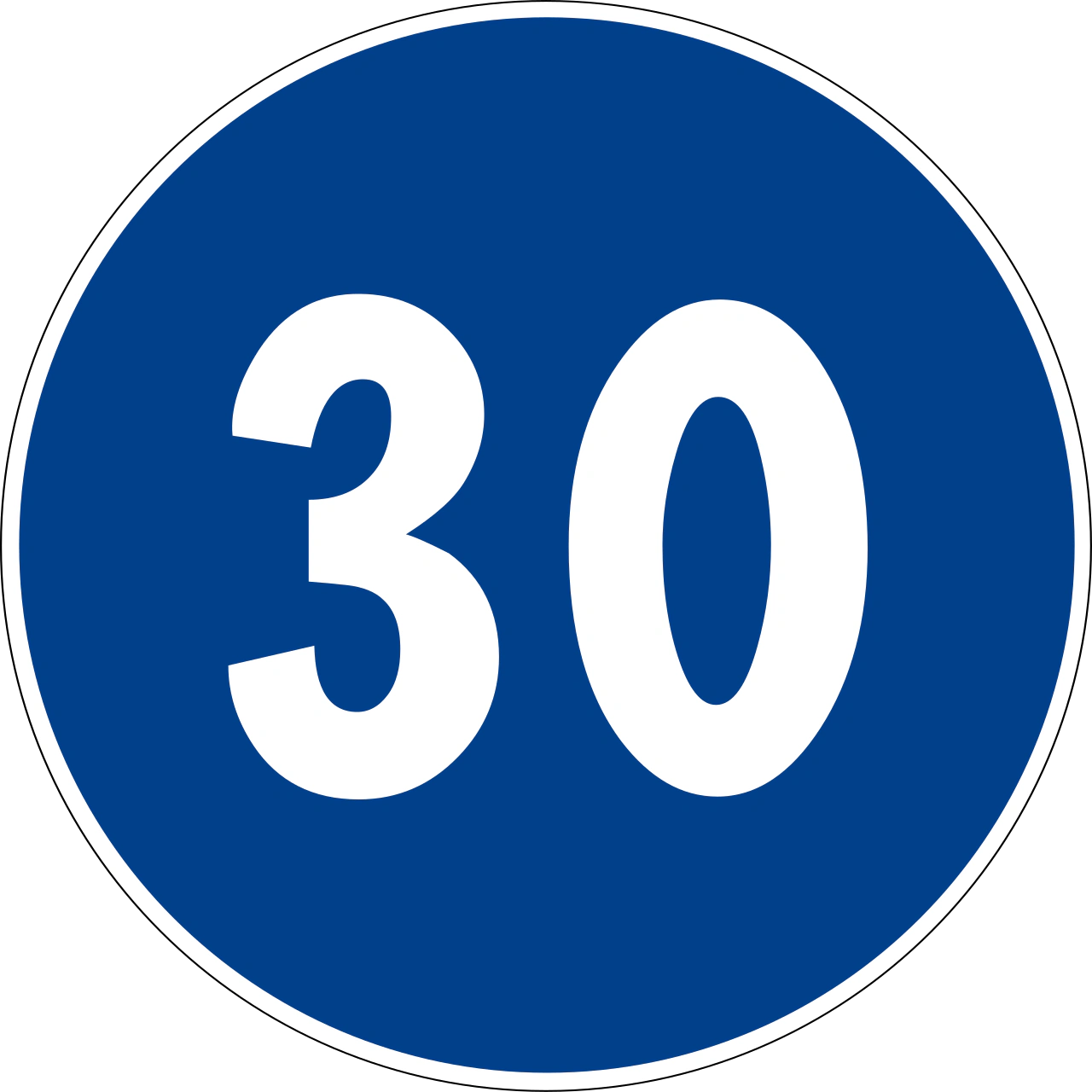
The II.85 Minimum Speed sign means you MUST maintain a certain speed.
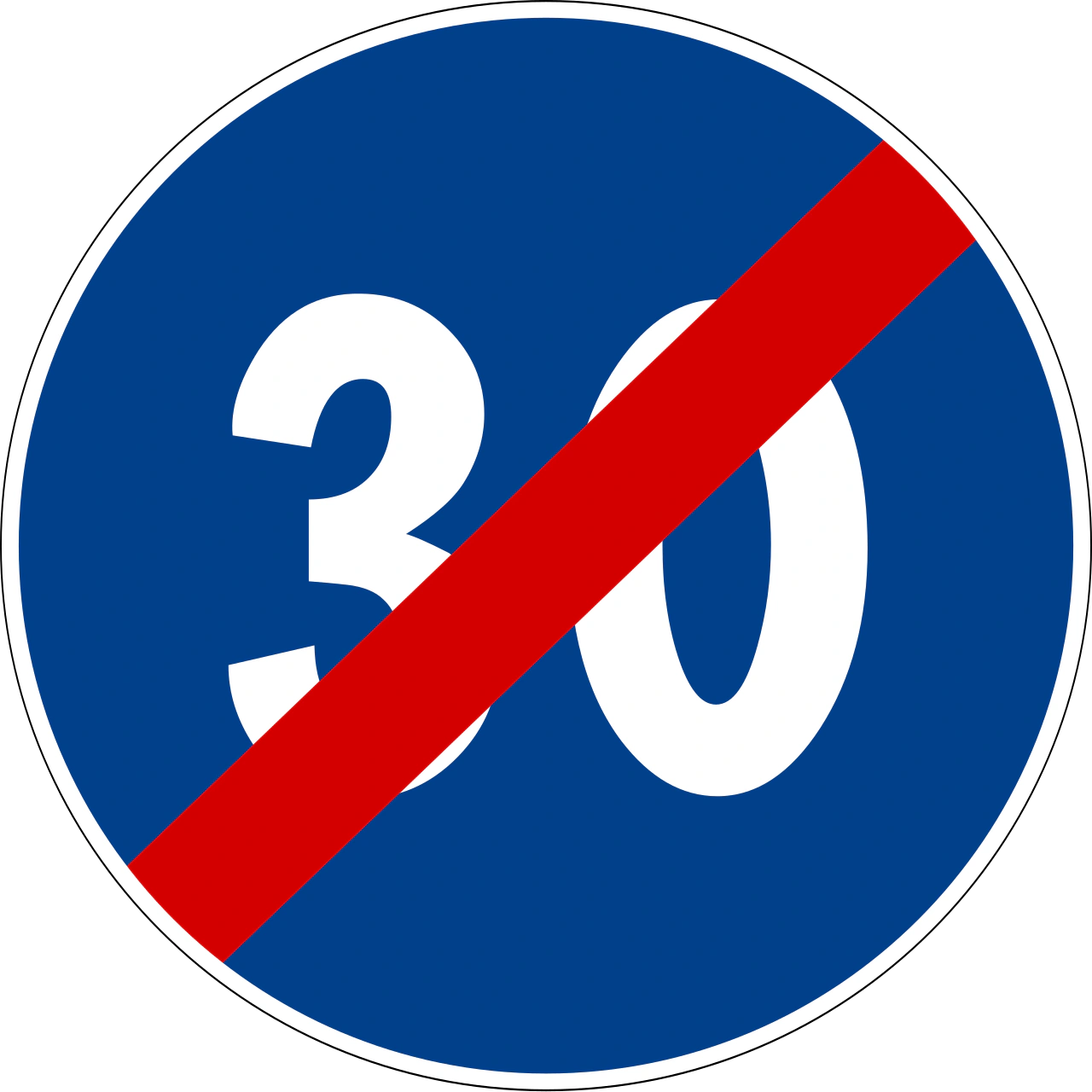
End of Minimum Speed Sign: When the Special Rule Finishes
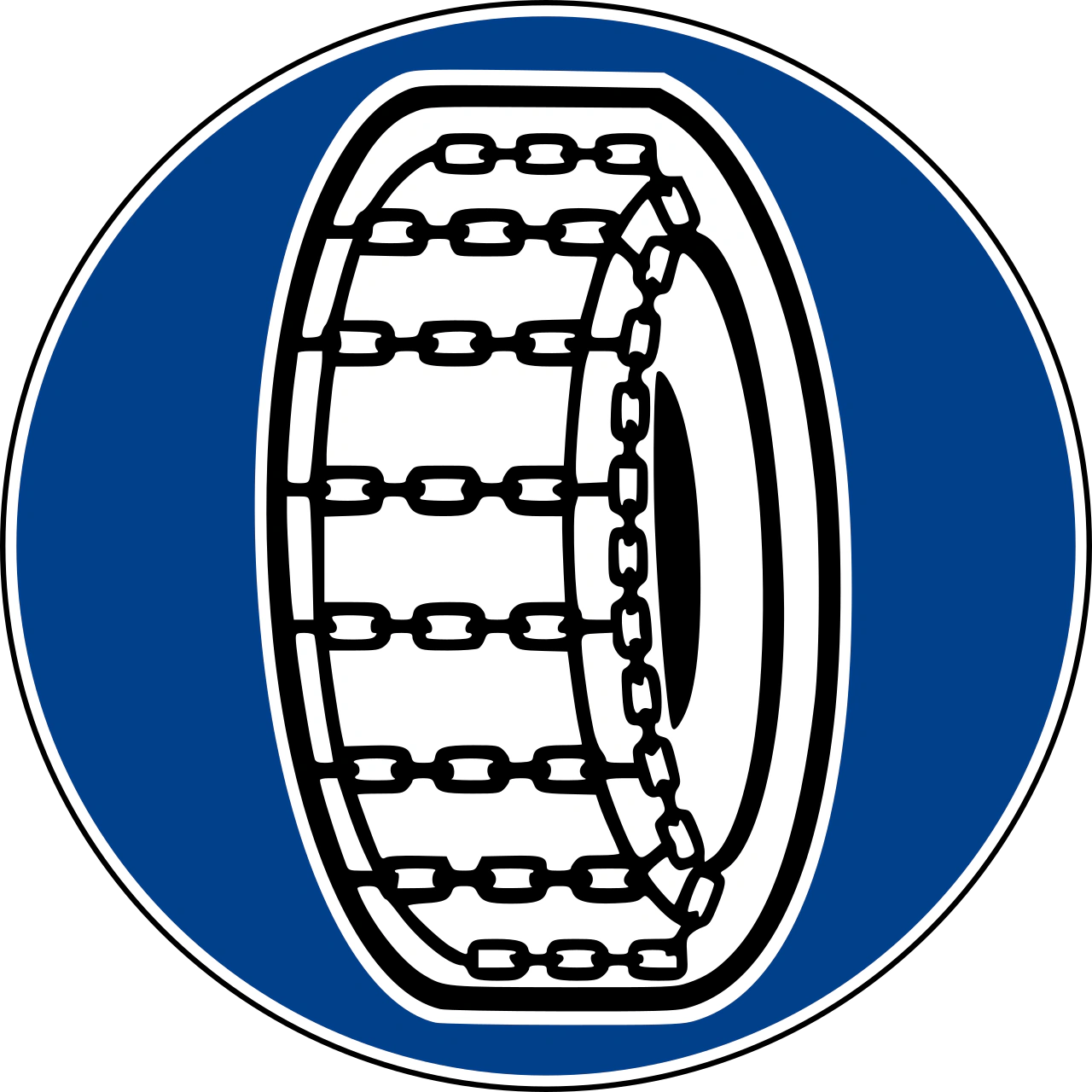
When You See the 'Snow Chains Compulsory' Sign, Chains Are Mandatory!
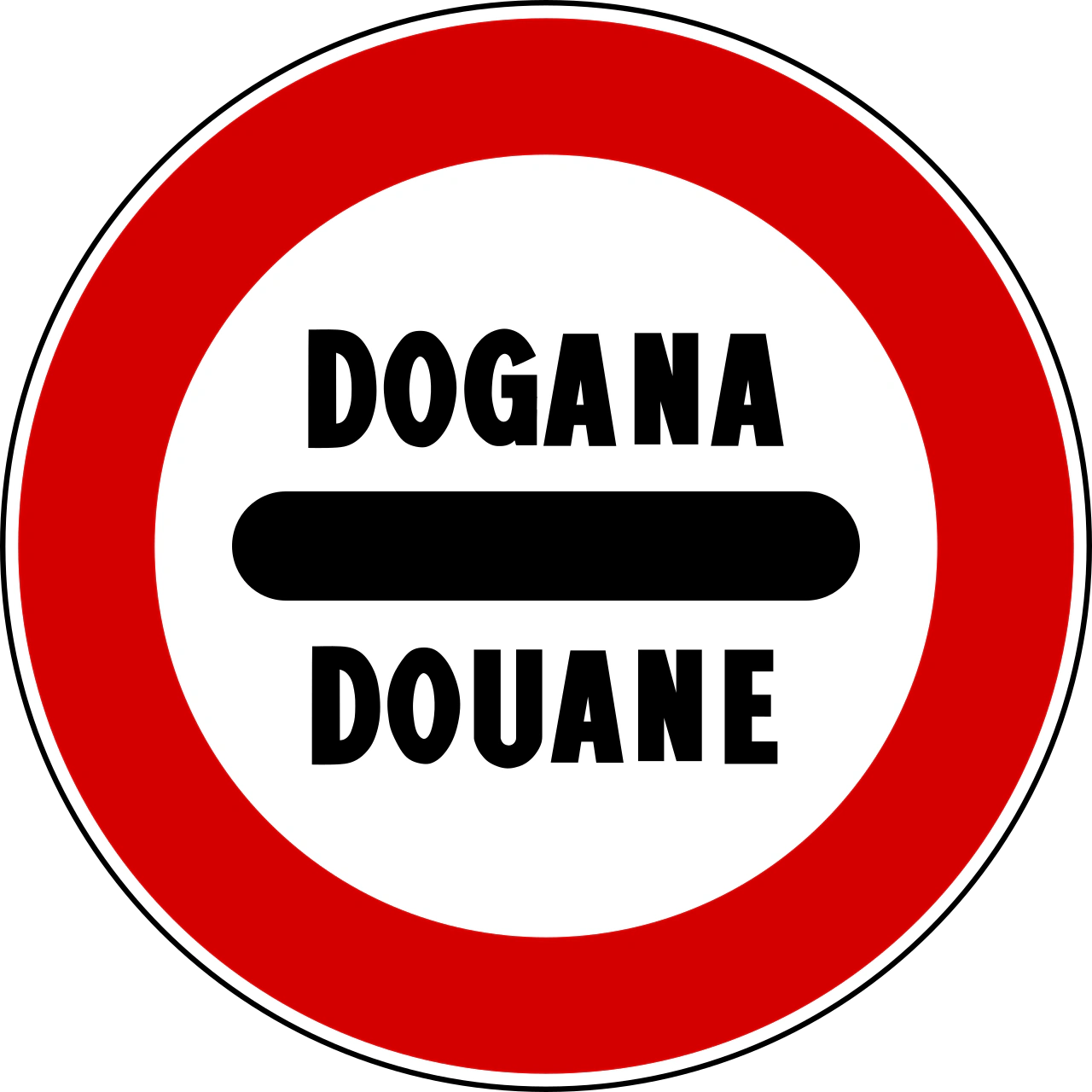
Prepare to stop or comply at the Italian Customs checkpoint.
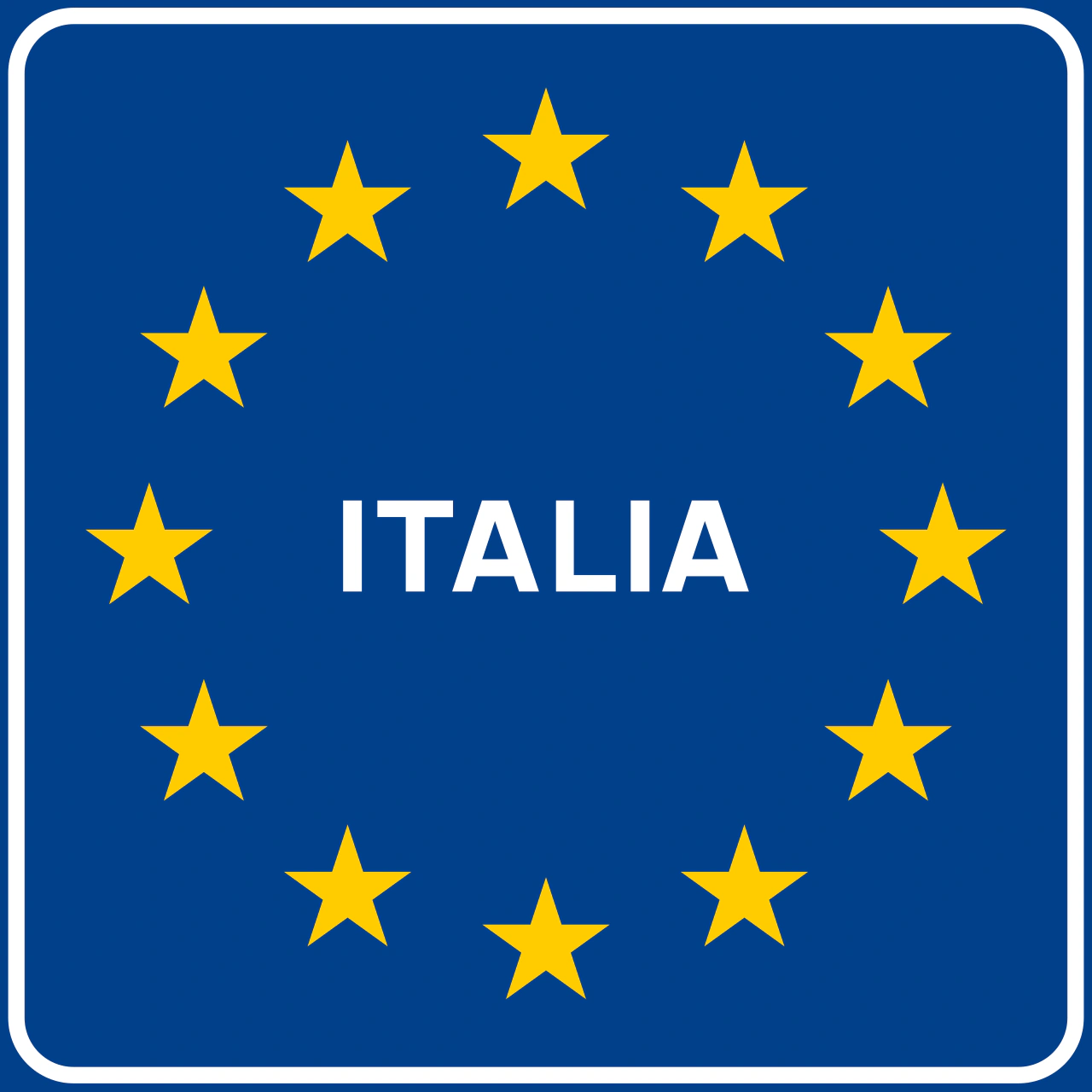
Understand the EU Country Border Sign (II.97-a): Stop and Comply
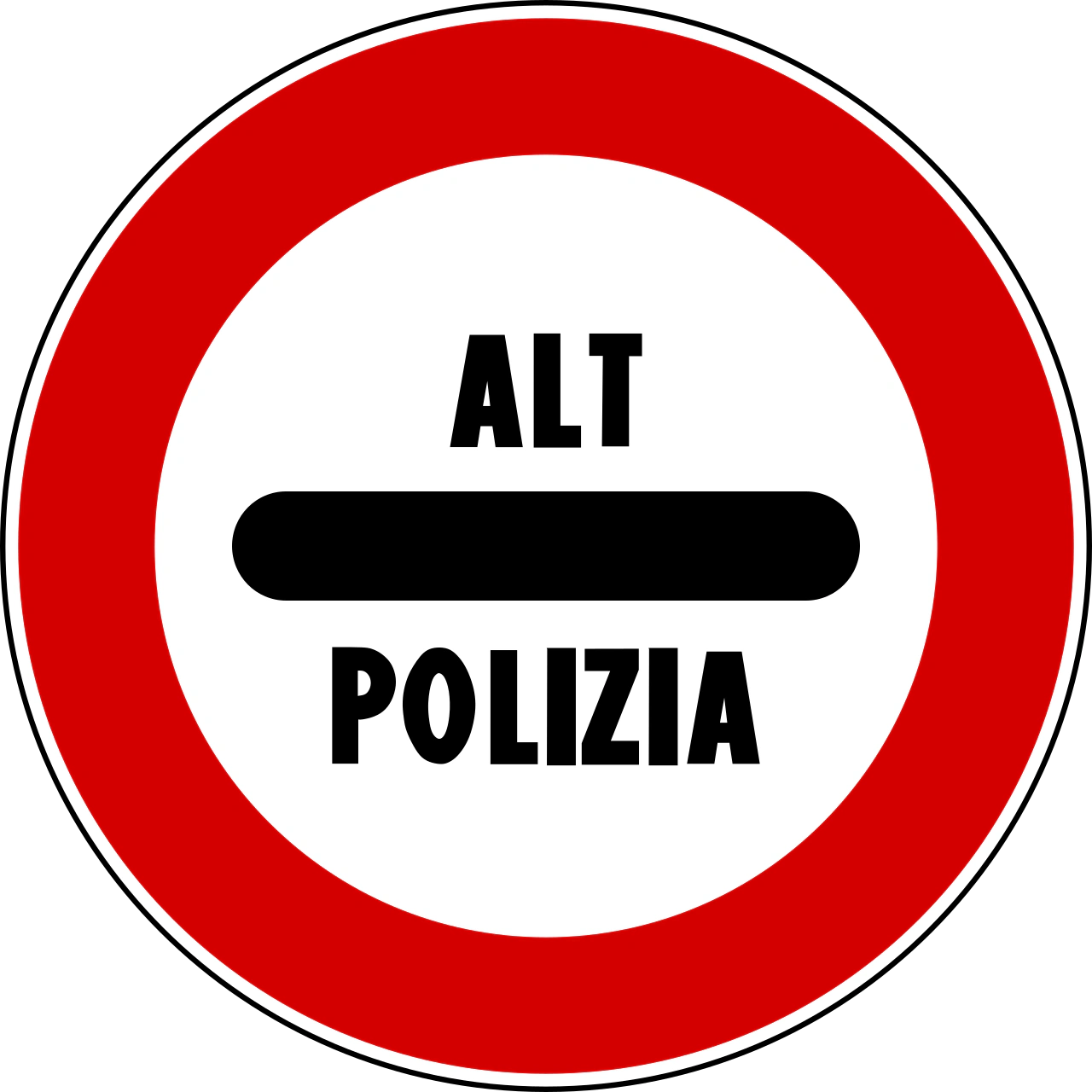
Stop and Comply: Understanding the Police Roadblock Sign (IT-M-18)
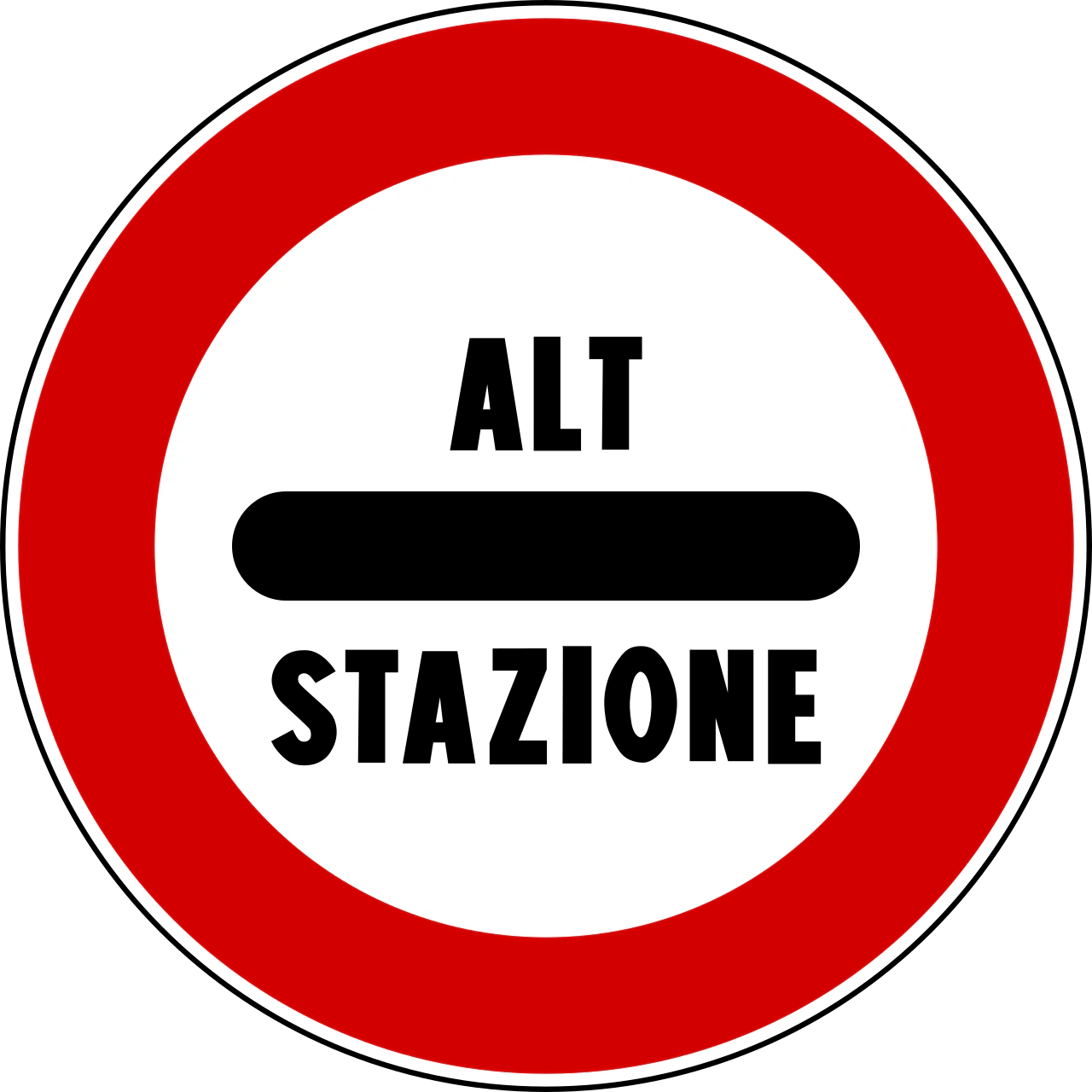
Stop, Pay Toll: Comply with Mandatory Instructions at Checkpoints
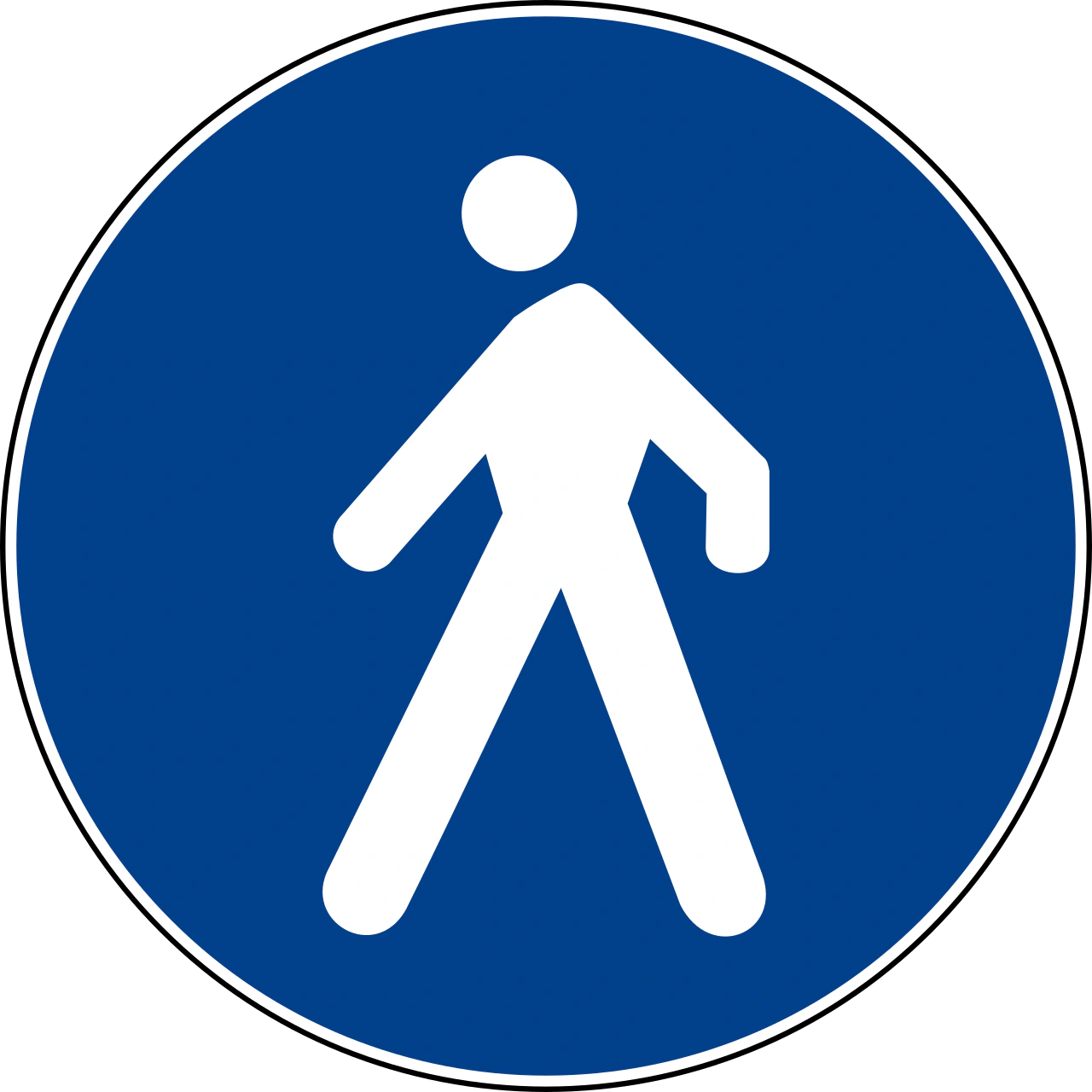
Follow the designated Pedestrian Path indicated by the IT-M-20 mandatory sign.
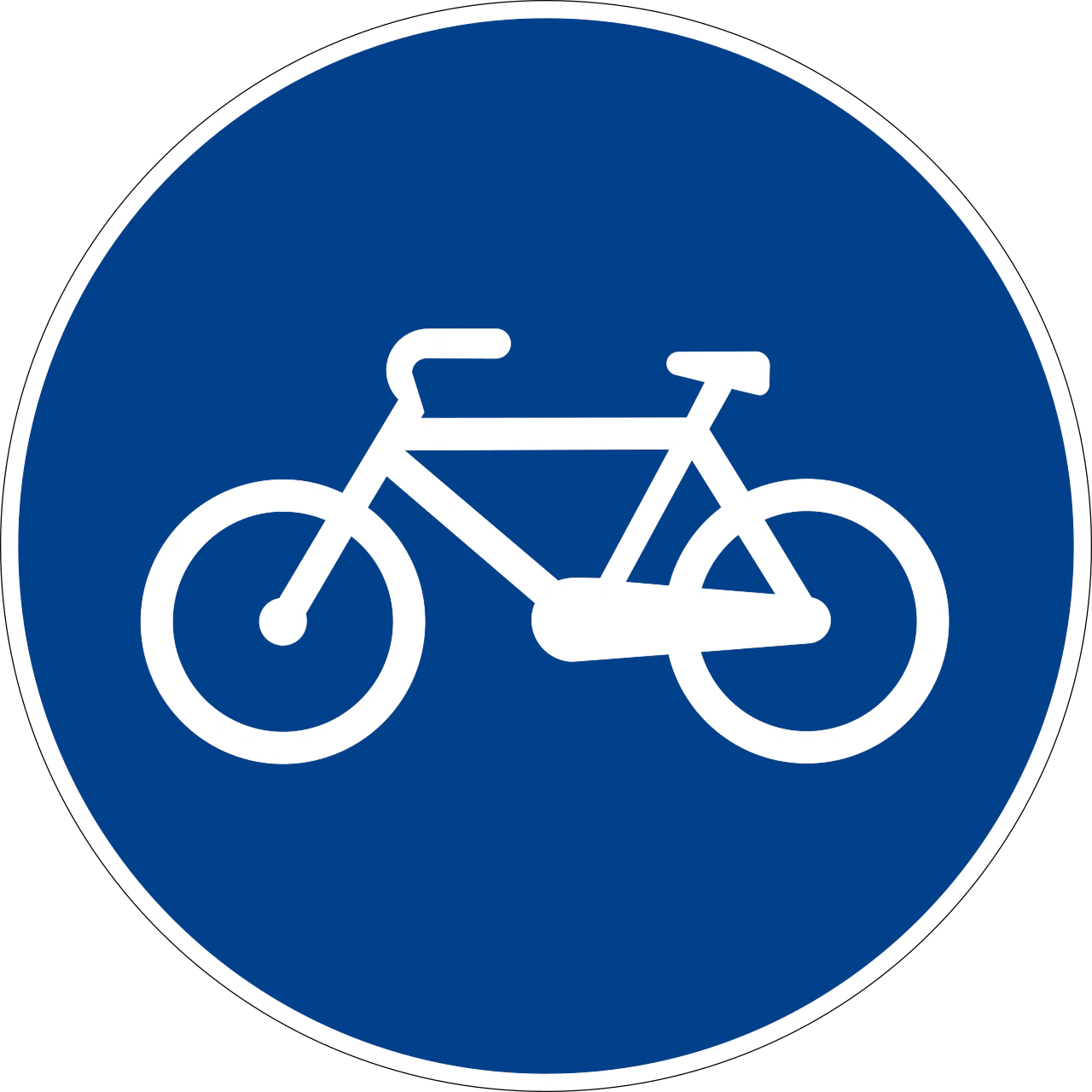
Mandatory Cycle Lane Sign: Know What It Requires
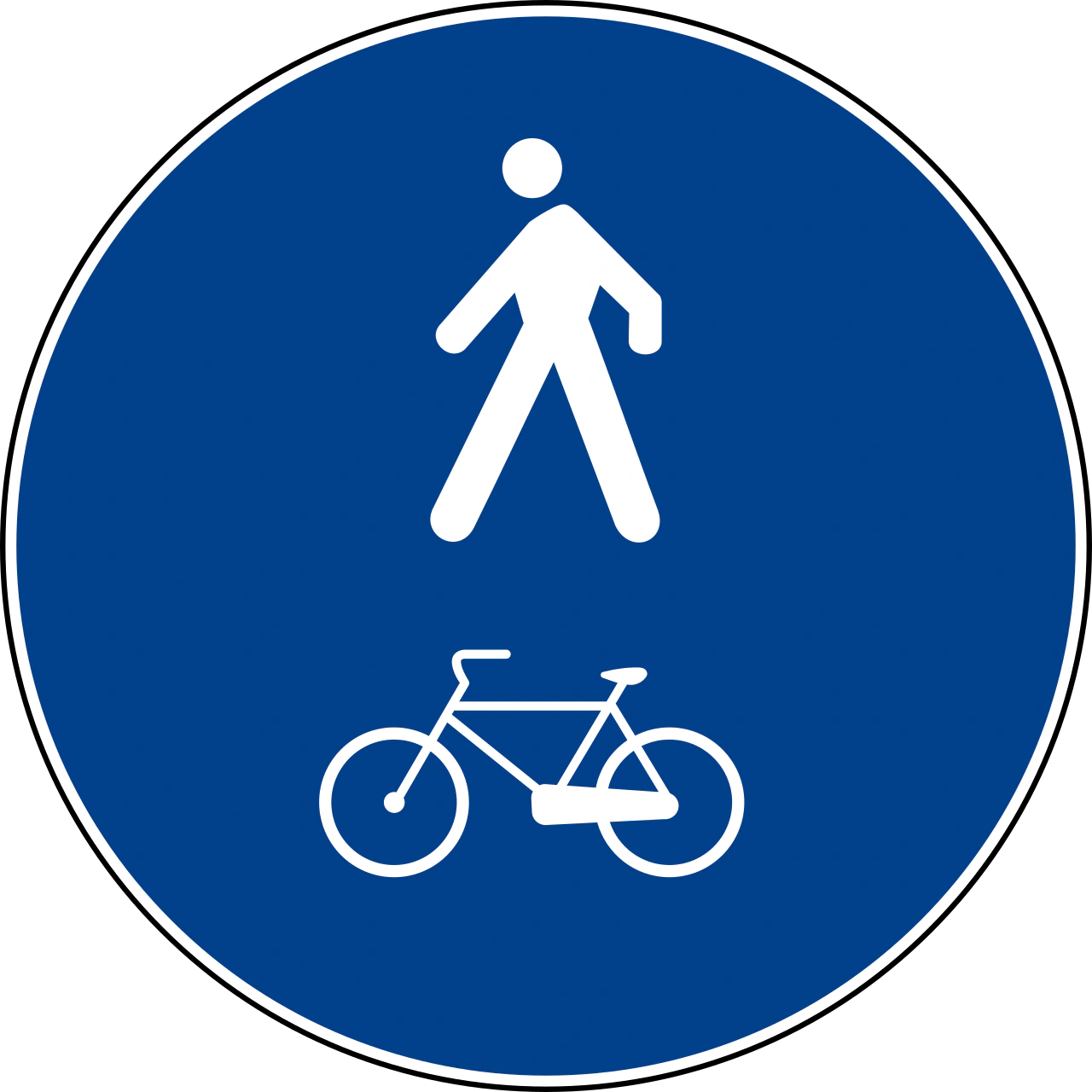
Understand the II.92-b Combined Pedestrian and Bicycle Path Mandatory Sign
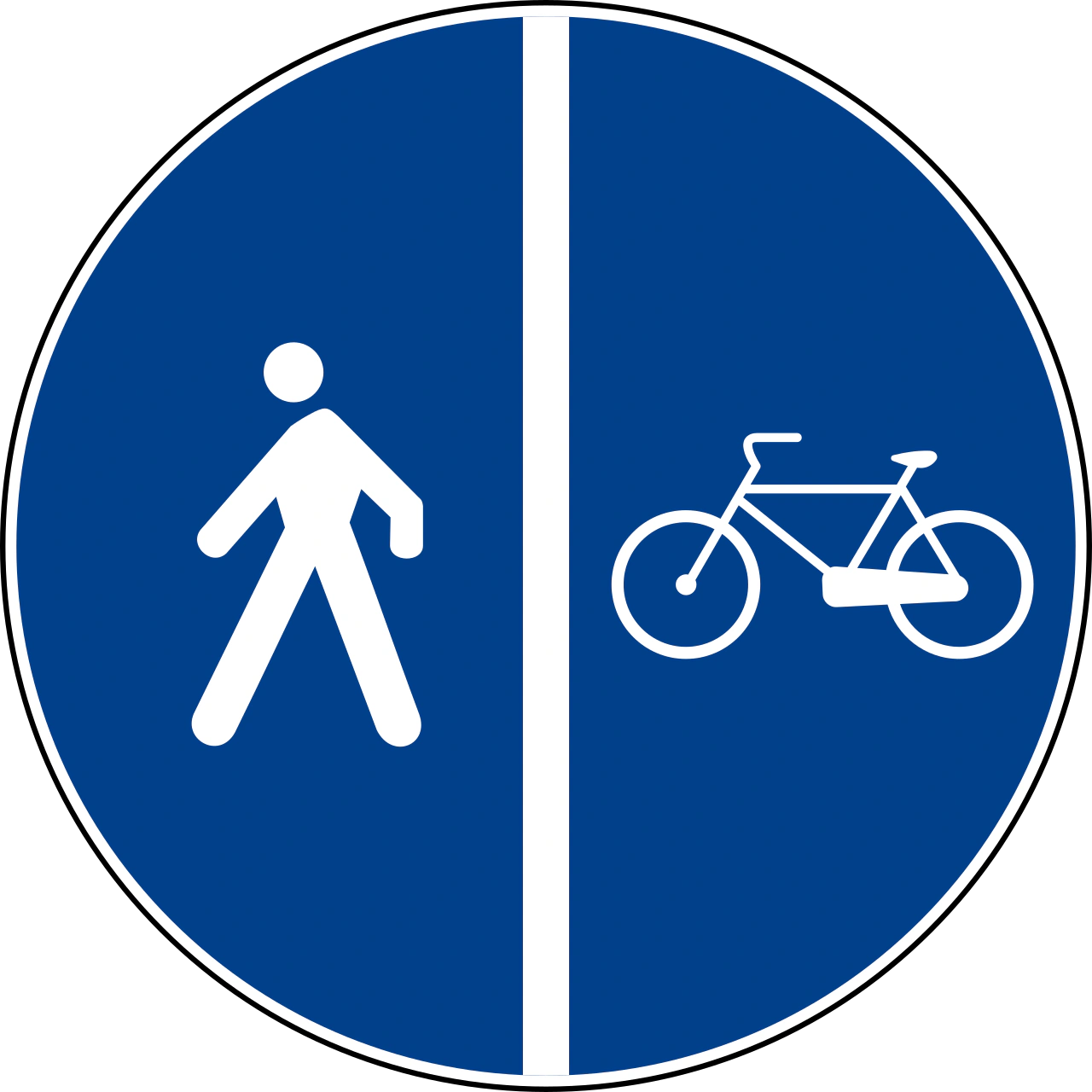
Follow the Separated Pedestrian and Bicycle Path indicated by this mandatory sign.
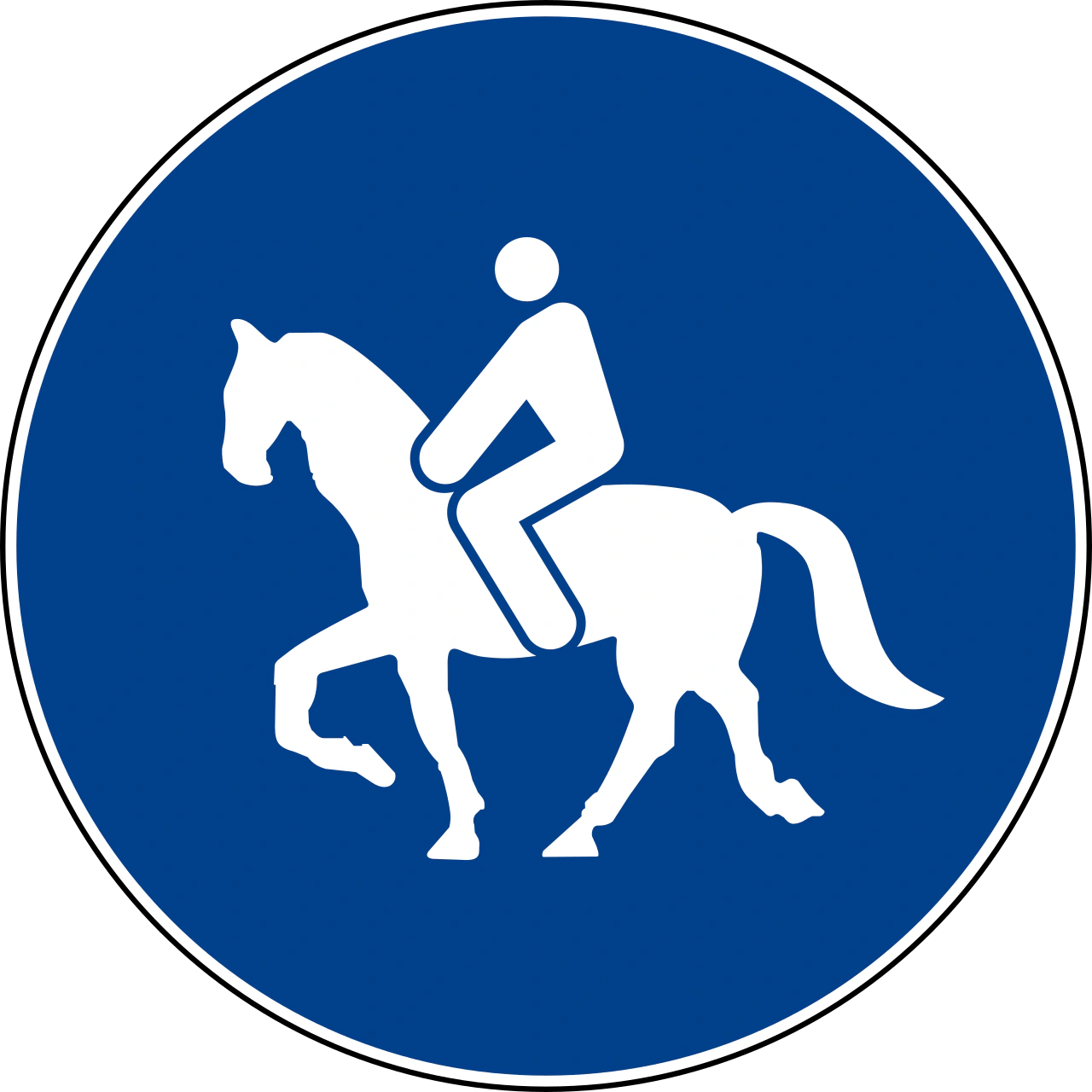
Follow the mandatory Bridleway route indicated by this sign.
Clear answers to common questions about the Italian Mandatory Signs road sign category. Use this FAQ to review tricky rules, understand how these signs appear in exam scenarios, and remove confusion that often leads to mistakes in the Italian driving theory exam in Italy.
Mandatory signs, usually circular with a blue background and white symbols, tell you something you *must* do. This could be a direction of travel, a minimum speed, or the use of specific equipment. In contrast, warning signs alert you to potential hazards, prohibitory signs tell you what you *cannot* do, and informative signs simply provide information.
Driving below the minimum speed indicated by the sign, unless traffic conditions or circumstances make it impossible, is a violation. These signs are often placed on roads where slower traffic can cause significant disruption or safety issues, such as on certain lanes of motorways or busy arterial roads.
Yes, mandatory signs for these paths dictate that only the specified users should use them. Pedestrian paths are exclusively for walking, cycle lanes for bicycles, and combined paths require users to be aware of and share the space considerately. You should not enter these lanes with a passenger car unless a specific sign allows it.
These signs indicate you must stop. For a police roadblock, you must stop your vehicle to be checked or receive instructions. For a toll booth, you must stop to pay the required fee for using the road. Failure to stop at these points can result in penalties.
The 'Snow chains compulsory' sign means you must fit them to your drive wheels if your vehicle is required to have them, regardless of the immediate road conditions. This is a safety measure for areas prone to sudden icy patches or deeper snow. If you do not have them fitted when this sign is displayed, you may be prevented from proceeding.
Begin your journey to understand Italian road signs more effectively. Select any category from the list to dive into detailed explanations and practice questions tailored to the official Italian driving theory curriculum. Master each group for a confident exam performance.
Browse Italian Road Sign Groups