
Explore the fundamental principles of Italian driving theory, covering all categories for your official licence. This hub provides clear explanations of essential road signs, traffic regulations, priority rules, and safe driving practices tailored for the Italian road network, including autostrada and ZTL zones. Build a strong foundation of knowledge for your theory test and real-world driving.
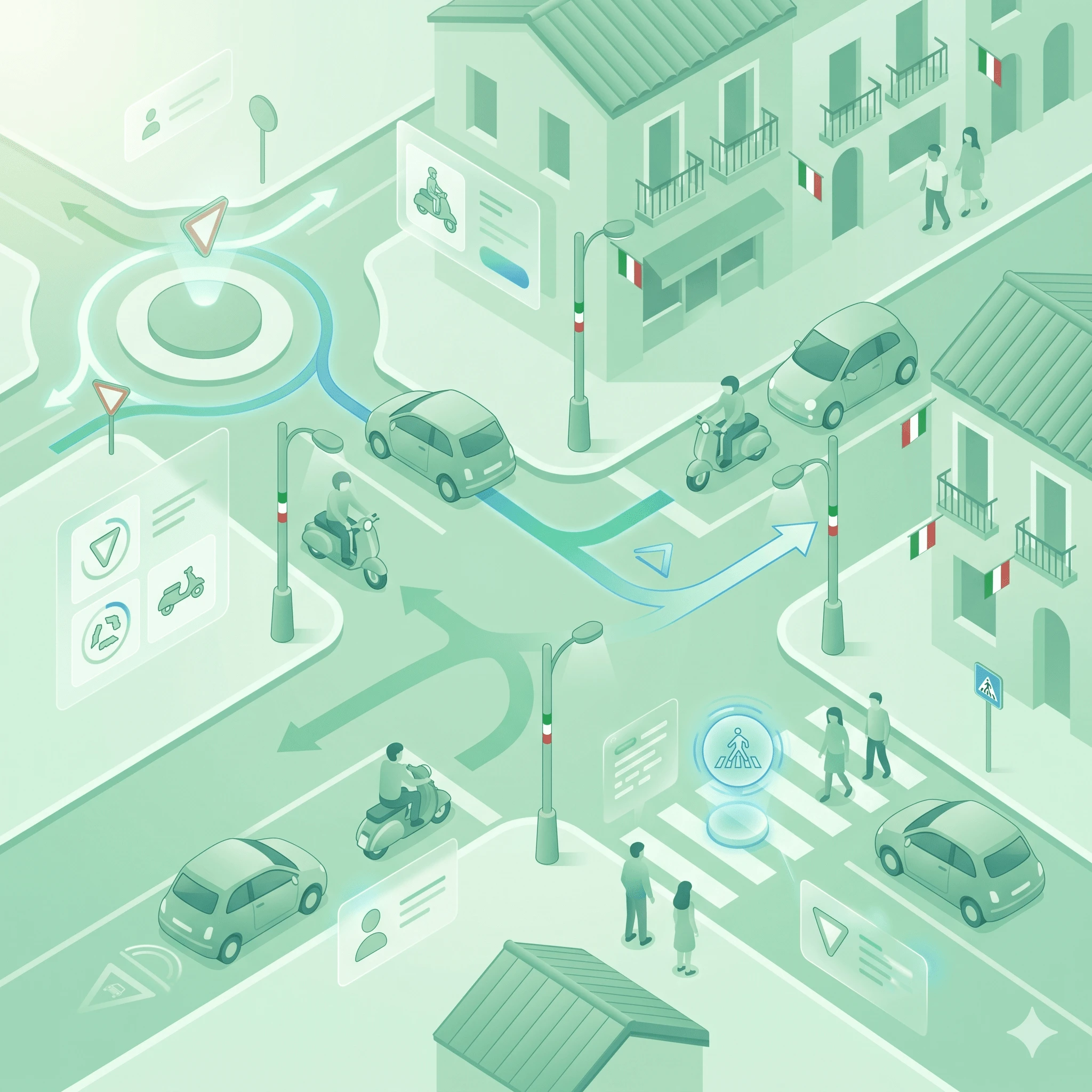
Deepen your understanding of Italian road signs, priority regulations, and motorway safety through our specialized theory modules. These structured topics help you master the complex traffic laws required for the official Italian driving licence examination.
11 topics
10 topics
6 topics
4 topics
3 topics
2 topics
2 topics
1 topic
1 topic
1 topic
1 topic
1 topic
Dive into detailed Italian driving theory topics to prepare for your exam. Search for specific terms or browse the complete list of subjects covering all essential traffic rules and road signs for your Italian licence.
Filter by category
50 theory topics found

Seat belts are a fundamental component of vehicle safety, designed to protect drivers and passengers in the event of a sudden stop or collision. In Italy, their use is not just a recommendation but a strict legal obligation for every person in a moving vehicle. This page explains the mechanism by which seat belts provide protection, the specific rules of the Italian Highway Code (Codice della Strada) regarding their use, and the critical importance of ensuring all occupants, especially children, are correctly restrained.
Traffic lights, or 'semafori' in Italy, are essential for managing vehicle and pedestrian flow at intersections. This page clarifies the specific rules associated with each light color—red, yellow, and green—and provides guidance on how to interpret additional signals like arrows and flashing lights. Familiarizing yourself with these regulations is crucial for both theoretical knowledge and practical road safety in Italy.
Alcohol consumption significantly impairs the complex skills required for safe driving. This page breaks down how alcohol affects key faculties like reaction time, judgment, and coordination, explaining why even small amounts dangerously compromise your ability to operate a vehicle safely on Italian roads and how this is reflected in Italian traffic law.

In Italian driving theory, safe speed is the principle that drivers must always select a speed that allows them to maintain control of their vehicle and stop safely within the distance they can see ahead. This goes beyond simply respecting the maximum posted speed limit, emphasizing continuous adjustment based on conditions like traffic, weather, road layout, and visibility. Mastering this concept is essential for both the theory exam and real-world safety.

In Italy, pedestrian crossings are designated areas designed to provide safe passage for people crossing the road. As a driver, it's essential to understand your responsibilities and the specific rules that govern interactions with pedestrians, particularly at these marked zones. Adhering to these rules protects vulnerable road users and is a fundamental aspect of safe Italian driving.
The 'Stop' sign, formally known as 'Segnale di Stop' in Italy, is one of the most crucial regulatory traffic signs. It demands that drivers bring their vehicle to a complete standstill before a specific line or the edge of an intersection. This mandatory pause ensures you can thoroughly check for approaching vehicles, cyclists, and pedestrians from all directions, especially at dangerous intersections or those with limited visibility, before safely rejoining or crossing traffic.
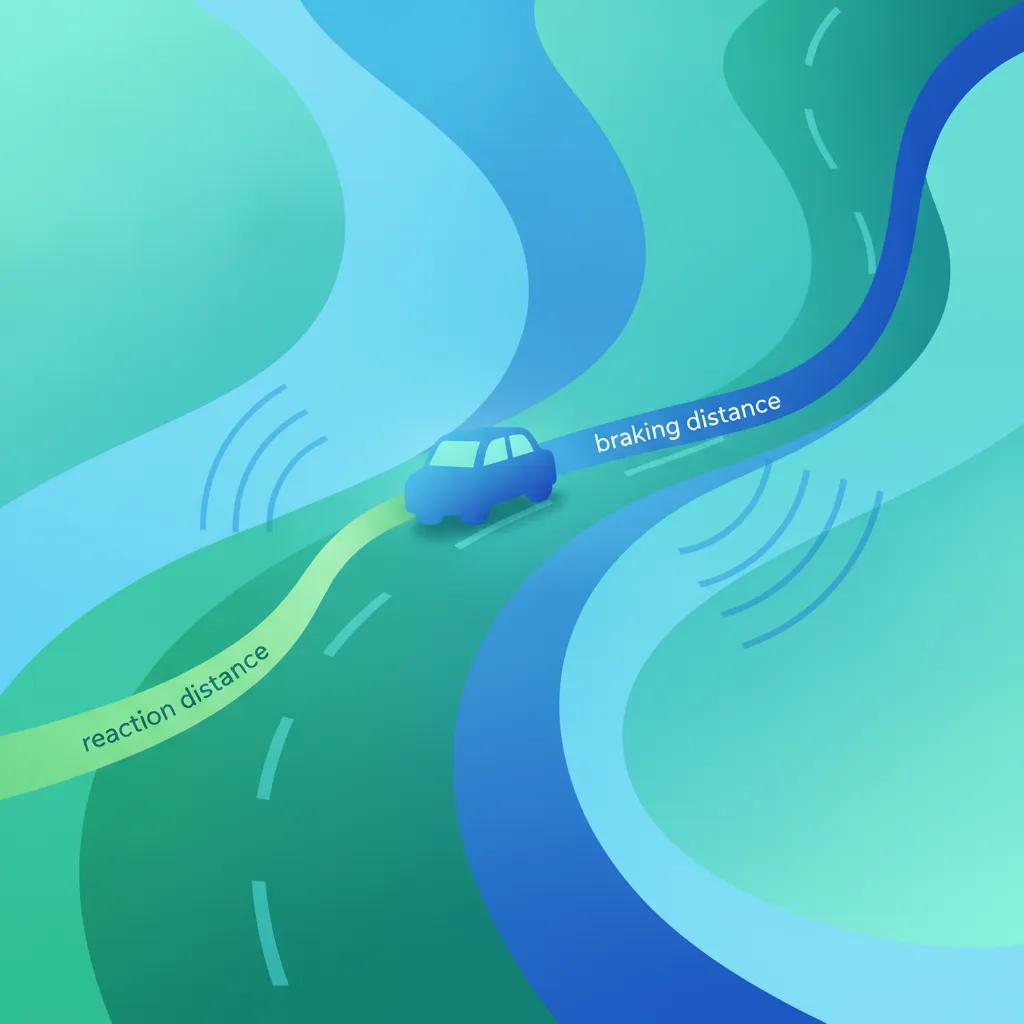
The total distance required to stop your vehicle safely is directly influenced by your speed. This page explains how your reaction distance and braking distance both increase significantly with speed, particularly highlighting the squared relationship for braking distance. Understanding these physics is key to hazard perception and safe driving practices on Italian roads.
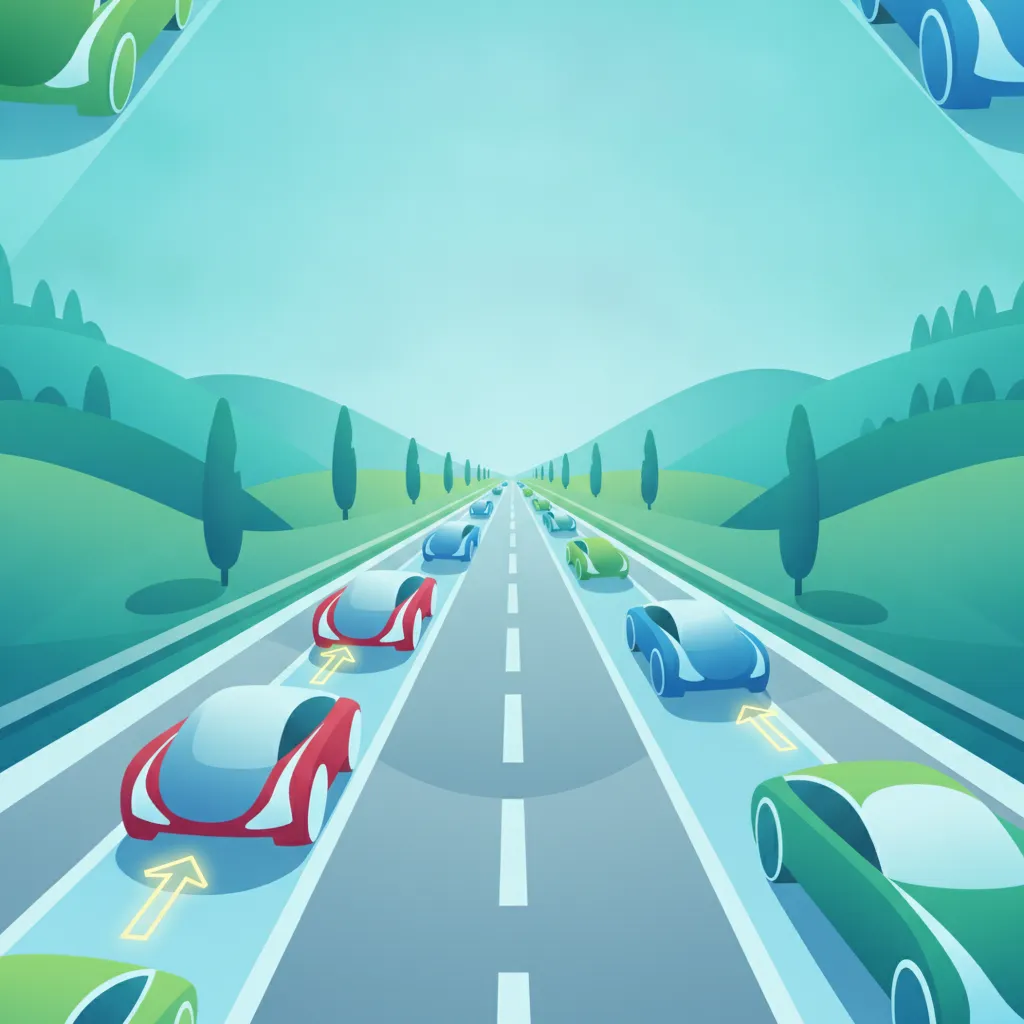
Transitioning from a local road to the fast-moving traffic on an Italian motorway (autostrada) is a critical maneuver. This section details the steps involved in safely entering these high-speed roads, focusing on how to use acceleration lanes effectively and integrate smoothly without disrupting the existing traffic flow.
Driving on snow and ice demands significant adjustments to your driving style. These conditions severely decrease tire traction, affecting your ability to accelerate, steer, and brake effectively. Understanding these challenges and adapting your technique is key to maintaining control and safety, especially on varied Italian terrains, from alpine routes to shaded urban areas.

Italian roads are dynamic spaces, bringing together a wide range of users from pedestrians and cyclists to cars, motorcycles, buses, and trucks. Each user type has different characteristics, speeds, and vulnerabilities. As a driver, it's essential to understand and adapt your behavior to ensure the safety of everyone, especially those considered 'vulnerable' (utenti deboli) under Italian traffic law, such as pedestrians and cyclists.
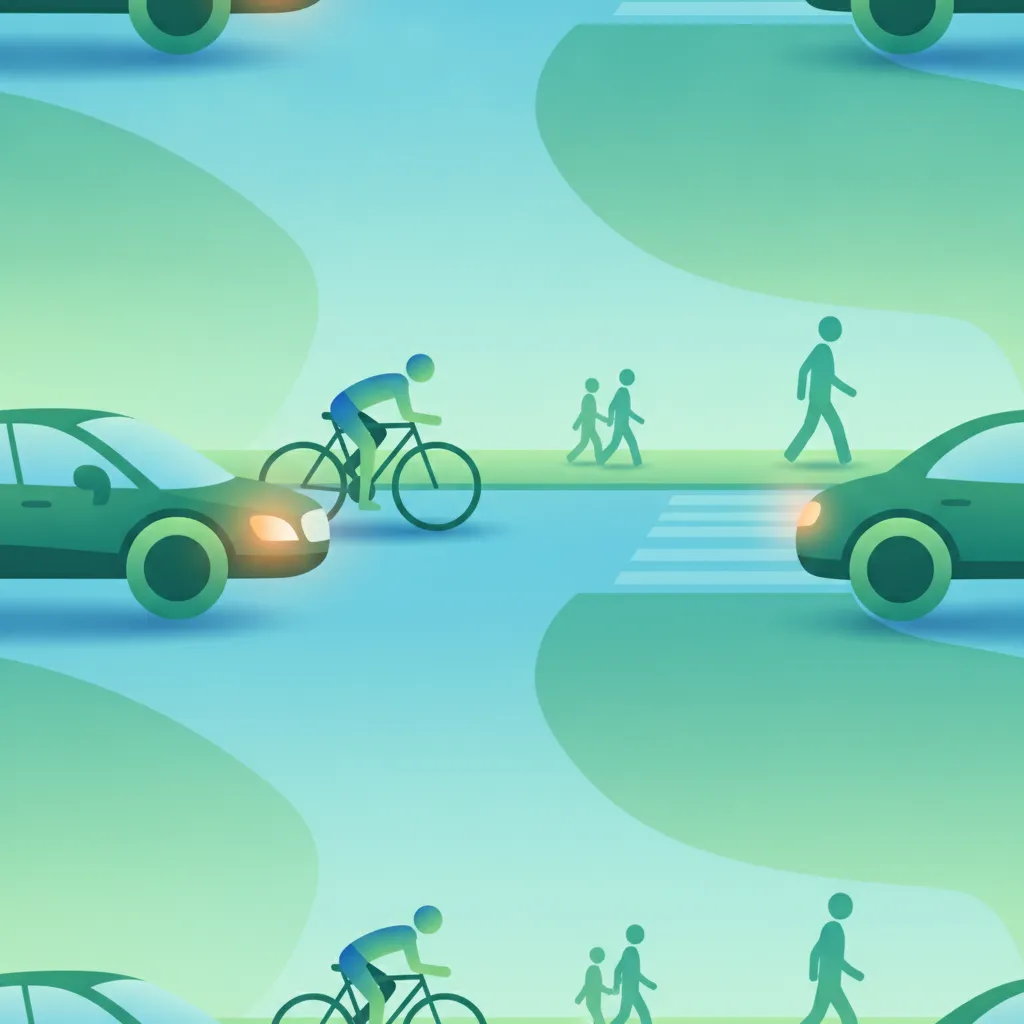
Changing direction, whether turning left or right or making a U-turn, requires careful attention to traffic rules and the presence of other road users. In Italy, these maneuvers are a common source of questions on the driving theory exam and a frequent cause of road incidents if not performed correctly. This guide outlines the key steps for executing turns safely and responsibly.
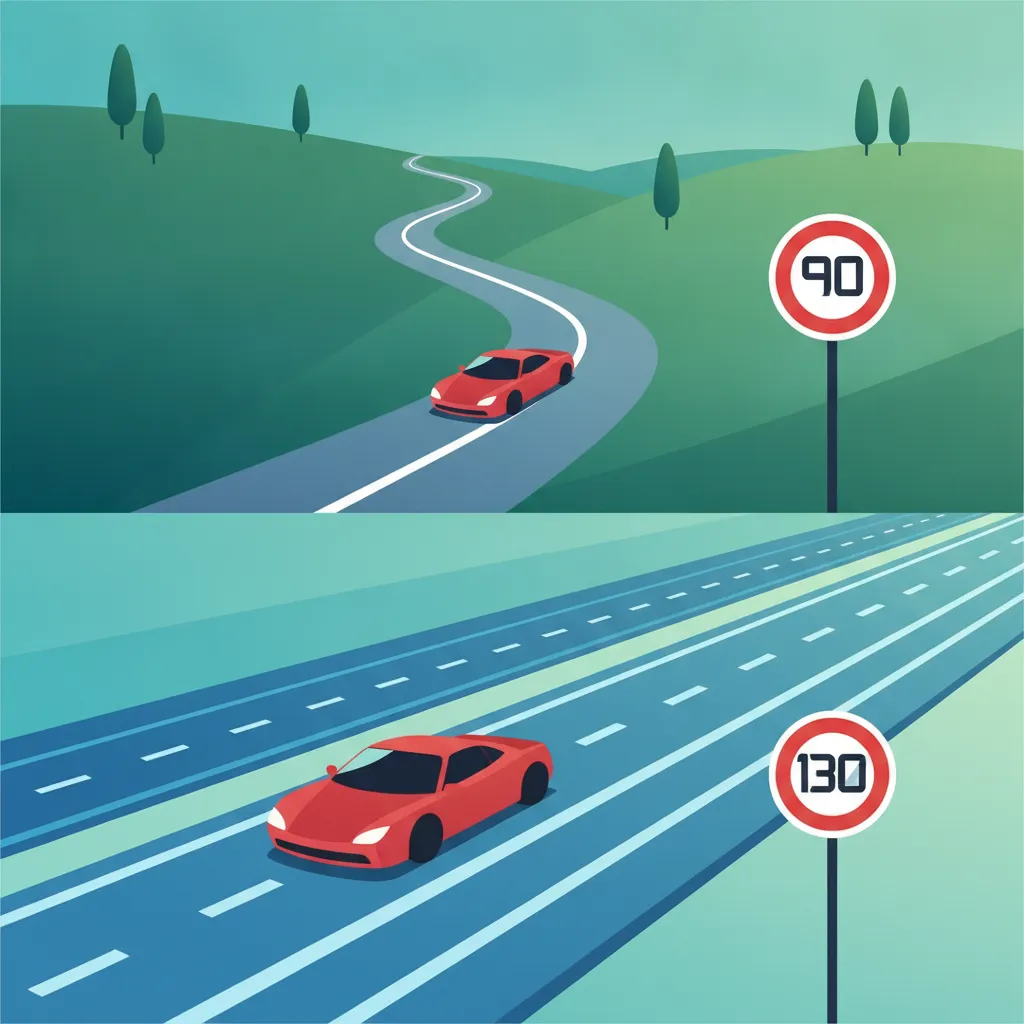
Speed limits are critical traffic regulations in Italy that define the maximum permitted speed for vehicles on different road types. These limits are set to ensure road safety, manage traffic flow, and protect all road users. While a speed limit indicates the highest legal speed, drivers must always adjust their pace based on real-world factors like weather, visibility, traffic density, and road conditions, even if it means driving below the posted maximum.
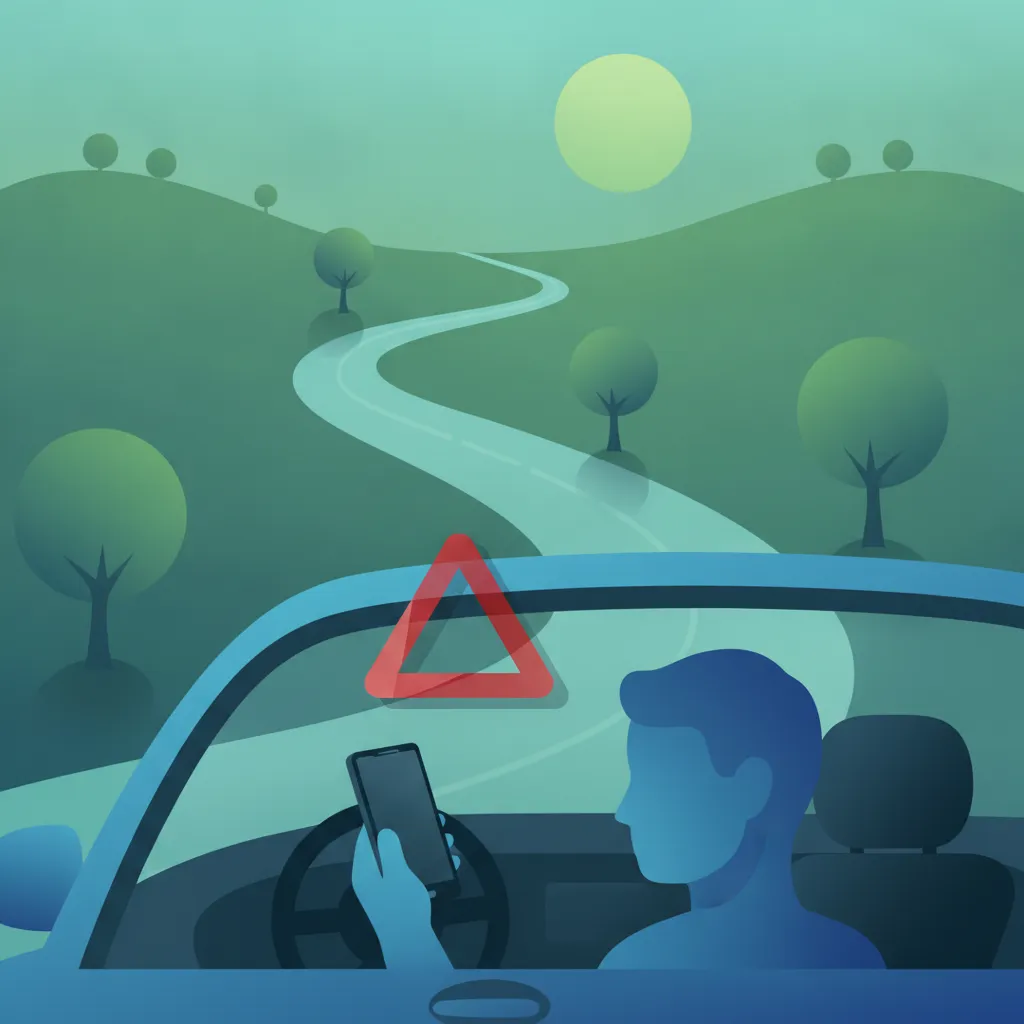
Driving demands your full and continuous attention. Using a mobile phone, whether for calls, texting, or navigation, introduces severe distractions that compromise your safety and the safety of others. In Italy, official data estimates that improper smartphone use is a factor in a high percentage of road accidents caused by driver distraction.
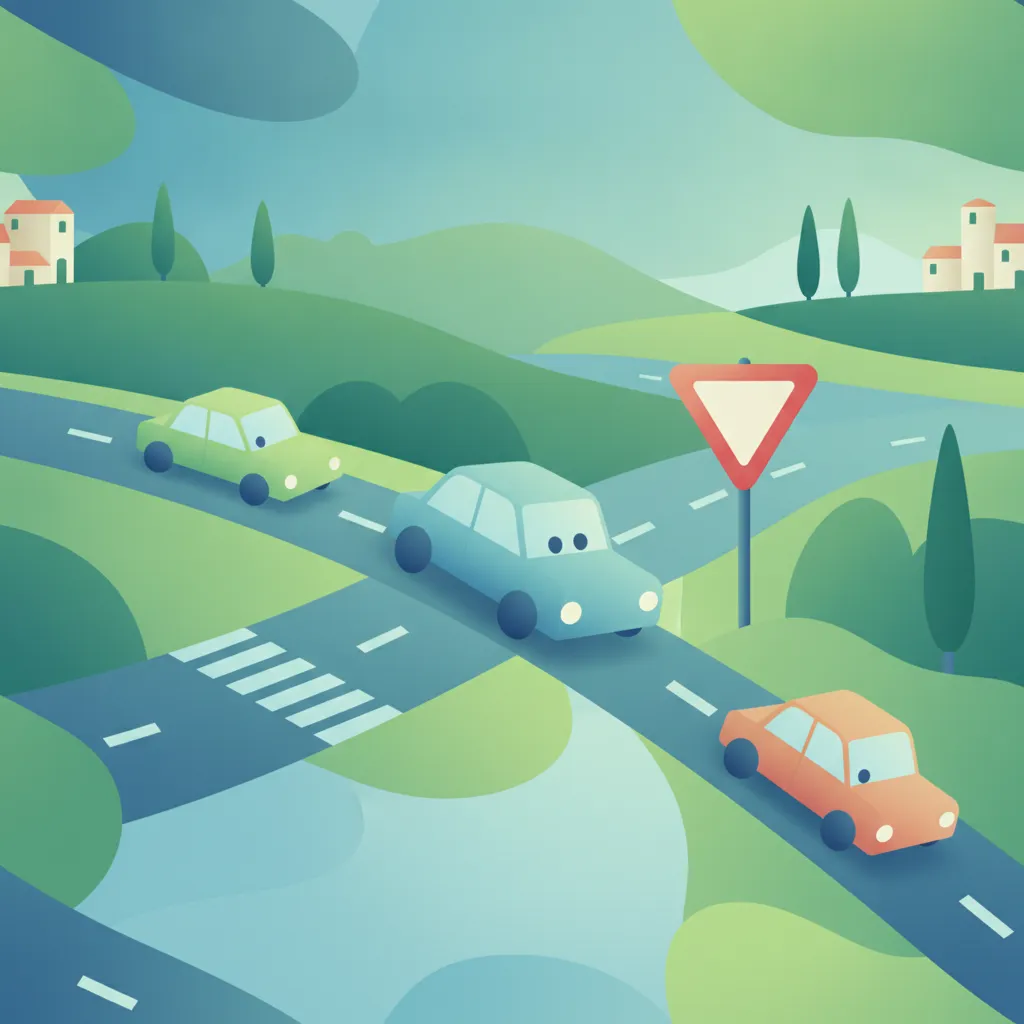
The "Dare Precedenza" sign, commonly known as the Give Way sign, is a fundamental priority rule in Italian road law. It instructs drivers to cede priority to traffic on the road they are entering or crossing. Unlike a Stop sign, a complete halt is not always mandatory, but you must always be prepared to stop and only proceed when it is safe and does not force other drivers to react.
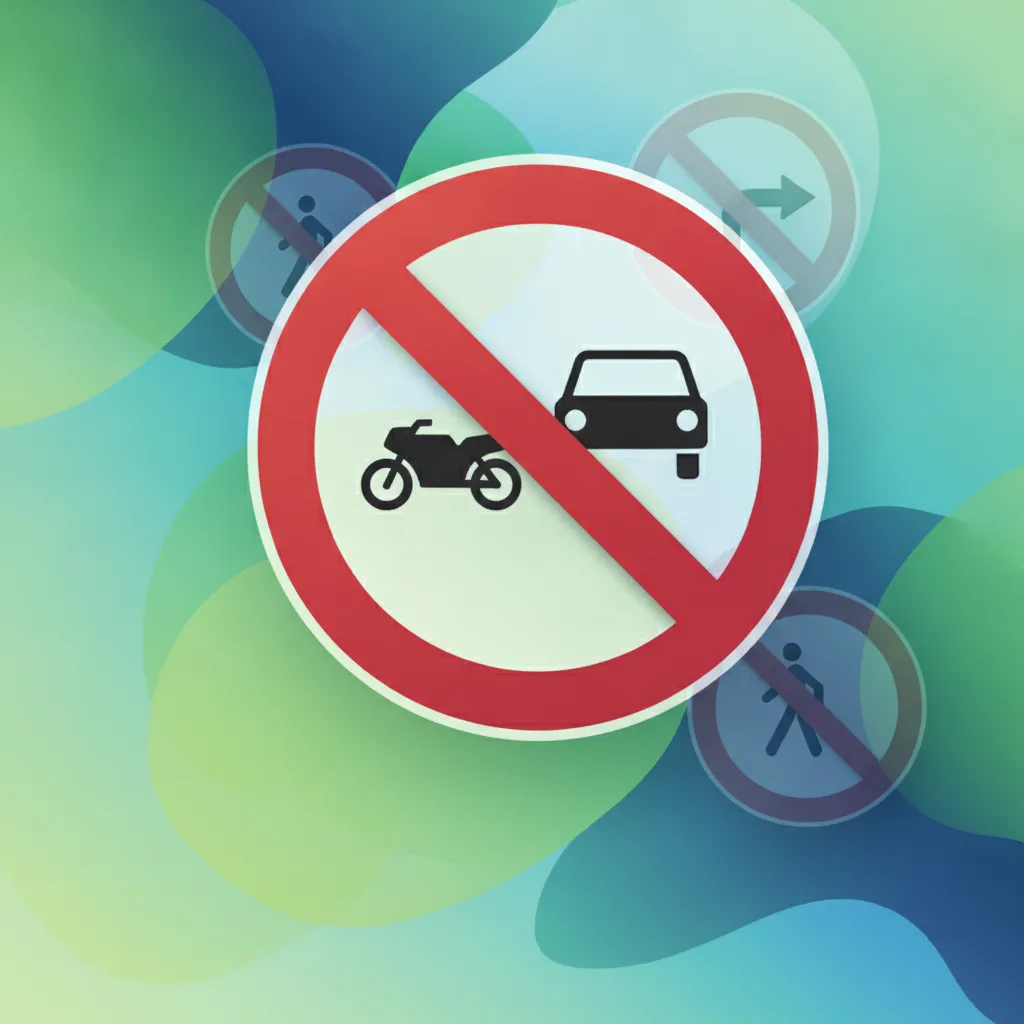
Prohibition signs are a fundamental category of traffic signs in Italy, designed to clearly indicate actions that drivers are expressly forbidden to perform. Recognizing and obeying these signs is vital for road safety, efficient traffic management, and avoiding fines. They are easily identifiable by their distinctive visual characteristics, typically a red circle, setting them apart from other sign types.

Fog reduces your ability to see and be seen, dramatically increasing accident risk. In Italy, navigating foggy conditions requires strict adherence to specific rules regarding speed, vehicle lighting, and maintaining adequate safety distances. This section will detail how to adapt your driving to ensure safety for yourself and other road users, considering Italian traffic regulations.
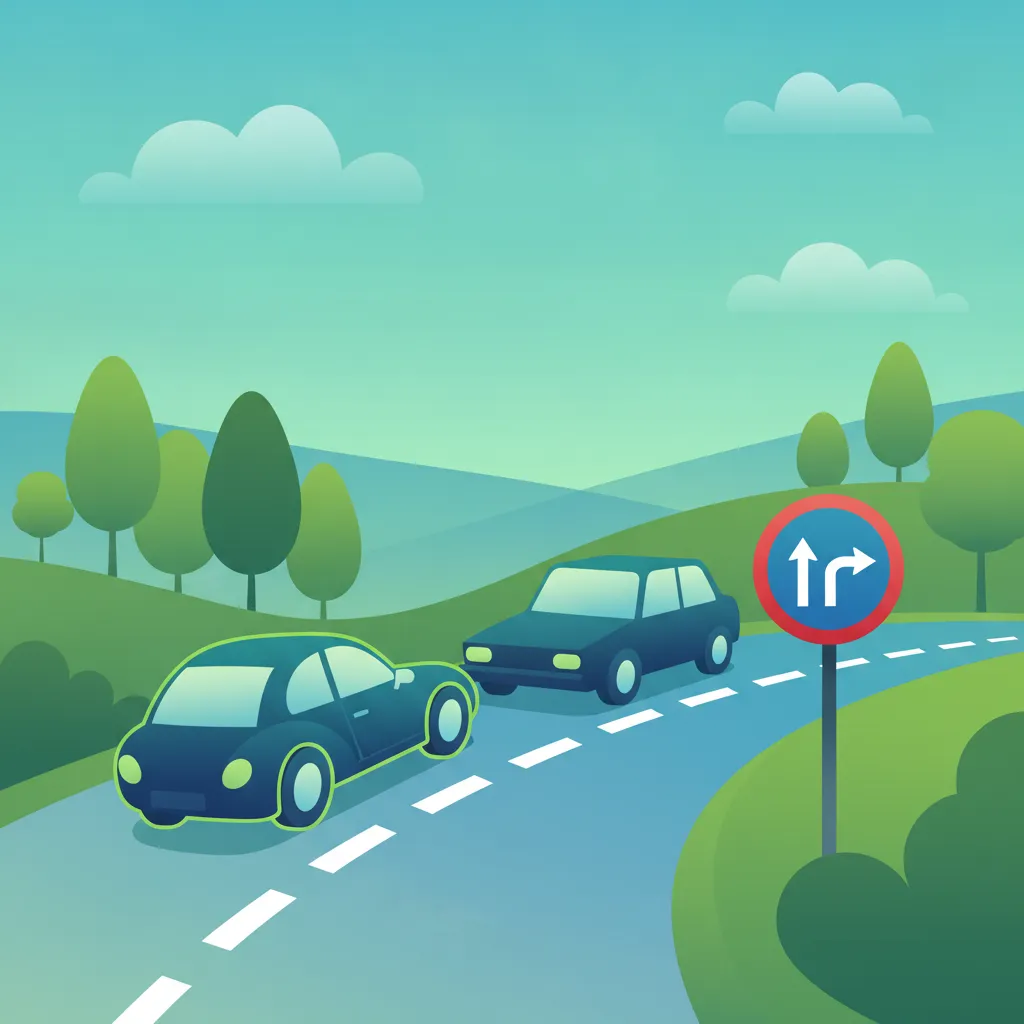
Overtaking, known as 'sorpasso' in Italy, is a common but high-risk maneuver that requires careful judgment and strict adherence to traffic laws. This guide covers the essential steps for safely passing other vehicles, identifying the conditions under which overtaking is allowed, and recognizing the critical situations where it is prohibited by the Italian Highway Code (Codice della Strada).

Tailgating, known as 'distanza di sicurezza' in Italian driving theory, means following another vehicle too closely. This practice drastically reduces your reaction and braking time, making it impossible to stop safely in an emergency. On Italian roads, understanding how to adjust your following distance based on various factors is fundamental for preventing accidents and adhering to traffic regulations.
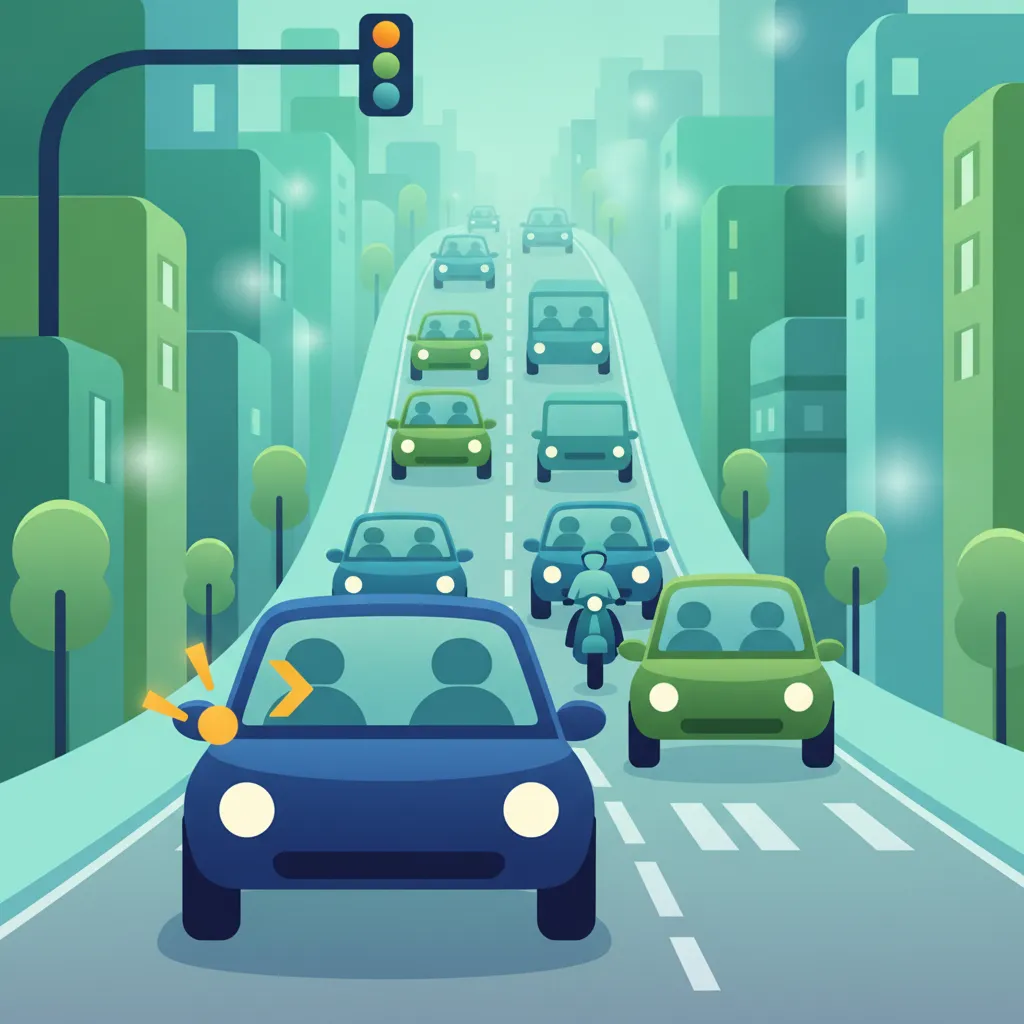
This page explains when and how to properly use your vehicle's turn signals (indicatori di direzione) according to Italian traffic laws. Mastering signalling is essential for safe driving, allowing other road users to anticipate your movements, whether turning, changing lanes, or exiting a roundabout. Incorrect or omitted signalling is a common cause of accidents and can lead to penalties and exam errors.
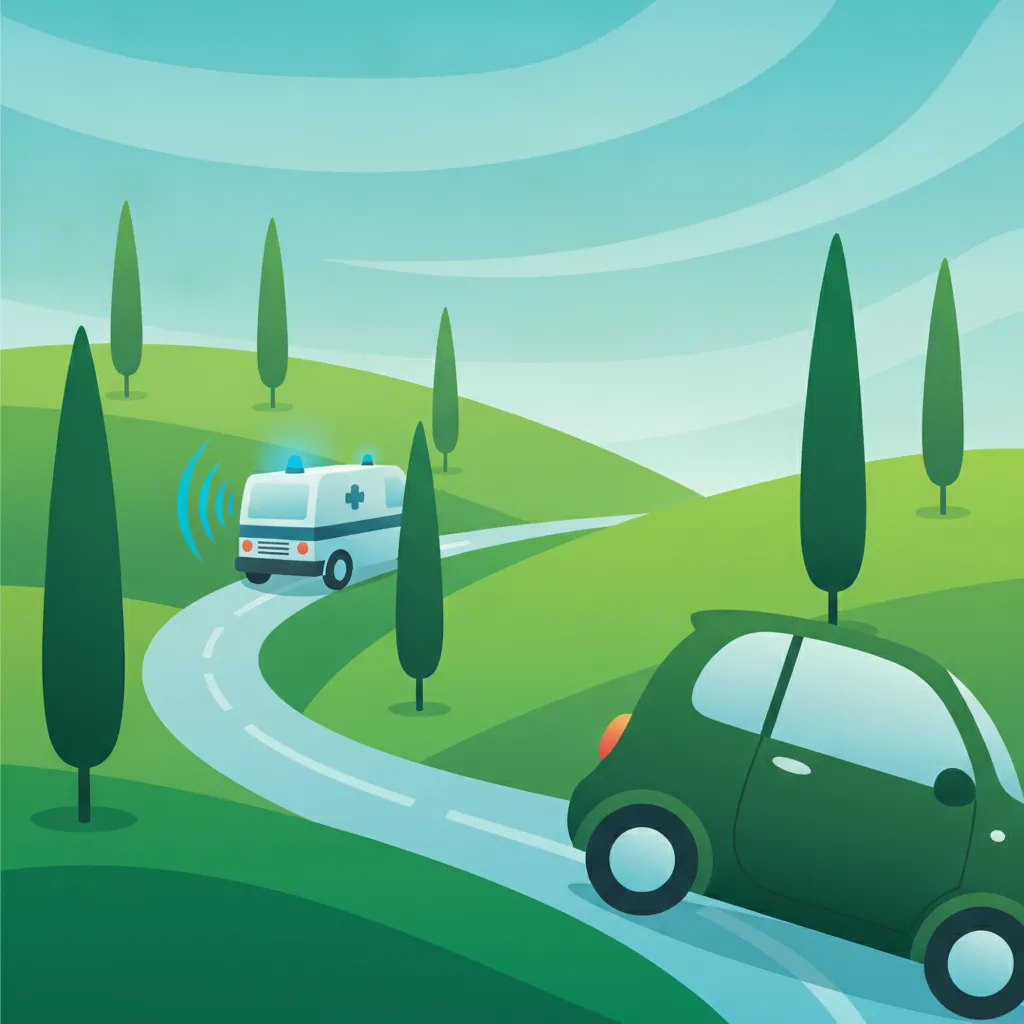
In Italy, certain vehicles are designated as emergency vehicles, including those of the police (Polizia), fire brigade (Vigili del Fuoco), and ambulances (Autoambulanze). When these vehicles are on urgent service and use their distinctive blue flashing lights and/or sirens, all other drivers have a legal duty to grant them immediate right of way. This rule is crucial for public safety and is clearly defined by the Italian Codice della Strada (Highway Code).
Page 1 of 3
Dive deeper into specific topics, review challenging road signs, or explore advanced driving scenarios within our extensive article library. Solidify your knowledge on autostrada rules, ZTL zones, and other key Italian driving concepts to ensure you are fully prepared for your test and the road.
Italian Driving Theory Articles