
This group of Italian complementary signs provides crucial visual cues to help you understand the road's shape and boundaries. They are essential for navigating safely, especially at bends, intersections, and along road edges. Mastering these signs will not only boost your confidence on the road but is also key to passing your driving theory exam.
An explanation of how Italian Complementary Signage road signs apply in real traffic situations in Italy. Learn where these signs are typically placed, what drivers are expected to do when they appear, and how correct reactions help you stay safe, avoid fines, and succeed in your Italian driving theory exam.
These complementary signs are frequently encountered on Italian roads, particularly where the road layout requires extra guidance. Reflection posts (IT-C-01, IT-C-02) are often placed along the road edge, at curves, or at the start of medians, especially in areas with reduced visibility like at night or in bad weather. They clearly mark the boundaries of the drivable road surface. Chevron markers (IT-C-03, IT-C-04, IT-C-06, II.395) are used to highlight sharper bends or indicate the direction to follow around an obstacle or at an intersection. The T-intersection marker (II.467) specifically warns of an upcoming junction where the road ahead ends, requiring a turn. Drivers must pay close attention to these signs as they provide vital information about the road's geometry and potential hazards, helping to prevent accidental lane departures or collisions.
An overview of the key learning outcomes when studying the Italian Complementary Signage road sign category. Understand the main concepts, sign meanings, and traffic situations covered here so you can recognise patterns, answer theory questions more confidently, and build a solid foundation for safe driving in Italy.
Master Italian complementary signage, vital for navigating road edges, bends, and intersections. Understanding these markers helps you interpret road shape and limits, crucial for safe driving and passing your theory test. Efficiently learn road signs by studying these essential guiding indicators.
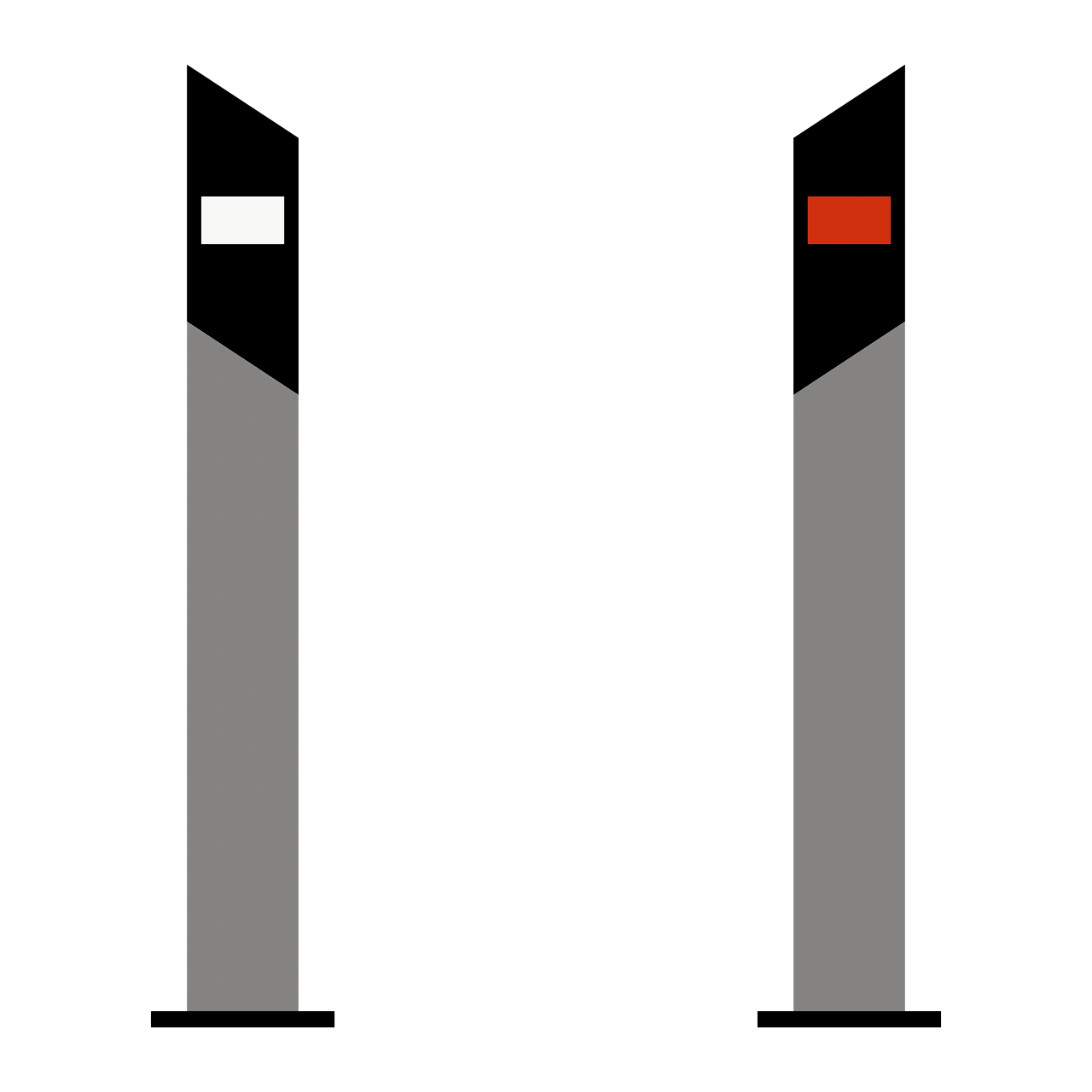
IT-C-01 Reflexion Posts: Your Guide to Road Alignment on Two-Way Roads
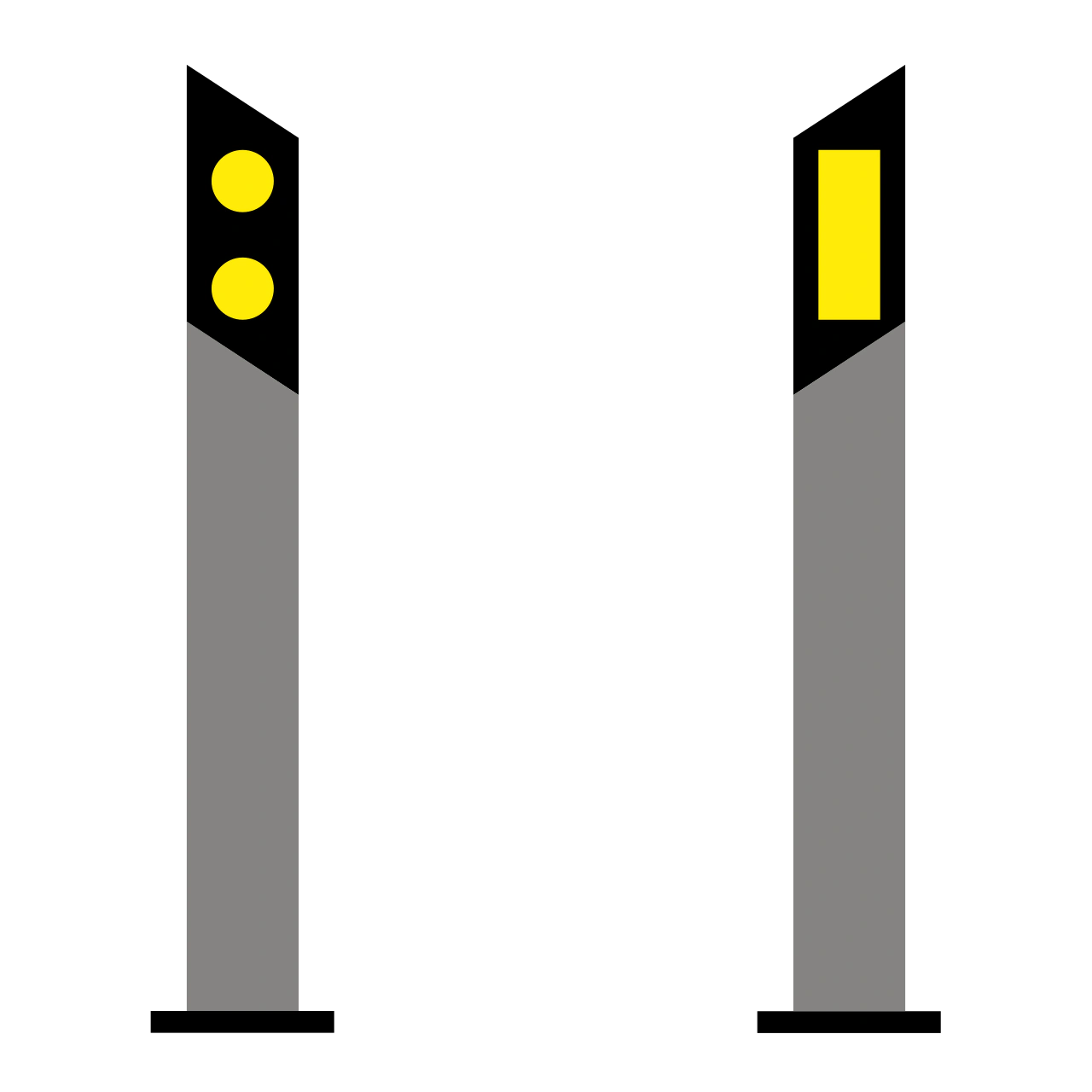
Use Reflexion Posts on One-Way Roads (IT-C-02) for Clearer Road Guidance

Follow the IT-C-03 Chevron Marker for safe turns and road alignment.

Follow the IT-C-04 Chevron Marker for safe guidance on bends and turns.

Understand the II.467 T-intersection Marker for Safe Road Guidance

Follow the IT-C-06 Chevron Marker for safe road alignment and bends.

Understand the Red Chevron Marker (II.395) for Road Guidance
Clear answers to common questions about the Italian Complementary Signage road sign category. Use this FAQ to review tricky rules, understand how these signs appear in exam scenarios, and remove confusion that often leads to mistakes in the Italian driving theory exam in Italy.
Reflection posts are designed to enhance visibility of the road's edge and path, especially during nighttime or in adverse weather conditions. They reflect light from your headlights, making curves, bends, and road boundaries more apparent and helping you stay within your lane.
Chevron markers are used to indicate a change in direction, such as sharp bends, turns, or when approaching obstacles on the road. They visually guide you to follow the intended path, often pointing towards the direction you need to steer.
Understanding these complementary signs is crucial for theory exams because they relate directly to hazard perception and understanding road layout. Questions might test your ability to interpret what a chevron marker means for steering or to identify the road edge information provided by reflection posts.
While commonly found on rural roads, winding routes, or areas where road boundaries might be less obvious, these complementary signs can appear on various road types. Their purpose is to supplement standard road signage by providing clear physical guidance, making them useful wherever enhanced visibility of the road's path is beneficial.
A singular chevron marker (like IT-C-06 or II.395) generally indicates a bend or an obstruction and shows the direction to follow. A T-intersection marker (II.467) specifically warns that the road ahead terminates and you must turn either left or right at an upcoming junction.
Begin your journey to understand Italian road signs more effectively. Select any category from the list to dive into detailed explanations and practice questions tailored to the official Italian driving theory curriculum. Master each group for a confident exam performance.
Browse Italian Road Sign Groups