
Italian additional panels are crucial for understanding the full context of main road signs. These supplementary signs provide vital details about distance, duration, vehicle types, exceptions, and specific conditions, ensuring you interpret traffic signs accurately. Mastering these panels is essential for passing your theory exam and navigating Italian roads safely and confidently.
An explanation of how Italian Additional Panels road signs apply in real traffic situations in Italy. Learn where these signs are typically placed, what drivers are expected to do when they appear, and how correct reactions help you stay safe, avoid fines, and succeed in your Italian driving theory exam.
You'll encounter Italian additional panels frequently, always placed directly below a primary traffic sign. They are indispensable for understanding precisely when and where a main sign's instruction applies. For example, a 'No Parking' sign (Prohibited Parking) might be accompanied by an additional panel indicating 'From 8 AM to 6 PM' (II.3-b) or 'Only on working days' (II.3-d), meaning parking is permitted outside these times or on holidays. Similarly, a warning sign for a hazard ahead could have a panel specifying a distance in kilometres (II.1-b), indicating how far before the hazard you need to be aware. Panels detailing vehicle types, such as those for trucks or dangerous goods (II.4-a, II.4-b, II.8-b, IT-AP-38, IT-AP-39), are vital for specific drivers to adjust their behaviour, while others like 'Road cleaning in progress' (II.6-q2, II.8-a) or 'Queue ahead' (IT-AP-22) inform all drivers about temporary conditions or upcoming traffic situations. Understanding these panels is key to correctly interpreting the overall traffic regulation or warning.
An overview of the key learning outcomes when studying the Italian Additional Panels road sign category. Understand the main concepts, sign meanings, and traffic situations covered here so you can recognise patterns, answer theory questions more confidently, and build a solid foundation for safe driving in Italy.
Master the nuances of Italian additional panels, crucial for understanding main road signs. These supplementary signs provide vital context on distance, vehicle types, or time limits, directly impacting compliance and safety. Studying them together aids effective theory test revision and ensures you grasp full sign meanings in Italian traffic conditions.

Understanding the 'Distance (in metres)' Additional Panel (II.1-a)

The II.1-b panel provides essential distance or scope context for other road signs.
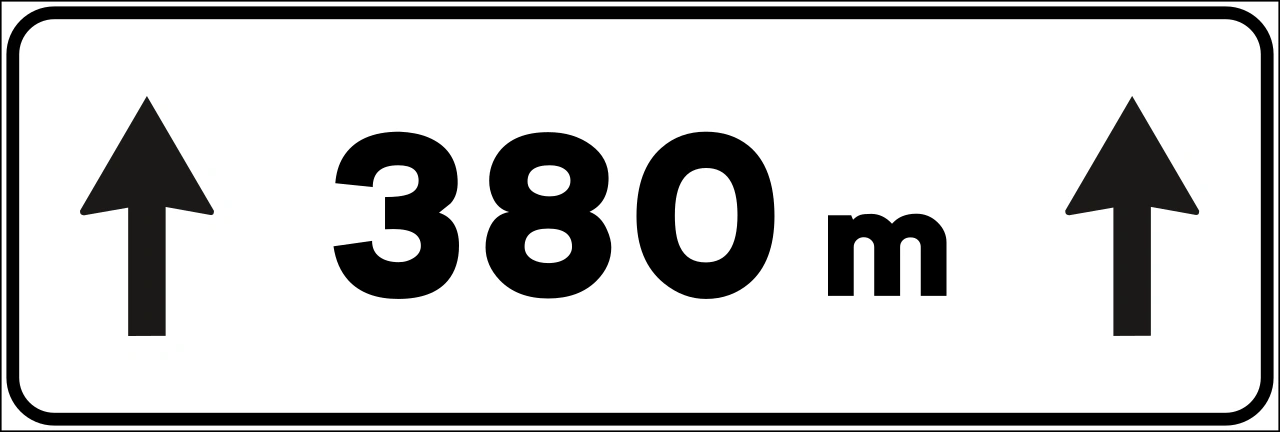
Understand the 'Length of Danger or Prescription' Panel (II.2-a)
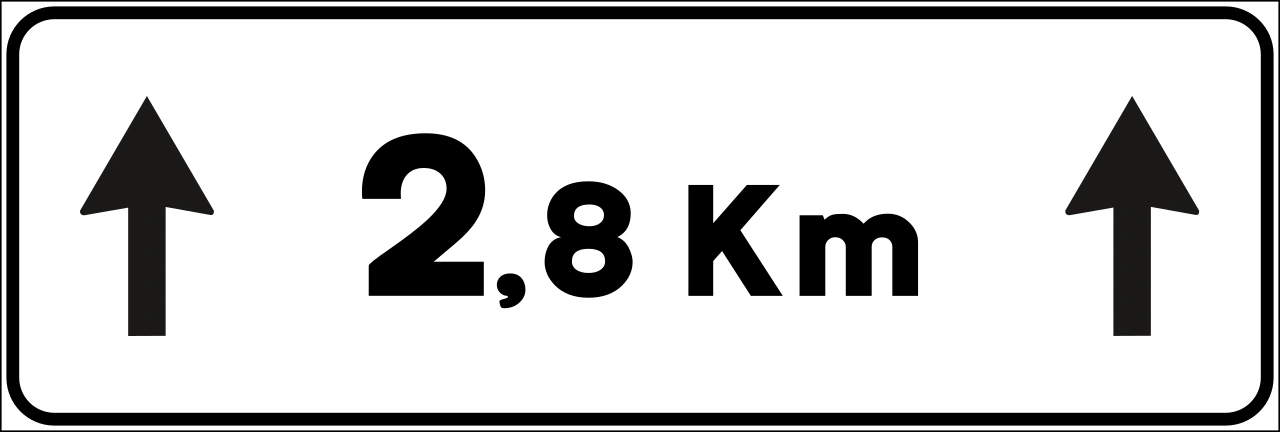
Understand the II.2-b Panel: Extending Danger or Prescription Distances
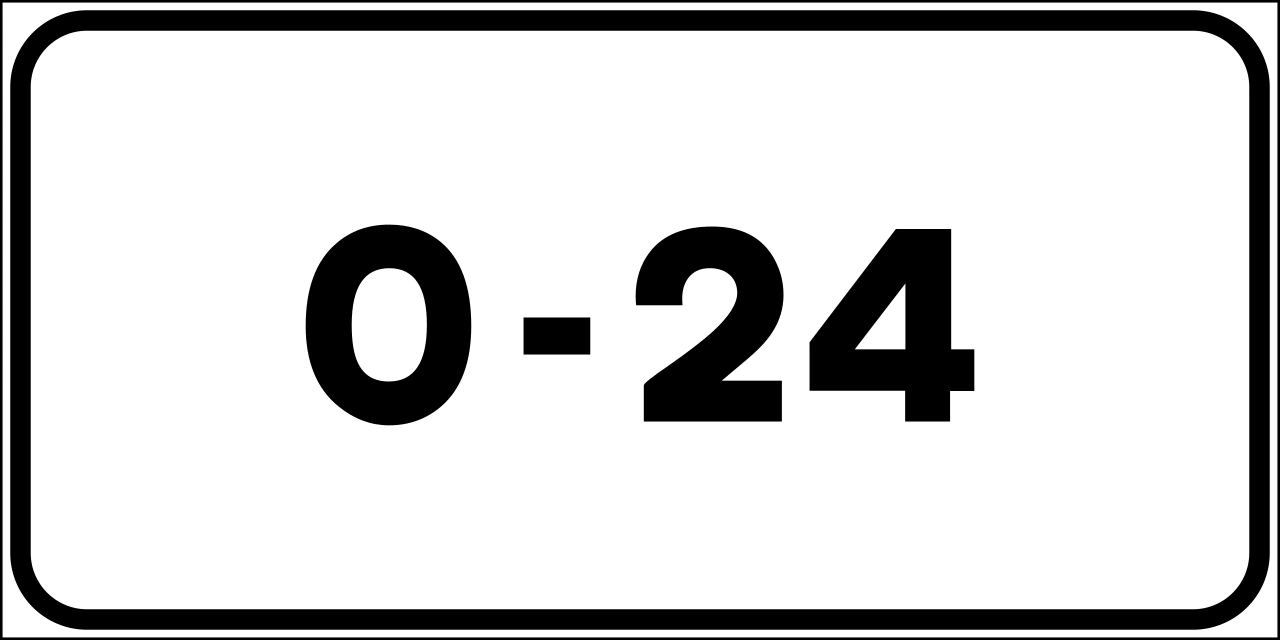
Understand the II.3-a 'Applies All Day' Timetable Panel
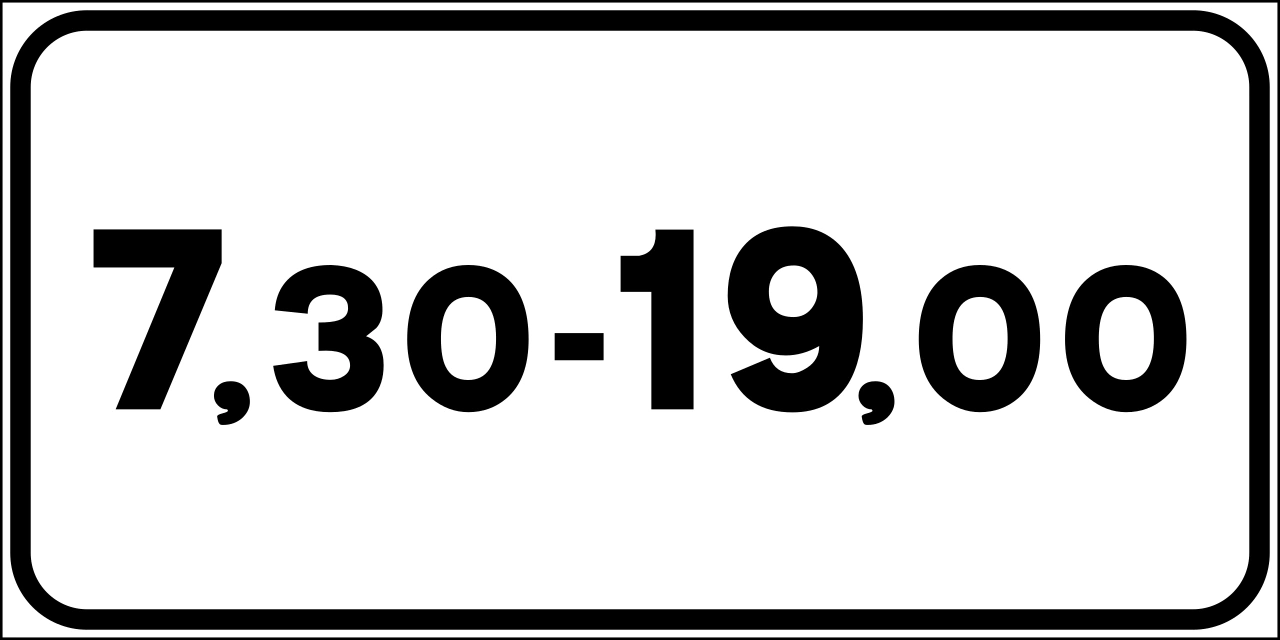
II.3-b Additional Panel: Understanding Time-Based Sign Meanings
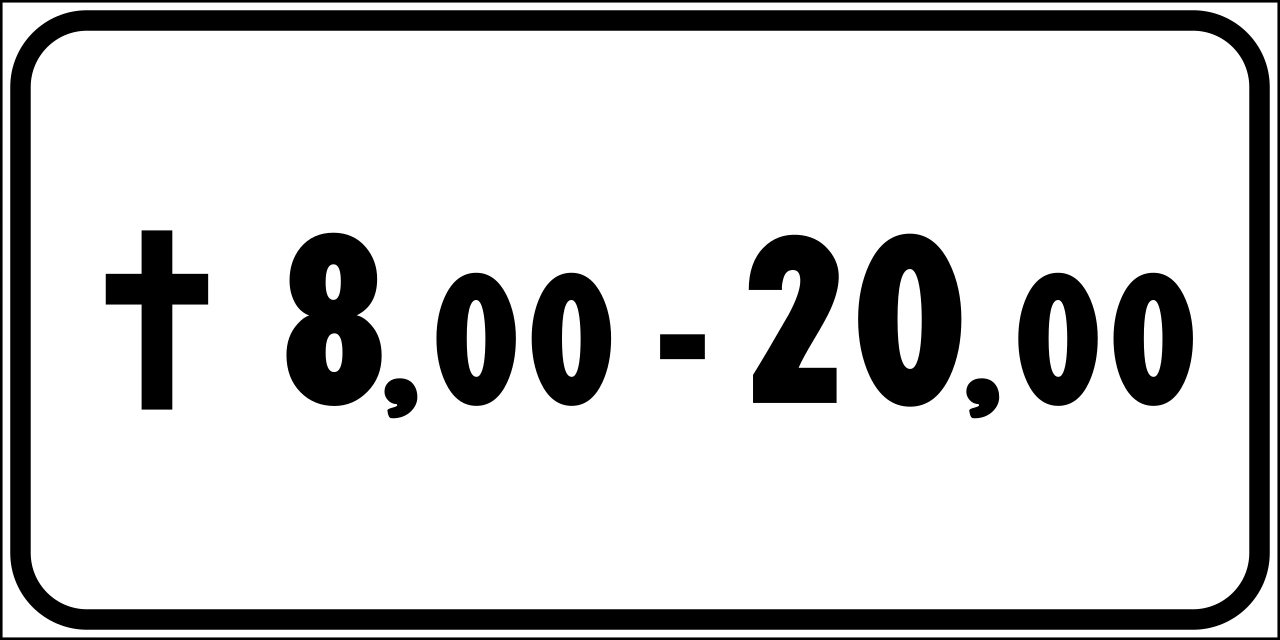
Understand the 'Timetable: Holidays' Supplementary Road Sign (II.3-c)
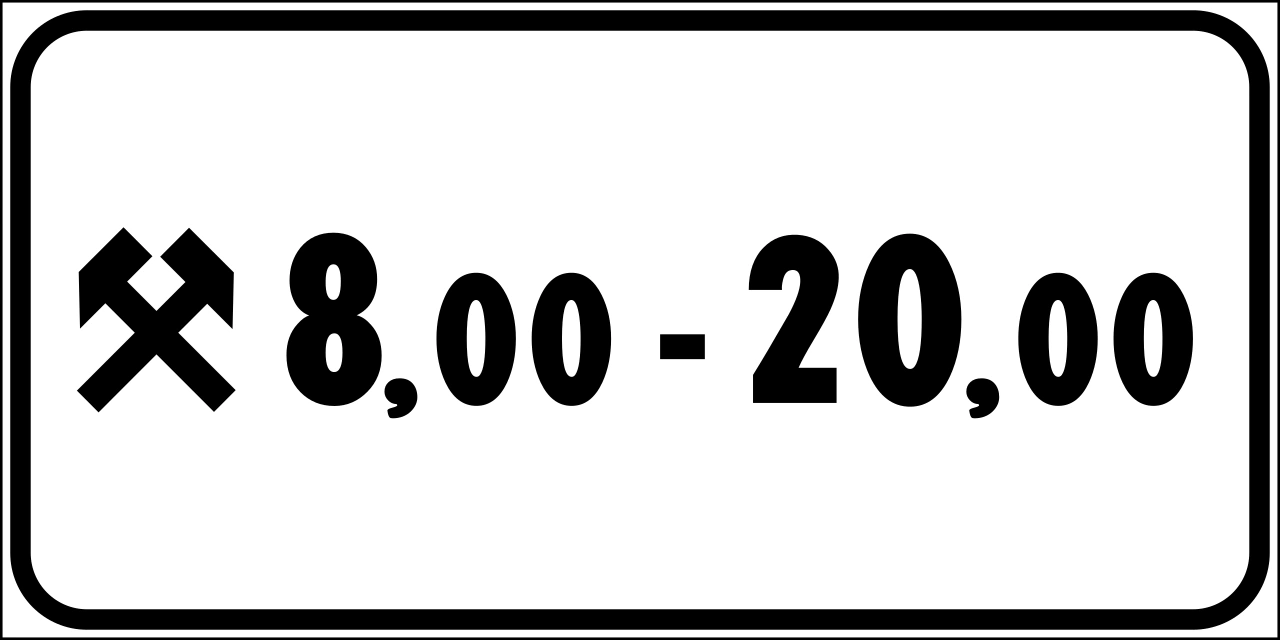
This Timetable Sign Means Restrictions Apply Only on Working Days
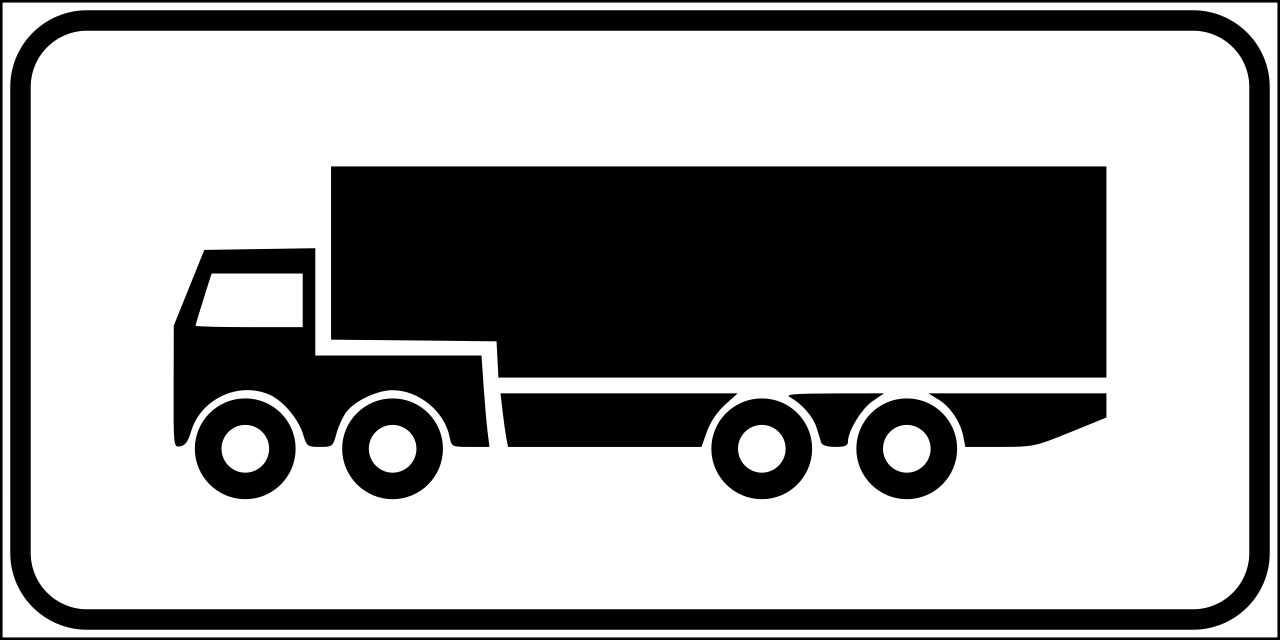
II.4-a Additional Panel: Refining the Meaning of Main Road Signs
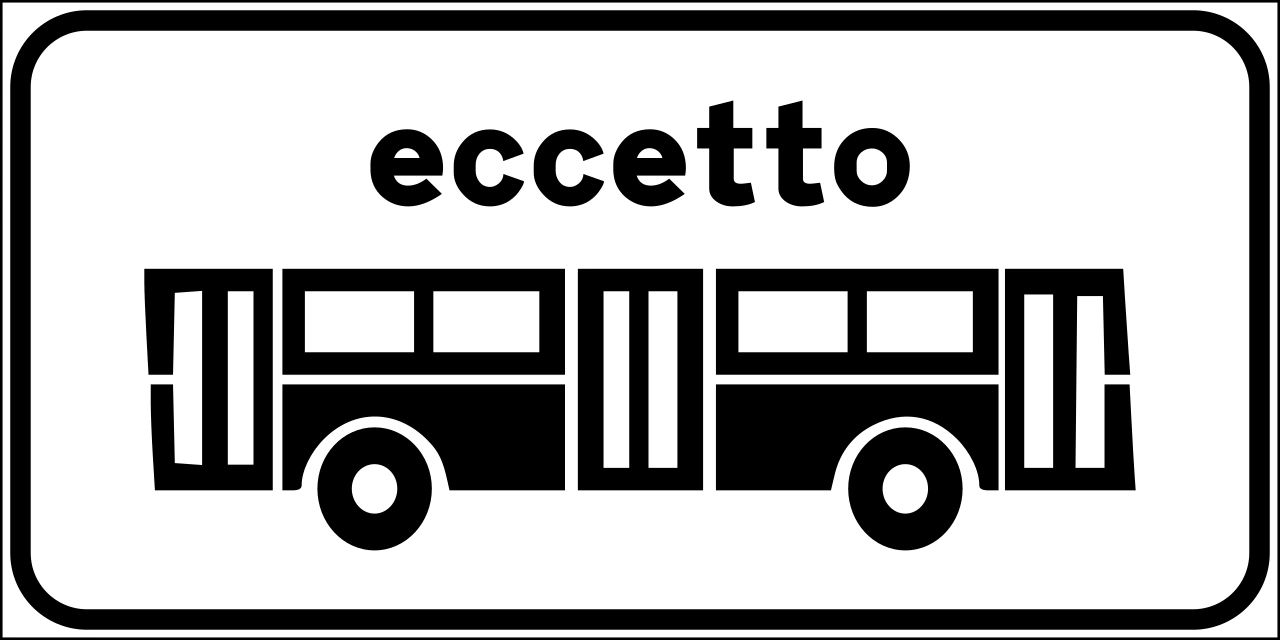
Understand the II.4-b additional panel: Modifying the meaning of main traffic signs.

The II.5-a1 panel: Modifying the Meaning of Other Road Signs
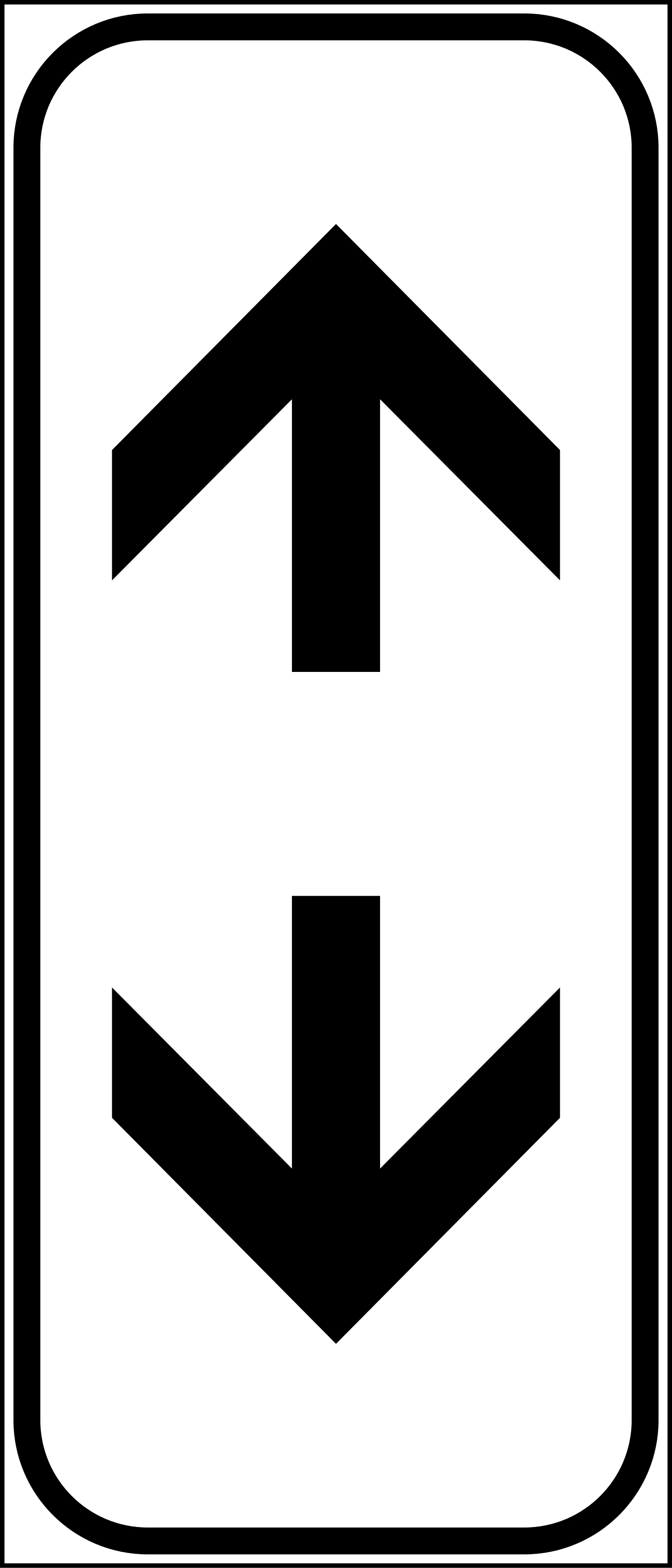
Understand the Vertical Continual Panel (II.5-a2) Modifying Danger or Prescription Signs

II.5-a3: What This Additional Panel Means for Road Rules
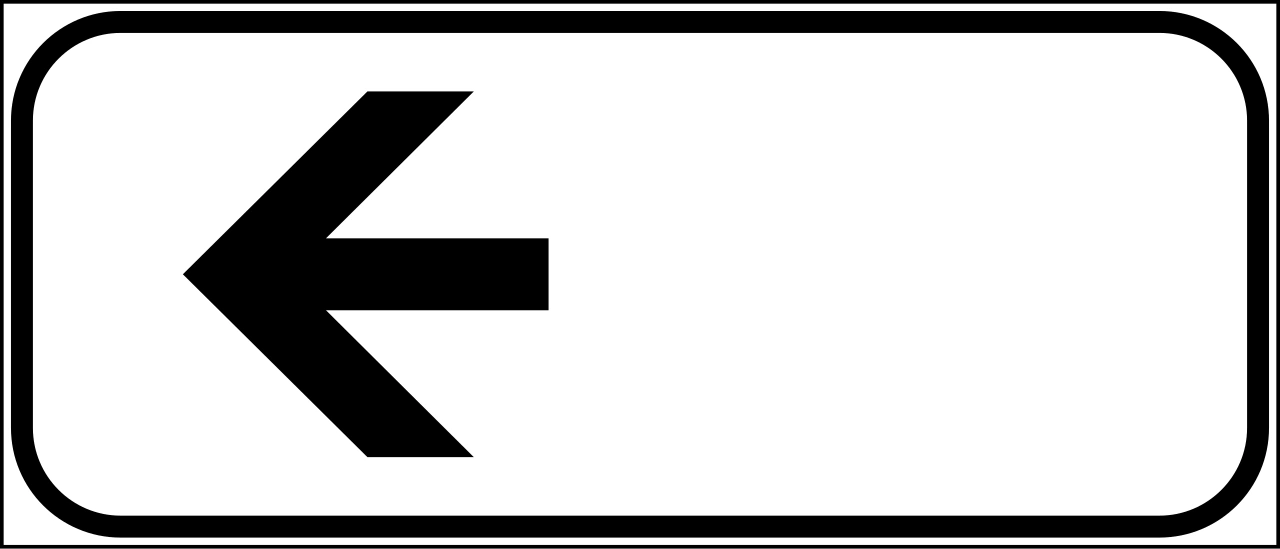
II.5-b1: This Panel Modifies Main Road Signs to Specify Scope
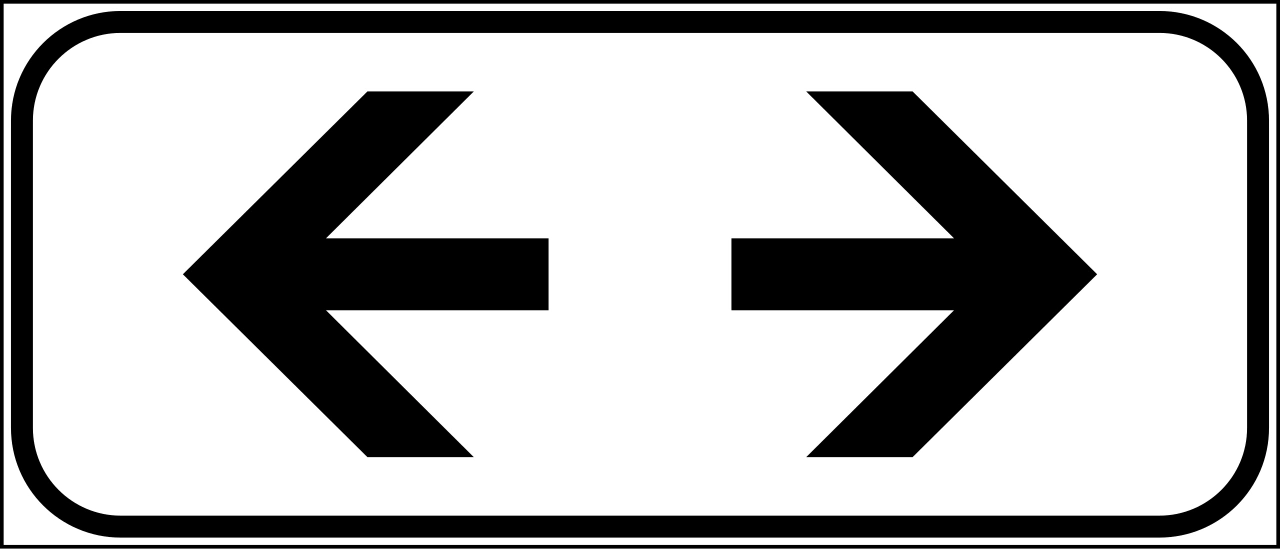
II.5-b2: This Panel Modifies the Main Road Sign's Scope

Understand the 'End of Danger or Prescription' Horizontal Panel (II.5-b3)
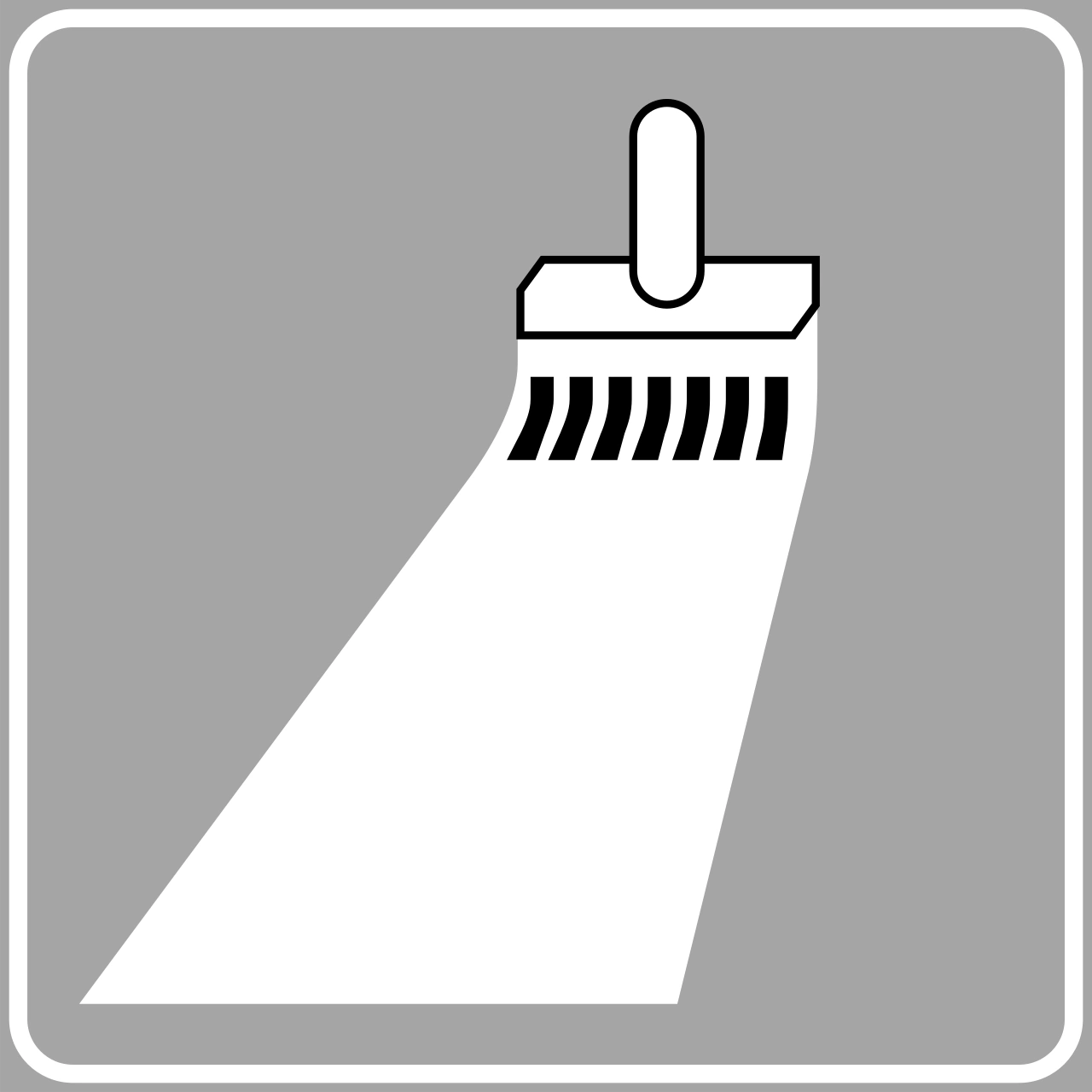
II.6-a: Understand the 'No Road Markings or Work in Progress' Additional Panel
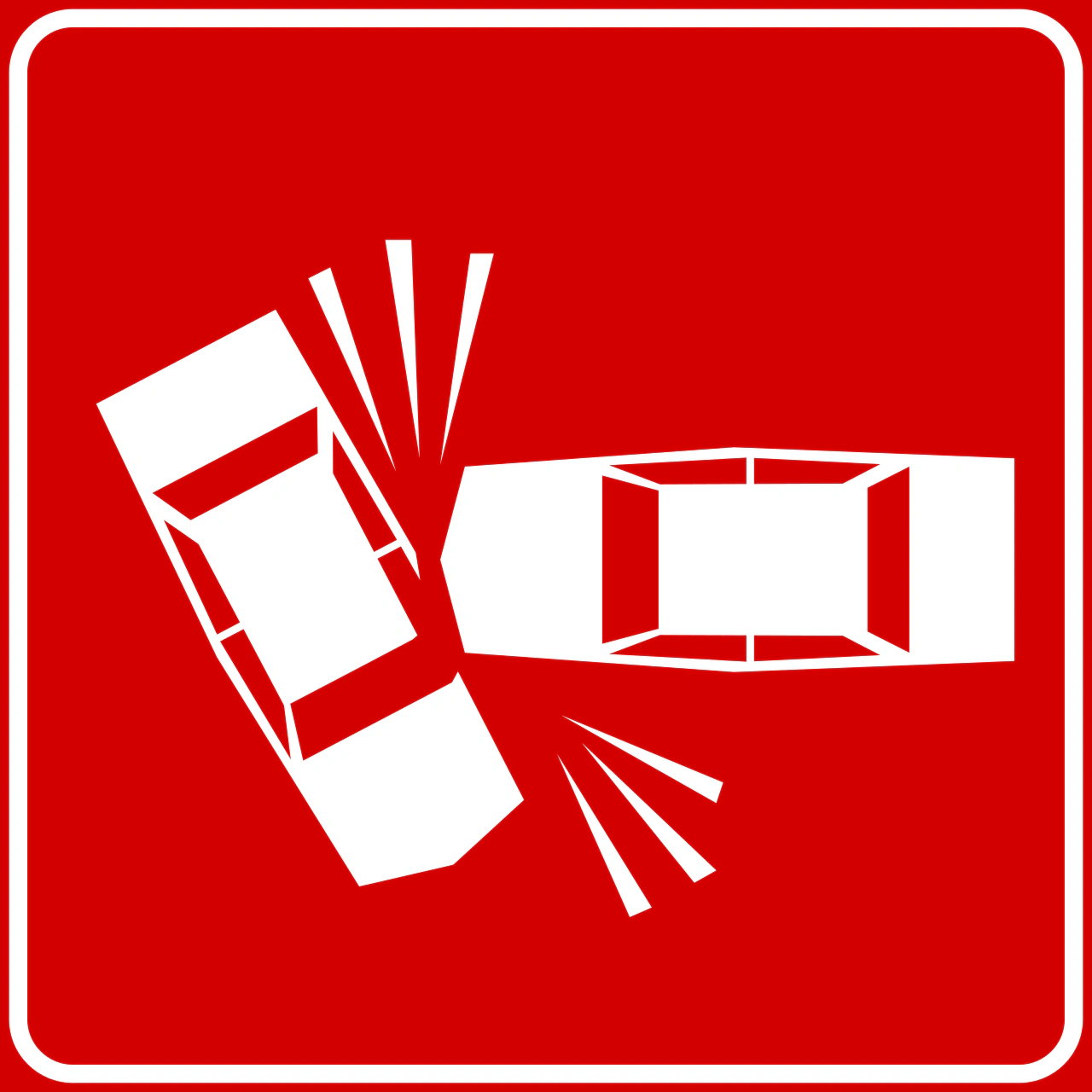
The II.6-b 'Road accident' panel: Modifying the scope of traffic signs in Italy
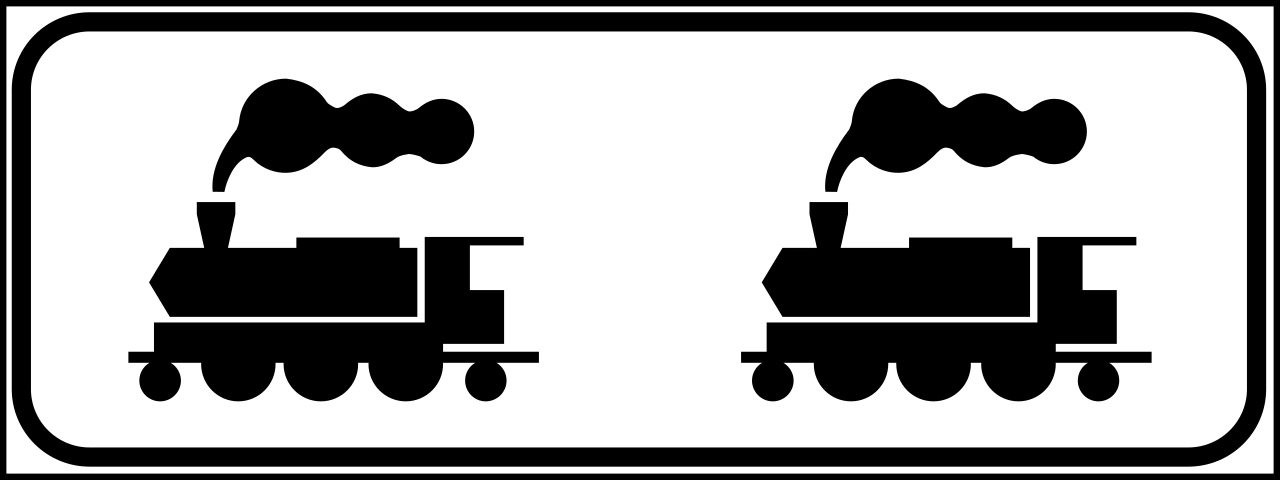
Understand the IT-AP-19 Additional Panel for Railway Linking Tracks
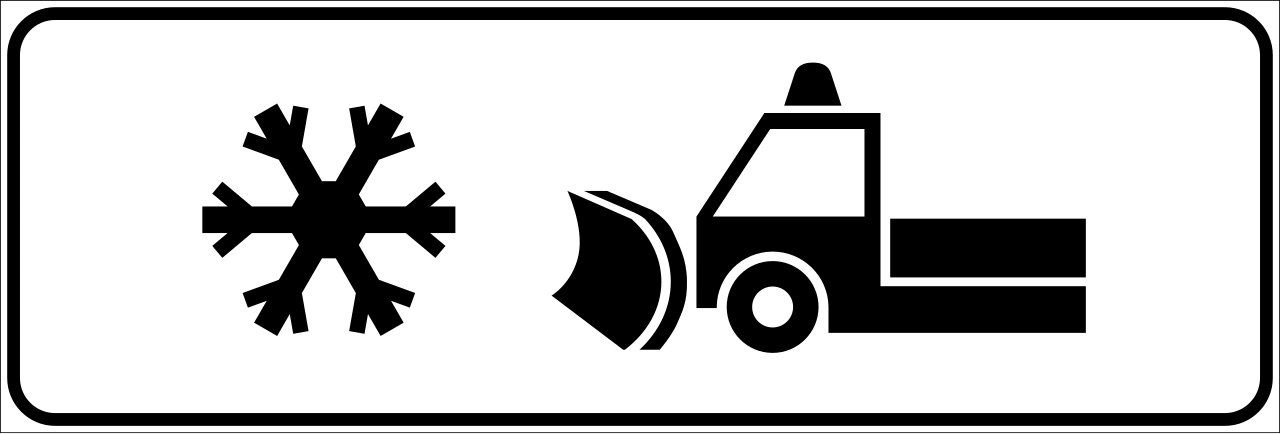
The 'Snow Removal Vehicle at Work' Panel: Modifying the Main Sign's Scope
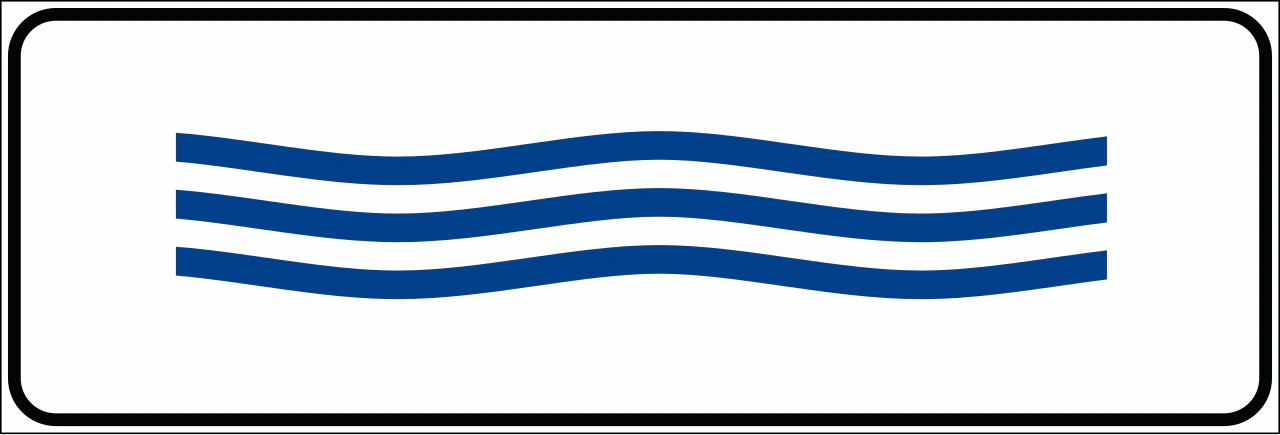
Understand the 'Road Subject to Flooding' Additional Panel (IT-AP-21)
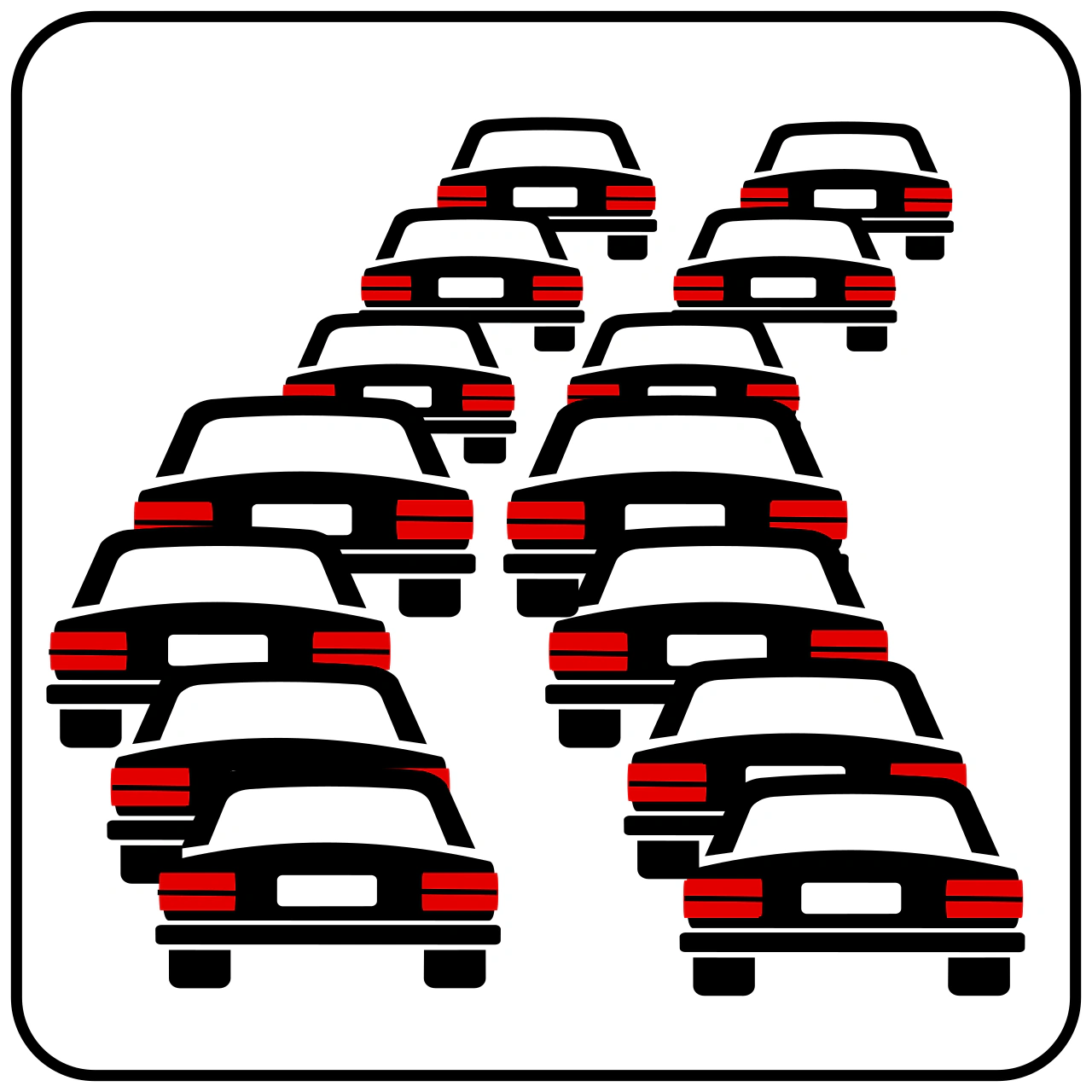
Decode Additional Panels: The 'Queue' Panel (IT-AP-22) Modifies Main Signs
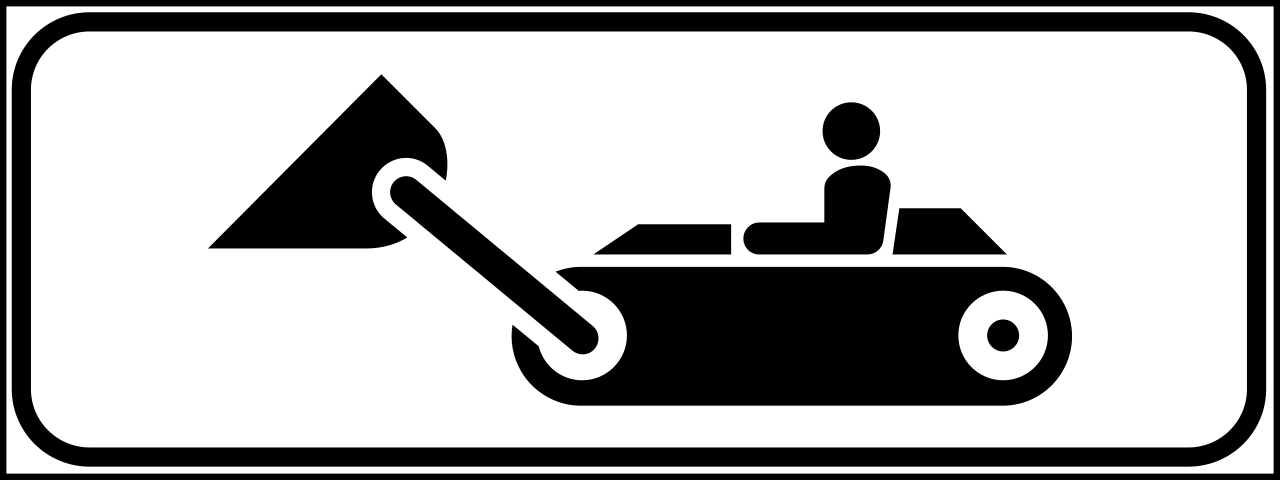
IT-AP-23: 'Construction Vehicles at Work' Additional Panel Explained
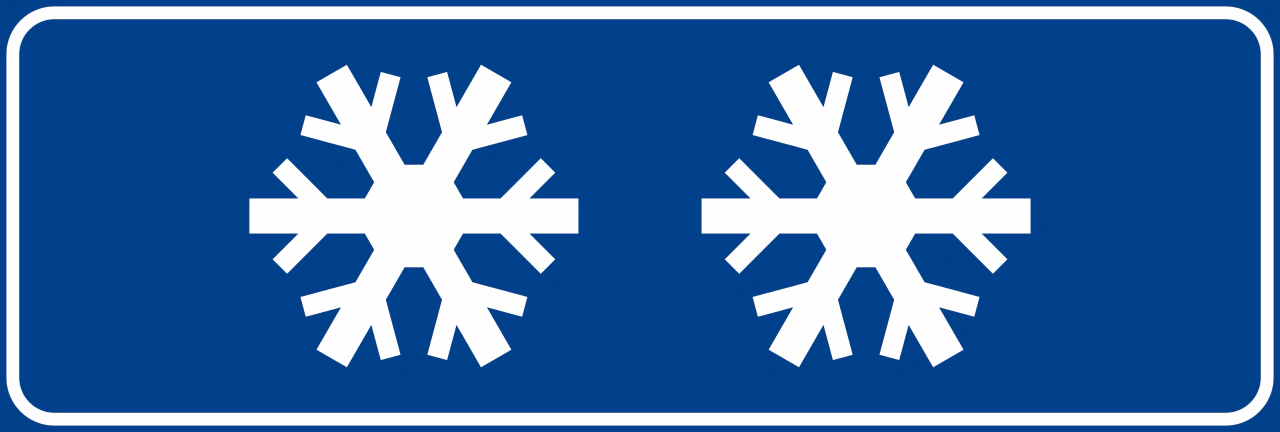
This supplementary panel 'In case of snow or ice' adds specific conditions to other traffic signs.
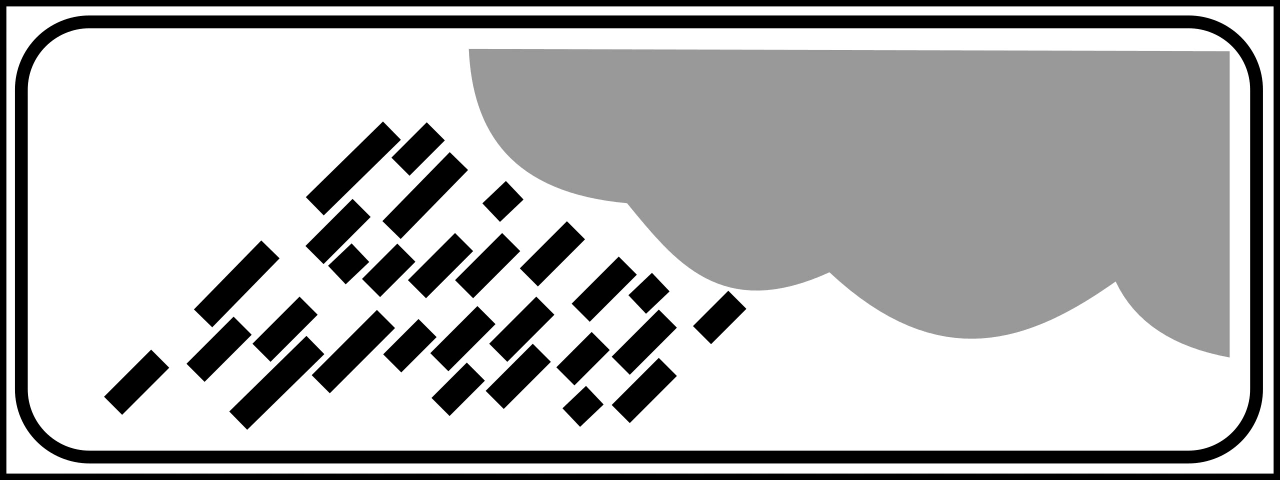
Understand the 'In Case of Rain' Additional Panel on Italian Road Signs
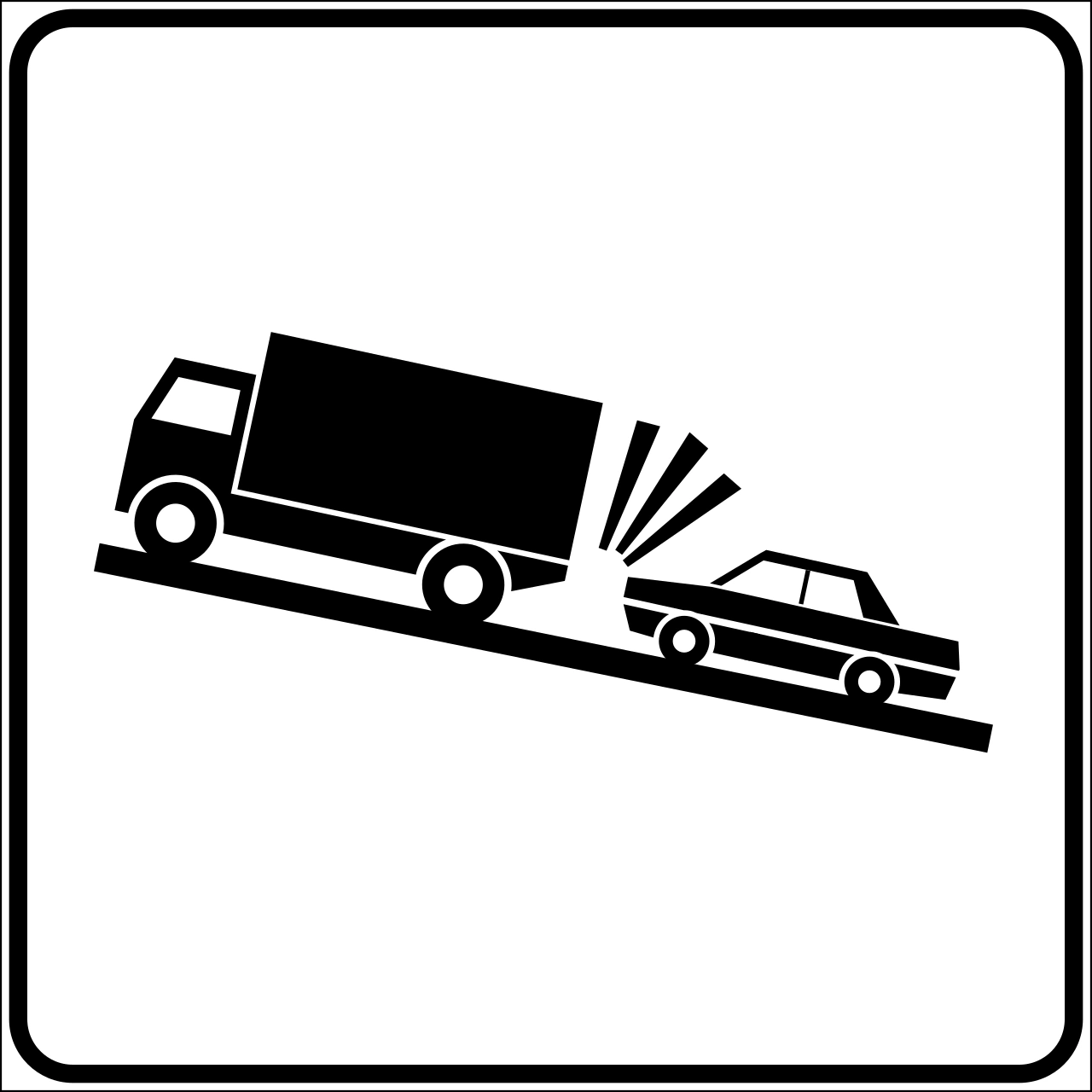
Decode the 'Slow-moving vehicle ahead' supplementary panel
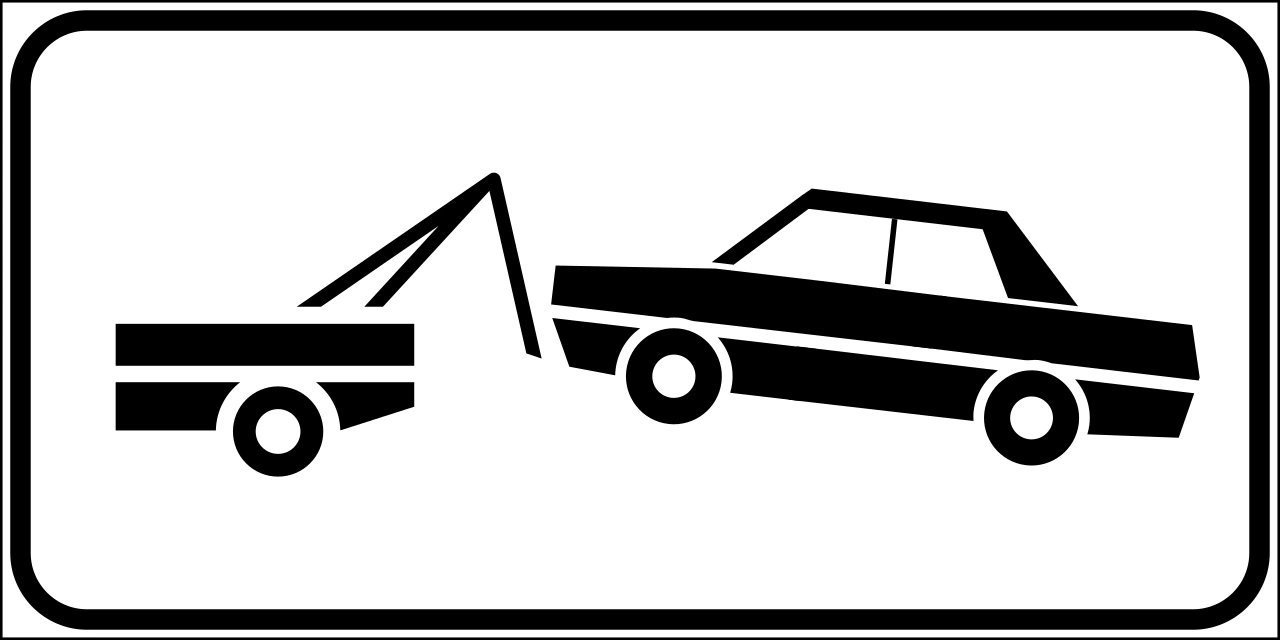
Understand the IT-AP-27 'Tow-away Zone' Additional Panel for Italian Traffic Signs
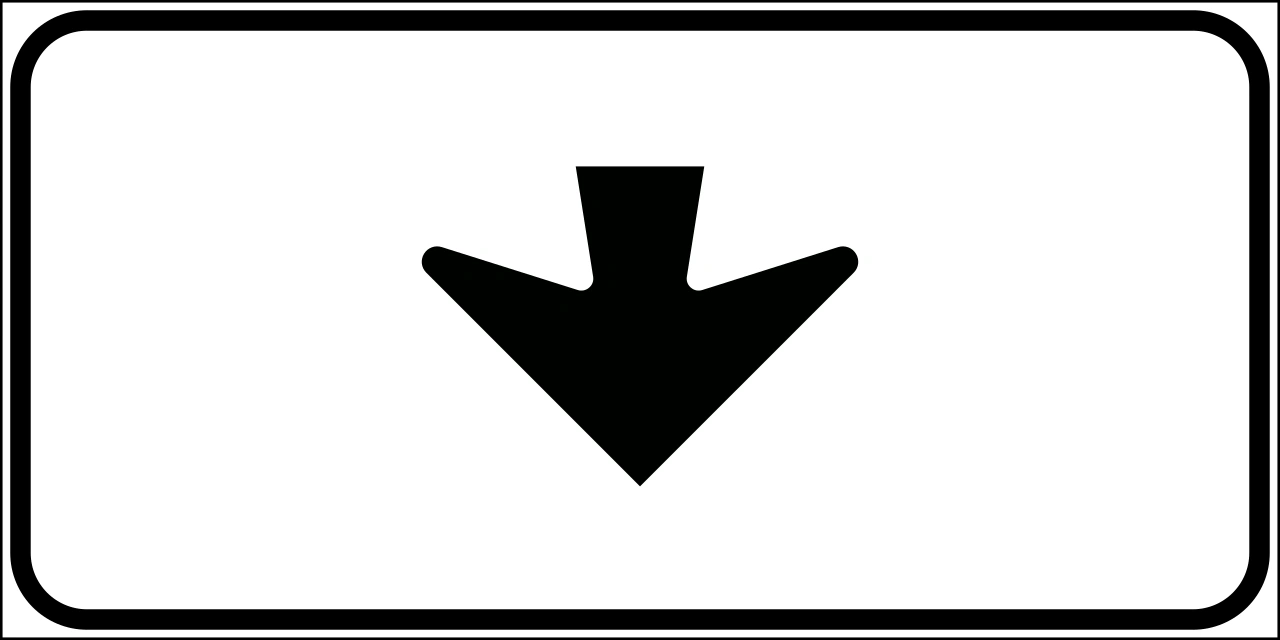
Understand How Additional Lane Panels Modify Road Signs in Italy
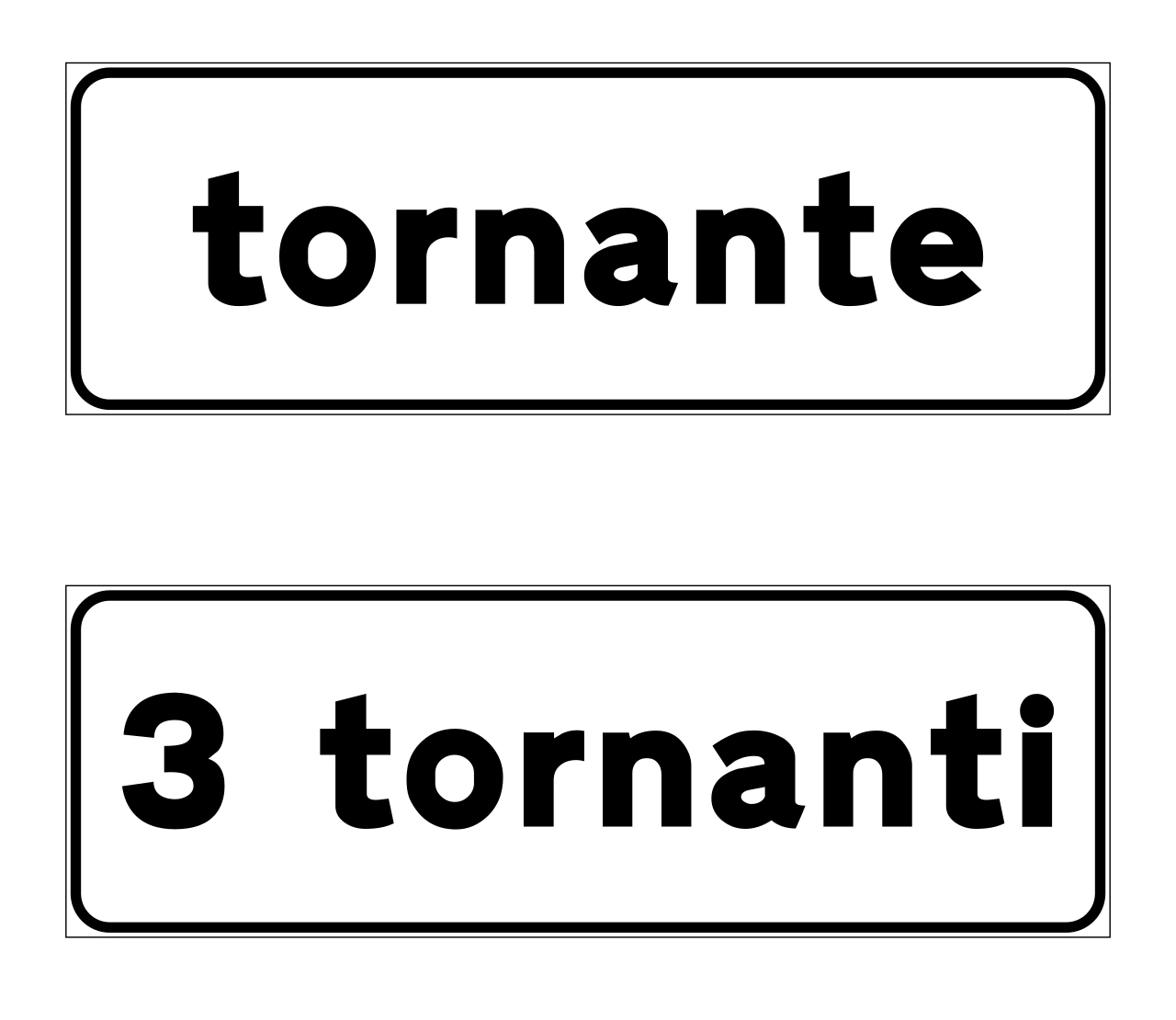
Hairpin Turn Ahead: Understanding Additional Panels for Specific Warnings
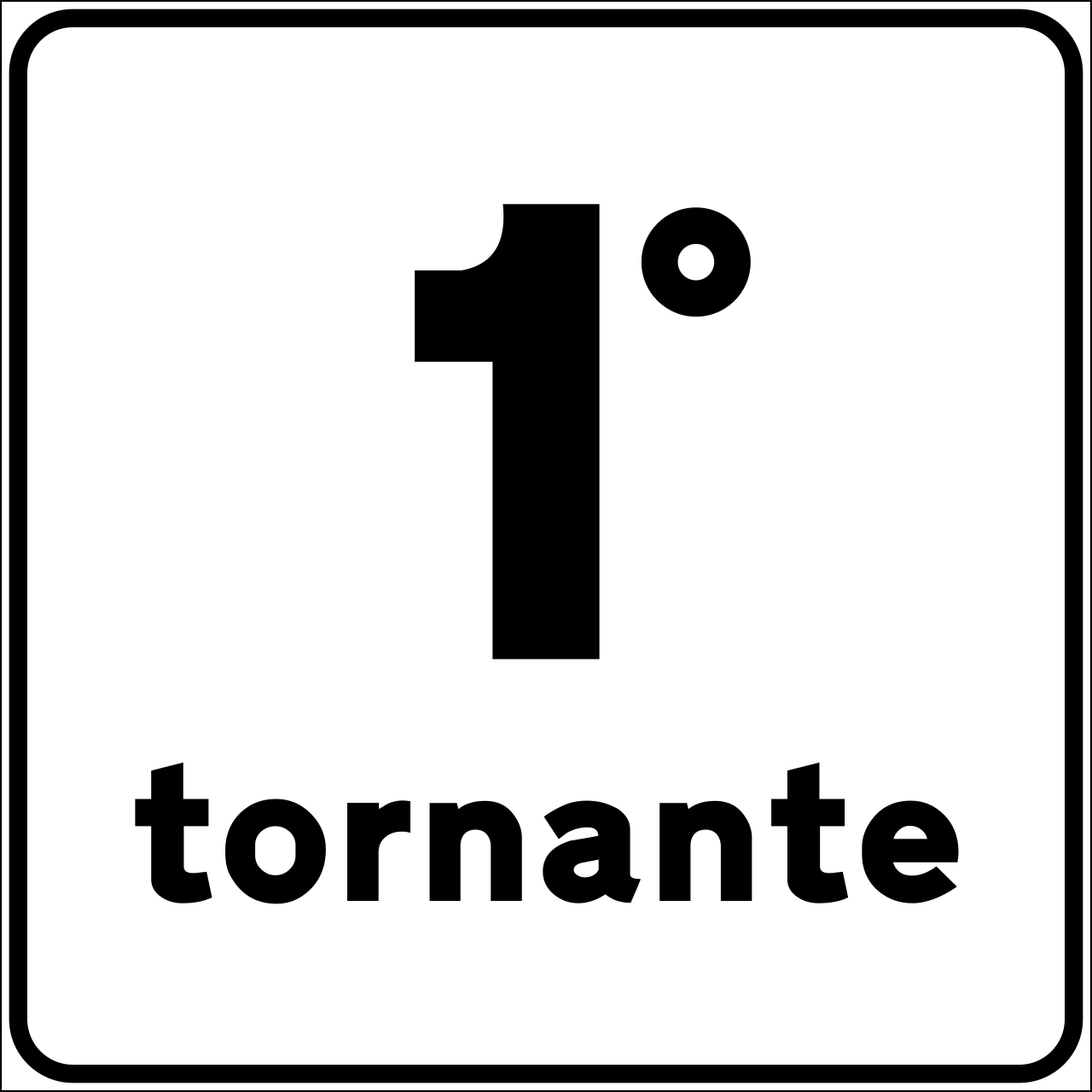
Understand Additional Panels like the 'Number of Hairpin Turn' (II.6-p2) on Italian Roads
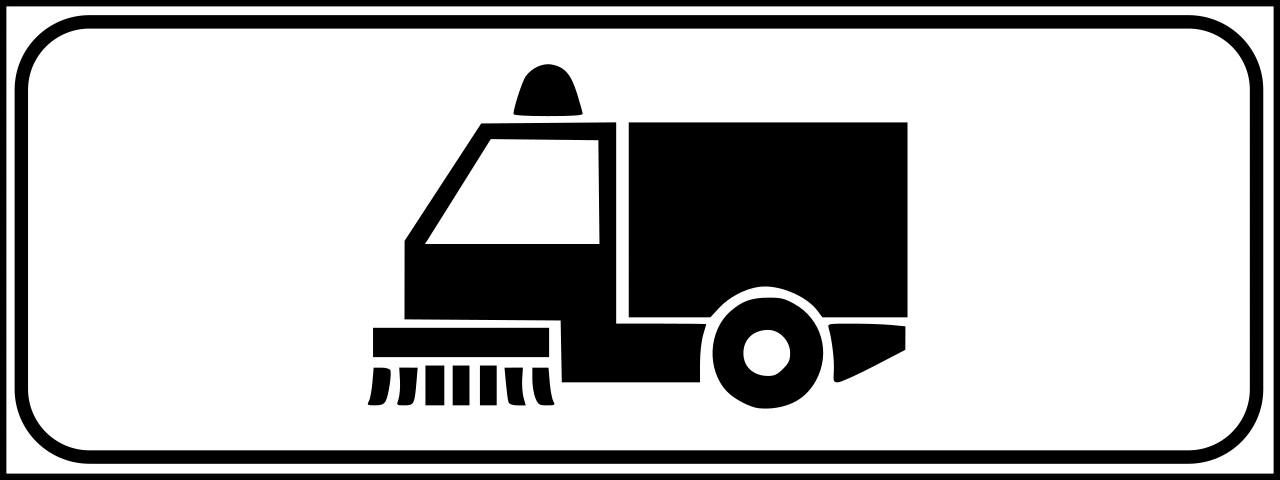
The 'Road Cleaning' Panel (IT-AP-31) Modifies Main Sign Meanings
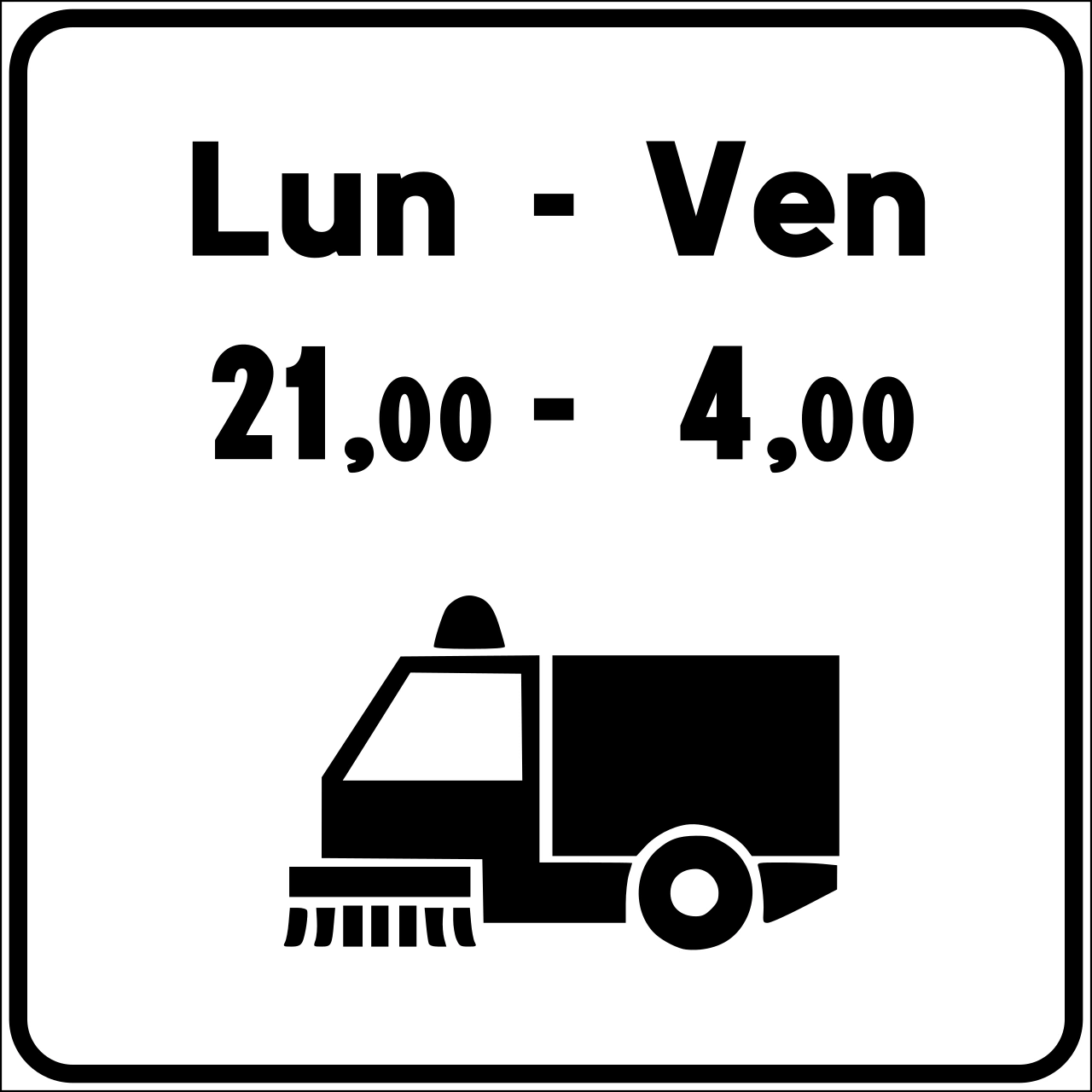
This Panel Shows When Road Cleaning Affects Main Signs
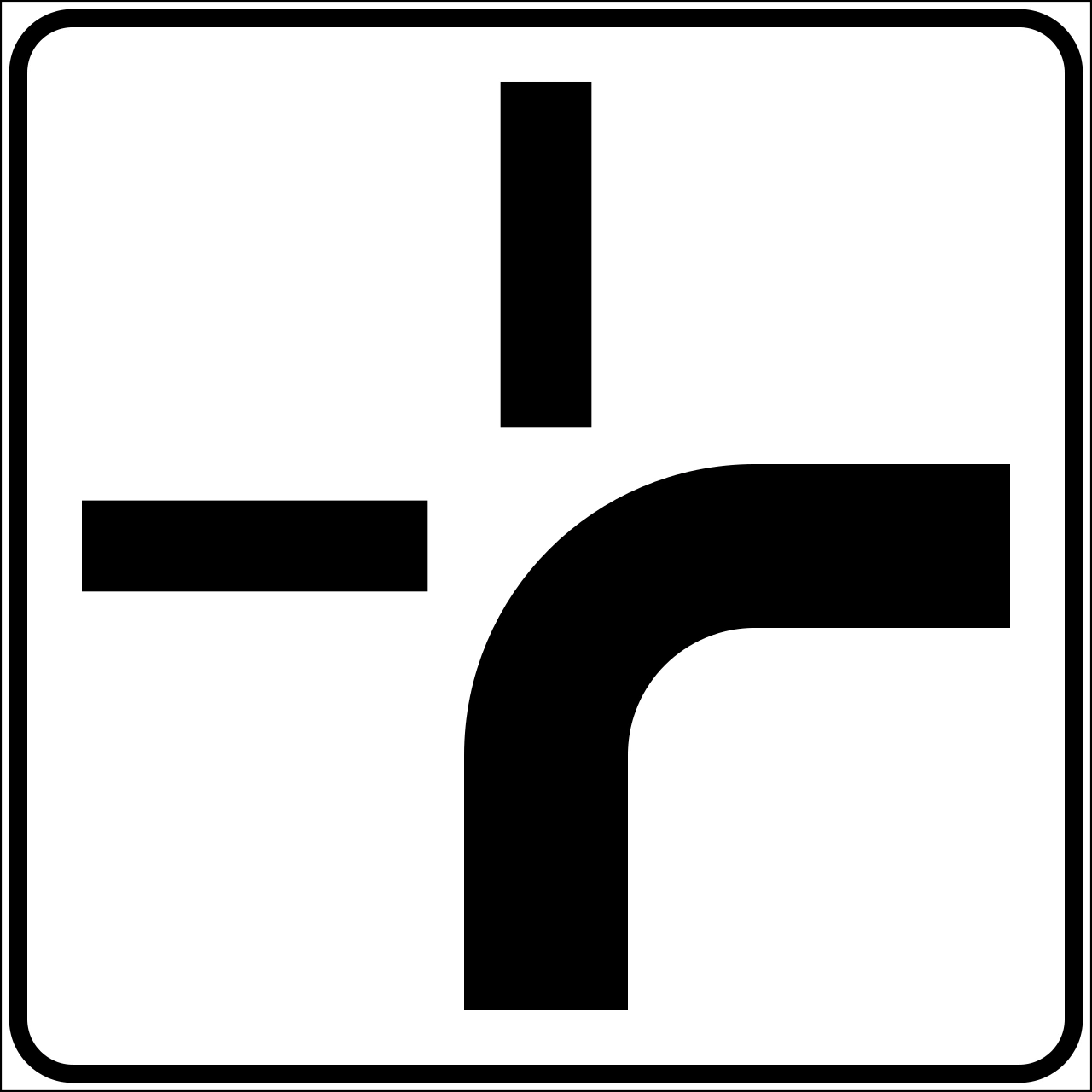
This Panel Clarifies the Meaning of Other Traffic Signs
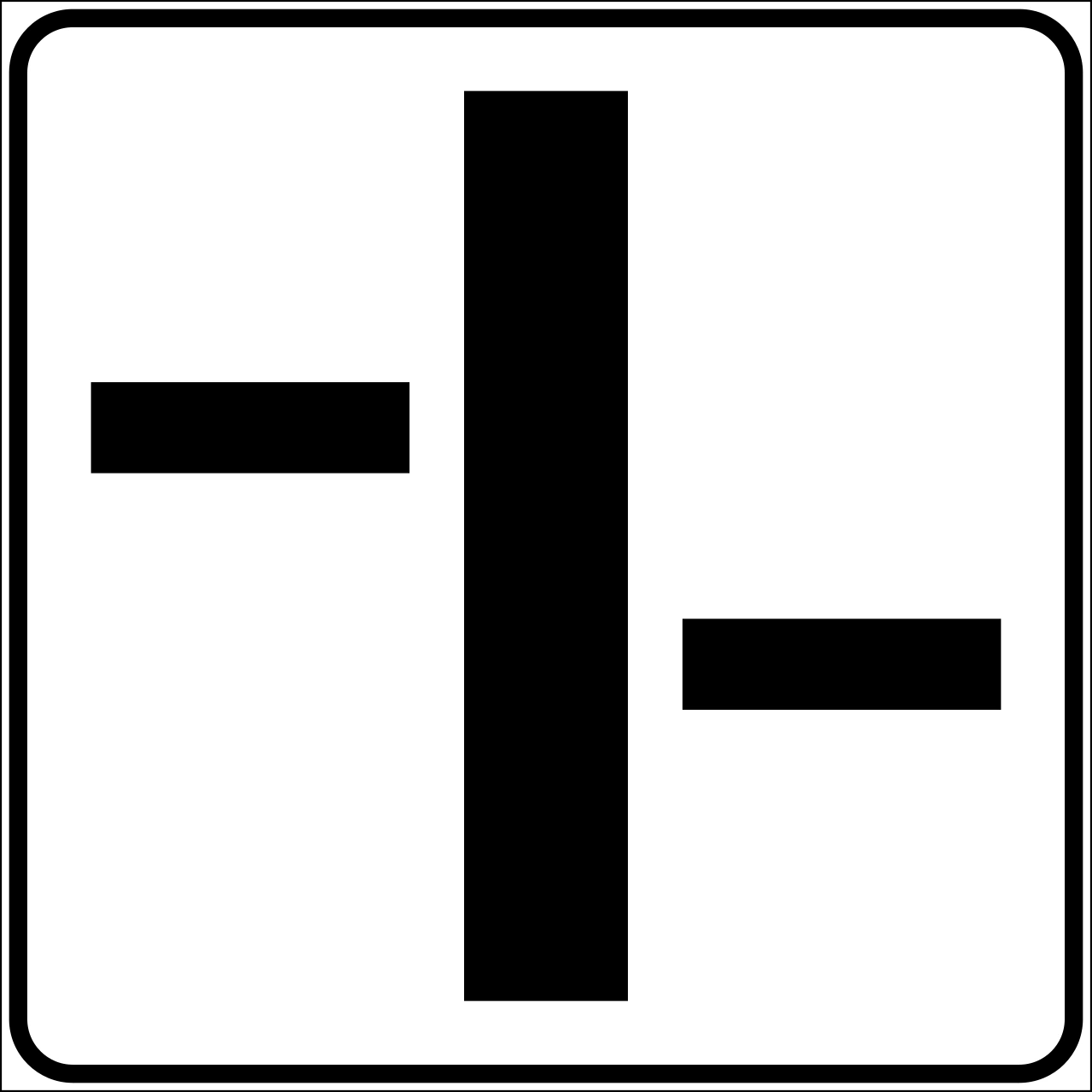
This Additional Panel IT-AP-34 Clarifies Priority Sign Meanings
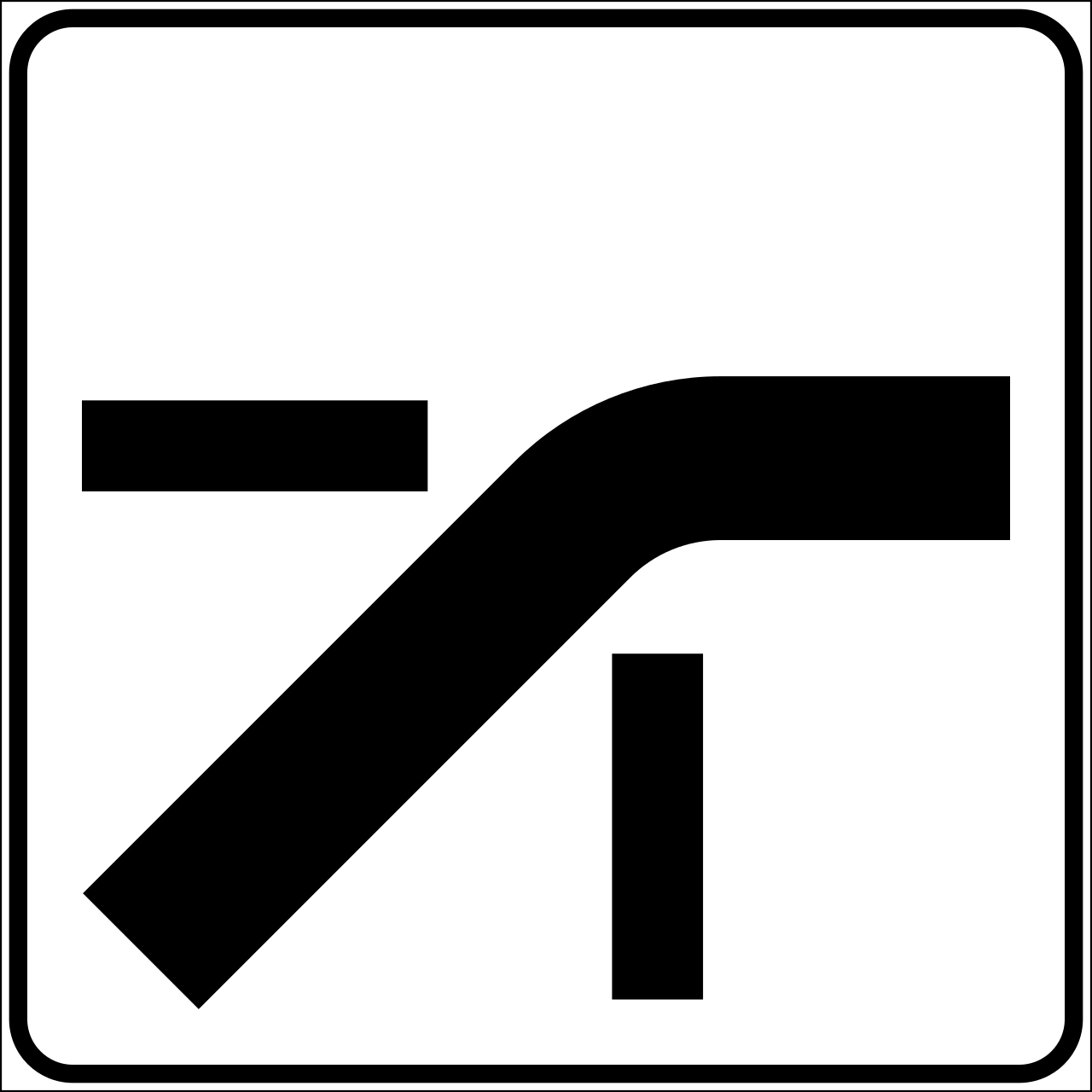
This additional panel provides vital context for the main road sign it accompanies.
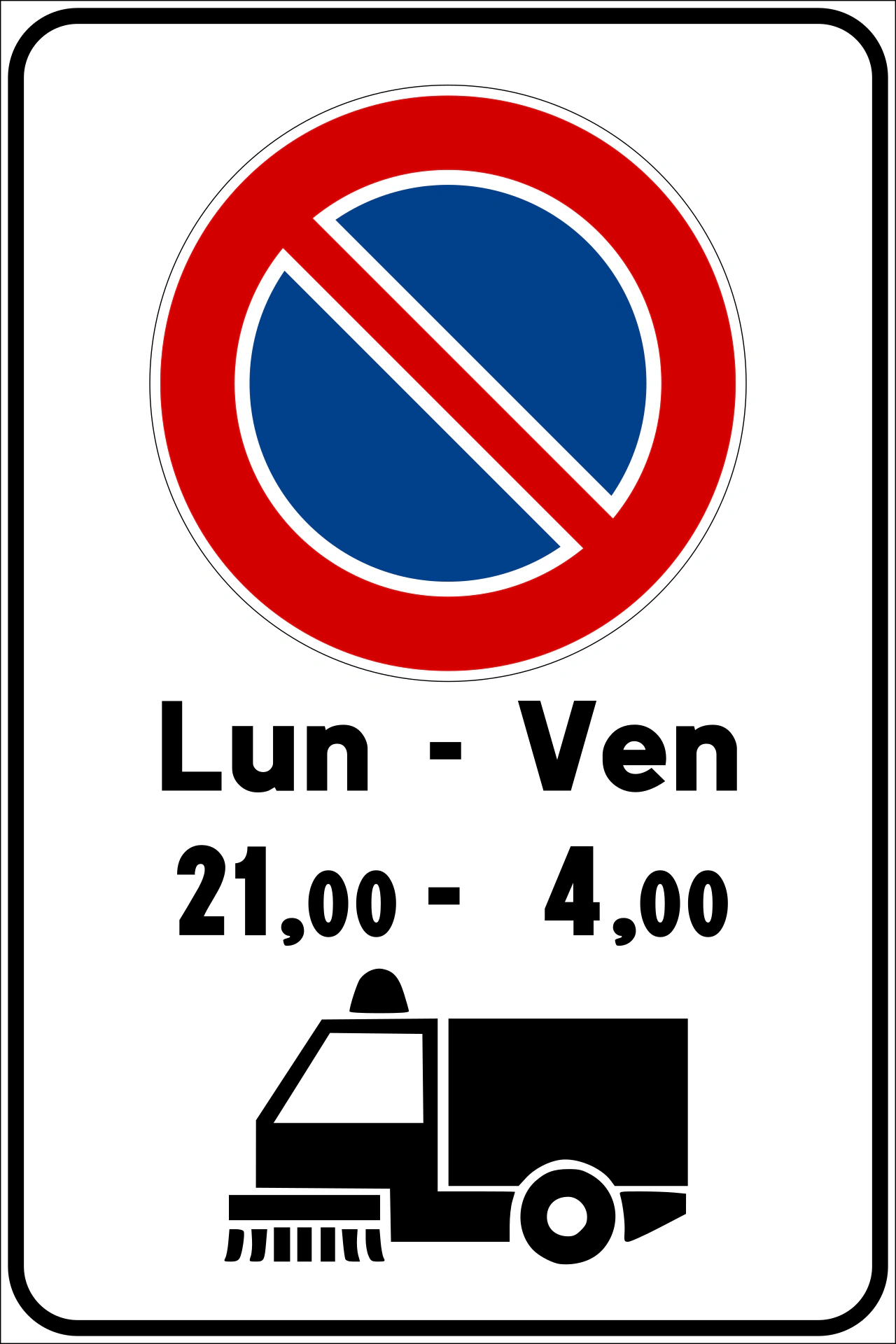
The II.8-a Sign: Parking Restrictions for Road Cleaning in Italy
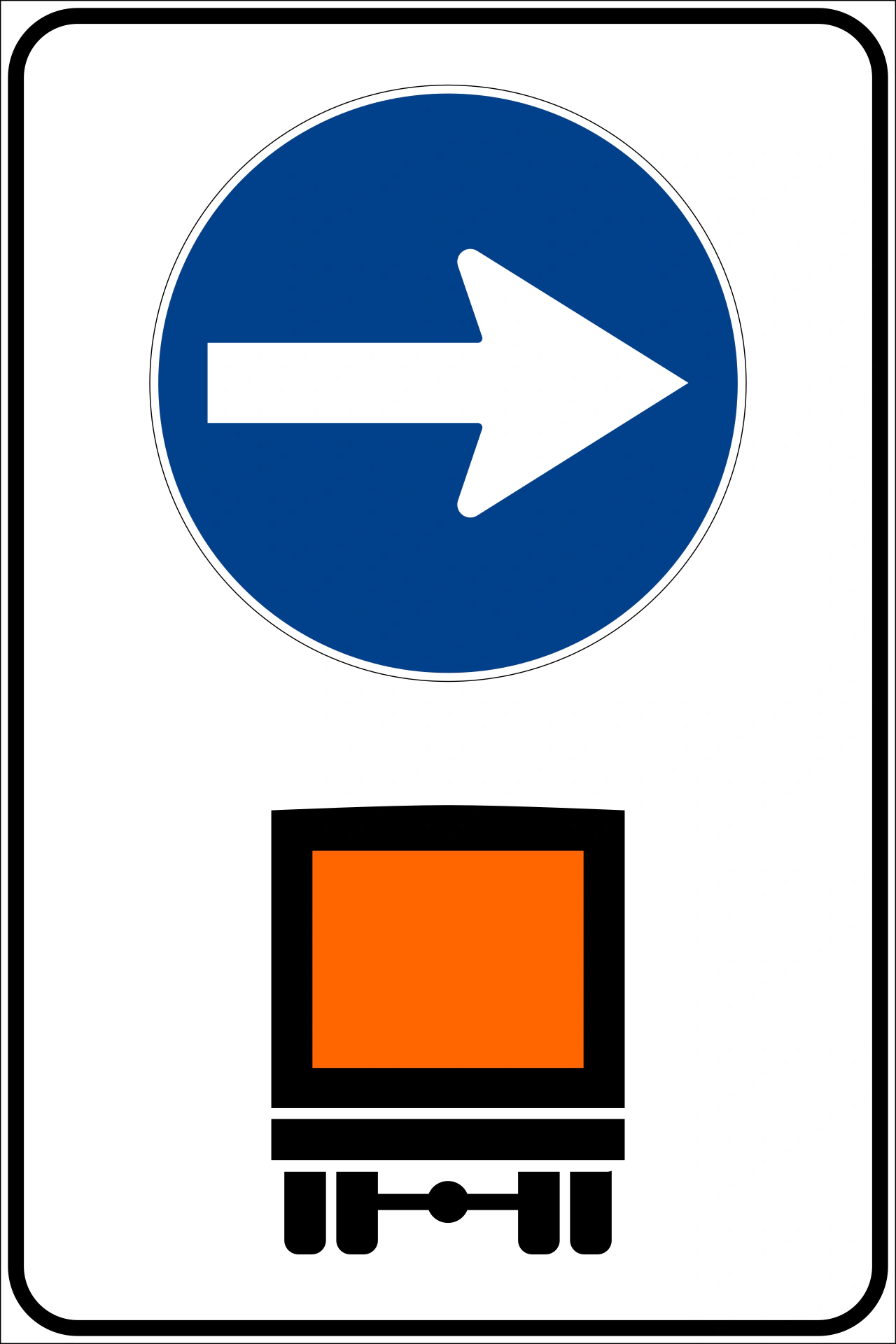
II.8-b Panel: Modifying Direction for Vehicles Carrying Dangerous Goods
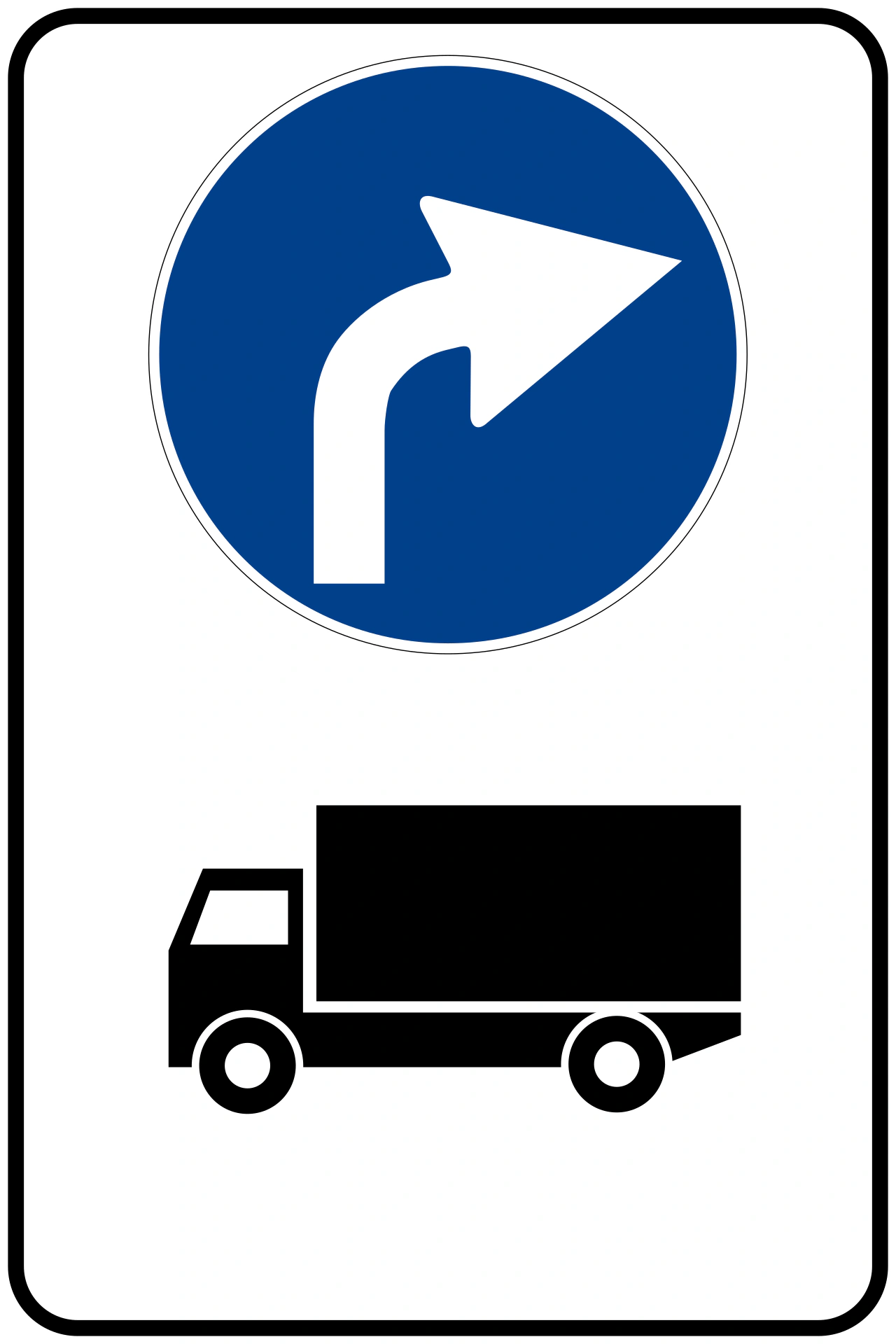
Understand the 'Mandatory Direction Ahead for Trucks' Additional Panel (IT-AP-38)
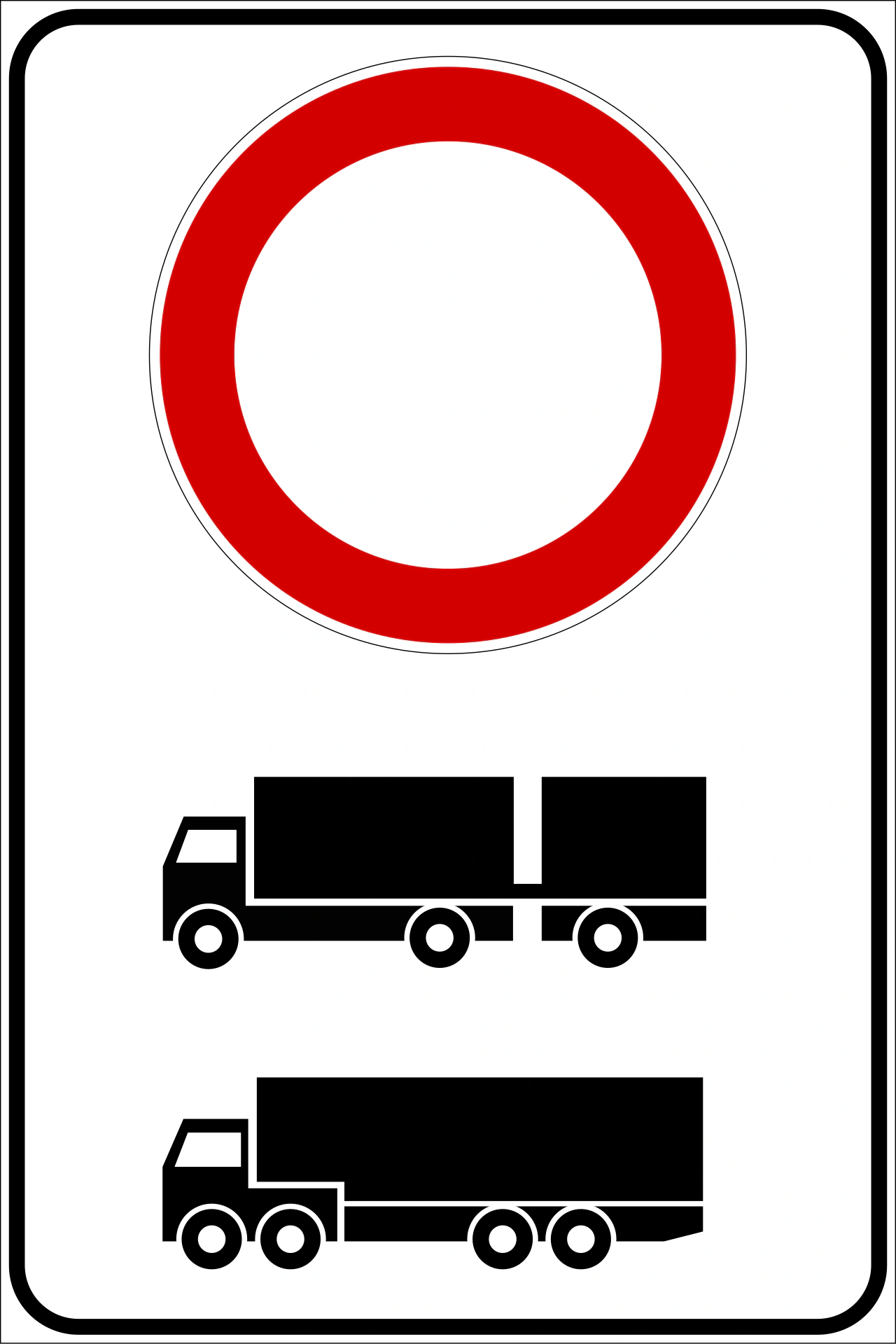
Understand the 'No Trucks' Additional Panel (IT-AP-39) in Italy
Clear answers to common questions about the Italian Additional Panels road sign category. Use this FAQ to review tricky rules, understand how these signs appear in exam scenarios, and remove confusion that often leads to mistakes in the Italian driving theory exam in Italy.
A 'distance' panel (like II.1-a or II.1-b) tells you how far away a hazard or condition is from the sign itself. For instance, a speed limit sign with a '500m' panel means the speed limit starts in 500 metres. A 'length' panel (like II.2-a or II.2-b) specifies the duration or extent of the condition itself. For example, a warning sign for a slippery road with a '2km' length panel means the slippery section of road is 2 kilometres long.
Timetable panels (II.3-a, II.3-b, II.3-c, II.3-d) modify the applicability of the main sign based on the time of day, day of the week, or specific holidays. A 'No Entry' sign with a '7:30 AM - 9:00 AM' panel means the road is closed to traffic only during those morning hours, implying it's open at other times. Panels with crossed hammers indicate working days, while a cross symbol indicates holidays.
Yes, additional panels can specify vehicle categories. Panels like II.4-a and II.4-b are used to indicate that a sign applies only to certain vehicles (e.g., trucks carrying dangerous goods) or does not apply to them (e.g., a restriction doesn't affect buses). This is crucial for drivers of those specific vehicle types to know if the sign's instruction affects them.
When you see a sign like 'Road cleaning in progress' (II.6-q2, II.8-a) or 'Snow removal vehicle at work' (IT-AP-20), it means specific operations are underway. You should be prepared for slower speeds, temporary lane closures, or even the road being temporarily inaccessible. These signs often come with additional panels indicating specific times or distances, so pay close attention to the entire sign combination to understand the exact restrictions and be extra vigilant for workers or machinery.
Yes, panels II.5-a1, II.5-a2, II.5-a3 (vertical) and II.5-b1, II.5-b2, II.5-b3 (horizontal) are used to clearly mark the beginning, continuation, or end of a danger or a prescriptive measure like a speed limit or parking prohibition. This helps drivers understand when a rule starts and, importantly, when it ends.
Begin your journey to understand Italian road signs more effectively. Select any category from the list to dive into detailed explanations and practice questions tailored to the official Italian driving theory curriculum. Master each group for a confident exam performance.
Browse Italian Road Sign Groups