
Prepare for every Italian road condition, from icy Alpine passes to sweltering summer autostrade. This section covers vital winter tire regulations, handling fog, rain, and wind, plus tips for navigating summer heat and holiday traffic to ensure you pass your Italian theory exam with confidence.
These guides provide comprehensive coverage of mandatory Italian traffic legislation, including the correct use of snow chains, winter tires, and hazard management during heavy rain or fog. Mastering these environmental factors is crucial for your Italian driving theory test and ensuring safe conduct on diverse national road networks.
Understanding how extreme Mediterranean temperatures affect both your vehicle and the road surface is essential for passing the Italian theory exam. This guide details necessary pre-trip inspections, such as monitoring tyre pressure and engine fluids, and outlines the mandatory conduct for handling an overheating vehicle on an autostrada. You will learn to recognize road hazards like surface rutting and gain insight into proper ecoguida practices that keep you safe and compliant on Italian roads.
Driving in Italy during peak summer months requires specific preparation to comply with the Codice della Strada and ensure passenger safety. This article provides essential knowledge on maintaining vehicle efficiency, interpreting traffic intensity forecasts, and mitigating risks such as heat-induced tyre failure and visibility challenges. Mastering these concepts is vital for both practical road safety and successfully answering hazard-perception questions on your category B theory exam.
Navigate Italy's diverse weather with confidence, covering crucial winter tire regulations and how to handle fog, rain, and wind. Learn practical tips for managing summer heat and holiday traffic to master driving theory for any season.
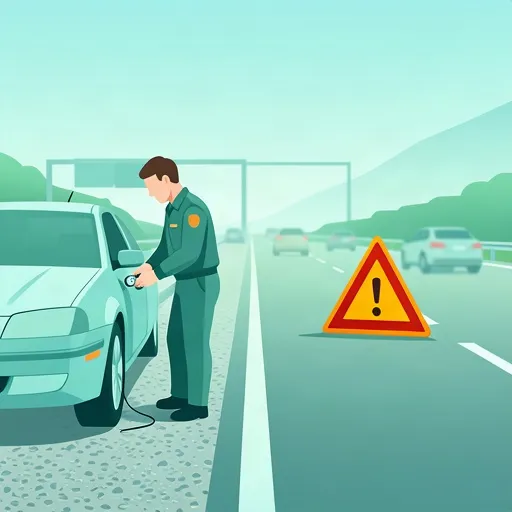
Understanding how extreme Mediterranean temperatures affect both your vehicle and the road surface is essential for passing the Italian theory exam. This guide details necessary pre-trip inspections, such as monitoring tyre pressure and engine fluids, and outlines the mandatory conduct for handling an overheating vehicle on an autostrada. You will learn to recognize road hazards like surface rutting and gain insight into proper ecoguida practices that keep you safe and compliant on Italian roads.
Updated on Sep 22, 2026
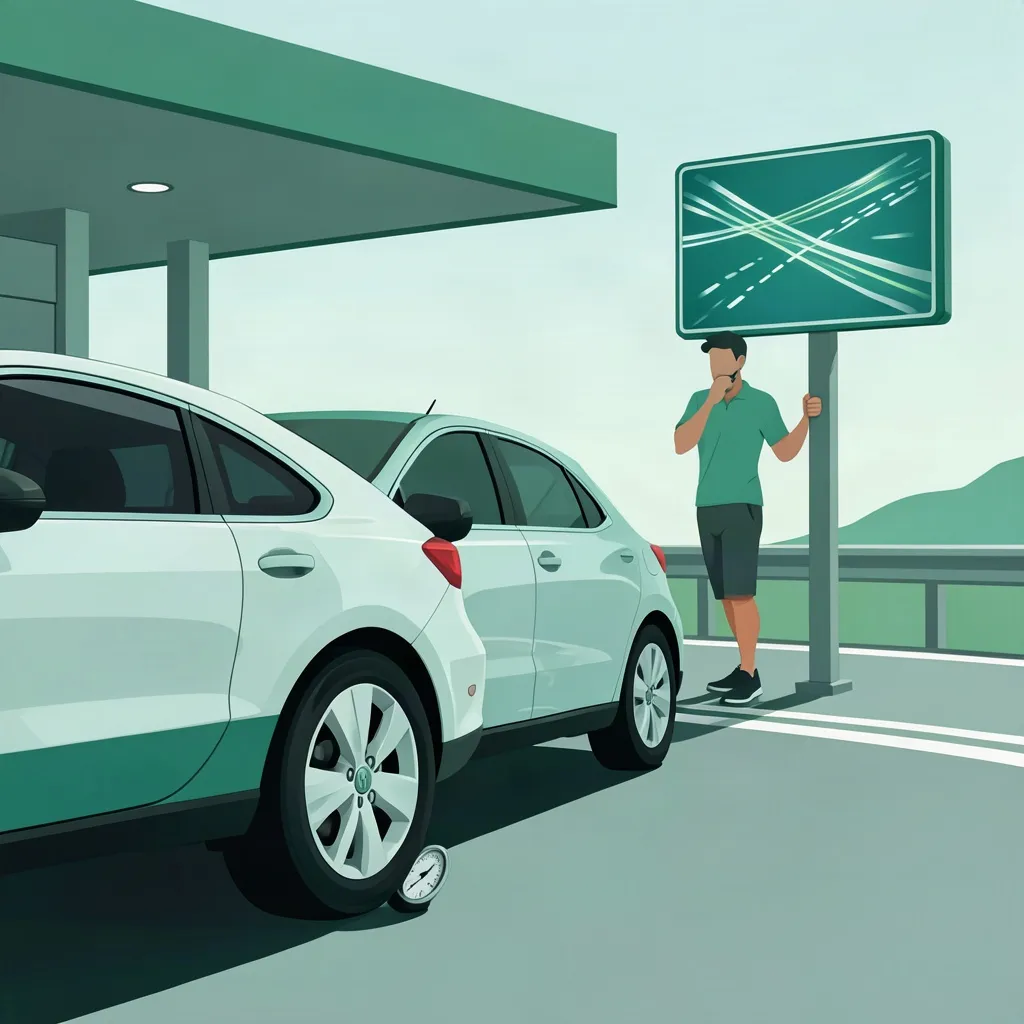
Driving in Italy during peak summer months requires specific preparation to comply with the Codice della Strada and ensure passenger safety. This article provides essential knowledge on maintaining vehicle efficiency, interpreting traffic intensity forecasts, and mitigating risks such as heat-induced tyre failure and visibility challenges. Mastering these concepts is vital for both practical road safety and successfully answering hazard-perception questions on your category B theory exam.
Updated on Aug 23, 2026
Discover other categories connected to Seasonal & Weather Driving in Italy. These sections help you explore additional topics, expand your understanding of driving theory in Italian, and build a more complete picture of the rules and situations tested during the exam.
Find answers to common questions learners ask about Seasonal & Weather Driving in Italy. This section helps clarify difficult concepts, highlight critical exam information, and support your preparation for the Italian driving theory exam in Italy.
In Italy, many roads, especially in mountainous regions, require drivers to carry snow chains ('catene a bordo') or use winter tires ('pneumatici invernali') during specific periods, typically from November 15 to April 15. Look for the 'obbligo di catene a bordo o pneumatici invernali' signs and adhere to local ordinances.
'Pneumatici invernali' (winter tires), often marked M+S or 3PMSF, are designed for cold temperatures, snow, and ice. Snow chains are metal devices that fit over regular tires to provide grip in deep snow or icy conditions. In areas with mandatory winter equipment, either can often be used, but carrying chains is sometimes required even with winter tires.
Italian fog, especially the 'nebbia padana' in the Po Valley, can reduce visibility drastically. When visibility drops below 50 meters, you must use your rear fog light ('fendinebbia posteriore'). Drive slowly, increase your following distance, and ensure all lights are functioning correctly.
Summer driving in Italy can involve high temperatures, which affect tire pressure and engine cooling. Holiday traffic ('esodo estivo') can lead to congestion on autostrade. Sudden weather changes can occur in mountain regions, so awareness and proper vehicle checks (like coolant levels) are crucial.
The general period for winter tire obligation in Italy is from November 15th to April 15th. However, specific dates can vary by region and road type due to local ordinances. Always check local signage and regulations for the exact start and end dates applicable to your route.
After reviewing the category overview, select a specific topic that interests you or requires further study for your Italian driving license exam. Explore detailed articles within each category to master complex road signs, intricate traffic regulations, and unique Italian driving practices, ensuring thorough preparation before your test.
Italian Theory Article Categories