The II.303 sign is an indication sign that officially marks a pedestrian crossing point. While it provides essential navigation information, it's crucial to remember that it does not replace regulatory signs, traffic lights, or road markings. Always drive with caution and be prepared to stop for pedestrians, obeying any separate traffic controls present.
Master the 'Pedestrian crossing (with fluoro board)' sign (II.303) to correctly interpret road situations and improve your theory test revision. Understanding this indication sign is crucial for safe urban driving and navigating Italian traffic rules effectively.
This indication sign provides official information for navigation, facilities, services, road type, parking, zones, tunnels, bridges, exits, or lane use. It helps drivers plan early, but it does not override separate speed limits, prohibitions, priority rules, traffic lights, or road markings. For learning, explain both what the sign identifies and what driving choice it helps prepare. Official catalogue code: II.303.
The "Pedestrian crossing (with fluoro board)" sign provides official road information about pedestrian crossing or the facility shown. Use it for orientation without ignoring separate regulatory signs. Catalogue code II.303.
Get clear, practical answers to the most common questions about the II.303 - Pedestrian crossing (with fluoro board) road sign. Learn how the sign works, what rules it represents, and how it affects real driving situations. This FAQ strengthens your understanding and supports accurate decision making for the Italian driving theory exam in Italy.
The II.303 sign, also known as 'Pedestrian crossing (with fluoro board)', is an indication sign. It informs drivers that a pedestrian crossing facility is present. It helps with navigation and planning, but drivers must still adhere to any other traffic control measures like lights, priority rules, or road markings.
Yes, the presence of the II.303 sign indicates a pedestrian crossing, and you must always be prepared to stop for pedestrians who are crossing or intend to cross. This sign is informative, but the fundamental rule to yield to pedestrians at a crossing remains in effect, supported by specific regulations and road markings.
No, the II.303 'Pedestrian crossing (with fluoro board)' sign itself does not set or change the speed limit. It's an information sign. You must always comply with any posted speed limits and reduce your speed appropriately when approaching a pedestrian crossing, especially if visibility is reduced or pedestrians are present.
The II.303 sign is primarily an 'indication' or 'information' sign, guiding you about facilities. While it clearly marks a pedestrian crossing, regulatory signs or traffic lights (like flashing amber lights or specific 'pedestrian crossing' regulatory signs) might impose a stricter obligation to stop or yield. Always check for and obey all relevant signs and signals.
Absolutely not. The II.303 sign is an information sign and does not override any other traffic laws. You must continue to observe and obey all other regulatory signs, traffic lights, priority rules, lane markings, and general traffic laws. Ignoring them can lead to dangerous situations and penalties.
A clear reference image of the II.303 - Pedestrian crossing (with fluoro board) road sign used in Italy.
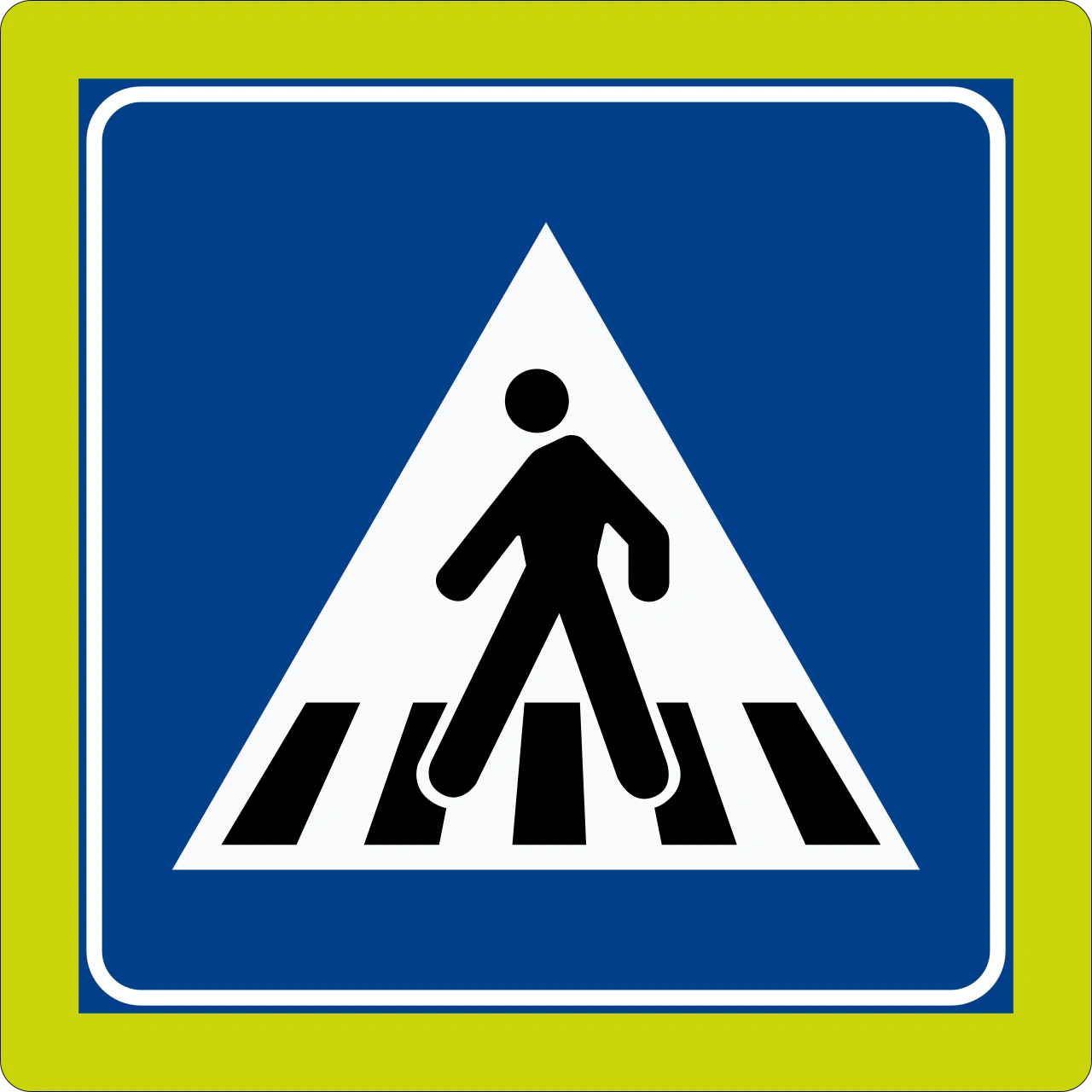
The II.303 - Pedestrian crossing (with fluoro board) road sign may also be known by these alternative names or terms.
The II.303 - Pedestrian crossing (with fluoro board) road sign is part of the Italian Indication Signs category, which groups together signs with similar rules and functions.
Comparing similar road signs, like different pedestrian crossing indicators, sharpens your recognition skills. This focused revision helps prevent confusion during your theory test preparation and exam.
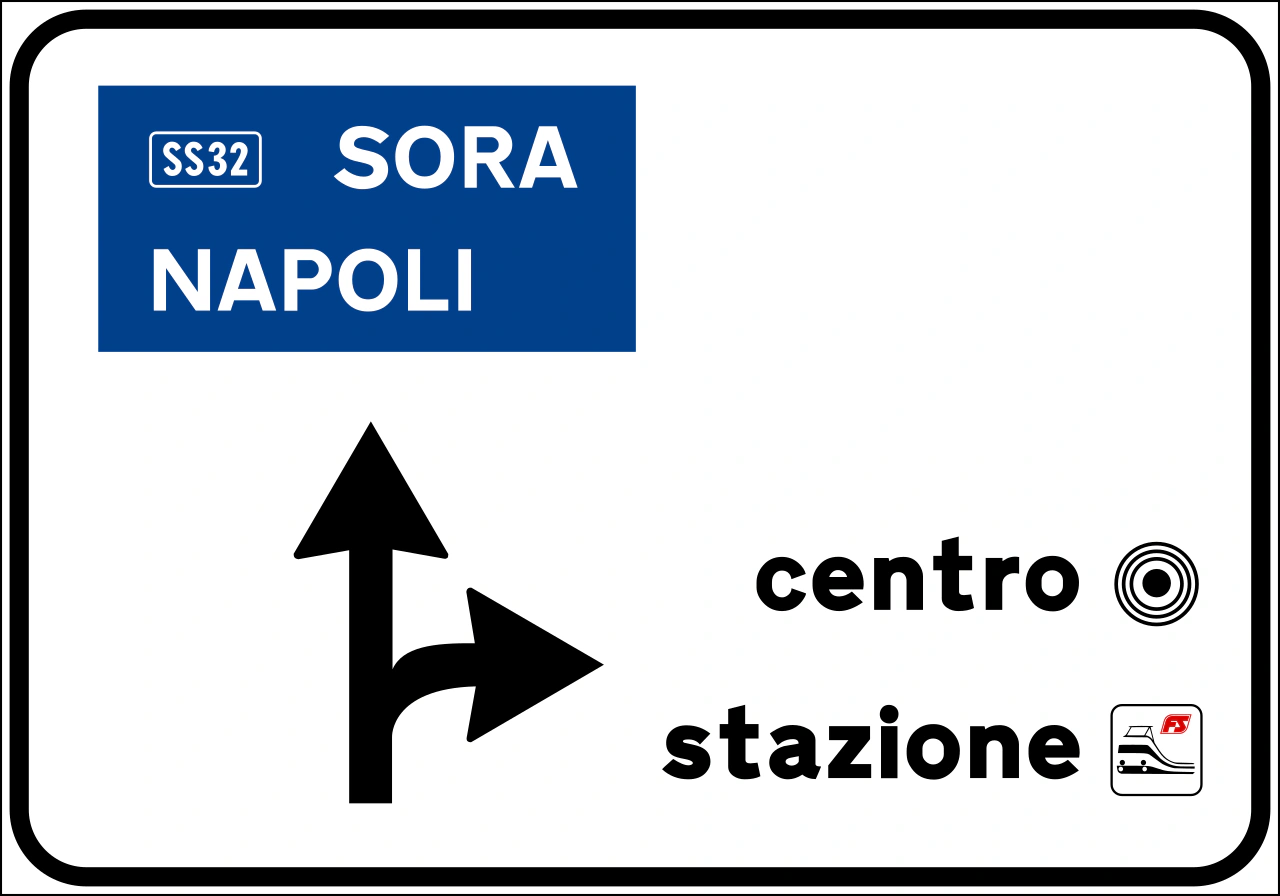
Navigate city streets with the 'Directions in Urban Areas' sign (II.233).
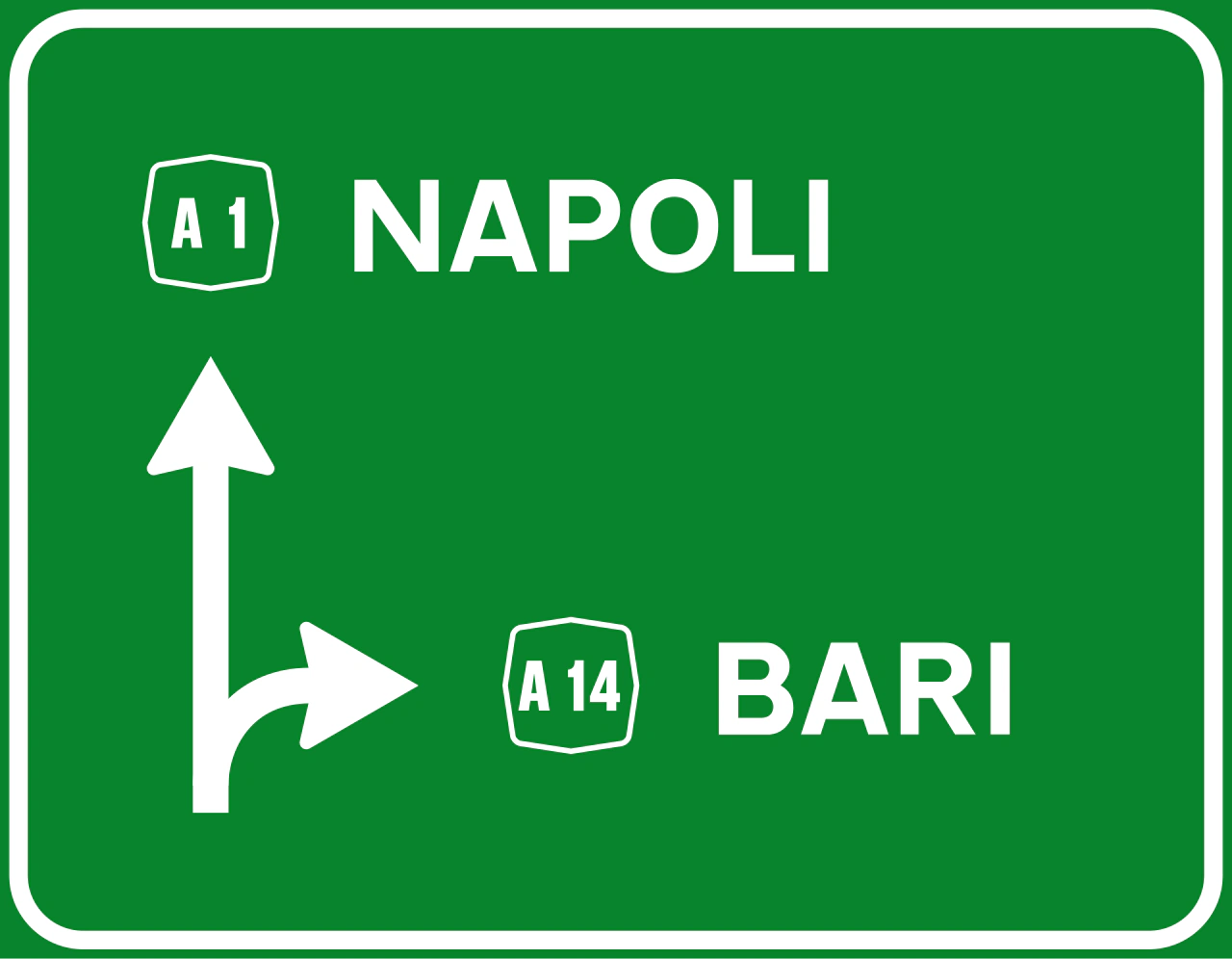
Navigate with Confidence: The 'Directions on a Motorway' Sign (II.235)
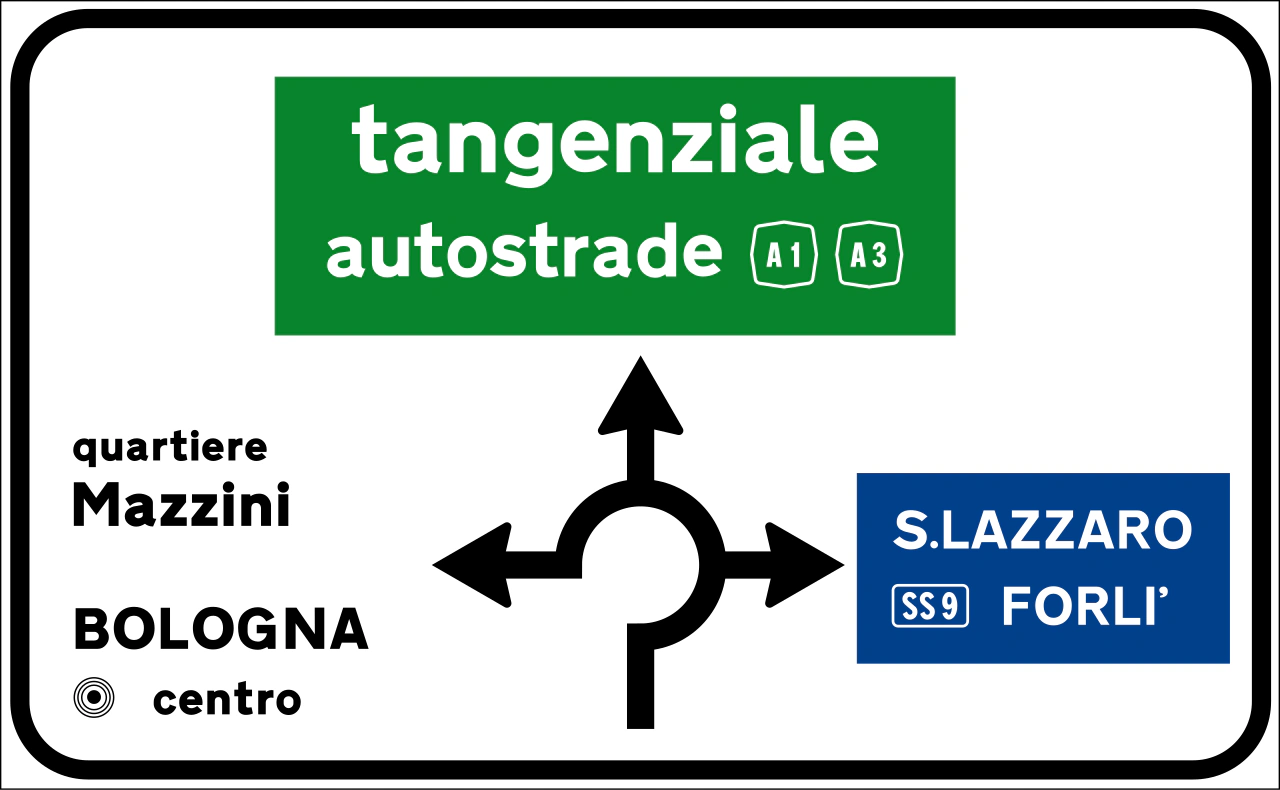
Understand Urban Roundabout Directions, including Motorway Routes with Sign II.238
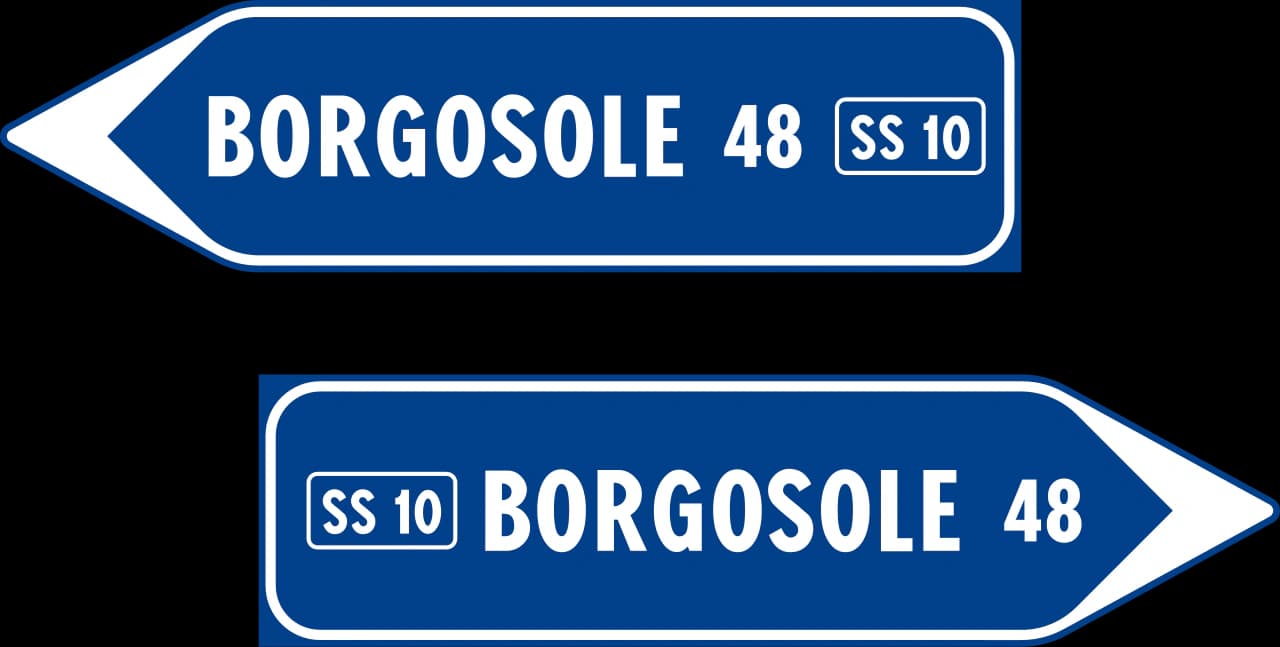
Understand Italy's Primary or Secondary Road Direction Sign (II.249) for smart navigation.
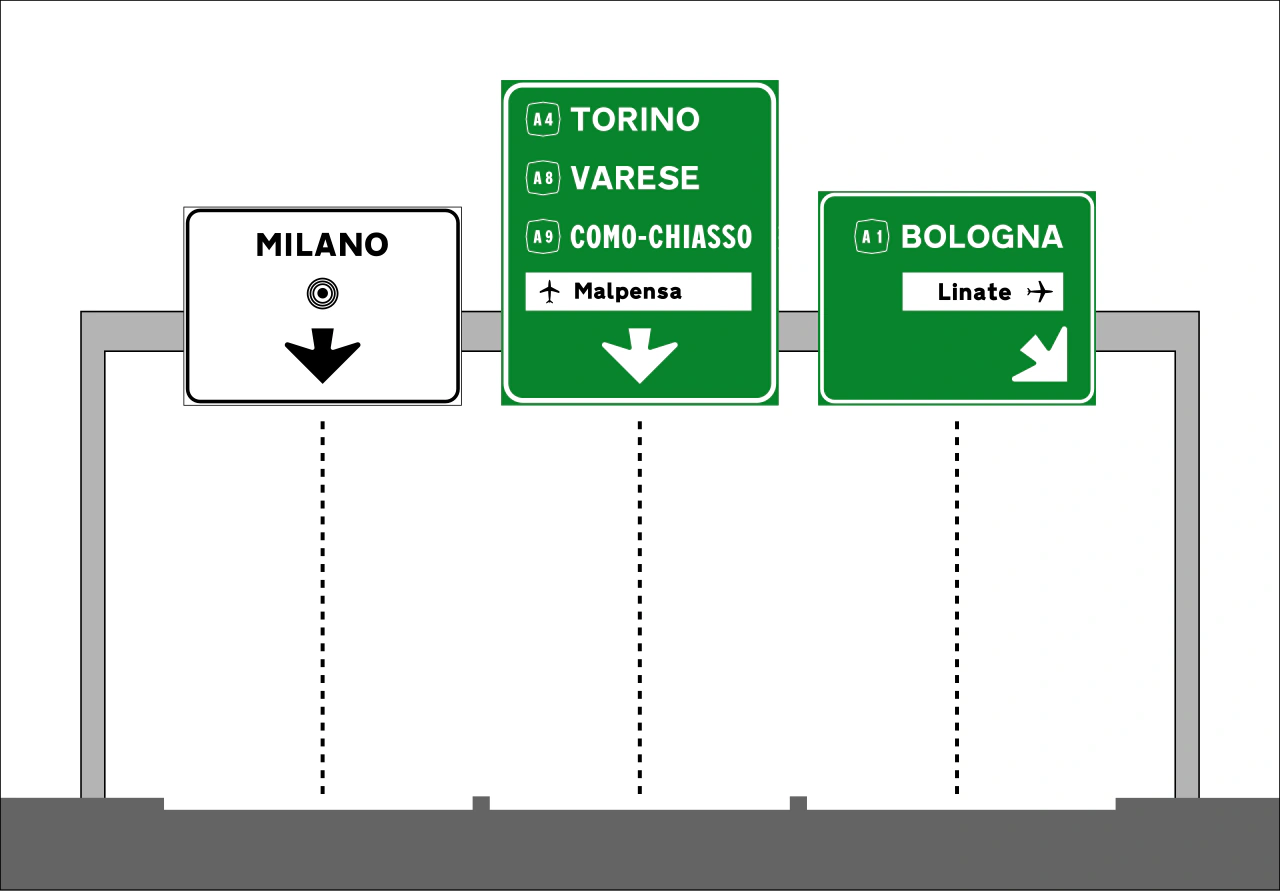
Understand the II.250 Overhead Directional Sign for Route Guidance
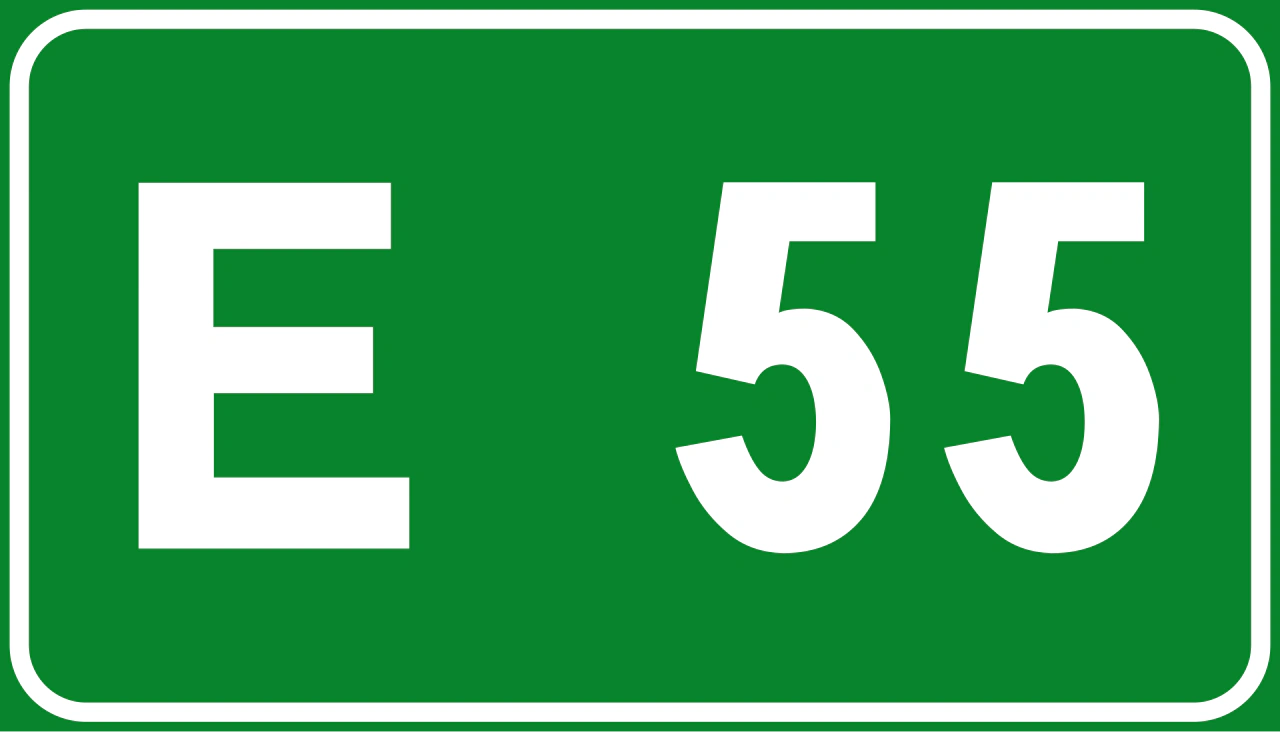
Understand the II.256 European Road Number Sign for Navigation and Route Planning
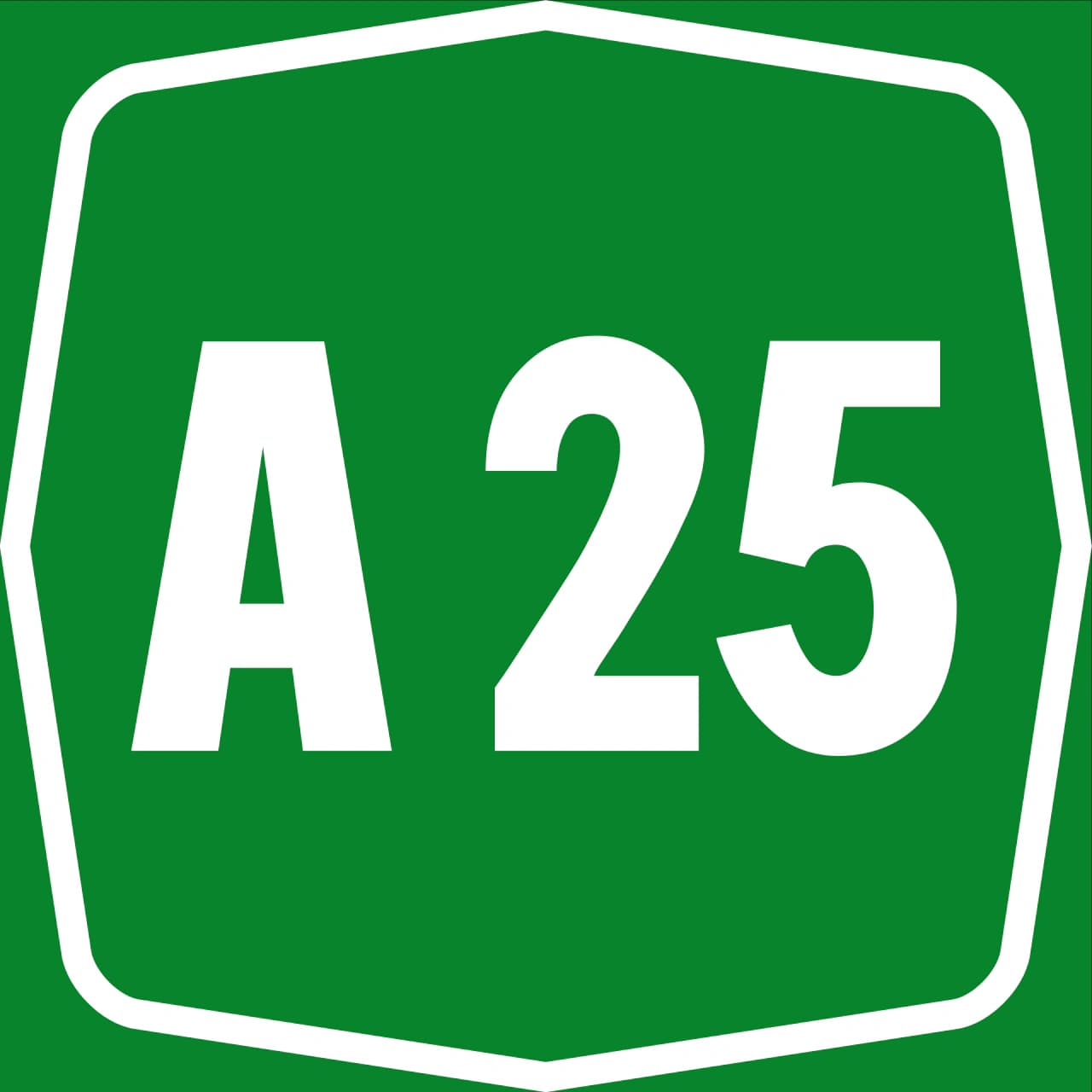
Use the II.257 Motorway Number Sign to Guide Your Journey on Italian Roads
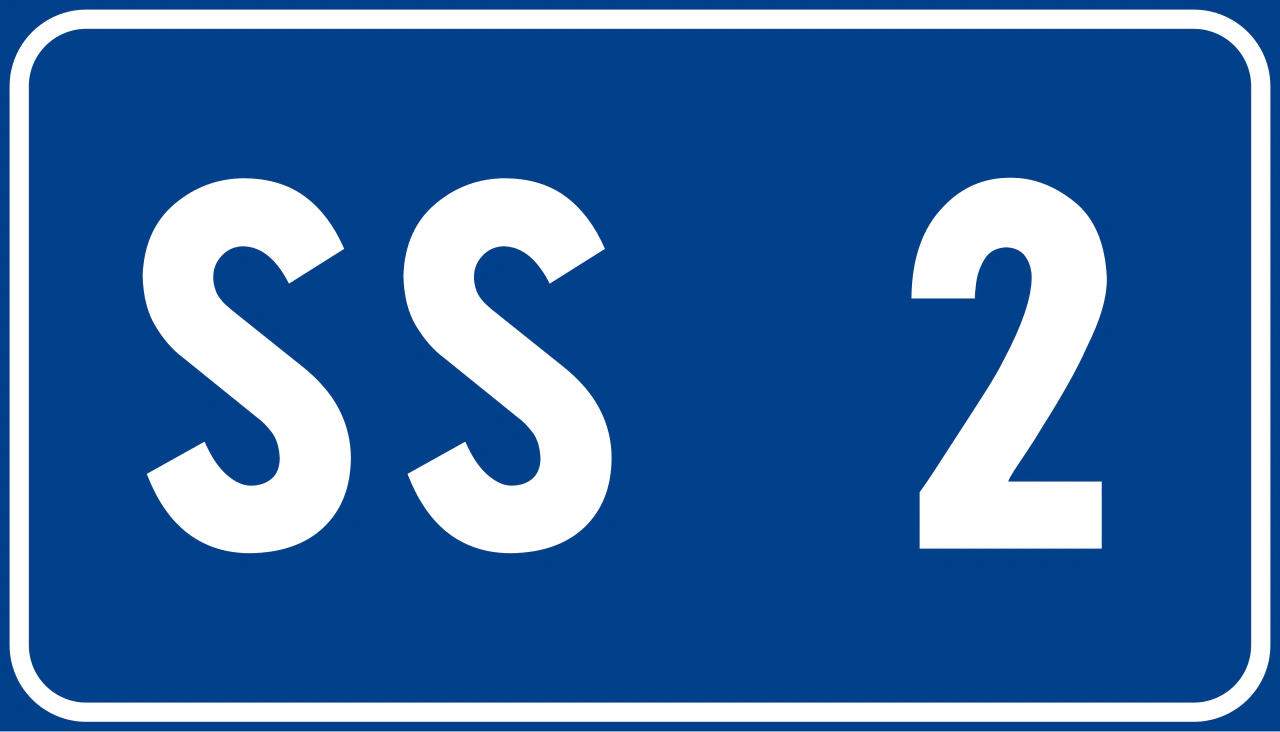
The II.258 State Highway Number Sign: Your Guide to Route Information
After reviewing the complete sign list, explore signs by specific categories such as warning, regulatory, or information signs. Understanding signs in context will enhance your recognition and interpretation skills, crucial for the Italian driving theory exam.
All Italian Road Signs List