
The II.274 sign, often seen in Italy, indicates the end of a built-up or urban area. Crucially, it signifies the end of the default 50 km/h speed limit and the prohibition on using your horn. You'll also see distances to nearby towns or facilities displayed. While this sign offers orientation, always remember that separate regulatory signs, road markings, and traffic lights take precedence. Use this information to plan your driving, but stay alert for other traffic controls.
Master the 'End of urban area, with distances to other towns' sign for your Italian theory test revision. This sign interpretation is crucial for understanding when speed limits and specific rules cease, aiding your driving knowledge.
This indication sign provides official information for navigation, facilities, services, road type, parking, zones, tunnels, bridges, exits, or lane use. It helps drivers plan early, but it does not override separate speed limits, prohibitions, priority rules, traffic lights, or road markings. For learning, explain both what the sign identifies and what driving choice it helps prepare. Official catalogue code: II.274.
The "End of urban area, with distances to other towns (end of 50 km/h speed limit and of the prohibition of using horn)" sign provides official road information about end of urban area, with distances to other towns or the facility shown. Use it for orientation without ignoring separate regulatory signs. Catalogue code II.274.
Get clear, practical answers to the most common questions about the II.274 - End of urban area, with distances to other towns (end of 50 km/h speed limit and of the prohibition of using horn) road sign. Learn how the sign works, what rules it represents, and how it affects real driving situations. This FAQ strengthens your understanding and supports accurate decision making for the Italian driving theory exam in Italy.
When you see the II.274 sign, it means you are leaving the urban zone. The default 50 km/h speed limit that typically applies within urban areas no longer holds. You should now adhere to the general speed limit for the type of road you are on, or any other posted speed limit signs.
Yes, the II.274 sign also indicates the end of the prohibition on using your horn within the urban area. However, you should still use your horn only when necessary and not to cause annoyance, as per general traffic rules.
The II.274 sign signifies the end of the urban area's default speed limit and horn prohibition. If there are other, separate speed limit signs present after the II.274 sign, you must obey those specific limits. Regulatory signs always take precedence over general area designations.
Besides marking the end of the urban area and its associated speed/horn rules, the II.274 sign often includes distances to nearby towns or specific facilities. This helps you orient yourself and plan your journey, but it's purely informational and doesn't override any traffic regulations.
In the theory test, be mindful that the II.274 sign doesn't mean you can speed up immediately without checking for other signs. Always look for any new speed limit signs or changes in road conditions. Also, remember it signals the end of the horn ban, not a general permission to honk.
A clear reference image of the II.274 - End of urban area, with distances to other towns (end of 50 km/h speed limit and of the prohibition of using horn) road sign used in Italy.
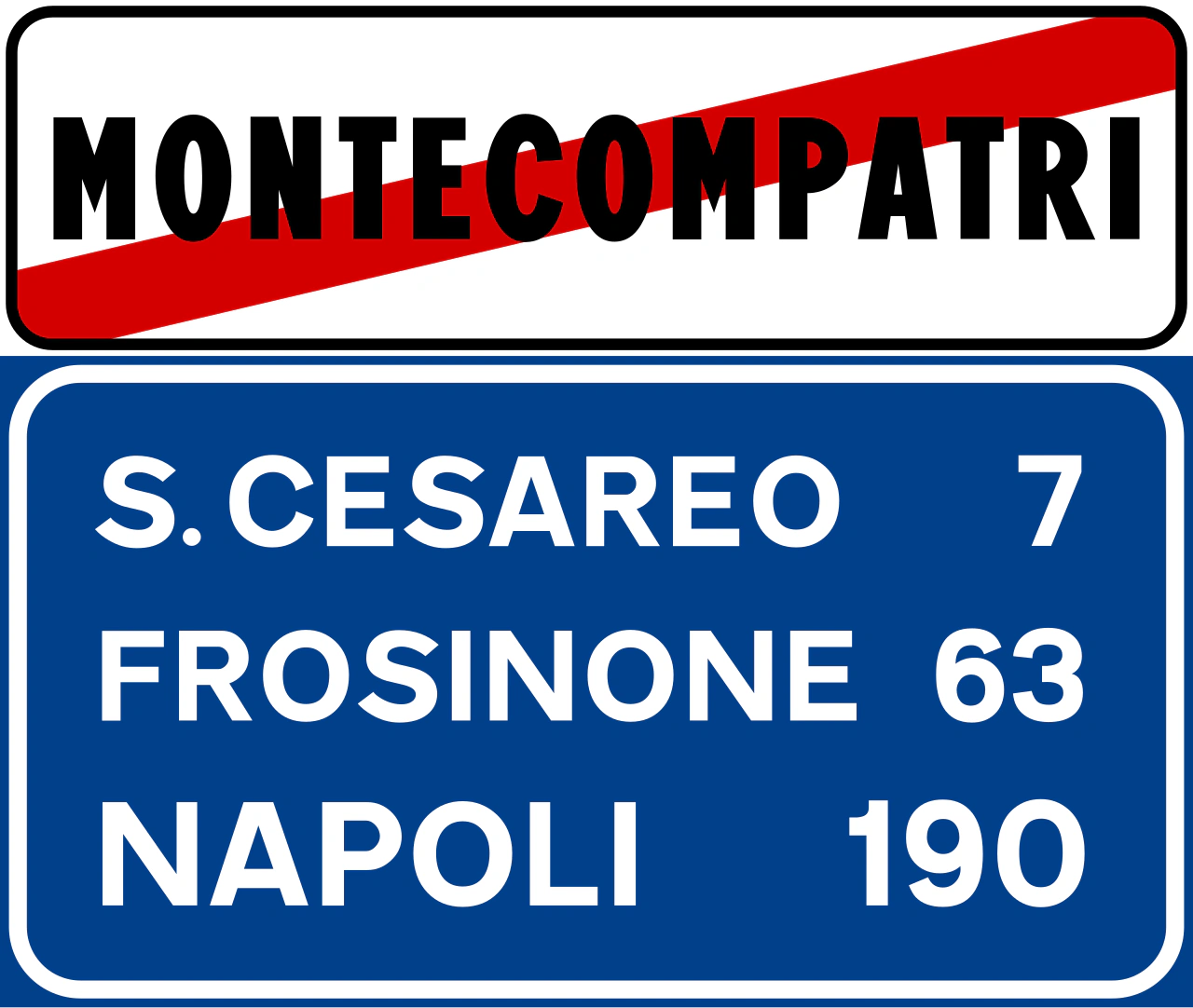
The II.274 - End of urban area, with distances to other towns (end of 50 km/h speed limit and of the prohibition of using horn) road sign may also be known by these alternative names or terms.
The II.274 - End of urban area, with distances to other towns (end of 50 km/h speed limit and of the prohibition of using horn) road sign is part of the Italian Indication Signs category, which groups together signs with similar rules and functions.
Studying similar road signs side-by-side helps solidify your understanding and reduces confusion, crucial for passing your theory test revision. Effective traffic sign comparison aids memory and improves your ability to react correctly, ensuring better sign recognition in real-world driving.
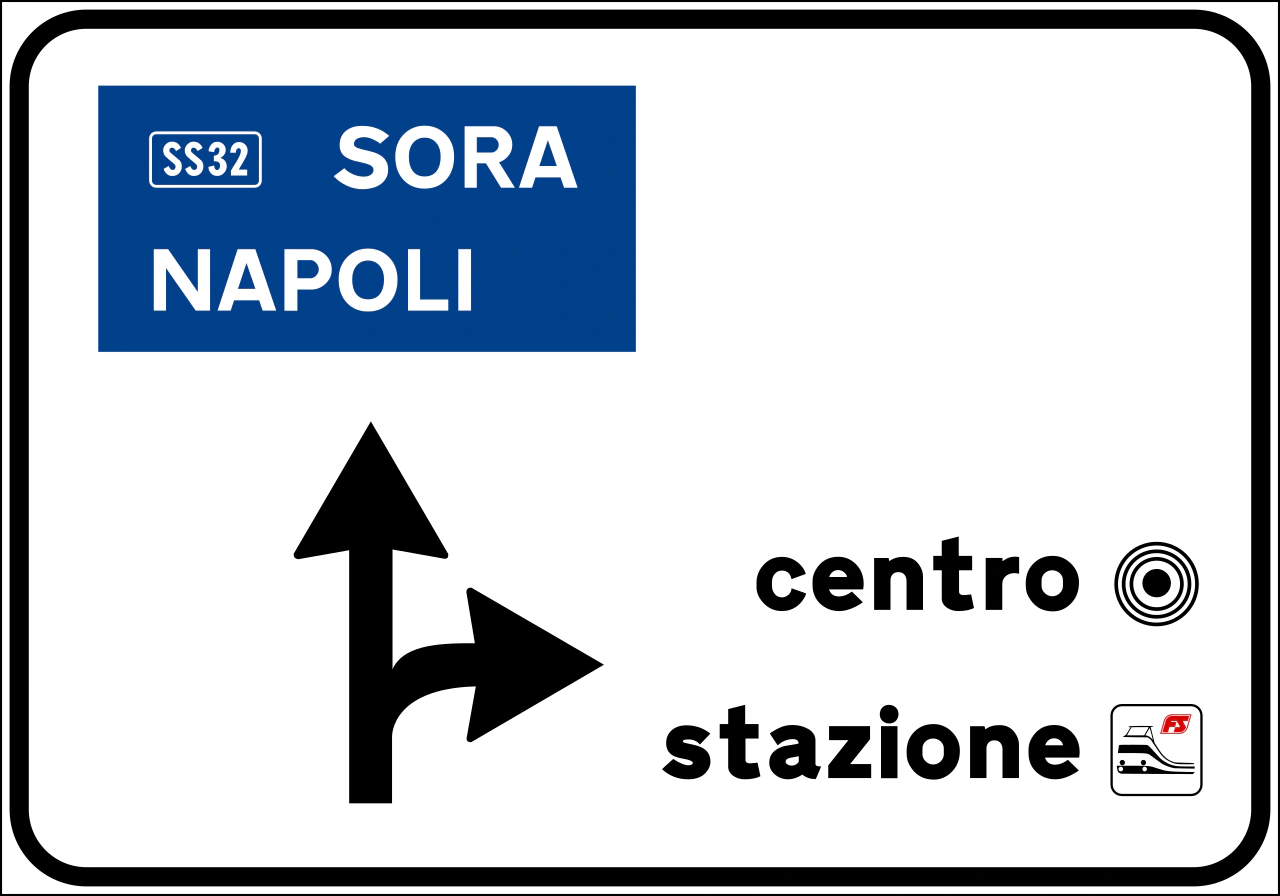
Navigate city streets with the 'Directions in Urban Areas' sign (II.233).
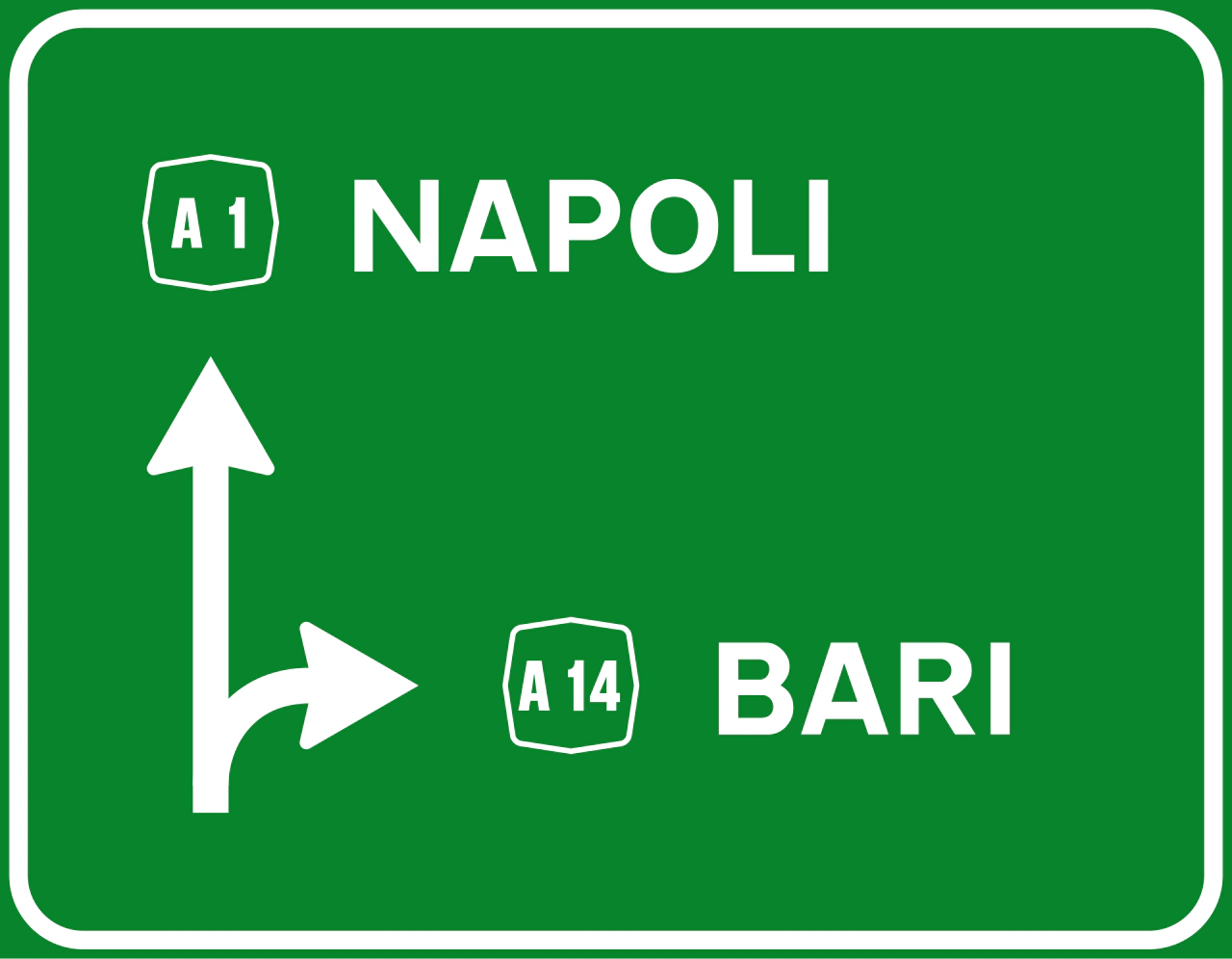
Navigate with Confidence: The 'Directions on a Motorway' Sign (II.235)
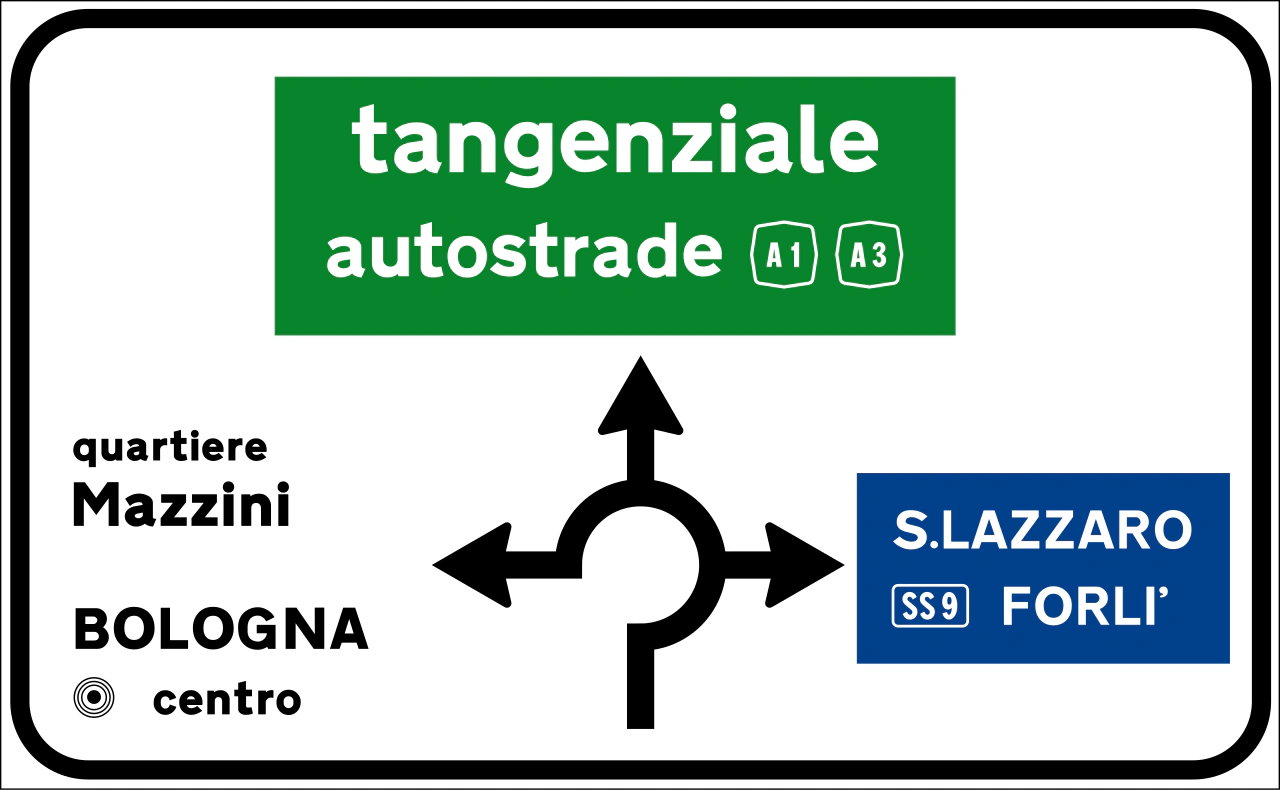
Understand Urban Roundabout Directions, including Motorway Routes with Sign II.238
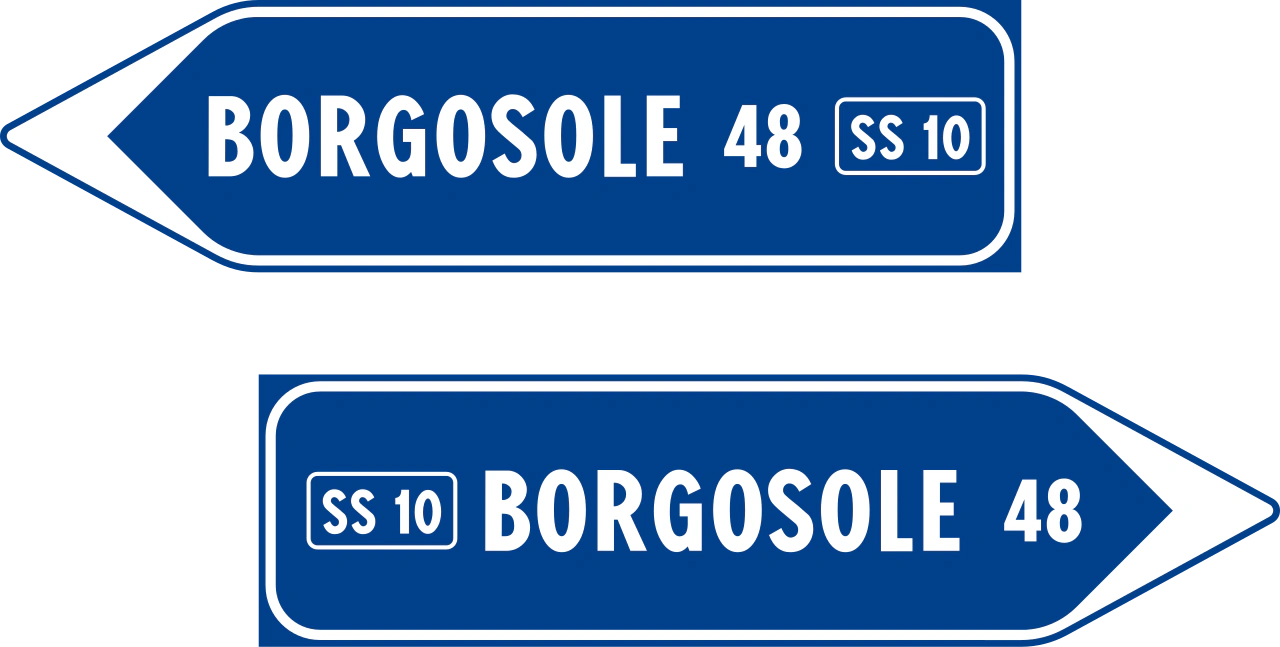
Understand Italy's Primary or Secondary Road Direction Sign (II.249) for smart navigation.
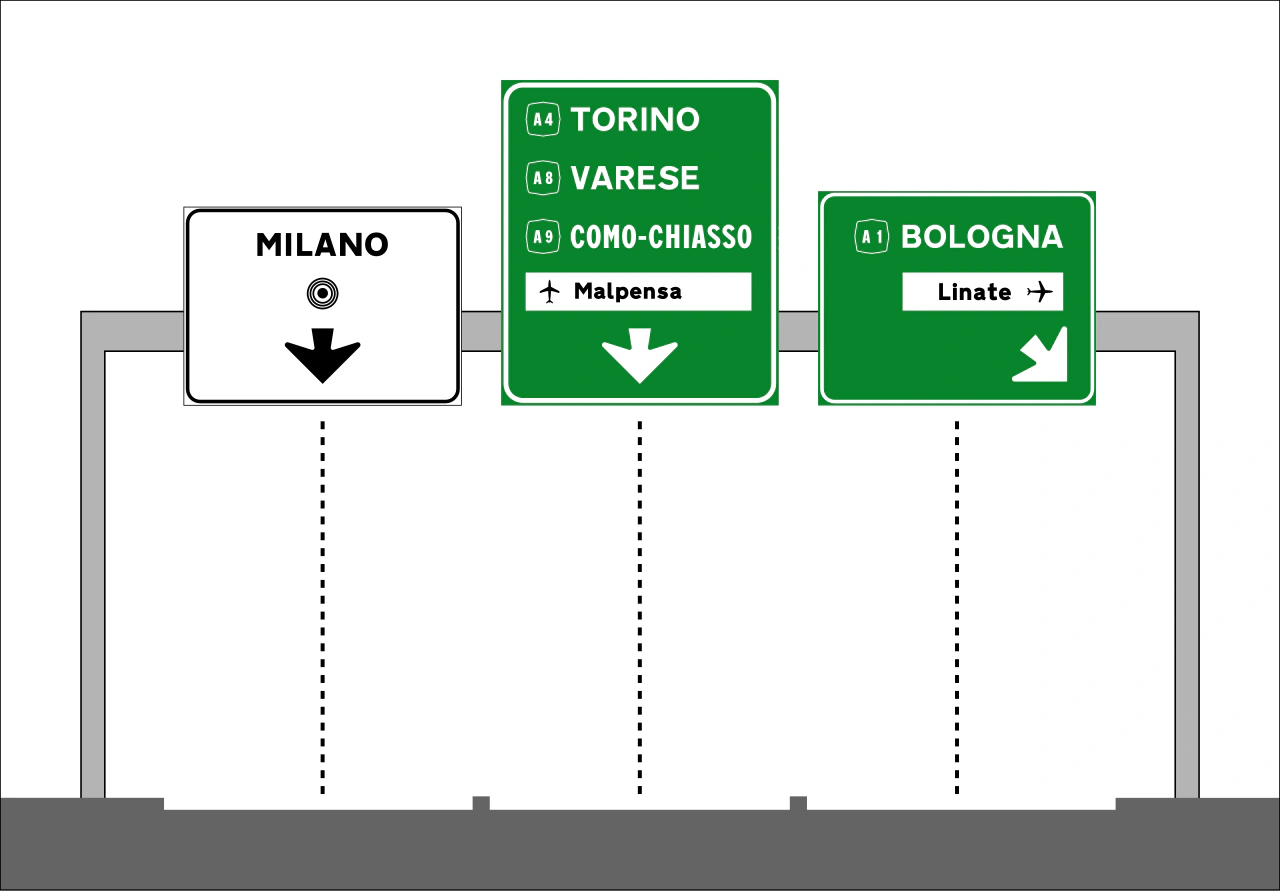
Understand the II.250 Overhead Directional Sign for Route Guidance
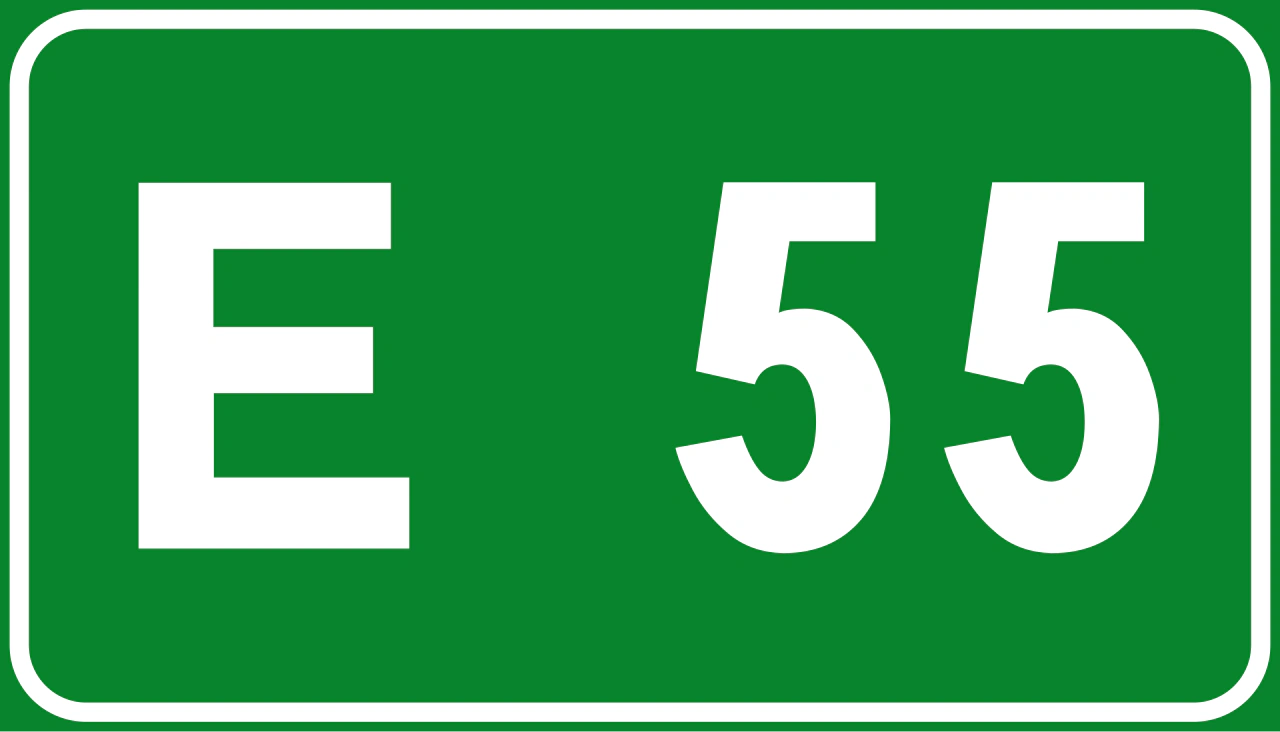
Understand the II.256 European Road Number Sign for Navigation and Route Planning
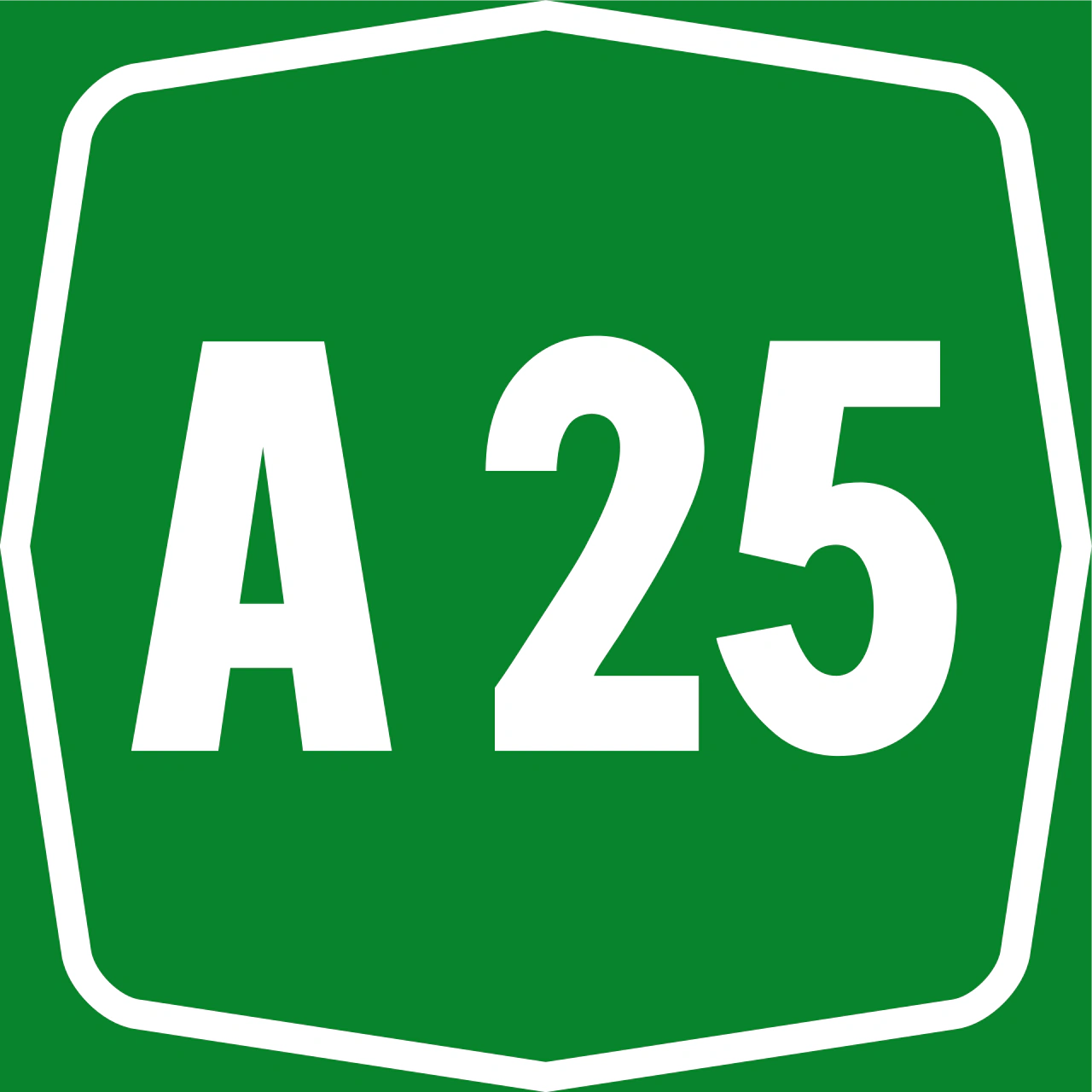
Use the II.257 Motorway Number Sign to Guide Your Journey on Italian Roads
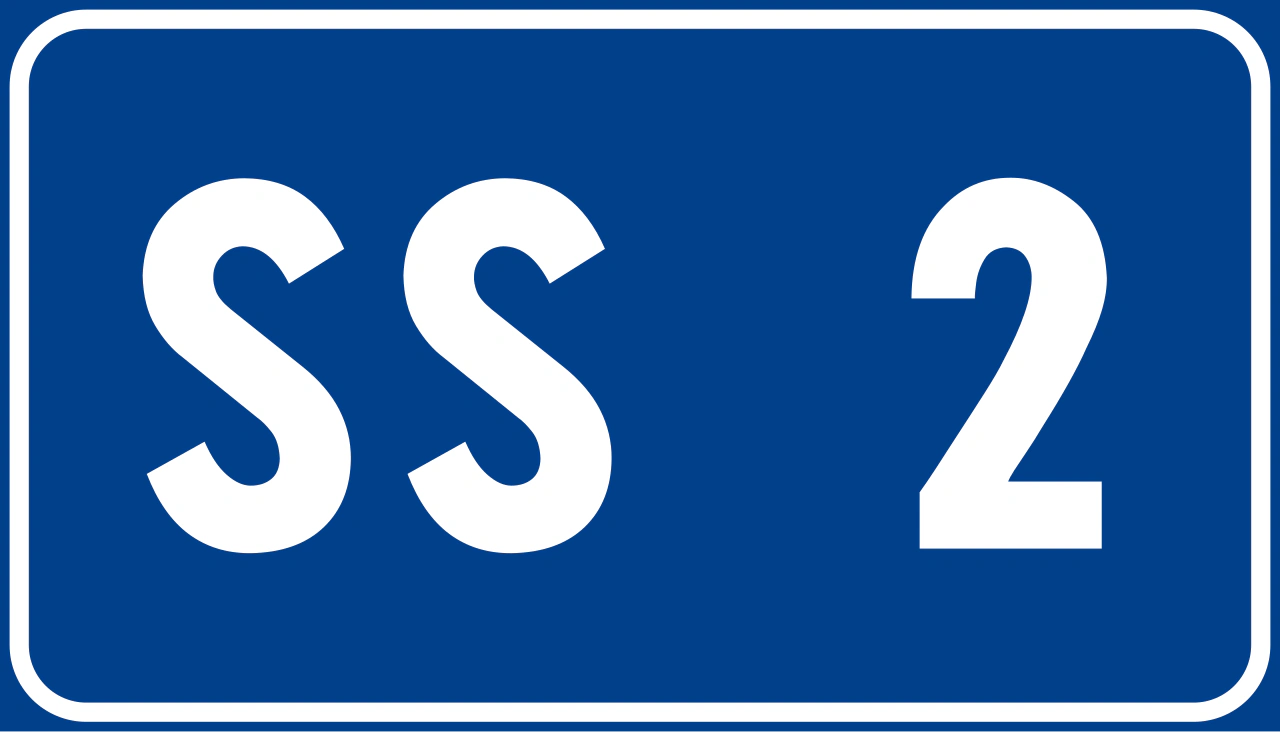
The II.258 State Highway Number Sign: Your Guide to Route Information
Connect visual recognition to the official Italian traffic regulations to improve your performance on the theory test. These targeted resources clarify how specific road signs dictate right-of-way and safety requirements across diverse Italian driving environments.
Avoid fines and confidently navigate Italian traffic by mastering all stopping and parking prohibitions.
Navigating Rome requires a solid understanding of both the official Highway Code and the city's unique mobility restrictions. This guide explains the mechanisms of ZTL zones, the Fascia Verde, and authorized parking systems, helping you prepare for both your theory exam and real-world driving conditions in Italy's capital.
Master Wet Weather Driving: Understand Aquaplaning and Stay Safe on Italian Roads.
Understanding how to safely share the road with trams is a fundamental aspect of Italian driving theory. This guide covers essential regulations, including why trams generally hold absolute priority, the strict limitations on overtaking, and the importance of maintaining proper clearance. You will also learn about specific risks, such as losing traction on wet rails, helping you prepare effectively for both your theory exam and real-world urban driving.
This indication sign provides official information for navigation, facilities, services, road type, parking, zones, tunnels, bridges, exits, or lane use. It helps drivers plan early, but it does not override separate speed limits, prohibitions, priority rules, traffic lights, or road markings. For learning, explain both what the sign identifies and what driving choice it helps prepare. Official catalogue code: IT-I-028.
This indication sign provides official information for navigation, facilities, services, road type, parking, zones, tunnels, bridges, exits, or lane use. It helps drivers plan early, but it does not override separate speed limits, prohibitions, priority rules, traffic lights, or road markings. For learning, explain both what the sign identifies and what driving choice it helps prepare. Official catalogue code: II.273.
After reviewing the complete sign list, explore signs by specific categories such as warning, regulatory, or information signs. Understanding signs in context will enhance your recognition and interpretation skills, crucial for the Italian driving theory exam.
All Italian Road Signs List