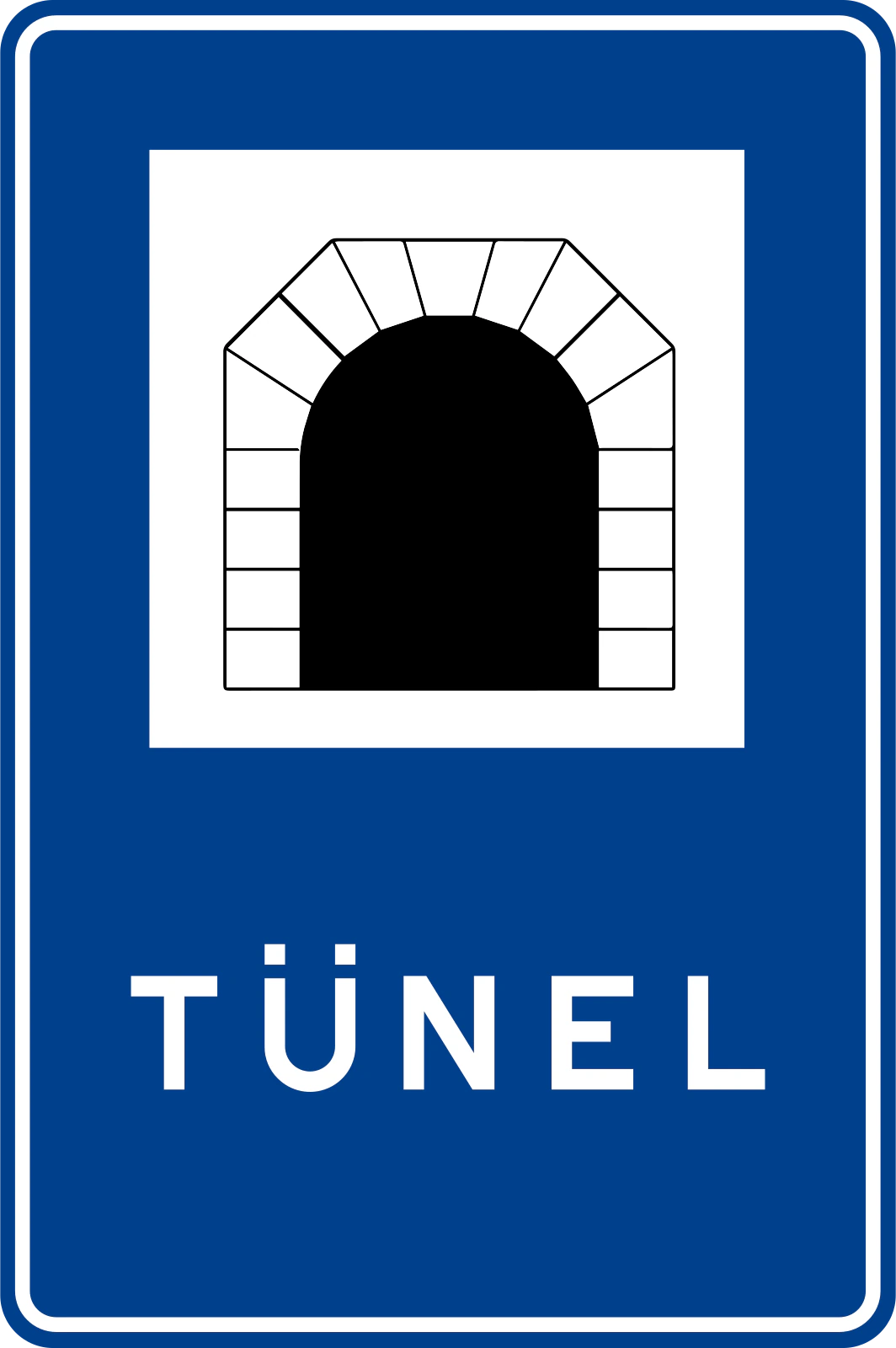
Understanding Turkey's information signs is crucial for a smooth and safe journey. These signs provide vital details about road layouts, available services, and route conditions, helping you plan your drive effectively without overriding other traffic rules. Mastering these signs will not only boost your confidence on the road but also significantly improve your chances of passing your driving theory exam.
An explanation of how Turkey Information Signs road signs apply in real traffic situations in Turkey. Learn where these signs are typically placed, what drivers are expected to do when they appear, and how correct reactions help you stay safe, avoid fines, and succeed in your Turkish driving theory exam.
Turkey's information signs are frequently encountered across all types of roads, from urban streets to rural highways and motorways. You'll see them well in advance of junctions, changes in road type, or upcoming services. For example, signs like 'Dead End' (B-2A/B) or 'One-way Traffic' (B-16/B-16B) help you navigate complex intersections or understand the flow of traffic. 'Start of Otoyol' (B-18) or 'Start of motor-vehicles-only road' (B-20) signs indicate when you are entering specific types of high-speed routes, requiring you to adjust your driving behaviour accordingly. Service signs such as 'Gas Station' (B-26), 'Hotel' (B-27), or 'Restaurant' (B-28) are placed to guide you towards necessary amenities, often appearing on approach roads or dedicated service areas. Understanding these signs is vital for positioning your vehicle correctly, avoiding last-minute manoeuvres, and ensuring you don't miss your intended exit or service point, ultimately contributing to safer and more efficient driving.
An overview of the key learning outcomes when studying the Turkey Information Signs road sign category. Understand the main concepts, sign meanings, and traffic situations covered here so you can recognise patterns, answer theory questions more confidently, and build a solid foundation for safe driving in Turkey.
Master Turkey's information signs to grasp road layout, service locations, and route conditions. Studying these vital traffic signs together aids in recognizing patterns for better navigation and exam preparation. Recognizing this group helps you position early, avoid sudden changes, and plan your journey effectively for your ehliyet sınavı.
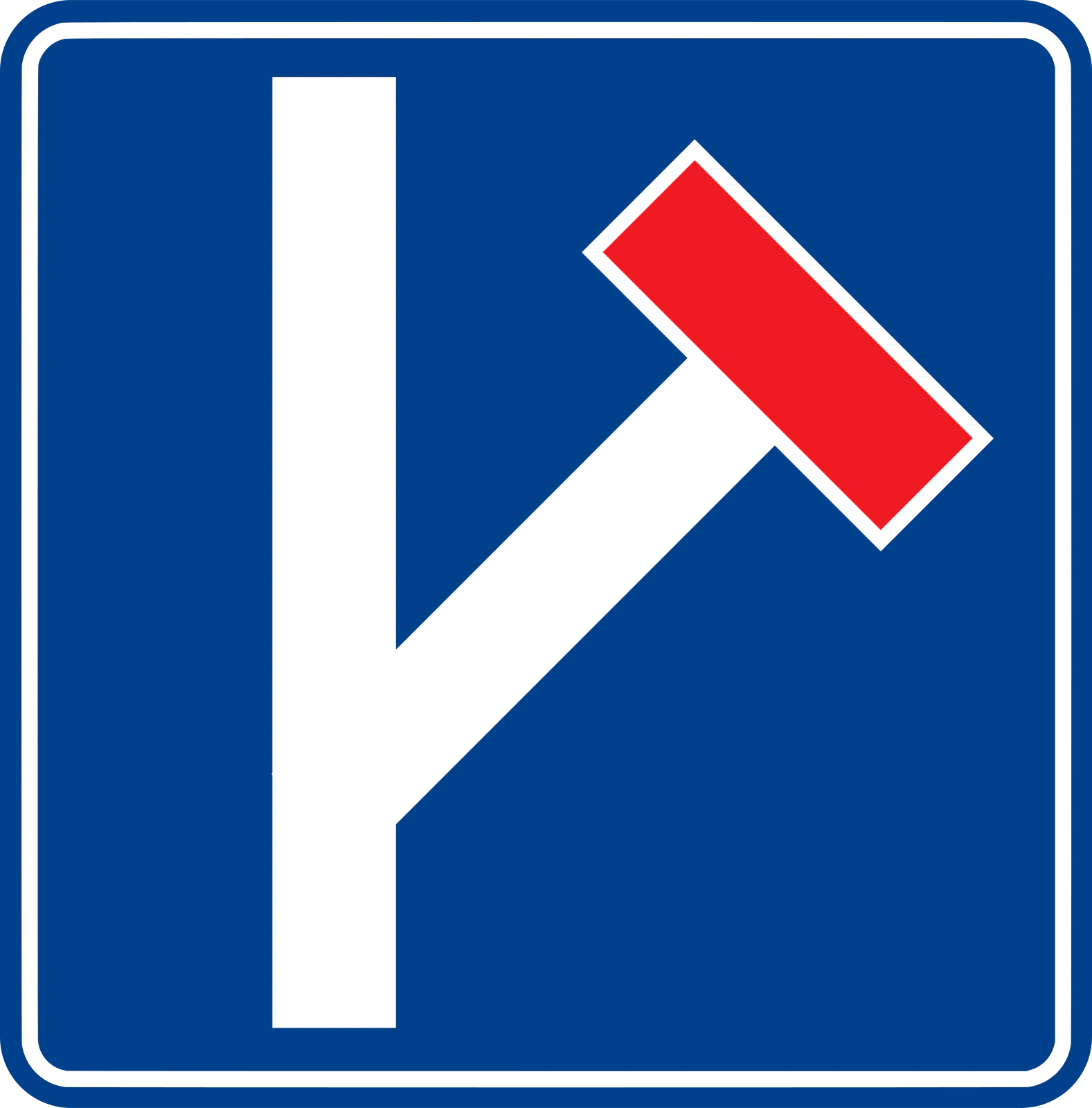
The B-2A sign informs you of a dead end on the road to the right.

See the B-2B sign? It warns of a dead end to your right.
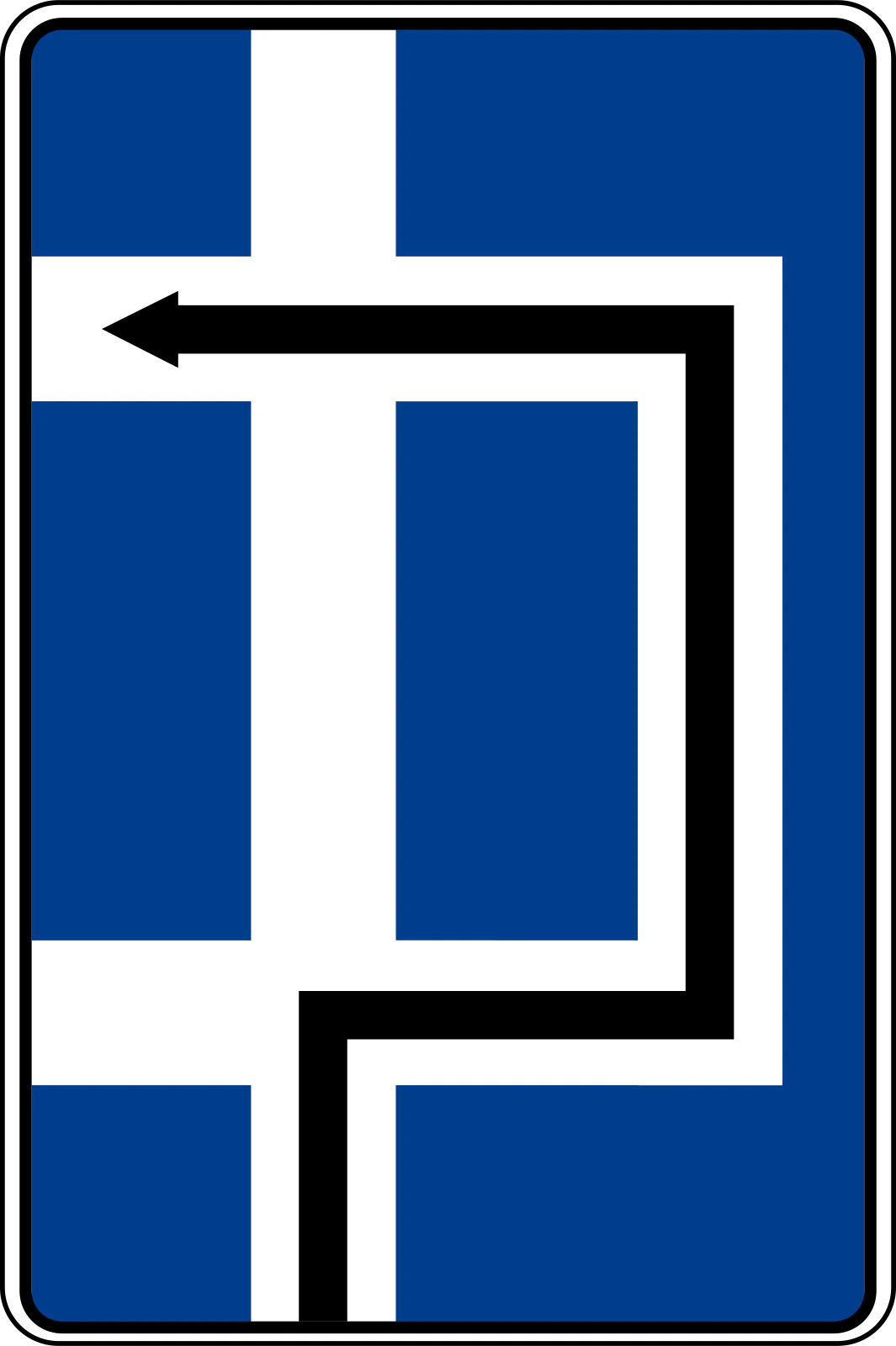
Navigate Safely with the Indirect Left Turn (B-3) Information Sign
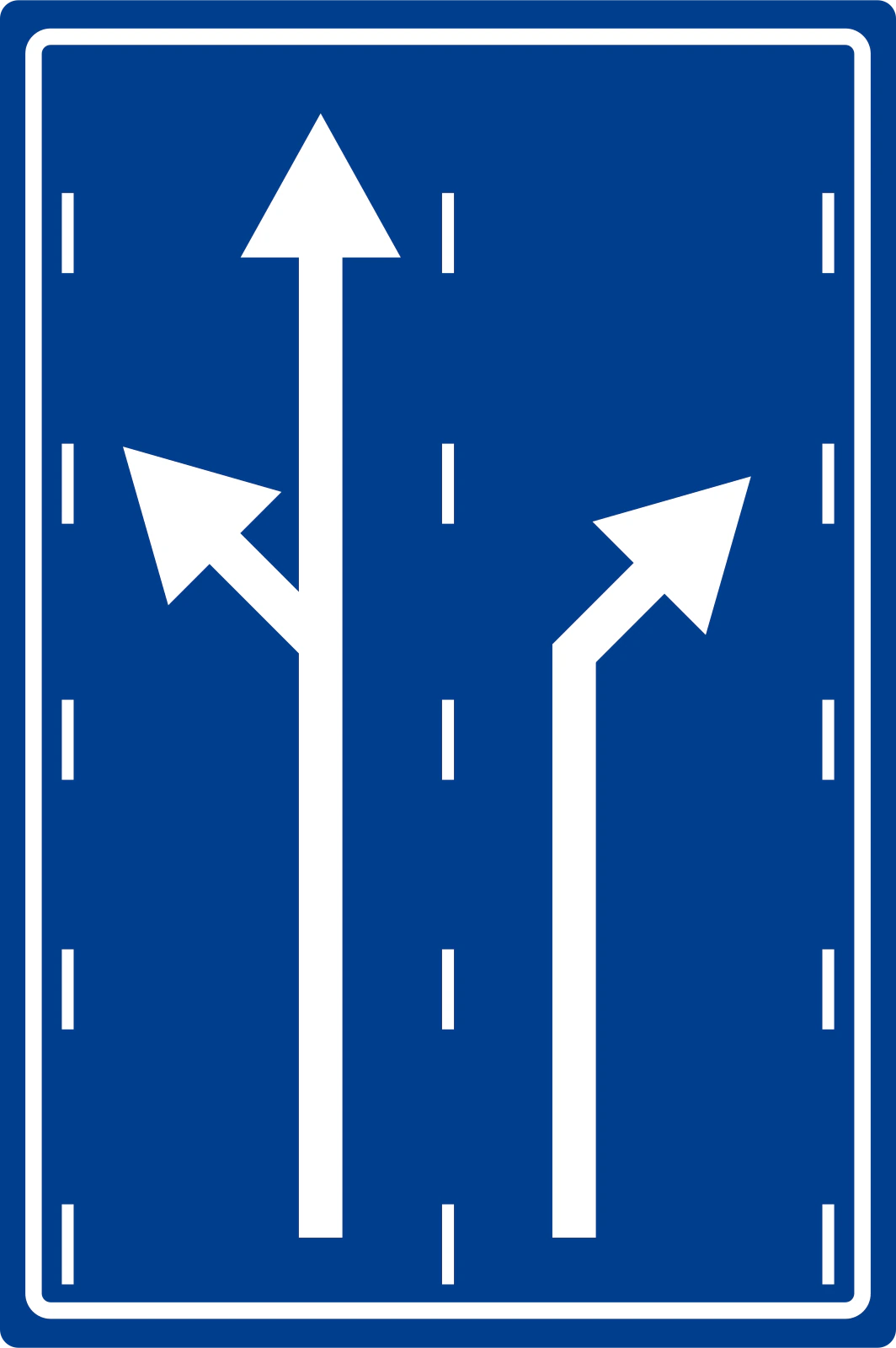
The B-4 Lane Usage Sign: Guiding Your Route and Lane Choices
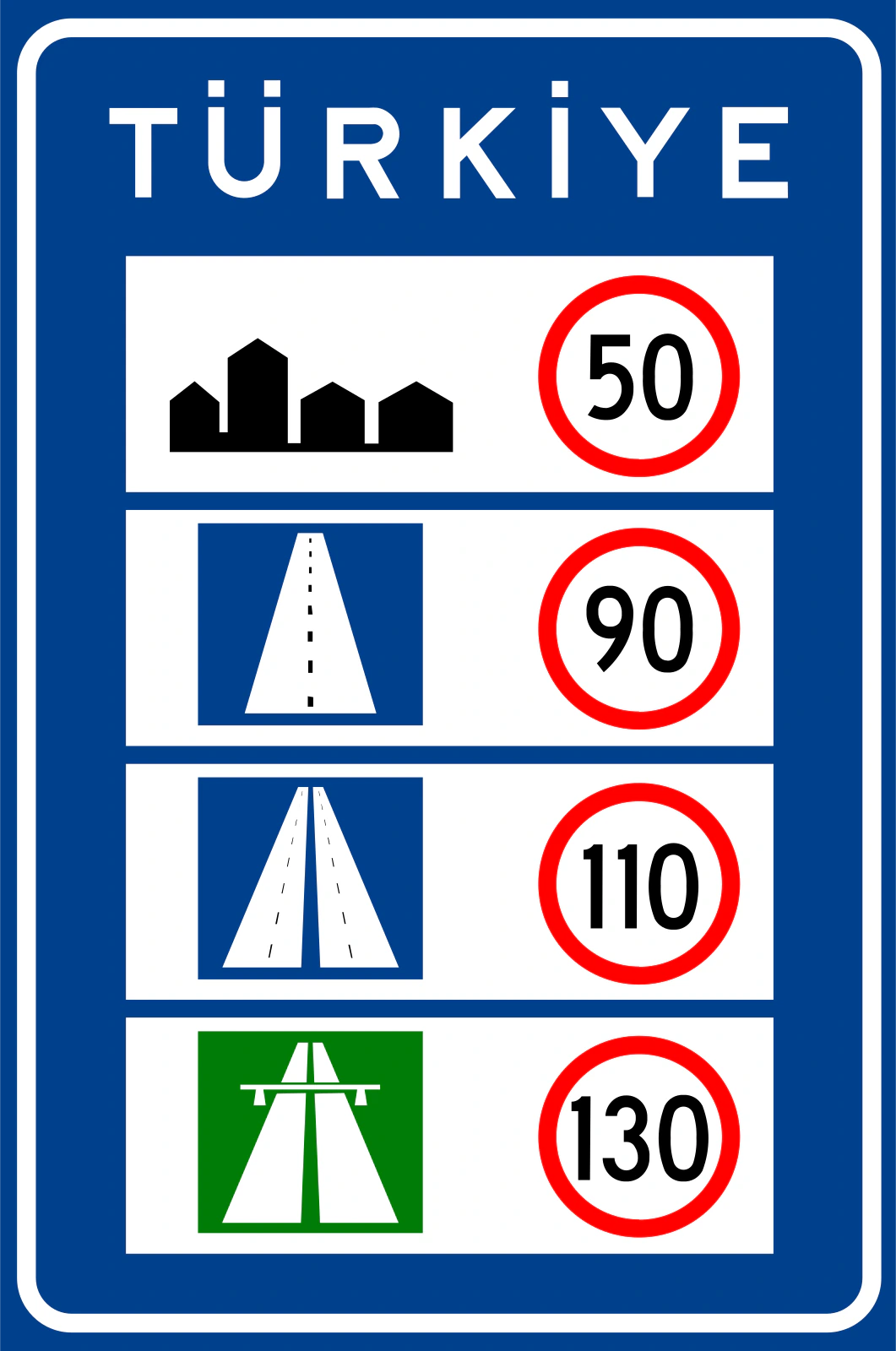
The B-8C General Speed Limits Sign: Your Guide to Road Conditions

What the B-14A Pedestrian Crossing Information Sign Means for Turkish Drivers

Understand the B-14B Children Crossing Sign for Safer Driving in Turkey
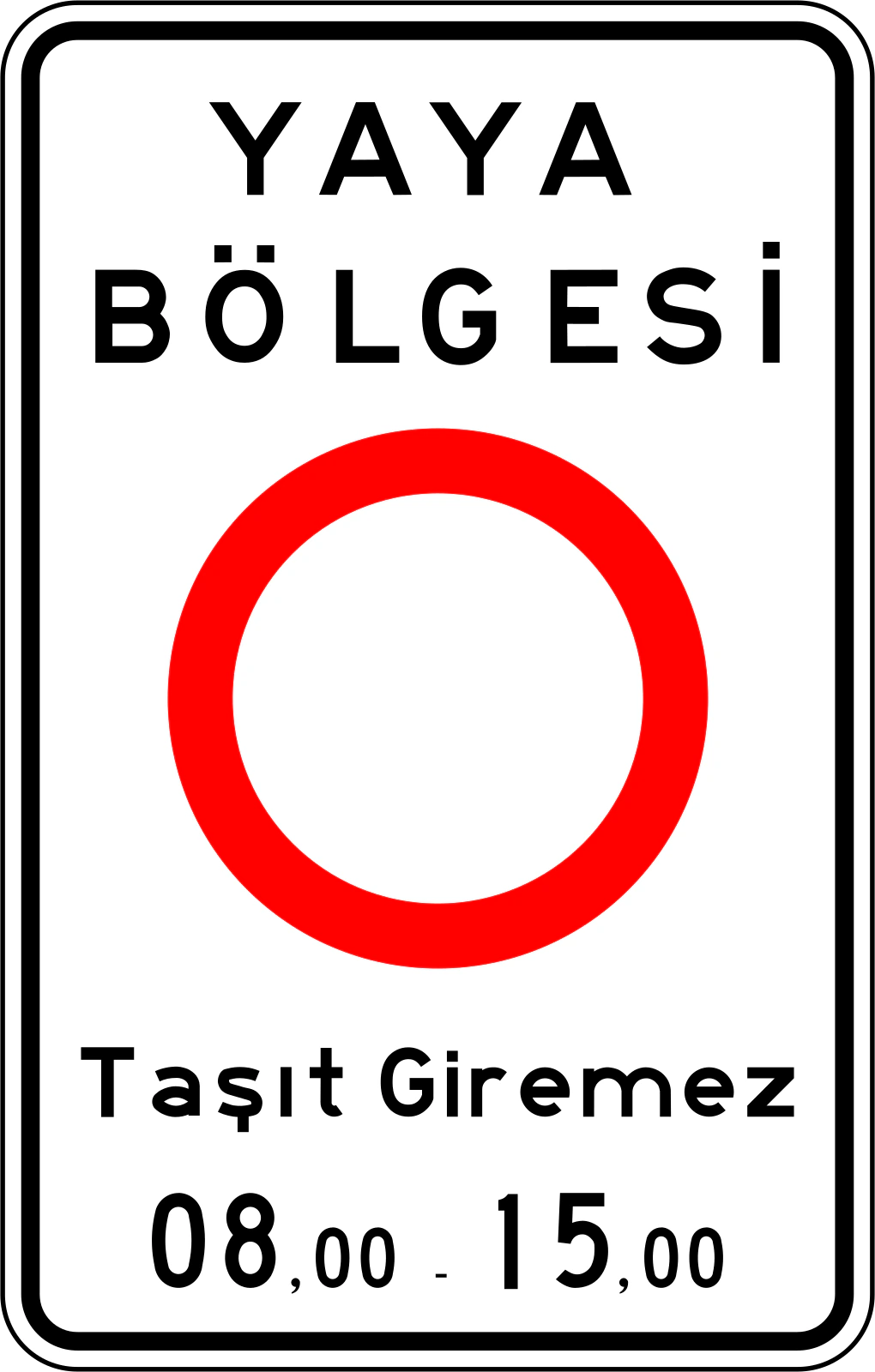
The B-14C sign informs you about an upcoming Pedestrian Zone.

The B-14D 'Pedestrian Zone (No Motor Vehicles)' sign means you must not enter with your car.
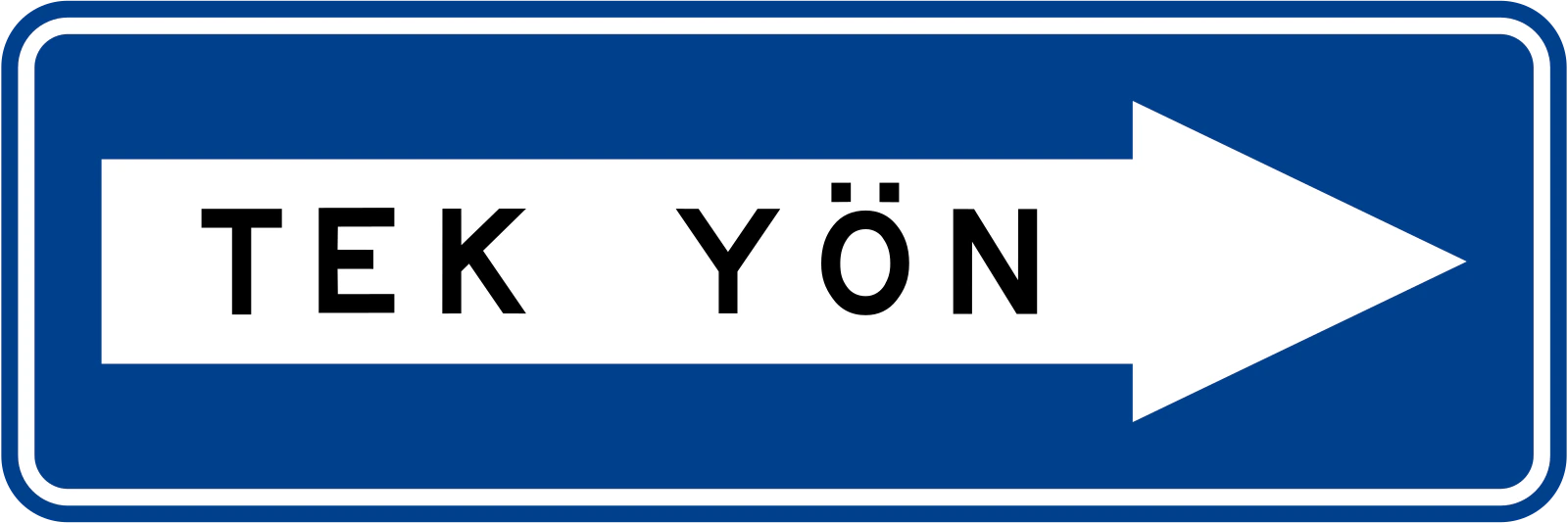
The B-16 'One-Way Traffic' Sign: Navigate Roads Safely

The B-16B sign tells you traffic only moves forward on this road.
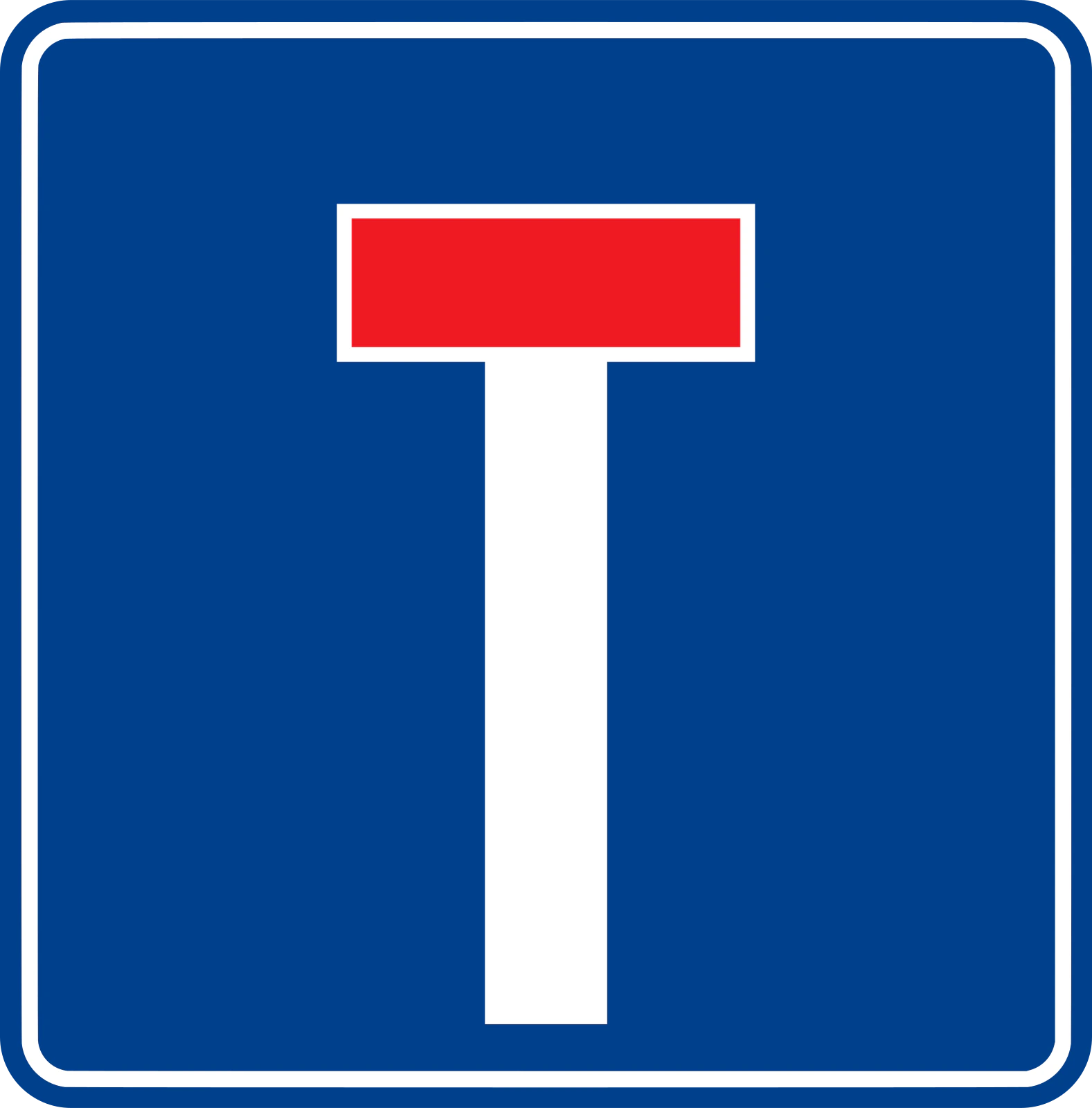
Recognise and react correctly to the 'No Through Road' (B-17) information sign.
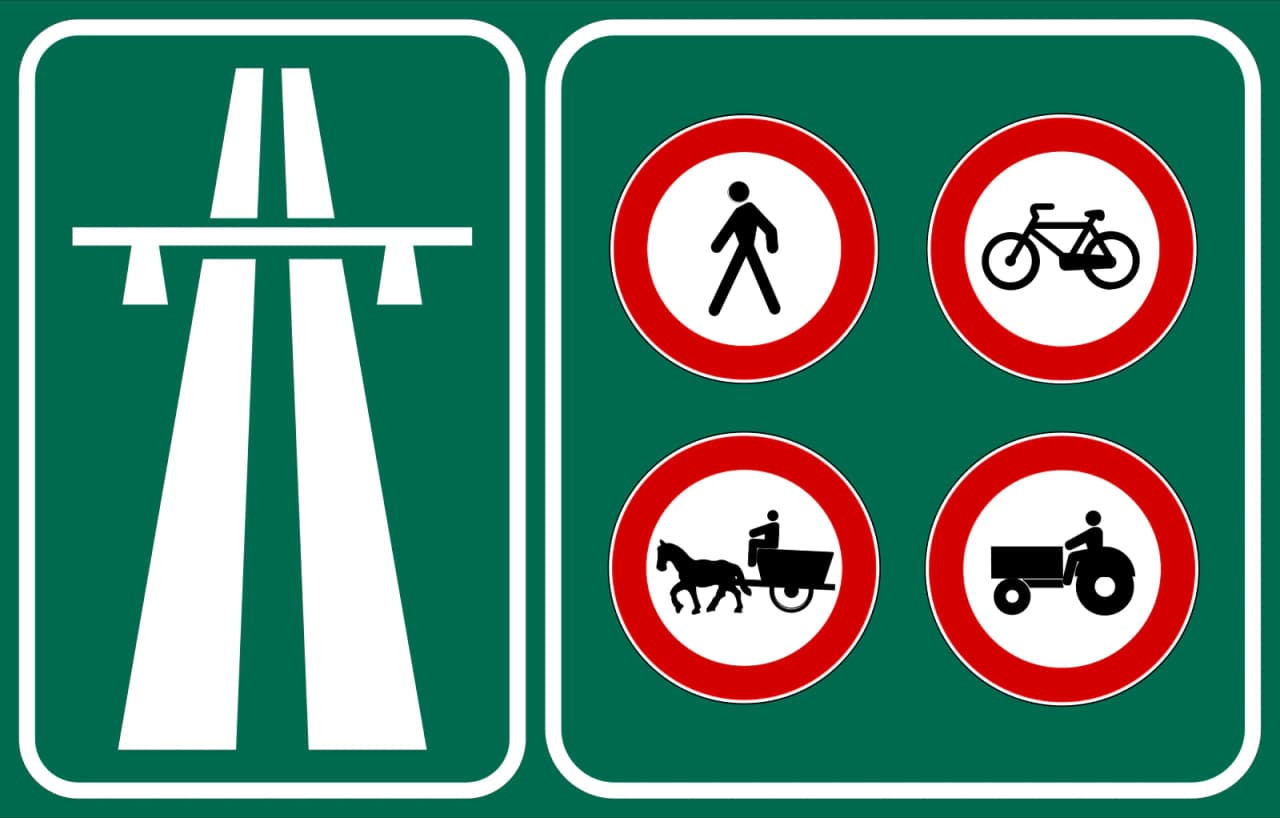
B-18: You are approaching the start of a motorway (Otoyol) in Turkey.
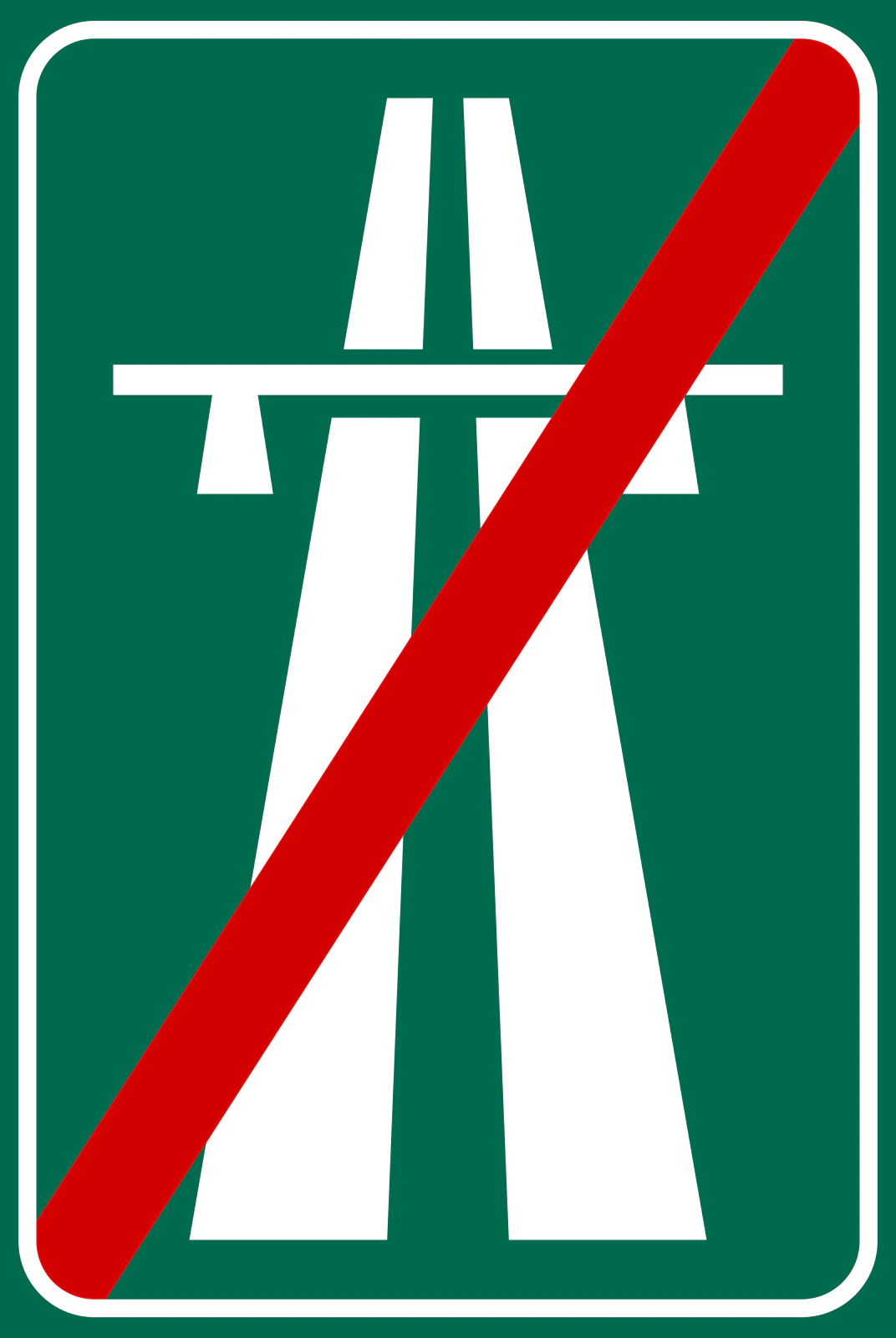
Prepare for the 'End of Otoyol' with the B-19 information sign.
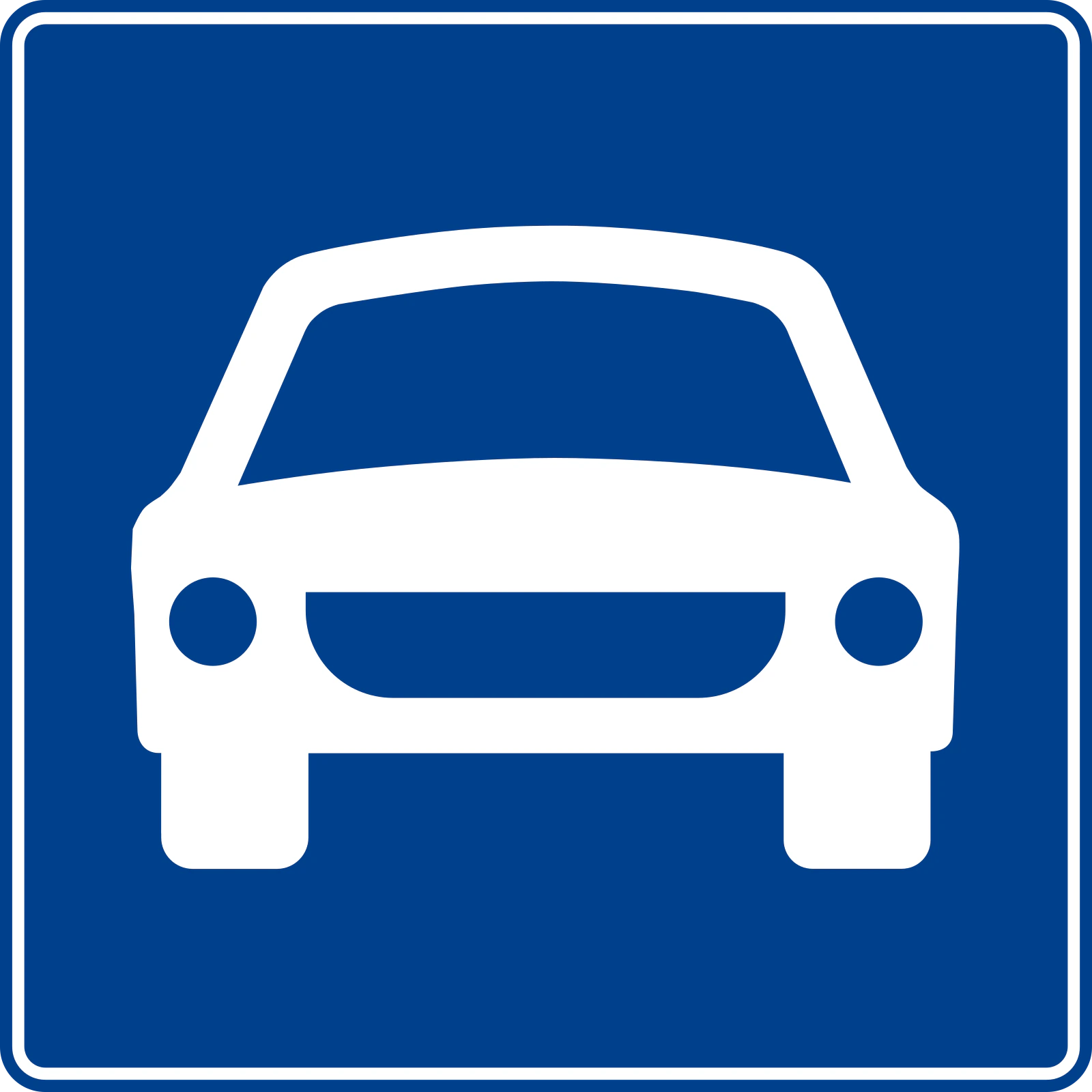
Understanding the 'Start of Motor-Vehicles-Only Road' (B-20) Sign
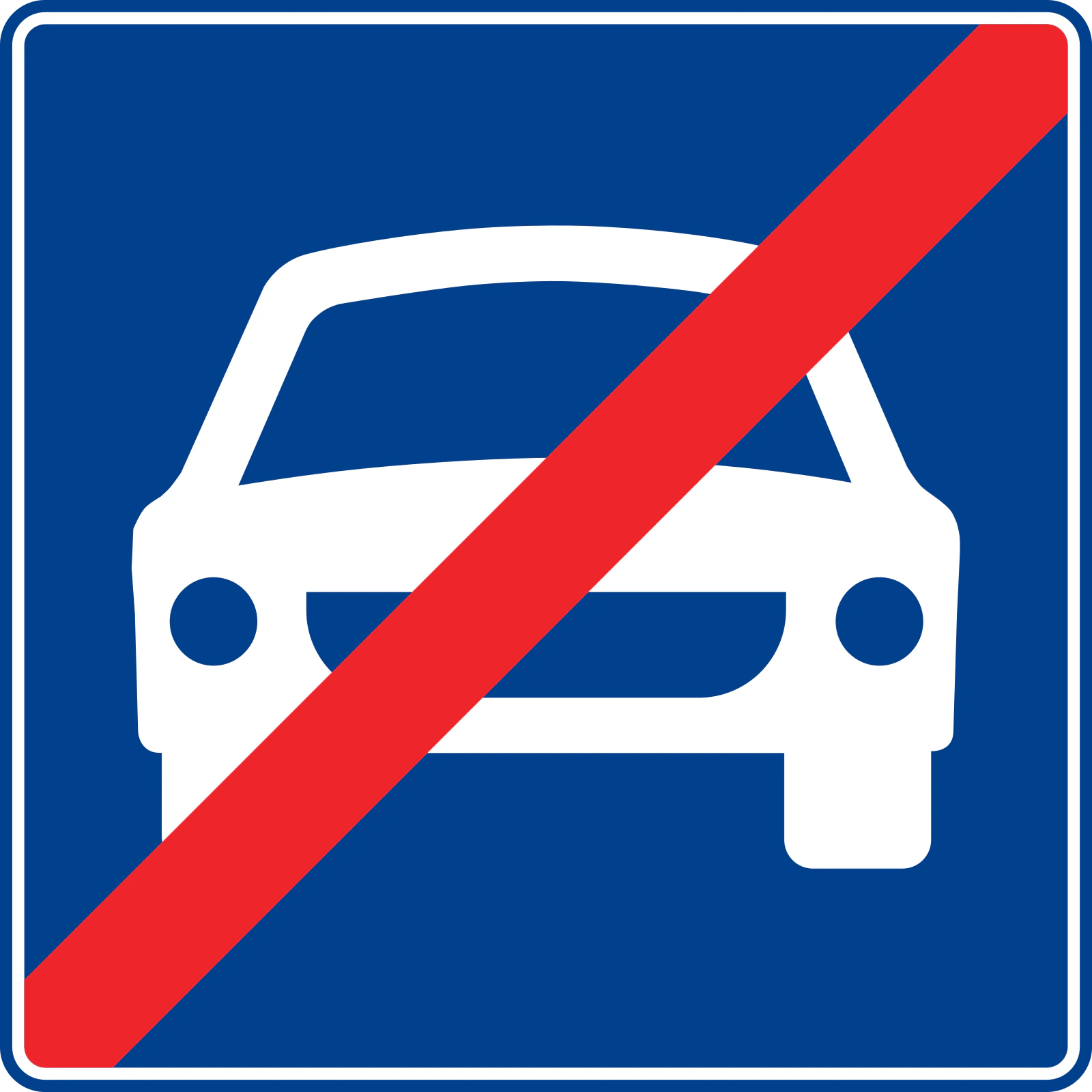
What to Expect: The 'End of Motor-Vehicles-Only Road' Sign (B-21)
The B-22 Bus Stop Sign: Indicating a Designated Stop Area
Understand the B-23 'First Aid' Information Sign in Turkey

The B-24 'Repair Shop' Sign: Your Guide to Essential Services Ahead
B-25 Telephone Sign: Your Guide to Road Information in Turkey
The B-26 Gas Station sign provides essential location information.
Understand the B-27 Hotel Information Sign for Route Planning in Turkey
The B-28 'Restaurant' Sign: Your Guide to Nearby Dining Services
What the 'Fountain or Faucet' (B-30) Information Sign Means
The B-31 'Picnic Site' Sign: Your Guide to Understanding Information Signs in Turkey
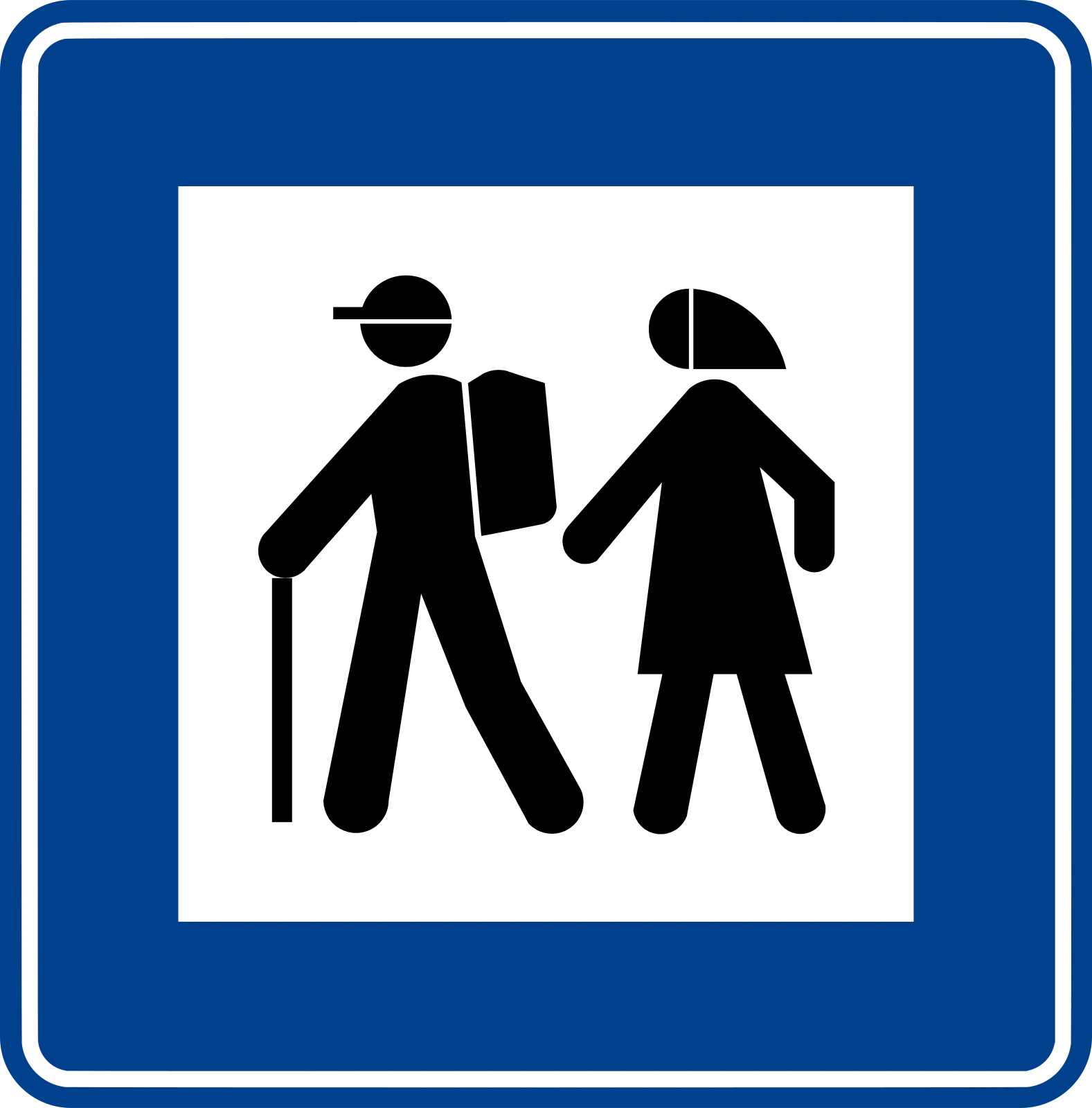
B-32 Hiking Path sign: Know what it signifies about the road ahead.
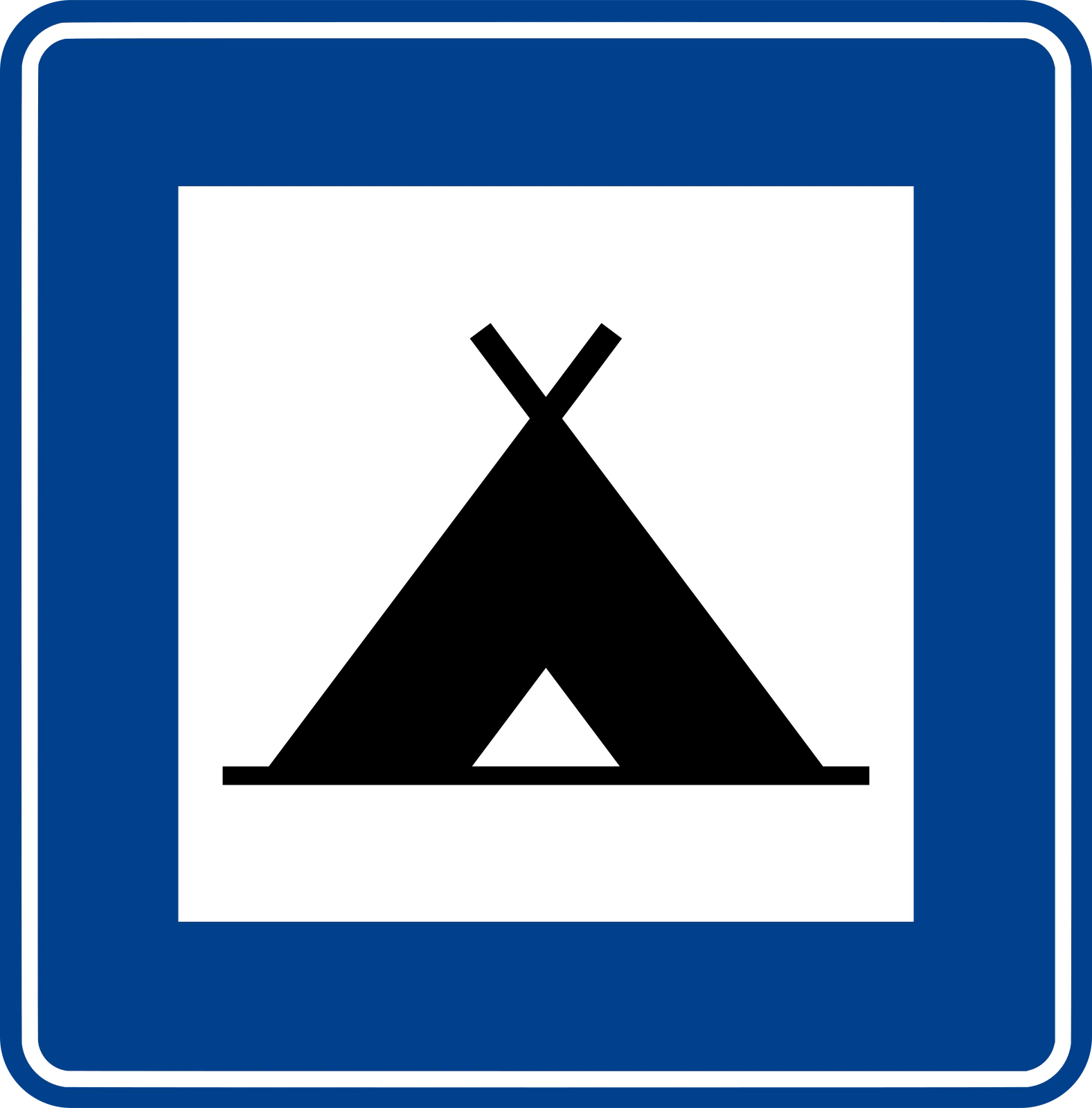
Understand the B-33 'Camping Site' Information Sign
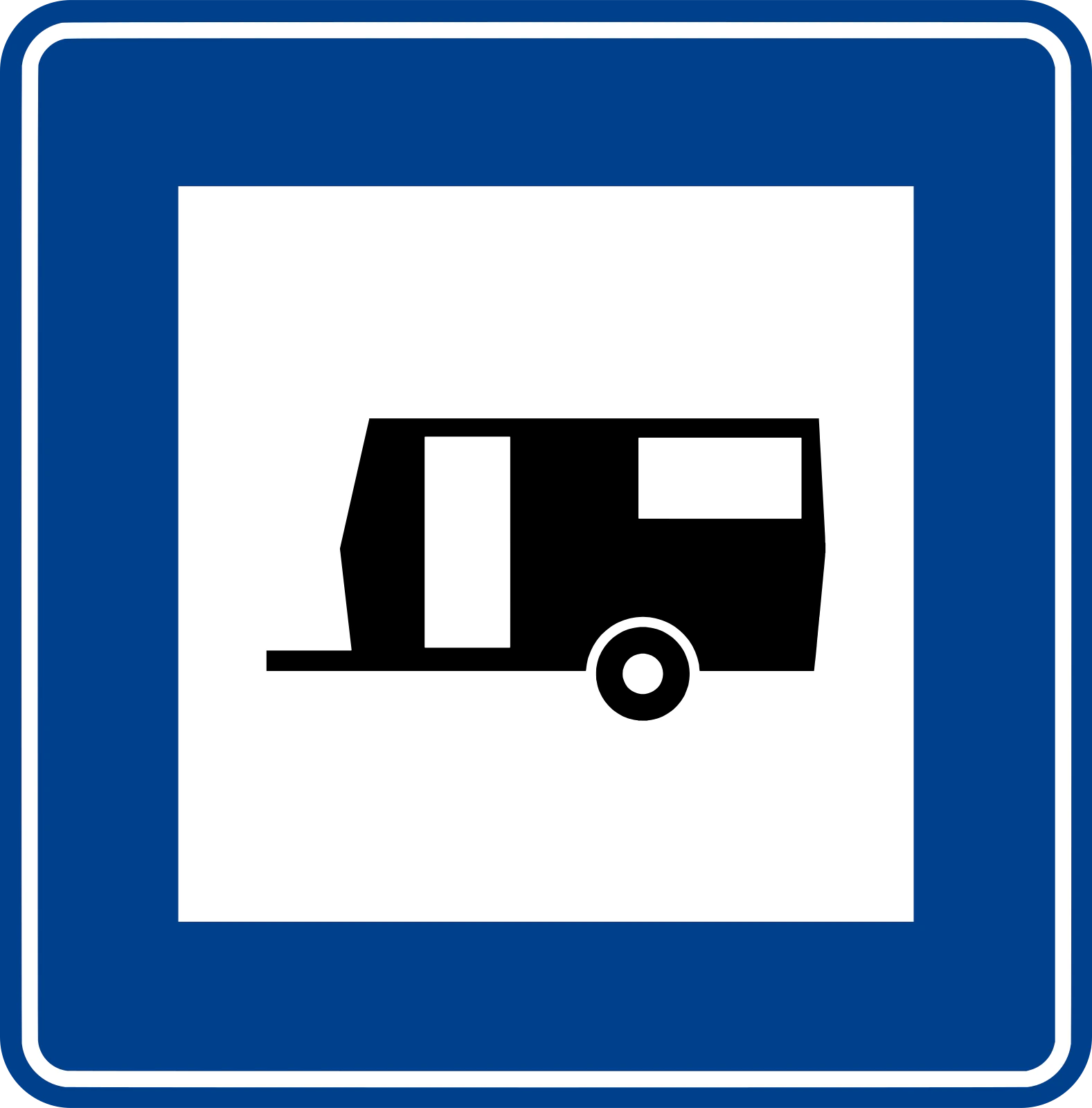
B-34 Caravan Site: Information for Planning Your Route in Turkey
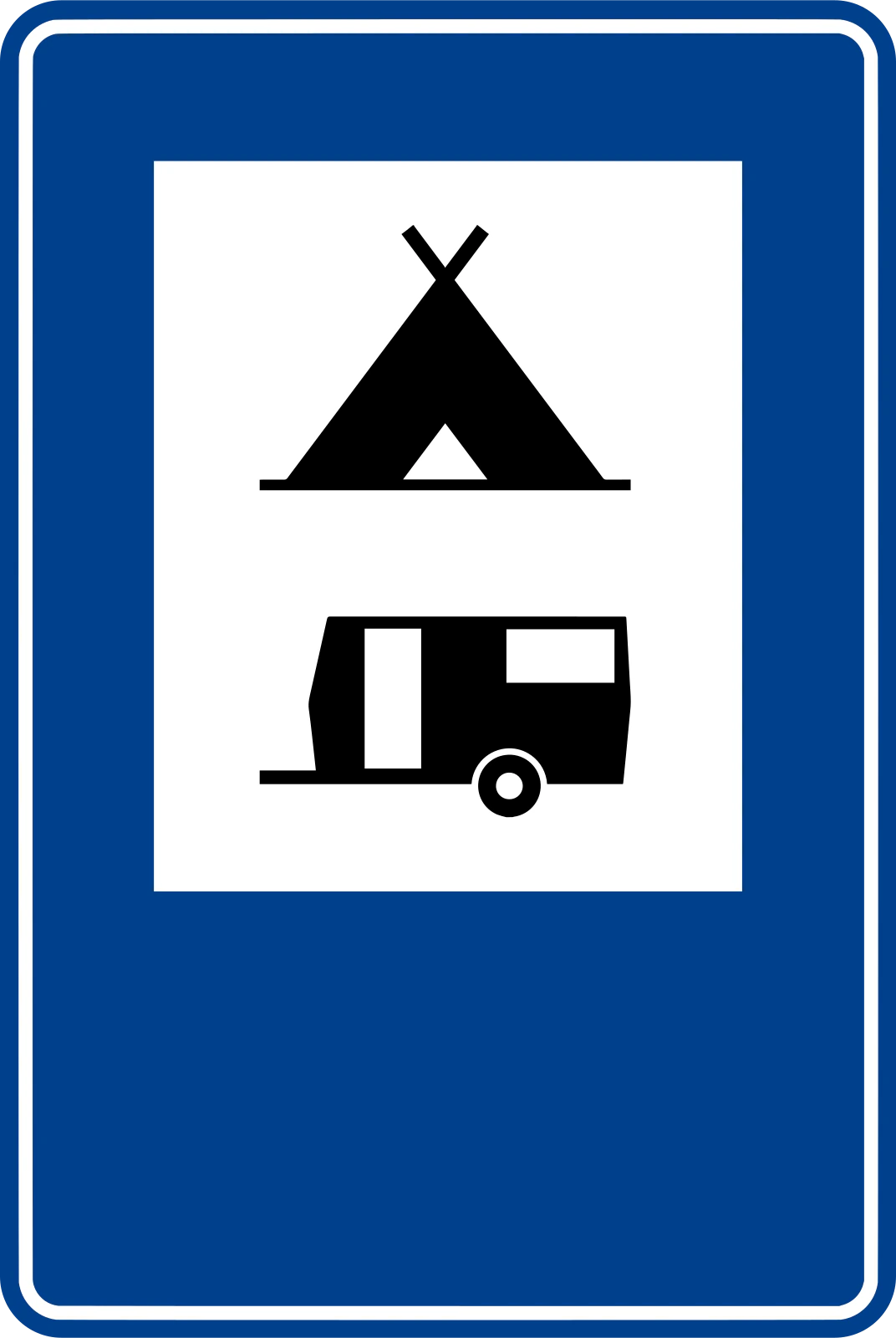
The B-35 'Camping and Caravan Site' sign guides you to facilities.
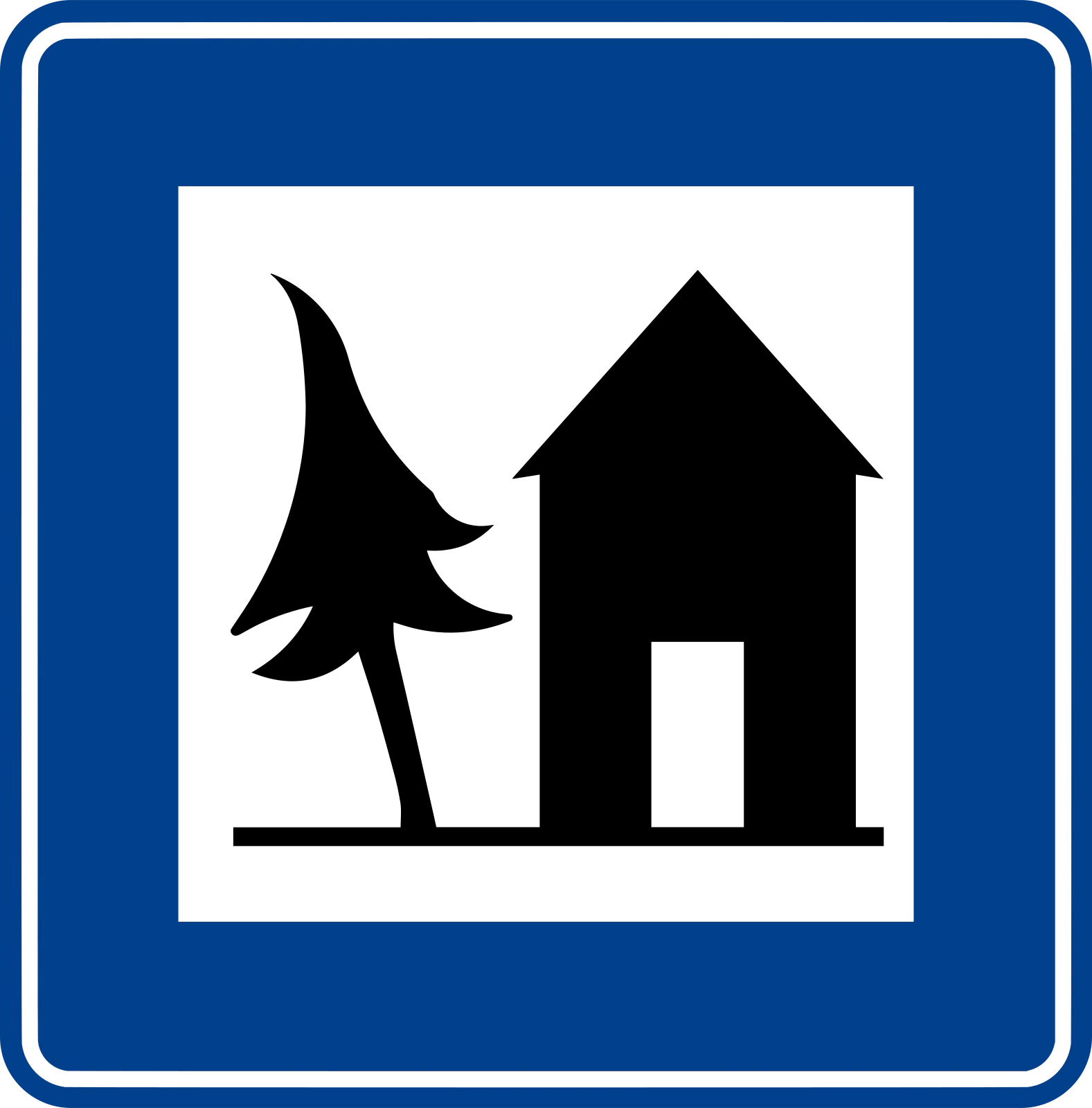
The B-36 Youth Hostel sign provides essential route planning information.
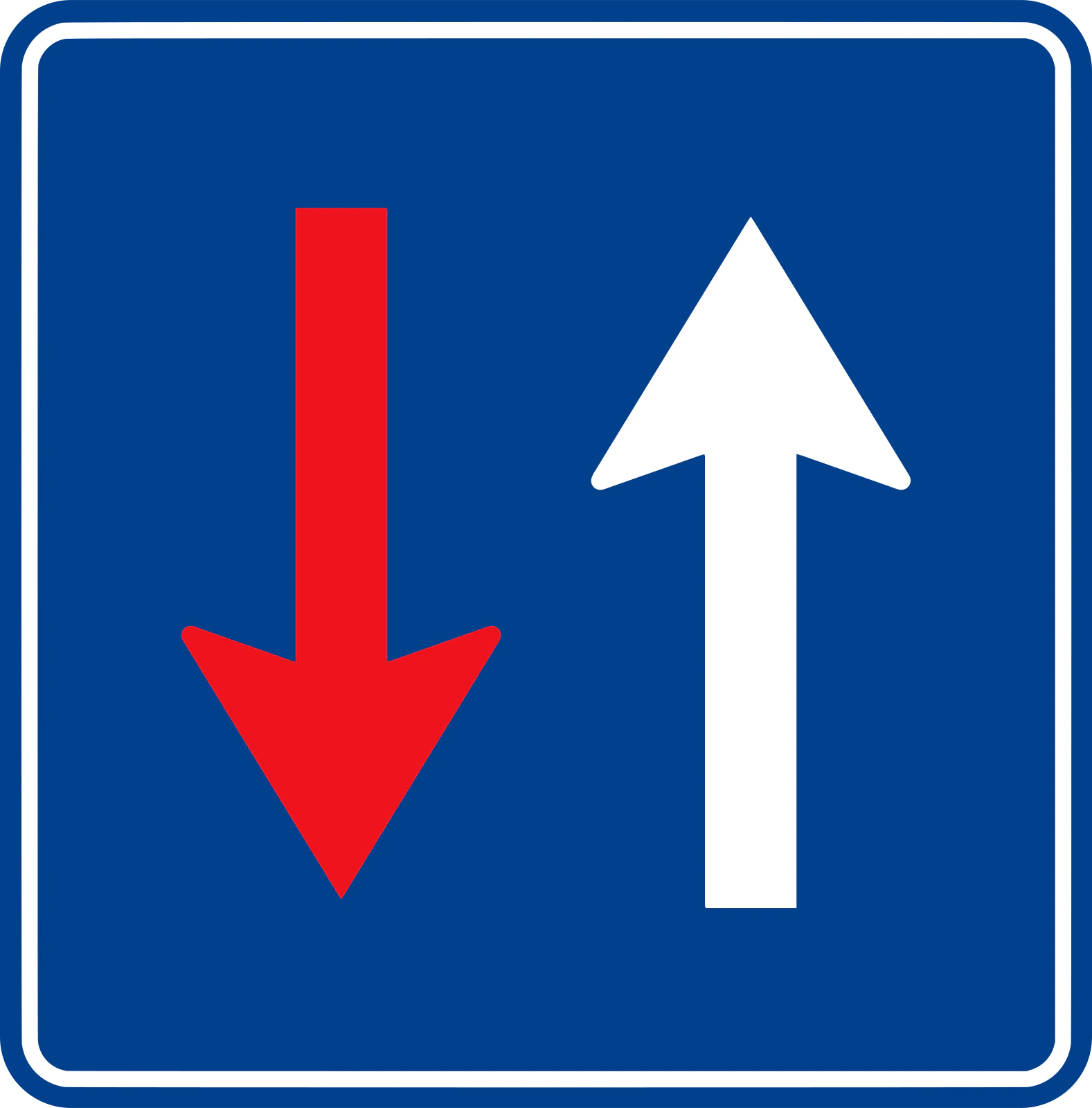
Know Your Priority: Understanding the B-37 'Priority Over Oncoming Traffic' Sign

The B-38 'Priority Road' Sign: Navigate with Confidence

Understand the 'End of Priority Road' (B-39) Traffic Sign in Turkey
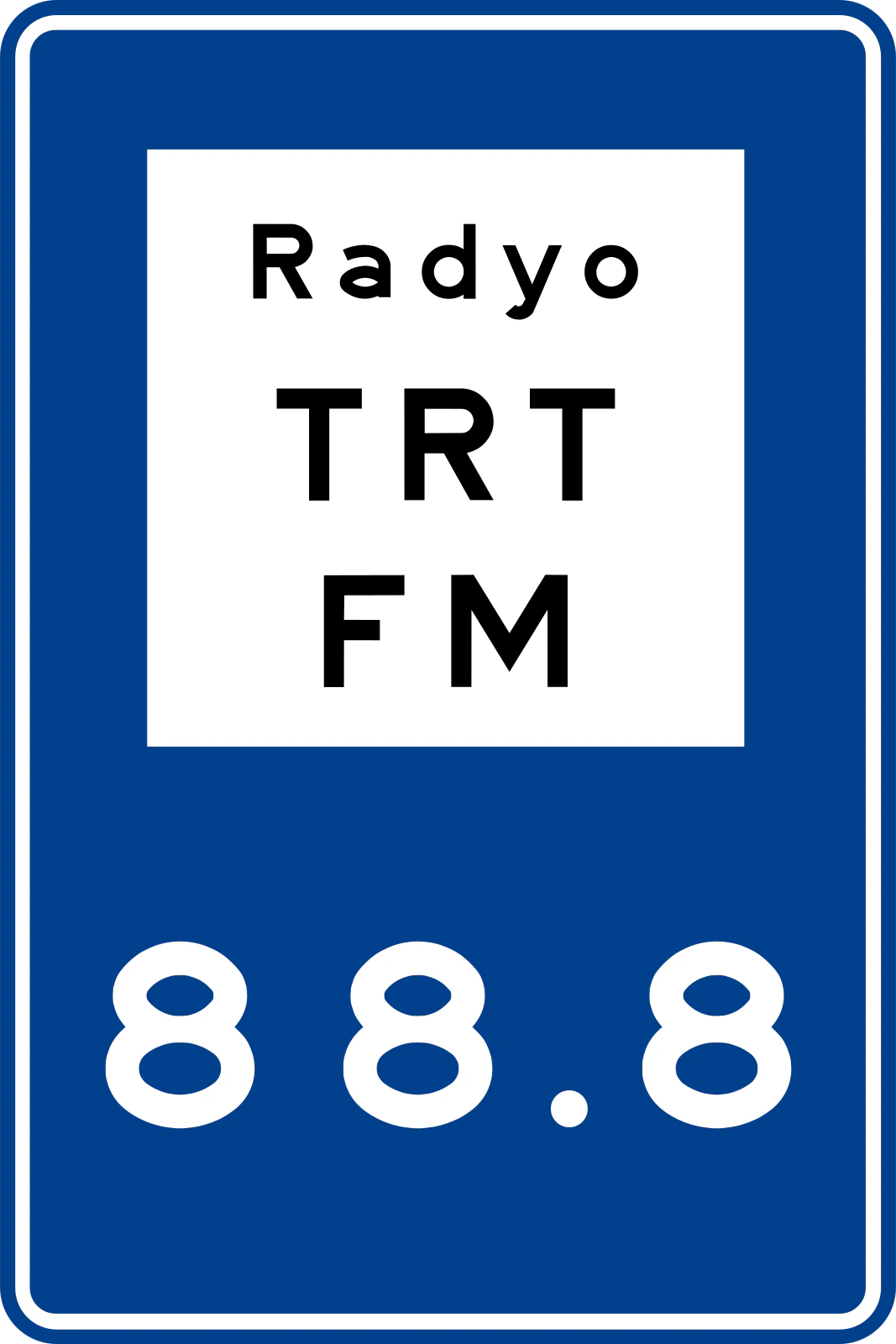
B-43: This is Your Traffic Radio Information Sign
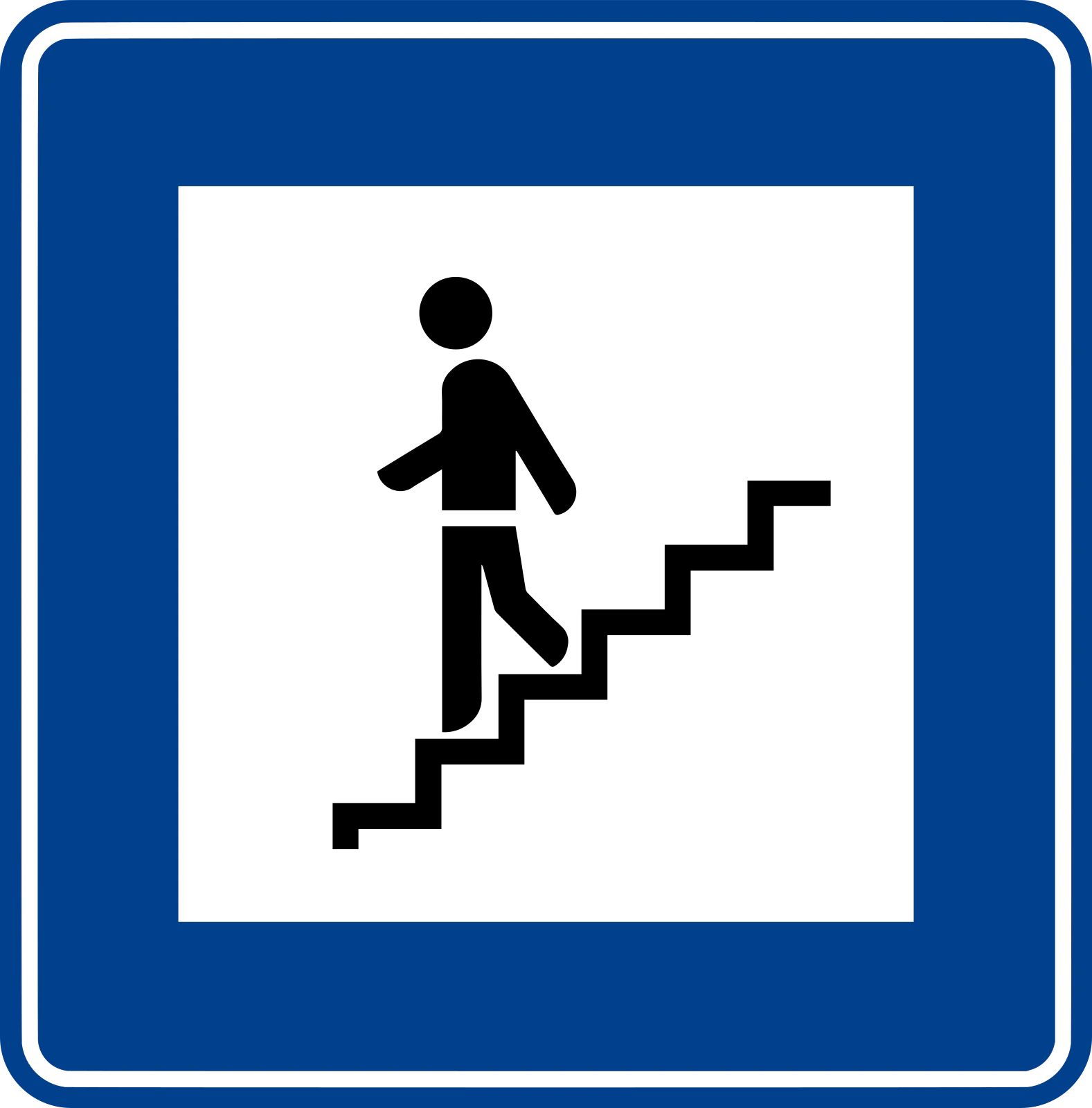
Know the B-45A Pedestrian Underpass sign to navigate safely and plan ahead.
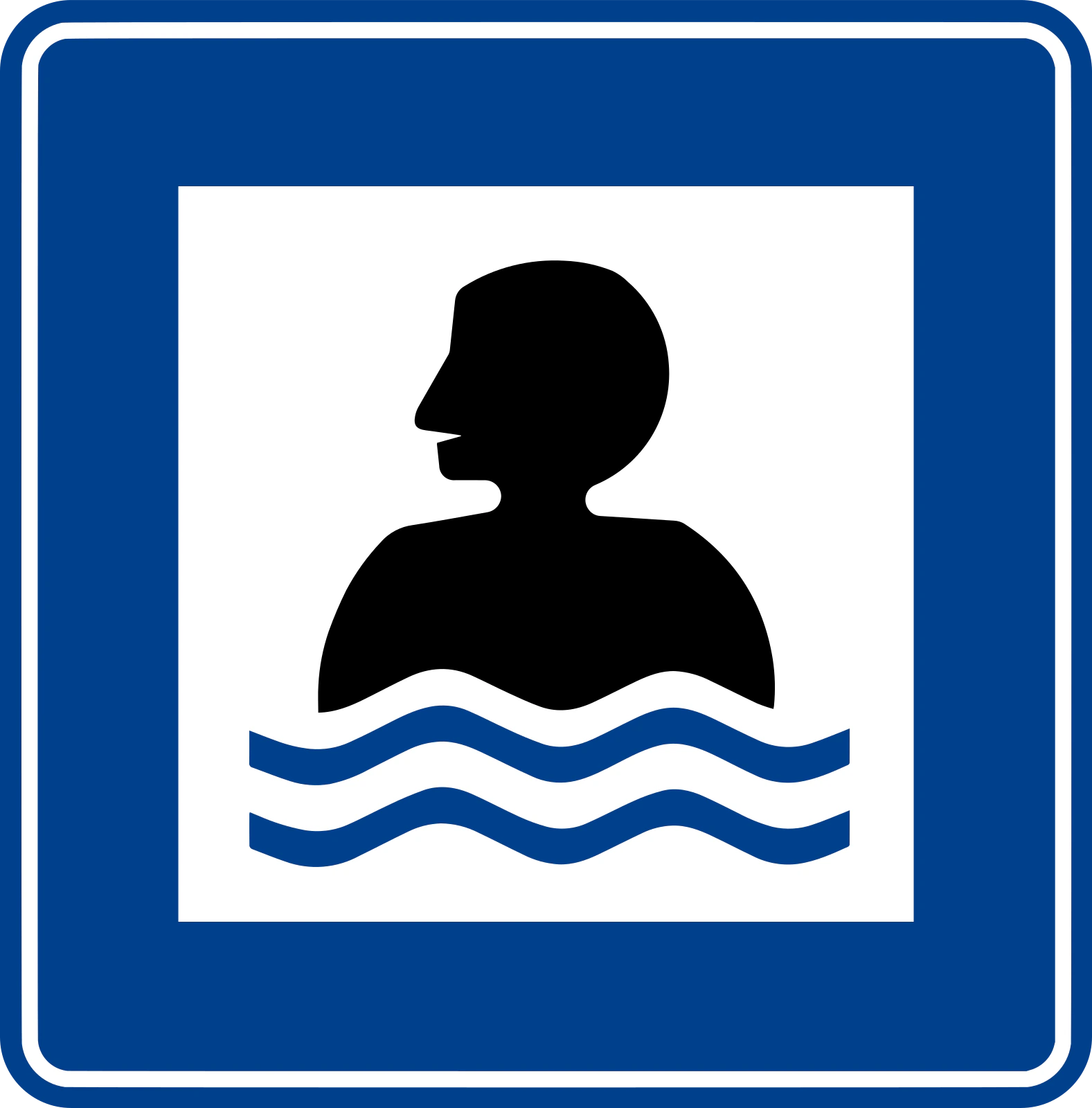
Understand the B-46 'Swimming Pool' Information Sign in Turkey
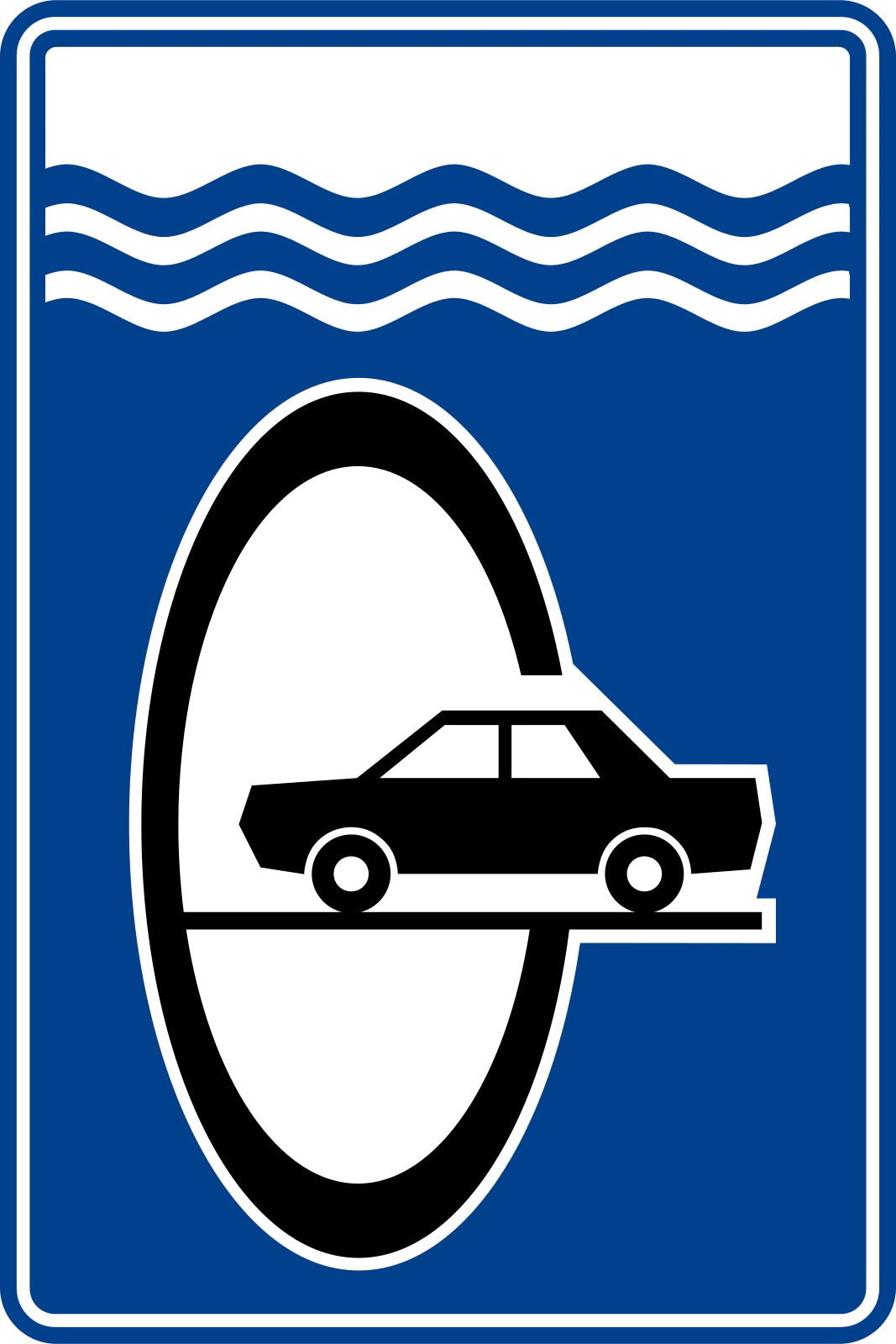
Prepare for the underwater tunnel ahead with the B-49B information sign.
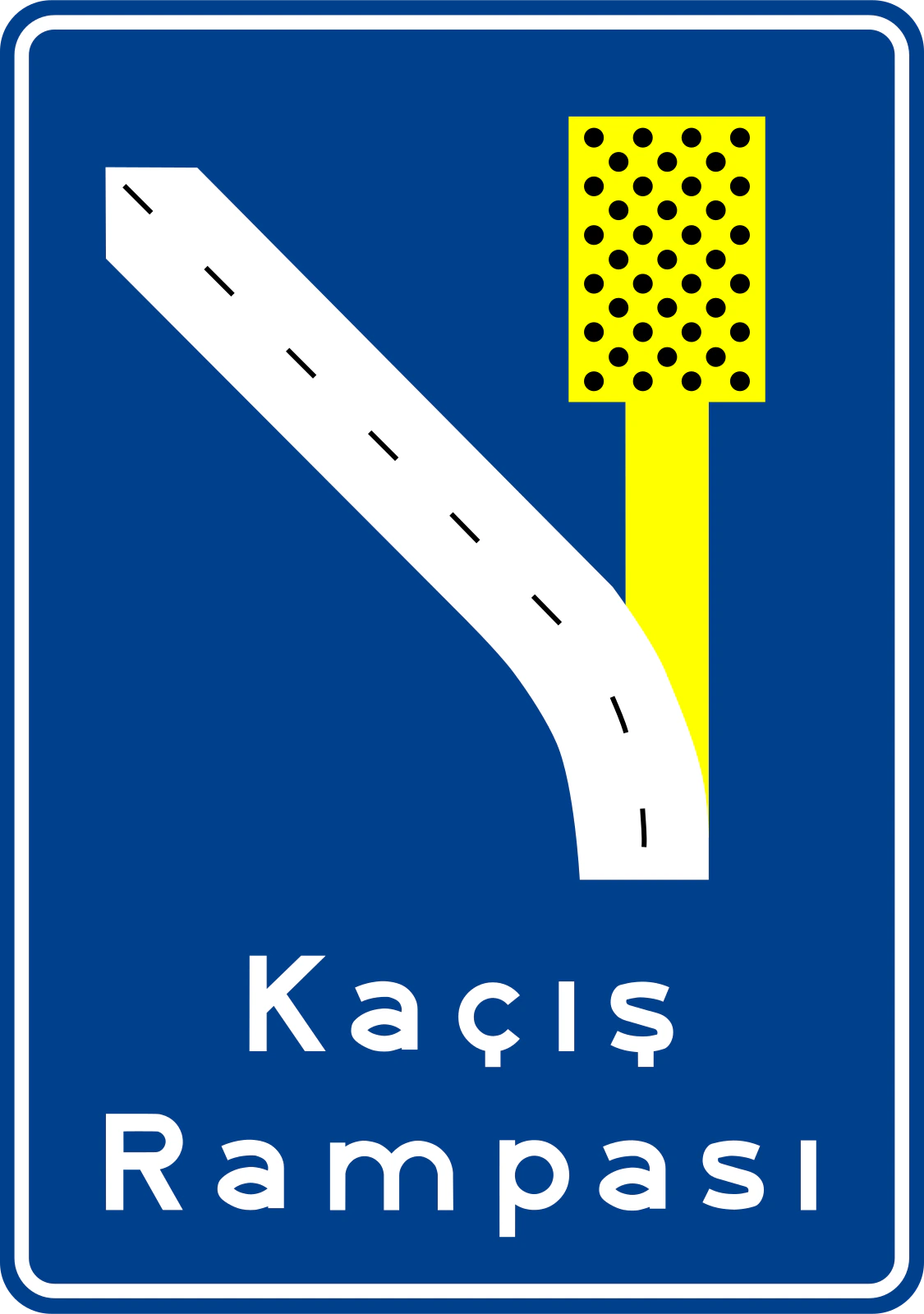
The B-55A Escape Lane sign is an information sign guiding your route choices.
Clear answers to common questions about the Turkey Information Signs road sign category. Use this FAQ to review tricky rules, understand how these signs appear in exam scenarios, and remove confusion that often leads to mistakes in the Turkish driving theory exam in Turkey.
Prohibition signs, usually circular with a red border, tell you what you must not do (e.g., speed limits, no entry). Information signs, often rectangular or square and blue or yellow, provide guidance, indicate services, or describe road conditions and layouts. While prohibition signs are mandatory, information signs are advisory and help you navigate and plan.
A 'Dead End' sign (B-2A/B) indicates that the road ahead does not lead through to another road. You will need to turn around or exit the way you came. It's important to recognise this sign early to avoid getting stuck or needing to perform a U-turn in an unsafe location.
These signs signal the beginning of specific types of roads. An 'Otoyol' (motorway) is a high-speed road for long-distance travel, typically with multiple lanes and strict rules about vehicle types and speed. A 'motor-vehicles-only road' is similar but may have slightly different speed or access regulations. You should prepare to join faster-moving traffic, maintain a safe distance, and be aware of lane discipline.
Generally, information signs are advisory, meaning they provide guidance rather than impose strict rules. However, some information signs relate to mandatory directions or road types. For instance, while a sign for a 'Gas Station' is informational, a sign indicating 'One-way Traffic' (B-16/B-16B) or 'Start of Otoyol' (B-18) directs your movement and dictates the type of road you are on, and thus must be obeyed.
These signs alert you to areas where pedestrians, including vulnerable ones like children, have priority or are expected to cross the road. You must be prepared to stop or slow down and yield to pedestrians at these locations. Always look out for them, especially near schools, parks, or residential areas.
After reviewing these categories, delve into specific sign groups to strengthen your understanding of individual trafik işaretleri. This focused study reinforces your knowledge of Turkish traffic rules and prepares you effectively for the ehliyet sınavı.
Browse Road Sign Categories