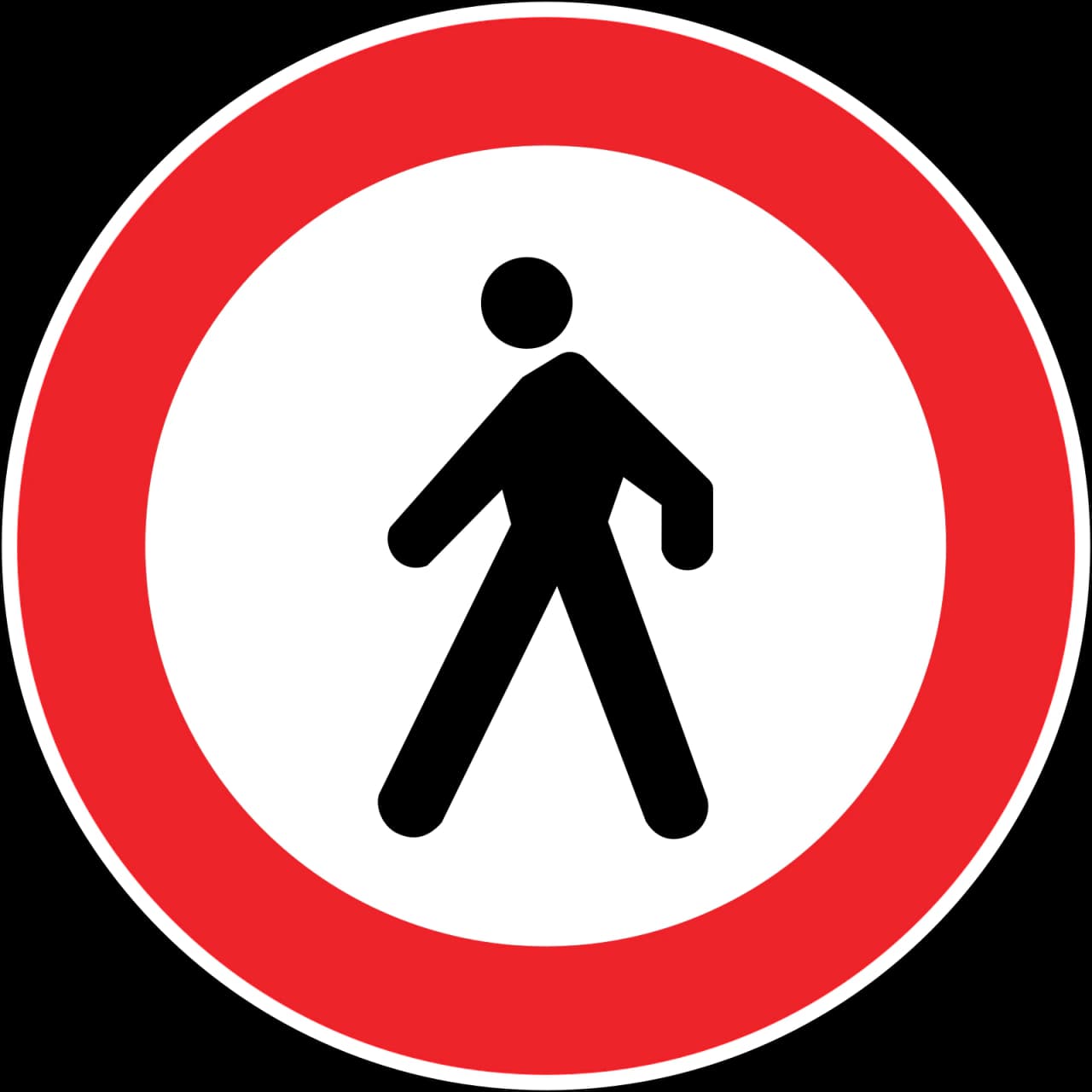
The TT-12 sign in Turkey signifies 'No Pedestrians', indicating that this route or area is strictly off-limits to pedestrians. As a prohibitory traffic sign (TT-12), it's a binding instruction that drivers must respect to ensure safety and order on the roads. Always check for supplementary plates that might specify limitations by vehicle type, distance, time, or direction, and remember that this restriction remains in effect until an end sign appears.
This prohibitory sign, TT-12, clearly forbids pedestrian access to the area ahead, a crucial detail for drivers to note to avoid illegal entry. Understanding its specific meaning is essential for your theory test revision and safe driving in Türkiye.
Prohibitory signs are binding traffic controls used to prevent unsafe or unsuitable movements. This sign may restrict entry, overtaking, turning, pedestrians, vehicle types, vehicle dimensions, weight, speed, dangerous goods, horns, or stopping for controls such as customs. Drivers should identify whether the sign applies to them before entering the controlled point and choose another legal action if it does. Official Turkish sign code: TT-12.
"No pedestrians" tells drivers that a movement, access, vehicle category, vehicle condition, speed, stopping action, or behaviour is prohibited. The restriction applies from the sign unless another sign or plate changes it.
Get clear, practical answers to the most common questions about the TT-12 - No pedestrians road sign. Learn how the sign works, what rules it represents, and how it affects real driving situations. This FAQ strengthens your understanding and supports accurate decision making for the Turkish driving theory exam in Turkey.
The TT-12 'No Pedestrians' sign specifically prohibits pedestrians from entering a particular area or route. While it directly concerns pedestrians, drivers should be aware of it as it might indicate a road unsuitable or unsafe for general pedestrian traffic, or a specific zone where pedestrian presence is forbidden. Drivers must always ensure their driving behaviour aligns with the sign's restriction, even if it doesn't directly apply to their vehicle type.
The TT-12 sign itself prohibits pedestrians. However, supplementary plates attached to the sign can modify the restriction's scope. These plates might limit the prohibition to specific times, directions, vehicle types, or distances. Always read any supplementary information accompanying the TT-12 sign to understand its exact application.
The TT-12 sign is a specific type of prohibitory sign that exclusively addresses pedestrians. Other prohibitory signs can restrict vehicle entry, overtaking, speed, specific vehicle types, or actions like stopping. While all prohibitory signs impose mandatory rules, the TT-12's focus is solely on preventing pedestrians from entering the designated zone or route.
A common mistake is assuming the sign has no relevance to drivers if it says 'No Pedestrians'. Drivers should understand that such signs often denote areas with high-speed traffic, specific industrial zones, or other environments where pedestrian presence is unsafe. Another mistake is ignoring the sign if other drivers seem to disregard it or if there's no obvious hazard; always adhere to official signs until an end sign is displayed.
In Turkey, the TT-12 sign is part of the 'prohibitory signs' category, which are binding traffic controls designed to prevent unsafe or unsuitable movements. Understanding and obeying these signs is crucial for passing the ehliyet sınavı (driving licence exam) and for safe driving in Türkiye. The TT-12 specifically highlights areas where pedestrian access is forbidden, contributing to overall traffic order and safety.
A clear reference image of the TT-12 - No pedestrians road sign used in Turkey.
The TT-12 - No pedestrians road sign may also be known by these alternative names or terms.
The TT-12 - No pedestrians road sign is part of the Turkey Prohibitory Signs category, which groups together signs with similar rules and functions.
Comparing closely related traffic signs like 'No Pedestrians' with similar prohibitory controls aids memory and reduces confusion during your theory test revision. Sharpen your sign recognition skills by reviewing these distinctions to ensure you understand all Turkish road signs for your ehliyet sınavı.
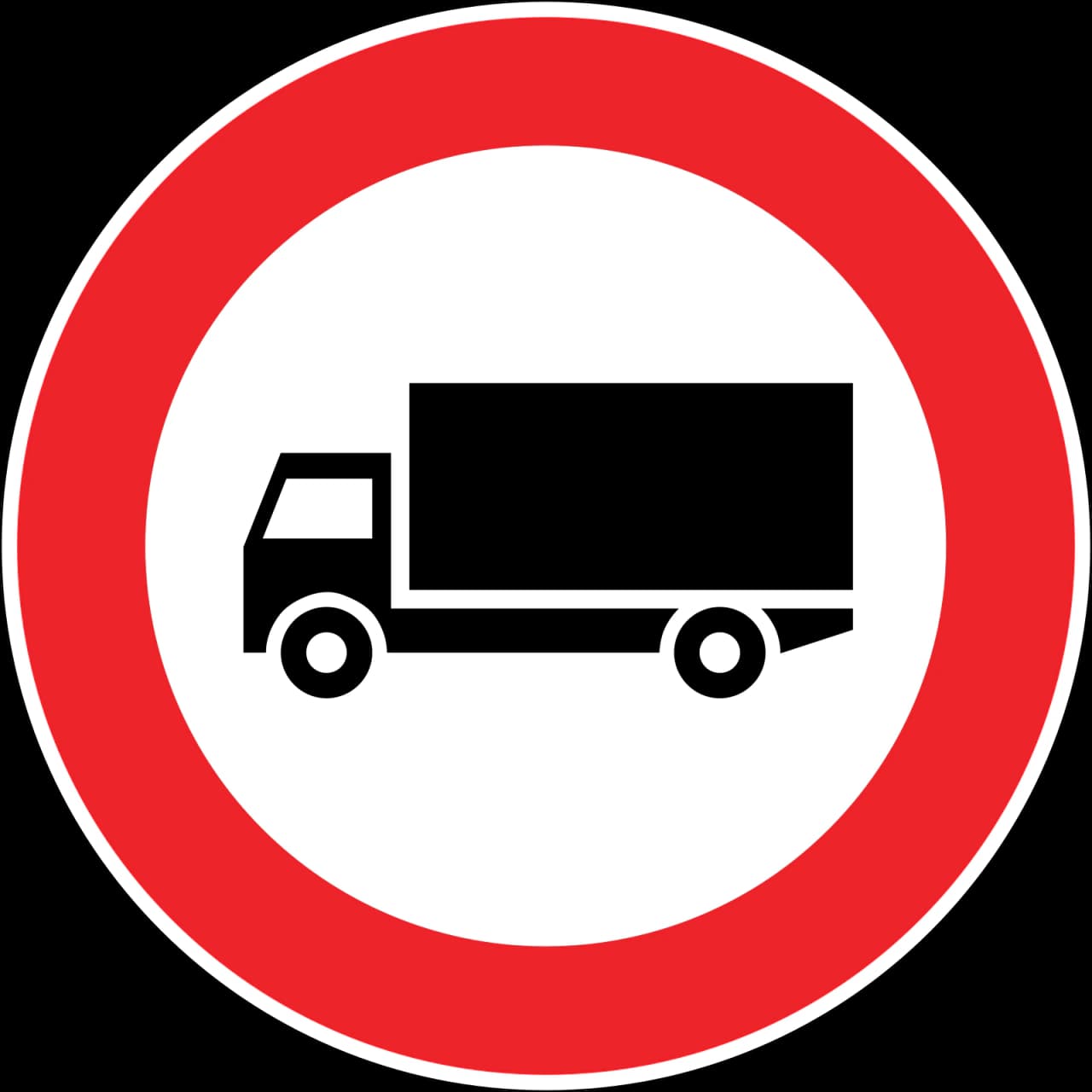
Understand the TT-10A 'No Trucks' Prohibitory Road Sign in Turkey
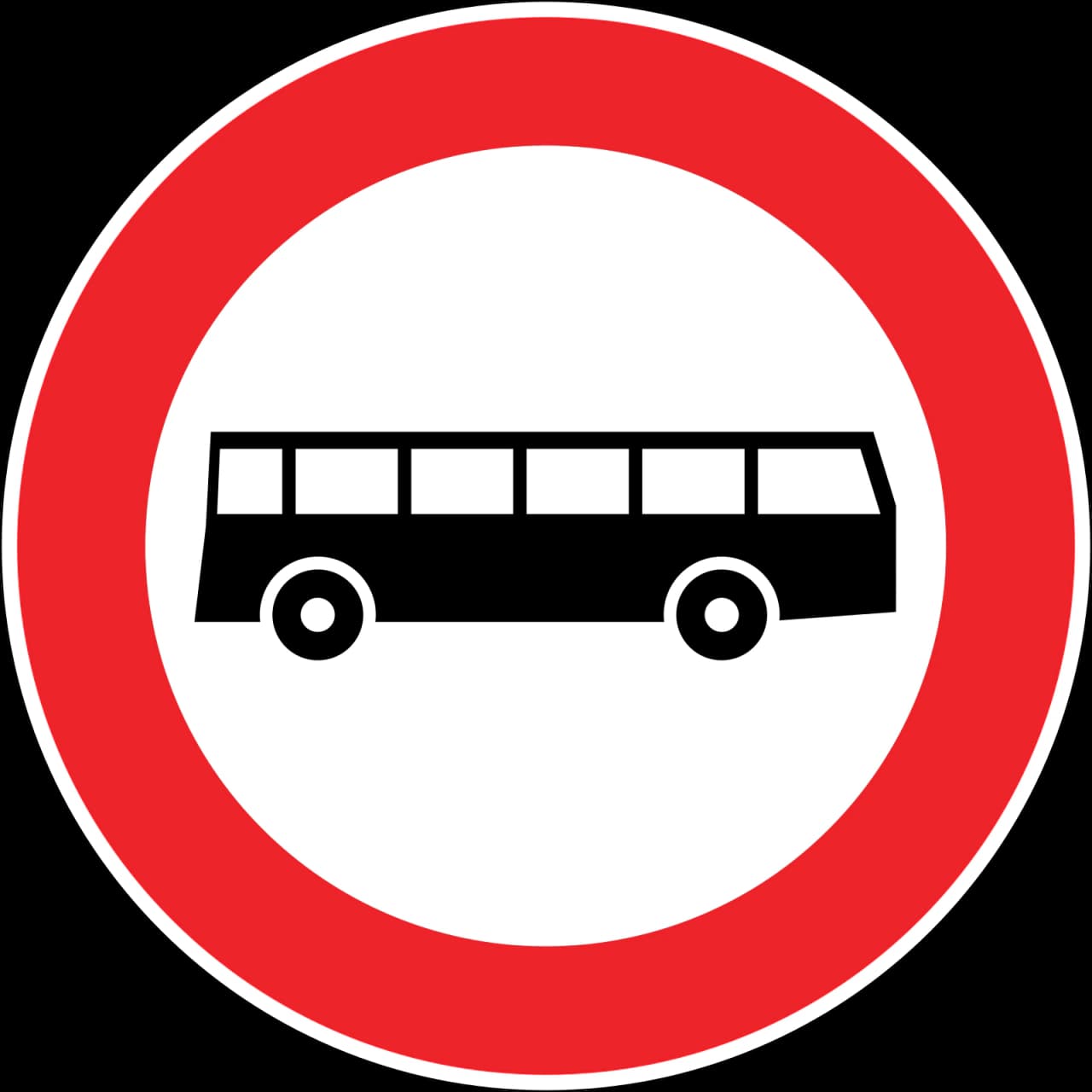
Understand the TT-10B 'No Buses' Prohibitory Sign in Turkey
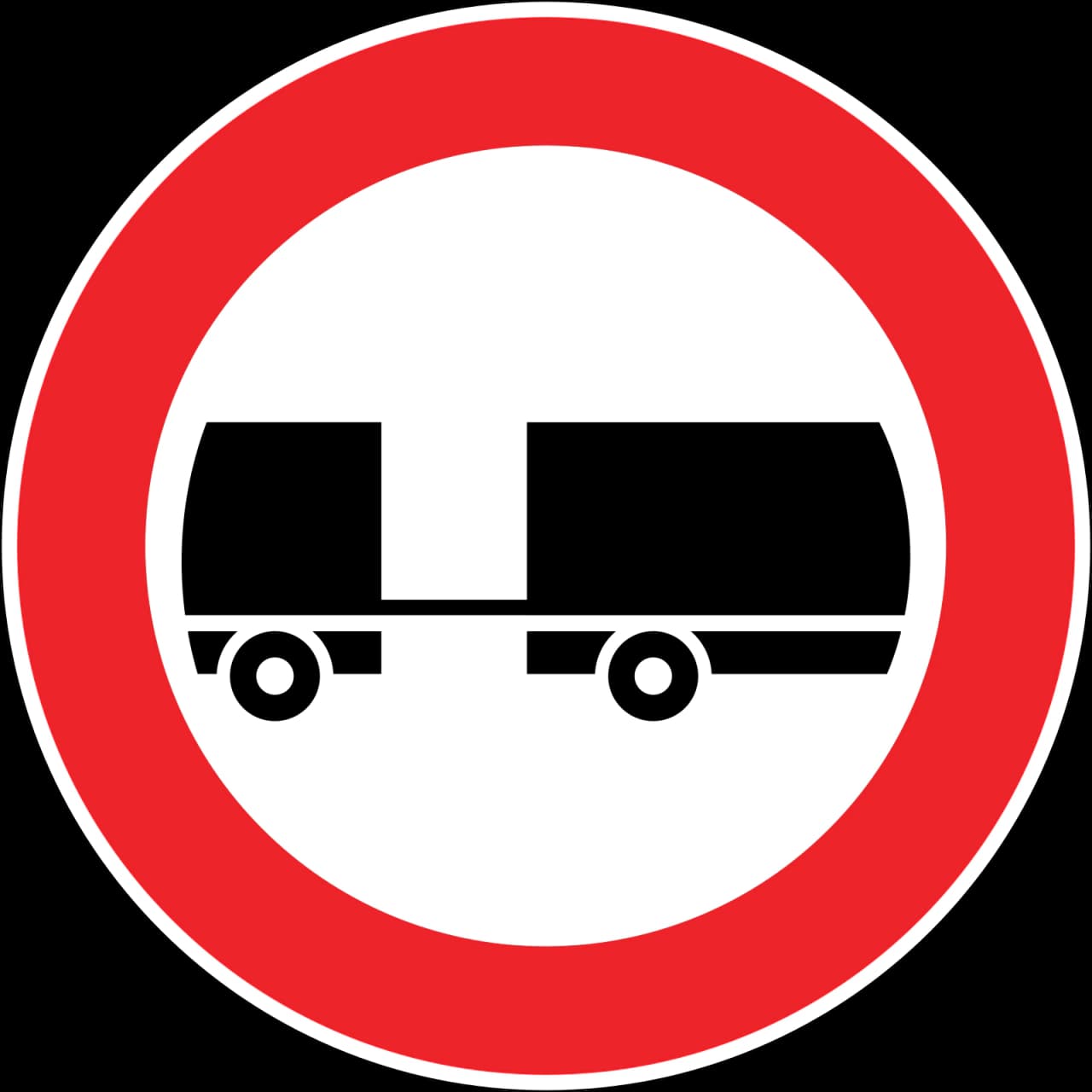
TT-11: No Trailers Sign - Important Prohibitory Traffic Control
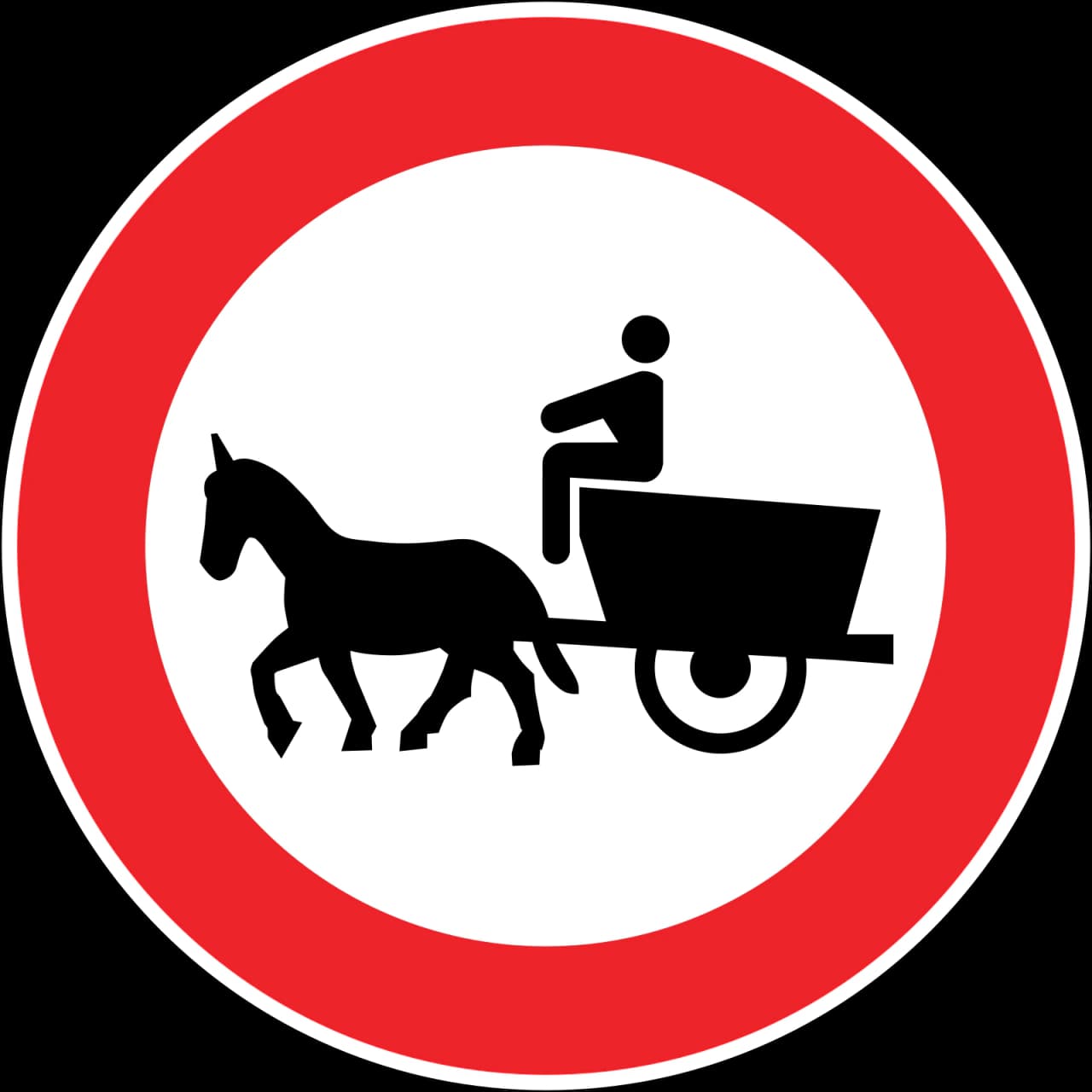
Understand the TT-13 'No Animal-Drawn Vehicles' Prohibitory Sign in Turkey
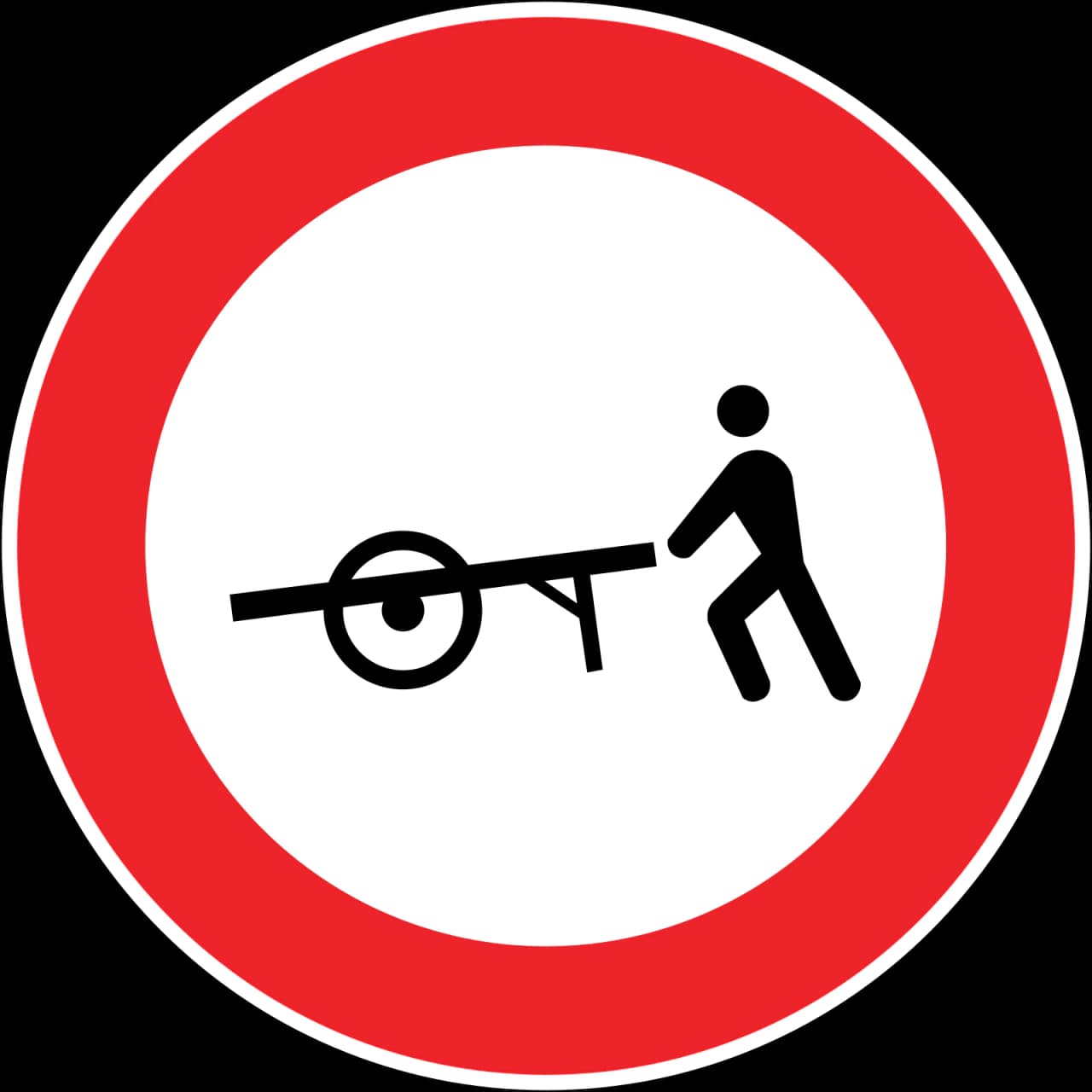
The TT-14 'No Handcarts' sign means handcarts are prohibited from this area.
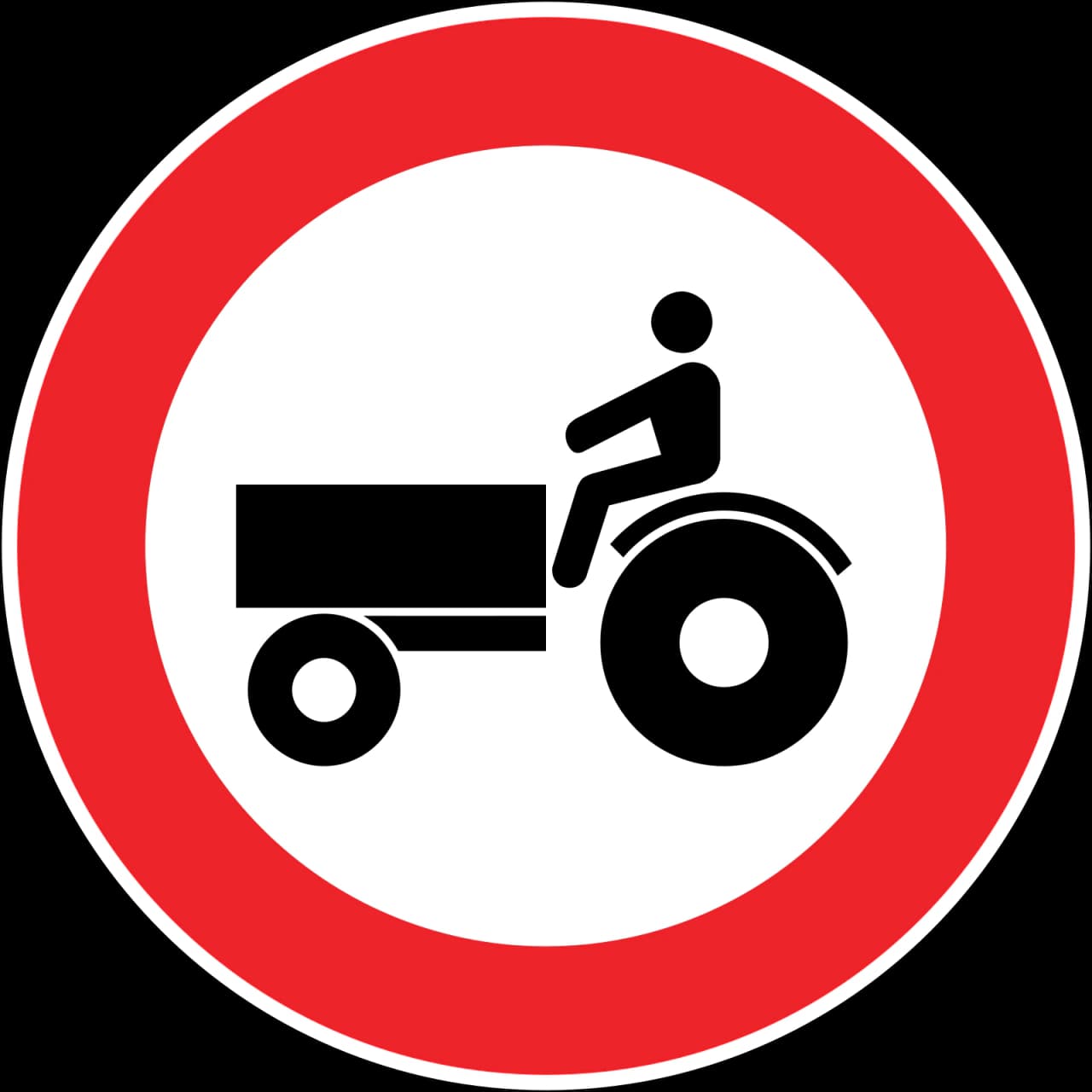
The TT-15 'No Tractors' sign means tractors are prohibited from entering or proceeding.
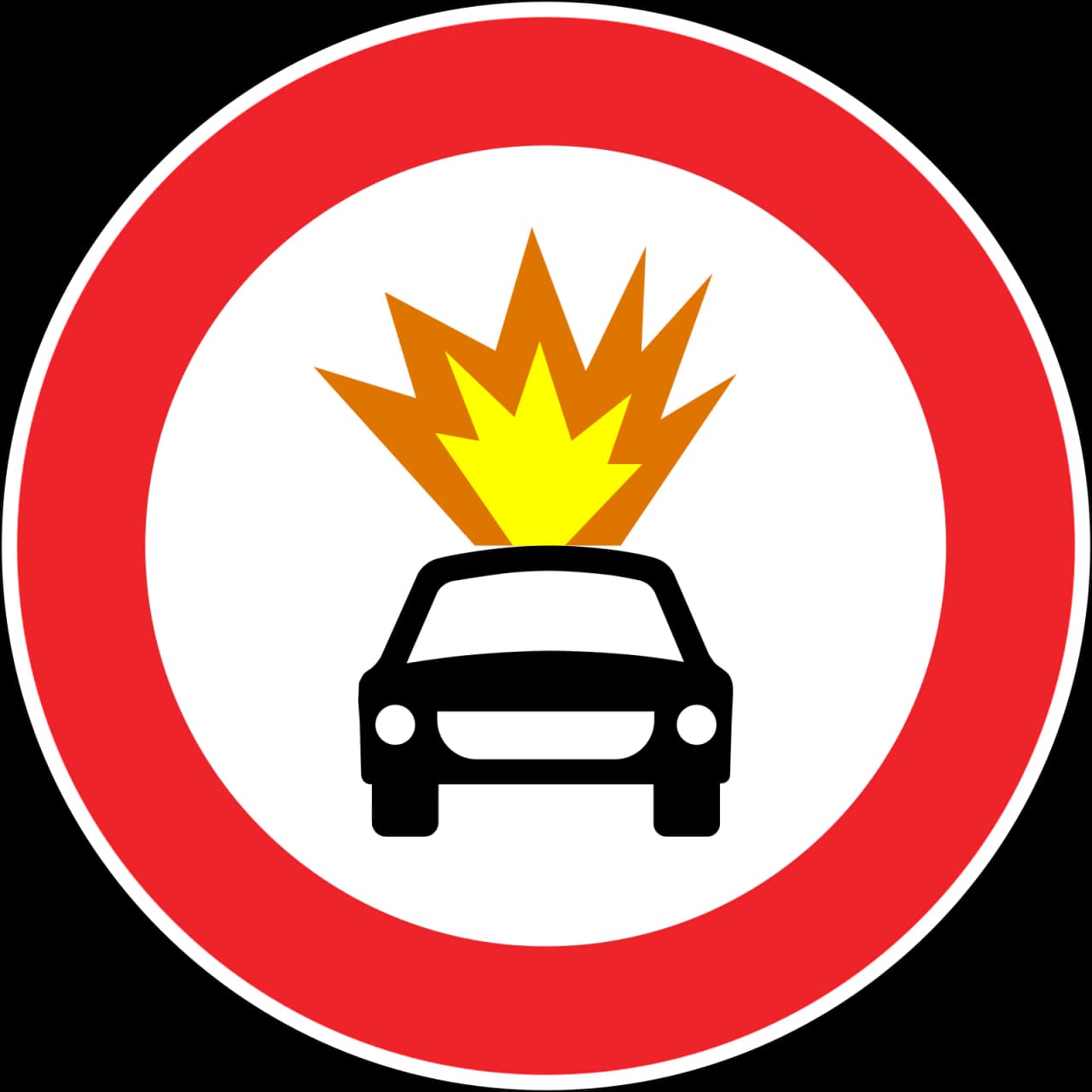
TT-16A: No entry for vehicles carrying explosive substances.
After reviewing the full list of Turkish road signs, dive deeper into specific categories or test your knowledge with practice questions. Further study will solidify your understanding of trafik işaretleri for your ehliyet sınavı success.
View All Turkish Road Signs