
This lesson details the critical safety gear required for moped and light quadricycle riders on Great Britain roads. It builds upon your understanding of vehicle responsibility by focusing on how to choose effective protective clothing that minimizes injury risk and meets safety standards.

Lesson content overview
Riding a moped or light quadricycle, even at lower speeds typical for Category AM vehicles, exposes riders to inherent risks. While helmets are legally mandatory, a comprehensive range of additional protective clothing and gear significantly reduces the severity of injuries in the event of a fall or collision. This lesson, part of the Great Britain AM Licence Theory Course, delves into the specific types of protective equipment recommended for your safety, balancing protection, comfort, and visibility on UK roads.
The physics of a fall from a small vehicle dictate that your body will make contact with the road surface at speed. This can lead to two primary types of injury: abrasions (often called "road rash") from sliding along the asphalt, and impacts from hitting obstacles or the ground. Without adequate protection, these can result in severe skin damage, fractures, and internal injuries.
Appropriate protective gear acts as a crucial barrier, absorbing and distributing impact forces and resisting the friction of a slide. While not all protective items are legally required for AM riders, adhering to best practice safety recommendations from organisations like the Driver and Vehicle Standards Agency (DVSA) is paramount for safeguarding your well-being. This lesson builds upon your understanding of helmet standards and fit (Lesson 2.1) and complements knowledge about visibility (Lesson 2.3) and vehicle control (Lesson 5), forming a holistic approach to rider safety.
Effective protective clothing is designed around several core principles that work together to minimise injury. Understanding these principles helps in making informed decisions when selecting your gear.
Abrasion resistance refers to a material's ability to withstand wear and tear caused by frictional contact with rough surfaces, such as tarmac, during a slide. When a rider falls and slides, unprotected skin can be severely damaged by friction and heat. Highly abrasion-resistant fabrics and materials are engineered to delay or prevent this damage, offering a crucial layer of defence against severe skin loss and underlying tissue injury.
Impact protection involves the use of specially designed inserts, known as armour, placed in strategic areas of protective gear. These rigid or semi-rigid plates are typically made from foams or plastics and are designed to absorb and dissipate kinetic energy upon impact. Their purpose is to limit the force transmitted to bones, joints, and vital organs during a collision or fall, significantly reducing the risk of fractures and internal injuries.
For protective gear to be effective, it must fit correctly. Gear that is too loose can shift during an incident, causing armour to misalign and leave vulnerable areas exposed. Conversely, gear that is too tight can restrict movement, impairing a rider's ability to control their vehicle safely. A snug yet comfortable fit ensures that armour stays in place and that the rider maintains a full range of motion for effective vehicle operation. Adjustable closures, articulated sections, and ergonomic designs are key features that facilitate a proper fit.
Riders need to wear protective gear consistently, regardless of weather conditions. This means gear must offer a balance of protection, comfort, and weather resistance. Waterproof and breathable membranes, such as Gore-Tex®, are crucial for keeping riders dry in rain while allowing perspiration to escape, preventing overheating. Removable thermal liners allow jackets and trousers to adapt to varying temperatures, encouraging year-round use of protective clothing.
Being seen by other road users is fundamental to rider safety. Protective clothing can significantly enhance a rider's conspicuity through the integration of high-visibility colours and reflective materials. Fluorescent colours (such as orange, yellow, or red) stand out in daylight, while retro-reflective elements reflect light from vehicle headlights, making a rider much more visible in low-light conditions or at night. This proactive approach to visibility directly reduces the risk of collisions.
The effectiveness of protective gear diminishes over time if not properly cared for. Regular cleaning, inspection for damage, and timely replacement of worn or compromised components are essential for maintaining the gear's protective performance. Degradation of materials, damage to stitching, or cracks in armour inserts can compromise safety ratings, providing a false sense of security. Following manufacturer care instructions ensures that your equipment continues to offer optimal protection throughout its lifespan.
A complete set of protective gear for moped and light quadricycle riders encompasses several distinct components, each serving a critical function.
Your outerwear forms the primary defence against abrasion. Jackets and trousers designed for riding are specifically constructed to resist friction and tearing.
Common abrasion-resistant materials include:
When selecting jackets and trousers, look for items specifically marketed for motorcycle or scooter use, as fashion garments often lack the necessary protective weaving and material density.
Your riding jacket should cover your torso and arms completely, ideally overlapping with your trousers to prevent exposed skin. Trousers should similarly cover your legs fully. Both should be designed with strong, reinforced seams that won't easily burst upon impact.
Armour inserts are designed to mitigate the forces of impact. These are often removable, allowing for flexibility in cleaning and replacement.
Key areas for armour placement include:
Always ensure armour inserts are securely positioned within their dedicated pockets and that they do not shift around when you move. Proper placement is vital for effective protection.
Impact armour must meet specific European standards (EN 1621) to be considered CE-certified. These standards define the levels of impact energy absorption.
While not legally mandatory, the DVSA strongly recommends the use of CE-certified armour for AM riders to significantly reduce injury risk.
Your hands are often the first part of your body to make contact with the ground in a fall, and they are critical for vehicle control. Protective gloves are essential for safeguarding them.
Gloves vary based on climate and protection needs:
Look for gloves that:
Feet and ankles are highly vulnerable to impact, crushing, and twisting injuries in a crash. Proper protective boots offer crucial support and defence.
Regular trainers or fashion boots lack the specific protective features needed for riding. Motorcycle boots are designed to:
When choosing boots, consider:
Never ride a moped or light quadricycle in sandals, flip-flops, or regular trainers. These offer virtually no protection in a fall and can even become a hazard by slipping off your feet.
Beyond protecting you in a crash, gear plays a vital role in preventing one by making you more visible to other road users. This is known as conspicuity.
Highway Code Rule 170 explicitly states that riders of two-wheeled motor vehicles should wear fluorescent or other bright material in daylight and reflective material at night. This is particularly important for AM riders who may often share roads with larger, faster vehicles.
While some aspects of protective clothing are advisory, others are mandatory under specific conditions, as outlined by the Highway Code and DVSA guidance.
Highway Code Rule 170 mandates the wearing of high-visibility clothing when riding in low-light conditions or on roads without adequate lighting. This is a legal requirement designed to reduce the risk of collisions by making riders more conspicuous to other road users. Failure to comply could be seen as contributory negligence in the event of an accident.
The DVSA strongly advises all riders, including those on Category AM vehicles, to wear comprehensive protective clothing. This includes CE-certified abrasion-resistant garments, impact armour, sturdy gloves, and appropriate boots. While these specific items are not legally mandatory for everyday riding, they represent the established best practices for rider safety and injury prevention. Adhering to these recommendations demonstrates a responsible attitude towards safety.
Although full protective gear is often advisory for AM riders, the legal and safety rationale behind it is clear: it significantly reduces injury severity and enhances road safety.
When purchasing protective gear, always look for CE (Conformité Européenne) markings. This indicates that the product meets the essential health and safety requirements of European directives. For armour, specifically look for EN 1621-1 (for limb protectors) or EN 1621-2 (for back protectors) ratings, followed by Level 1 or Level 2. This ensures the gear has been tested and certified to provide a measurable level of protection.
Choosing and using your protective gear effectively involves adapting it to various conditions.
Regular maintenance prolongs the life and effectiveness of your gear.
Cleaning: Follow manufacturer's instructions carefully. Use mild detergents and avoid harsh chemicals that can degrade materials or compromise waterproof membranes. For leather, use specialised leather cleaners and conditioners.
Inspection: Regularly check for tears, loose stitching, worn-out materials, and the condition of reflective elements. Inspect armour inserts for cracks, deformation, or excessive wear.
Replacement: Armour inserts have a service life, typically 2-5 years, and must be replaced after any significant impact, even if no visible damage is apparent. Materials can degrade over time, losing their protective qualities.
Let's consider how protective gear principles apply in different riding situations.
Imagine you are commuting home on your moped as dusk settles and fog begins to roll in. You are wearing your standard dark riding jacket and trousers.
Consider a scenario where you unexpectedly hit a patch of gravel and lose control, resulting in a low-speed slide. You were wearing a CE-certified Cordura jacket with Level 1 armour in the elbows and shoulders, along with reinforced riding jeans and sturdy boots.
It's a hot summer day, and you're planning a ride. You are tempted to wear just a T-shirt and shorts for comfort.
Comprehensive protective clothing is an indispensable element of safe riding for all Category AM moped and light quadricycle users. While some items are legally mandated (like helmets), the full suite of gear – comprising abrasion-resistant jackets and trousers, CE-certified impact armour, protective gloves, and sturdy boots – is strongly recommended by the DVSA and the Highway Code as best practice for injury prevention.
Key principles guiding gear selection include material strength (e.g., Cordura®, leather, aramid fibres), certified impact protection (EN 1621 standards, Level 1 or 2 armour), a secure and mobile fit, and suitability for varying weather conditions. Crucially, integrating high-visibility colours and reflective elements into your outfit significantly enhances your conspicuity, especially in low-light environments, making you safer on the roads. Regular maintenance, including cleaning, inspection, and timely replacement of damaged components, ensures your gear remains effective throughout its lifespan. By embracing these protective measures, AM riders can significantly reduce the risk and severity of injuries, fostering confidence and promoting safer riding experiences on Great Britain's roads.
Explore all units and lessons included in this driving theory course.
Lesson content overview
Explore all units and lessons included in this driving theory course.
Explore search topics learners often look for when studying Protective Clothing and Gear for Small Vehicles. These topics reflect common questions about road rules, driving situations, safety guidance, and lesson level theory preparation for learners in Great Britain.
Browse additional driving theory lessons that cover connected traffic rules, road signs, and common driving situations related to this topic. Improve your understanding of how different rules interact across everyday traffic scenarios.
Understand the specific safety standards and CE certifications for protective jackets, trousers, gloves, and boots essential for AM licence riders in Great Britain. Learn how to identify gear that meets DVSA recommendations for optimal rider protection and injury prevention.
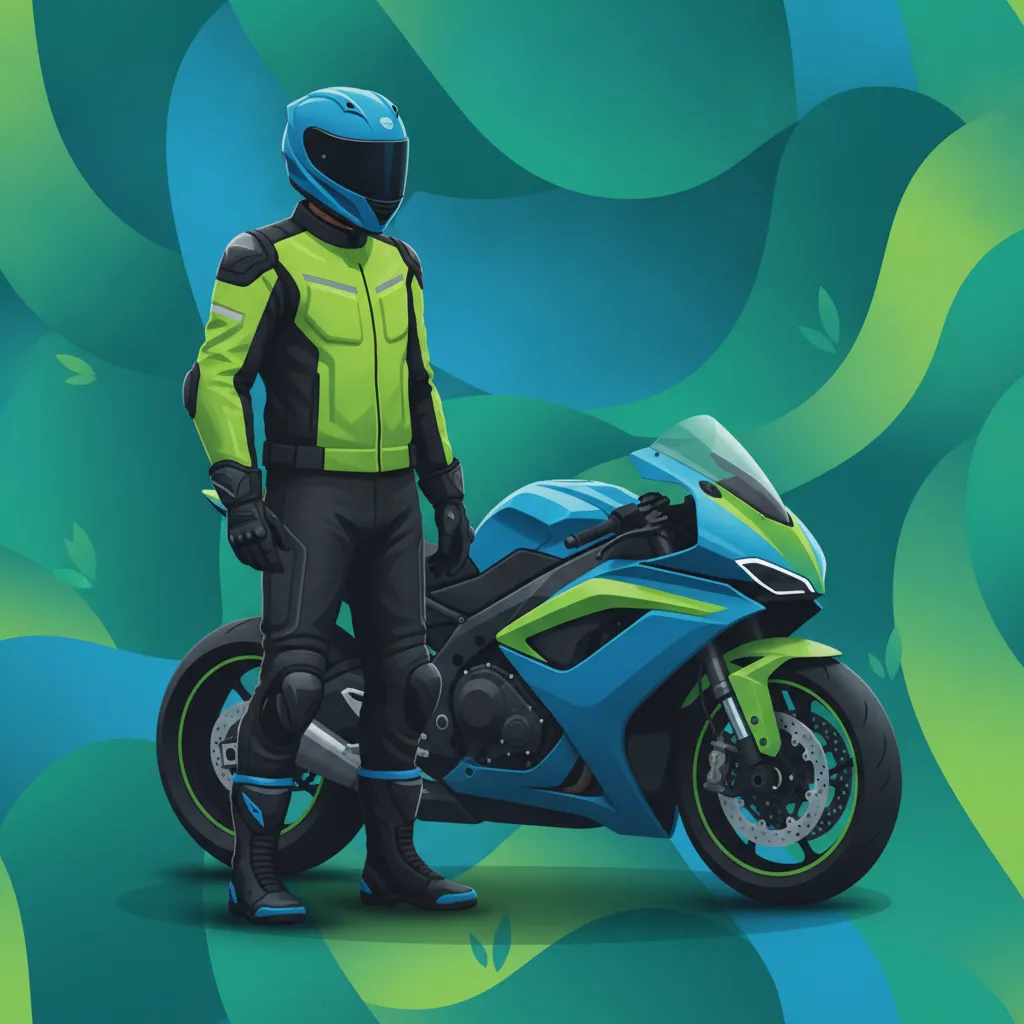
This lesson covers the range of personal protective equipment (PPE) beyond the helmet. It explains the functions of specialized jackets, trousers, gloves, and boots in protecting a rider from impact and abrasion. You will learn about CE ratings for armour and materials, helping you make informed choices about gear that enhances safety in all weather conditions.

This lesson details the importance of wearing a legally compliant and correctly fitted motorcycle helmet. It explains UK and European safety standards (like ECE 22.06), the different types of helmets available, and how to check for a secure fit. You will also learn about helmet maintenance, visor regulations, and when a helmet should be replaced to ensure it remains effective.

This lesson details the mandatory helmet safety standards in Great Britain, focusing on ECE certification marks and the functional differences between full-face and open-face designs. It provides practical guidance on how to select the correct size and achieve a proper fit, ensuring the chin strap and internal padding provide optimal protection. You will also learn about crucial maintenance, including regular inspection and knowing when to replace your helmet to ensure continued safety and legal compliance.
Explore the Highway Code requirements for wearing high-visibility clothing and the importance of reflective elements for AM riders. Learn how to stay seen in various light and weather conditions to enhance safety on UK roads.
This lesson details the legal requirements and best practices for using lights and reflectors on your moped or light quadricycle. It covers the correct operation of headlamps, daytime running lights, brake lights, and indicators to communicate your intentions clearly to other road users. You will also learn how to enhance your visibility further with strategically placed reflectors and reflective tape, ensuring you remain conspicuous in low-light conditions and compliant with British lighting regulations.

A key aspect of motorcycle safety is being seen by others. This lesson teaches techniques to increase your conspicuity on the road. Topics include the strategic use of high-visibility and reflective clothing, correct use of headlights and daytime running lights, and adopting lane positions that place you in the direct line of sight of other drivers.

This lesson teaches strategic road positioning techniques to maximize your visibility and safety in traffic. You will learn how to choose the correct lane position to avoid the blind spots of larger vehicles and how to communicate your intentions through predictable riding. Key skills covered include effective use of shoulder checks, making eye contact with drivers, and maintaining a safe following distance, all of which are crucial for defensive riding on British roads.

This lesson focuses on the challenges of riding when you can't see or be seen clearly. It covers the correct use of lights in fog, rain, and at night to maximize both your vision and your visibility to others. You will learn why reducing speed is critical, how to use reflective clothing effectively, and strategies for dealing with the glare from other vehicles' headlights to ensure you can navigate safely in all lighting conditions.

This lesson provides essential techniques for safe riding during nighttime and in poor visibility conditions like dawn or dusk. It covers the correct use of your headlamp's main and dipped beams, strategies for reducing glare from oncoming traffic, and the critical role of reflective clothing. You will also learn how to identify common nighttime hazards and manage fatigue, ensuring you can navigate British roads safely after dark while complying with all relevant road rules.
This lesson focuses on the specific obligations a motorcyclist has according to the Highway Code. It emphasizes the legal duty of care towards other road users, pedestrians, and the environment. You will learn how to apply key rules on speed, lane positioning, and signalling from a rider's perspective to ensure safety and legal compliance.

This lesson outlines the fundamental responsibilities of an AM driver on British roads, focusing on adherence to the Highway Code and cultivating a safety-first mindset. You will learn the principles of defensive riding, the importance of being visible to others, and the need to protect vulnerable road users like pedestrians and cyclists. The content also covers legal duties such as vehicle maintenance and conducting risk assessments before every journey to promote responsible road behaviour.

Fog dramatically reduces how far you can see and be seen. This lesson explains why you must reduce your speed and increase your following distance in foggy conditions. It also covers the legal requirements and best practices for using your headlights and fog lights to maximize your visibility to others without dazzling them.

This lesson teaches riders how to be constantly aware of blind spots to prevent collisions. You will learn the importance of the 'lifesaver' shoulder check before changing position, turning, or moving off. The content emphasizes active visual scanning of the road ahead and around you, along with developing the judgment needed to accurately assess traffic speed and create safe gaps for maneuvering in various traffic situations.

This lesson highlights why motorcyclists are considered vulnerable road users. It covers the increased risk of serious injury in a collision due to lack of physical protection compared to car occupants. You will learn about common visibility challenges and how to adopt proactive, defensive strategies to mitigate risks and anticipate potential hazards on the road.
Find clear answers to common questions learners have about Protective Clothing and Gear for Small Vehicles. Learn how the lesson is structured, which driving theory objectives it supports, and how it fits into the overall learning path of units and curriculum progression in Great Britain. These explanations help you understand key concepts, lesson flow, and exam focused study goals.
While the law mandates wearing an approved helmet, it does not legally force riders to wear specific protective jackets or trousers. However, the Highway Code and the DVSA strongly recommend wearing abrasion-resistant, high-visibility clothing to minimize injury in the event of a fall.
Look for gloves that cover the entire hand and wrist, preferably made from leather or abrasion-resistant synthetic materials. They should provide protection for the palms and knuckles without compromising your ability to operate the throttle, brakes, and indicators.
Sturdy boots that cover the ankle are essential to protect against impact and road rash. Trainers or sandals are highly discouraged as they provide no stability or protection during a collision and can get tangled in the pedals or controls.
Armor inserts in jackets and trousers are designed to absorb the energy of an impact, protecting critical areas like the shoulders, elbows, back, and knees. This significantly reduces the risk of fractures and severe contusions if you fall.
Dive into our comprehensive question bank to find exactly what you need for your Great Britain theory test. Use our advanced filters to pinpoint specific subjects or test your knowledge on challenging areas, ensuring you're fully prepared for success.