

Driving Theory
Learn with British Theory Courses

GB Goods Vehicle Theory: Trailer Coupling and Decoupling Procedures

Trailer Coupling and Decoupling Procedures lesson overview image

This lesson provides a step-by-step, safety-critical guide to the procedures for coupling and decoupling a semi-trailer. It details the inspection of the fifth-wheel mechanism, the secure connection of air and electrical lines (suzies), and the correct sequence for raising and lowering the trailer landing gear. Performing a 'tug test' to confirm a secure connection is highlighted as a final, non-negotiable safety check before moving off with the trailer.

Category CTrailer CouplingHGV SafetyTheory Test PrepDVSA StandardsVehicle Maneuvers
GB Goods Vehicle Theory curriculum

Part of the full GB Goods Vehicle Theory curriculum

The Trailer Coupling and Decoupling Procedures lesson belongs to the structured GB Goods Vehicle Theory curriculum, a complete learning program designed to help learners in Great Britain master every key topic required for the British driving theory exam. By studying this lesson, you continue building the knowledge, traffic awareness, and exam readiness developed throughout the units of the curriculum.
category CHGV theorytruck licencegoods vehicleDVSA examGreat Britain drivingload securityvehicle dimensionsprofessional drivertheory course
GB Goods Vehicle Theory curriculum image

Professional Goods Vehicle Theory for Great Britain - Category C Licence

Prepare thoroughly for your professional driving career with our comprehensive curriculum for the Category C goods vehicle licence in Great Britain. This course covers the extended principles of the Highway Code, regulations on vehicle dimensions and weight, cargo security protocols, and advanced hazard perception. By studying these materials, you will gain the knowledge needed to meet the high standards set by the DVSA and operate large goods vehicles safely and efficiently on roads in England, Scotland, and Wales.

9 units45 lessons
View curriculum

Why the Trailer Coupling and Decoupling Procedures lesson matters

The Trailer Coupling and Decoupling Procedures lesson explains one of the most important subjects in the Lane Use, Turning, Reversing, Manoeuvring and Trailer Awareness unit of the GB Goods Vehicle Theory curriculum. It focuses on essential exam content that every learner in Great Britain needs for the British driving theory exam. Through clear explanations, practical examples, and real traffic situations, this lesson helps you understand how the rules work in practice and strengthens your overall exam preparation.

Browse curriculum
Learning objectives

What you will learn in the Trailer Coupling and Decoupling Procedures lesson

Identify the correct systematic procedure for coupling a semi-trailer to an HGV.
Understand the safety function of the fifth-wheel locking mechanism.
Describe the step-by-step process for connecting and disconnecting air and electrical lines correctly.
Perform and explain the purpose of the tug test as a final safety check.
Recognize the risks associated with improper landing gear operation or incomplete connections.
What you will gain

What you will understand after completing the Trailer Coupling and Decoupling Procedures lesson

After completing this lesson, you will have a clear, step-by-step understanding of the procedures required to safely couple and decouple a semi-trailer. You will be able to identify the specific components of the fifth-wheel system and understand the dangers of a 'false coupling,' allowing you to approach theory exam questions with confidence and precision.

Beyond the theory test, these skills are critical for your real-world professional career. You will understand how to systematically verify that all connections, including suzies and safety pins, are secure before moving off. This knowledge helps you avoid costly errors, protects your cargo and equipment, and ensures you remain compliant with the high safety standards expected of professional drivers in Great Britain.

Start reading topics
What you will understand after completing the Trailer Coupling and Decoupling Procedures lesson
Learners who benefit the most from the Trailer Coupling and Decoupling Procedures lesson
Who should study this

Learners who benefit the most from the Trailer Coupling and Decoupling Procedures lesson

This lesson is ideal for learners preparing for the Category C theory test who need to master vehicle-specific maneuvers. It is especially useful for those transitioning from smaller vehicles to articulated goods vehicles who want to ensure they meet professional safety standards.

View all lesson topics
Questions

FAQs about the Trailer Coupling and Decoupling Procedures lesson

Find answers to common questions about the Trailer Coupling and Decoupling Procedures lesson, including how it connects to the Lane Use, Turning, Reversing, Manoeuvring and Trailer Awareness unit and the full GB Goods Vehicle Theory curriculum. Learn how long the lesson takes, what topics it covers, and how it supports your preparation for the driving theory exam in Great Britain.

Why learners trust the Trailer Coupling and Decoupling Procedures lesson

Why learners trust the Trailer Coupling and Decoupling Procedures lesson

The Trailer Coupling and Decoupling Procedures lesson is designed to make complex driving theory topics easier to understand. Content is written in a clear and practical way, aligned with exam expectations in Great Britain, and supported by examples that reflect real traffic situations. Whether you are reviewing or starting from scratch, this lesson helps you study efficiently and make steady progress inside the GB Goods Vehicle Theory curriculum.

Covers all important concepts linked to this lessonCreated using exam relevant topics from Great BritainEvery topic explained using real world traffic situationsLesson layout that guides you step by stepReflects the latest rules required for the driving theory examStrengthens your preparation for the British theory exam
Start now

More units in the GB Goods Vehicle Theory curriculum

Explore additional units that make up the complete GB Goods Vehicle Theory curriculum. Each unit focuses on important driving theory subjects, helping learners in Great Britain build strong exam knowledge and improve understanding of rules, signs, and traffic behaviour.

Goods Vehicle Licence Scope and Professional Responsibility unit image
1

Goods Vehicle Licence Scope and Professional Responsibility

Learn the legal scope of goods vehicle licences in GB and the critical professional responsibilities and duty of care required of HGV drivers to ensure safety and compliance.

5 lessons

Learn more
Vehicle Size, Weight, Dimensions and Road Space unit image
2

Vehicle Size, Weight, Dimensions and Road Space

Master the rules for HGV size, weight, and dimensions. Learn about legal limits, road space, and clearance to ensure safe driving and pass your Category C theory test.

5 lessons
Learn more
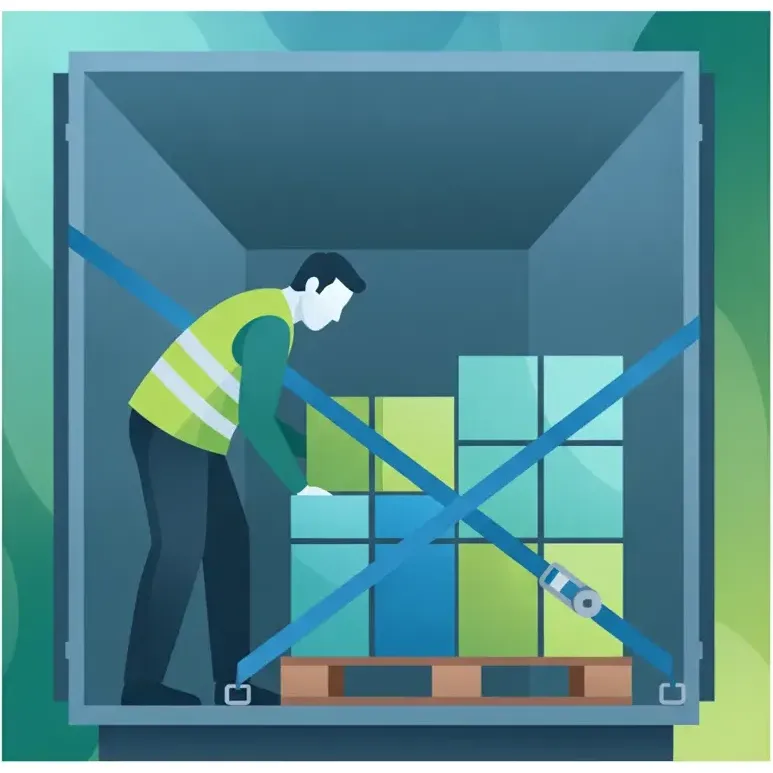
Loads, Cargo Security, Stability and Safety Checks unit image
3

Loads, Cargo Security, Stability and Safety Checks

Learn to safely load and secure cargo for your Category C licence. This unit covers load distribution, stability, rollover risks, and essential pre-journey safety checks for LGV drivers in Great Britain.

5 lessons
Learn more
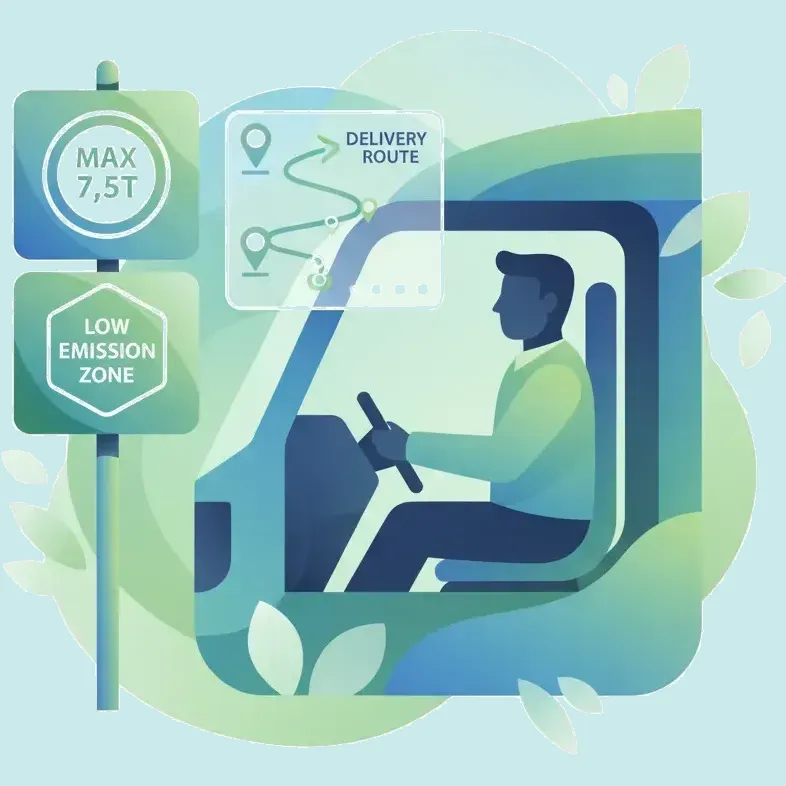
Signs, Restrictions, Route Planning and Access Limits unit image
4

Signs, Restrictions, Route Planning and Access Limits

Master road signs, weight/access restrictions, and route planning for your Category C LGV theory test in Great Britain. Drive legally and efficiently.

5 lessons

Learn more
Speed, Braking, Following Distance, Gradients and Heavy Vehicle Control unit image
5

Speed, Braking, Following Distance, Gradients and Heavy Vehicle Control

Learn essential heavy goods vehicle control for your GB Category C theory test, covering speed, braking, stopping distances, gradients, and safe following distances. Crucial for safe driving.

5 lessons

Learn more
Lane Use, Turning, Reversing, Manoeuvring and Trailer Awareness unit image
6

Lane Use, Turning, Reversing, Manoeuvring and Trailer Awareness

Master essential Category C maneuvers: learn correct lane use, safe turning, reversing techniques, and crucial trailer coupling procedures for your HGV theory exam in Great Britain.

5 lessons

Learn more
Blind Spots, Vulnerable Road Users and Urban Delivery Risks unit image
7

Blind Spots, Vulnerable Road Users and Urban Delivery Risks

Learn to identify and manage HGV blind spots and ensure the safety of vulnerable road users in urban environments. Essential for your Category C theory exam.

5 lessons
Learn more
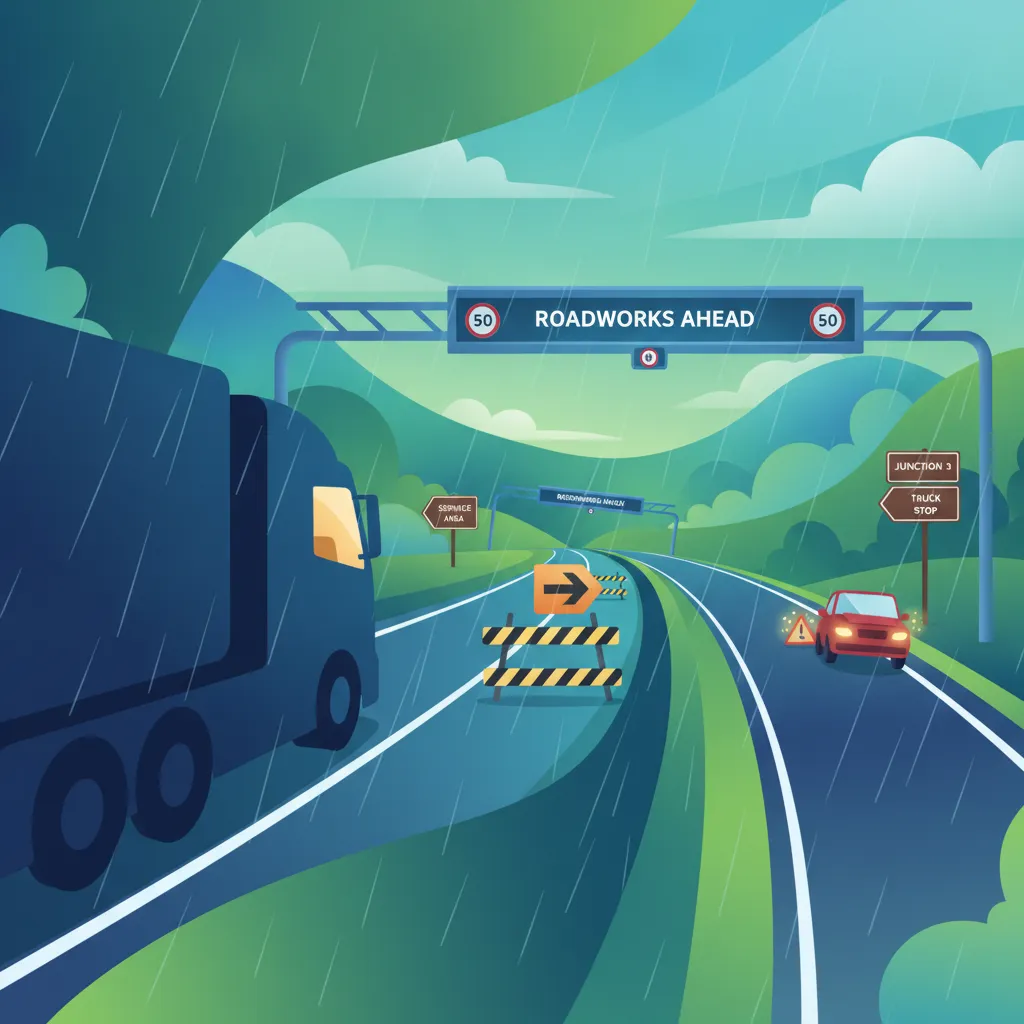
Weather, Motorways, Rural Roads, Roadworks and Emergency Situations unit image
8

Weather, Motorways, Rural Roads, Roadworks and Emergency Situations

This unit covers critical driving scenarios for HGV drivers: handling bad weather, motorways, rural roads, roadworks, and emergencies, vital for Category C exam success and safe operation.

5 lessons

Learn more
Fatigue, Documentation Awareness, Penalties and Professional Conduct unit image
9

Fatigue, Documentation Awareness, Penalties and Professional Conduct

Master crucial final elements for your Cat C HGV theory: manage fatigue, understand tachographs and documentation, learn about penalties, and uphold professional conduct to pass your Great Britain driving test.

5 lessons
Learn more

Start Your Targeted Practice Question Search Now

Dive into our comprehensive question bank to find exactly what you need for your Great Britain theory test. Use our advanced filters to pinpoint specific subjects or test your knowledge on challenging areas, ensuring you're fully prepared for success.

Search Practice Questions

Explore more content on British driving theory

British road signsBritish article topicsGB AM Moped Theory courseSearch British road signsMotorcycle Theory GB courseGB Category B Theory courseBritish driving theory homeBritish road sign categoriesBritish driving theory topicsGB Goods Vehicle Theory courseSearch British theory articlesBritish driving theory coursesBritish driving theory articlesBritish driving theory practiceBritish practice set categoriesGB Passenger Vehicle Theory courseBritish driving licence proceduresSearch British driving theory practiceBritish driving theory terminology A–ZBritish driving theory terms and glossaryGB Road Signs and Traffic Signals unit in GB Category B TheoryHelmet, Visibility and Protective Behaviour unit in GB AM Moped TheoryAM Licence Basics and Small Vehicle Responsibility unit in GB AM Moped TheoryMotorcycle Licence Basics and Rider Responsibility unit in Motorcycle Theory GBVehicle Size, Weight, Dimensions and Road Space unit in GB Goods Vehicle TheoryCategory B Licence Basics and Driver Responsibility unit in GB Category B TheoryProtective Equipment, Visibility and Rider Condition unit in Motorcycle Theory GBGoods Vehicle Licence Scope and Professional Responsibility unit in GB Goods Vehicle TheoryPassenger Safety, Comfort, Accessibility and Driver Conduct unit in GB Passenger Vehicle TheoryPassenger Vehicle Licence Scope and Professional Responsibility unit in GB Passenger Vehicle TheoryLane Discipline and Placement lesson in Lane Use, Turning, Reversing, Manoeuvring and Trailer AwarenessReversing Large Vehicles Safely lesson in Lane Use, Turning, Reversing, Manoeuvring and Trailer AwarenessManoeuvring in Urban Environments lesson in Lane Use, Turning, Reversing, Manoeuvring and Trailer AwarenessTurning Radii and Cornering Techniques lesson in Lane Use, Turning, Reversing, Manoeuvring and Trailer AwarenessTrailer Coupling and Decoupling Procedures lesson in Lane Use, Turning, Reversing, Manoeuvring and Trailer Awareness