
This lesson guides you through the technical and safety-critical steps of coupling and decoupling a semi-trailer for your Category C driving licence. You will learn the correct sequence for managing air lines, electrical connections, and landing gear, ensuring you are fully prepared for both the theory test and practical operations. Mastering these procedures is essential for maintaining vehicle stability and compliance with DVSA safety regulations.

Lesson content overview
Operating a Category C goods vehicle often involves the critical task of connecting and disconnecting a semi-trailer. This intricate process, known as coupling and decoupling, demands meticulous attention to detail and a strict adherence to safety protocols. A single oversight can lead to severe accidents, equipment damage, or legal repercussions, underscoring its non-negotiable importance in professional driving.
This lesson provides a comprehensive, step-by-step guide to safely managing semi-trailer connections. It covers essential inspections of the fifth-wheel mechanism, the secure attachment of air and electrical lines, and the correct operation of trailer landing gear. Emphasising the mandatory 'tug test' as a final safety check, this guide aims to equip professional drivers with the knowledge necessary to ensure mechanical integrity, legal compliance, and road safety before every journey.
Properly executing trailer coupling and decoupling procedures is paramount for the safety of the driver, other road users, and the cargo. These tasks are not merely routine operations but are safety-critical processes that, if performed incorrectly, can lead to catastrophic failures.
An improperly coupled trailer can detach from the tractor unit while in motion, resulting in an immediate loss of control, potential collisions, and severe damage to both vehicles and infrastructure. Furthermore, incorrect connections of air and electrical systems can lead to a failure of trailer brakes, lights, and signals, severely compromising road safety and increasing stopping distances. Mismatched or worn components also contribute to premature wear and tear, leading to costly repairs and vehicle downtime.
Drivers of Category C goods vehicles in Great Britain are bound by strict legal and regulatory frameworks concerning vehicle construction, use, and safety. Regulations such as the Road Vehicles (Construction and Use) Regulations 1986, alongside guidelines from the Driver and Vehicle Standards Agency (DVSA), mandate specific procedures for coupling devices. Failure to comply can result in substantial fines, penalty points, vehicle prohibitions, and even criminal charges in the event of an accident. Regular inspections, adherence to a coupling checklist, and proper documentation are not just best practices; they are legal obligations.
Understanding the individual components of the coupling system is fundamental to performing the procedures correctly. Each part plays a vital role in ensuring a secure and functional connection between the tractor and the semi-trailer.
The fifth-wheel is a heavy-duty, horseshoe-shaped coupling device mounted on the tractor's rear chassis. Its primary purpose is to receive and securely latch onto the trailer's kingpin, providing the mechanical link that transfers pulling forces and braking moments from the tractor to the trailer.
Most Category C tractors are equipped with a fixed fifth-wheel, rigidly mounted to the chassis. There are also adjustable fifth-wheels, which allow for slight lateral or vertical repositioning to accommodate different trailer types or to correct minor kingpin misalignment, though these are less common on standard rigid goods vehicles. Proper engagement involves aligning the kingpin into the fifth-wheel's concave cradle, followed by the activation of an internal latching mechanism that locks the kingpin firmly in place. A visual indicator, often a light on the dashboard or a physical marker, confirms successful engagement.
The kingpin is a robust vertical steel pin, typically 50 mm in diameter, that extends downwards from the underside of the semi-trailer's coupling plate. This pin is the critical component that engages directly with the fifth-wheel's locking jaws.
The integrity of the kingpin is paramount. It must be clean, free from corrosion, damage, or excessive wear to ensure a secure fit within the fifth-wheel. Any deformities or burrs can prevent full engagement, leading to an unsafe connection. A high-mount kingpin design, where the pin is elevated, is sometimes used for specific trailer types to achieve optimal height and clearance.
Semi-trailers rely on the tractor's compressed air system for their brakes and, in some cases, air suspension. Flexible pneumatic hoses, often referred to as 'air lines' or 'suzies' (though 'suzies' more commonly refers to electrical leads), connect the tractor's air supply to the trailer's air system.
There are usually two main air lines: the service brake line (typically red) and the auxiliary or supply line (typically yellow or blue). The supply line provides continuous air pressure to charge the trailer's air reservoirs and release the parking brake. The service line relays braking commands from the tractor's foot pedal to the trailer's service brakes. Both must be correctly attached to their respective quick-connect fittings, free from cracks, chafing, or leaks, and properly pressurised before movement. A pressure gauge in the cab allows the driver to monitor the trailer's air pressure, which should be within the required operating range (typically above 5 bar).
The electrical connection between the tractor and trailer is facilitated by multi-pin electrical cables, commonly known as 'suzies' or 'electrical suzie connectors'. These coiled cables transmit power for the trailer's lighting, signalling, and other electrical systems, ensuring legal compliance and safe communication with other road users.
Common types include 7-pin, 13-pin, or even 15-pin connectors, depending on the complexity of the trailer's electrical needs. These circuits control essential functions such as brake lights, tail lights, indicators, reverse lights, and sometimes ABS/EBS systems. It is crucial that the suzie connector is securely plugged in, free from corrosion, and that all circuits are functioning correctly. A visual check and functional test of all lights and signals are mandatory after connection.
The landing gear, also known as 'trailer legs', comprises retractable support legs mounted beneath the front of the semi-trailer. Their primary function is to support the trailer when it is uncoupled from the tractor, ensuring stability during loading, unloading, or when parked.
Landing gear can be mechanical, operated by a manual crank, or hydraulic, controlled by a pump. Before coupling, the landing gear is typically lowered to support the trailer. After coupling, it must be fully raised and securely locked in the 'up' position to prevent it from dragging on the ground during transit. Failure to fully retract the landing gear can cause severe damage to the legs, the fifth-wheel, and potentially lead to loss of control, especially over uneven terrain or speed bumps. Dashboard indicators often show the landing gear status, but physical verification is always required.
Coupling a semi-trailer is a precise and sequential operation. Following these steps meticulously is crucial for safety and compliance.
Before approaching the trailer, perform a thorough inspection of both the tractor and the trailer coupling points.
Always wear appropriate personal protective equipment (PPE), such as high-visibility clothing and safety footwear, during coupling and decoupling operations.
Precise alignment is key to a smooth and safe coupling.
This is the mechanical heart of the coupling process.
With the mechanical link secure, attention turns to the vital air and electrical connections.
Connect Air Lines: Attach the red (emergency/supply) and yellow (service) air hoses to their corresponding quick-release couplings on the trailer. Ensure they are fully seated and secure, then open the tractor's air supply valves if closed. Listen for any air leaks and visually inspect the hoses for damage.
Charge Air System: Wait for the trailer's air system to charge. Observe the air pressure gauge in the cab; it should rise to the normal operating range (typically 8–10 bar) and hold steady. Confirm the trailer parking brake has released (if it's an automatic system that releases on air pressure).
Connect Electrical Suzie: Securely plug the electrical suzie connector into the trailer's socket. Ensure it is firmly seated and locked.
Test Lights and Signals: With the tractor's ignition on, activate all lighting and signalling functions one by one: hazard lights, left indicator, right indicator, main beam, dipped beam, brake lights, and reverse lights. Walk around the trailer to visually confirm that all lights are functioning correctly and that there are no crossed wires (e.g., indicators activating brake lights).
The trailer's support legs must be fully retracted before movement.
The tug test is a crucial, non-negotiable final safety check. It validates the integrity of all connections before the journey begins.
Release Tractor Brakes: Release the tractor's parking brake, but ensure the trailer's parking brake remains applied (or manually apply it if it's an air-released system).
Gentle Forward Pull: Slowly and gently ease the tractor unit forward for approximately 5-10 metres. The trailer should remain stationary, firmly resisting the pull, confirming a secure fifth-wheel connection.
Observe and Listen: Pay close attention to any unusual sounds, jerking motions, or signs of separation. Check the air pressure gauge for any sudden drops that could indicate a leak.
Apply Trailer Brakes (if applicable): In some systems, a reverse tug test with the tractor brakes applied and trailer brakes released is also performed to check for slack. However, the forward pull against the trailer brakes is universally mandated.
Reapply Brakes: Reapply both tractor and trailer parking brakes after a successful tug test.
The tug test is your last line of defence against an uncoupled trailer. Never skip it, even if you are confident in your previous checks.
After successfully coupling the trailer, a final walk-around inspection and proper documentation are essential.
Decoupling is essentially the reverse of coupling, but with its own specific safety considerations.
Choosing the right location for decoupling is critical.
Stability is the priority before releasing the trailer.
Proceed with care to avoid damage and air loss.
This step mechanically separates the tractor from the trailer.
Once disconnected, carefully drive away.
Professional goods vehicle drivers in Great Britain must adhere to specific laws and guidelines governing the safe operation of vehicles, including coupling and decoupling procedures.
The Road Vehicles (Construction and Use) Regulations 1986 (RVUCR 1986) lay down crucial requirements for all vehicles, including heavy goods vehicles (HGVs) and their coupling devices. Regulation 6, for example, specifies that coupling devices must be correctly secured before a vehicle moves off. This regulation is fundamental to preventing accidental trailer separation. Furthermore, Regulation 9 stipulates that all parts of a vehicle must be in good working order, which extends to the condition and maintenance of the fifth-wheel, kingpin, and landing gear.
The Driver and Vehicle Standards Agency (DVSA) provides detailed guidance through its enforcement handbook, which outlines the expected standards for vehicle checks, including coupling procedures. DVSA guidance explicitly mandates the performance of a 'tug test' after coupling, highlighting its importance as a final safety check. Drivers found in breach of these guidelines or regulations may face immediate prohibition notices, fixed penalty notices, or prosecution, depending on the severity of the infraction. DVSA inspections often include verification of coupling integrity during roadside checks or at operators' premises.
As part of the Driver Certificate of Professional Competence (Driver CPC), professional drivers are expected to demonstrate ongoing knowledge and practical competence in all aspects of vehicle operation, including safety checks. Maintaining accurate records of daily vehicle checks, including coupling and decoupling, is a mandatory requirement. These records, typically kept in a driver's logbook or an electronic fleet management system, provide evidence of due diligence and compliance. They must be retained for a minimum period, often 28 days, for inspection by enforcement officers.
Understanding common pitfalls and how environmental factors influence coupling procedures is vital for safe practice.
One of the most dangerous errors is partial latch engagement of the fifth-wheel. A driver might hear a click but the latching jaws may not have fully closed around the kingpin due to wear, obstruction, or misalignment. This creates a weak connection that can fail under load. Always perform a visual and manual check, followed by the mandatory tug test, to confirm full engagement.
Air hose leaks, even small ones, can severely compromise the trailer's braking system. A gradual pressure drop may go unnoticed until emergency braking is required, leading to extended stopping distances or complete brake failure. Always listen for hissing sounds, and check the air pressure gauge for stability after connection. Regularly inspect hoses for cracks, chafing, or damage.
Weather conditions significantly impact coupling safety.
Coupling on anything other than flat, level ground introduces additional risks.
The weight and distribution of the load within the trailer also affect coupling dynamics.
The procedures for coupling and decoupling a semi-trailer are fundamental to safe and professional goods vehicle operation. Each step, from the initial inspection to the final tug test and documentation, plays a critical role in mitigating risks and ensuring legal compliance.
Drivers must internalise the importance of mechanical integrity, ensuring the fifth-wheel latch is fully engaged and the kingpin securely seated. Air system continuity is vital for effective trailer braking, requiring meticulous hose connection and pressure checks. Electrical continuity guarantees proper lighting and signalling, crucial for communication with other road users. Landing gear management prevents dangerous dragging during transit and ensures trailer stability when stationary.
Crucially, procedural verification through a structured coupling checklist and the mandatory tug test serves as the ultimate safeguard against latent faults. Adherence to the regulatory framework in Great Britain, including DVSA guidance and the Road Vehicles (Construction and Use) Regulations 1986, is not optional but a legal necessity. Finally, the ability to adapt procedures to conditional variations such as adverse weather or uneven terrain distinguishes a truly professional driver. By consistently applying these principles, Category C drivers contribute significantly to road safety and their own professional standing.
Explore all units and lessons included in this driving theory course.
Lesson content overview
Explore all units and lessons included in this driving theory course.
Explore search topics learners often look for when studying Trailer Coupling and Decoupling Procedures. These topics reflect common questions about road rules, driving situations, safety guidance, and lesson level theory preparation for learners in Great Britain.
Browse additional driving theory lessons that cover connected traffic rules, road signs, and common driving situations related to this topic. Improve your understanding of how different rules interact across everyday traffic scenarios.
Explore the granular details of safely coupling and decoupling semi-trailers. This lesson covers critical checks for fifth wheels, kingpins, air and electrical lines, and landing gear, ensuring mechanical integrity and road safety for Category C drivers.

This lesson details the essential pre-journey inspection or 'walk-around check' that every professional driver must perform. It provides a systematic checklist covering critical components like tyres, brakes, lights, mirrors, and coupling mechanisms, as well as verifying cargo security. You will learn the correct procedure for identifying and reporting defects to ensure the vehicle is roadworthy and safe before starting any journey, a key legal and professional responsibility.

This lesson reinforces the vital safety rule of maintaining an adequate following distance from the vehicle ahead. It explains why the standard 'two-second rule' must be extended for heavy vehicles, especially in poor weather or when heavily laden, to account for longer stopping distances. You will learn practical methods for judging a safe gap in various traffic situations, creating a crucial safety buffer to react to unforeseen hazards.
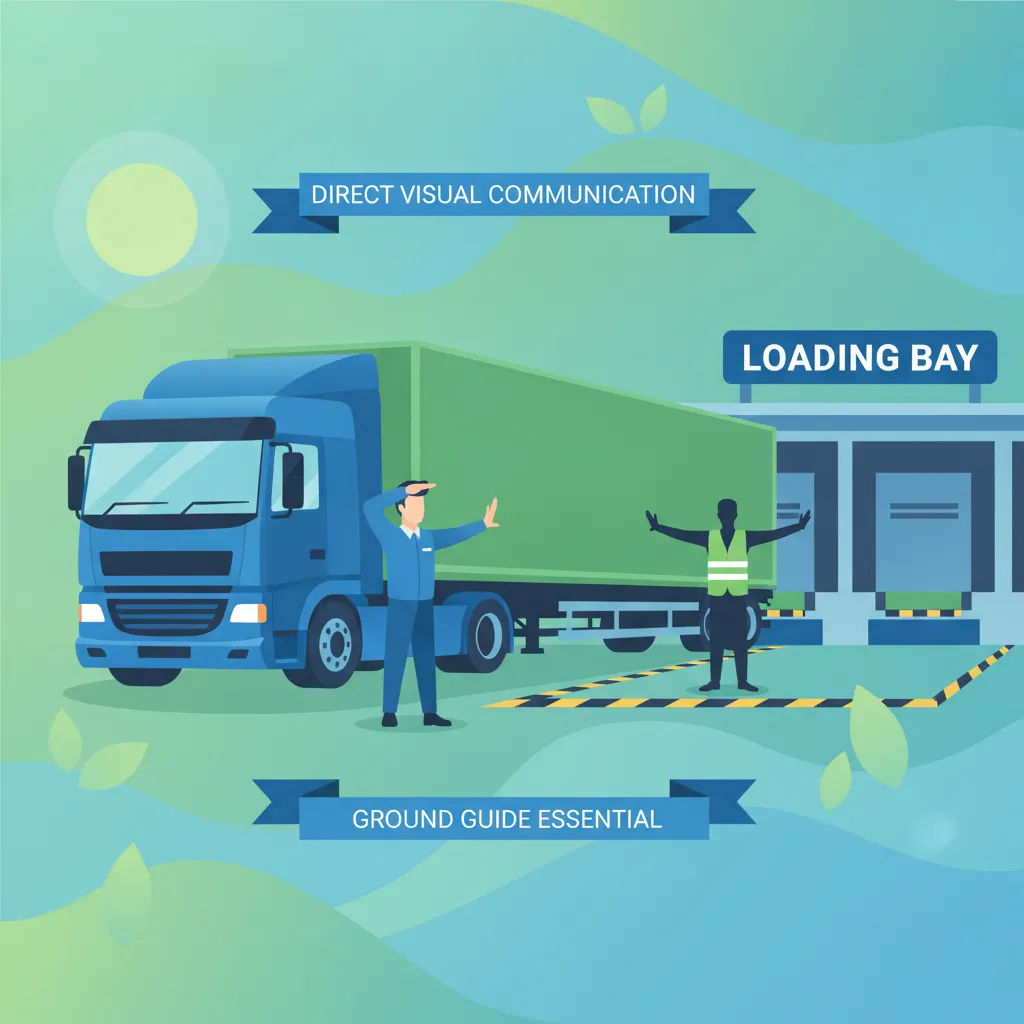
Reversing is one ofthe highest-risk maneuvers for an HGV driver. This lesson provides a structured guide to reversing safely, covering the 'get out and look' principle, effective use of all mirrors, and the use of reversing cameras and alarms. It stresses the importance of using a trained banksman (signaller) whenever possible, using agreed signals, and maintaining a slow, controlled speed throughout the maneuver to prevent accidents.

This lesson covers the critical legal requirement for accurate record-keeping in the transport industry. It provides detailed instruction on the correct use of both analogue and digital tachographs to record driving time, breaks, and other work. You will also learn about other essential documents that must be carried, such as load manifests and delivery notes, and the importance of keeping these records accurate and available for inspection by enforcement authorities.
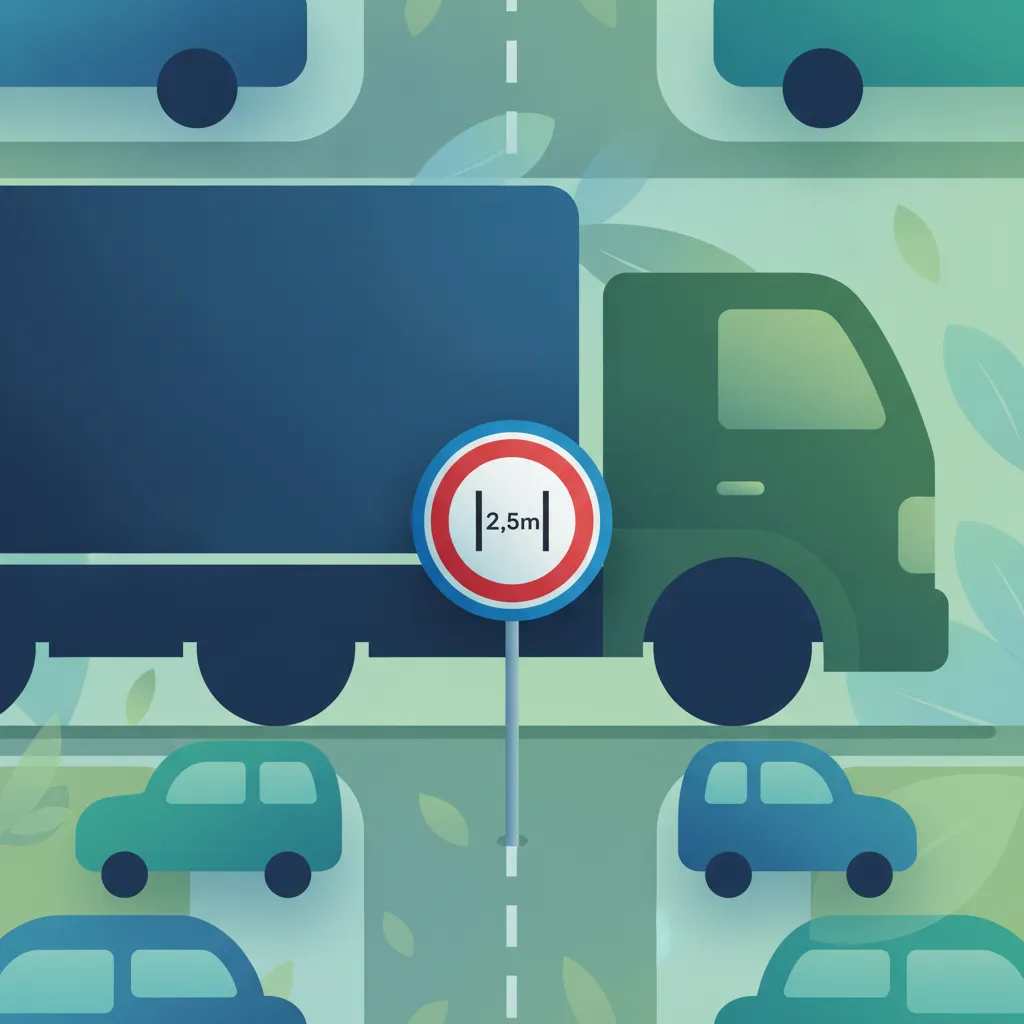
This lesson offers a deep dive into the specific regulations concerning weight, width, and axle load restrictions for goods vehicles. It covers how to read and comply with the associated road signs to avoid overloading weak bridges and entering restricted areas. Learners will understand the importance of correct load assessment and the serious penalties for non-compliance, which are enforced through DVSA roadside inspections and weighbridges.

This lesson provides detailed instruction on the geometry of loading bays and the precise techniques required for safe vehicle docking. Learners will understand how to align their vehicle correctly, manage clearance from structures, and interpret ground markings and signals. It emphasizes safety protocols for protecting personnel in the loading area and preventing damage to the vehicle, trailer, or docking equipment during these critical maneuvers.

This lesson explains the dynamics of turning a long vehicle, focusing on the concepts of off-tracking, where the rear wheels follow a tighter path than the front wheels, and tail swing. You will learn the correct road positioning on approach to junctions and roundabouts to safely clear obstacles and avoid mounting kerbs or striking street furniture. Managing speed and using mirrors effectively throughout the turn are emphasized as crucial safety techniques.
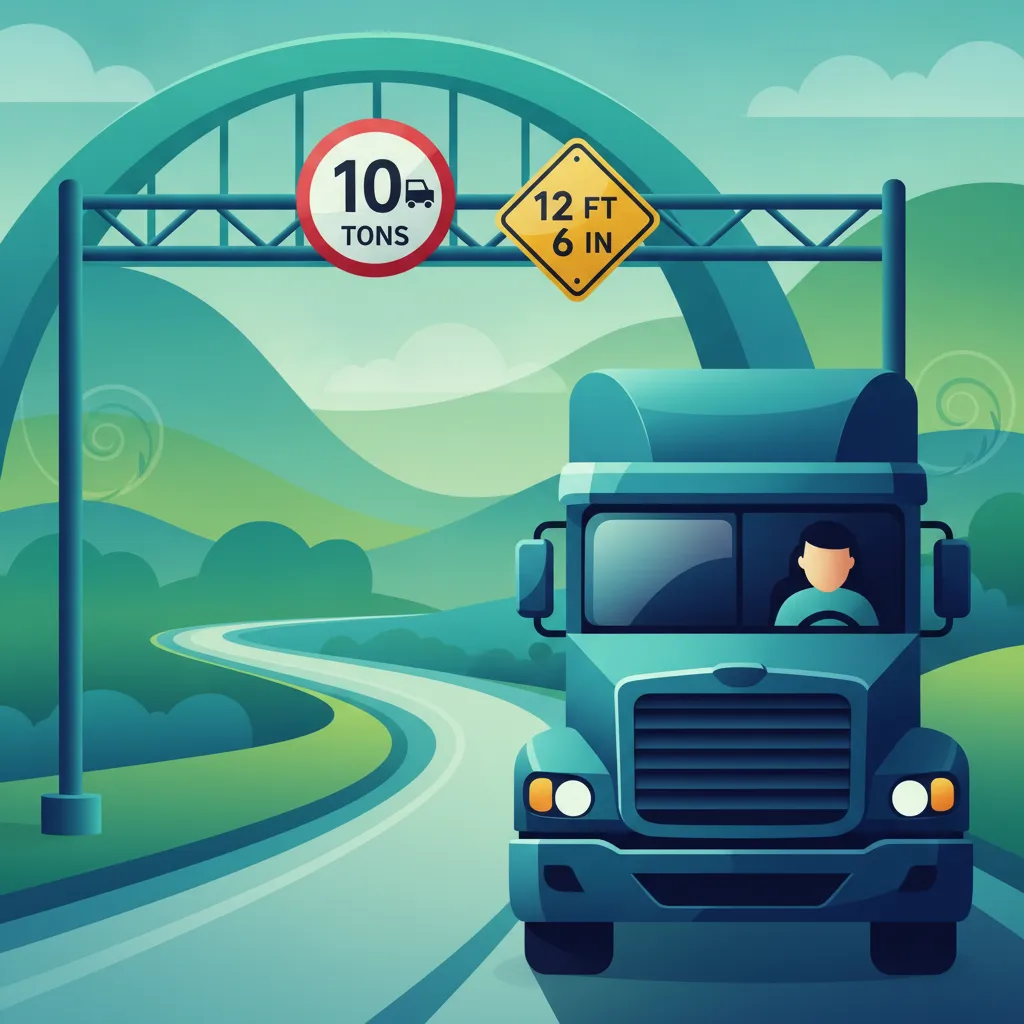
This lesson provides a detailed focus on the specific road signs that directly affect drivers of large goods vehicles. You will learn to accurately interpret mandatory signs for weight, height, and width restrictions, as well as signs indicating lane usage and prohibited routes. Understanding these signs is not optional; it is a legal requirement for avoiding fines, preventing accidents, and ensuring the safe passage of your vehicle through the road network.
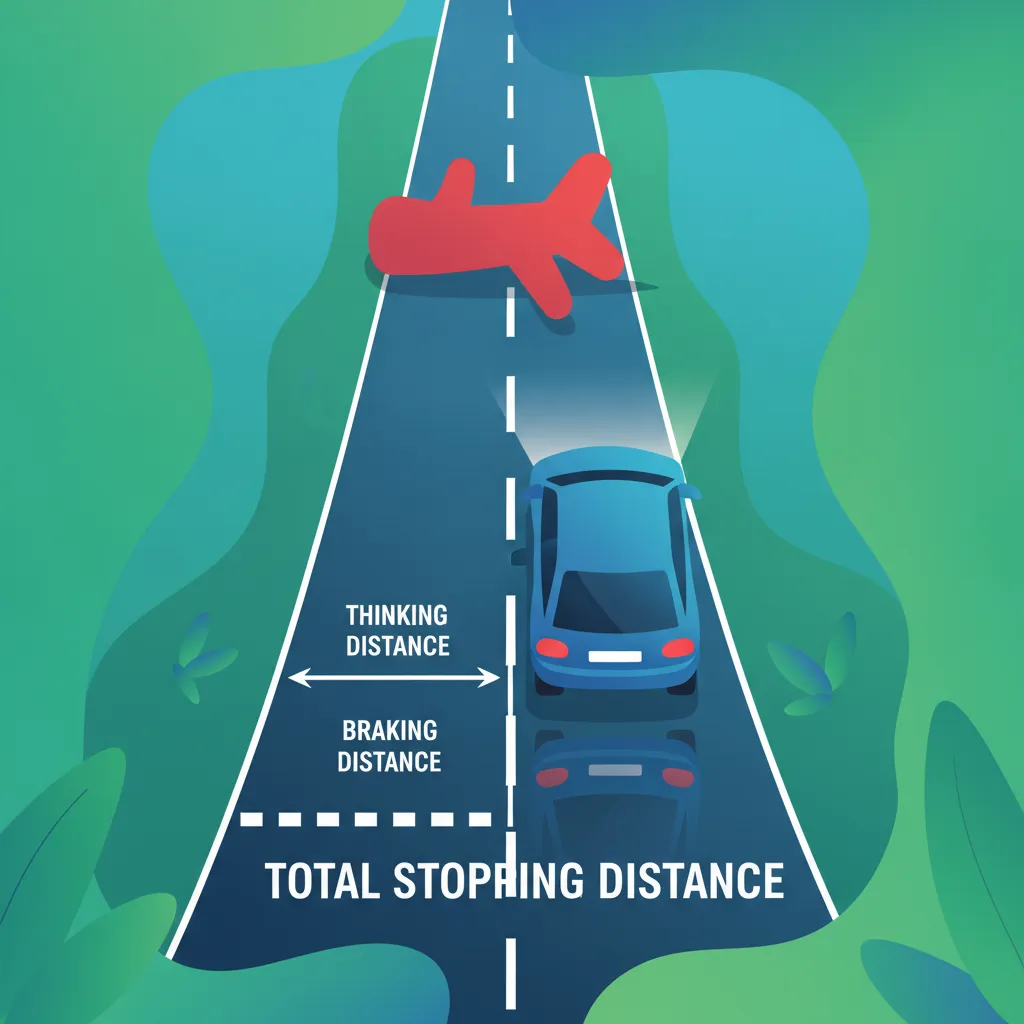
This lesson provides a detailed examination of the powerful air braking systems found on most heavy goods vehicles, including ABS and EBS. It explains the components of total stopping distance—thinking distance and braking distance—and how they are affected by speed, mass, and road conditions. The concept of brake fade, its causes, and prevention methods are also covered, along with the importance of regular brake inspections for maintaining safety.
This lesson covers the principles of safe loading to prevent items from shifting or falling and causing a hazard. It explains that any load must be securely fastened and must not obstruct your view. You will also learn how overloading or distributing weight incorrectly can dangerously affect the vehicle's steering, braking, and overall stability.
Understand frequent mistakes and critical considerations when coupling and decoupling trailers in various conditions. Learn about managing risks related to adverse weather, low visibility, uneven terrain, and load effects for safe HGV operations.

This lesson details how different adverse weather conditions uniquely affect the handling and stability of a heavy goods vehicle. It covers the increased stopping distances in rain, reduced visibility in fog, severe traction loss on ice, and the dangerous effect of strong crosswinds on high-sided vehicles. You will learn specific techniques for adjusting speed, increasing following distances, and using vehicle controls smoothly to maintain safety in challenging weather.
This lesson covers the principles of safe loading to prevent items from shifting or falling and causing a hazard. It explains that any load must be securely fastened and must not obstruct your view. You will also learn how overloading or distributing weight incorrectly can dangerously affect the vehicle's steering, braking, and overall stability.

This lesson equips drivers with strategies for maintaining control of a heavy vehicle during adverse weather conditions like heavy rain, ice, snow, and strong crosswinds. It covers the physics of traction loss, aquaplaning, and skidding, and explains how to use smooth inputs for steering, acceleration, and braking. The function of electronic stability control systems and other driver aids is also discussed as part of a proactive approach to safety in challenging environments.
This lesson offers a deep dive into the specific regulations concerning weight, width, and axle load restrictions for goods vehicles. It covers how to read and comply with the associated road signs to avoid overloading weak bridges and entering restricted areas. Learners will understand the importance of correct load assessment and the serious penalties for non-compliance, which are enforced through DVSA roadside inspections and weighbridges.
This lesson reinforces the vital safety rule of maintaining an adequate following distance from the vehicle ahead. It explains why the standard 'two-second rule' must be extended for heavy vehicles, especially in poor weather or when heavily laden, to account for longer stopping distances. You will learn practical methods for judging a safe gap in various traffic situations, creating a crucial safety buffer to react to unforeseen hazards.

This lesson focuses on the unique risks faced by motorcyclists and scooter riders when sharing the road with HGVs. It explains how their small size and rapid acceleration can make them difficult to see, especially when they are filtering through traffic. Drivers will learn the importance of making extra mirror checks—'look twice'—before any maneuver and giving motorcyclists extra space, as they can be more affected by wind buffeting and road surface imperfections.

This lesson delves into the core principles of correct weight distribution within a goods vehicle to ensure safety and stability. It explains how to balance a load evenly across the axles to prevent overloading and maintain optimal braking and steering performance. Learners will understand how incorrect load placement can dangerously affect vehicle dynamics, reinforcing the importance of careful planning before every journey to ensure stability on the road.

This lesson explains the critical concept of the centre of gravity (CG) and its direct impact on a vehicle's stability and rollover risk. It details how high or unstable loads raise the CG, making the vehicle more susceptible to tipping during cornering or sudden maneuvers. Learners will study techniques to assess and manage this risk, including adjusting speed and driving style, which is especially important for vehicles carrying liquid or hanging loads.

This lesson prepares drivers to recognize and react to a dangerous load shift while the vehicle is in motion. It covers the immediate corrective actions needed to maintain or regain control, and how to bring the vehicle to a safe stop. The procedures for assessing the situation, communicating the hazard to other road users, and correctly reporting the incident are also detailed to ensure safety and proper follow-up action is taken.
This lesson provides detailed instruction on the geometry of loading bays and the precise techniques required for safe vehicle docking. Learners will understand how to align their vehicle correctly, manage clearance from structures, and interpret ground markings and signals. It emphasizes safety protocols for protecting personnel in the loading area and preventing damage to the vehicle, trailer, or docking equipment during these critical maneuvers.
Find clear answers to common questions learners have about Trailer Coupling and Decoupling Procedures. Learn how the lesson is structured, which driving theory objectives it supports, and how it fits into the overall learning path of units and curriculum progression in Great Britain. These explanations help you understand key concepts, lesson flow, and exam focused study goals.
The tug test is a non-negotiable safety check performed by pulling gently against the locked trailer brakes. It ensures that the fifth-wheel coupling is fully locked and the trailer is securely attached to the tractor unit, preventing potential detachment on the road.
Connecting and disconnecting air lines in the correct order prevents accidental trailer brake release or activation of the tractor's emergency braking system. Following the prescribed manufacturer sequence ensures the system remains pressurized and stable throughout the coupling process.
A false coupling occurs when the kingpin enters the fifth-wheel but does not engage the locking mechanism correctly. This is avoided by visually checking that the jaws are locked around the kingpin and always conducting a physical tug test before attempting to move the vehicle.
Yes, once the vehicle is coupled and air systems are connected, the landing gear must be fully wound up and secured in the stowed position. Failure to do so can cause the gear to strike road features or ground objects while cornering, leading to vehicle instability or damage.
Dive into our comprehensive question bank to find exactly what you need for your Great Britain theory test. Use our advanced filters to pinpoint specific subjects or test your knowledge on challenging areas, ensuring you're fully prepared for success.