
This lesson focuses on the professional expectations and responsibilities of Category C drivers in Great Britain. By understanding the importance of your role as a company ambassador, you will learn to manage customer interactions and maintain high standards of conduct essential for a professional career.

Lesson content overview
Operating a Large Goods Vehicle (LGV), often referred to as a HGV in Great Britain, extends beyond merely driving a vehicle. As a Category C licence holder, you are a vital link in the logistics chain and, crucially, an ambassador for your company and the wider logistics industry. This lesson delves into the expectations surrounding professional conduct and exemplary customer service, highlighting their profound impact on safety, business reputation, and overall efficiency.
The way you present yourself, interact with customers and the public, and manage your deliveries directly influences trust, mitigates potential conflicts, and ensures safe interactions on the roads and at delivery points. A professional approach not only elevates your personal standing but also significantly contributes to a positive public image for the entire sector, ensuring smoother operations and a safer environment for everyone.
As a professional Category C goods vehicle driver, you are often the most visible representation of your employing company to its customers and the general public. Your actions, appearance, and attitude directly reflect on the company's brand and reputation. This fundamental responsibility, known as corporate representation, means that every interaction is an opportunity to build trust and reinforce the company's values.
A positive interaction can strengthen customer loyalty and attract new business, while a negative one can quickly erode trust and damage the company’s standing. This extends beyond formal customer interactions to how you behave on the road, how you park, and how you manage your vehicle in public spaces. Upholding company policies, exhibiting its brand values, and avoiding actions that could reflect negatively on the organisation are paramount for any professional driver.
Your personal presentation and demeanor are often the first impressions customers and the public form of you and your company. Maintaining a professional image is crucial for building confidence and reducing potential misunderstandings.
Professional appearance refers to the overall visual presentation of a driver, encompassing uniform cleanliness, personal grooming, and even the external condition of the vehicle. Customers often gauge reliability and competence based on these visual cues. A clean, tidy, and well-presented uniform, for instance, suggests an organised and careful approach to work, which directly impacts customer confidence in the service being provided.
Most employers will specify a dress code, often involving a branded uniform that includes safety footwear and high-visibility clothing. Adhering to these uniform standards is not just about branding; it often includes crucial safety elements. Furthermore, the cleanliness of your vehicle, both exterior and interior, contributes to this image. A vehicle free from excessive dirt, debris, or clutter suggests professionalism and attention to detail, which can also prevent potential safety hazards caused by an untidy cabin.
Beyond appearance, a professional attitude is defined by demonstrating respect, calmness, and courtesy in all interactions. This mental and emotional approach is vital for diffusing potential tensions and fostering constructive communication, even under challenging circumstances. Professional drivers are expected to manage their emotions effectively, avoiding confrontations and maintaining composure, particularly when under pressure or facing demanding situations.
Even when dealing with aggressive or unreasonable individuals, maintaining a calm and respectful tone can prevent situations from escalating. Remember that your primary goal is safe and efficient delivery, not personal disputes.
This involves being patient with other road users, polite to pedestrians, and understanding when dealing with customers who may be stressed or frustrated. The UK Road Traffic Act includes provisions that can penalise drivers for threatening or inconsiderate behaviour, underscoring the legal importance of a professional demeanor. A driver who remains calm and polite, even when declining an unsafe request, exemplifies this core principle.
Clear and effective communication is fundamental to efficient operations and positive customer relations. As a professional driver, you will frequently need to transmit information accurately to a diverse range of individuals, from warehouse staff to customers and members of the public.
Clear communication involves using appropriate language, tone, and non-verbal cues to convey information. Verbal communication requires speaking clearly, at an appropriate volume, and using polite, professional terminology. This is crucial for confirming delivery details, explaining delays, or providing instructions during loading and unloading. Avoid jargon unless you are certain the other party understands it.
Non-verbal communication, such as body language, eye contact, and gestures, also plays a significant role. Maintaining appropriate eye contact shows attentiveness, while open and calm body language can convey trustworthiness. Hand signals should only be used where safe, clear, and universally understood, for instance, when guiding another vehicle or indicating a turning manoeuvre. Misinterpretations of non-verbal cues can lead to misunderstandings or even safety hazards.
Effective communication is particularly critical during the handover of goods and associated paperwork. You must be able to accurately explain delivery requirements, confirm the correct location, and clarify any special instructions. For example, a driver must clearly explain to a customer why a delivery must be signed for before goods can be released, or why a specific parking spot is required for safety.
The Transport Act 2000 mandates that professional drivers must be able to provide accurate cargo identities when requested by authorities or logistics partners. This ensures transparency and, importantly, helps in the safe handling of potentially hazardous goods. Over-reliance on radio messages in situations where face-to-face interaction is required for clarity can lead to errors and misunderstandings.
Customer service orientation means consistently focusing on meeting and, where possible, exceeding customer expectations and needs, all while strictly adhering to safety and legal constraints. This approach contributes significantly to customer satisfaction, loyalty, and overall operational efficiency.
A key aspect of customer service is responsiveness – providing prompt and clear replies to enquiries or issues. This could involve communicating real-time updates on delivery status or promptly addressing a customer’s concern. Equally important is reliability, meaning consistency in meeting agreed-upon delivery time windows. Checking the delivery address thoroughly before departure and planning for potential delays are practical steps to achieve this.
However, customer service must always operate within a framework of safety and legality. While the adage "the customer is always right" might hold true in some retail settings, it does not apply when it means compromising safety regulations or breaking the law. For example, a driver must respectfully decline a request to bring a delivery into a prohibited loading zone, instead informing the customer of alternative, legal arrangements. Compliance with UK Working Time Regulations for loading time limits is also part of balancing customer needs with legal obligations.
Efficiency in delivery involves optimising the entire delivery process to minimise time and resource waste, without ever compromising safety or legal constraints. This translates into improved productivity, reduced fuel consumption, and better adherence to schedules.
Effective route planning is crucial, using GPS, real-time traffic information, and understanding specific delivery windows to select optimal routes that avoid known congestion. During loading and unloading, applying efficient and safe techniques, including the correct use of equipment like pallet trucks, also contributes to overall efficiency. This careful planning prevents unnecessary idling, which in turn reduces fuel consumption and emissions. However, it is vital to remember that over-prioritising speed over safety can lead to illegal speeding or unsafe manoeuvres, which is never acceptable.
Interactions with customers and the public will occasionally lead to disagreements or difficult situations. Developing strong conflict resolution skills is crucial for professional drivers to manage these challenges politely and safely.
Conflict resolution techniques are used to de-escalate tensions and find mutually acceptable solutions to disputes. The core of this is de-escalation, which involves maintaining a calm tone of voice, practicing active listening, and showing empathy. By listening attentively to the other person's concerns, you can better understand their perspective and respond constructively. It is important to acknowledge their feelings without necessarily agreeing with their premise.
Maintain a calm and steady voice, even if the other person is agitated.
Listen actively to understand their complaint or concern.
Empathise with their frustration, for example, "I understand this delay is frustrating."
Clearly and politely explain your position, referencing rules or safety if applicable.
Offer acceptable alternatives or solutions if possible.
These techniques prevent potential aggression, reduce road hazards, and mitigate legal repercussions. For example, diffusing a heated argument with a customer upset about a late delivery by apologising, explaining the delay, offering an updated estimated time of arrival (ETA), and following up after delivery, demonstrates professionalism and a commitment to resolution. This approach aligns with the Public Order Act 1986, which aims to prevent breaches of peace.
While many minor disputes can be resolved directly, there are times when a situation may escalate beyond a driver's ability to manage safely or appropriately. In such cases, it is critical to know when to involve a supervisor or manager. If a customer becomes aggressive, threatening, or if their demands involve violating safety rules or legal regulations, you should politely but firmly state that you need to refer the matter to your supervisor. This protects both yourself and the company and ensures that complex issues are handled at the appropriate level. Documenting the incident, including time, location, parties involved, and the nature of the dispute, is also a crucial step.
A safety-first mindset is a non-negotiable principle for all professional drivers. This means that safety must always take precedence over speed, convenience, or any other competing priority, particularly during customer interactions and delivery processes.
Before commencing any loading or unloading activity, you must conduct a brief but thorough risk assessment to identify potential hazards. This includes assessing the immediate environment for pedestrian traffic, road conditions, potential obstructions, and the stability of the ground. For instance, you should never unload goods onto a busy road or footpath if a designated, safe loading area is available, even if it means a slight delay.
This proactive approach guarantees safe interactions and significantly reduces the risk of accidents, injuries, or property damage. The Health and Safety at Work etc. Act 1974 places a duty on employers and employees to ensure safe working practices, which directly applies to loading and unloading tasks.
The temptation to cut corners or rush tasks to meet tight schedules can be strong, but a safety-first mindset dictates that you must never compromise safety for speed. This applies to driving behavior, parking, and cargo handling. For example, if a customer requests you park in a restricted area to unload cargo quickly, a professional driver must refuse and instead re-route to a legal and safe loading bay, explaining the safety and legal reasons for their decision.
Overloading a vehicle, even slightly, to save a trip can compromise braking efficiency and vehicle stability, leading to severe consequences. Similarly, rushing the securing of a load or failing to use appropriate lifting equipment can result in injury or damaged goods. Adhering to EU Driver Hours Regulations, which mandate maximum driving hours and required rest periods, is another critical aspect of this mindset, directly preventing fatigue-related accidents.
Professional drivers are bound by a comprehensive framework of legal requirements and ethical guidelines that govern their interactions with customers and the public. Adhering to these is not only a matter of compliance but also a cornerstone of professionalism.
The Road Traffic Act (RTA) and the Highway Code are primary legal documents that dictate driver behaviour on roads in Great Britain. Drivers must not behave in a way that could be considered dangerous, careless, or inconsiderate, as outlined in RTA Section 5. The Highway Code, Rule 226, specifically encourages drivers to use polite and respectful language when communicating with the public. These rules are mandatory and enforced, preventing road rage and accidents caused by unprofessional behaviour.
Beyond driving, other regulations are pertinent. The Road Vehicles (Construction and Use) Regulations ensure that vehicles, including their signage and lighting, are roadworthy and do not present a hazard due to driver behaviour. This is relevant when parking or unloading, where a vehicle should not partially obstruct a lane without proper warning lights.
When handling delivery paperwork or interacting with customers, professional drivers may come across personal data. The General Data Protection Regulation (GDPR) and the Data Protection Act 2018 require strict adherence to rules around processing personal data. This means drivers must not disclose personal data of customers, such as their name or address, without proper authorisation. Assuming informal interactions exempt you from GDPR responsibilities is a common misunderstanding with potentially severe consequences, including significant fines.
Furthermore, the Equality Act 2010 mandates that drivers treat all customers equally, without discrimination based on protected characteristics like disability, race, religion, or gender. This means courteously assisting a customer with a disability using standard protocols and ensuring that services are accessible and fair to everyone. Refusing to accommodate reasonable requests that align with accessibility needs would be a breach of this Act.
Professional goods vehicle drivers in Great Britain operate within a strict regulatory framework. Understanding and adhering to these rules is paramount for safe, legal, and professional conduct.
Road Traffic Act (RTA) – Section 5 (Driving Conduct): This act mandates that drivers must not behave dangerously, carelessly, or inconsiderately on the road. For Category C drivers, this means maintaining composure, avoiding aggressive driving, and always prioritising road safety over delivery speed. Violations can lead to fines, licence points, or more severe penalties.
Highway Code – Rule 226 (Professional Courtesy): The Highway Code explicitly states that drivers should use polite and respectful language when interacting with the public. This applies to all encounters, whether with pedestrians, other drivers, or customers at a delivery point. It fosters predictable and safe interactions, reducing the likelihood of conflict.
DVSA Guidance – Corporate Conduct: The Driver and Vehicle Standards Agency (DVSA) provides guidance that emphasises positive representation of an employing company. This includes adhering to company dress codes, maintaining vehicle standards, and upholding brand values at all times while on duty. Failure to do so can lead to employment sanctions, impacting your professional standing.
Transport Act 2000 – Goods Description: Under this act, drivers must be able to provide accurate information about the goods they are transporting when requested. This is crucial for transparency, especially for hazardous materials, and for ensuring the correct handling and documentation of cargo.
GDPR/Data Protection Act 2018: These laws impose strict requirements on handling personal data. Drivers must never disclose customer personal data without proper authorisation, safeguarding privacy and avoiding significant legal penalties for data breaches.
Equality Act 2010: This legislation prevents discrimination and requires drivers to treat all customers equally, regardless of their background or characteristics. Drivers must be prepared to accommodate customers with disabilities or other specific needs according to established protocols.
Health and Safety at Work etc. Act 1974: This foundational act requires drivers to ensure safe loading and unloading practices, protecting themselves and others from injury or property damage. This includes using appropriate equipment and following safe procedures for handling goods.
Road Vehicles (Construction and Use) Regulations: These regulations stipulate that vehicles must be in a roadworthy state, including proper signage and lighting. A vehicle that presents a hazard due to how it is positioned or operated during a delivery can fall foul of these rules.
DVSA – Hours of Service (HOS) Regulations: These regulations set maximum driving hours and mandatory rest periods to combat driver fatigue. Professional drivers must plan deliveries meticulously to remain compliant, as exceeding these limits not only incurs penalties but dramatically increases accident risk.
Company Policy – Customer Feedback Procedure: Most companies have internal policies requiring drivers to record and forward any customer feedback or complaints. This enables continuous improvement, allows for prompt issue resolution, and helps maintain high service standards. Ignoring feedback can damage customer relations and company reputation.
Professional drivers frequently encounter situations that test their adherence to conduct and service standards. Recognising common pitfalls and understanding how to adapt to varying conditions is essential.
Consider a scenario where you are delivering to a residential zone at 2 AM in heavy rain. Local loading bay time restrictions might be in effect, and visibility will be poor.
Imagine you face an aggressive customer demanding immediate unloading at a distribution centre on a hot summer day, but the designated bay is occupied, or safety protocols dictate a wait.
During a doorstep delivery, a passerby asks for the customer's personal address details.
You arrive at a rural depot to deliver 30 tonnes of cement, but your truck has a legal Gross Vehicle Weight (GVW) of 32 tonnes.
Making a nighttime delivery in a city centre with poor street lighting.
Achieving excellence as a Category C goods vehicle driver in Great Britain hinges on more than just driving proficiency; it demands a deep commitment to professional conduct and outstanding customer service.
By consistently applying these principles, you not only enhance your own professional standing but also contribute significantly to the safety, reputation, and efficiency of the goods vehicle transport sector in Great Britain.
Explore all units and lessons included in this driving theory course.
Lesson content overview
Explore all units and lessons included in this driving theory course.
Explore search topics learners often look for when studying Professional Conduct and Customer Service. These topics reflect common questions about road rules, driving situations, safety guidance, and lesson level theory preparation for learners in Great Britain.
Browse additional driving theory lessons that cover connected traffic rules, road signs, and common driving situations related to this topic. Improve your understanding of how different rules interact across everyday traffic scenarios.
Understand the essential professional conduct and customer service standards expected of HGV drivers in Great Britain. Learn how your role impacts company reputation and industry image, and how to communicate effectively and professionally.

This lesson defines the critical duty of care that professional goods vehicle drivers owe to the public, their cargo, and their workplace. It covers how professional standards and industry codes of practice contribute to accident prevention and a positive safety culture. Learners will understand that this responsibility extends beyond personal safety to include protecting vulnerable road users and maintaining the integrity of the goods being transported, which is crucial for professional trust.
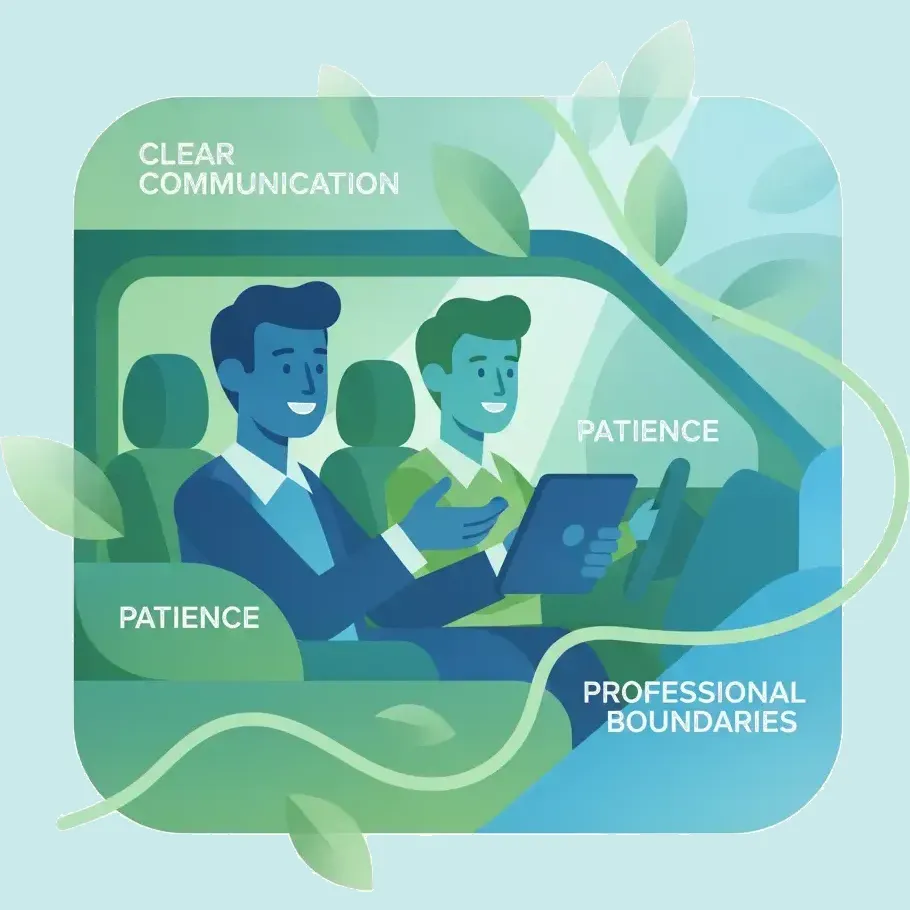
This lesson examines the professional duties and ethical standards expected of passenger vehicle drivers, highlighting the duty of care owed to passengers and other road users. It covers the importance of maintaining professional standards, adhering to ethical conduct, and fostering public confidence through responsible behaviour. The content addresses industry accountability mechanisms and outlines how drivers are expected to act with integrity and respect for passenger wellbeing.
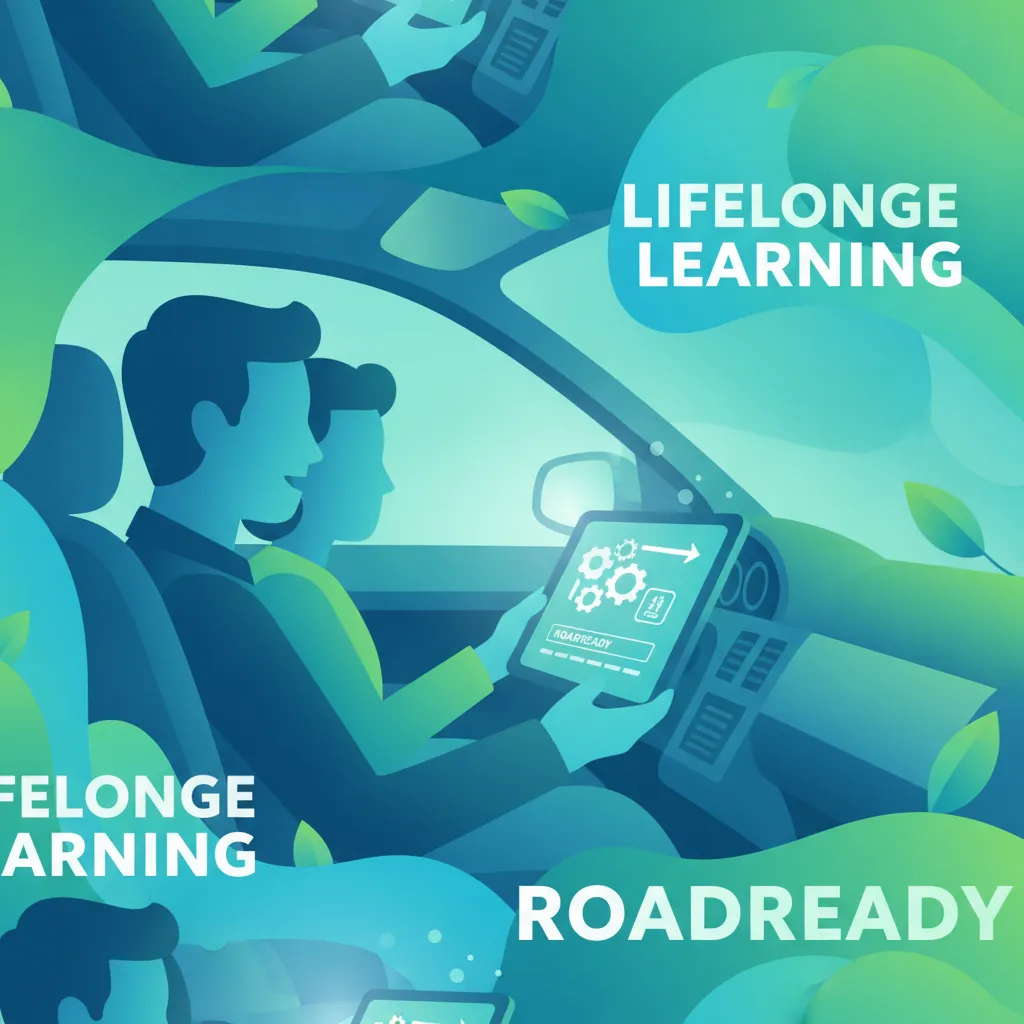
This lesson highlights the critical importance of lifelong learning and skill enhancement for professional goods vehicle drivers, including the role of Driver CPC periodic training. It covers the value of refresher courses, safety updates, and competency assessments in maintaining the highest professional standards. Learners will understand how proactive professional development not only ensures compliance and reduces accident risk but also supports career progression and successful licence renewals.

This lesson focuses on the specific rules and best practices for driving HGVs on motorways in Great Britain. It covers mandatory speed limits for goods vehicles, lane discipline including restrictions on using the outside lane, and procedures for safely joining and leaving the motorway. The lesson also includes up-to-date information on driving on smart motorways, including understanding the signs and using emergency refuge areas correctly.

This lesson focuses on the significant environmental responsibilities of goods vehicle operators, including the need to comply with emission standards and navigate Low Emission Zones (LEZs) in urban areas. You will learn about the impact of noise pollution and vehicle idling on local communities. Furthermore, it covers practical strategies for improving fuel efficiency and reducing environmental impact through smart route planning and eco-driving techniques, aligning with modern corporate social responsibility.

This lesson focuses on the importance of excellent lane discipline for drivers of large vehicles. It details the rules and best practices for lane selection on motorways and dual carriageways, emphasizing the need to stay in the appropriate lane and signal intentions early. Correct positioning within a lane to maximize safety margins and visibility, especially around vulnerable road users, is a key focus for maintaining professional driving standards.
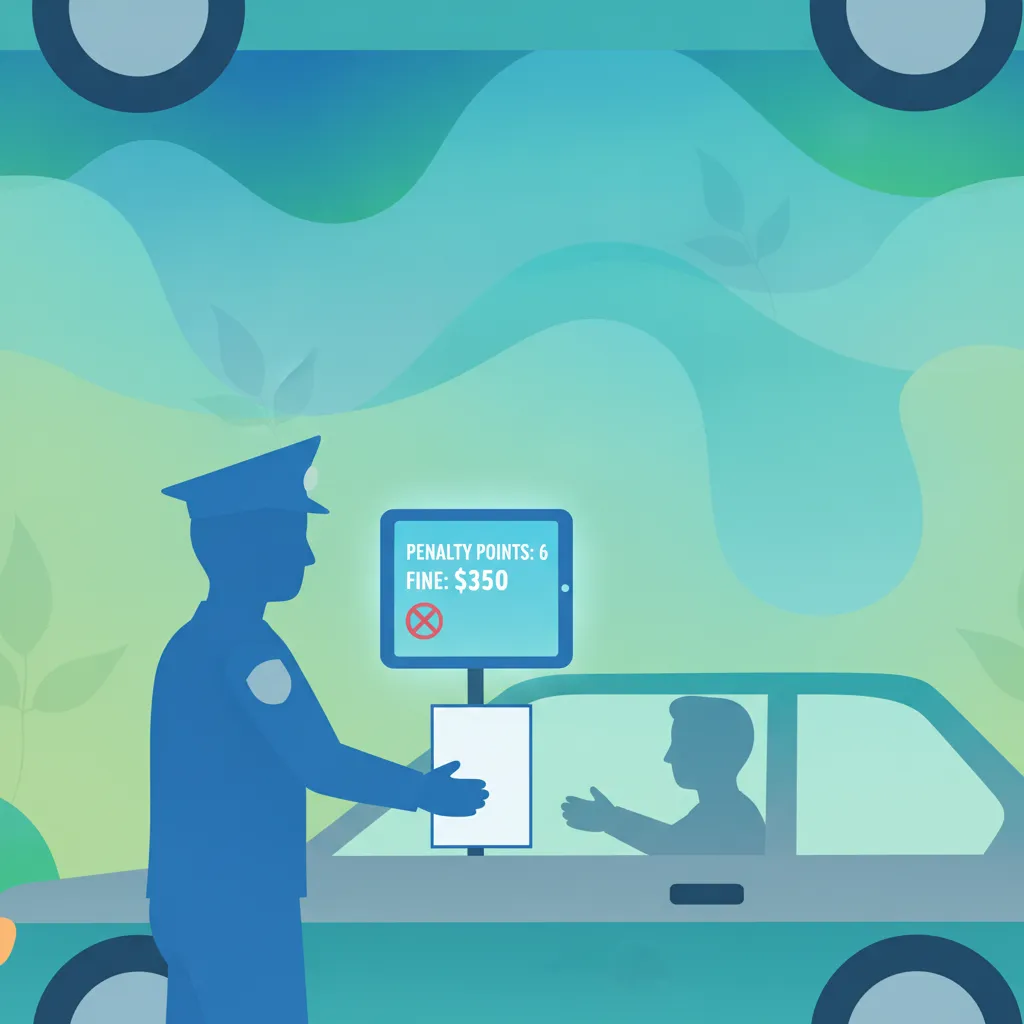
This lesson outlines the serious consequences of failing to comply with road transport law. It details the graduated system of fines and penalties that can be issued by the DVSA and police for offences ranging from drivers' hours violations to vehicle defects. The lesson also explains more severe sanctions, such as vehicle prohibition, licence suspension, and referral to the Traffic Commissioner, which can impact both the driver and their employer.

This lesson provides a clear overview of the primary goods vehicle licence categories: C1, C, C1E, and CE. It explains the specific vehicle types, weight thresholds, and axle configurations permitted for each classification. You will learn about the DVSA's regulatory framework, including the essential age and medical fitness criteria for eligibility, as well as the steps for obtaining a full licence. Understanding these legal definitions is fundamental for ensuring compliance and safety.

Gain a comprehensive understanding of the legal repercussions for violating goods vehicle regulations, which can range from civil penalties to criminal prosecution. This lesson details the fines, penalty points, and potential vehicle seizure enforced by authorities like the DVSA and the police. It clarifies how serious offences are handled in court and how repeated infractions can lead to escalating sanctions, impacting both your licence and professional career.

This lesson addresses the serious danger of driver fatigue, a major cause of incidents involving commercial vehicles. It details the complex EU and GB domestic rules on drivers' hours, including driving limits and required rest periods. Learners will be taught to recognize the physical and mental signs of fatigue and understand the importance of taking quality rest to maintain alertness and ensure their own safety and that of others.
Explore the legal and ethical duties for professional goods vehicle drivers in Great Britain. Covers road traffic acts, data protection (GDPR), the Equality Act, and health and safety regulations relevant to your role.
This lesson defines the critical duty of care that professional goods vehicle drivers owe to the public, their cargo, and their workplace. It covers how professional standards and industry codes of practice contribute to accident prevention and a positive safety culture. Learners will understand that this responsibility extends beyond personal safety to include protecting vulnerable road users and maintaining the integrity of the goods being transported, which is crucial for professional trust.
This lesson examines the professional duties and ethical standards expected of passenger vehicle drivers, highlighting the duty of care owed to passengers and other road users. It covers the importance of maintaining professional standards, adhering to ethical conduct, and fostering public confidence through responsible behaviour. The content addresses industry accountability mechanisms and outlines how drivers are expected to act with integrity and respect for passenger wellbeing.
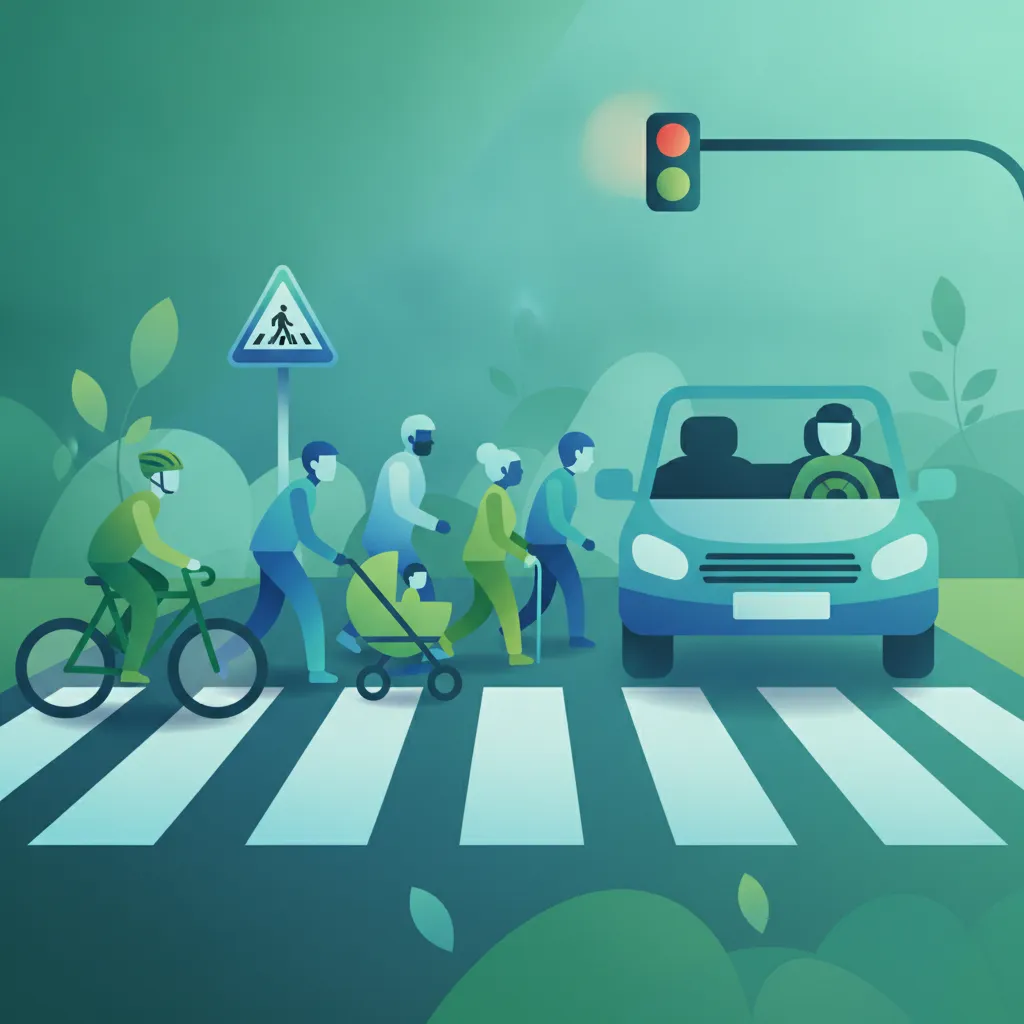
This lesson focuses on a driver's legal and ethical duty of care to all road users. It explains the concept of a road user hierarchy, which prioritizes the safety of vulnerable groups such as pedestrians, cyclists, and motorcyclists. You will learn the principles of defensive driving, anticipating potential hazards, and maintaining a courteous attitude on the road to ensure safety for everyone.
This lesson outlines the serious legal and professional consequences of committing traffic offences. It covers common issues such as speeding, using a mobile phone, and the strict limits on alcohol, explaining the system of fixed penalty notices and penalty points. The content makes clear how accumulating points can lead to fines, licence suspension or revocation, and the loss of a professional driving career. The importance of understanding and following company policy on incident reporting is also stressed.
This lesson focuses on the significant environmental responsibilities of goods vehicle operators, including the need to comply with emission standards and navigate Low Emission Zones (LEZs) in urban areas. You will learn about the impact of noise pollution and vehicle idling on local communities. Furthermore, it covers practical strategies for improving fuel efficiency and reducing environmental impact through smart route planning and eco-driving techniques, aligning with modern corporate social responsibility.
This lesson addresses the serious danger of driver fatigue, a major cause of incidents involving commercial vehicles. It details the complex EU and GB domestic rules on drivers' hours, including driving limits and required rest periods. Learners will be taught to recognize the physical and mental signs of fatigue and understand the importance of taking quality rest to maintain alertness and ensure their own safety and that of others.

Explore the critical topics of driver liability, insurance, and legal penalties in Great Britain. This lesson distinguishes between civil and criminal liability in the context of road incidents. It details the compulsory third-party insurance every driver must have and explains the penalty points system for traffic offences, including fines and potential disqualification.
Gain a comprehensive understanding of the legal repercussions for violating goods vehicle regulations, which can range from civil penalties to criminal prosecution. This lesson details the fines, penalty points, and potential vehicle seizure enforced by authorities like the DVSA and the police. It clarifies how serious offences are handled in court and how repeated infractions can lead to escalating sanctions, impacting both your licence and professional career.

This lesson details the crucial documentation required for legal driving in the UK. It explains the purpose of the V5C registration document, the MOT test certificate, and proof of insurance and road tax (Vehicle Excise Duty). You will learn where to keep these documents and when you might be required to present them to authorities.

This lesson covers the critical legal requirement for accurate record-keeping in the transport industry. It provides detailed instruction on the correct use of both analogue and digital tachographs to record driving time, breaks, and other work. You will also learn about other essential documents that must be carried, such as load manifests and delivery notes, and the importance of keeping these records accurate and available for inspection by enforcement authorities.
Find clear answers to common questions learners have about Professional Conduct and Customer Service. Learn how the lesson is structured, which driving theory objectives it supports, and how it fits into the overall learning path of units and curriculum progression in Great Britain. These explanations help you understand key concepts, lesson flow, and exam focused study goals.
Professional conduct is vital because HGV drivers serve as the public face of their logistics company. The DVSA includes these topics to ensure drivers understand that their behavior, attitude, and communication skills directly impact road safety and company reputation.
Maintain a calm, professional tone and listen to their concerns. Reference your company's delivery protocols and stay focused on finding a solution rather than escalating the conflict, which aligns with standard professional conduct expectations for goods vehicle drivers.
Yes, a professional appearance is part of your role as a company representative. It instills confidence in customers and the public, reflecting well on your employer and the professionalism of the logistics industry as a whole.
Always choose the answer that prioritizes safety, clear communication, and adherence to company policies. Avoid responses that show aggression or disregard for the customer's perspective.
Dive into our comprehensive question bank to find exactly what you need for your Great Britain theory test. Use our advanced filters to pinpoint specific subjects or test your knowledge on challenging areas, ensuring you're fully prepared for success.