
This lesson establishes the vital safety principles every professional passenger vehicle driver must uphold. By exploring secure loading techniques, passenger welfare, and emergency preparedness, you will gain the knowledge necessary to maintain a safe and professional environment for your passengers while driving under a Category D, D1, D1E, or DE licence.

Lesson content overview
Operating a passenger vehicle, whether a bus, coach, or minibus, carries significant responsibility for the safety and well-being of every person on board. This lesson delves into the core principles of passenger safety, providing Category D, D1, D1E, and DE licence holders with a thorough understanding of the regulations, best practices, and proactive measures required to protect passengers. By mastering these fundamentals, professional drivers not only comply with legal obligations but also foster public trust and enhance the overall reliability of passenger transport services across Great Britain.
This comprehensive guide focuses on systematic risk assessment, hazard identification, and mitigation strategies that seamlessly integrate vehicle design, driver conduct, and passenger behaviour. Understanding these aspects is crucial for reducing the severity of injuries during incidents, maintaining operational efficiency, and adhering to the stringent standards set by the Highway Code and the Driver and Vehicle Standards Agency (DVSA).
Effective passenger safety management is built upon several foundational principles, each designed to address specific risks inherent in transporting multiple individuals. These principles are not merely guidelines; they are legal requirements and ethical responsibilities that drivers must uphold at all times. Adherence to these core principles ensures a secure environment for all occupants and is vital for safe and compliant operation.
One of the most critical aspects of passenger safety is ensuring that all seated occupants are properly restrained. Secure seating means that every passenger seat must be equipped with appropriate, functional restraint systems, such as seatbelts, and that these systems are used correctly. In the event of sudden braking, acceleration, or a collision, proper restraints prevent occupants from being thrown forward, ejected from their seats, or making contact with vehicle interior fittings, thereby significantly reducing the risk and severity of injury.
Category D vehicles utilise various types of seating. Fixed seats are permanently mounted and come with dedicated seatbelts, typically three-point belts for adults, which secure across the chest and pelvis. Foldable or removable seats must also incorporate intact and functional restraint systems when they are in use. For passengers using wheelchairs, wheelchair spaces are specially designed and must be equipped with anchoring systems that comply with EC Regulation No 181/2002, ensuring the wheelchair and its occupant remain secure during transit. Drivers must verify that all passengers have fastened their seatbelts correctly before the vehicle commences movement. Any malfunction in a restraint system must be reported and rectified immediately, and the seat should not be used.
Always perform a visual check of passenger seatbelt usage before departing, especially after stops or when new passengers have boarded. A quick scan can prevent potential injuries and legal issues.
While many passenger vehicles, particularly coaches, are designed primarily for seated travel, urban buses and some minibuses permit standing passengers. Safe standing zones are designated interior areas where standing is permissible. These zones are clearly marked, often with floor stickers or painted lines, and are equipped with robust handrails or grab points. The primary purpose of these zones and their associated handrails is to minimise the risk of passengers losing their balance and sustaining injuries from falls or contact with interior fittings during vehicle motion, especially during turns, acceleration, or deceleration.
Drivers have a responsibility to ensure that standing is limited strictly to these designated zones. Passengers must be encouraged to hold onto handrails at all times while the vehicle is in motion. Permitting passengers to stand in undesignated areas, such as near doors without support, can lead to accidents and violates safety guidelines like Guideline 4.3 of the DVSA Inspection Manual for Passenger Vehicles. Effective monitoring and enforcement by the driver are crucial for maintaining safety within these zones.
Unsecured luggage poses a significant hazard in a moving vehicle. During sudden stops or impacts, loose items can become dangerous projectiles, causing injuries to passengers and potentially impairing the driver's view or interfering with vehicle controls. Therefore, secure loading of luggage is a fundamental principle, requiring all passenger luggage to be stored in designated compartments, racks, or firmly secured to floor fittings to prevent any movement during travel.
Vehicles typically offer several storage options:
Drivers must verify correct luggage storage before departure and during the journey. Any misplaced or unsecured items must be relocated and secured. Failure to do so not only endangers passengers but also contravenes regulations such as Regulation 90 of the Passenger Vehicle Regulations and Highway Code Rule 115.
Preparedness for emergencies is a cornerstone of passenger safety. This involves the availability, accessibility, and operability of emergency equipment. Key items include fire extinguishers, emergency hammers (or glass breakers), clearly visible exit signs, and comprehensive first-aid kits. This equipment is vital for enabling swift evacuation and effective response during incidents, thereby mitigating the risks of fire, injury, and panic.
Each piece of equipment has specific requirements:
Regular inspection, proper maintenance records, and driver familiarity with the operation of all emergency equipment are mandatory requirements under legislation such as Regulation 72 of the Passenger Vehicle Regulations and DVSA Form 39 for equipment checks. Drivers must conduct routine checks to confirm that all equipment is present, functional, and unblocked.
Never block access to emergency exits or equipment, even temporarily. In an emergency, every second counts, and obstructions can have severe consequences.
Seatbelt compliance refers to the obligation for all occupants, including the driver and passengers, to wear seatbelts properly adjusted and fastened at all times when the vehicle is in motion. This requirement is paramount for reducing mortality and severe injury rates in collisions and meeting stringent legal requirements. The Road Vehicles (Construction and Use) Regulations 1986 and Highway Code Rule 244 mandate seatbelt use.
The driver plays a critical role in enforcing compliance. Before moving the vehicle, the driver must visually confirm that all passengers are wearing their seatbelts correctly. This means the belt should be positioned across the pelvis and chest, snug but comfortable. For small children, approved child restraint systems appropriate for their age and size must be used. Drivers have the authority to refuse to commence movement until all seatbelts are secured, reinforcing the serious nature of this safety measure. Assuming passengers will self-comply after an initial reminder is a common mistake that can have dire consequences.
An on-board safety briefing is a structured, concise delivery of essential safety information to passengers. This vital communication promotes passenger awareness, reduces panic during emergencies, and ensures compliance with safety protocols. The briefing should cover key topics such as:
Drivers are required to deliver a safety briefing before departure or at the start of each shift, especially on new routes or with new passenger groups. The DVSA Inspectorate Guidance emphasises the importance of this, as passengers who are informed are better prepared to react safely in an emergency. The briefing should be clear, audible, and tailored to the specific passenger group, for example, using simpler language for school children or providing additional assistance information for passengers with disabilities.
Passenger safety in Great Britain is governed by a robust framework of national and European regulations. Professional drivers of Category D vehicles must be intimately familiar with these rules, as compliance is mandatory and directly impacts their professional licence and the operator's standing.
The Highway Code provides essential rules and guidance for all road users in the UK, with specific sections relevant to passenger vehicles:
Beyond the Highway Code, a set of specific regulations and guidelines dictate the design, construction, and operation of passenger vehicles, along with the responsibilities of drivers and operators:
Despite clear regulations and guidance, certain passenger safety violations occur frequently. Understanding these common pitfalls and adopting best practices is essential for professional drivers to prevent incidents and ensure compliance.
Passenger Not Wearing Seatbelt During Short Trips:
Luggage Stored with Overhead Compartment Latches Open:
Blocking Emergency Exits with Bags or Other Items:
Standing Passengers Not Holding Handrails on Uneven Roads:
Failure to Conduct Regular Emergency Equipment Checks:
Driver Omitting the Safety Briefing on a Short School Run:
Passenger safety is not static; it requires dynamic adaptation based on various environmental, operational, and passenger-specific conditions. A professional driver must be adept at assessing these conditions and adjusting safety protocols accordingly.
| Condition | Variation in Safety Measures | Reasoning |
|---|---|---|
| Adverse Weather (Heavy Rain, Snow, Ice) | Encourage all passengers to remain seated. Limit the number of standing passengers and increase emphasis on securely stowing luggage. Advise passengers to brace themselves for potential sudden movements. | Wet or icy road surfaces significantly reduce tyre grip, increasing vehicle sway, braking distances, and the likelihood of sudden shifts, making unsecured items and standing passengers more vulnerable. |
| Low Light / Nighttime Travel | Double-check that all emergency exit signs are illuminated and fully functional. Remind passengers of handrail locations and, if applicable, the use of personal lights. | Reduced visibility makes it harder for passengers to quickly locate exits and grab points during an emergency, potentially causing confusion or delays. |
| Urban vs. Rural Road Driving | Urban: Anticipate more frequent stops, higher turnover of standing passengers. Emphasise holding handrails. Rural: Longer journeys, more seated travel, potentially higher luggage volume. Focus on secure luggage. | Urban driving involves constant stopping and starting, and more passengers boarding and alighting. Rural journeys often involve higher speeds and longer periods where secure seating and luggage are critical. |
| Vehicle Load (Near Max Capacity) | Meticulously check load distribution. Ensure all luggage is within designated storage capacity and that overhead bins are not overloaded. Verify the total load (passengers + luggage) is within the vehicle's rated capacity. | Overloading can drastically affect vehicle handling, stability, and braking performance, increasing accident risk. Improper load distribution can shift the vehicle's centre of gravity. |
| Special Passenger Groups (School Children, Elderly, Disabled) | Adjust briefing language to be clear and concise for children. Provide additional assistance for luggage handling for the elderly. Ensure wheelchair anchoring systems are correctly used and frequently checked for passengers with disabilities. | Vulnerable groups may have specific needs, reduced mobility, or different comprehension levels, requiring tailored communication and practical support to ensure their safety and comfort. |
| Equipment Failure (e.g., Faulty Exit Sign) | If an emergency exit sign fails, it must be reported for immediate repair. Until repaired, the driver must verbally highlight the exit locations during the safety briefing and specifically point them out if possible. | Compensating for a non-functional visual cue is vital to maintain evacuation safety and guide passengers effectively in an emergency. |
| High-Speed Motorway Travel | Standing is generally prohibited. All passengers must be seated with seatbelts fastened. All luggage must be securely stowed in compartments. | Higher speeds significantly amplify kinetic forces during sudden stops or collisions, making standing passengers and unsecured items extremely dangerous. |
| Emergency Situations (Fire, Accident) | Follow established emergency protocols. Prioritise an orderly and swift evacuation. If standing passengers are present and at risk of impact with interior fittings, guide them immediately to the safest exit route. | Effective emergency response minimises casualties. Pre-planned procedures and quick, decisive action are paramount. |
Understanding the underlying reasoning behind passenger safety measures helps drivers appreciate their critical importance and promotes diligent adherence.
Kinetic Energy Transfer: In a crash, a vehicle's kinetic energy is suddenly transferred. Proper restraint systems, like seatbelts, absorb and distribute these forces across stronger parts of the body, significantly reducing impact injury severity. Without them, occupants continue moving at the vehicle's original speed until they hit something inside or outside the vehicle, often with fatal consequences.
Projectile Hazard Theory: Unsecured objects, from small bags to large suitcases, obey Newton's first law of motion. During sudden deceleration, they continue moving forward with considerable force, transforming into dangerous projectiles. This can cause severe injuries to passengers and the driver, or even interfere with vehicle controls.
Human Factors – Perception and Reaction: Clear signage, audible alerts, and well-rehearsed safety briefings reduce cognitive overload and improve passenger response times during emergencies. When passengers know what to do and where to go, panic is minimised, and evacuation processes are more efficient and safer.
Load Distribution Principles: Vehicle manufacturers design vehicles to carry a specific maximum load (passengers plus luggage), ensuring optimal centre of gravity and braking capacity. Overloading or improper load distribution shifts the vehicle's centre of gravity, compromising handling, increasing braking distances, and heightening the risk of losing control.
Behavioural Compliance: Consistent delivery of safety briefings and enforcement of rules (like seatbelt use) through driver conduct reinforces safe behaviours. Through repetition and clear instruction, passengers are more likely to comply, creating a safer environment for everyone. UK Road Safety Foundation data consistently shows that a significant percentage of injuries in bus collisions involve unsecured luggage or standing passengers who were not holding on.
Explore all units and lessons included in this driving theory course.
Lesson content overview
Explore all units and lessons included in this driving theory course.
Explore search topics learners often look for when studying Passenger Safety Fundamentals. These topics reflect common questions about road rules, driving situations, safety guidance, and lesson level theory preparation for learners in Great Britain.
Browse additional driving theory lessons that cover connected traffic rules, road signs, and common driving situations related to this topic. Improve your understanding of how different rules interact across everyday traffic scenarios.
Understand the essential legal framework governing passenger safety for Category D drivers. Covers Highway Code rules, DVSA guidance, and relevant UK passenger vehicle regulations for compliant operation and passenger welfare.

This lesson details your legal responsibility for passenger safety. It covers the mandatory use of seatbelts for all occupants and explains the specific laws regarding child car seats, which are based on a child's height or weight. Correctly fitted head restraints and understanding how airbags work are also key components of passenger protection.

This lesson focuses on the regulations and best practices for driving a bus or coach on motorways. It details the specific speed limits applicable to PCVs and reinforces strict lane discipline. The content covers the correct procedures for safely joining from a slip road, overtaking other vehicles, and exiting the motorway. It also explains the features of smart motorways and the correct safety procedures to follow in the event of a breakdown, including the use of the hard shoulder.

This lesson addresses the critical importance of child safety in school transport zones and around school buses. It covers the specific regulations, such as 20 mph speed limits and stopping restrictions indicated by zigzag lines. Learners will focus on the unpredictable nature of children and the need for heightened vigilance and readiness to stop unexpectedly. The content also includes procedures for the safe transport of pupils, ensuring their security both inside and outside the vehicle.
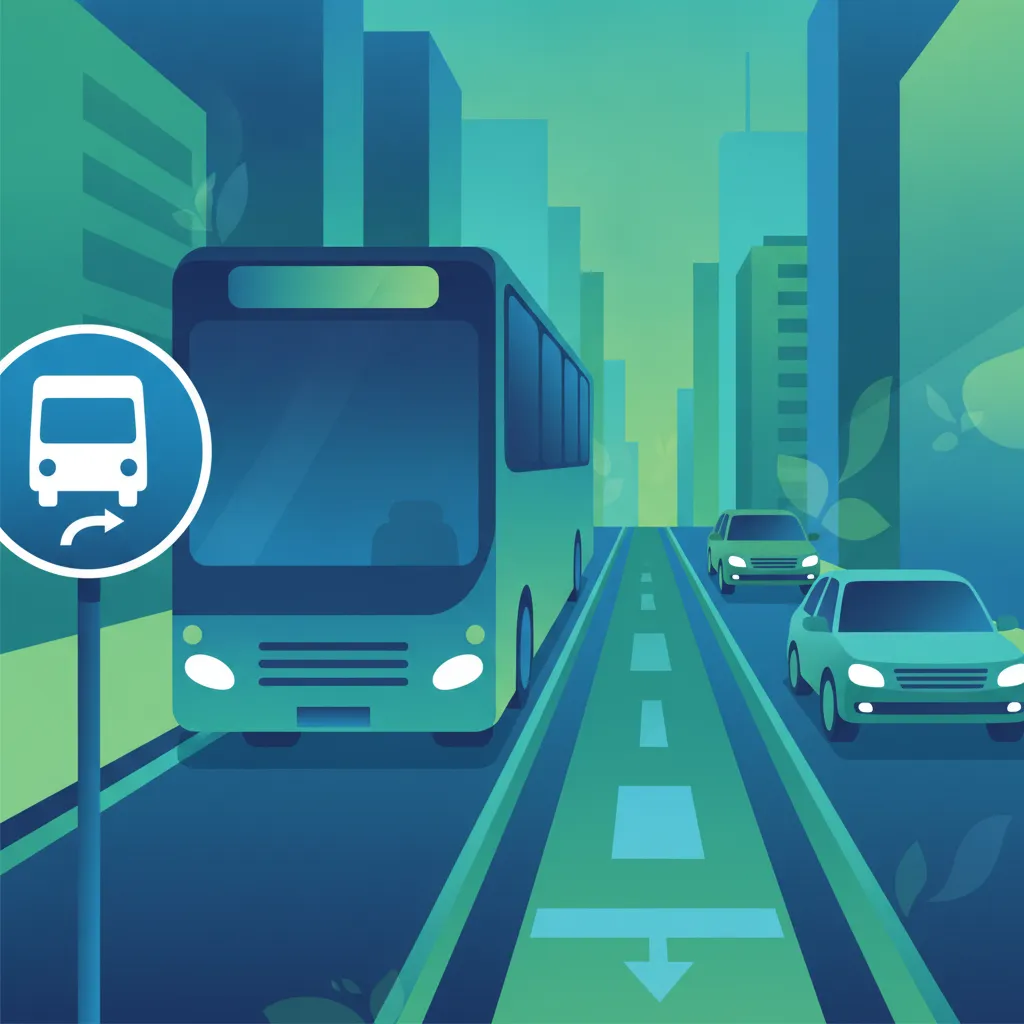
This lesson examines the unique rules and restrictions governing buses and coaches, focusing on bus lane priority, time-based restrictions, and loading zone limitations. Learners will explore the criteria for using bus-only routes and understand the legal consequences of non-compliance. The content also reviews signage indicating bus gate operation and areas where passenger vehicles are prohibited from stopping or loading outside of designated zones, ensuring lawful and efficient urban navigation.
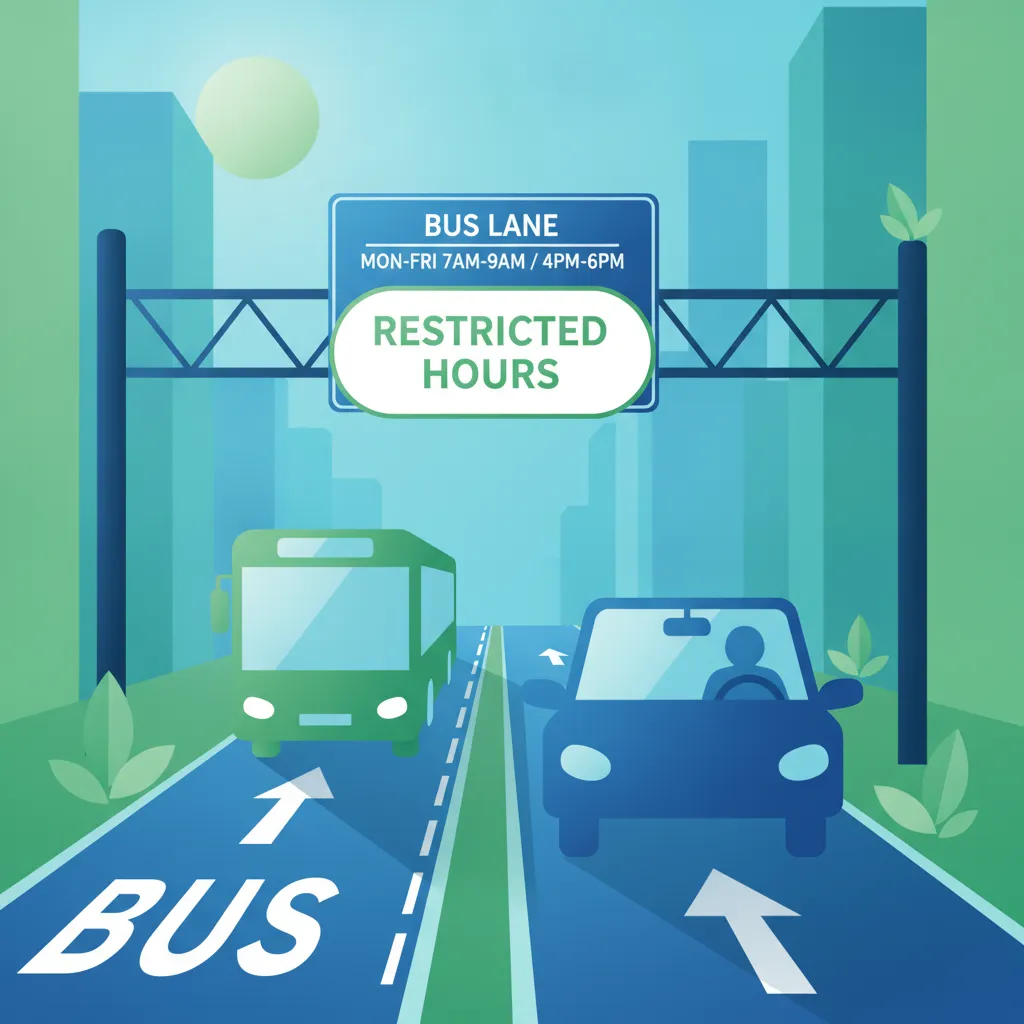
This lesson covers the importance of maintaining correct lane discipline when driving a large passenger vehicle. It details how to position your vehicle safely within a lane on various road types, including multi-lane carriageways and motorways. You will learn the specific rules governing bus lanes, including how to interpret markings, adhere to operating times, and understand the exemptions and penalties associated with their use to ensure legal and efficient driving.

This lesson provides detailed guidance on protecting pedestrians in high-risk areas like bus stops and formal crossings. It covers the specific rules and driver obligations at zebra, pelican, toucan, and puffin crossings, as well as when approaching a school crossing patrol. The content emphasizes the importance of vigilance, anticipating pedestrian movements, especially those who may be distracted or emerge from behind the bus, and always being prepared to stop to prevent accidents.

This lesson covers the full range of road signs encountered by passenger vehicle drivers, focusing on regulatory, warning, and informational signs. It explains the visual characteristics of sign shapes, colors, and symbols, particularly those associated with bus lane usage and priority rules. By mastering sign hierarchy and meaning, drivers can quickly interpret the sign's intent and adjust their driving behaviour accordingly, ensuring full compliance with the Highway Code and enhancing road safety.

This lesson focuses on the legal and practical requirements for providing accessible transport for passengers with reduced mobility. It covers wheelchair access, ramp usage, and securement devices, as well as procedures for safely assisting passengers with mobility aids. The discussion highlights relevant disability legislation and the importance of proper loading and unloading protocols to protect both passengers and the driver from injury, ensuring compliance with accessibility standards in Great Britain.

This lesson provides guidance on where and how to park your vehicle legally and safely. It covers common manoeuvres like parallel parking and reversing into a bay, as well as specific rules for parking on a hill or at night. You will also learn to recognise locations where stopping is prohibited, such as on zig-zag lines or in clearways.
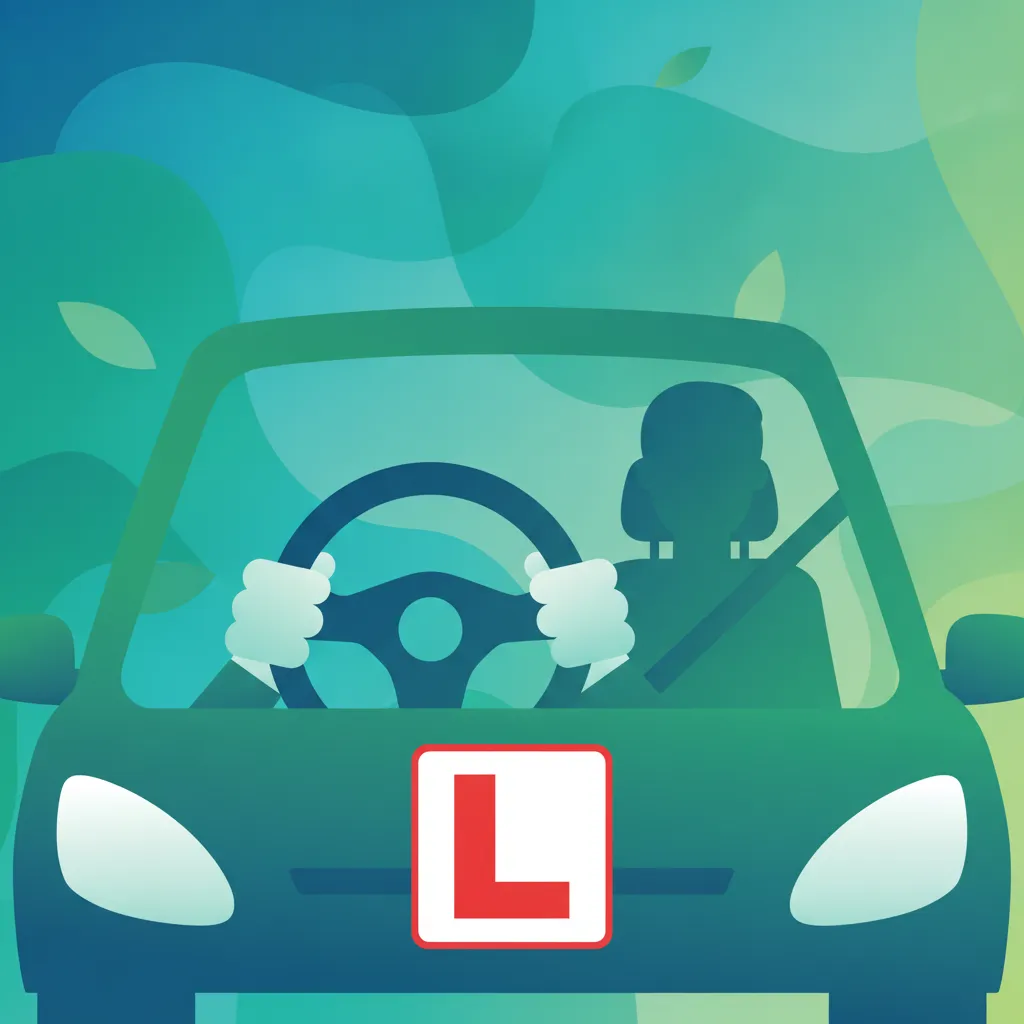
This lesson provides a clear guide to the legal restrictions placed on drivers with a provisional licence. It covers the mandatory display of L-plates and the specific criteria for a supervising driver, including age and experience. Furthermore, it explains the prohibition on driving on motorways and other rules designed to ensure safety during the learning process.
Learn how to conduct thorough risk assessments for passenger journeys. This lesson covers identifying hazards, understanding kinetic energy transfer, and implementing effective mitigation strategies for secure seating, luggage, and emergency preparedness.

This lesson explores safe boarding protocols, focusing on correct door operation, managing internal passenger movement, and providing assistance for passengers with reduced mobility. It emphasizes the importance of establishing safety zones near doorways, managing standing passengers during boarding, and using audible alarms. The lesson also covers the proper sequence for wheelchair boarding and the use of loading bays to ensure smooth passenger flow and minimize risks during the boarding process.

This lesson provides a step-by-step guide to evacuating a bus or coach in an emergency. It covers locating and operating all emergency exits, including hammers for breaking glass. The focus is on providing clear, calm instructions to passengers to prevent panic and ensure an orderly evacuation. Strategies for assisting children, the elderly, and passengers with disabilities are detailed, along with the importance of guiding everyone to a safe assembly point away from the vehicle and traffic.

This lesson focuses on the critical skill of managing the large blind spots inherent to buses and coaches. It details the purpose of different mirror classes (e.g., wide-angle and kerb-view) and how to use them effectively. Learners will develop a systematic scanning and mirror-checking routine to maintain constant awareness of their surroundings, particularly looking for cyclists and pedestrians who may be hidden from direct view, thereby minimizing the risk of a collision.

This lesson focuses on the essential role of public trust in maintaining the reputation and reliability of passenger transport services. Learners will explore how passenger welfare is central to building confidence, emphasizing the impact of a strong safety culture and effective risk management on service perception. The content highlights the driver's responsibility in upholding stakeholder expectations, including community safety and the broader societal role of public transportation, ensuring a high standard of service.

This lesson focuses on alighting strategies and correct bus stop positioning to ensure passengers can exit the vehicle safely. Learners will investigate precise kerb alignment, the use of alighting alarms, and procedures for safe passenger disembarkation. Additionally, it covers the critical need for traffic awareness during alighting, such as monitoring mirrors and surrounding traffic, using stop signs, and prioritising the safety of vulnerable road users who may be near the bus.

This lesson details the immediate actions a driver must take in the event of an accident or on-board emergency. It covers how to protect the scene, use hazard warning lights, and contact the emergency services via 999 or 112, providing clear and concise information. The content also includes the location and use of the first aid kit and fire extinguisher. It emphasizes the driver's role in calmly assisting passengers and cooperating with emergency responders upon their arrival.

This lesson discusses the crucial interaction between passenger vehicles and pedestrians at and around bus stops. Learners will explore pedestrian right-of-way, especially at crosswalks, and positioning strategies to maintain a safe distance from people waiting or crossing. The lesson also covers pedestrian alertness measures and conflict avoidance techniques to protect vulnerable road users. This knowledge is essential for preventing accidents and maintaining a safe environment around the vehicle during stops.
This lesson focuses on the legal and practical requirements for providing accessible transport for passengers with reduced mobility. It covers wheelchair access, ramp usage, and securement devices, as well as procedures for safely assisting passengers with mobility aids. The discussion highlights relevant disability legislation and the importance of proper loading and unloading protocols to protect both passengers and the driver from injury, ensuring compliance with accessibility standards in Great Britain.
Find clear answers to common questions learners have about Passenger Safety Fundamentals. Learn how the lesson is structured, which driving theory objectives it supports, and how it fits into the overall learning path of units and curriculum progression in Great Britain. These explanations help you understand key concepts, lesson flow, and exam focused study goals.
You must ensure all luggage is stowed securely so it cannot move or block exits during transit. Loose items can become dangerous projectiles during sudden braking, so check that racks are used correctly and floor space remains clear.
Safety briefings should be carried out at the start of any long-distance coach journey or whenever passengers are unfamiliar with the vehicle's layout. This includes pointing out emergency exits, the use of seatbelts, and what to do in an emergency.
Yes, standing passengers are only permitted in designated areas of the vehicle where there is suitable grab rail support and floor grip. You must ensure you do not exceed the vehicle’s licensed capacity for standing passengers to maintain safety and stability.
In vehicles where seatbelts are mandatory, you should remind passengers of the legal requirement and the safety benefits. While you cannot physically force a passenger to comply, maintaining a clear policy and providing a polite reminder is part of your professional duty of care.
Dive into our comprehensive question bank to find exactly what you need for your Great Britain theory test. Use our advanced filters to pinpoint specific subjects or test your knowledge on challenging areas, ensuring you're fully prepared for success.