
This final lesson of your Passenger Vehicle theory course focuses on the professional mindset required for Category D and D1 drivers. It explores the importance of maintaining a positive safety culture, the necessity of continuous professional development through the Driver CPC, and how to effectively learn from passenger feedback to ensure excellence.

Lesson content overview
Operating a passenger vehicle, such as a bus, coach, or minibus, demands more than just driving skill. It requires a deep understanding and unwavering commitment to safety and continuous improvement. This lesson explores the principles that underpin a proactive safety culture, how ongoing professional development maintains competence, and the critical role drivers play in ensuring the highest standards of safety and service. By embracing these concepts, professional drivers contribute significantly to passenger confidence, operational reliability, and compliance with stringent UK transport regulations.
A positive safety culture is the bedrock of safe passenger transport operations. It represents the collective commitment of an organisation and its staff, including every driver, to prioritise safety above all other competing goals. This shared mindset fosters an environment where safety is not just a set of rules, but a core value embedded in every decision and action.
The shared values, attitudes, perceptions, and patterns of behaviour that prioritise safety within an organisation. It reflects how safety is managed in practice, not just how it is documented.
A positive safety culture means that all employees, from management to frontline drivers, feel comfortable raising safety concerns without fear of reprisal. It encourages open communication about potential hazards, incidents, and suggestions for improvement. When drivers actively contribute by reporting hazards, near-misses, and supporting safe practices, it reinforces this collective responsibility.
Crucially, a positive safety culture is often linked to a "Just Culture."
An environment where individuals are encouraged to provide essential safety-related information and are not punished for honest mistakes, but are held accountable for reckless behaviour or deliberate violations.
A Just Culture distinguishes between human error, at-risk behaviour, and reckless behaviour. Its focus is on learning from errors and system weaknesses rather than assigning blame, which encourages honest reporting and allows organisations to identify and fix systemic safety issues. This approach is vital for ensuring that drivers feel empowered to speak up when something isn't right.
For professional bus, coach, and minibus drivers, a strong safety culture translates into tangible benefits. It means that safety considerations are integrated into daily tasks, from pre-shift vehicle checks to navigating complex urban routes. For example, a driver noticing poorly maintained bus stops would report them, understanding that such actions contribute to the safety of all passengers, particularly those with reduced mobility. This proactive engagement helps reduce complacency and fosters open communication channels.
Maintaining and enhancing professional competence is not a one-time achievement but an ongoing commitment. Continuous Professional Development (CPD) encompasses all learning activities that help professional drivers keep their knowledge and skills current and relevant throughout their careers.
In Great Britain, the Driver Certificate of Professional Competence (CPC) is a mandatory qualification for professional bus, coach, and minibus drivers. It ensures that drivers maintain a minimum competence level and stay updated with evolving regulations, technology, and best practices.
The Driver CPC framework includes specific statutory obligations:
Completing 35 hours of periodic training is mandatory for all professional Category D, D1, D1E, or DE licence holders. Failure to do so can result in licence restrictions.
CPD is not limited to formal CPC modules. It also includes informal learning such as peer coaching, field observations, self-study of new regulations, or learning from incident reviews. For instance, taking a refresher module on handling passengers with reduced mobility is a formal CPD activity, while reviewing a company newsletter about a new electronic ticketing system contributes to informal learning.
Monitor Your Training Hours: Keep track of your completed periodic training hours to ensure you meet the 35-hour requirement within each 5-year cycle.
Attend Approved Courses: Only training delivered by approved centres counts towards your Driver CPC.
Update Your Record: Ensure your training provider uploads your completed modules to your Driver CPC record.
Plan Ahead: Don't leave your training to the last minute. Spread your modules out over the 5-year period to benefit from continuous learning.
Safety is significantly enhanced when drivers adopt a proactive approach, identifying potential issues before they escalate into incidents. This involves systematic risk assessment and diligent near-miss reporting.
The systematic process of identifying, evaluating, and controlling potential hazards before they can cause an incident, accident, or injury.
Professional drivers must integrate risk assessment into their daily routine. This isn't a one-time activity but a continuous process that adapts to changing circumstances.
Key aspects of proactive risk assessment include:
Treating risk assessment as a continuous process rather than a one-off task helps drivers anticipate issues and take preventive actions, significantly reducing the likelihood of accidents.
An unplanned event that did not result in injury, illness, or damage – but had the potential to do so. It is often referred to as a "close call."
Near-miss reporting is a vital component of a robust safety management system. These incidents, where an accident was narrowly avoided due to chance or a driver's swift action, provide invaluable early warning signs of systemic safety issues. They highlight weaknesses in procedures, training, or infrastructure that might otherwise go unnoticed until a serious accident occurs.
Near-misses can be categorised:
Drivers are typically required to report near-misses through company channels, often within a specified timeframe (e.g., 24 hours). This data is then used for risk analysis, allowing operators to identify patterns, implement targeted safety interventions, and update policies or training programs. For example, logging an incident where a passenger almost slipped during alighting due to icy steps helps the company review its gritting procedures for stops. Ignoring near-misses means missed learning opportunities and allows underlying hazards to persist, increasing the potential for future accidents.
A critical element in continuous improvement and maintaining a safe service culture is the effective exchange of information and opinions. The feedback loop provides a structured mechanism for this, involving drivers, passengers, and management.
A bi-directional exchange of performance information, where insights are gathered, analysed, and acted upon to improve processes and outcomes.
A robust feedback loop enables ongoing service improvements, helps identify training needs, and reinforces positive behaviour. It encompasses both formal and informal channels:
Drivers play a dual role in the feedback loop. They are recipients of feedback, both positive and constructive, which they should use to adjust their driving style or service delivery. They are also crucial providers of feedback, reporting issues with vehicle maintenance, route conditions, or passenger behaviour that impact safety and service quality. Ignoring passenger feedback reduces comfort and safety and can lead to ongoing dissatisfaction and formal complaints. Conversely, acting on feedback demonstrates professionalism and commitment to excellence.
A Company Safety Management System (SMS) provides the formal structure within which a safe service culture thrives. It's a systematic framework deployed by transport operators to manage safety risks, assure compliance, and promote safety culture across the organisation.
The DVSA (Driver and Vehicle Standards Agency) requires passenger vehicle operators to have a robust SMS in place. This system typically comprises several key components:
For drivers, conforming to the company's SMS means adhering to operational policies, following incident reporting procedures, and consistently applying standard operating procedures. This includes mandatory daily vehicle checks, compliance with driving hours regulations, and understanding emergency protocols. The SMS ensures that there is a formal framework for managing safety, which supports and reinforces the individual actions of professional drivers. For example, if the operator's SMS includes a mandatory interval for reviewing near-miss data, drivers know their reports directly contribute to this critical safety review.
Professional passenger vehicle drivers in Great Britain operate within a comprehensive legal and regulatory framework designed to ensure the highest levels of safety. Adherence to these regulations is not optional; it is a mandatory part of a driver's professional responsibility and underpins a safe service culture.
The Driver CPC Guide outlines specific requirements for professional drivers:
This Act establishes fundamental duties for all road users, including professional drivers.
This foundational legislation places a duty of care on employers and employees regarding health and safety.
Even with extensive training and regulations, certain actions can undermine safety and service quality. Understanding common violations and adopting best practices is crucial for professional drivers.
Professional driving demands constant adaptation to changing conditions. A safe service culture requires drivers to adjust their proactive measures and reporting based on context.
The principles of continuous improvement and a safe service culture are deeply interconnected. They form a comprehensive system where each element reinforces the others, leading to superior safety outcomes.
Conversely, neglecting these principles has detrimental effects:
This lesson builds upon several foundational concepts covered in previous lessons, highlighting the holistic nature of professional driver training:
Let's explore some real-world examples to illustrate how these concepts translate into daily operations for bus, coach, and minibus drivers.
Setting: An urban route frequently used by a driver now has scheduled roadworks affecting a key bus stop, Stop N. Rule/Decision Point: The driver must assess the new stop layout and surrounding conditions before starting service. Correct Behaviour: Before the shift, the driver checks the updated route information and stop schematics. They note that the altered boarding position at Stop N requires passengers to navigate a temporary ramp. The driver plans to approach Stop N with extra caution, communicate clearly with passengers about the boarding procedure, and allow additional dwell time. Incorrect Behaviour: The driver proceeds without checking for route changes. Arriving at Stop N, they are surprised by the temporary ramp and altered boarding position, leading to confusion among passengers and an increased risk of trips or falls as passengers try to board from an unfamiliar spot without assistance. Explanation: Proper proactive risk assessment identifies the changed environment and allows the driver to mitigate potential hazards, ensuring passenger safety and a smooth service.
Setting: Driving on a rural route in wet conditions, a cyclist ahead suddenly swerves into the bus's path to avoid a pothole, forcing the driver to perform a hard brake. Rule/Decision Point: The driver experiences a clear near-miss and must report it. Correct Behaviour: After ensuring passenger safety and regaining composure, the driver logs the incident using the company's near-miss reporting form within 24 hours. They provide details about the location, road conditions, the actions taken, and the potential hazard (pothole). This information alerts the depot to a possible road maintenance issue and provides valuable data for other drivers. Incorrect Behaviour: The driver, shaken but relieved, decides not to report the incident, thinking "no harm done." Explanation: Reporting the near-miss supports data collection that may lead to better road maintenance, cautionary alerts to other drivers, or adjustments to route planning, thus improving overall safety.
Setting: New legislation regarding wheelchair accessibility on public transport has been enacted, requiring specific procedures for securing mobility aids. Rule/Decision Point: The driver must attend mandatory CPC periodic training covering these updated accessibility rules. Correct Behaviour: The driver actively participates in a 7-hour CPC module focused on the new legislation, including practical demonstrations and an assessment. Upon successful completion, their Driver CPC record is updated, ensuring full compliance and up-to-date knowledge to assist passengers effectively. Incorrect Behaviour: The driver views the training as a mere formality and either fails to attend or does not pay attention, resulting in non-compliance during a routine licence check or, worse, an inability to safely assist a passenger using a wheelchair. Explanation: CPD ensures drivers maintain current legal knowledge and practical skills, directly impacting passenger safety and service quality.
Setting: The operator receives consistent passenger feedback indicating frequent harsh braking on a particular stretch of an urban route. Rule/Decision Point: Both the driver and the operator must address this feedback to improve ride comfort and safety. Correct Behaviour: The operator shares the anonymised feedback with the driver, who then reviews their speed profile and driving style on that specific route segment. The driver proactively attends a coaching session or requests a ride-along with a mentor to refine their braking technique. They then report back on their adjustments and notice a reduction in subsequent complaints. Incorrect Behaviour: The driver dismisses the feedback as passenger oversensitivity, continuing the same driving pattern. The operator also fails to follow up, leading to ongoing passenger dissatisfaction, potentially higher wear and tear on the vehicle, and a perception of unsafe driving. Explanation: A positive safety culture encourages listening to and acting upon feedback. This iterative process of receiving, acting on, and evaluating feedback is crucial for continuous improvement in both safety and service quality.
The professional world of bus, coach, and minibus driving is dynamic, requiring constant vigilance and a commitment to lifelong learning. A Safety Culture forms the foundational mindset, supported by Just Culture principles that encourage open reporting and learning from incidents. This culture is sustained by Continuous Professional Development (CPD), which includes mandatory Driver CPC Commitment (35 hours of periodic training every 5 years and often additional refresher training).
Drivers contribute actively through Proactive Risk Assessment, systematically evaluating potential hazards before they cause incidents, and through diligent Near-Miss Reporting, which provides critical data for preventing future accidents. The Feedback Loop ensures that performance information from passengers and internal reviews is shared, analysed, and acted upon, driving service improvements and informing training needs. All these elements are integrated within the Company Safety Management System (SMS), a formal framework that binds safety policies, procedures, and responsibilities.
Adherence to this Regulatory Framework, including the Road Traffic Act and Health & Safety at Work Act, is non-negotiable. Drivers must adapt their actions based on Conditional Adaptations for weather, lighting, road type, vehicle state, and interactions with vulnerable road users. Ultimately, Cause-Effect Logic demonstrates that correct application of these principles reduces accidents, enhances passenger experience, and ensures legal compliance, while failure leads to increased risks, penalties, and reputational damage. This lesson builds on previous knowledge of fatigue management, legal penalties, emergency procedures, vulnerability awareness, and professional responsibility, cementing a holistic approach to safe and excellent passenger service.
Explore all units and lessons included in this driving theory course.
Lesson content overview
Explore all units and lessons included in this driving theory course.
Explore search topics learners often look for when studying Continuous Improvement and Safe Service Culture. These topics reflect common questions about road rules, driving situations, safety guidance, and lesson level theory preparation for learners in Great Britain.
Browse additional driving theory lessons that cover connected traffic rules, road signs, and common driving situations related to this topic. Improve your understanding of how different rules interact across everyday traffic scenarios.
Understand the core legal requirements for professional drivers in Great Britain, focusing on Driver CPC periodic training, safety legislation, and regulatory duties to ensure compliant and safe passenger transport operations.

This lesson provides a comprehensive overview of the four passenger vehicle licence categories: D1, D, D1E, and DE. It details the specific legal criteria, vehicle types, and eligibility requirements for each. Learners will understand how DVSA theory test mandates intersect with DVLA licensing procedures, clarifying the privileges and limitations of each category. The content also explains the key statutory provisions from the Highway Code that govern passenger vehicle operation in Great Britain.
This lesson highlights the critical importance of lifelong learning and skill enhancement for professional goods vehicle drivers, including the role of Driver CPC periodic training. It covers the value of refresher courses, safety updates, and competency assessments in maintaining the highest professional standards. Learners will understand how proactive professional development not only ensures compliance and reduces accident risk but also supports career progression and successful licence renewals.
This lesson outlines the serious legal and professional consequences of committing traffic offences. It covers common issues such as speeding, using a mobile phone, and the strict limits on alcohol, explaining the system of fixed penalty notices and penalty points. The content makes clear how accumulating points can lead to fines, licence suspension or revocation, and the loss of a professional driving career. The importance of understanding and following company policy on incident reporting is also stressed.

This lesson addresses the serious danger of driver fatigue, a major cause of incidents involving commercial vehicles. It details the complex EU and GB domestic rules on drivers' hours, including driving limits and required rest periods. Learners will be taught to recognize the physical and mental signs of fatigue and understand the importance of taking quality rest to maintain alertness and ensure their own safety and that of others.
This lesson examines the professional duties and ethical standards expected of passenger vehicle drivers, highlighting the duty of care owed to passengers and other road users. It covers the importance of maintaining professional standards, adhering to ethical conduct, and fostering public confidence through responsible behaviour. The content addresses industry accountability mechanisms and outlines how drivers are expected to act with integrity and respect for passenger wellbeing.

This lesson examines the unique rules and restrictions governing buses and coaches, focusing on bus lane priority, time-based restrictions, and loading zone limitations. Learners will explore the criteria for using bus-only routes and understand the legal consequences of non-compliance. The content also reviews signage indicating bus gate operation and areas where passenger vehicles are prohibited from stopping or loading outside of designated zones, ensuring lawful and efficient urban navigation.

This lesson details your legal responsibility for passenger safety. It covers the mandatory use of seatbelts for all occupants and explains the specific laws regarding child car seats, which are based on a child's height or weight. Correctly fitted head restraints and understanding how airbags work are also key components of passenger protection.

This lesson provides a clear overview of the primary goods vehicle licence categories: C1, C, C1E, and CE. It explains the specific vehicle types, weight thresholds, and axle configurations permitted for each classification. You will learn about the DVSA's regulatory framework, including the essential age and medical fitness criteria for eligibility, as well as the steps for obtaining a full licence. Understanding these legal definitions is fundamental for ensuring compliance and safety.

This lesson addresses the serious safety risk of driver fatigue. It explains the warning signs of tiredness and provides strategies for managing it through proper rest and lifestyle choices. The content details the legal requirements under the drivers' hours and working time directive regulations, including the correct use of the tachograph to record rest periods. Maintaining good health, diet, and sleep hygiene is emphasized as fundamental to ensuring a driver is always fit to be on the road.
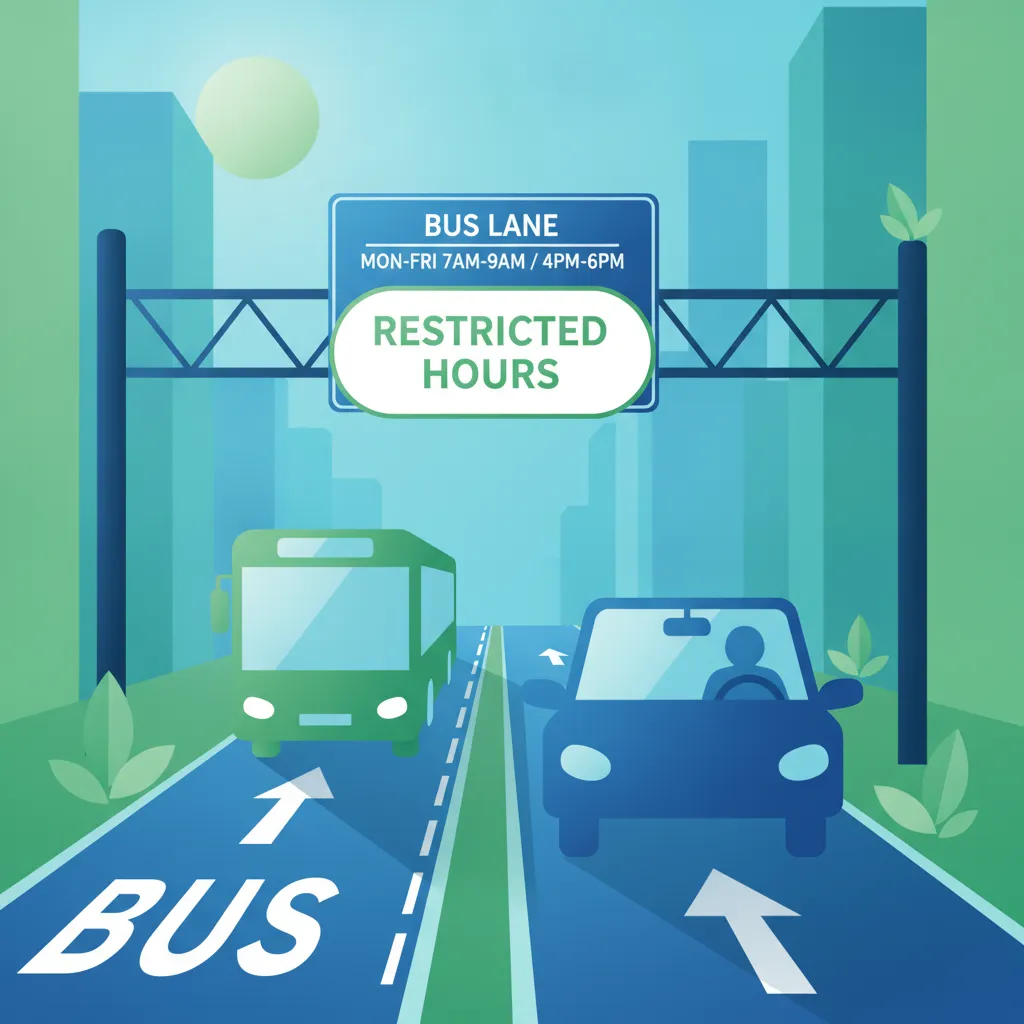
This lesson covers the importance of maintaining correct lane discipline when driving a large passenger vehicle. It details how to position your vehicle safely within a lane on various road types, including multi-lane carriageways and motorways. You will learn the specific rules governing bus lanes, including how to interpret markings, adhere to operating times, and understand the exemptions and penalties associated with their use to ensure legal and efficient driving.
Learn essential proactive safety strategies, including systematic risk assessment and the importance of near-miss reporting, to foster a strong safety culture and enhance passenger transport operations in Great Britain.

This lesson details the immediate actions a driver must take in the event of an accident or on-board emergency. It covers how to protect the scene, use hazard warning lights, and contact the emergency services via 999 or 112, providing clear and concise information. The content also includes the location and use of the first aid kit and fire extinguisher. It emphasizes the driver's role in calmly assisting passengers and cooperating with emergency responders upon their arrival.

This lesson focuses on the critical skill of managing the large blind spots inherent to buses and coaches. It details the purpose of different mirror classes (e.g., wide-angle and kerb-view) and how to use them effectively. Learners will develop a systematic scanning and mirror-checking routine to maintain constant awareness of their surroundings, particularly looking for cyclists and pedestrians who may be hidden from direct view, thereby minimizing the risk of a collision.

This lesson focuses on alighting strategies and correct bus stop positioning to ensure passengers can exit the vehicle safely. Learners will investigate precise kerb alignment, the use of alighting alarms, and procedures for safe passenger disembarkation. Additionally, it covers the critical need for traffic awareness during alighting, such as monitoring mirrors and surrounding traffic, using stop signs, and prioritising the safety of vulnerable road users who may be near the bus.

This lesson provides a thorough understanding of the core safety principles required to protect passengers. It covers secure seating, safe standing zones, and the proper handling of passenger luggage to prevent hazards. Learners will also identify the location and use of emergency equipment, understand seatbelt compliance, and learn how to conduct on-board safety briefings. The focus is on risk assessment and hazard identification to maintain a secure environment for all passengers.
This lesson examines the professional duties and ethical standards expected of passenger vehicle drivers, highlighting the duty of care owed to passengers and other road users. It covers the importance of maintaining professional standards, adhering to ethical conduct, and fostering public confidence through responsible behaviour. The content addresses industry accountability mechanisms and outlines how drivers are expected to act with integrity and respect for passenger wellbeing.

This lesson explores safe boarding protocols, focusing on correct door operation, managing internal passenger movement, and providing assistance for passengers with reduced mobility. It emphasizes the importance of establishing safety zones near doorways, managing standing passengers during boarding, and using audible alarms. The lesson also covers the proper sequence for wheelchair boarding and the use of loading bays to ensure smooth passenger flow and minimize risks during the boarding process.
This lesson addresses the serious safety risk of driver fatigue. It explains the warning signs of tiredness and provides strategies for managing it through proper rest and lifestyle choices. The content details the legal requirements under the drivers' hours and working time directive regulations, including the correct use of the tachograph to record rest periods. Maintaining good health, diet, and sleep hygiene is emphasized as fundamental to ensuring a driver is always fit to be on the road.
This lesson outlines the serious legal and professional consequences of committing traffic offences. It covers common issues such as speeding, using a mobile phone, and the strict limits on alcohol, explaining the system of fixed penalty notices and penalty points. The content makes clear how accumulating points can lead to fines, licence suspension or revocation, and the loss of a professional driving career. The importance of understanding and following company policy on incident reporting is also stressed.

This lesson teaches drivers how to identify various types of vulnerable road users and anticipate their potential actions to prevent conflicts. It covers the specific risks associated with pedestrians, cyclists, motorcyclists, children, and elderly or disabled individuals. Emphasis is placed on heightened awareness and defensive driving techniques required to share the road safely. Understanding their perspectives and typical behaviours is key to protecting them and maintaining safety for everyone.

This lesson addresses the critical importance of child safety in school transport zones and around school buses. It covers the specific regulations, such as 20 mph speed limits and stopping restrictions indicated by zigzag lines. Learners will focus on the unpredictable nature of children and the need for heightened vigilance and readiness to stop unexpectedly. The content also includes procedures for the safe transport of pupils, ensuring their security both inside and outside the vehicle.
Find clear answers to common questions learners have about Continuous Improvement and Safe Service Culture. Learn how the lesson is structured, which driving theory objectives it supports, and how it fits into the overall learning path of units and curriculum progression in Great Britain. These explanations help you understand key concepts, lesson flow, and exam focused study goals.
The Driver CPC, or Certificate of Professional Competence, ensures that drivers maintain high standards of knowledge and safety. It requires 35 hours of periodic training every five years to keep skills current, specifically addressing safety, fuel efficiency, and passenger comfort.
Reporting near-misses allows operators to identify recurring hazards on specific routes before an actual accident occurs. It is a proactive step that fosters a culture of safety and helps in improving route planning and risk assessment.
Treat feedback as a valuable tool for service improvement rather than criticism. Analyze the feedback to see if it relates to driving style, communication, or vehicle accessibility, then adjust your professional approach to better meet passenger needs.
Yes, many questions on the DVSA theory test evaluate your judgment regarding safety culture and professional ethics. Understanding these concepts helps you choose the safest, most responsible answer in scenario-based exam questions.
Dive into our comprehensive question bank to find exactly what you need for your Great Britain theory test. Use our advanced filters to pinpoint specific subjects or test your knowledge on challenging areas, ensuring you're fully prepared for success.