The 'Frost Damage' supplementary plate, coded 563V8, is always found with another warning sign. It provides crucial details about the nature, distance, direction, or length of a specific hazard, such as frost damage to the road surface. This plate turns a general warning into precise information, helping you adjust your speed and position to drive safely. Always read this plate in conjunction with the primary sign it supports to fully understand the risk ahead.
This 'Frost Damage' supplementary plate (563V8) provides crucial context for warning signs, detailing specific road conditions to help you plan your approach. Master its meaning for effective theory test revision and safer driving in varied weather.
Hazard plates provide the wording that turns a general warning into a precise driving instruction. This plate may identify what the driver should expect, how far away the hazard is, where it lies, or how long the hazardous condition continues. The safe response is to use the extra information to plan speed, road position, following distance, and observation before entering the affected section. It is listed in the catalogue as code 563V8.
"Frost damage" is a supplementary plate that explains the specific hazard, distance, direction, or length of road affected. It should be read together with the warning sign above or beside it so the driver understands the complete risk.
Get clear, practical answers to the most common questions about the 563V8 - Frost damage road sign. Learn how the sign works, what rules it represents, and how it affects real driving situations. This FAQ strengthens your understanding and supports accurate decision making for the British driving theory exam in Great Britain.
The 563V8 'Frost Damage' plate is designed to add specific details to a main warning sign. It clarifies the exact nature of the hazard, such as frost damage, and may indicate how far away it is, in which direction, or how long the affected road section is. It helps drivers make informed decisions about their speed and road positioning.
When you see the 563V8 'Frost Damage' plate with a warning sign, read them together as a single instruction. The plate provides vital context, so you must pay attention to the hazard described, its distance, direction, or length. You may need to reduce your speed or adjust your driving position before reaching the affected area.
No, the 563V8 supplementary plate cannot be understood in isolation. It is only meaningful when read in combination with the main warning sign it is placed with. The main sign indicates a general hazard, and the 563V8 plate refines that warning with specific, actionable information relevant to Great Britain roads.
A common exam trap is failing to read the supplementary plate and the main sign as one complete warning. Learners might assume the hazard is at the sign's location or ignore the distance, direction, or length information provided. Always consider the plate's details to fully grasp the risk and required action for the theory test.
Not necessarily. The 563V8 plate specifies 'Frost Damage' as the hazard, but the text on the plate typically indicates the location or extent of the damaged road surface, or the distance to it, rather than active frost conditions. However, frost damage can lead to reduced grip, so it's wise to be cautious, especially in colder weather.
A clear reference image of the 563V8 - Frost damage road sign used in Great Britain.
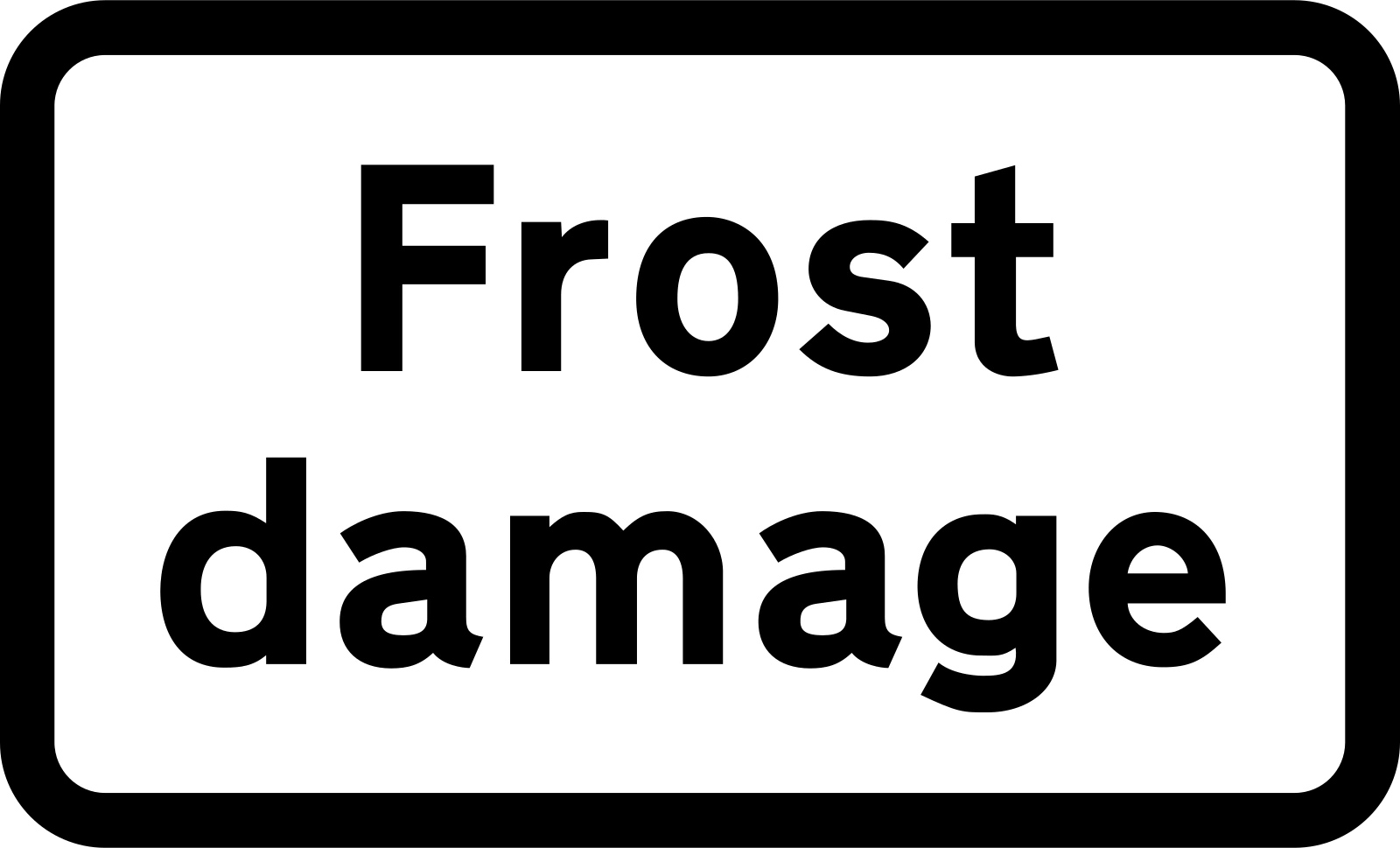
The 563V8 - Frost damage road sign may also be known by these alternative names or terms.
The 563V8 - Frost damage road sign is part of the Great Britain Hazard Plates category, which groups together signs with similar rules and functions.
Studying related road signs side-by-side helps cement your understanding and improves your ability to recognise them under pressure. Use this sign comparison feature for effective theory test revision and master traffic sign recognition.

Understand the Accident supplementary plate (563) to clarify road hazards.
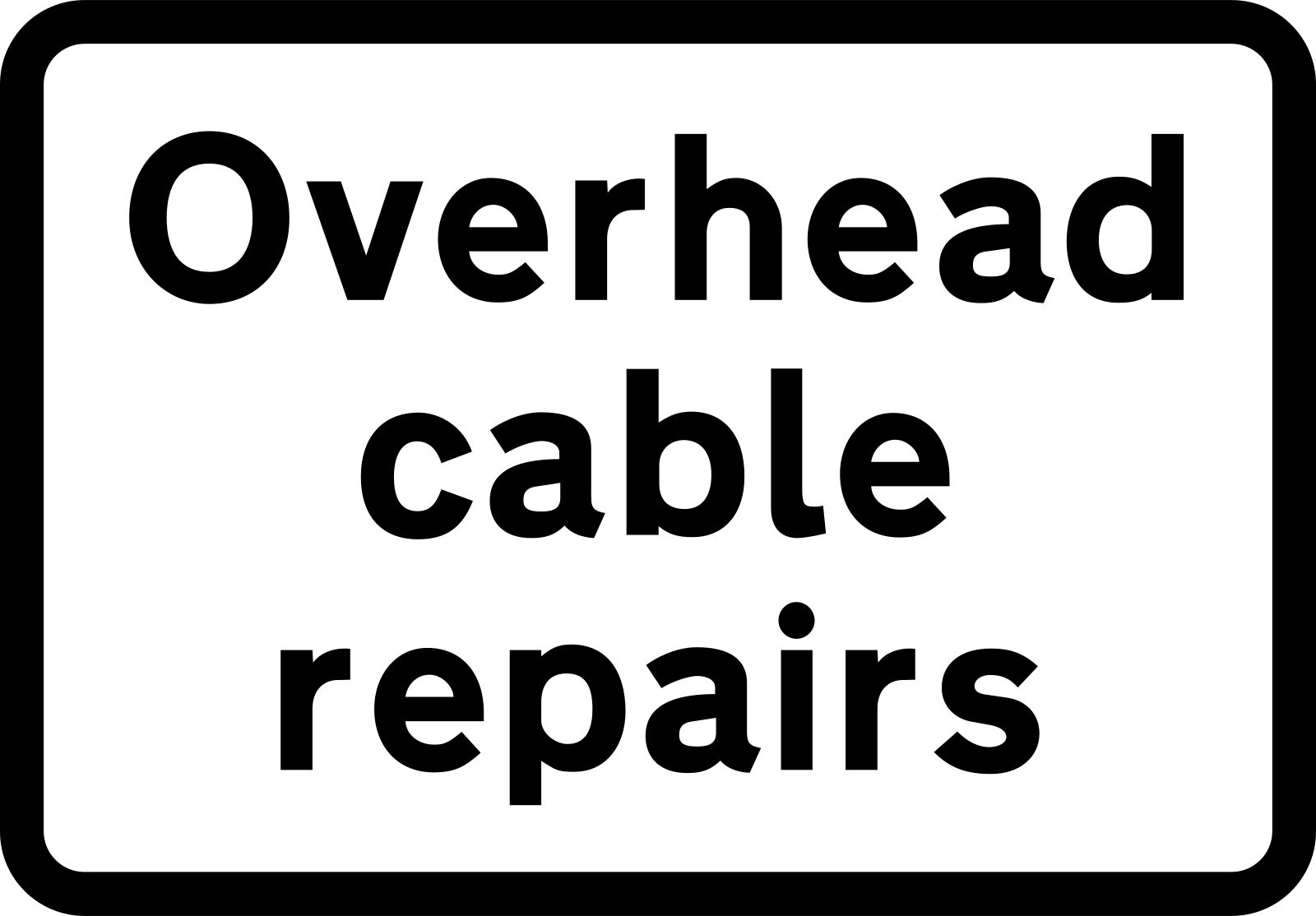
What does the 'Overhead cable repairs' supplementary road sign mean?
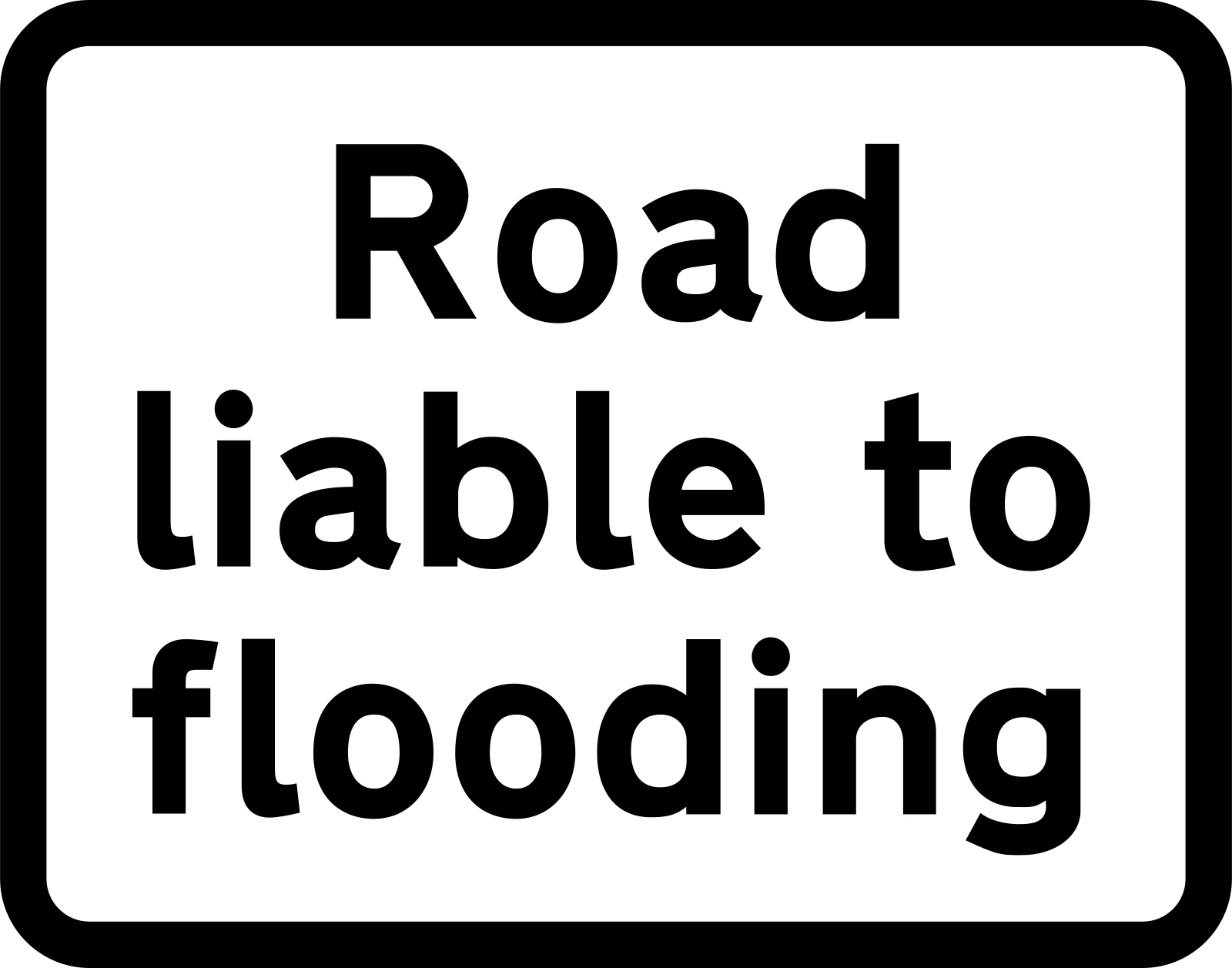
Understand the 'Road Liable to Flooding' supplementary plate for safer driving.

Understand the 'Smoke' supplementary road sign for hazard awareness

Learn how the 'Blasting' supplementary plate clarifies road hazards and distances.
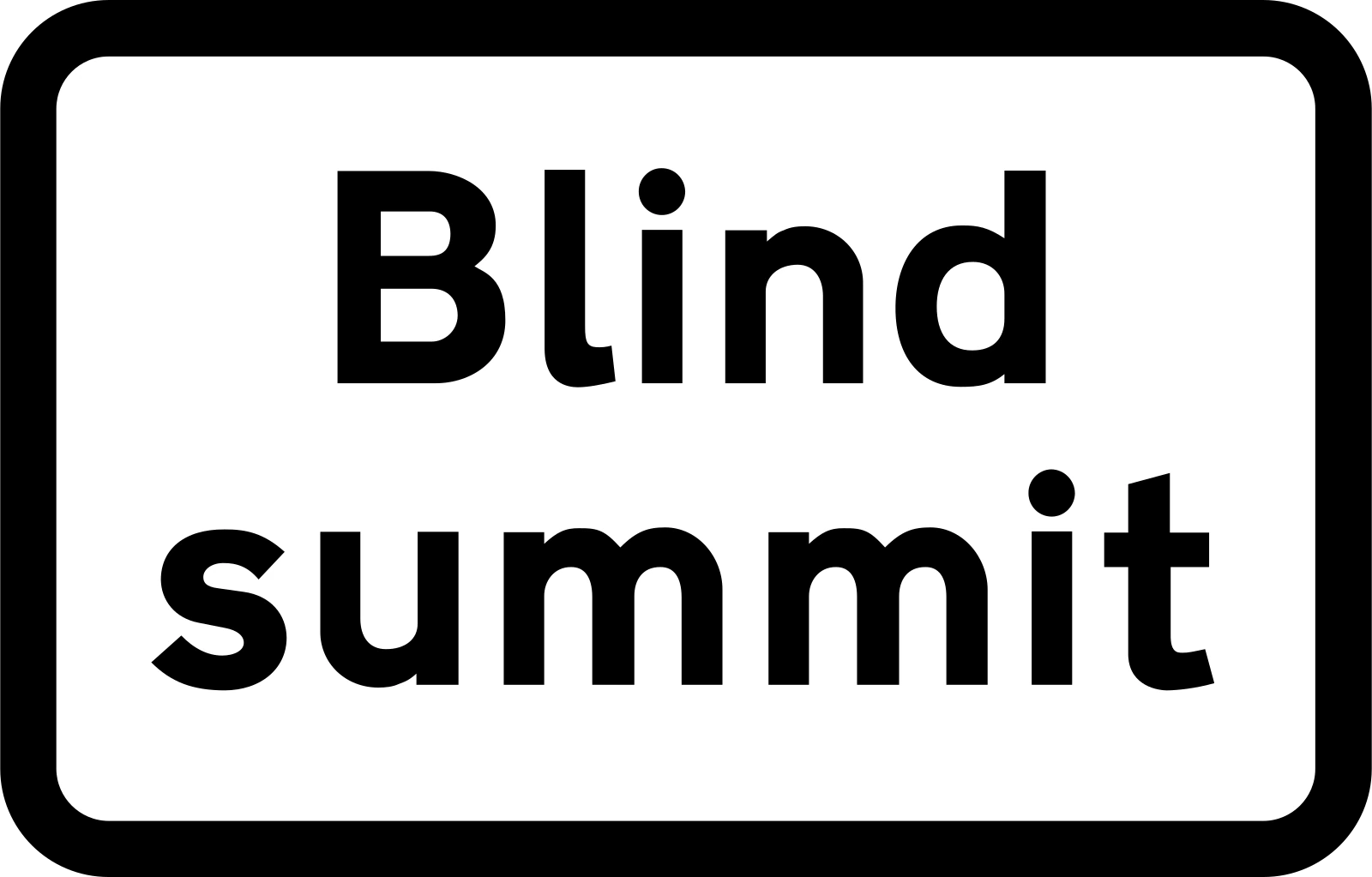
The 'Blind Summit' supplementary plate clarifies hazards on warning signs.
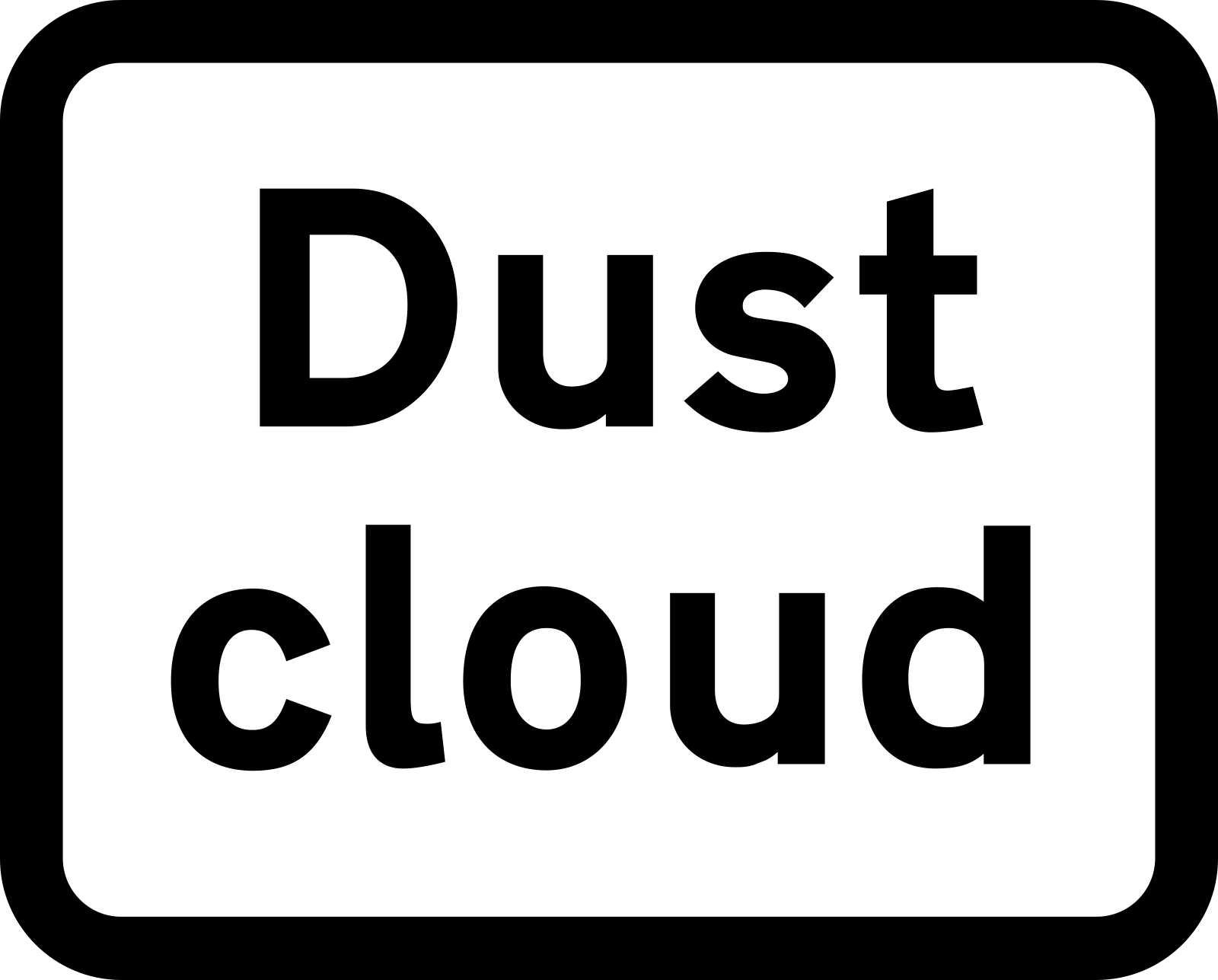
The 563V5 'Dust Cloud' supplementary plate clarifies specific hazards.
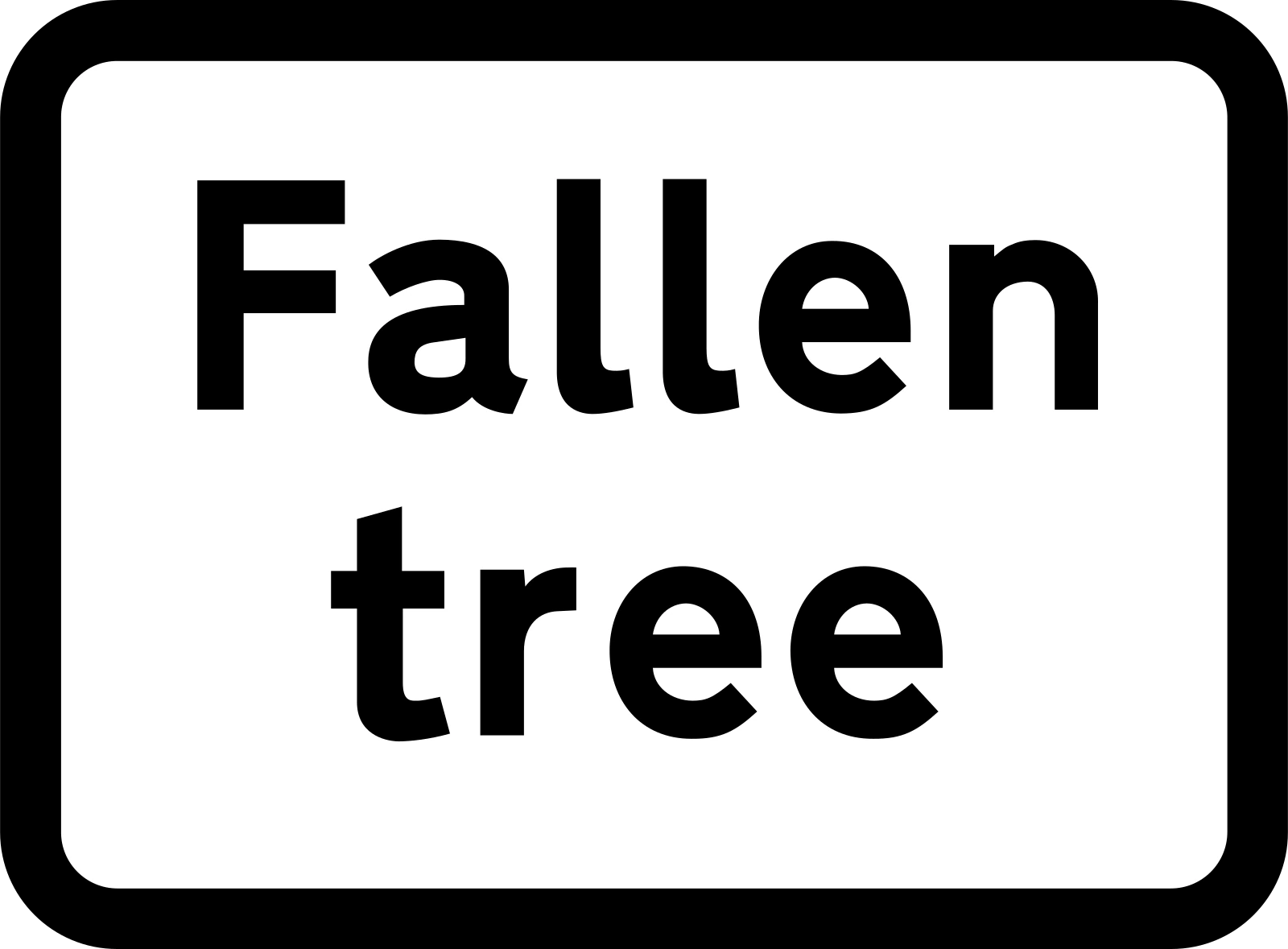
Understand the 'Fallen Tree' supplementary plate and its warning.
After reviewing the full list of road signs, challenge yourself with practice questions focused specifically on sign recognition. Reinforce your learning and ensure you're fully prepared to identify and understand all traffic signs on the DVSA theory test.
Browse All GB Road Signs List