
Driving Theory
Learn with British Theory Courses

GB AM Moped Theory: Riding in Wet, Slippery and Icy Conditions

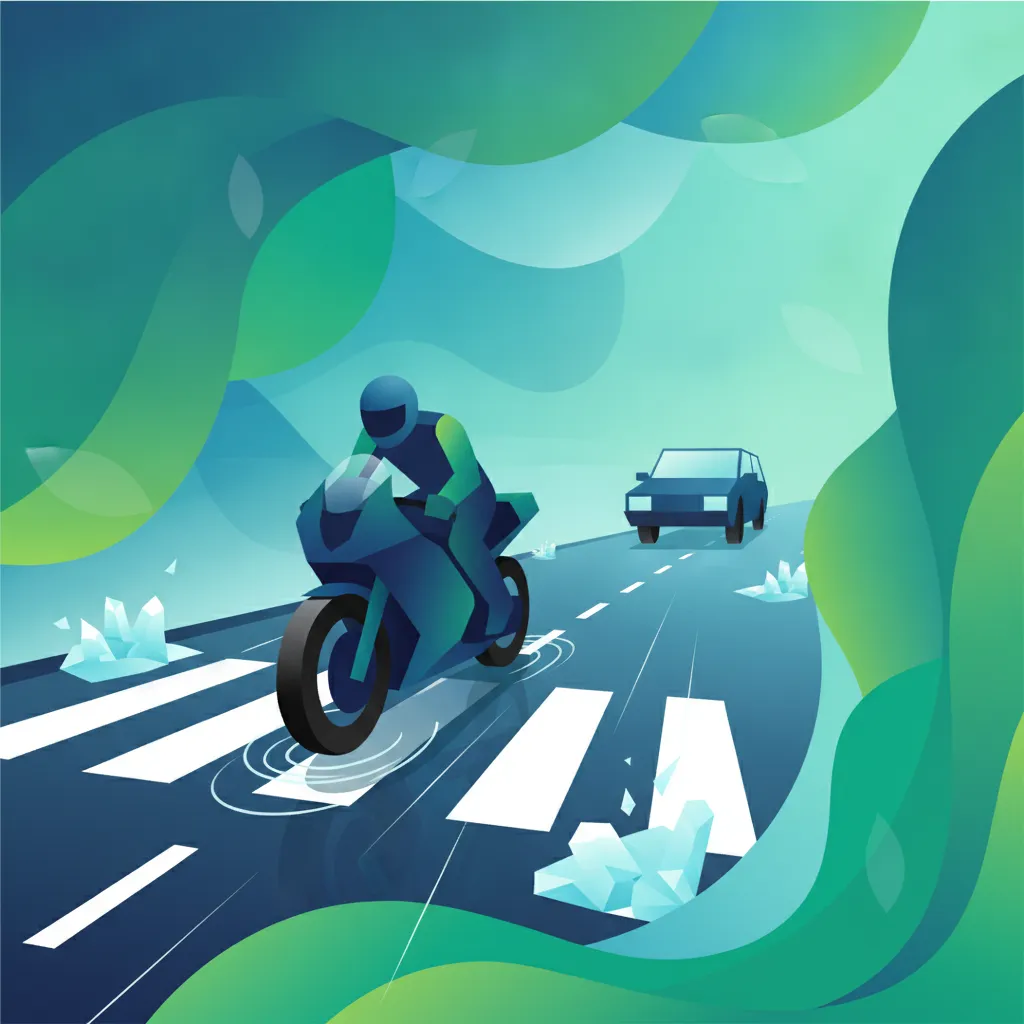
Riding in Wet, Slippery and Icy Conditions lesson overview image

This lesson provides essential advice for riding safely in adverse weather conditions that reduce tyre grip. You will learn how rain, ice, and wet leaves dramatically increase braking distances and affect handling. Key strategies covered include reducing speed, increasing following distances, making smooth control inputs, and anticipating slippery areas to maintain control and avoid skidding on compromised road surfaces.
adverse weatherbraking distancetyre griphazard perceptionAM theory testroad safety
GB AM Moped Theory curriculum

Part of the full GB AM Moped Theory curriculum

The Riding in Wet, Slippery and Icy Conditions lesson belongs to the structured GB AM Moped Theory curriculum, a complete learning program designed to help learners in Great Britain master every key topic required for the British driving theory exam. By studying this lesson, you continue building the knowledge, traffic awareness, and exam readiness developed throughout the units of the curriculum.
AM licencemoped theorylight quadricycleGB driving theoryDVSA theory testroad signspriority ruleshazard perceptionUK driving lawsEnglandScotlandWales
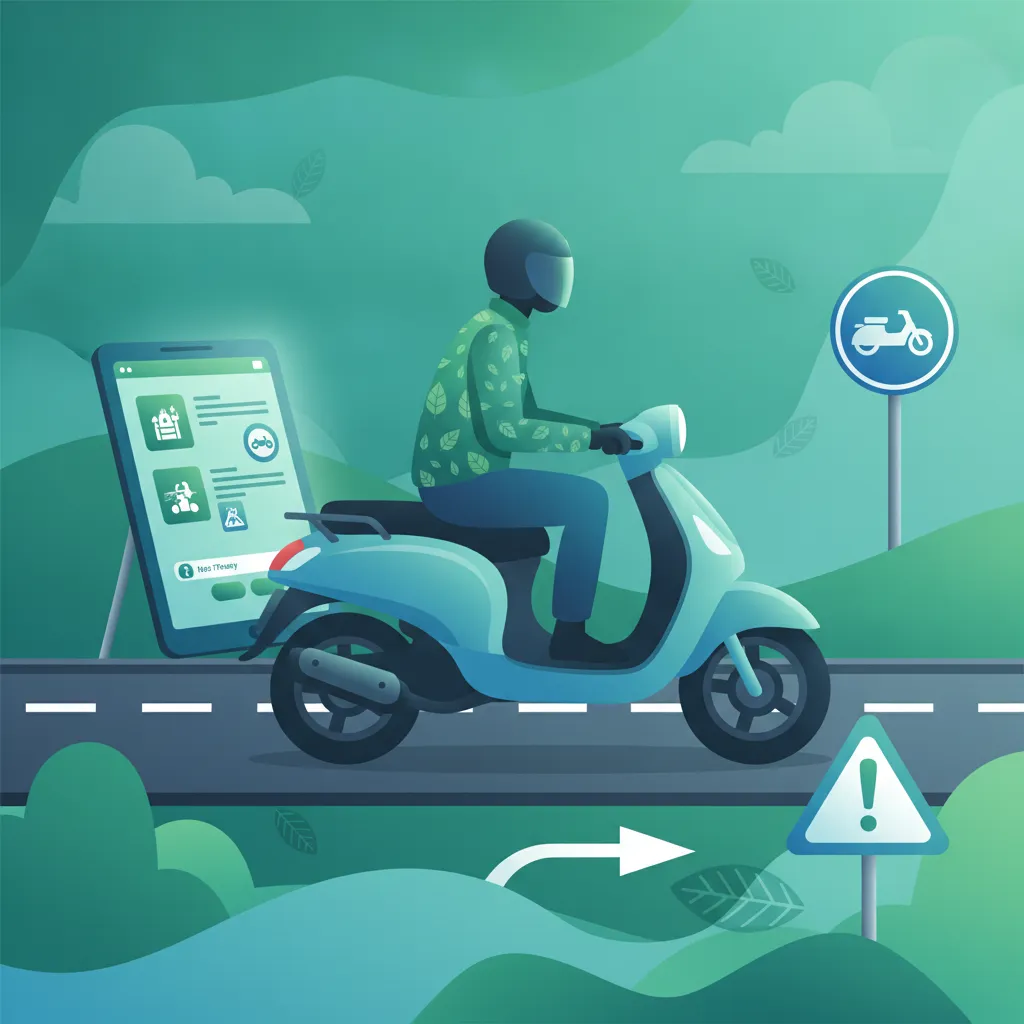
GB AM Moped Theory curriculum image

Great Britain AM Licence Theory Course: Mopeds & Light Quadricycles

Prepare comprehensively for your Great Britain Category AM theory test with our detailed curriculum. This course covers all essential topics based on the official DVSA syllabus, including the Highway Code, traffic signs, hazard perception, and vehicle safety. Learn the specific rules for mopeds and light quadricycles to build a strong foundation for safe riding and ensure you are fully prepared to pass your theory test and ride safely on UK roads in England, Scotland, and Wales.

6 units30 lessons
View curriculum

Why the Riding in Wet, Slippery and Icy Conditions lesson matters

The Riding in Wet, Slippery and Icy Conditions lesson explains one of the most important subjects in the Weather, Risk Behaviour, Emergencies and Penalties unit of the GB AM Moped Theory curriculum. It focuses on essential exam content that every learner in Great Britain needs for the British driving theory exam. Through clear explanations, practical examples, and real traffic situations, this lesson helps you understand how the rules work in practice and strengthens your overall exam preparation.

Browse curriculum
Learning objectives

What you will learn in the Riding in Wet, Slippery and Icy Conditions lesson

Identify how different weather conditions impact tyre grip and vehicle stability.
Calculate increased braking distances for wet and icy road surfaces.
Apply correct throttle and braking techniques to prevent skidding on slippery roads.
Recognize environmental hazards like wet leaves and oil spills on the road.
Demonstrate appropriate speed management strategies for reduced visibility and poor traction.
What you will gain

What you will understand after completing the Riding in Wet, Slippery and Icy Conditions lesson

After completing this lesson, you will be able to confidently adapt your riding style to match the prevailing road conditions, a critical skill for both your theory exam and real-world safety. You will understand why small, lightweight vehicles like mopeds are more susceptible to surface instability and how to mitigate these risks through smooth, measured control inputs.

You will also be prepared to answer DVSA theory test questions that present scenarios involving adverse weather or hazardous road surfaces. By mastering these concepts, you move beyond rote memorization to truly understanding how to manage risk, ensuring you can identify danger before it occurs and react appropriately in a test environment.
Start reading topics
What you will understand after completing the Riding in Wet, Slippery and Icy Conditions lesson
Learners who benefit the most from the Riding in Wet, Slippery and Icy Conditions lesson
Who should study this

Learners who benefit the most from the Riding in Wet, Slippery and Icy Conditions lesson

This lesson is essential for all AM licence learners preparing for their theory test in Great Britain. It is specifically useful for those who want to understand the physics of two-wheeled stability and how to avoid the common hazards that lead to skidding and loss of control.

View all lesson topics
Questions

FAQs about the Riding in Wet, Slippery and Icy Conditions lesson

Find answers to common questions about the Riding in Wet, Slippery and Icy Conditions lesson, including how it connects to the Weather, Risk Behaviour, Emergencies and Penalties unit and the full GB AM Moped Theory curriculum. Learn how long the lesson takes, what topics it covers, and how it supports your preparation for the driving theory exam in Great Britain.
Why learners trust the Riding in Wet, Slippery and Icy Conditions lesson

Why learners trust the Riding in Wet, Slippery and Icy Conditions lesson

The Riding in Wet, Slippery and Icy Conditions lesson is designed to make complex driving theory topics easier to understand. Content is written in a clear and practical way, aligned with exam expectations in Great Britain, and supported by examples that reflect real traffic situations. Whether you are reviewing or starting from scratch, this lesson helps you study efficiently and make steady progress inside the GB AM Moped Theory curriculum.

Covers all important concepts linked to this lessonCreated using exam relevant topics from Great BritainEvery topic explained using real world traffic situationsLesson layout that guides you step by stepReflects the latest rules required for the driving theory examStrengthens your preparation for the British theory exam
Start now

More units in the GB AM Moped Theory curriculum

Explore additional units that make up the complete GB AM Moped Theory curriculum. Each unit focuses on important driving theory subjects, helping learners in Great Britain build strong exam knowledge and improve understanding of rules, signs, and traffic behaviour.
AM Licence Basics and Small Vehicle Responsibility unit image
1

AM Licence Basics and Small Vehicle Responsibility

Understand the legal framework for Category AM licences in GB, including eligible vehicles, insurance, road tax, and documentation needed for mopeds and light quadricycles. Essential for new riders.

5 lessons
Learn more
Helmet, Visibility and Protective Behaviour unit image
2

Helmet, Visibility and Protective Behaviour

Master crucial safety for AM riders: learn about helmets, protective gear, and how to be visible on GB roads. Essential for your theory test.

5 lessons
Learn more
GB Road Signs, Markings, Signals and Priority Basics unit image
3

GB Road Signs, Markings, Signals and Priority Basics

Master GB road signs, markings, signals, and priority rules essential for your AM licence theory test. Understand traffic lights, road signs, and navigate junctions safely in the UK.

5 lessons
Learn more
Junctions, Roundabouts, Crossings and Road Positioning unit image
4

Junctions, Roundabouts, Crossings and Road Positioning

Master navigating junctions, roundabouts, and crossings. Learn critical road positioning techniques for enhanced visibility and safety on Great Britain's roads, vital for your AM licence theory test.

5 lessons
Learn more
Speed, Braking, Grip and Small Vehicle Control unit image
5

Speed, Braking, Grip and Small Vehicle Control

Master the vital principles of speed, braking, and grip for your Great Britain AM theory test. Learn how to control your moped or light quadricycle safely in all conditions.

5 lessons
Learn more
Weather, Risk Behaviour, Emergencies and Penalties unit image
6

Weather, Risk Behaviour, Emergencies and Penalties

Learn to handle bad weather, emergencies, and understand traffic penalties. Crucial final steps for your Great Britain AM licence theory test and safe moped riding.

5 lessons
Learn more

Start Your Targeted Practice Question Search Now

Dive into our comprehensive question bank to find exactly what you need for your Great Britain theory test. Use our advanced filters to pinpoint specific subjects or test your knowledge on challenging areas, ensuring you're fully prepared for success.

Search Practice Questions

Explore more content on British driving theory

British road signsBritish article topicsGB AM Moped Theory courseSearch British road signsMotorcycle Theory GB courseGB Category B Theory courseBritish driving theory homeBritish road sign categoriesBritish driving theory topicsGB Goods Vehicle Theory courseSearch British theory articlesBritish driving theory coursesBritish driving theory articlesBritish driving theory practiceBritish practice set categoriesGB Passenger Vehicle Theory courseBritish driving licence proceduresSearch British driving theory practiceBritish driving theory terminology A–ZBritish driving theory terms and glossaryGB Road Signs and Traffic Signals unit in GB Category B TheoryHelmet, Visibility and Protective Behaviour unit in GB AM Moped TheoryAM Licence Basics and Small Vehicle Responsibility unit in GB AM Moped TheoryMotorcycle Licence Basics and Rider Responsibility unit in Motorcycle Theory GBVehicle Size, Weight, Dimensions and Road Space unit in GB Goods Vehicle TheoryCategory B Licence Basics and Driver Responsibility unit in GB Category B TheoryProtective Equipment, Visibility and Rider Condition unit in Motorcycle Theory GBGoods Vehicle Licence Scope and Professional Responsibility unit in GB Goods Vehicle TheoryPassenger Safety, Comfort, Accessibility and Driver Conduct unit in GB Passenger Vehicle TheoryPassenger Vehicle Licence Scope and Professional Responsibility unit in GB Passenger Vehicle TheoryPenalties, Points, and Legal Consequences lesson in Weather, Risk Behaviour, Emergencies and PenaltiesRiding in Wet, Slippery and Icy Conditions lesson in Weather, Risk Behaviour, Emergencies and PenaltiesCrash, Breakdown, and Emergency Procedures lesson in Weather, Risk Behaviour, Emergencies and PenaltiesSubstance Use, Distractions, and Peer Pressure lesson in Weather, Risk Behaviour, Emergencies and PenaltiesReduced Visibility: Fog, Darkness, and Poor Lighting lesson in Weather, Risk Behaviour, Emergencies and Penalties